


The Divergence Department
Subscribed: 1Played: 1
Subscribe

© The Divergence Department
Description
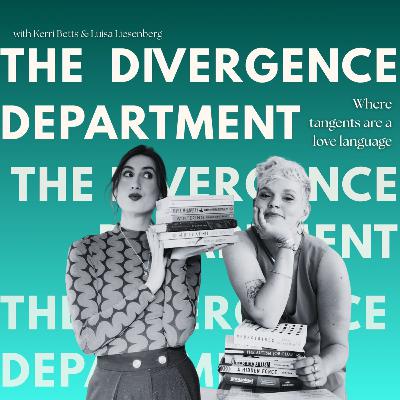
Welcome to the show where two neurodivergent neuroinclusion consultants pull apart the world of work, identity, culture and “professionalism” with brains that refuse to stay in the lines.
We’re not here to “explain autism” or sprinkle your ADHD with empty positivity, we’re here to expose the systems, decode the social myths and laugh through the chaos of being different in a world built for sameness. If you’re craving honesty and connection without the clichés, then join us at the Divergence Department - where tangents are a love language.
26 Episodes
Reverse
Who gets to decide what neuroinclusion actually looks like?This week we end up questioning our own work, but not because we doubt it's important. We get into the language we use for different minds, how it changes, and what it says about us. We ask what neuroinclusion really is, why it's so hard to explain, and whether a government minister could make any difference at all.It's an honest and ongoing conversation pull up a chair and join in.
Ryan Hoare recorded this episode with us on his second day as a full-time founder, which tells you roughly where his nervous system was at. He’s building TryMosaic, software that runs the reasonable adjustments process for UK employers, a process that usually lives in email threads and forgotten spreadsheets.We talk about why so many neurodivergent people end up founding because workplaces never made room for them, why disclosure is the price of legal protection, and why “just design for everyone” breaks the moment a lip-reader joins your cameras-off meeting. Plus Taylorism, human capital, and Ryan’s theory of why dyspraxia never got a superpower narrative.Transparency note: Kerri works with Ryan on TryMosaic.
Kerri arrives sceptical, Luisa brings receipts. Together they go behind the scenes of coaching sessions and get honest about its limits: it can help you survive a broken system, but it should never be the excuse for not fixing one. Along the way, they find out why you don’t need a tidy goal to begin, why the perfect system doesn’t exist and why a human coach beats an AI that just nods along.
Two major UK reports on neurodivergence came out a week apart this October. Within days, one of them was attached to a BBC headline it doesn’t actually support. Kerri has a question she can’t let go of: how much evidence does it take before something changes? Luisa, coming from Germany, where there’s hardly any data to argue with, is a little jealous anyway.Then they get to the question most organisations skip: where should neuroinclusion actually live? DEI, HR and business operations each turn it into something different, and each has its own blind spot. Luisa has a firm answer. Kerri has a test that involves all your best managers quitting. And somewhere in there is the reason nobody puts payroll in their values statement.Also: three wishes, one shameless plug, and a disputed number of tangents.
Kerri and Luisa are celebrating one whole year of friendship, and you're invited to the party. Some people just feel like home the moment you meet them. In this episode, Kerri and Luisa look back on the year since their friendship clicked into place (spoiler: it took about five minutes) and what it means when someone feels like kin.Along the way, they laugh about the glorious chaos of editing this podcast (yes, the last episode was an adventure), and talk about how good friends nudge us out of our comfort zones and into community. They also get real about why making friends as an adult is so much harder than it was in school, especially when you've always felt a little on the outside.Every neurodivergent experience is different, but that feeling of outsidedness is one plenty of us know well. This conversation is a warm celebration of the understanding, acceptance, and belonging that come from finding your people.

Comments

Download from Google Play

Download from App Store
 United States