


 Claim Ownership
The Fearless Mindset
Subscribed: 12Played: 513
Subscribe

© 2021 Ledlow Security
Description
The Fearless Mindset hosted by Mark Ledlow, the founder of Ledlow Security Group. Join me as I interview the Security Industry's best and brightest to learn about the tactics and strategies they use to protect the world's wealthiest families so you can stay safe during these unprecedented times.
If any questions come up or you want to get connected or recommend a guest, email [email protected]
306 Episodes
Reverse
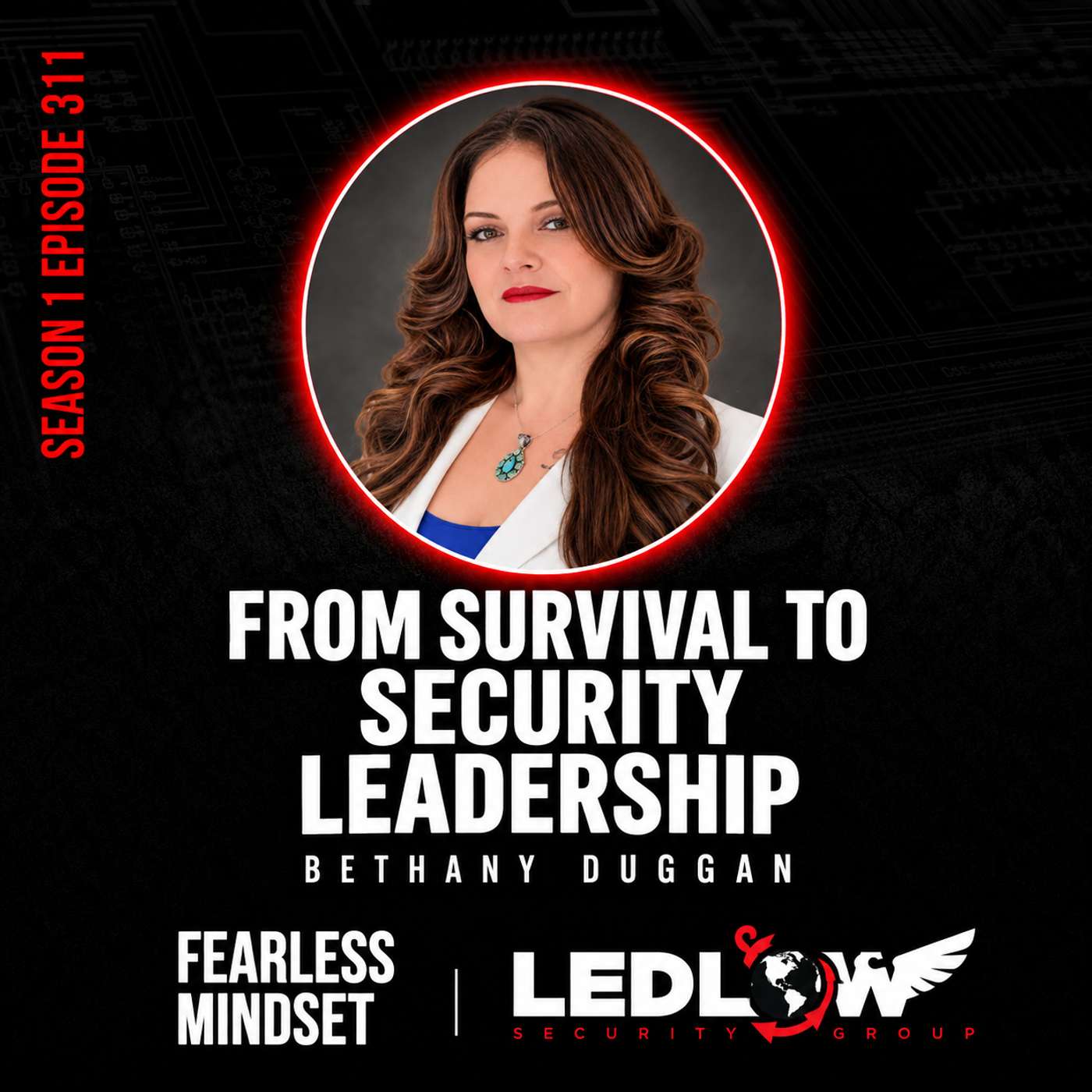
In this episode of The Fearless Mindset Podcast, host Mark Ledlow oined by Bethany Duggan, Senior Vice President of Executive Security International (ESI), for a powerful conversation about overcoming adversity, personal transformation, leadership development, and building a successful career in the security industry. Bethany shares her remarkable journey from struggling with addiction, trauma, and self-doubt to becoming a confident leader in her family's security training business. She opens up about surviving a violent knife attack, overcoming substance abuse, and rebuilding trust with her father, ESI founder Bob Duggan. Through perseverance, family support, education, and personal growth, Bethany transformed her past into a foundation for stronger leadership and a more meaningful future.The conversation explores how Bethany's eight-year departure from ESI helped prepare her for the responsibilities she carries today. During that time, she earned bachelor's and master's degrees, developed her business and marketing expertise in the automotive industry, and learned valuable lessons about conflict resolution, emotional maturity, and leadership. Bethany explains how these experiences strengthened her confidence and helped her return to ESI with a clearer vision for managing the organization. Mark and Bethany also discuss the company's 45-year legacy, its evolution from traditional defensive training toward proactive threat prevention, and the importance of protective intelligence, threat assessments, and preemptive intervention. Bethany emphasizes that modern executive protection requires more than firearms proficiency and physical defensive skills. Professionals must understand risk management, communication, technology, cybersecurity, artificial intelligence, and the growing influence of connected devices.The discussion then shifts toward preparing the next generation of security professionals for long-term career success. Bethany explains why many newcomers struggle with unrealistic expectations, instant gratification, and the belief that completing training automatically qualifies them for advanced positions. She emphasizes that credibility, experience, and leadership responsibilities must be earned through consistent performance and professional development. Mark and Bethany also examine the value of vocational certifications compared to traditional college degrees, encouraging individuals to choose educational paths that align with their career goals. Bethany highlights ESI's commitment to practical training, including corporate security management, surveillance detection, medical preparation, and professional threat assessment reporting. She closes by reinforcing that the true measure of a successful training institution is not how many students graduate, but how many build meaningful careers in the industry.Learn about all this and more in this episode of The Fearless Mindset Podcast.KEY TAKEAWAYSLeadership develops through experience and emotional maturity. Bethany's time outside the family business helped her build confidence, improve conflict resolution skills, and understand people more effectively. Strong leadership requires self-awareness, continuous learning, and the ability to respond thoughtfully under pressure.Modern executive protection focuses on prevention. Effective security professionals must move beyond reactive tactics and prioritize protective intelligence, threat assessments, and preemptive intervention. Preventing threats before they escalate is essential to protecting clients, their reputations, and their safety.Security training must evolve with emerging threats. Artificial intelligence, cybersecurity, and the Internet of Things are changing the protective services industry. Training institutions must continuously update their programs to prepare professionals for new technologies and operational challenges.Career advancement must be earned through experience. Completing a training program does not automatically qualify someone for senior protective roles. Building a successful security career requires patience, practical experience, professional development, and a willingness to start at the bottom.Choose education that aligns with your career goals. Traditional degrees are not always the most practical or affordable route into the security industry. Vocational training, certifications, and specialized programs can provide valuable skills when they match the requirements of a chosen career path.Successful training is measured by career outcomes. Bethany believes the true value of security education lies in preparing graduates for sustainable employment. Practical skills in corporate security, executive protection, surveillance, medical response, and report writing help professionals succeed in real-world assignments.QUOTES “Not everybody is going to agree with your life's choices.”“Other people can use their past to grow.”“We need to be the hunters, not the hunted.”“Everybody wants a shortcut to life, and there is no shortcut.”“You still have to earn your right to be team lead.”“Report writing is an important skill set.”“My best asset in this world is a working graduate.”Get to know more about Bethany Duggan through the link/s below: https://www.linkedin.com/in/bethany-duggan/To hear more episodes of The Fearless Mindset podcast, you can go to https://the-fearless-mindset.simplecast.com/ or listen on major podcasting platforms such as Apple, Google Podcasts, Spotify, etc. You can also subscribe to the Fearless Mindset YouTube Channel to watch episodes on video.
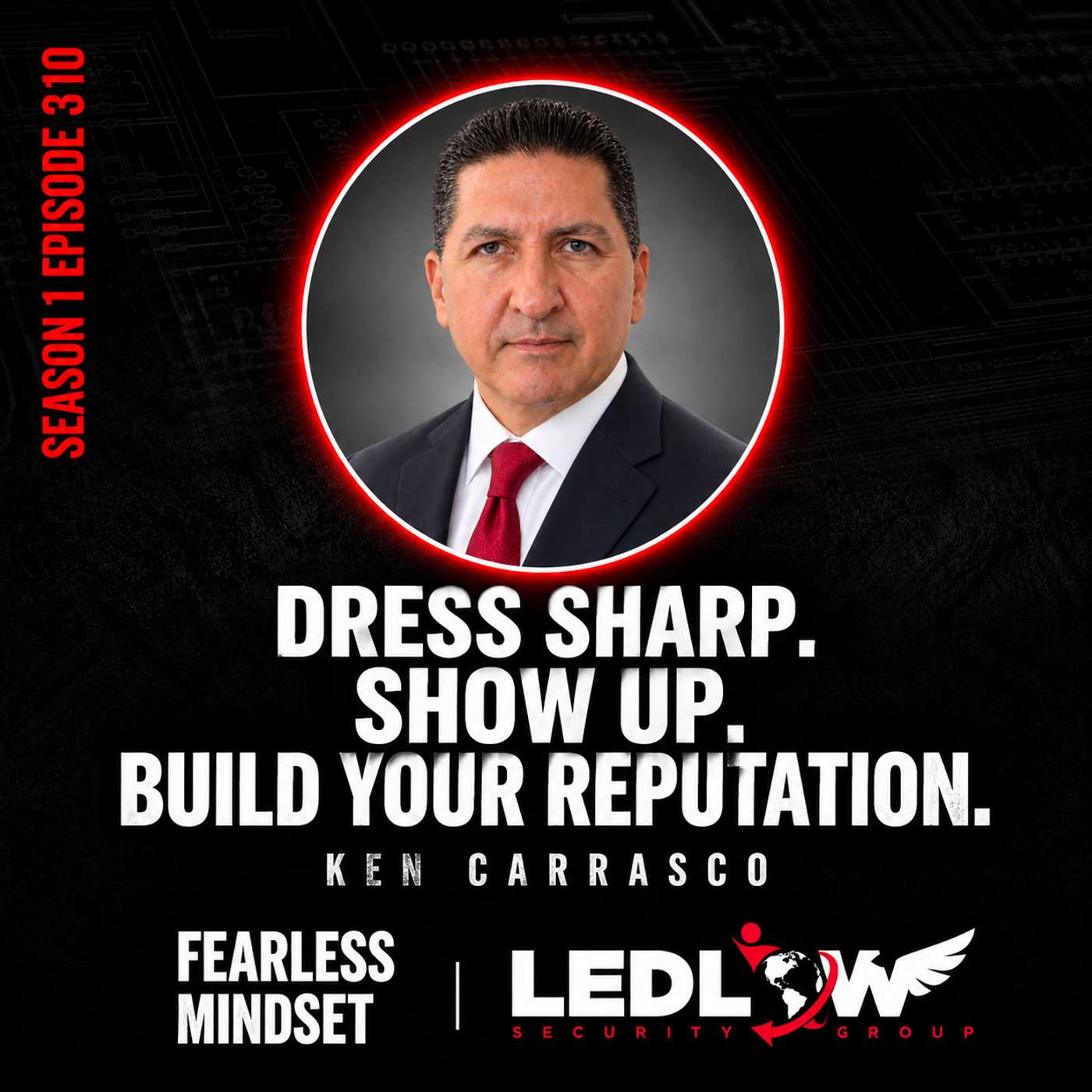
In this episode of The Fearless Mindset Podcast, host Mark Ledlow joined by security industry professional Ken Carrasco discuss the importance of professional networking, personal branding, mentorship, and building a successful career in the security industry. Mark shares his journey transitioning from military service into private security, explaining how relationships, persistence, and preparation helped him navigate unfamiliar territory. From obtaining the necessary licenses and certifications to building connections that opened doors to his first opportunities, Mark emphasizes that success in security depends on more than technical qualifications. It requires a willingness to learn, invest in personal development, and consistently demonstrate professionalism.The conversation explores how reputation, trust, and face-to-face relationships influence opportunities within the security industry. Mark explains why attending industry conferences, connecting with experienced professionals, and surrounding yourself with knowledgeable mentors can accelerate career growth. He also discusses the importance of presenting yourself professionally, developing a strong personal brand, and understanding how industry leaders evaluate potential partners and employees. Mark and Ken examine the growing influence of social media, explaining how platforms such as LinkedIn, Instagram, and TikTok can support professional visibility when used intentionally. However, they emphasize that online exposure cannot replace authentic relationships, strong character, and a reputation earned through consistent performance.The discussion then shifts toward generational leadership, workplace expectations, and the responsibility of developing the next generation of security professionals. Mark and Ken explore how younger employees approach career growth, communication, work-life balance, and professional development differently from previous generations. Rather than forcing younger professionals to conform to outdated expectations, they emphasize the importance of understanding individual motivations, providing mentorship, and creating opportunities for growth. Mark shares how his leadership approach focuses on taking care of employees, building trust, recognizing contributions, and creating loyalty through meaningful relationships rather than financial incentives alone. The conversation also examines emerging opportunities in executive protection, residential security, international travel security, and specialized protective driving training. Mark closes by sharing a powerful reminder that leadership and business success are ultimately about making a positive impact on others, providing opportunities, and helping people find purpose in their work.Learn about all this and more in this episode of The Fearless Mindset Podcast.KEY TAKEAWAYSRelationships open doors in the security industry. Professional connections often create opportunities that traditional job applications cannot. Building genuine relationships through networking, mentorship, and industry events can accelerate career growth.Your reputation is built through everyday professionalism. Appearance, attitude, character, and performance influence how industry leaders evaluate potential employees and business partners. Treat every assignment and professional interaction as an opportunity to earn trust.Personal branding requires authenticity and intention. Social media platforms can increase visibility and help professionals communicate their expertise. However, meaningful relationships and a trustworthy reputation matter more than online attention.Effective leadership begins with understanding people. Younger professionals often have different motivations, expectations, and communication preferences. Leaders must understand individual goals, provide mentorship, and actively participate in employee development.Loyalty is earned through trust and genuine care. Employees are more likely to remain committed when leaders recognize their contributions and support their growth. Taking care of people creates stronger relationships and a more sustainable organizational culture.QUOTES “It's all about who you know in this industry.”“Each day on the job is truly an interview.”“People will judge you based on your association.”“You gotta earn those relationships of trust.”“You cannot buy loyalty. It's gotta be earned.”“Take care of your people, then they'll take care of you.”Get to know more about Ken Carrascot hrough the link/s below:https://www.linkedin.com/in/kencarrasco/To hear more episodes of The Fearless Mindset podcast, you can go to https://the-fearless-mindset.simplecast.com/ or listen on major podcasting platforms such as Apple, Google Podcasts, Spotify, etc. You can also subscribe to the Fearless Mindset YouTube Channel to watch episodes on video.
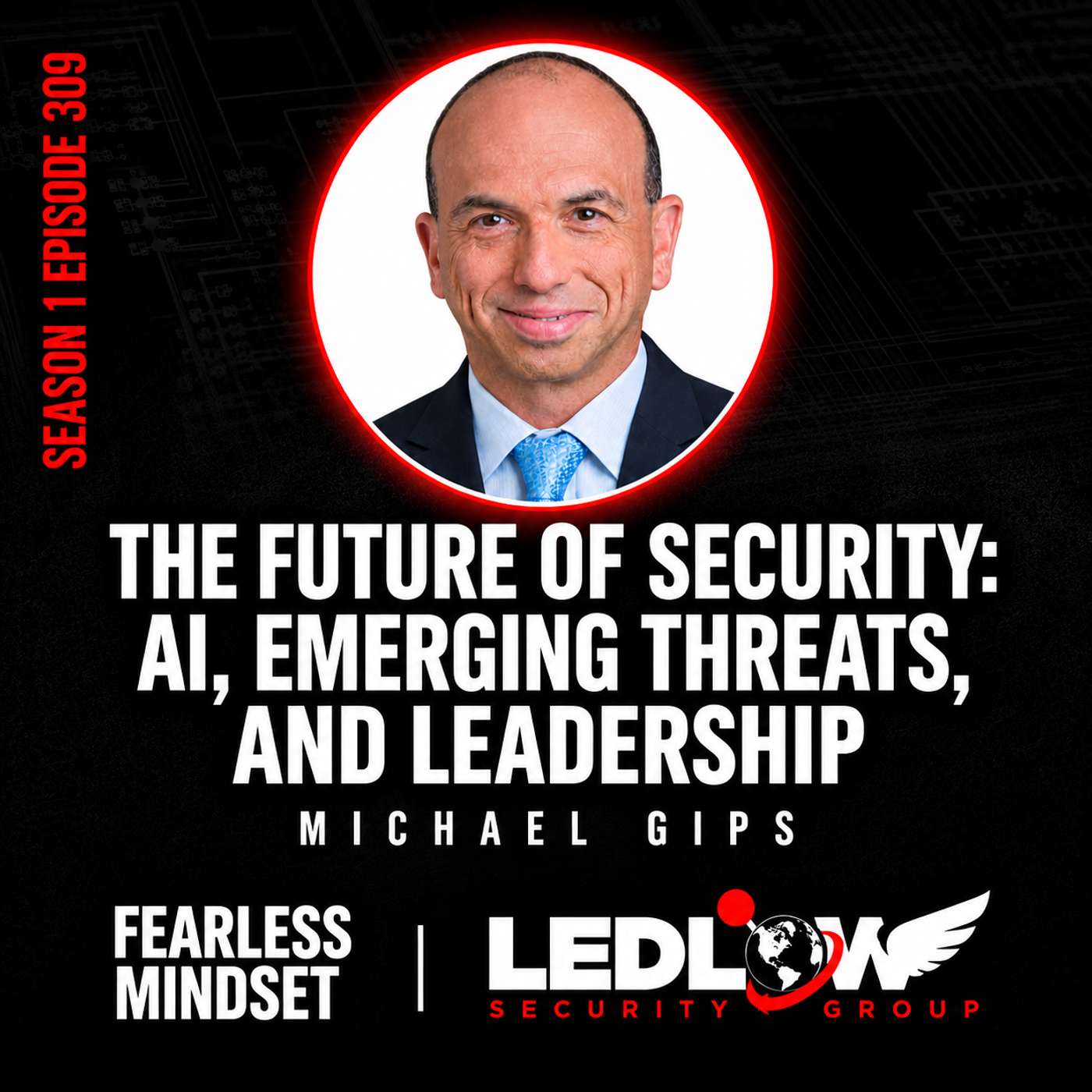
In this episode of The Fearless Mindset Podcast, host Mark Ledlow joined by security industry expert, attorney, and Kroll Managing Director Michael Gips for an in-depth conversation about the evolving security landscape, emerging threats, and the importance of developing the next generation of security leaders. Michael shares his unconventional journey into the security profession, from studying history and law to becoming an influential voice in security and risk management. He also discusses his first published book, which brings together the experiences and insights of approximately 150 security professionals, emphasizing the value of mentorship, professional networks, and leaving the industry better than they found it.The conversation explores how corporate security is shifting from reactive protection and basic compliance toward comprehensive, best-in-class security programs. Michael explains how organizations face an increasingly complex threat environment involving cyberattacks, ransomware, geopolitical instability, executive protection risks, AI-generated deepfakes, and online threats. As these challenges become more interconnected, businesses are recognizing the need to integrate physical security, cybersecurity, and protective intelligence into sustainable threat management programs. Rather than addressing security concerns individually, Michael emphasizes the importance of developing strategic approaches that anticipate risks, strengthen organizational resilience, and prepare companies for emerging threats.The discussion then turns toward generational leadership, workplace culture, and the growing influence of technology on younger professionals. Michael and Mark examine how post-COVID workplace changes, shifting career expectations, and the desire for meaningful work are reshaping professional environments. They also discuss the impact of social media algorithms, misinformation, AI-generated content, and political polarization on critical thinking and public trust. Michael explains why experienced leaders must move beyond generational criticism and instead provide mentorship, encourage independent thinking, and help younger professionals evaluate information responsibly. His message is clear: the future of security depends not only on stronger systems and emerging technologies but also on developing thoughtful, adaptable leaders who can navigate an increasingly complex world.Learn about all this and more in this episode of The Fearless Mindset Podcast.KEY TAKEAWAYSSecurity must evolve beyond reactive protection. Organizations need comprehensive security programs that anticipate threats rather than simply respond to incidents. Proactive planning and integrated intelligence strengthen long-term protection.AI and emerging threats are reshaping corporate security. Deepfakes, cyberattacks, ransomware, and geopolitical instability create increasingly complex risks. Security professionals must adapt to threats across physical and digital environments.Best-in-class security goes beyond compliance. Companies are moving away from basic benchmarks toward strategic security programs. Sustainable protection requires coordinated physical security, cybersecurity, and threat management.Mentorship builds the next generation of security leaders. Experienced professionals must share their knowledge and develop emerging talent. Strong leadership means preparing others to take the industry further.Younger professionals seek purpose in their careers. New generations increasingly value meaningful work that aligns with their beliefs. Finding that alignment requires persistence, patience, and an understanding of business realities.Critical thinking is essential in the age of misinformation. Social media algorithms and AI-generated content can reinforce biases and distort perceptions. Leaders must encourage independent thinking, credible information sources, and authentic conversations.QUOTES “I think there's no higher calling or no greater purpose to leadership than developing the next generation of professionals.”“What would it take us to be best in class?”“Let's look at this comprehensively.”“I don't wanna dampen their passion for doing meaningful work.”“I think that we have to set aside our judgment.”“Look for outside sources.”Get to know more about Michael Gips through the link/s below:https://www.linkedin.com/in/michaelgips/To hear more episodes of The Fearless Mindset podcast, you can go to https://the-fearless-mindset.simplecast.com/ or listen on major podcasting platforms such as Apple, Google Podcasts, Spotify, etc. You can also subscribe to the Fearless Mindset YouTube Channel to watch episodes on video.
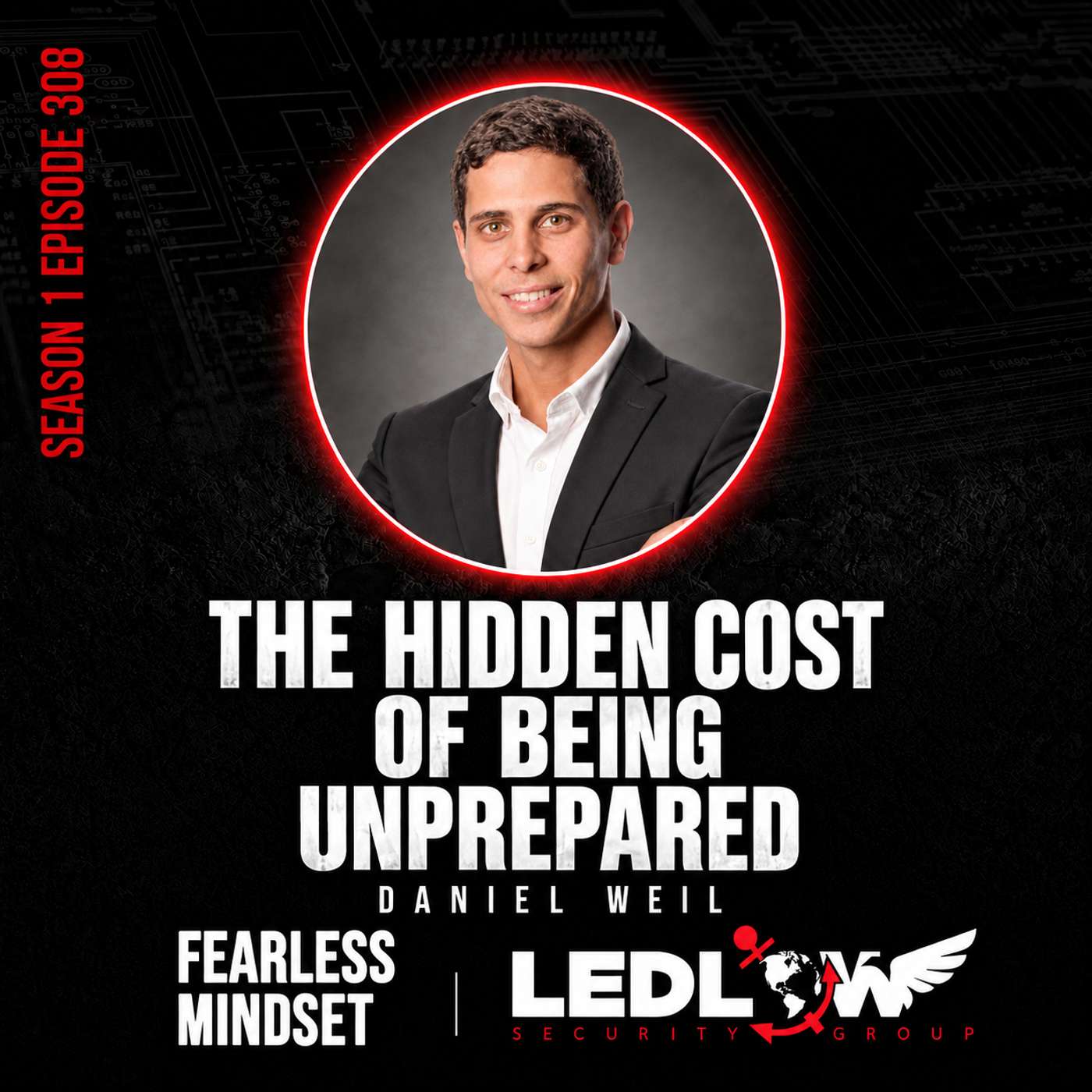
In this episode of The Fearless Mindset Podcast, host Mark Ledlow joined by reconnects with Israeli military reservist and security professional Daniel Weil for an in-depth conversation about Israel's security situation following Iran's direct attack, the growing threat of regional conflict, and the importance of preparing for worst-case scenarios. Speaking approximately 24 to 36 hours after the attack, Daniel shares his perspective on Israel's defensive response, the resilience of its people, and the uncertainty surrounding potential retaliation. He explains how the events of October 7 exposed vulnerabilities and reinforced a critical lesson: no country, organization, or security operation is as protected as it may believe.The conversation explores the expanding security challenges involving Iran, Hezbollah, the Houthis, and other regional actors, along with the role of international cooperation in missile defense. Daniel and Mark also discuss American support for Israel, differing opinions about military responses, and how ongoing conflict affects civilians, displaced families, and security professionals. Daniel explains how his company, SCS, continues supporting corporate clients through evacuations, executive protection, quick response teams, and security operations while adapting to rapidly changing conditions.The discussion then turns toward crisis preparedness, operational resilience, and the hidden cost of being unprepared.Daniel explains why security organizations must rethink their standard operating procedures and prepare for extreme situations where electricity, internet access, and communication systems become unavailable. From establishing backup operations centers and coordinating multiple vendors to developing emergency communication and evacuation plans, he emphasizes the importance of preparing beyond conventional scenarios. His message is clear: security professionals cannot afford to wait for a crisis to discover that their systems, resources, and procedures are not enough.Learn about all this and more in this episode of The Fearless Mindset Podcast.KEY TAKEAWAYSNo security system is completely immune to threats. Even advanced defense systems have vulnerabilities. Preparedness starts with recognizing weaknesses.Resilience is essential during conflict. Staying strong means adapting to uncertainty while supporting affected communities and military personnel.Regional cooperation strengthens security. Coordinated defense efforts and strong alliances help countries respond to large-scale threats.Executive protection must adapt to changing threats. Effective security requires flexible evacuation plans, reliable resources, and rapid response capabilities.Communication failures create serious security risks. Backup systems alone are not enough. Teams need clear procedures when communication networks fail.Prepare for worst-case scenarios. Strong contingency plans and updated procedures help security teams maintain operations during extreme emergencies.QUOTES “You see that you're not as immune as you think you are.”“You can't really evacuate the locals.”“If you're weak, you're gonna be attacked.”“You know now that you're not as strong as you think.”“How do you run evacuation if you don't have electricity?”“How do you communicate with your employees?”Get to know more about Daniel Weilthrough the link/s below:https://www.linkedin.com/in/daniel-weil-111b10128/To hear more episodes of The Fearless Mindset podcast, you can go to https://the-fearless-mindset.simplecast.com/ or listen on major podcasting platforms such as Apple, Google Podcasts, Spotify, etc. You can also subscribe to the Fearless Mindset YouTube Channel to watch episodes on video.
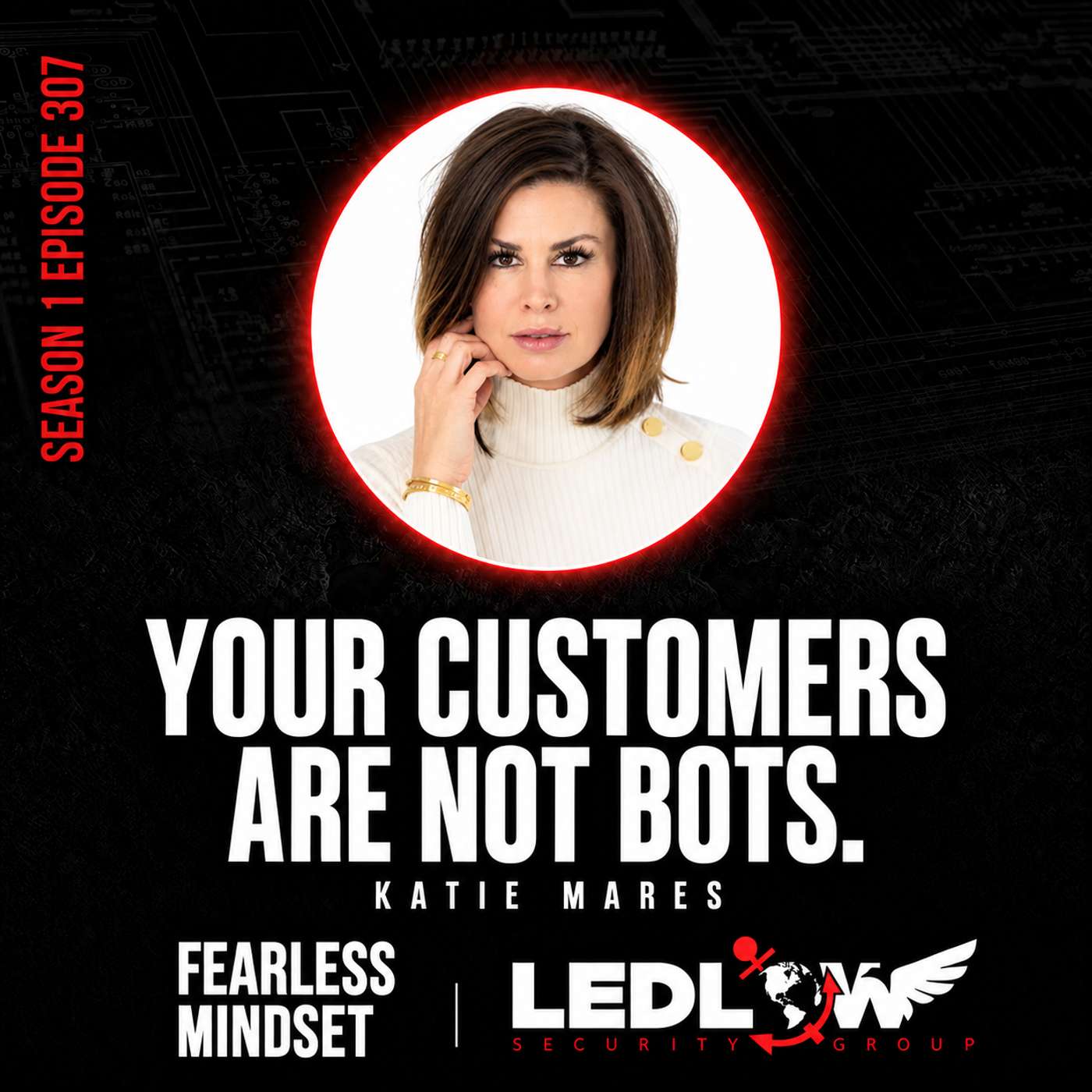
In this episode of The Fearless Mindset Podcast, host Mark Ledlow joined by branding and customer experience expert Katie Mares for a conversation about human connection, the growing use of artificial intelligence in business, the influence of women as consumers, and what it means to keep moving forward through adversity. Katie explains why businesses cannot afford to lose the human element of the customer experience. While technology can improve efficiency and personalization, she argues that it cannot replace genuine relationships. Her message is simple: your customers are not bots. They are humans who want connection.The conversation also explores Katie’s work studying how men and women approach purchasing decisions differently. She discusses the significant influence women have over buying decisions and how brand preferences can carry across families and multiple generations. Katie and Mark also examine authentic branding in a crowded digital environment, emphasizing the importance of consistently providing value, educating customers, and building trust rather than making every interaction about a sale.The discussion then turns toward courage, resilience, and personal adversity. Katie shares the mission behind Ladies Take Control, which is focused on inspiring women to find the courage to do hard things during dark times. She also opens up about her own experience with domestic abuse and why she refuses to remain silent. For Katie, fearlessness is not the absence of fear, but the decision to keep moving forward through it.Learn about all this and more in this episode of The Fearless Mindset Podcast.KEY TAKEAWAYSYour customers are not bots. Technology can improve efficiency and personalization, but it cannot replace genuine human connection, relationships, and experiences.Customer experience has become a major competitive differentiator. When products, prices, and alternatives are easy to find online, the way customers feel when interacting with a company can determine loyalty and trust.Women influence purchasing decisions across generations. Katie explains how buying habits can move from grandmother to mother to daughter and influence people far beyond the immediate household.Value builds relationships better than constant selling. Consistently educating and helping people can create trust that eventually leads customers back to you when they are ready to buy.Purpose should extend beyond the transaction. Katie wants each interaction to leave people better than she found them and inspire positive, actionable change.Courage means moving forward while fear is still present. Through Ladies Take Control and her own personal journey, Katie encourages women facing difficult circumstances to recognize that they can still take action even when they are scared.QUOTES “Your customers are not bots.”“They’re humans that crave human interaction.”“Service is a transaction. An experience is something that actually shifts something in you.”“Your value will sell you.”“Courage isn’t doing things in the absence of fear. Courage is doing it when you’re walking through fear.”“Only good things can come from this situation.”Get to know more about Katie Maresthrough the link/s below:https://www.linkedin.com/in/katie-mares-ctdp-mcatd-cpsa/To hear more episodes of The Fearless Mindset podcast, you can go to https://the-fearless-mindset.simplecast.com/ or listen on major podcasting platforms such as Apple, Google Podcasts, Spotify, etc. You can also subscribe to the Fearless Mindset YouTube Channel to watch episodes on video.

Comments

Download from Google Play

Download from App Store
 United States