


 Claim Ownership
The First Bet
Subscribed: 0Played: 0
Subscribe

© 2026 Incisive Ventures
Description
Making capital allocation decisions in low information environments and with alot of uncertainty is hard. This show talks to people who do this every day and teases out how to be good at it.
19 Episodes
Reverse
## Key Points### Keywordsindependent film, investment strategies, Rust Creek, film production, entrepreneurship, creative storytelling, risk management, non-conventional ideas, film industry insights, Stu Pollard independent film, financing, experiential value, whiskey business, investment confidence### SummaryIn this conversation, Martin Tobias interviews Stu Pollard, a filmmaker and entrepreneur, about his journey in the independent film industry, particularly focusing on his successful project, Rust Creek. They discuss the challenges and strategies involved in film production, investment decisions, and the importance of personal stories in filmmaking. Pollard shares insights on how to navigate the risks of investing in independent films and the significance of building a strong team to bring creative ideas to life. In this conversation, Stu Pollard discusses the realities of independent film financing, emphasizing the importance of completing projects and the experiential value that comes with investments. He shares insights into his venture into the whiskey business and reflects on the confidence he has gained from his experiences and support from family and friends.### TakeawaysSuccessful people often reflect on their uncertain beginnings.Non-conventional ideas can lead to unique opportunities.Investing in film requires understanding both creative and financial aspects.Building a slate of projects can mitigate individual investment risks.Personal stories can resonate more with audiences and investors.Thrillers tend to have better international marketability than other genres.A strong team is crucial for the success of a film project.Diversity in the crew can enhance storytelling and production quality.Independent films often require passion over profit.Navigating the film industry involves accepting the inherent risks. Independent filmmakers must be realistic about financing.Completing projects is crucial for investor satisfaction.Experiential value can outweigh financial returns in film investments.The whiskey business presents unique challenges and opportunities.Having a distribution wedge is vital for success in any business.Confidence in investments often stems from personal support systems.Investors should prioritize experiences alongside financial returns.The film industry has many untold stories of failure.Networking and relationships are key in both film and business.Understanding market dynamics is essential for new ventures.### titlesThe Art of Non-Conventional SuccessNavigating the Film Industry: Insights from Stu PollardRust Creek: A Case Study in Independent Film## Sound Bites00:00 "We pushed all our chips in on that."11:26 "We had control over the project."19:31 "The biggest reason I think..."20:43 "You can't finish it, yeah."23:12 "You finished the product, yeah."35:48 "I wouldn't change a thing."36:21 "You went to Georgetown?"## Chapters00:00 The Journey of Non-Conventional Success02:03 Understanding Film Production and Investment05:09 The Making of Rust Creek: A Personal Story10:12 Choosing Projects: The Decision-Making Process18:12 Lessons Learned from Independent Film Investments19:31 The Reality of Independent Film Financing22:31 The Importance of Completing Projects25:39 Experiential Value in Investments26:54 Diving into the Whiskey Business32:27 Confidence in Non-Traditional Investments
Key PointsKeywordsStarship, HSA, healthcare, fintech, entrepreneurship, AI, Human Race Capital, market dynamics, personal commitment, innovation entrepreneurship, startups, venture capital, regulated industries, founder journey, decision making, investment strategies, AI, fintech, healthcareSummaryIn this conversation, Martin Tobias interviews Sean, co-founder of Human Race Capital and former CEO of Starship, a fintech company focused on health savings accounts (HSAs). They discuss the inception of Starship, the challenges faced in the HSA market, and the personal commitment Sean made to build the company. The conversation also touches on the unexpected market dynamics during the pandemic and Sean's confidence in pursuing a niche market despite initial skepticism. In this conversation, Sean discusses his journey as a founder and the experiences that shaped his entrepreneurial spirit. He reflects on the importance of confronting real-life challenges and how they influence one's drive to succeed. The discussion transitions into the decision-making process involved in growing a startup and the eventual transition to venture capital, focusing on investing in regulated industries like healthcare and fintech. Sean emphasizes the need for founders to navigate regulatory landscapes and the unique challenges they face in these sectors.TakeawaysEvery successful entrepreneur has a unique story before their success.The idea for Starship was born from a simple need for Apple Pay integration.Navigating the HSA landscape required understanding both technical and policy challenges.Personal commitment and financial risk were crucial in Sean's journey.Market dynamics can shift unexpectedly, especially during crises like the pandemic.Confidence in a niche market often comes from personal experience and passion.Founders often face skepticism when introducing innovative ideas.The healthcare system is complex, and simplifying it can create significant value.Building a business requires not just a good idea but also the ability to adapt to changing circumstances.Many founding stories reveal insights only when viewed in hindsight. Founders often have a 'chip on their shoulder' that drives them.Confronting real-life challenges shapes future entrepreneurs.Decision-making in startups involves weighing multiple options.Navigating growth requires understanding market conditions.Investors should dual-track acquisition and funding conversations.Regulated industries present unique challenges for startups.Founders need support in understanding compliance issues.AI companies in regulated sectors may have better investment potential.Building relationships with regulators is crucial for success.Venture capitalists can provide valuable guidance to early-stage companies.titlesFrom Idea to Execution: The Starship JourneyNavigating the HSA Landscape: Challenges and InsightsPersonal Stakes: The Commitment Behind StarshipSound Bites00:00 "We wanted Apple Pay to work on this thing."12:28 "We were a bit more on the ladder."15:33 "I was so stubborn and belligerent."19:11 "I stumbled into economics which I loved."21:33 "Why not? Why can't I do something?"28:56 "We need to explain this to regulators."34:39 "You might want to check on that."Chapters00:00 The Genesis of Starship04:57 Navigating the HSA Landscape10:21 Personal Commitment and Challenges12:09 Market Dynamics and Unexpected Challenges18:04 Confidence in a Niche Market20:06 The Journey of Founders: From Childhood to Entrepreneurship22:02 Navigating Growth and Decision-Making in Startups26:01 Transitioning from Startup to Venture Capital30:46 Investing in Regulated Industries: Insights and Strategies
## Key Points### Keywordscapital allocation, venture capital, investment decisions, founder assessment, seed investments, AI impact, entrepreneurship, investment thesis, market trends, business valuation capital efficiency, innovation, venture capital, founder experience, decision-making frameworks, earned insight, risk-taking, industry success, investment strategies, profitability### SummaryIn this conversation, Martin Tobias and Mark Phillips delve into the intricacies of capital allocation decisions in venture capital. They explore Mark's journey from being an operator to a venture capitalist, discussing the importance of assessing founders, the balance of team dynamics, and the evolution of investment strategies. The dialogue also touches on the realities of AI in the market and the expectations surrounding venture capital valuations. In this conversation, Mark Phillips and Martin Tobias discuss the evolving landscape of venture capital, emphasizing the importance of capital efficiency, founder experience, and decision-making frameworks. They explore how successful companies are being built with less capital and the significance of earned insights in industry-specific ventures. The dialogue also touches on the personal journey of transitioning into venture capital and the confidence required to take risks in new business endeavors.### TakeawaysHealthy people build healthy businesses.Companies die from indigestion, not starvation.The founder is the constant in a changing business.We need more information to make decisions.Backing the right people at fairer valuations is crucial.Investing at a low enough valuation is key.AI will affect every knowledge worker.We underwrite differently now than before.The total amount of venture capital raised can be misleading.Not every company needs to be a decacorn. Capital efficiency is crucial for innovation.Successful companies can thrive with minimal capital.Investors should focus on businesses that are capital efficient.Founder experience plays a significant role in success.Earned insight is vital for understanding industry challenges.Healthy conflict in decision-making leads to better outcomes.A structured decision-making framework enhances investment choices.Confidence in taking risks is essential for entrepreneurs.Supportive upbringing contributes to risk-taking ability.Regret minimization is a powerful motivator for action.### titlesNavigating Capital Allocation in Venture CapitalFrom Operator to Investor: Mark's JourneyThe Art of Investment Thesis Development## Sound Bites00:00 "Healthy people build healthy businesses."12:20 "We underwrite differently now."14:57 "Not every company needs to be a decacorn."18:57 "AI will affect every knowledge worker."19:51 "We're nowhere near a bubble."32:29 "I have a level of irrational confidence."33:24 "If you don't try, will you regret it?"## Chapters00:00 Introduction to Capital Allocation Decisions01:47 Mark's Journey from Operator to Investor04:02 Investment Thesis and Decision Frameworks06:00 Assessing Founders: The Importance of People09:20 Balancing Autonomy and Conformity in Teams10:29 Evolving Investment Strategies and Underwriting12:20 The Shift in Focus: From Pre-Seed to Seed Investments13:05 Valuation Perspectives in Venture Capital15:27 The Reality of AI and Venture Expectations19:09 The Value of Capital Efficiency in Innovation21:31 Success Stories: Capital Efficient Companies23:00 The Importance of Founder Experience24:57 Earned Insight: The Key to Industry Success28:55 Decision-Making Frameworks in Venture Capital31:47 Building Confidence and Embracing Risk
## Key Points### Keywordspoker, entrepreneurship, decision making, risk management, information asymmetry, Cupacoin, Martin Jacobson, Martin Tobias, angel investing, World Series of Poker### SummaryIn this conversation, Martin Tobias interviews Martin Jacobson, a renowned poker player and entrepreneur. They discuss Jacobson's journey from winning the World Series of Poker to transitioning into entrepreneurship with his new company, Cupacoin. The discussion delves into the importance of preparation, risk management, and decision-making in both poker and business, highlighting how Jacobson applied lessons from poker to navigate the challenges of being a CEO.### TakeawaysPreparation is key in low information environments.Building a network of advisors can enhance decision-making.Simulating scenarios can improve confidence and execution.Understanding probabilities is crucial in risk assessment.The transition from poker to entrepreneurship involves similar risk management strategies.Taking calculated risks can lead to significant opportunities.It's important to focus on what you can control in business.Honesty in evaluating decisions is essential for growth.The timeline for decision-making outcomes varies between poker and business.Embracing risk is necessary for achieving success. ### titlesFrom Poker to Entrepreneurship: Martin Jacobson's JourneyBridging Information Gaps: Lessons from the Poker TableThe Art of Decision Making in Low Information Environments## Sound Bites00:00 "You want to gain as much information as possible."18:16 "The time to decision is very different in poker."21:23 "You can only focus on what you can control."24:10 "You have to be honest both ways."25:16 "Taking risks is huge."25:17 "With risk comes opportunity."## Chapters00:00 The Journey of a Poker Champion01:23 Bridging the Information Gap09:34 Transitioning to Entrepreneurship14:45 The Decision to Launch Cupacoin24:45 Lessons from Poker to Business
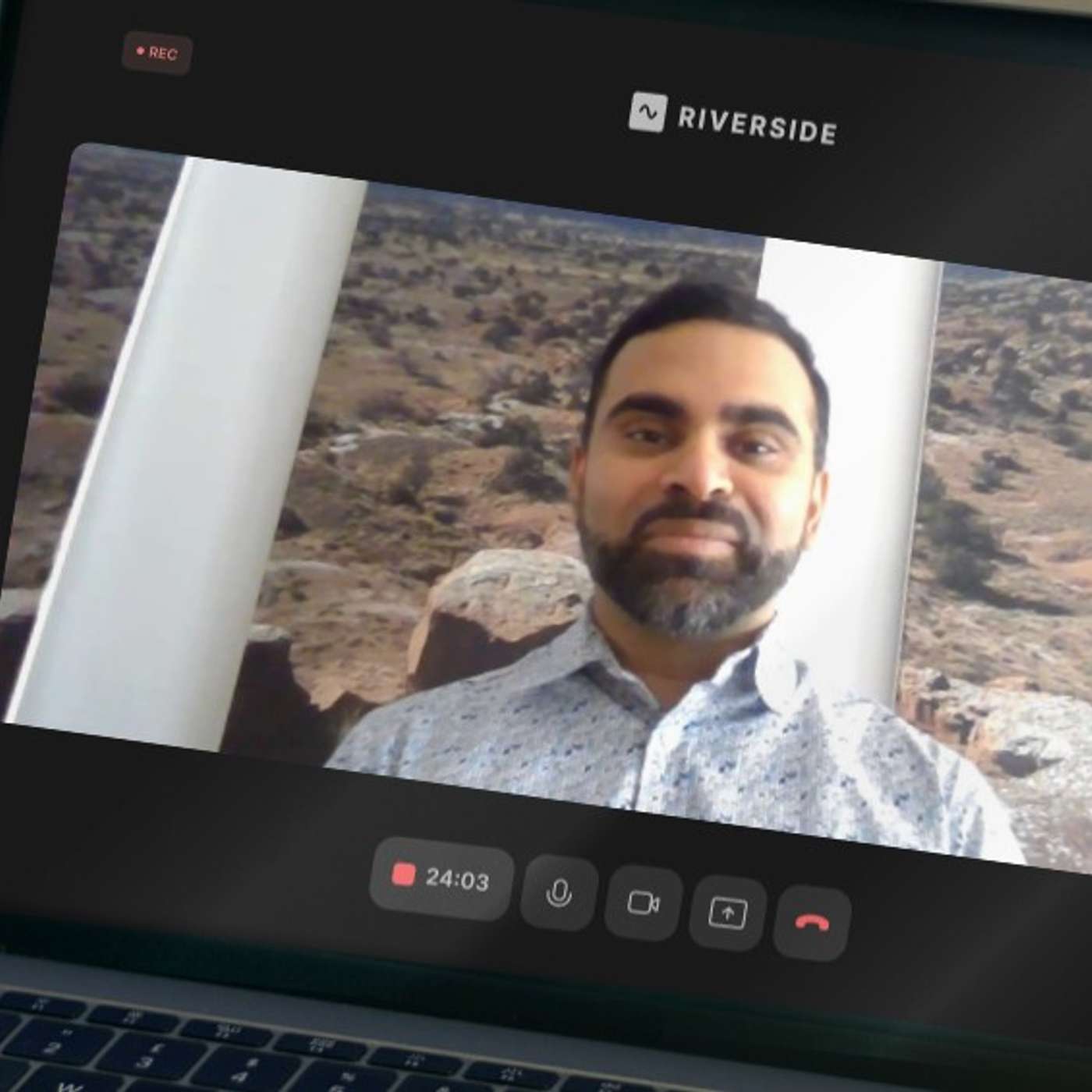
Key PointsKeywordsinvestment, startup, founder, venture capital, healthcare, software, neurodivergent, medication compliance, deep tech, coachabilitySummaryIn this conversation, Martin Tobias and Mahesh Narayanan discuss the journey of investing in Improve On Health, a company focused on medication compliance for neurodivergent individuals. They explore the challenges faced during the investment process, the importance of founder conviction, and the traits that make a successful entrepreneur. Mahesh shares insights on how to evaluate investments, particularly in deep tech, and emphasizes the significance of coachability and adaptability in founders.TakeawaysInvesting often involves trusting the unknown and taking calculated risks.A founder's personal connection to the problem can drive their commitment and success.The journey from idea to investment requires validation and market understanding.Navigating funding rounds can be challenging, especially in a competitive environment.Coachability in founders is crucial for adapting to feedback and challenges.Investors should look for opportunities to expand beyond initial market assumptions.Understanding regulatory challenges is key in healthcare investments.The ability to pivot based on market needs can lead to unexpected growth.Building a scalable product is essential to avoid becoming a consulting company.Successful founders are driven by intrinsic motivation rather than external rewards.titlesNavigating the Unknown: The Art of InvestmentFrom Trust to Triumph: The Journey of Improve On HealthThe Power of Personal Connection in FoundingSound Bites00:00 "I trusted him and I wrote the check."18:09 "He was very coachable."21:20 "It was a multimillion dollar deal."29:49 "I really dig them on that."32:32 "It’s a big flag."33:16 "Congratulations, that’s big news."Chapters00:00 The Initial Bet: Trusting the Unknown02:19 Building Conviction: The Founder’s Personal Connection05:46 From Idea to Investment: The Journey of Improve On Health11:21 Navigating Challenges: The Seed Round Struggles17:09 The Importance of Coachability in Founders24:11 Underwriting Deep Tech: Balancing Team and Science28:52 Key Traits for Future Investments: Lessons Learned

Comments

Download from Google Play

Download from App Store
 United States