


 Claim Ownership
The GP Podcast
Subscribed: 94Played: 120
Subscribe

© 2026 Irish College of GPs
Description
Medical education podcast for General Practitioners, from the Irish College of GPs.
9 Episodes
Reverse

Participants• Dr Bernard Kenny, GP Specialising in Substance Misuse; Director of Addiction Management in Primary Care, Irish College of GPs • Dr John Maher - Host SummaryIn this Dr John Maher is joined by Dr Bernard Kenny to discuss codeine misuse and dependence in primary care. The conversation follows the recent launch or the newly revised Irish College of GPs Foundation Course in Addiction Management. The course is free for Irish College of GP members, and is also suitable for GP Registrars and Practice Nurses. It attracts GMS study leave and CPD credits. Completing the foundation course is a prerequisite for those interested in pursuing a Level 1 Opioid Substitution Therapy (OST) contract with the HSE.College Links:Irish College of GPs WebsiteCollege Addiction Management Programme OverviewFoundation Course in Addiction Management (Level 1)Certificate Course in Addiction Management (Level 2) Other Relevant Links:OST Protocol – How to Become a PrescriberHSE OST Guidelines 2017Drug misuse and dependence: UK guidelines on clinical managementHRB Bulletin: 2024 Drug Treatment DemandHPRA review of over the counter medications containing codeineHealth Research Board Drug and Alcohol Survey Patterns of Analgesic Prescribing and High-Risk Prescribing in Primary Care in Ireland 2014-2022-a Repeated Cross-Sectional Study. European Journal of Pain. 2025. Mattsson M, Hassan Ali A, Boland F, et al
Subscribe, like and review wherever you get your podcasts.Webpage: https://www.irishcollegeofgps.ie/The-GP-PodcastEmail: podcast@icgp.ie
Participants• Dr Aoife O'Sullivan, Clinical Lead in Mental Health, Irish College of GPs • Dr Brian Osborne, Assistant Medical Director and Director of Mental Health Programme, Irish College of GPs • Dr John Maher - Host SummaryThis is part 2 of our conversation on Managing Depression in Primary Care with Dr Aoife O’Sullivan and Dr Brian Osborne, based on their 2023 Quick Reference Guide (QRG) titled “Managing Depression in Primary Care. if you haven’t had a chance to listen to part 1 yet, please start there – it’s available now in the show feed. We wrapped up part one with a discussion of the first link in the “Jump To” box on the front page of the QRG, which was Talk Therapy Options. Today, we cover the remaining 3 quick links on the front page:· Medication Considerations;· Switching medications;· Referral to secondary care. We wrap up today with a discussion around potential audit and practice improvement initiatives.You may find it useful to have the QRG to hand as you listen. Links· Irish College of GPs: Mental Health Clinical Hub· Managing Depression in Primary Care: Quick Reference Guide (Irish College of GPs, June 2023) Assessment Tools (MDCalc)· Patient Health Questionnaire-9 (PHQ-9)· Edinburgh Postnatal Depression Scale (EPDS)· Geriatric Depression Scale (GDS-15) Selected services for accessing free/low cost psychotherapy:· Jigsaw (Free support for 12-25yo)· Pieta· Turn2Me· MyMind (up to 6 free sessions of CBT for men over 18yo - as of September 2025)· Textabout.ie (Free text 50808) See page 7-8 of the Depression QRG for links to numerous additional non-pharmacological services.DisclaimerThe information provided in this podcast is for educational and informational purposes only. It is not intended to serve as medical advice, diagnosis, or treatment, nor does it replace independent clinical judgment or consultation with a qualified healthcare professional.The views and opinions expressed by hosts and guests are their own and do not necessarily reflect those of the Irish College of GPs.Listeners are encouraged to review current clinical guidelines, product labelling, and relevant policies before applying any information discussed in this podcast.This podcast does not establish a doctor–patient relationship. Healthcare professionals should exercise their own professional judgment in evaluating and applying information to specific clinical situations. Patients or members of the public should seek advice from their own qualified healthcare provider regarding any medical condition or treatment. It may not be possible or appropriate in all circumstances to follow the advice/processes suggested in this podcast, for example due to resource availability.While efforts are made to ensure accuracy, medicine is a constantly evolving field, and no guarantee is made regarding the completeness, accuracy, or timeliness of the information presented.By listening to this podcast, you acknowledge and agree that the hosts, guests, producers, affiliated organizations and the Irish College of GPs are not liable for any direct or indirect consequences resulting from the use of the information provided.
Subscribe, like and review wherever you get your podcasts.Webpage: https://www.irishcollegeofgps.ie/The-GP-PodcastEmail: podcast@icgp.ie
Participants• Dr Aoife O'Sullivan, Clinical Lead in Mental Health, Irish College of GPs • Dr Brian Osborne, Assistant Medical Director and Director of Mental Health Programme, Irish College of GPs • Dr John Maher - Host SummaryIn this first episode in a two-part series, Dr John Maher is joined by Dr Aoife O'Sullivan and Dr Brian Osborne to discuss the Irish College of GPs’ 2023 Quick Reference Guide (QRG) “Managing Depression in Primary Care.“ Our conversation focuses on the usability of the QRG for GPs in day to day practice. The front page of the guide has a “Jump To” box, with 4 quick links to sections that GPs might need during a consultation:· Talk Therapy Options (Psychotherapy);· Medications;· Switching medications;· Referral to secondary care. We begin today with a broader conversation that includes:· Depression epidemiology and its burden on individuals and health systems;· The phenomenon of increased mental health presentations by younger people in the primary care setting;· A suggested approach to the consultation;· The potential usefulness of assessment tools. We then focus on the first of the 4 quick links on the QRG front page, which is non-pharmacological options. Part 2 of this conversation is also available now in the show feed of your podcast player, and continues with a discussion of the remaining 3 quick links on the QRG front page, before wrapping up with some suggestions for possible audit and practice improvement project opportunities. Links· Irish College of GPs: Mental Health Clinical Hub· Managing Depression in Primary Care: Quick Reference Guide (Irish College of GPs, June 2023) Assessment Tools (MDCalc)· Patient Health Questionnaire-9 (PHQ-9)· Edinburgh Postnatal Depression Scale (EPDS)· Geriatric Depression Scale (GDS-15) Selected services for accessing free/low cost psychotherapy:· Jigsaw (Free support for 12-25yo)· Pieta· Turn2Me· MyMind (up to 6 free sessions of CBT for men over 18yo - as of September 2025)· Textabout.ie (Free text 50808) See page 7-8 of the Depression QRG for links to numerous additional non-pharmacological services.DisclaimerThe information provided in this podcast is for educational and informational purposes only. It is not intended to serve as medical advice, diagnosis, or treatment, nor does it replace independent clinical judgment or consultation with a qualified healthcare professional.The views and opinions expressed by hosts and guests are their own and do not necessarily reflect those of the Irish College of GPs.Listeners are encouraged to review current clinical guidelines, product labelling, and relevant policies before applying any information discussed in this podcast.This podcast does not establish a doctor–patient relationship. Healthcare professionals should exercise their own professional judgment in evaluating and applying information to specific clinical situations. Patients or members of the public should seek advice from their own qualified healthcare provider regarding any medical condition or treatment. It may not be possible or appropriate in all circumstances to follow the advice/processes suggested in this podcast, for example due to resource availability.While efforts are made to ensure accuracy, medicine is a constantly evolving field, and no guarantee is made regarding the completeness, accuracy, or timeliness of the information presented.By listening to this podcast, you acknowledge and agree that the hosts, guests, producers, affiliated organizations and the Irish College of GPs are not liable for any direct or indirect consequences resulting from the use of the information provided.
Subscribe, like and review wherever you get your podcasts.Webpage: https://www.irishcollegeofgps.ie/The-GP-PodcastEmail: podcast@icgp.ie
ParticipantsDr David McConaghy - Clinical Lead for Prevention, Irish College of GPs; Medical Director, TLC DocDr John Maher - HostSummaryWe explore an approach to working in the Out of Hours GP (OOHS) setting in Ireland. Dr David shares insights from over 20 years of experience in Ireland and abroad, highlighting the importance of preparation, patient safety, and effective communication. The conversation covers practical advice for newcomers, strategies for managing difficult consultations, and the role of OOHS in supporting both patients and hospital colleagues.Key themes include the scale of OOHS consultations in Ireland, the importance of slowing down consultations, collaborative working with colleagues, managing requests for controlled drugs and sick certificates, handling house calls and palliative care, and preparing for overnight shifts.LinksIrish College of GPs – General Practice Updatesantibioticprescribing.ieHSE Medicines Management Programme – Benzodiazepine Prescribing GuidancePalliative Care Guidelines – A Toolkit for COVID 19 Management - HSERoger Neighbour’s Consultation ModelOxford Handbook of General Practice – Emergencies SectionEolas Medical AppDisclaimerThe information provided in this podcast is for educational and informational purposes only. It is not intended to serve as medical advice, diagnosis, or treatment, nor does it replace independent clinical judgment or consultation with a qualified healthcare professional.The views and opinions expressed by hosts and guests are their own and do not necessarily reflect those of the Irish College of GPs.Listeners are encouraged to review current clinical guidelines, product labelling, and relevant policies before applying any information discussed in this podcast.This podcast does not establish a doctor–patient relationship. Healthcare professionals should exercise their own professional judgment in evaluating and applying information to specific clinical situations. Patients or members of the public should seek advice from their own qualified healthcare provider regarding any medical condition or treatment. It may not be possible or appropriate in all circumstances to follow the advice/processes suggested in this podcast, for example due to resource availability.While efforts are made to ensure accuracy, medicine is a constantly evolving field, and no guarantee is made regarding the completeness, accuracy, or timeliness of the information presented.By listening to this podcast, you acknowledge and agree that the hosts, guests, producers, affiliated organizations and the Irish College of GPs are not liable for any direct or indirect consequences resulting from the use of the information provided.
Subscribe, like and review wherever you get your podcasts.Webpage: https://www.irishcollegeofgps.ie/The-GP-PodcastEmail: podcast@icgp.ie
Participants• Dr Aoife O'Sullivan - Clinical Lead in Mental Health, Irish College of GPs • Dr John Maher - Host SummaryThis is part 2 of our discussion on Eating Disorders in Primary Care, based on the Irish College of GPs Eating Disorders GPU, published in December 2025 (link below). This is the second half of my conversation with Aoife, so please go back and listen to part 1 first, if you haven’t had a chance to listen yet. Today, Aoife discusses aspects of care including• An approach to focused examination;• When to organize additional investigations including bloods, ECG and DEXA;• When to refer to ED vs specialized eating disorder clinics;• Overview of Medication options;• Resources for patients and their families. LinksIrish College of GPs WebsiteEating Disorders: General Practice Update (Irish College of GPs, December 2025)National Clinical Programme for Eating Disorders Model of CareOvercoming Binge Eating, Dr Christopher G Fairburn Links from Part 1Bodywhys.ie - HSE NCPED Eating Disorders App (Apple/iOS)Bodywhys.ie – Free PiLaR Programme for FamiliesIrish Emergency Department Guidelines on Eating DisordersSpecialised Eating Disorder TeamsEating Disorders Contact TeamsSCOFF Questionnaire – MDCalc.comDisclaimerThe information provided in this podcast is for educational and informational purposes only. It is not intended to serve as medical advice, diagnosis, or treatment, nor does it replace independent clinical judgment or consultation with a qualified healthcare professional.The views and opinions expressed by hosts and guests are their own and do not necessarily reflect those of the Irish College of GPs.Listeners are encouraged to review current clinical guidelines, product labelling, and relevant policies before applying any information discussed in this podcast.This podcast does not establish a doctor–patient relationship. Healthcare professionals should exercise their own professional judgment in evaluating and applying information to specific clinical situations. Patients or members of the public should seek advice from their own qualified healthcare provider regarding any medical condition or treatment. It may not be possible or appropriate in all circumstances to follow the advice/processes suggested in this podcast, for example due to resource availability.While efforts are made to ensure accuracy, medicine is a constantly evolving field, and no guarantee is made regarding the completeness, accuracy, or timeliness of the information presented.By listening to this podcast, you acknowledge and agree that the hosts, guests, producers, affiliated organizations and the Irish College of GPs are not liable for any direct or indirect consequences resulting from the use of the information provided.
Subscribe, like and review wherever you get your podcasts.Webpage: https://www.irishcollegeofgps.ie/The-GP-PodcastEmail: podcast@icgp.ie
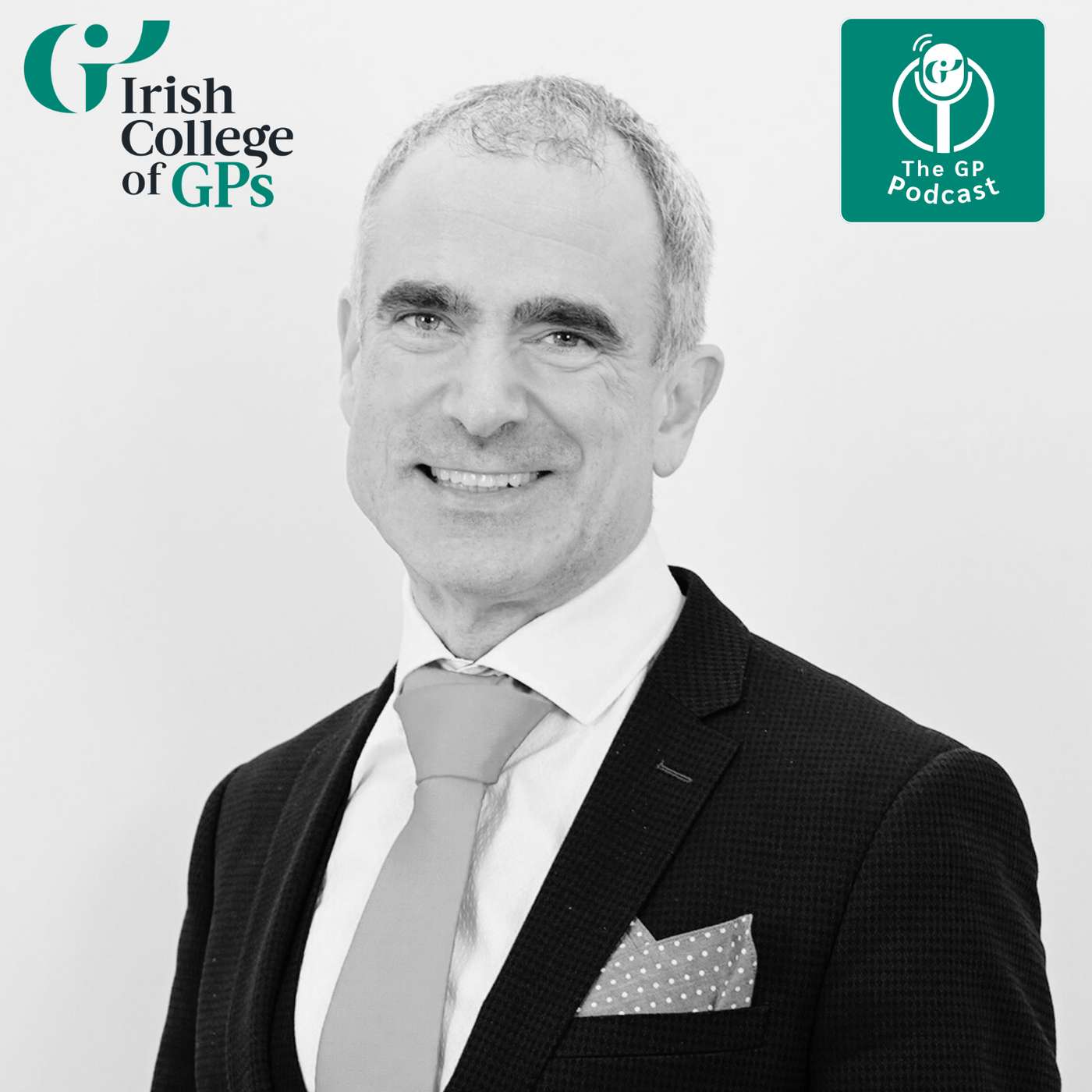
Participants • Dr Scott Walkin - Clinical Lead for Antimicrobial Resistance and Infection Control, Irish College of GPs • Dr John Maher - Host Summary In today's episode, we discuss antimicrobial management of urinary tract infections (UTIs) in primary care. We explore the challenges of antibiotic stewardship in Ireland, the importance of accurate diagnosis with an emphasis on history and examination, and the role of dipstick urinalysis. We also cover treatment options, management of recurrence, considerations for particular cohorts such as nursing home residents, and importance of safety netting in patient education. AcknowledgementsDr Paul Ryan - GP and PharmacistMala Shah - Chief 2 Antimicrobial Pharmacist, HSEDr Robyn Traynor - Clinical Microbiology SpRLinksIrish College of GPs Websitewww.antibioticprescribing.ieHealth Protection Surveillance Centre. Surveillance of Antimicrobial Consumption in Ireland – Quarterly Report 2025Antimicrobial consumption dashboard (ESAC-Net) - European Centre for Disease Prevention and ControlRESIST newsletter - Antimicrobial Resistance and Infection Control (AMRIC) TeamDisclaimerThe information provided in this podcast is for educational and informational purposes only. It is not intended to serve as medical advice, diagnosis, or treatment, nor does it replace independent clinical judgment or consultation with a qualified healthcare professional.The views and opinions expressed by hosts and guests are their own and do not necessarily reflect those of the Irish College of GPs.Listeners are encouraged to review current clinical guidelines, product labelling, and relevant policies before applying any information discussed in this podcast.This podcast does not establish a doctor–patient relationship. Healthcare professionals should exercise their own professional judgment in evaluating and applying information to specific clinical situations. Patients or members of the public should seek advice from their own qualified healthcare provider regarding any medical condition or treatment. It may not be possible or appropriate in all circumstances to follow the advice/processes suggested in this podcast, for example due to resource availability.While efforts are made to ensure accuracy, medicine is a constantly evolving field, and no guarantee is made regarding the completeness, accuracy, or timeliness of the information presented.By listening to this podcast, you acknowledge and agree that the hosts, guests, producers, affiliated organizations and the Irish College of GPs are not liable for any direct or indirect consequences resulting from the use of the information provided.
Subscribe, like and review wherever you get your podcasts.Webpage: https://www.irishcollegeofgps.ie/The-GP-PodcastEmail: podcast@icgp.ie
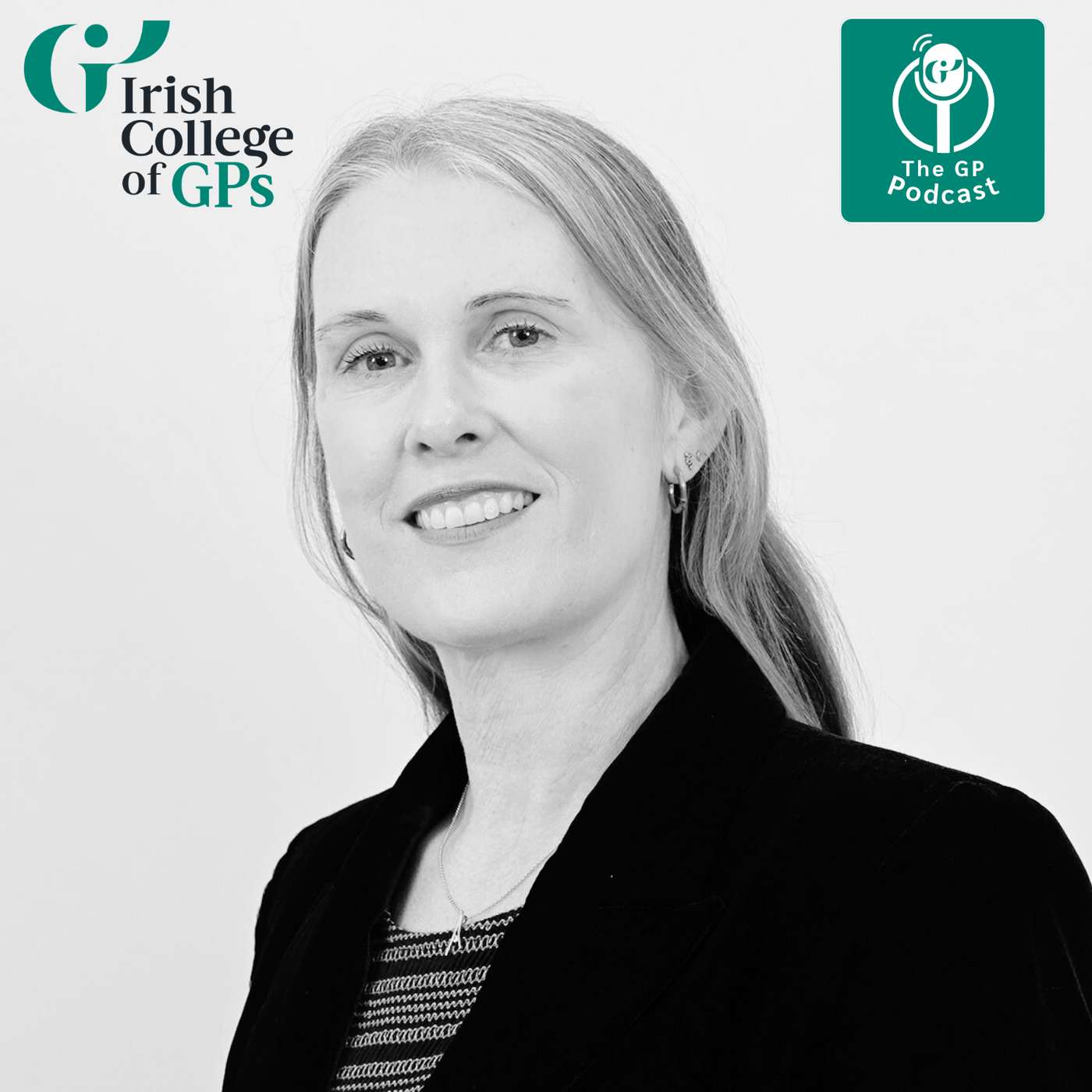
Participants• Dr Aoife O'Sullivan - Clinical Lead in Mental Health, Irish College of GPs • Dr John Maher - Host SummaryIn this first episode in a two-part series, Dr John Maher is joined by Dr. Aoife O'Sullivan to discuss Eating Disorders in General Practice. Our conversation follows the recent launch of The Irish College of GPs “Eating Disorders: General Practice Update” published in December 2025 and available from this link on the College website. This first part covers topics including:· The emergence and influence of online communities on potentially normalising abnormal behaviours with reference to eating disorders, and more broadly;· An approach to patients who self-present with eating disorders· Tips on picking up clues in the consultation that might lead to undertaking an eating disorder screen;· Morbidity and mortality data;· the importance of early intervention;· the importance of recognising the negative internal voice (the anorexia voice or “Ana” voice) that patients with an eating disorder can experience, and the inner conflict it can create. Part 2 of this conversation is also available now in the show feed of your podcast player. LinksIrish College of GPs WebsiteEating Disorders: General Practice Update (Irish College of GPs, December 2025)National Clinical Programme for Eating Disorders Model of CareBodywhys.ie - HSE NCPED Eating Disorders App (Apple/iOS)Bodywhys.ie – Free PiLaR Programme for FamiliesIrish Emergency Department Guidelines on Eating DisordersSpecialised Eating Disorder TeamsEating Disorders Contact TeamsSCOFF Questionnaire – MDCalc.comOvercoming Binge Eating, Dr Christopher G Fairburn See page 7 of the Eating Disorders GPU for numerous additional resourcesDisclaimerThe information provided in this podcast is for educational and informational purposes only. It is not intended to serve as medical advice, diagnosis, or treatment, nor does it replace independent clinical judgment or consultation with a qualified healthcare professional.The views and opinions expressed by hosts and guests are their own and do not necessarily reflect those of the Irish College of GPs.Listeners are encouraged to review current clinical guidelines, product labelling, and relevant policies before applying any information discussed in this podcast.This podcast does not establish a doctor–patient relationship. Healthcare professionals should exercise their own professional judgment in evaluating and applying information to specific clinical situations. Patients or members of the public should seek advice from their own qualified healthcare provider regarding any medical condition or treatment. It may not be possible or appropriate in all circumstances to follow the advice/processes suggested in this podcast, for example due to resource availability.While efforts are made to ensure accuracy, medicine is a constantly evolving field, and no guarantee is made regarding the completeness, accuracy, or timeliness of the information presented.By listening to this podcast, you acknowledge and agree that the hosts, guests, producers, affiliated organizations and the Irish College of GPs are not liable for any direct or indirect consequences resulting from the use of the information provided.
Subscribe, like and review wherever you get your podcasts.Webpage: https://www.irishcollegeofgps.ie/The-GP-PodcastEmail: podcast@icgp.ie
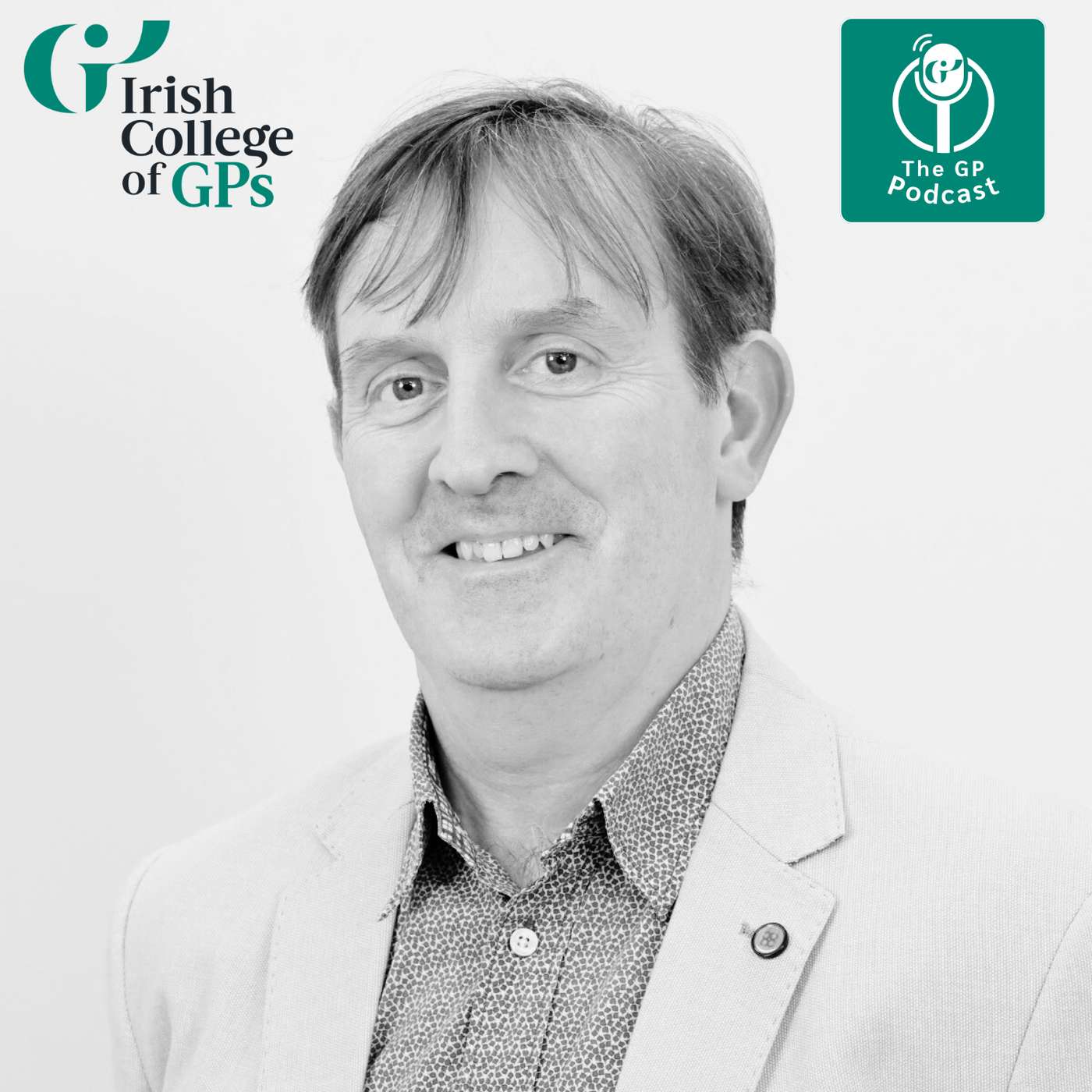
ParticipantsDr Eamonn O’Shea, Cardiovascular Lead, Irish College of GPs (Guest)Dr John Maher, GP (Host) SummaryThis conversation provides an overview of the recently-published Irish College of GPs GPU: “General Practice Update: Atrial Fibrillation in General Practice”. Eamonn provides an update on managing atrial fibrillation following recently revised international guidelines, including diagnosis, management, and the importance of considering new onset atrial fibrillation in the setting of patient CDM reviews for other conditions. Eamonn also considers newer aspects of care including the emerging patient use of rhythm-detecting wearables such as smart watches, evidence around use of Kardia devices for clinicians, and the ongoing roll-out of community integrated care hubs to enhance patient care. Links· Atrial Fibrillation General Practice Update (October 2025) - Irish College of GPs· Third Report of the Structured CDM Treatment Programme in General Practice - HSE, 2025· CHADSVA Calculator - MDCalc· Anticoagulation Prescribing Tips - Medicines Management Programme, HSE· General Practice Updates Web Page - Irish College of GPs· 2024 ESC Guidelines for the Management of Atrial Fibrillation - European Society of Cardiology· 2023 ACC/AHA/ACCP/HRS Guideline for the Diagnosis and Management of Atrial Fibrillation - American College of Cardiology/American Heart Association Joint Committee on Clinical Practice Guidelines· Irish College of GPs WebsiteDisclaimerThe information provided in this podcast is for educational and informational purposes only. It is not intended to serve as medical advice, diagnosis, or treatment, nor does it replace independent clinical judgment or consultation with a qualified healthcare professional.The views and opinions expressed by hosts and guests are their own and do not necessarily reflect those of the Irish College of GPs.Listeners are encouraged to review current clinical guidelines, product labelling, and relevant policies before applying any information discussed in this podcast.This podcast does not establish a doctor–patient relationship. Healthcare professionals should exercise their own professional judgment in evaluating and applying information to specific clinical situations. Patients or members of the public should seek advice from their own qualified healthcare provider regarding any medical condition or treatment. It may not be possible or appropriate in all circumstances to follow the advice/processes suggested in this podcast, for example due to resource availability.While efforts are made to ensure accuracy, medicine is a constantly evolving field, and no guarantee is made regarding the completeness, accuracy, or timeliness of the information presented.By listening to this podcast, you acknowledge and agree that the hosts, guests, producers, affiliated organizations and the Irish College of GPs are not liable for any direct or indirect consequences resulting from the use of the information provided.
Subscribe, like and review wherever you get your podcasts.Webpage: https://www.irishcollegeofgps.ie/The-GP-PodcastEmail: podcast@icgp.ie
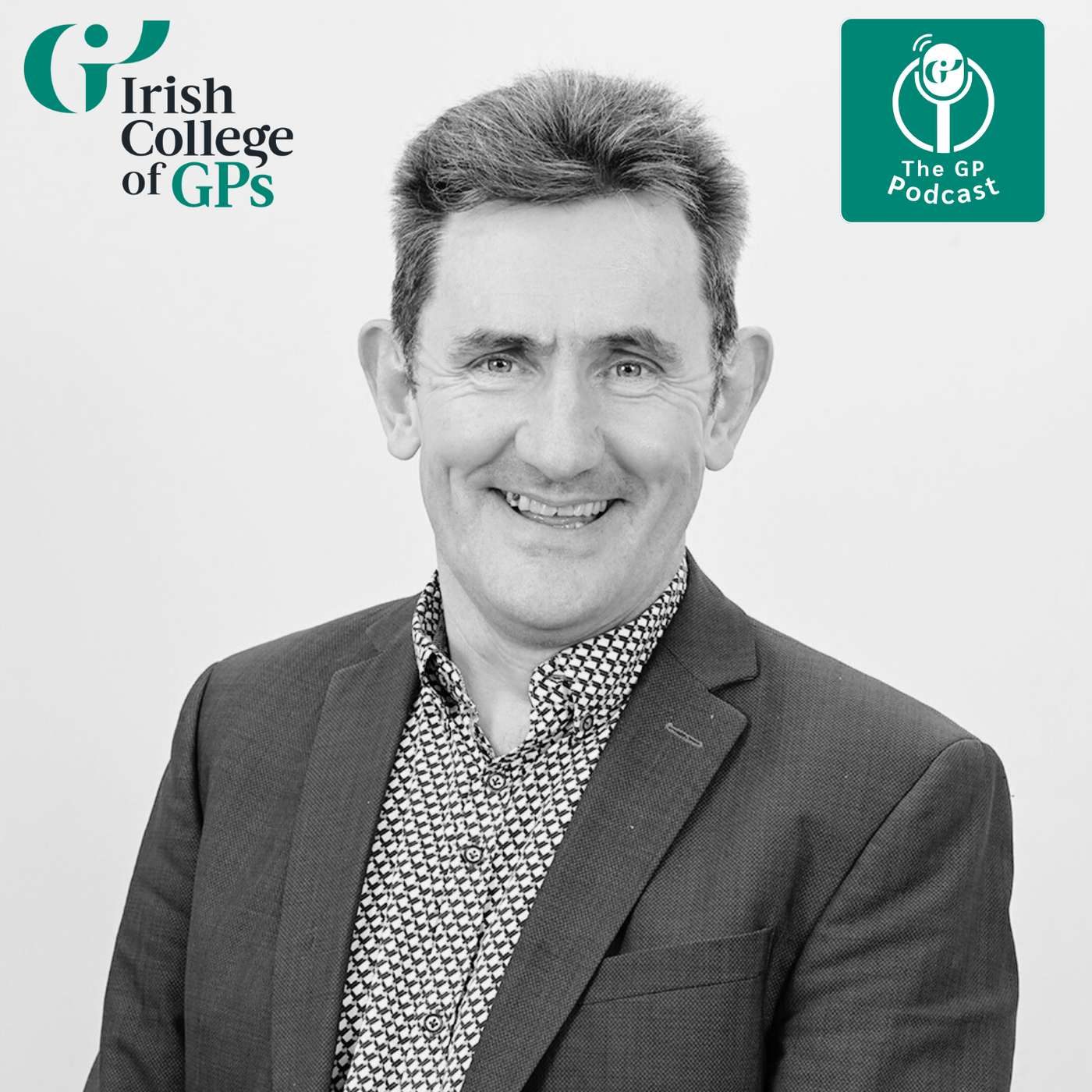
Participants:- Dr. Diarmuid Quinlan, GP in Cork; Medical Director of the Irish College of GPs- Dr. John Maher, GP (Host) Summary:Dr. John Maher is joined by Dr. Diarmuid Quinlan to discuss safe prescribing of isotretinoin in primary care, for management of severe acne.Diarmuid, a GP with over two decades of experience in practice and a special interest in Dermatology, has been prescribing isotretinoin in primary care for patients with severe acne, for over a decade. Diarmuid introduces the forthcoming Irish College of GPs module “Safe Prescribing of Isotretinoin in Primary Care”, as part of the Irish College of GPs' Dermatology in Practice Certificate, with registration for the module opening on 3 February 2026. Like the other modules in the certificate programme, clinicians may opt to complete the isotretinoin module “standalone”. The module attracts 4 Accredited CE credits and 0.5 day GMS study leave. Topics discussed in today’s episode include:· The value and importance of timely isotretinoin prescribing for suitable patient cohorts;· the four key clinical competencies that underpin safe management of people with acne using isotretinoin, as identified by Diarmuid in a scoping review authored by him, and published in the British Journal of General Practice in September 2025;· Details of the Irish College of GPs' Dermatology in Practice Certificate - Isotretinoin Module;· Practice resource considerations for those thinking of prescribing isotretinoin in their practice;· Recommendations regarding useful dermatology resources for primary care.Links:· Irish College of GPs Dermatology in Practice Certificate - Isotretinoin Module· Competencies and clinical guidelines for managing acne with isotretinoin in general practice: a scoping review - BJGP, Sep 2025· Antibioticprescribing.ie – Acne Section· Primary Care Dermatology Society Ireland· Primary Care Surgical Association IrelandDisclaimerThe information provided in this podcast is for educational and informational purposes only. It is not intended to serve as medical advice, diagnosis, or treatment, nor does it replace independent clinical judgment or consultation with a qualified healthcare professional.The views and opinions expressed by hosts and guests are their own and do not necessarily reflect those of the Irish College of GPs.Listeners are encouraged to review current clinical guidelines, product labelling, and relevant policies before applying any information discussed in this podcast.This podcast does not establish a doctor–patient relationship. Healthcare professionals should exercise their own professional judgment in evaluating and applying information to specific clinical situations. Patients or members of the public should seek advice from their own qualified healthcare provider regarding any medical condition or treatment. It may not be possible or appropriate in all circumstances to follow the advice/processes suggested in this podcast, for example due to resource availability.While efforts are made to ensure accuracy, medicine is a constantly evolving field, and no guarantee is made regarding the completeness, accuracy, or timeliness of the information presented.By listening to this podcast, you acknowledge and agree that the hosts, guests, producers, affiliated organizations and the Irish College of GPs are not liable for any direct or indirect consequences resulting from the use of the information provided.
Subscribe, like and review wherever you get your podcasts.Webpage: https://www.irishcollegeofgps.ie/The-GP-PodcastEmail: podcast@icgp.ie
Comments


Download from Google Play

Download from App Store
 United States