


 Claim Ownership
The Gray Files
Subscribed: 26Played: 105
Subscribe

© Copyright 2025-2026 Erika Barker. All rights reserved.
Description
The Gray Files examines AI, money and power: how the systems being built today change the decisions we make tomorrow. Erika Barker connects artificial intelligence, data science and economics with the people and institutions behind them. From financial markets and digital surveillance to algorithms and human behavior, each episode follows the incentives and examines the evidence.
I’m Erika, a data scientist, quantitative researcher and former U.S. Navy combat journalist. I founded Regime Analytics and build research systems to investigate markets and complex data. Here, I bring that work and a journalist’s questions to the technology reshaping our lives.
Research and writing: ErikaBarker.ai
19 Episodes
Reverse
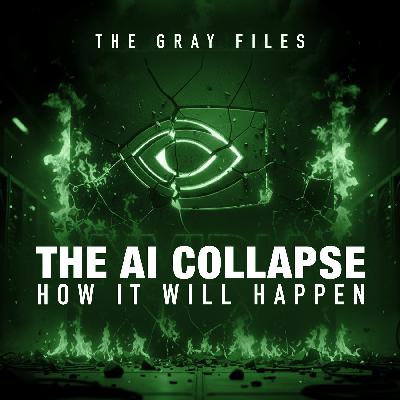
Could the AI investment boom outpace the profits it is expected to generate? Erika Barker examines Michael Burry’s AI bubble thesis through capital spending, chip depreciation and stock valuations. This January 2026 episode explores the financial assumptions behind data centers and the companies building them.
AI capital expenditure and return on invested capital
Server useful lives, depreciation and reported earnings
Data center electricity demand and the risk of stranded assets
Investment relationships among Nvidia, OpenAI and Microsoft
Valuation, stock-based compensation and passive investing
The discussion presents a bearish investment thesis and scenarios, not established findings of fraud or a prediction of market timing. Company relationships and accounting choices require assessment on their own evidence. This episode is commentary and education, not personalized investment advice.
Explore Erika’s research and writing at ErikaBarker.ai.
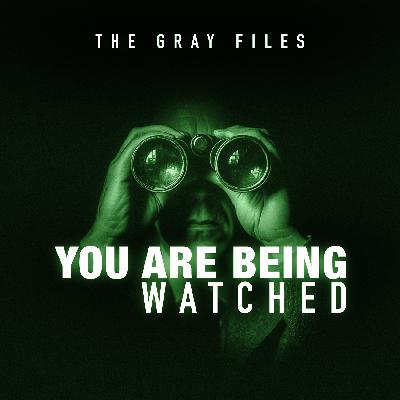
What can your digital footprint reveal, and who gets to interpret it? Erika Barker explores digital surveillance, data brokers and the use of algorithms to build profiles from online activity. The conversation connects data privacy with the systems used by institutions and businesses to assess people.
Topics include social media monitoring, facial recognition, opaque risk scoring and the limits of deleting information online. The episode discusses Palantir, Clearview AI and LexisNexis as part of a broader examination of the data economy. It also considers the right to be forgotten and the tensions between privacy, accountability and access to information.
Originally published October 2025. For more research and writing, visit ErikaBarker.ai.
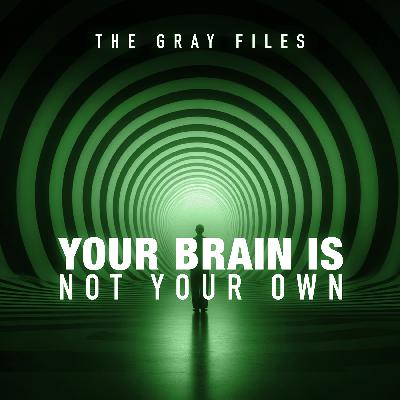
How do political messages become part of someone’s identity? In the final installment of the Attention Wars series, Erika Barker explores political polarization, persuasion and the human need to belong. The episode considers how language and group loyalty can make disagreement feel personal.
A narrative about Charlie and Rachel frames the discussion of conflict within relationships. The broader conversation examines political messaging, media incentives and the costs of treating people as opposing teams. It asks how listeners can recognize persuasive techniques and examine their own assumptions.
Research and writing: ErikaBarker.ai.

How do attention, emotion and context shape what we believe? Erika Barker continues the Attention Wars series with a discussion of persuasion, memory and social media. The episode uses Derren Brown’s demonstrations as a starting point for exploring influence and the stories people tell about it.
Topics include environmental priming, emotional associations, marketing and claims made about neurolinguistic programming. Demonstrations and contested theories should not be treated as proof that platforms can reliably rewrite a person’s mind. The conversation asks how to recognize persuasion and think more critically about the messages competing for attention.
Research and writing: ErikaBarker.ai.
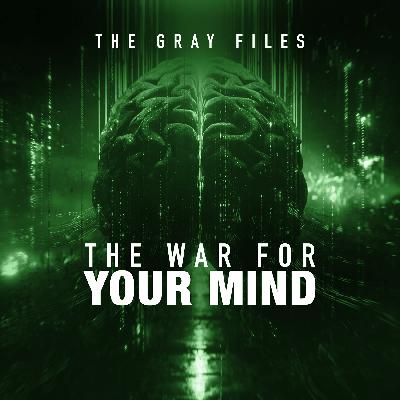
Why does online disagreement so often become personal? Erika Barker opens the three-part Attention Wars series with an examination of recommendation algorithms, the attention economy and political polarization. The episode connects today’s social media incentives with the longer history of propaganda and disinformation.
A narrative about twins Charlie and Rachel introduces the effects of conflict on family relationships. The discussion explores confirmation bias, outrage, echo chambers and how platforms learn from engagement. It considers these as interacting influences on behavior, rather than a single explanation for every person’s beliefs.
Research and writing: ErikaBarker.ai.

Comments

Download from Google Play

Download from App Store
 United States