DiscoverThe Healing In Progress Podcast
The Healing In Progress Podcast
Claim Ownership

The Healing In Progress Podcast

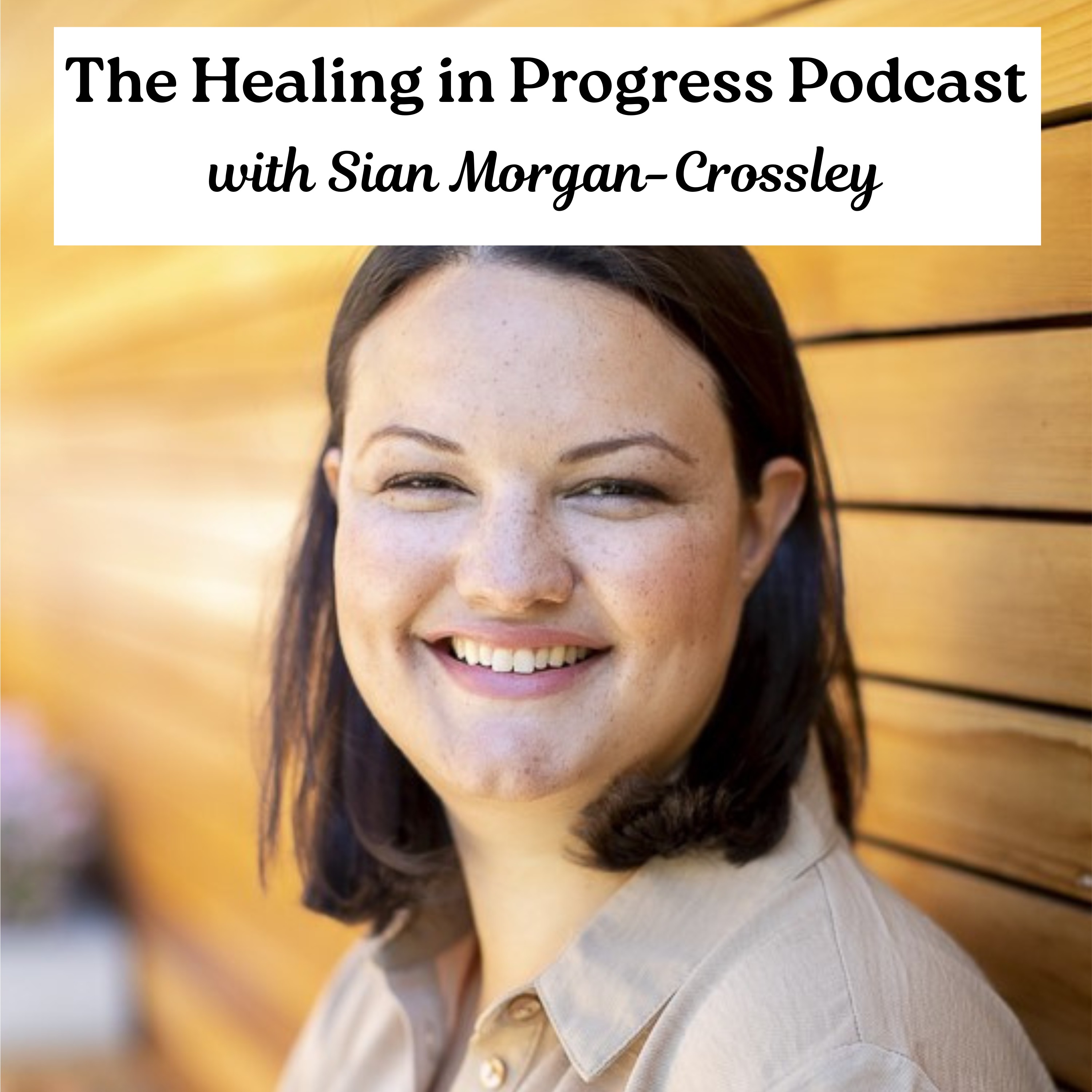
Author: Sian Morgan-Crossley

Subscribed: 4Played: 26
Share

Description

How do I heal from my past? Why can’t I relax and enjoy life? How do I move on from my childhood? Why are relationships so difficult for me? How can I do things differently with my own children?


This podcast will help you make the link between the difficult parts of your childhood and what’s going wrong in your life today. Childhood trauma affects everything, from the way you feel about yourself to your ability to connect with other people. Your childhood lays the foundations for how you cope with stress, what you choose to do with your life, how confident you feel, and the way you parent your own children.


This podcast is for you if you want to learn more about yourself and want to find ways to heal emotionally and evolve.


You’ll find some solo shows from your host Sian, a psychotherapist and Mum of two, as well as guest episodes where Sian dives in deep with experts on topics that will help you learn, heal and grow. A difficult childhood doesn’t have to mean a difficult adulthood. Don’t forget to subscribe and tune in!


Hosted on Acast. See acast.com/privacy for more information.
14 Episodes
Reverse
Siblings often grow up together but have different memories of their childhood, which can lead to misunderstandings. This episode explores why these differences happen and how they affect relationships. Understanding these dynamics can help build compassion and connection. This episode is perfect for anyone wanting to understand their relationship with their siblings better. In this episode I discuss:Why siblings often remember childhood differently and how this impacts trust.The role of family environment, temperament, and parental behavior in creating emotional divides.How coping strategies like hyper-vigilance or emotional detachment develop in response to dysfunctional homes.Why defending family stories is sometimes about self-preservation, not denial.Practical steps to foster understanding, accept relationship limitations, and heal over time, even if only from a distance.If you want guidance with healing after a difficult childhood, you can try The Emotional Growth Hub for free for 2 weeks! https://www.breakthecyclecoaching.co.uk/bundles/membership-free-trial Hosted on Acast. See acast.com/privacy for more information.
Have you ever worked hard to stop people pleasing, started setting healthier boundaries, and then found yourself feeling lonelier than ever?In this episode, I'm exploring a part of healing that doesn't get talked about enough: the loneliness that can appear after you stop abandoning yourself.Links: Membership Free TrialOrder my book; How to Heal From Emotionally Immature ParentsThe Self-Connection SystemMany of us learn early in life that connection comes through being agreeable, accommodating, helpful, or endlessly understanding. So when we begin saying no, speaking up, reducing contact with difficult family members, or stepping back from one-sided relationships, our relational world often changes.But what happens when healthier boundaries leave you questioning yourself? How do you know whether you're protecting your peace or pushing people away? What's the difference between healthy boundaries and emotional walls? And how do you build genuine connection without slipping back into old patterns of people pleasing?In this episode, I discuss:Why loneliness is often a normal part of childhood trauma recoveryThe hidden grief that can come with setting boundariesHow people pleasing shapes adult relationshipsThe difference between discomfort and danger in relationshipsWhy healthy relationships still involve conflict, misunderstandings and imperfectionHow to stop personalising other people's behaviourWhat healthy connection looks like after emotional healingIf you've ever wondered whether you've become "too strict," "too independent," or "too much" since starting your healing journey, this episode will help you understand why the space between old patterns and healthier relationships can feel so uncomfortable—and why it doesn't mean you're doing anything wrong.Keywords: people pleasing, boundaries, childhood trauma, emotional healing, relationship boundaries, childhood emotional neglect, family relationships, trauma recovery, emotional resilience, healthy relationships, self-worth, personal growth, emotional immaturity, healing from childhood trauma. Hosted on Acast. See acast.com/privacy for more information.
What happens after you finally create distance from emotionally immature or dysfunctional parents, and instead of feeling free, you feel lost?In this episode, Sian Morgan-Crossley explores the complicated emotional aftermath of going low contact with family. We talk about why relief and grief often coexist, why boundaries can trigger guilt even when they are healthy, and how many adults unknowingly build their identity around managing other people’s emotions.Membership Free Trial: Membership Free TrialEmail in your dilemma: [email protected] conversation dives into the hidden psychological impact of emotionally immature parenting, childhood emotional neglect, hypervigilance, people-pleasing, and attachment wounds. We explore the deep grief of accepting that the relationship you longed for with your parents may never fully exist, and why that realization can feel like mourning both your childhood and your future hopes at the same time.I also discuss:Why going low contact can feel emotionally disorientingHow dysfunctional family roles shape personality and self-worthThe nervous system effects of growing up around emotional unpredictabilityGuilt, shame, and the fear of choosing yourselfHow to slowly rebuild a sense of self after emotional enmeshmentLearning who you are outside of survival, performance, and self-abandonmentIf you’ve ever questioned your decision to distance yourself from family, felt emotionally untethered after setting boundaries, or struggled to understand why healing feels both freeing and painful, this episode will help you feel deeply understood. Hosted on Acast. See acast.com/privacy for more information.
In this episode, I respond to a listener who shared something I know many people quietly wrestle with: the guilt that can arise when you begin healing from your childhood while also deeply understanding the pain your parents carried themselves.To send in your own question: [email protected] Self-Connection System: https://www.breakthecyclecoaching.co.uk/courses/new-course-13I explore what it’s like to grow up around parents who were carrying a lot of pain themselves, parents who were overwhelmed, stressed, emotionally unavailable, or struggling with wounds they never really healed from. When you grow up in that kind of environment, you often become very aware of other people’s emotions from a young age. You learn to focus on keeping the peace, understanding everyone else, and making space for their feelings, while slowly losing touch with your own.We talk about how this can follow you into adulthood too. The moment your own hurt, anger, sadness, or grief begins to surface, another part of you may quickly step in to defend your parents, explain their behaviour, or remind yourself how hard their lives were. And while that empathy is real and important, it can also pull you away from your own experience before you’ve really had the chance to sit with it.We also talk about the guilt that so many people feel when they start healing, especially when they were raised to believe other people’s needs and emotions mattered more than their own. It can feel incredibly painful to acknowledge what hurt you when you can also see how much your parents suffered themselves.Throughout the conversation, I talk about the importance of making space for your own feelings without immediately pushing them aside for someone else’s pain. It’s a gentle conversation about guilt, grief, emotional responsibility and self-abandonment. Hosted on Acast. See acast.com/privacy for more information.
In this episode, we explore what can happen when someone who has always been “the responsible one” in their family begins therapy and starts setting boundaries.This listener shares their experience of growing up feeling emotionally responsible for others, becoming the dependable, stable person everyone relied on. Although they’re successful on paper, they’ve realised they don’t really know who they are outside of taking care of other people.Join The Money Reset Course: https://www.breakthecyclecoaching.co.uk/courses/new-course-15Email to send in your question: [email protected] my book 'How to Heal From Emotionally Immature Parents': https://hayhs.com/hthfeip_pp_pb_az In this conversation, we talk about:Why children in emotionally immature families often become highly responsible adultsThe connection between self-worth and being useful to othersWhy healthy boundaries can initially feel uncomfortable or wrongHow family systems often react when one person changesThe difference between emotional withdrawal and self-respectWhy healing can sometimes feel lonely in the short termHow to hold compassion for parents while still acknowledging emotional impactThis episode offers an honest discussion about healing from emotionally immature parenting without reducing family relationships to “good” or “bad,” and learning how to build a more authentic relationship with yourself. Hosted on Acast. See acast.com/privacy for more information.
loading
Comments