DiscoverThe Language Worker
The Language Worker
Claim Ownership

The Language Worker

Author: Rita Prazeres Gonçalves

Subscribed: 20Played: 327
Share

Description

Elevate your language business journey with The Language Worker, an audio podcast hosted by Rita Prazeres Gonçalves – founder of The Language Worker, terminology expert, business consultant and veteran podcaster with over 25 years in the language services industry. From big tech and LSPs to boutique agencies and solo businesses, Rita brings together everything she has learned as a Language Lead, Terminologist, Talent & Resource Management Consultant, trainer and host to help you build a sustainable, human‑centred language career.

In each episode, you will hear in‑depth, down‑to‑earth conversations about the real backstage of translation and localization: terminology and glossary work, translation project management, vendor and talent management, AI and MT workflows, SEO translation, and multilingual content that actually supports business goals. Rita talks with translators, project managers, vendor managers, founders, technology specialists and other language workers who share their experience, mistakes and practical strategies for navigating an ever‑changing industry. Topics include pricing and negotiation, client relationships, specialisation, leadership, ethical and sustainable language businesses, and how to design language work that fits your life instead of the other way around.

The Language Worker focuses on three main pillars – Talent, Training and Terminology – and how they show up in real language operations. You will find solo episodes that unpack corporate terminology and terminology governance in simple, practical terms, along with interviews that show why glossaries, termbases and style guides are the backbone of consistent, scalable multilingual content. Other episodes explore talent pathways and careers in the Language Industry, from freelancers and in‑house linguists to PMs, vendor managers and business owners, with plenty of mentoring‑style advice on CPD, networking and building confidence.

Whether you are a freelance translator, interpreter, subtitler, reviser, localization PM, vendor manager, language‑tech founder or head of an LSP, this podcast gives you actionable guidance on finding and keeping better clients, collaborating with LSPs and global teams, setting up workflows that scale, and using technology (including AI, CAT tools and TMSs) without losing the human side of language work. You will also hear about business growth, marketing and visibility for language professionals: niching, B2B case studies, thought leadership, podcasting, and turning your expertise into services that stand out

The Language Worker is the result of Rita’s deep gratitude for a life spent working with language – in tech companies, large and boutique LSPs, universities and now as a business owner. Think of it as a mix of practical business school, mentorship session and honest coffee chat in audio form, made for people who love languages and want their work to be meaningful, profitable and future-proof.

If you are searching in your podcast app for “translation business podcast”, “localization careers”, “terminology expert”, “how to start a language business”, “freelance translator tips”, “LSP growth strategy”, “vendor management in translation”, “AI and translation” or “ethical language services”, you are in the right place. Follow The Language Worker for regular episodes packed with insights, stories and concrete strategies to help linguists, localization professionals and language entrepreneurs create lasting impact and real business growth.

110 Episodes
Reverse
Terminology management doesn't happen in isolation. In this episode of The Language Worker, we look at the importance of the workflow.From understanding the client's industry, their audience, their voice, and the materials they've already built (style guides, past translations, product documentation) before a single entry gets added to a glossary. Project managers, in-house terminologists, freelancers, and reviewers all need to be aligned, informed, and working from the same source of truth. Miscommunication at this stage slows things down, and it shows up in the final product. And ultimately, it comes back to service — not just to the client, but to the client's clients. Whether the project is simple or highly complex, the goal of a solid terminology workflow is the same: consistency, clarity, and content that genuinely serves the end reader, in every language. Whether you're a freelancer building your first glossary or a project manager coordinating a multilingual team, this episode is here to tell you that no matter the scale of the project, you need a glossary!
The real backbone of sustainable language operations is terminology governance. We need to look beyond term lists and databases to explore how organizations can build clear decision‑making structures around their key concepts, who should own what, and how to keep everyone aligned from marketing and product to localization and technical communication. Before we implement a terminology strategy, we must think about practical governance models, typical stakeholder roles, and approval workflows, connecting them to the everyday reality of translators, terminologists, and LSPs. What goes wrong when governance is missing? You tell me! What starts working when terminology becomes a managed corporate asset instead of an afterthought? It's a terminology dream you can make possible. If you work in the language industry and want your terminology to stop being a firefight and start being a strategic tool, this episode is for you.
In this episode of The Language Worker, I talk about corporate terminology in simple, practical terms: what it is, how it shows up in your daily work, and why it’s not “just jargon” if you treat it with care in every scenario. From internal emails and training materials to contracts, marketing copy, UX text and multilingual content, the words your organization chooses shape how people understand what you do and how you work together. I connect this to terminology management because having a simple term list or termbase helps your brand voice stay consistent across products, services, and languages. Inconsistent terminology creates problems for teams, clients, and translators, especially when you’re working on localization and global content. A set of agreed-upon terms can reduce misunderstandings, speed up reviews, improve translation quality, and even strengthen your SEO content strategy by aligning keywords with how you actually talk about your business. Every company (large or small, public or private, product or service) should look at terminology as part of strategy, not as an afterthought at the end of the content or translation process. If you care about clear communication, customer experience, international markets, or being found online for the right keywords, this one is for you.
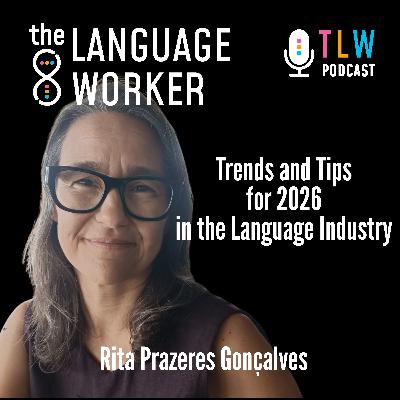
Have you thought about the biggest trends shaping the language industry in 2026? I will break down four key trends that every freelance language professional and every LSP or content-focused company needs to watch closely this year: tech integration, collaboration, expansion, and deep knowledge.You will hear how increased tech integration and interactive learning tools are changing how linguists and companies work, train, and deliver multilingual content at scale. Rita explains why collaboration is accelerating, from LSP mergers to groups of freelancers forming “pretend companies” that stay independent while pooling resources, niche expertise, and capacity. This video also explores expansion: freelancers and companies diversifying services (subtitling, e-learning, game localization) and actively targeting new markets and direct clients around the world.If you are a freelance translator, subtitler, localization specialist, LSP owner, or a company relying on multilingual communication, this 2026 outlook will help you make smarter decisions about skills, services, and partnerships. Watch until the end, share your thoughts in the comments, and use these trends to position yourself or your organization for long-term success in the language business.
In this episode of The Language Worker, I sit down with Sonia, a German and Italian native speaker and performance marketing specialist for small and medium-sized businesses. She combines her linguistic skills with hands-on expertise in Google Ads, Microsoft Ads, Meta, and LinkedIn to help SMEs scale sustainably across markets. We talk about how Sonia manages and optimises multi-channel ad campaigns, what meaningful performance tracking looks like in practice, and how she turns reporting into clear, actionable insights for her clients. She also shares cool stories about her multilingual upbringing and how her career path has been evolving. If you’re a language professional, marketer, or SME owner who wants to market products and services more efficiently in an ever-changing digital landscape, this conversation will give you concrete ideas on how to align language, data, and paid media.
loading
Comments