


 Claim Ownership
The Leader Factor
Subscribed: 59Played: 2,252
Subscribe

© 2022 LeaderFactor
Description
[Previously Culture by Design] The leader is the #1 factor in determining organizational success. If you want to become an effective leader, you have three objectives: First, learn to lead yourself. Then, learn how to unlock the full potential of your team. Finally, build a business where culture is your competitive advantage and innovation is the status quo.
160 Episodes
Reverse
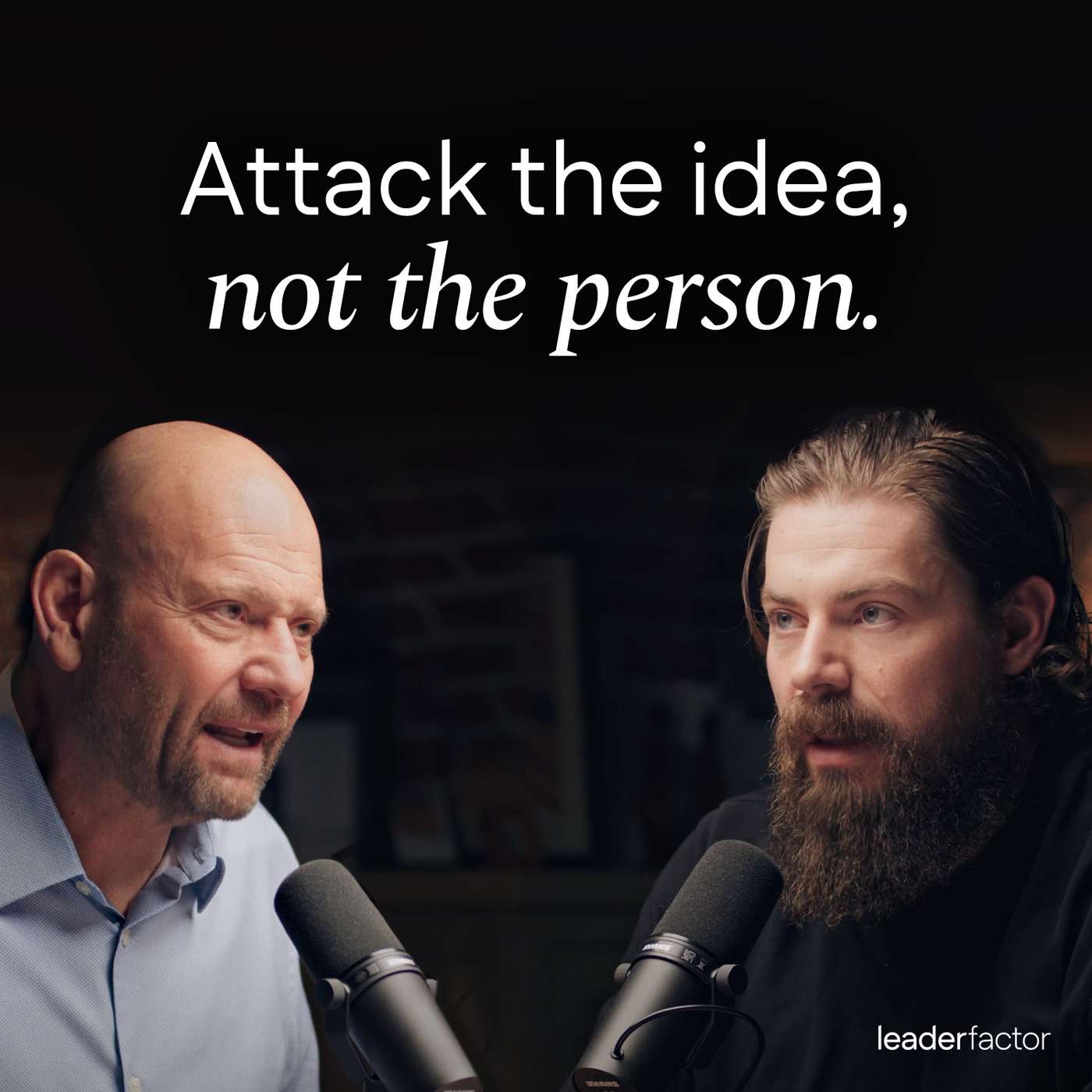
Productive conflict comes from high intellectual friction and low social friction, and most teams measure neither. Two tense meetings can feel completely different: one leaves people invigorated, the other leaves them beaten down. Dr. Tim Clark and Tim Clark Jr. explain the difference between debating an idea and threatening a person, why a calm meeting can be false harmony, and how emotional investment in an idea changes the way critique lands.You’ll learn four practices for leaders: build respect before the disagreement, set expectations before the debate starts, separate the person from the idea, and manage the people actually in the room, including how to give agreeable teammates a formal role in dissent.
Psychological safety for exhausted managers starts with the leaders above them. Managers are asked to create safety for their teams while feeling little of it themselves, and tired people protect themselves first and filter what they report upward. Dr. Tim Clark and Tim Clark Jr. explain why exhaustion widens the gap between intention and behavior, and what leaders can do about it.You’ll hear four practical moves: model the vulnerability you expect from managers, reward the manager who brings difficult information, keep candor and respect together, and acknowledge the cost of every new request. You’ll also get a five-second way to humanize yourself before a hard conversation.
4 psychological safety questions every leader should be able to answer, because hearing other opinions isn’t the same as being prepared to be wrong. Dr. Tim Clark and Tim Clark Jr. walk through one question for each stage of psychological safety (inclusion, learner, contributor, and challenger), covering how you treat people who disagree, how you respond to mistakes, how much autonomy you give capable people, and whether anyone can tell you’d change your mind.Why is changing your mind so hard? It comes down to mental shortcuts and an identity built on being right. Name the evidence that would change your decision, and judge every idea by the same criteria, whoever raised it.
Psychological safety breaks in small moments, and leaders can repair it.Dr. Tim Clark and Junior walk through 12 everyday behaviors that quietly punish vulnerability, from looking away mid-sentence to interrupting rudely, stereotyping, humiliating someone publicly, or punishing an honest mistake. Most involve nothing you’d consider wrong to say; people simply read your tone, attention, and nonverbal cues differently than you intend. Because safety is perceived individually and a leader’s title amplifies every signal, it’s easy to injure without noticing. They close with four practical ways to repair it: notice your nonverbals, apologize in the moment with a response that matches the wound, review your own behavior weekly, and ask others for feedback to expose your blind spots.
The early truth is kind; the late truth is not. In this episode, Dr. Tim Clark and Junior explain why coming down hard on people pushes mistakes underground, while giving people a pass erodes standards. The answer sits between the two: strong relationships paired with clear accountability, what they call the coaching box.They walk through the relationship and accountability two-by-two (absentee landlord, buddy, micromanager, coach), cite a recent Gallup finding that accountability is leaders’ lowest-rated competency, and share practical tips: revisit expectations before discussing results, let the person do the thinking, stay involved early, treat consequences as part of coaching, and lead with inquiry.

Comments

Download from Google Play

Download from App Store
 United States