


 Claim Ownership
The Med-Tech Talent Lab
Subscribed: 15Played: 85
Subscribe

© The Anthony Michael Group 2021
Description
Welcome to the Med-Tech Talent Lab the #1 catalyst for advancing careers and building high performing teams. Sponsored by The Anthony Michael Group…helping companies secure in demand talent in Regulatory Affairs, Quality, Clinical, Engineering, R&D and Commercial areas for Medical Device, Digital Health, Diagnostics and other organizations across the US Life Sciences sector.
146 Episodes
Reverse
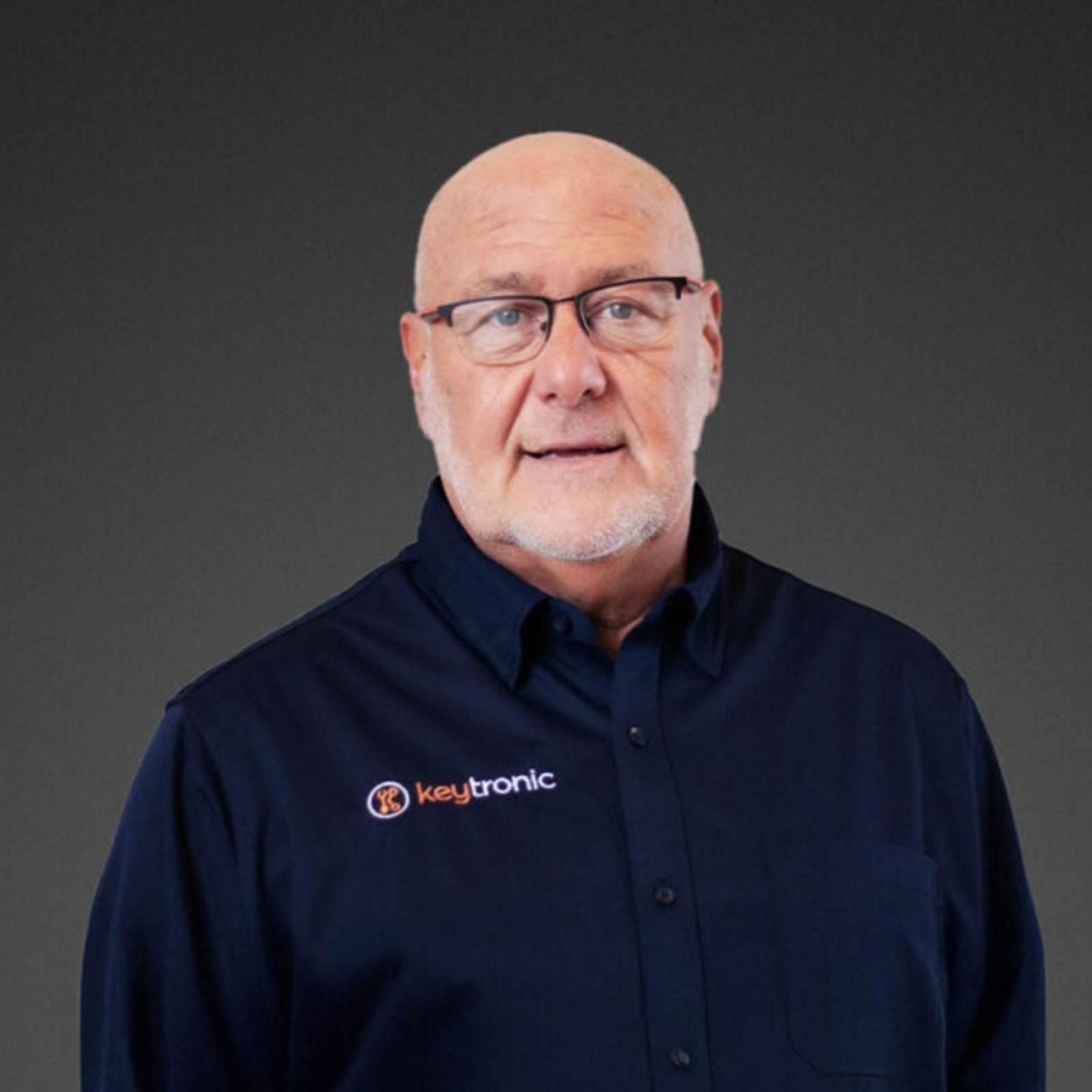
In this episode of The Med-Tech Talent Lab, Mitch Robbins sits down with Craig Green, Senior Vice President of Business Development at Keytronic, to explore what three decades in contract manufacturing have taught him about winning business and building the teams that deliver it.Craig spent the first twelve years of his career in the electric utility industry. Then the owner of a contract manufacturer came to his house for dinner, and forty-five minutes later Craig had agreed to run marketing for a metal stamping operation he knew nothing about, in a building that didn't yet own a press. He traces the path from there through the CEO seat at OEM Worldwide, where he inherited a company that had just lost forty percent of its revenue and grew it from eleven million to nearly seventy through the Great Recession.The conversation also explores why reshoring is pulling a surge of work back to North America, why awarding a manufacturing contract is a career decision for the person signing it, the question Craig asks early in every sales interview that makes up his mind, and what breaks inside a company at each new level of revenue.Whether you're in business development, running a manufacturing business, or building a commercial team, this episode offers practical insights on what actually wins programs, what you can teach a salesperson and what you can't, and where contract manufacturing is headed next.In this episode, you'll learn:Why reshoring is pulling manufacturing back from China and the Pacific RimWhat has not changed about contract manufacturing in forty yearsWhy awarding a contract is a career decision for the person signing itThe interview question Craig asks that decides it in the first five minutesWhat you can teach a business development hire, and what you can'tHow he grew a company from $11M to nearly $70M through the Great RecessionWhy the wheels come off at every new revenue milestone, and how to plan for itWhy he built a company-wide bonus program while still losing moneyWhere vertical integration and one-stop capability are heading...and so much more!Craig Green on LinkedIn:https://www.linkedin.com/in/craig-green-172a337/Keytronic on the web:www.keytronic.com

In this episode of The Med-Tech Talent Lab, Mitch Robbins sits down with Jim Miller, Global Leader of Talent Acquisition at Rochester Electronics, to explore what three decades in recruiting have taught him about hiring people instead of resumes.Jim answered a blind ad in the Sunday Boston Globe and made his first placement, a technical writer at Digital Equipment Corporation, before building a career that ran through Fidelity during the Y2K build-out and talent leadership roles at GE, Raytheon, WEX and L3Harris. He explains why understanding the business matters more than recruiting technique, why he only hires relationship recruiters, and why your reputation follows you far longer than your resume ever will.The conversation also explores why hourly hiring has quietly become the hardest job in recruiting, the high school co-op program feeding Rochester's manufacturing floor, how the TN visa opened a talent pool most companies overlook, the hiring mistake he watches companies repeat, and his blunt take on where AI actually helps a talent team and where it simply doesn't.Whether you lead talent acquisition, hire into manufacturing, or are building a career in recruiting, this episode offers practical insights on sourcing when every tool returns the same names, building trust across a team, and why the person responsible for your culture probably belongs closer to the CEO.In this episode, you'll learn:Why understanding the business beats recruiting technique every timeWhat made hourly hiring the hardest job in recruiting after 2021How a high school co-op program became a reliable manufacturing pipelineWhy the TN visa opened a talent pool most companies overlookThe hiring mistake companies repeat: recruiting to basic qualificationsWhere AI genuinely helps a TA team, and where Jim says it falls shortWhy relying on technology leaves recruiters waiting instead of workingThe trust test a mentor ran on Jim, and what it taught him about leadingWhy recruiting is sales, and why it rarely reports where it should...and so much more!Jim Miller on LinkedIn: https://www.linkedin.com/in/jimmiller64/Rochester Electronics on the web: www.rocelec.com
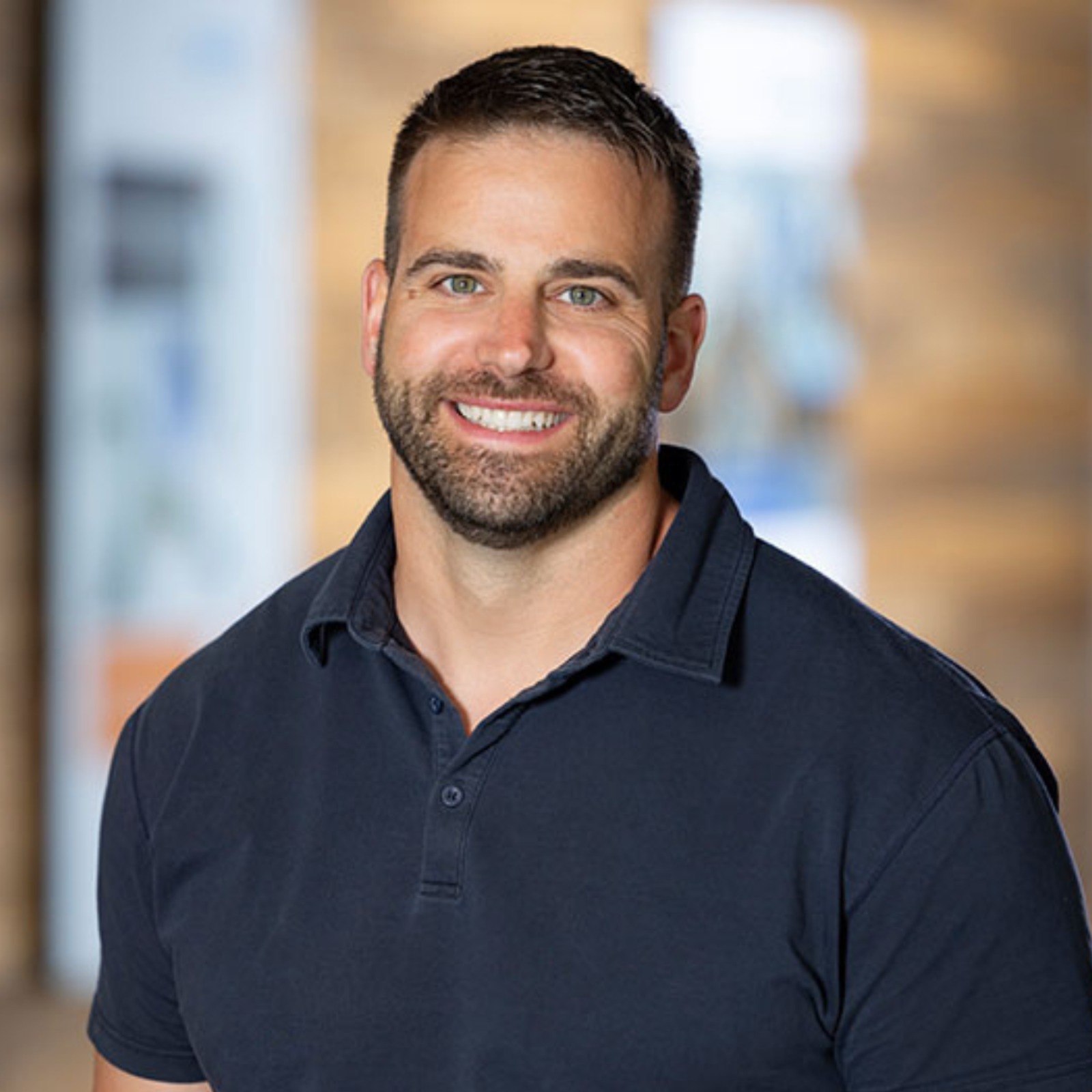
In this episode of The Med-Tech Talent Lab, Mitch Robbins sits down with Joe Semanoff, Vice President of Business Development at Switchback Medical, to explore how the mindset he developed playing Division I football has shaped the way he approaches sales, business development, and leadership in Medtech.Joe grew up in a small town in northern Pennsylvania and walked on at BYU, where he played running back and fullback, earned a scholarship, and was voted a captain his senior year. He was on his way to physical therapy school when someone took a chance on him with no device background and no sales experience. Joe shares how the competitiveness, preparation, and grind of college football carried into his career, from prospecting and mastering his craft to leading a team.The conversation also explores what OEMs actually want from a manufacturing partner beyond price, why transfer business can become a race to the bottom, how pushing back on a customer's design can build trust, and the honest struggle of stepping back from the work you were great at so your team can do it themselves.Whether you're in sales, business development, or leading a commercial team, this episode offers practical insights on prospecting in a noisy market, building relationships that survive difficult conversations, developing as a leader, and where AI is genuinely helping sales teams show up prepared.In this episode, you'll learn:How the football mindset translates into Medtech sales and leadershipWhy competitiveness, preparation, and consistency matter in prospectingWhat OEMs look for in a manufacturing partner beyond priceWhy transfer business can become a race to the bottom, and what to pursue insteadHow pushing back can build trust with customersWhat separates a trusted advisor from a rep trying to close a dealThe hardest part of moving from top performer to sales leaderHow a college position coach taught Joe to lead different people differentlyWhere AI is actually helping commercial teams prepare for meetings...and so much more!Joe Semanoff on LinkedIn: https://www.linkedin.com/in/joe-semanoff-221a7739/Switchback Medical on the web: www.switchbackmedical.com

In this episode of The Med-Tech Talent Lab, Mitch Robbins sits down with Joel Greengrass, Chief People Officer at Precision Neuroscience, to explore what it looks like when the mission you work for is also the one you live with.Precision is building a minimally invasive brain computer interface designed to restore communication and movement for people with severe neurological conditions. Joel lost his grandmother to ALS, his closest friend from college is fighting the same disease now, and he has lived with MS for 20 years. He explains why he told a recruiter to stop mid-pitch and not call anyone else, and how three decades spanning Accenture, Equinox, BuzzFeed, FanDuel, and Yieldstreet led him to a role he describes as his ikigai.The conversation also explores the difference between leading HR and leading people, the CEO who hired him by saying he didn't want an HR person, why he tracks how many one on ones he does every month, the honest feedback he gave a CEO that ultimately cost him a job, and the answer he gives in every interview that stops executives cold: you don't fire enough people.Whether you're a people leader, a founder, or an executive scaling a team, this episode offers practical insights on turning the people function into a competitive advantage, earning a real seat at the table, and building the kind of authenticity people can actually feel.In this episode, you'll learn:Why leading people is a growth function and leading HR is a foundationHow to build credibility with a CEO who has never seen a strategic people functionWhy Joel tracks his one on ones, and what meeting 35% of the company buysThe interview answer he gives every company: you don't fire enough peopleWhy a seat at the table is a privilege, and when to give the seat upWhat CEOs most often get wrong about people problemsHow an MS diagnosis reshaped his definition of success and his leadershipWhy the culture you built today is not the culture you'll have tomorrow...and so much more!Joel Greengrass on LinkedIn: https://www.linkedin.com/in/joelgreengrass/Precision Neuroscience on the web: www.precisionneuro.io

In this episode of The Med-Tech Talent Lab, Mitch Robbins sits down with John Pietrantoni, Vice President of Corporate Accounts at Terumo, to explore how corporate accounts became one of the most important and least understood roles in medical device.With more than 30 years in sales and commercial leadership, including two decades at Getinge, John traces a path that began at Coca-Cola and ran through HealthSouth before a leader took a chance on him with zero device experience in 2002. He explains the triangle that governs how products get into hospitals today, the local rep earning clinical endorsement, the corporate accounts team working supply chain, and the value analysis committee above both, and why a gap in any corner usually means your product doesn't get used.The conversation also explores the four months he spent only observing after joining Terumo, the work stream model he uses to stretch talent and why he has never assigned one, how a team member's passion for AI became a new role, why he leads through vulnerability rather than authority, and why the word maybe replaced the word no in his team's negotiations.Whether you're in sales, commercial leadership, supply chain, or the executive seat, this episode offers practical insights on building teams that move fast because they trust you, and understanding how buying decisions really get made in 2026.In this episode, you'll learn:What corporate accounts really is, and why it became one of MedTech's hottest rolesWhy clinical endorsement alone no longer gets your product into the hospitalThe profile that succeeds in corporate accounts, and why the talent pool is narrowWhy John observes for months before changing anything on a team he inheritsThe work stream model that grows leaders without ever assigning them the workHow one team member's interest in AI turned into a full-time roleWhy trust built through vulnerability is what creates speedThe leadership lesson John learned the hard way about losing talent...and so much more!John Pietrantoni on LinkedIn:https://www.linkedin.com/in/john-pietrantoni-10209b25/Terumo on the web:www.terumo.com

Comments

Download from Google Play

Download from App Store
 United States