


 Claim Ownership
The Music Show
Subscribed: 939Played: 29,330
Subscribe

© Copyright 2025, Australian Broadcasting Corporation. All right reserved.
Description
All kinds of music and all kinds of musicians in conversation with Andrew Ford.
606 Episodes
Reverse
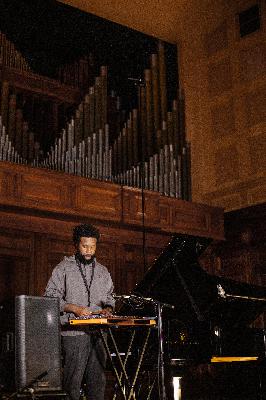
JJJJJerome Ellis styles their name with five Js because it’s the word they stutter on the most. The artist, writer, composer and multi-instrumentalist has released a new album Vesper Sparrow which layers spoken word, vocals, saxophone, hammered dulcimer, organ, electronics and more. JJJJJerome speaks to Andrew Ford about the musical opportunities that speech disfluency provides, and what we can learn from the spaces and clearings between words.And we get a chromatic harmonica masterclass from musician and composer Ariel Bart, who blends European jazz traditions with Middle Eastern music. She’s about to begin her debut Australian tour, teaming up with a local cellist and pianist.
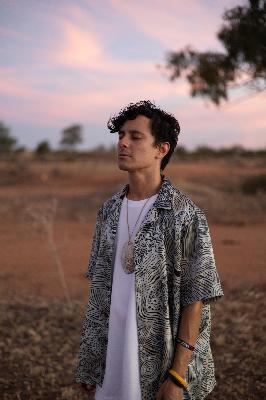
Reed and Oak - composed and performed by DOBBY, words by Cate Kennedy.One of two winning poems from our Middle of the Air competition, run in collaboration with Red Room Poetry.
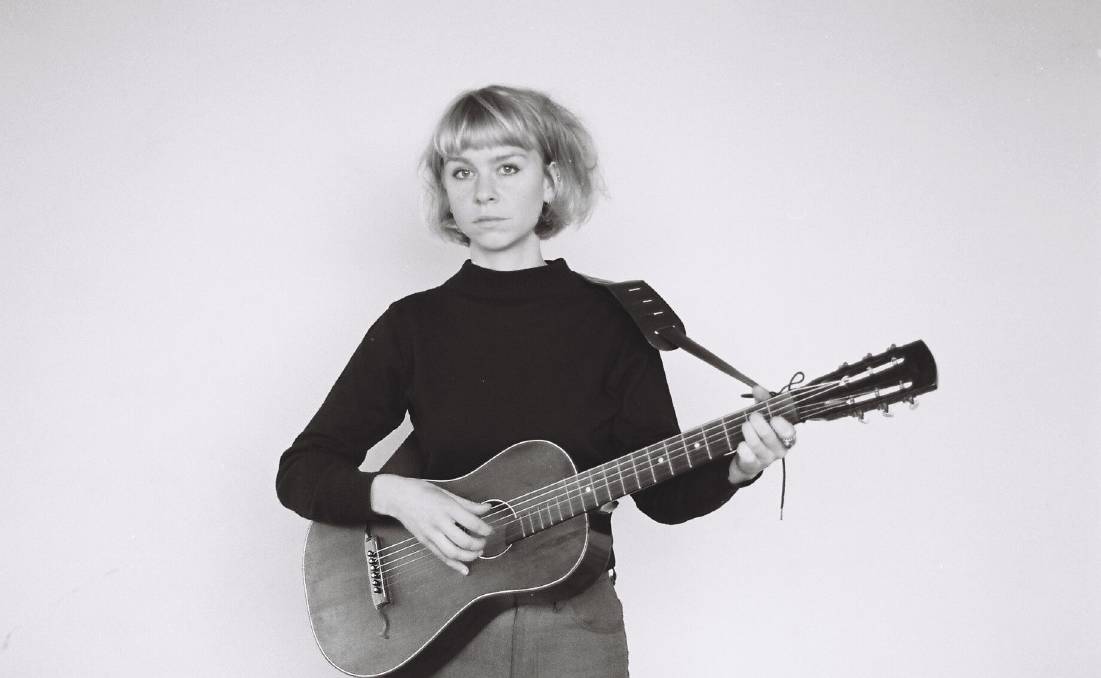
The Arbour - composed and performed by Leah Senior, words by Giles Watson.One of two winning poems from our Middle of the Air competition, run in collaboration with Red Room Poetry.

In August, ABC Radio National and Red Room Poetry put out the call for Australian poets to submit new poems to be set to music by two great local musicians, DOBBY and Leah Senior. Now, to mark the end of AusMusic Month, the two winning poems, and the songs that they have become, are premiered on The Music Show. Andy talks to DOBBY, Leah, and the two winning poets Cate Kennedy and Giles Watson, as well as David Stavanger and Nicole Smede of Red Room Poetry to celebrate the alchemy of song: how music and words combine to affect each other's meaning and make something completely new.Plus, to mark Jane Austen's 250th anniversary, a dive into Austen's relationship with music, with academic Gillian Dooley. And we remember Guy Ghouse (1969-2025), the Western Australian musician who, with his collaborator and wife Gina Williams, brought Noongar language music and opera to the fore.
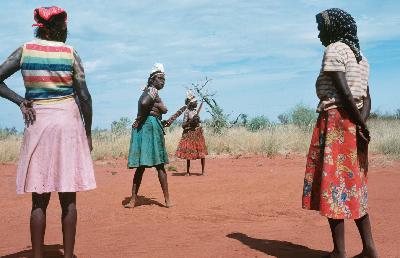
Aboriginal and Torres Strait Islander listeners are advised that this program contains the voices of people who have died. As a post-war kid, Leo Sayer first heard rock & roll on Radio Luxembourg on a radio late at night. His career has taken some major swerves: he was an illustrator, a graphic designer (he worked on album covers for Bob Marley), then a blues harmonica player. Most famously though, he's a singer, songwriter, and showman. He sits down with Andrew Ford after a big run of shows to talk about performing at the age of 77, his enduring love of poetry, and how he's found new audiences through remixes and collaborations with up-and-comers.Yawulyu: Art and Song in Warlpiri Women’s Ceremony is a new book that examines the dances, songs and body designs of the Warlpiri community in the early 1980s in Willowra, Northern Territory. Andrew speaks to three of the book's co-authors, Helen Napurrurla Morton (a Warlpiri teacher and translator), Megan Morais (an ethnochoreologist and teacher), and Professor Myfany Turpin (musicologist and linguist), about the role of music in women's ceremonies, and how documenting it is helping to pass it along.
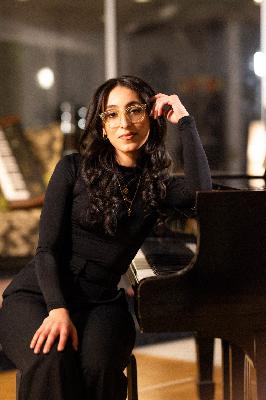
Lolita Emmanuel is a creative researcher. She’s a musician, a storyteller, and an academic (moments away from finishing her Doctor of Musical Arts) and she’s part of this year’s ABC Top Five Arts residency. That's early career researchers in the arts who’ve come to Radio National to make shows about their work. Lolita is Assyrian and Armenian, and her creative practice, which forms the basis of her research, is engaged with the process of creative reassembly: building cultural resilience, strengthening cultural memory and empowering Assyrian artists and voices around the world. She joins Andy to talk about assembling fragments of a culture that has been ethnically cleansed, displaced, and dispersed.
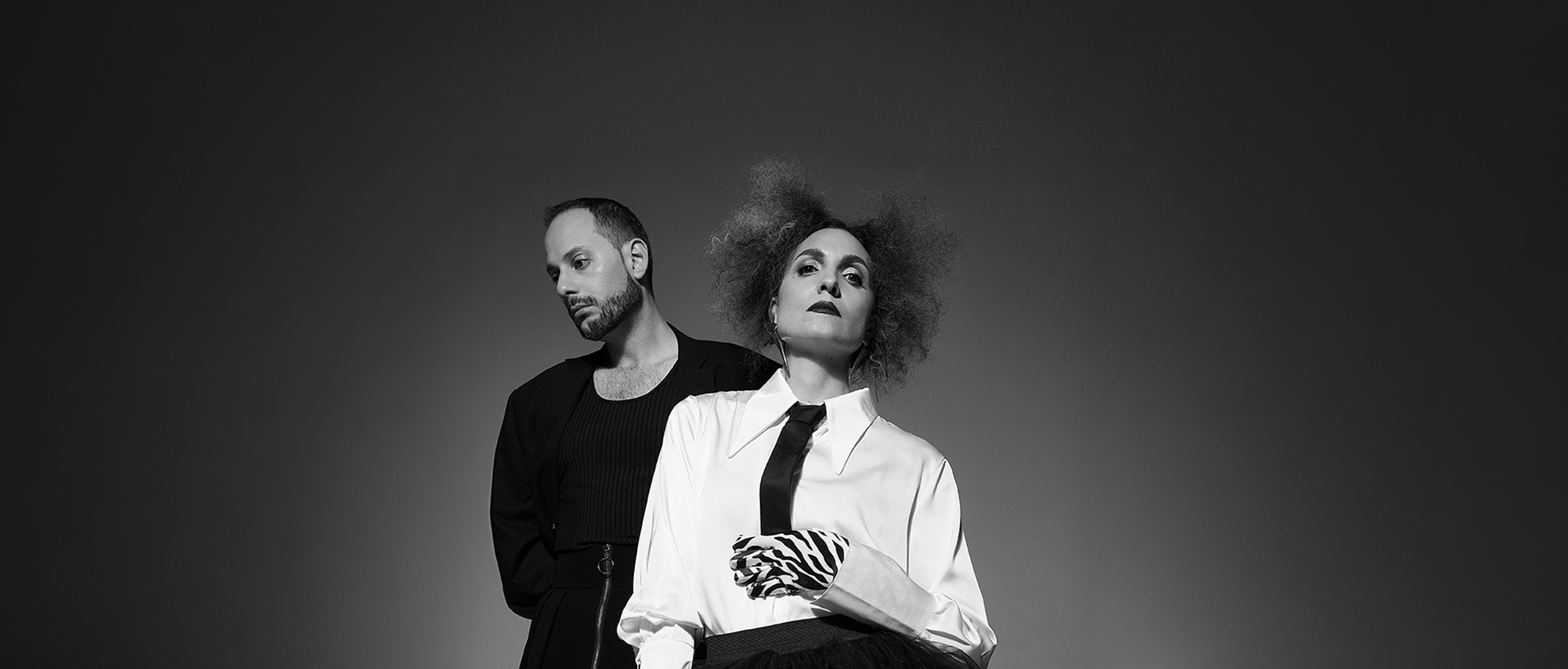
Most people would think of Paul Grabowsky as a jazz pianist. And they wouldn't be wrong, except he's much more than that. He's a composer of film scores, orchestra works and operas, a band leader (he founded the Australian Art Orchestra) and an inveterate collaborator. Just this year, he's released three albums: a recording of standards with singer Michelle Nicolle; a duo with guzheng player Mindy Meng Wang; and, with Peter Knight, a remarkable celebration of the manikay of Ngukurr songman Daniel Wilfred. In other words, it's time we had Paul back on the show.undead. is a new album of contemporary operatic arias by living composers - almost all of whom are Australian. “Opera's greatest stories are still being written, here and now”, say singer Jessica O'Donoghue and pianist Jack Symonds, performers on the record, and they would know, being a founding member and artistic director of Sydney Chamber Opera, which has platformed living composers throughout its decade in action. Jess and Jack perform some highlights from the album live in The Music Show studio.
 1
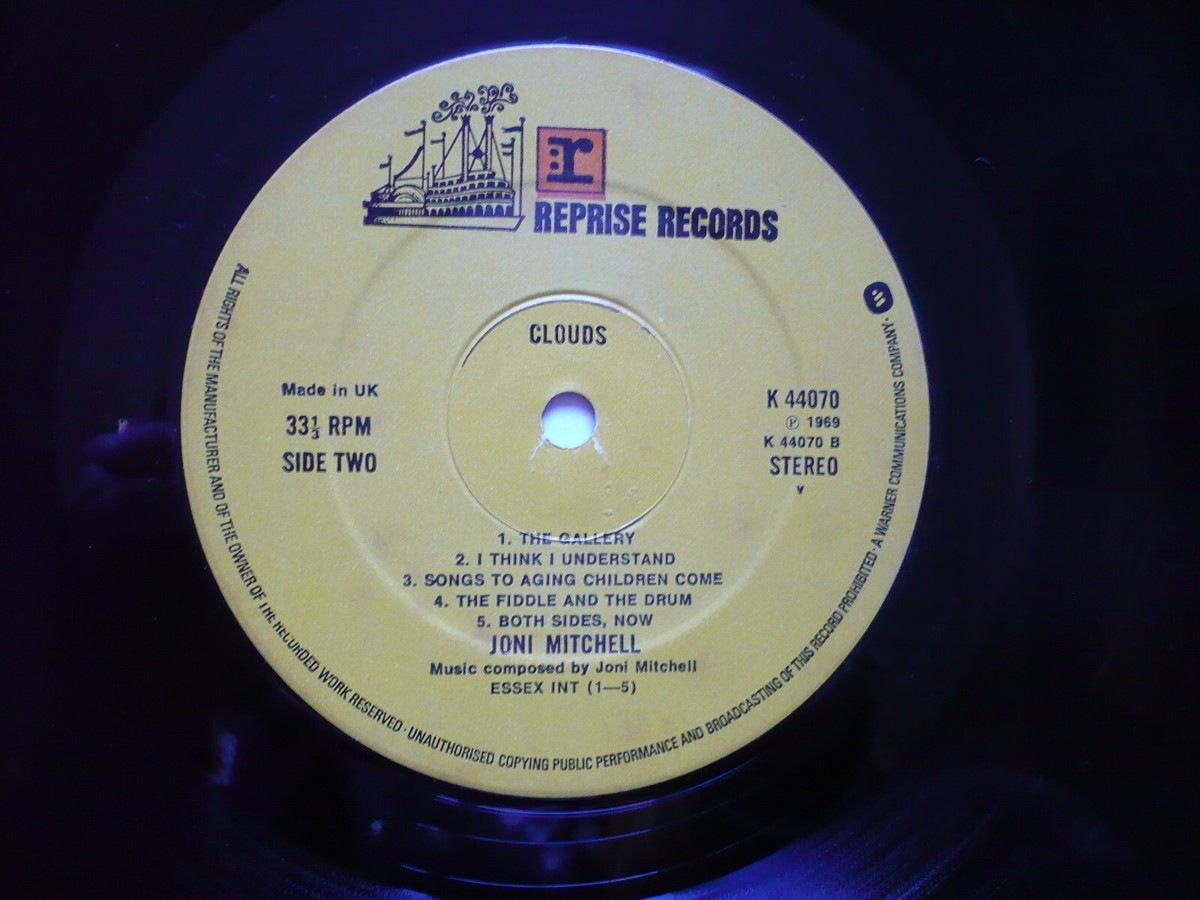
1Both Sides Now was written by Joni Mitchell in 1966, when she was just 21 years old. She wasn't the first artist to record it though - in true folk tradition, the covers began before her own version was released in 1969, and they haven't stopped since. Both Sides Now is our most covered Cover Story song so far, with over 1,700 versions in as many styles as you can think of. Including, of course, Joni's return to the song from the other side of her career in 2000 (cue Emma Thompson's single tear in Love Actually). For the final episode of this series of Cover Story, we will be looking at 9 versions of Both Sides Now with guests jazz musician Alex Raupach and composer Alice Chance.
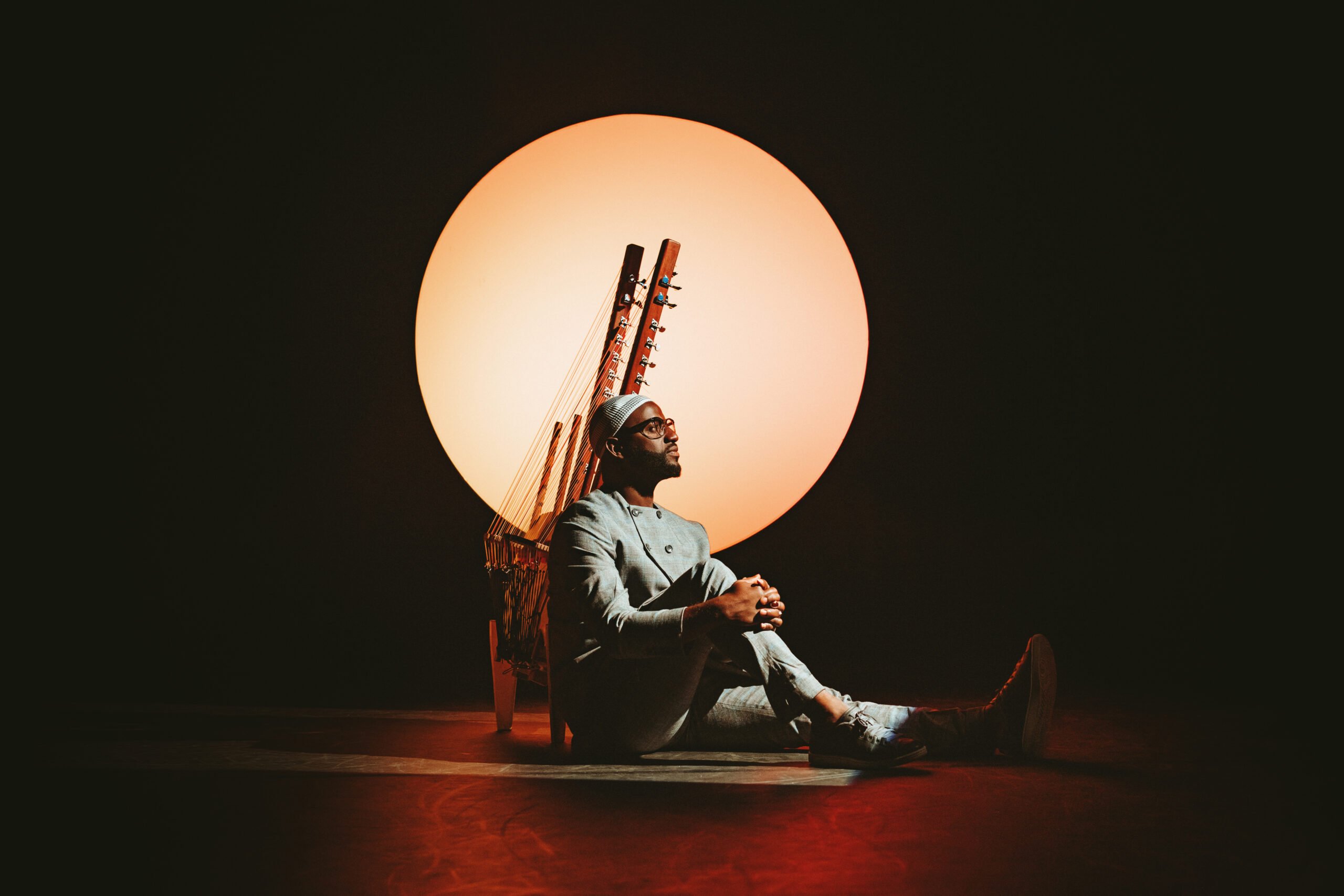
Senegalese kora master Seckou Keita's relationship with the West African string instrument is delicate, thoughtful, and expansive. Through developing his own tunings, and taking his music further than the traditions of Casamance, the region of southern Senegal he's from, he's connected his instrument with jazz, classical, and other African musical traditions. He's in Australia playing a series of concerts and drops into the Music Show studio to perform live.Rowena Wise and Didirri are both successful Australian indie artists in their own right. Their personal and creative partnership has led to a couple of singles, as well as a tender duo reinterpretation of their own solo works. They're on the road doing a series of gigs in churches and offer up a couple of beautiful live performances in the studio with Andy.Plus we hear new music from Paul Grabowsky and Mindy Meng Wang, and mark Sir Charles Mackerras' centenary.
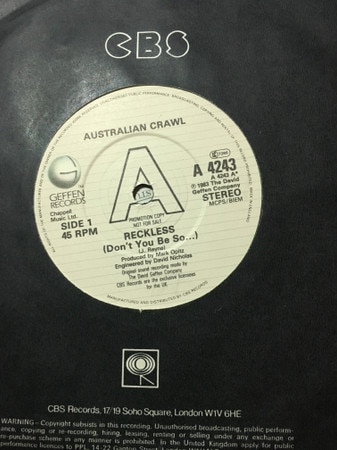
In 1983, the Manly Ferry was making its way to circular quay and James Reyne was laying down Reckless (Don't Be So...) with his band, Australian Crawl, for their EP Semantics. Since then, the song has had a permanent place in lists of great Australian songs, in no small part due to some very different covers. Some by Australian music royalty (from Paul Kelly to John Farnham), and some from further afield (Laura Mvula singing about Aussie landmarks in her Birmingham accent).Andy's guests are University of Western Sydney musicologist John Encarnacao and ABC Classic's Vanessa Hughes.

Martin Hayes is one of the world's most celebrated fiddle players, and a very influential figure in Irish traditional music. He draws from the musical tradition of County Clare and interprets it within a wider contemporary context, and has collaborated with an impressive slate of artists from Paul Simon to Yo Yo Ma. A longtime friend of the Music Show, Martin Hayes speaks with Andy ahead of his 2026 Australian tour.Piotr Anderszewski is a famously exacting pianist from Poland who only performs pieces he feels he can contribute to in an original and personal way. He has performed with many of the world's great symphony orchestras, and is on tour in Australia throughout November performing repertoire of Brahms, Bach and Beethoven. And for Aus Music Month, a new song from Stella Donelly's brand new album Love and Fortune.
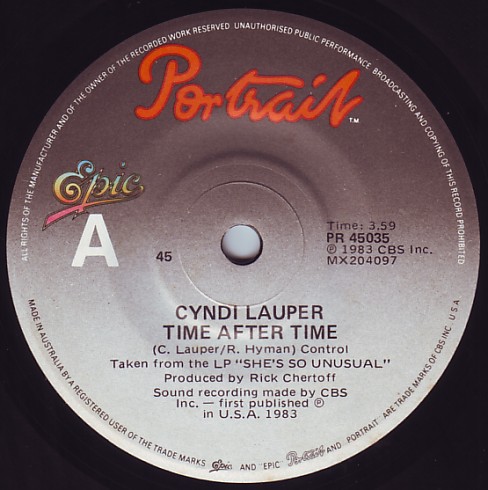
Time After Time was a last minute addition to Cyndi Lauper's debut album She's So Unusual in 1983 - a final songwriting session between Lauper and Rob Hyman filling a gap on the tracklist. Since then, it's been through the wringer with not one but two versions recorded for MacDonald's ads, turn-of-the-millennium EDM, and a turn by Miles Davis ("the most honoured I ever felt" - Cyndi Lauper; "he could have farted it and she'd still have loved it" - Andrew Ford). Andy's guests are Iain Grandage and Michelle Nicolle.
All kinds of music and all kinds of musicians in conversation with Andrew Ford.
All kinds of music and all kinds of musicians in conversation with Andrew Ford.
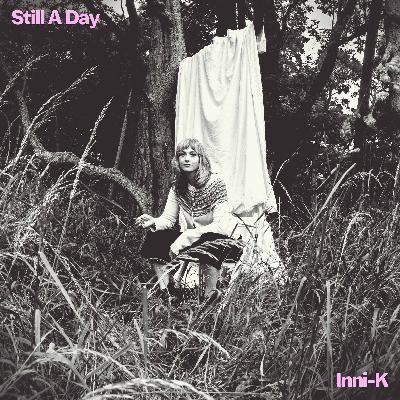
Inni-K, the alias of singer songwriter Eithne Ní Chatháin, blends Ireland's rich music traditions with her own playful compositional voice. Her new album Still A Day deviates from the traditional material she's focused on in the past, and these original songs are sung in English and Gaelic, with her voice and fiddle at the centre.Touring relentlessly and releasing music since the early 1980s, Joe Camilleri and The Black Sorrows are taking stock with a new album of ‘quintessential songs’ that celebrate their four decade contribution to Australian music. Part of the band’s success is down to embracing eclectic musical styles. You’ll find jazz, blues, rock, zydeco and pop on this album. The Sorrows have also welcomed a rotating cast of musicians over the years—people like Vika & Linda Bull, Paul Grabowsky, Michael Barker and George Butrumlis. Joe speaks to Andrew about longevity, singing with his saxophone, and how he never knows when something’s going to be a hit.Plus, music from the border of Iran and Afghanistan, from Badieh. They'll be on The Music Show next week.
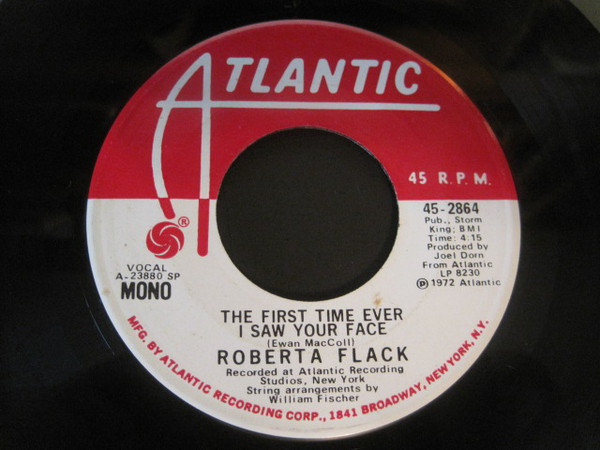
The First Time Ever I Saw Your Face was made famous by the version Roberta Flack recorded for her 1969 album First Take, which was then used in Clint Eastwood's 1971 film Play Misty for Me. But it started life as a relatively simple folksong British folk singer Ewan MacColl wrote for and delivered to American folk singer Peggy Seeger down a phone line at the start of the 1960s. From folksong to torch song to torture device (sorry, Barbra Streisand), it's a song that has robustly weathered many interpretations. Poet and folk artist Kate Fagan and soprano Rachel Mink of Luminescence Chamber Singers are our critics in the first episode of a new series of Cover Story.
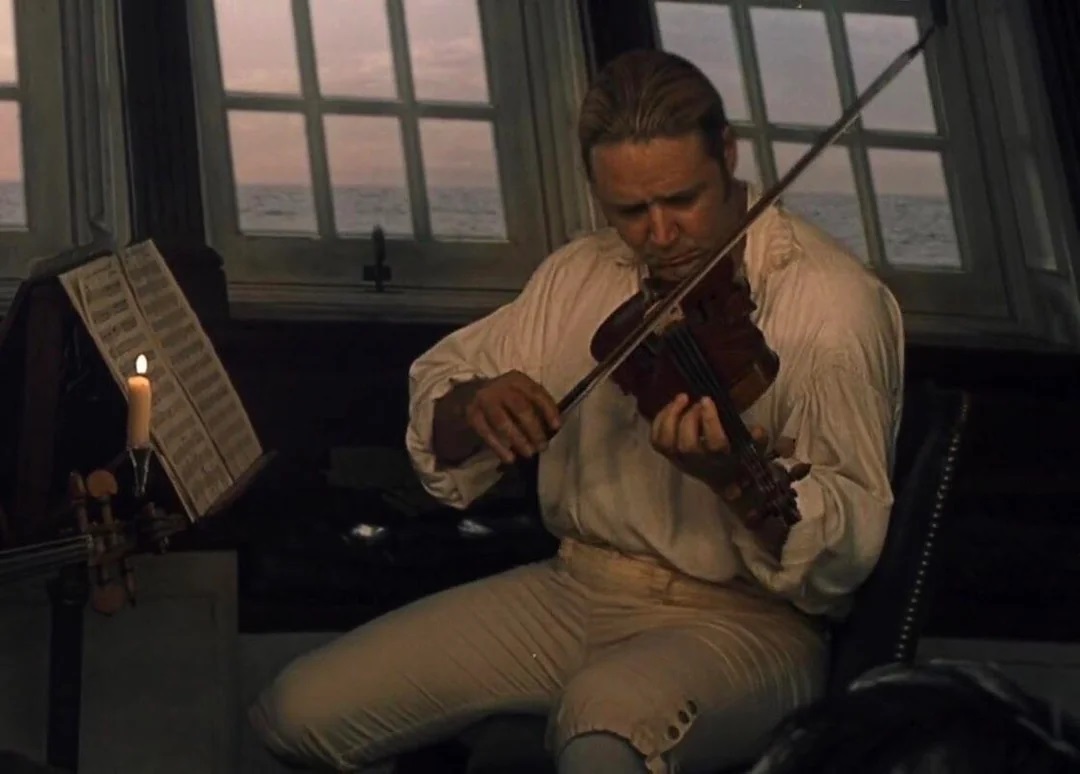
Composer Christopher Gordon is being handed the Distinguished Services to the Australian Screen award at this year's Screen Music Awards. Responsible for big scores to films like Mao’s Last Dancer, Ladies In Black, and Master and Commander: The Far Side of the World, Christopher has also written for television, ballet and the concert hall. He tells Andrew about catching his first big break (a score for miniseries Moby Dick) and how he’s kept up such a varied composing and conducting career.Forming in Brisbane in 1978, The Apartments have been releasing music on-and-off for over 40 years, with singer songwriter Peter Milton Walsh the only constant member. The latest album spends a lot of time looking back, balancing joys and sorrows, and arrives like a declaration: That's What the Music is For.
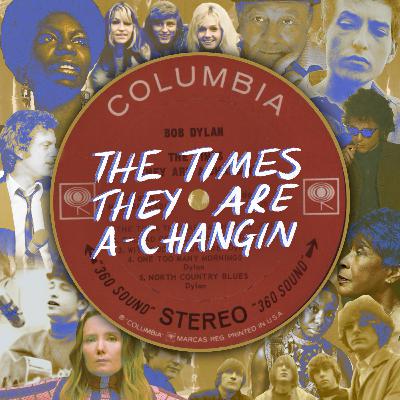
Ahead of new episodes of Cover Story (dropping very soon!) we bring you one of our favourites from season one.Singer and rapper Ziggy Ramo and musician and broadcaster Alice Keath look at Bob Dylan’s The Times They Are A-Changin’ – a political anthem just vague enough to apply to the US civil rights movement, the Velvet Revolution, Perestroika, and in some cases seemingly nothing at all.
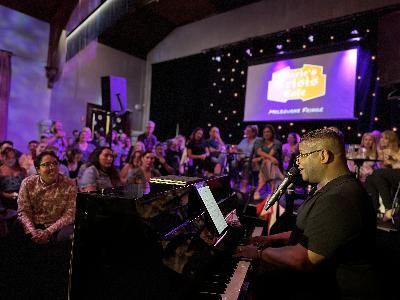
When was the last time you gathered around a piano to belt out showtunes with friends or strangers? Marie's Crisis Cafe is a beloved New York City sing-along piano bar that's been bringing musical theatre lovers together for decades. The bar is popping up in Melbourne and Sydney and we'll meet resident pianists Kenney Green-Tilford and Adam Michael Tilford who'll perform a couple of showtunes live.Fritz Hart (1874 - 1949) was an English composer, conductor and teacher (and critic, poet, novelist and painter), a friend of Gustav Holst and Ralph Vaughan Williams, who was active in Melbourne (and Hawaii) in the first part of the 20th century. He composed a great deal of music, including no fewer than nineteen operas, but is these days better known for his teaching work, his students including Peggy Glanville-Hicks, Margaret Sutherland, Linda Phillips and Esther Rofe. Hart's biographers, Peter Tregear and Anne-Marie Forbes, join Andy to discuss this flamboyant, not to say rakish, figure in Australian music.
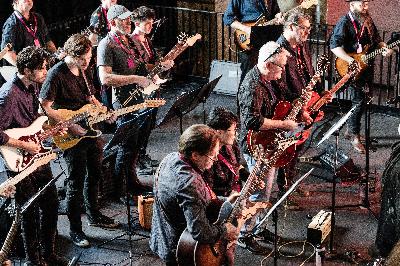
Wardaman and Yanyuwa woman Dr Shellie Morris AO grew up speaking English in her adopted family, but has since gone on to learn over 20 First Nations languages. Her new album Singing For Our Little Ones is in Warumungu, and it's a collaboration with Elders in Tennant Creek as well as the local recording studio and a whole bunch of musicians. Shellie's cultural advocacy and leadership recently earned her a Red Ochre Award for Lifetime Achievement, and she's back on The Music Show to talk about why music is the perfect tool to preserve languages.Many bands include 2 or 3 guitars, but Tim Brady's latest project has one hundred of them. The Canadian composer and guitarist recently premiered 100 Guitars at Brisbane Festival, where local ensemble Topology was bolstered by 100 guitarists—a mix of professionals, casual players and complete newbies. Tim talks to Andrew Ford about the pulling off such an ambitious performance, the changing role of electric guitar in new classical music, and doing something a lot of composers are daunted by: writing for a string quartet.

Comments

Download from Google Play

Download from App Store
 United States