


 Claim Ownership
The Optimal Bio Podcast
Subscribed: 22Played: 296
Subscribe

© Copyright 2018 All rights reserved.
Description
Dr. Brannon discusses BioIdentical Hormone Replacement Therapy, as well as, overall health and wellness.
158 Episodes
Reverse
In this episode of The Provider Series, Christian Davis, NP, from our Charlottesville office, returns to discuss one of the most misunderstood chapters in women’s health: postpartum. She explains how pregnancy elevates hormones to their peak, why estrogen, progesterone, and testosterone rapidly drop after delivery, and how this sudden shift contributes to fatigue, mood changes, anxiety, hair loss, sleep disruption, and low libido.
Christian also highlights postpartum thyroid dysfunction, prolactin’s impact on dopamine, the importance of nutrition, and why rest and community support are essential for recovery. Together, they break down what happens in the first 48 hours postpartum, how hormonal changes influence mood and bonding, why thyroid health affects milk supply and overall healing, and how preexisting hormone issues shape the postpartum experience. She also shares what postpartum care should look like (and why many women aren’t receiving it.)
Whether you’re postpartum, preparing for pregnancy, or supporting someone you love, this episode offers clarity, compassion, and science-backed insight into what the body is truly going through.
Ready to feel like yourself again? Schedule a consultation at https://optimalbio.com/contact-us/. Listen on Spotify or Apple Podcasts.
In this episode of the Provider Series, CEO Tylar Brannon sits down with Irene Burns, PA, from our Pinehurst office, to unpack one of the most misunderstood hormones: cortisol.
Cortisol isn’t the “bad hormone” social media makes it out to be. It’s actually essential for energy, immunity, and brain function. But when it stays elevated for too long due to chronic stress, poor sleep, under-eating, blue light, nutrient deficiencies, or hormonal imbalance, it can contribute to inflammation, anxiety, brain fog, weight gain, and insulin resistance.
Tylar and Irene break down why cortisol is necessary for life, how chronic stress disrupts thyroid and testosterone production, and why symptoms like fatigue, brain fog, and lack of motivation are often hormone-related. They also discuss how testosterone calms the nervous system and supports cortisol regulation, as well as simple lifestyle habits that naturally help reset cortisol.
If you’ve been feeling “tired and wired,” inflamed, or unable to focus, this episode will help you understand what’s going on inside your body, and what steps can help you restore balance.
Ready to feel like yourself again?
👉 Schedule a consultation: https://optimalbio.com/contact-us/
In this episode of the Provider Series, CEO Tylar Brannon sits down with Tanya Nix, Nurse Practitioner at our Greenville office, for a deep dive into one of the most important pillars of health: sleep.
They break down what really happens in your body at night, from brain detoxification and immune repair to hormone balance and metabolic health. Tonya explains how cortisol, melatonin, testosterone, progesterone, and estrogen all influence sleep, and why issues often start years before menopause.
They also explore how poor sleep affects mood, fertility, weight, insulin resistance, and long-term disease risk, as well as the lifestyle habits and supplements that can help you get truly restorative rest.
If you’re dealing with brain fog, fatigue, mood swings, weight gain, or irregular cycles, this episode will help you understand why sleep could be the missing link.
👉 Schedule a consultation: https://optimalbio.com/contact-us
In this week's episode of the Optimal Bio Podcast, Tylar sits down with Christian Davis, NP, to break down the science behind perimenopause, the transition years when testosterone, progesterone, and estrogen begin to shift before menopause officially begins.
They explore why symptoms vary widely among women, how genetics and environmental factors play a role, and why hormonal imbalance during perimenopause can impact everything from sleep and mood to cardiovascular and brain health.
They also discuss how personalized bioidentical hormone replacement therapy and lifestyle changes can help restore balance, reduce long-term health risks, and empower women to feel strong, energized, and in control again.
If you’ve ever wondered what’s really behind perimenopausal symptoms like fatigue, brain fog, lack of motivation, or disrupted sleep, this episode is the perfect place to start. Learn how your hormones can help you protect your long-term wellness and feel like yourself again.
👉 Schedule a consultation: https://optimalbio.com/contact-us
In this episode of The Optimal Bio Podcast, host Tylar sits down with Irene Burns, PA, from the Optimal Bio Pinehurst office. Listen as they discuss the connection between PTSD, traumatic brain injury (TBI), and hormone health, especially within the military community.
Drawing from her clinical expertise and personal experience as a military spouse, Irene shares how trauma and chronic stress can disrupt hormones like testosterone and cortisol, impacting mood, cognition, sleep, and overall well-being. Together, they explore why these invisible conditions are often overlooked, how Bioidentical Hormone Replacement Therapy (BHRT) can support recovery, and why addressing hormonal balance is essential for healing both body and mind.
Have you ever wondered how hormones influence mental health, energy, and resilience? This conversation is one you won’t want to miss.
👉 Schedule a consultation: https://optimalbio.com/contact-us
We’re launching our new Provider Series on the Optimal Bio Podcast. In this first episode, CEO Tylar Brannon sits down with Candi Brown, Nurse Practitioner at Optimal Bio’s Wilmington office, to explore the science and real-life results of Bioidentical Hormone Replacement Therapy (BHRT).
Together, they discuss why testosterone is important for both men and women, how environmental factors impact hormone health, and how restoring balance can improve energy, sleep, brain health, and long-term wellness.
If you have ever wondered what’s behind symptoms like fatigue, brain fog, or mood changes, this episode is the perfect place to start.
Learn how optimizing your hormones can help you think clearly, feel stronger, and feel like yourself again.
In this episode of Clock Talk, we continue with our age series as Dr. Greg Brannon dives into the benefits of bioidentical hormone replacement therapy in midlife, for both men and women aged 46-60. Listen as he shares his insight on muscle maintenance, osteoporosis prevention, cardiovascular health, Alzheimer’s, and more.
In this episode of Clock Talk, we explore more into how we individualize hormonal therapies across age groups, diving into the 31-45 age group (which comprises 40% of our patient demographic at Optimal Bio.) Listen as Dr. Greg Brannon explains how testosterone begins to decline every year after 30, the symptoms that are experienced by men and women, and how an individualized BHRT plan can alleviate symptoms. Hormone health isn’t just for older people; this age range is a critical window where we can address hormonal imbalances before your symptoms begin to snowball.
In this episode of the Optimal Bio podcast, Tylar Brannon sits down with Julie Ferrer, the founder of HomeTurf, a cycling and strength studio in Raleigh, North Carolina. Hear about Julie’s journey from teaching Zoom workouts in her basement during the COVID-19 pandemic in 2020 to launching a thriving fitness community. Listen as she opens up about how she balances entrepreneurship with motherhood, prioritizes her mental health, and defines what wellness means to her.
How do we individualize bioidentical hormone replacement therapy across age groups in our medical practice? In this episode of "Clock Talk", Dr. Greg Brannon shares more about how BHRT can benefit younger patients aged 20-30. Listen as he breaks down some of the biggest misconceptions about young men needing testosterone, the decline in hormonal levels over generations due to endocrine disruptors, and the impact of hormones on fertility for both men and women.
In this episode of "Clock Talk", Dr. Brannon dives deep into diet, nutrition, and the myths that have shaped our eating habits. Listen as he shares candidly about his personal experience of being diagnosed as pre-diabetic (despite being physically active) and his discovery of the carnivore diet. He gives his take on other popular diets such as the Mediterranean diet and practices like intermittent fasting, explaining how nutrition should not be approached with a one-size-fits-all mentality.
In this episode of Clock Talk, Dr. Greg Brannon dives into the common symptoms and red flags linked to low testosterone. Listen as he explains why testosterone levels are declining across the population, linking this alarming trend to environmental toxins. Dr. Brannon also discusses the critical role testosterone plays in brain function, bone density, and muscle strength. Tune in for his expertise as to why BHRT is the most effective method for maintaining healthy testosterone levels to support your longevity.
In this edition of Clock Talk, Dr. Greg Brannon tackles some of the most pressing hormone-related questions submitted by our patients. What role do hormones play in treating autoimmune disorders? How do endocrine disruptors influence the risk of developing hormone-related chronic diseases? How do fluctuations in cortisol levels affect the risk and progression of chronic stress-related diseases, such as hypertension and metabolic syndrome? Tune in for expert answers to your top hormone questions.
In this episode of Clock Talk, Dr. Greg Brannon shares his expertise about Polycystic Ovarian Syndrome (PCOS), exploring its connection to metabolic health, insulin resistance, and diet. He challenges conventional wisdom, discussing how testosterone levels, sugar intake, and overall lifestyle impact PCOS symptoms. Learn how diet modifications, hormone optimization, and targeted treatments can help manage PCOS effectively.
In this episode of Clock Talk, we dive deep into the crucial role of testosterone in cardiovascular health. Listen as Dr. Greg Brannon compares different testosterone delivery methods and debunks common myths about cholesterol, inflammation, and heart disease. With insights on how hormones influence blood flow, mitochondrial function, and overall longevity, this episode is packed with valuable takeaways for optimizing heart health.
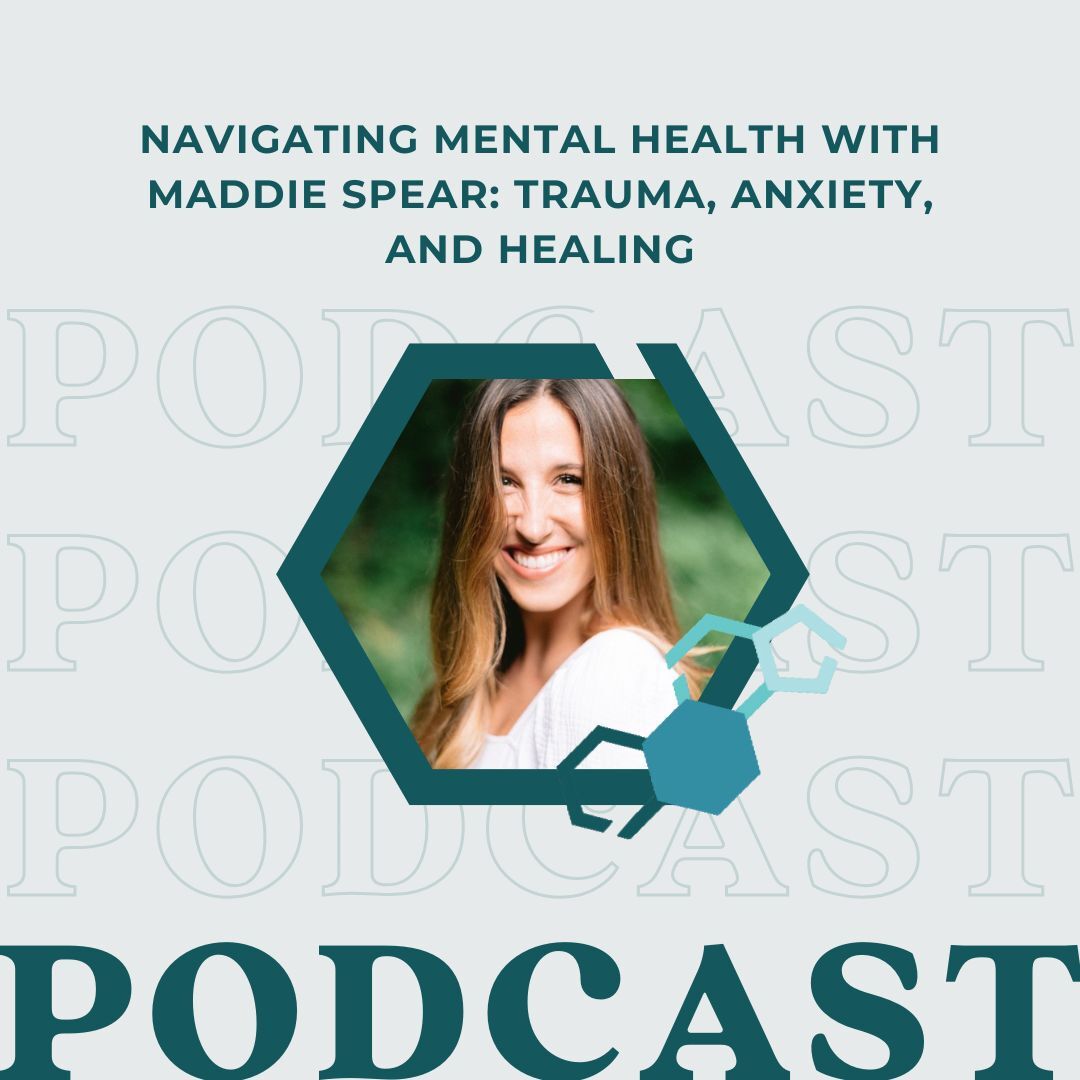
In this episode we sit down with Maddie Spear, founder of Flourish Wellness, to discuss the complexities of mental health, trauma, and anxiety. Maddie shares her journey as a social worker turned therapist, the importance of holistic healing, and practical strategies for emotional well-being. Tune in for an insightful conversation on mindfulness, self-compassion, and the power of therapy in transforming lives.
Struggling with menopause symptoms like hot flashes, fatigue, or brain fog? In this episode of Clock Talk, Dr. Greg Brennan breaks down the science behind Bioidentical Hormone Replacement Therapy (BHRT) and why pellets are a safer, more effective alternative to synthetic hormones. Learn how BHRT supports heart health, brain function, and overall well-being without the risks of traditional treatments.
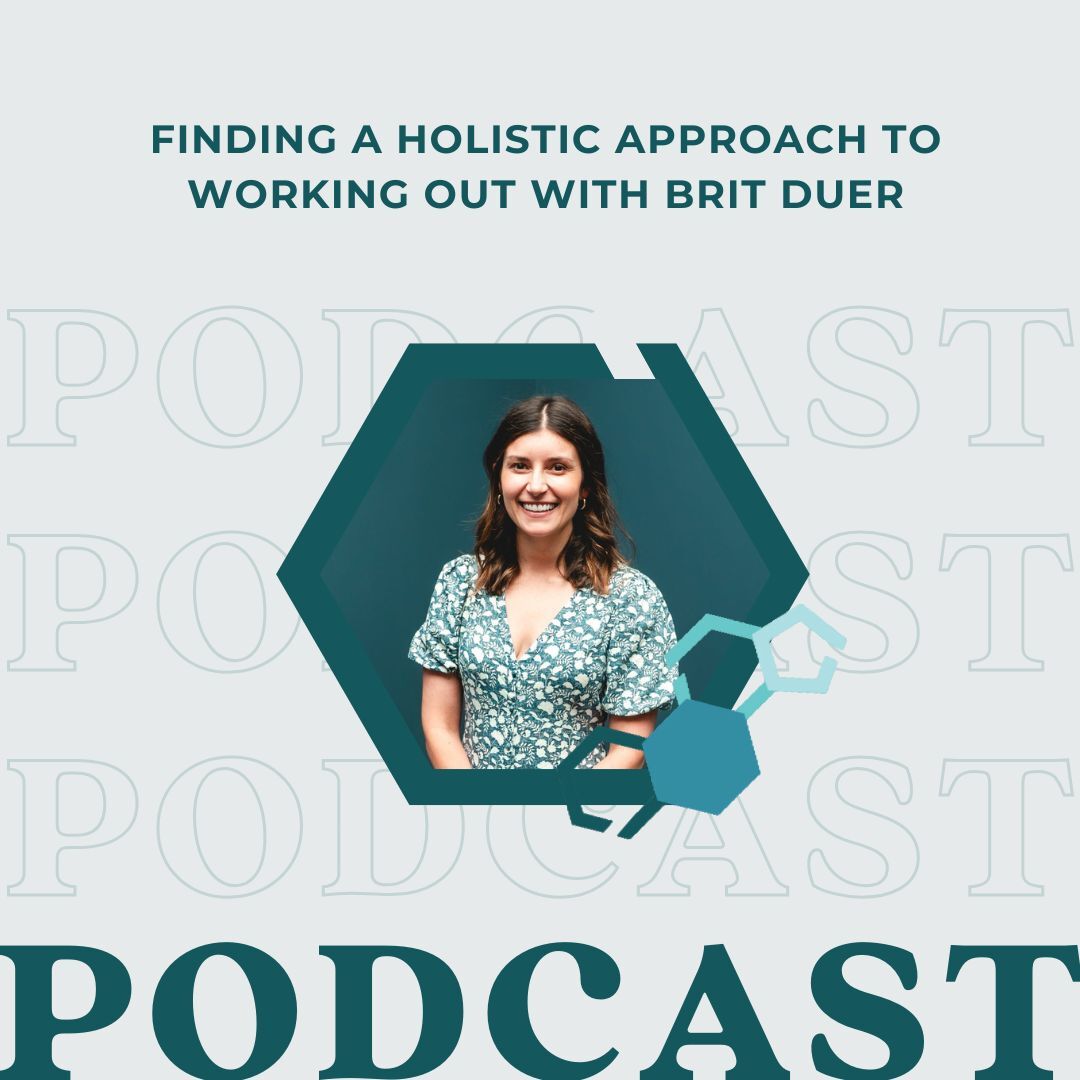
In this episode, we dive deep into the importance of the “why” behind working out and how to make it a sustainable part of your lifestyle, especially when it comes to sticking with your New Year’s resolutions. We discuss the different types of exercise - cardiovascular, strength training, flexibility, and mind-body practices - and why incorporating a variety is key for building long-term wellness. We also dive into the role of recovery, including the importance of rest days, sleep, and proper nutrition to support your fitness goals.
In this episode, listen to Dr. Brannon speak about the making of the BHRT Pellet, and how this sets it apart from other methods such as shots and creams.
In this episode, listen to Dr. Brannon as he explains the stability BHRT treatment provides as opposed to other methods and medications.

Comments

Download from Google Play

Download from App Store
 United States