


 Claim Ownership
The Practice Lab
Subscribed: 0Played: 0
Subscribe

© 2026 The DermaRoom Collective
Description
The DermaRoom Collective is where skin health, energy-based aesthetics, business, and community come together. Through honest conversations, expert insights, and real-world experiences, we explore topical regenerative skin care, lasers, light, radiofrequency, ultrasound, and other evolving technologies shaping the aesthetics industry. From strengthening your clinical knowledge and treatment skills to building a trusted brand and navigating entrepreneurship, this is a space for professionals to learn, feel supported, and grow together.
6 Episodes
Reverse
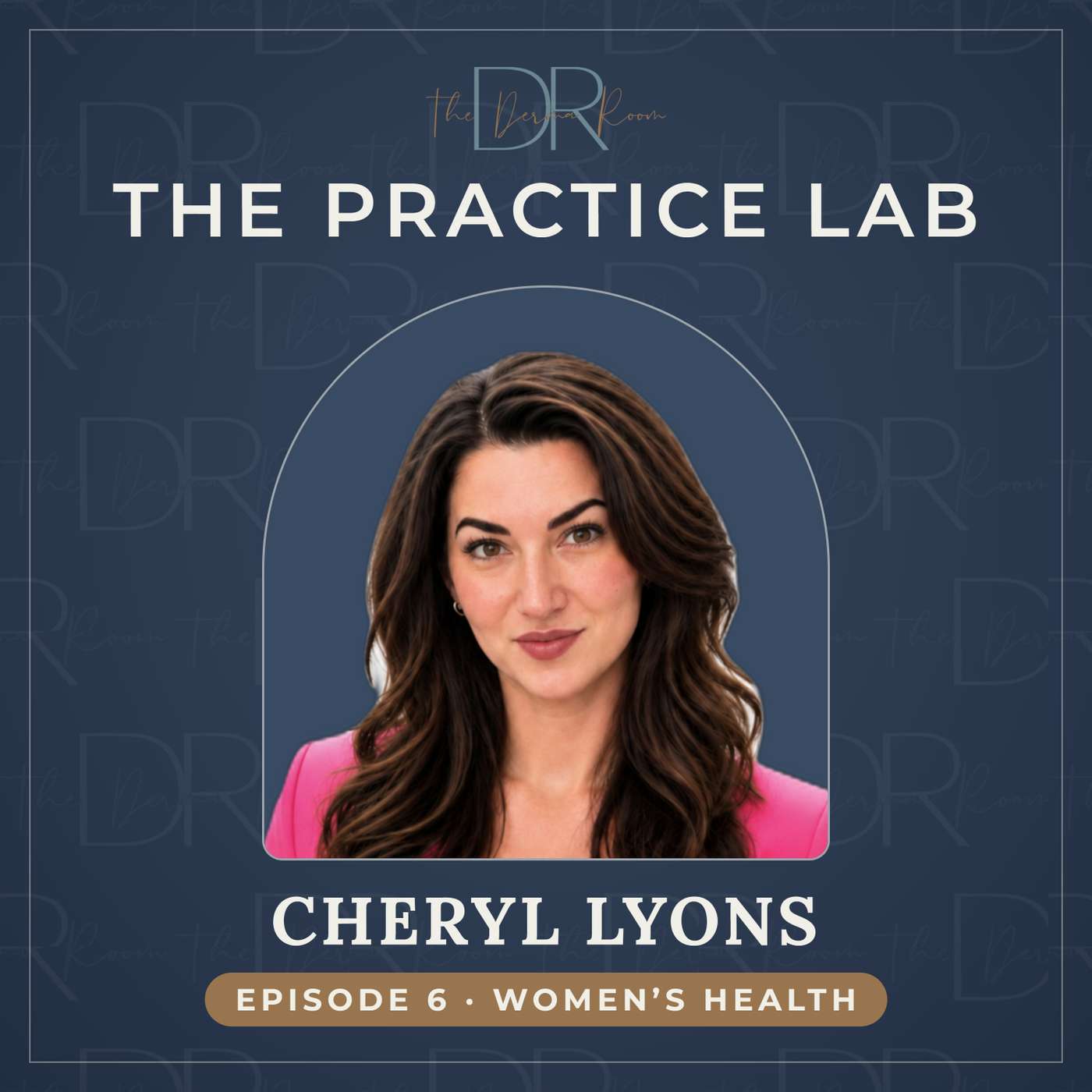
Most women wait until something is wrong before they ask about their hormones. In this episode of The Practice Lab, Tracey Mancuso talks with nurse practitioner Cheryl Lyons of Radiant Health Solutions about perimenopause, hormone replacement therapy, and why aesthetic providers are in the perfect position to spot the signs early.In this episode:Why the stigma around hormone replacement therapy still holds providers backThe first sign most patients report: sleep interruption, not hot flashesAdding perimenopause questions to the screening checklist you already use for Botox and fillerInside Cheryl's hormone consult: a detailed health history, an extensive preventative blood panel and a 90-minute reviewWhy exercise, protein and resistance training come first, and why women need testosterone tooThe funding gap: Nova Scotia nurse practitioners can't bill MSIHormone therapy vs naturopathic care"Saggy baggy syndrome": how fast collagen drops in perimenopause, and why skin tightening can stallTopical estrogen in skincareAs Cheryl puts it: "Aesthetic providers, we see a lot of women. So we are in the perfect position to be screening these women when they come through."About the guest: Cheryl Lyons, BScN, MN, is a nurse practitioner and the founder, CEO and medical director of Radiant Health Solutions in New Glasgow, Nova Scotia, where she offers medical aesthetics and hormone health care. Practitioners who want to learn more about her program can message her on Instagram at @the.natural.radiant.np.About the host: Tracey Mancuso, BScHS, CMLSO, is the founder and course director of The DermaRoom Collective. A Certified Medical Laser Safety Officer with more than 30 years in aesthetic medicine, she teaches laser, light and RF treatment to practitioners.
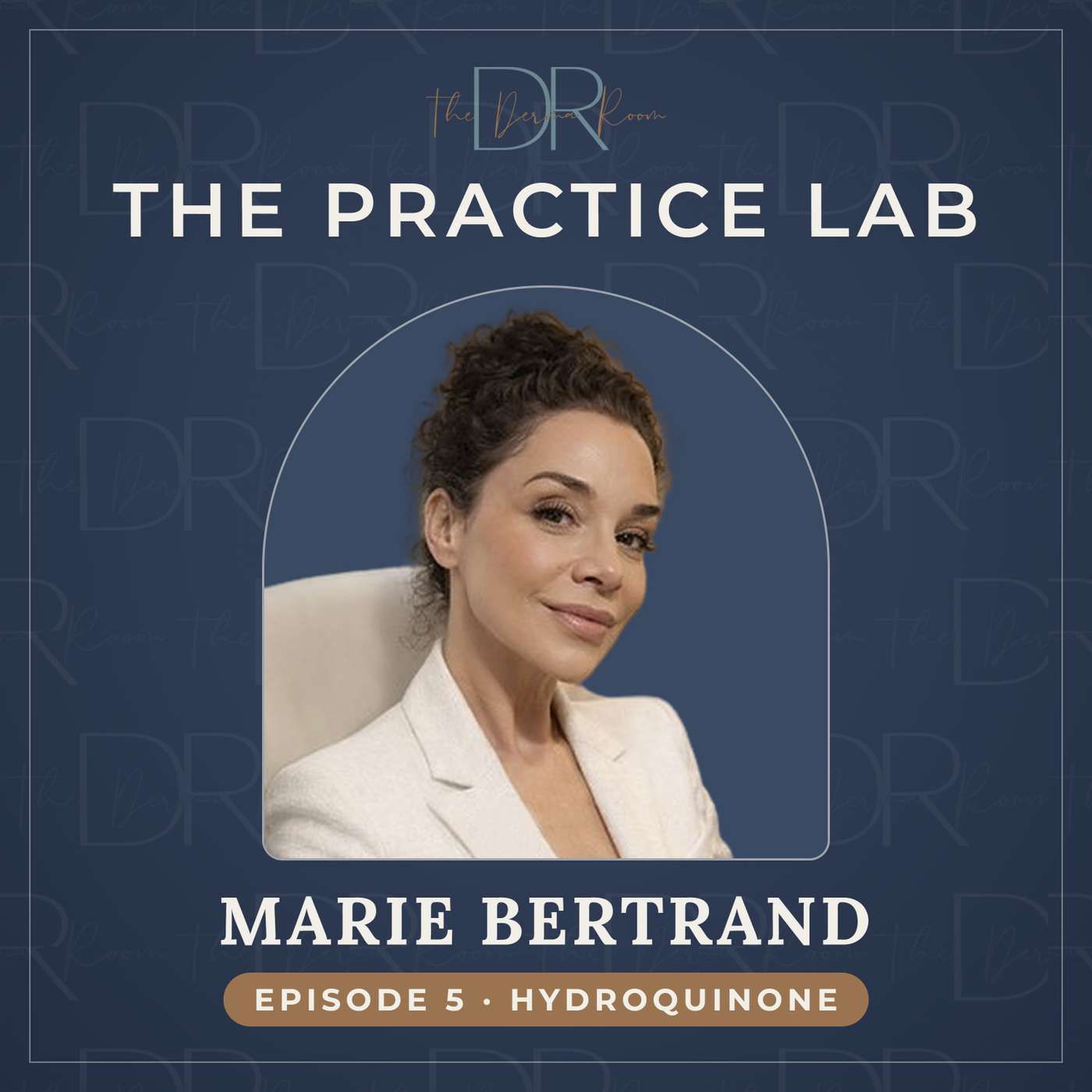
Hydroquinone works, but used for too long it can leave patients with worse pigment than they started with. In this episode of The Practice Lab, Tracey Mancuso talks with ingredient expert Marie Bertrand about when hydroquinone still makes sense, how to use it safely, and what to use instead for long-term pigment control.In this episode:Why hydroquinone is still a gold standard, and what Health Canada's 2% over-the-counter limit meansPulse therapy: two to three months on, then switchMarie's four steps to pigment control: exfoliation, pigment reduction, anti-inflammatory care and a tinted mineral sunscreenWhy some pigment is really vascular, and why treating it as pigment never worksAzelaic acid, the multitasker for redness, PIH and sensitive skinHow to talk patients off long-term hydroquinone without scaring themEpidermal vs dermal pigment, and prepping the skin before lasers and microneedlingTretinoin, the Kligman formula, and why the skin barrier comes firstAs Marie puts it: "Hydroquinone should be seen as a sprint and not a marathon." And on prepping the skin: "We cannot exfoliate our way to a dermal pigment."Learn more: Marie's introduction to ingredients is on The DermaRoom Collective at thedermaroomcollective.com. Her full ingredient masterclass is coming in early 2027.About the guest: Marie Bertrand is a microbiologist and the founder of SkinScience Clinic in Calgary. Reach her at [email protected] or on Instagram at @theskinscientist, and read her blog at skinscience.md.About the host: Tracey Mancuso, BScHS, CMLSO, is the founder and course director of The DermaRoom Collective. A Certified Medical Laser Safety Officer with more than 30 years in aesthetic medicine, she teaches laser, light and RF treatment to practitioners.
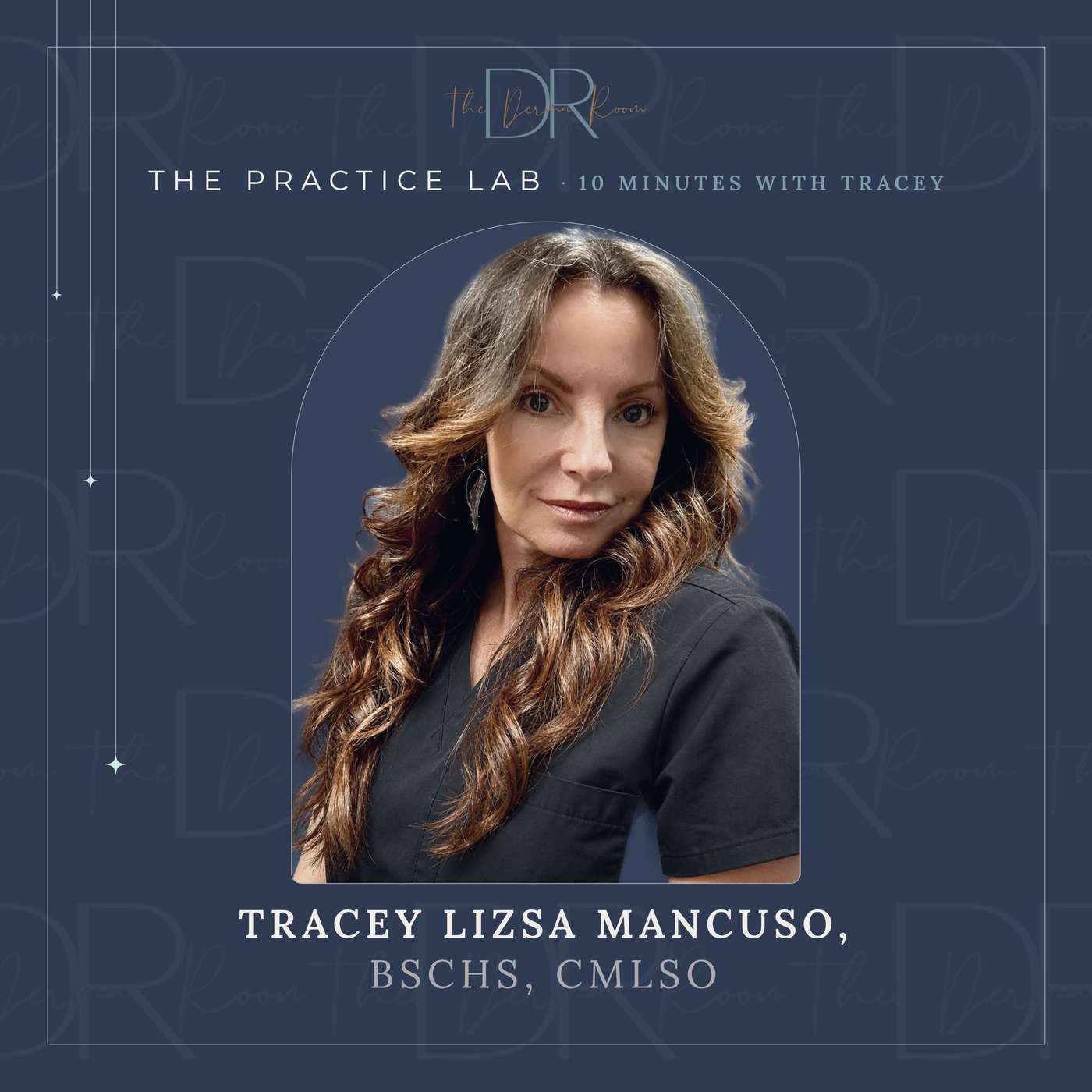
Most energy-based device settings are built around one number: the patient's Fitzpatrick type. In this episode of 10 Minutes with Tracey, Tracey Mancuso explains why that scale was never designed for lasers, how relying on it alone leads to PIH, burns and undertreatment, and the fuller assessment she uses instead.In this episode:Why the Fitzpatrick scale was created in 1975 to predict sunburn and skin cancer risk, not laser responseEumelanin versus pheomelanin, and what each means for photoprotectionWhy you never hand a patient the skin-typing form, and the questions they almost always answer wrongHow the aesthetic industry adopted Fitzpatrick for devices, and why fluence charts still lean on itWhy a tan doesn't change a patient's type, and what fluence should depend on insteadThe Roberts Skin Type Classification System: phototype, hyperpigmentation, Glogau photoaging and scarring, combined into one codeThe palmar assessment and the Lancer scale, and the gaps they fillBuilding a full risk profile before you choose a treatmentAs Tracey puts it: "Energy-based medicine requires risk-based stratification, not just some visual assumption." And on the intake form: "Unless they live in a cave, they are going out in the sun."Free download: The DermaRoom Collective's skin typing and patient assessment forms are in the Downloads section at thedermaroomcollective.com.About the host: Tracey Mancuso, BScHS, CMLSO, is the founder and course director of The DermaRoom Collective. A Certified Medical Laser Safety Officer with more than 30 years in aesthetic medicine, she teaches laser, light and RF treatment to practitioners.

Every sales rep makes the device look good. Alicia Yap decides on what happens after the cheque clears. In the first episode of 10 Minutes with Tracey, the founder of ClaraDerma+ talks through how she actually buys energy-based devices — why service and turnaround matter more than the technology, why the brand on the billboard isn't better than the one beside it, and how a $150,000 machine stops being frightening once you divide it by sixty months. She also explains the purchase she got wrong, and what it cost her.In this episode:Where to start if you're buying your first device, and the treatments that are reliably in demandWhy after-sale service is the single most important thing to check, and how to check it before you buyWhat real supplier support looks like beyond the one-day training: marketing, events, and turnaround when something breaksAsking reps for consumables, practice tips and event budget, and why they usually say yesHype versus science: what a heavily marketed brand genuinely buys you, and what it doesn'tBringing your team into the decision, and the head spa she bought without asking themGetting past the fear of the price tag by treating it as a monthly paymentRapid fire: proven or new, one platform or several, and what matters more than the technologyAs Alicia puts it, on chasing the brand everyone knows: "At the end of the day, the science is the science. You can get exactly the same results with a different machine if you know what you're doing and you're trained properly." And on where to get a straight answer: "If you wanna know the real information about the device, ask the trainers. The sales reps sometimes don't really know exactly what the device can do or not do."About the guest: Alicia Yap, CMMA, CLT, is the founder of ClaraDerma+, a laser and skin clinic in St. Catharines, Ontario, and Founder and Education Director of ClaraDerma Academy. She is a Certified Master Medical Aesthetician and Certified Laser Technician, and has been running ClaraDerma+ for over a decade.
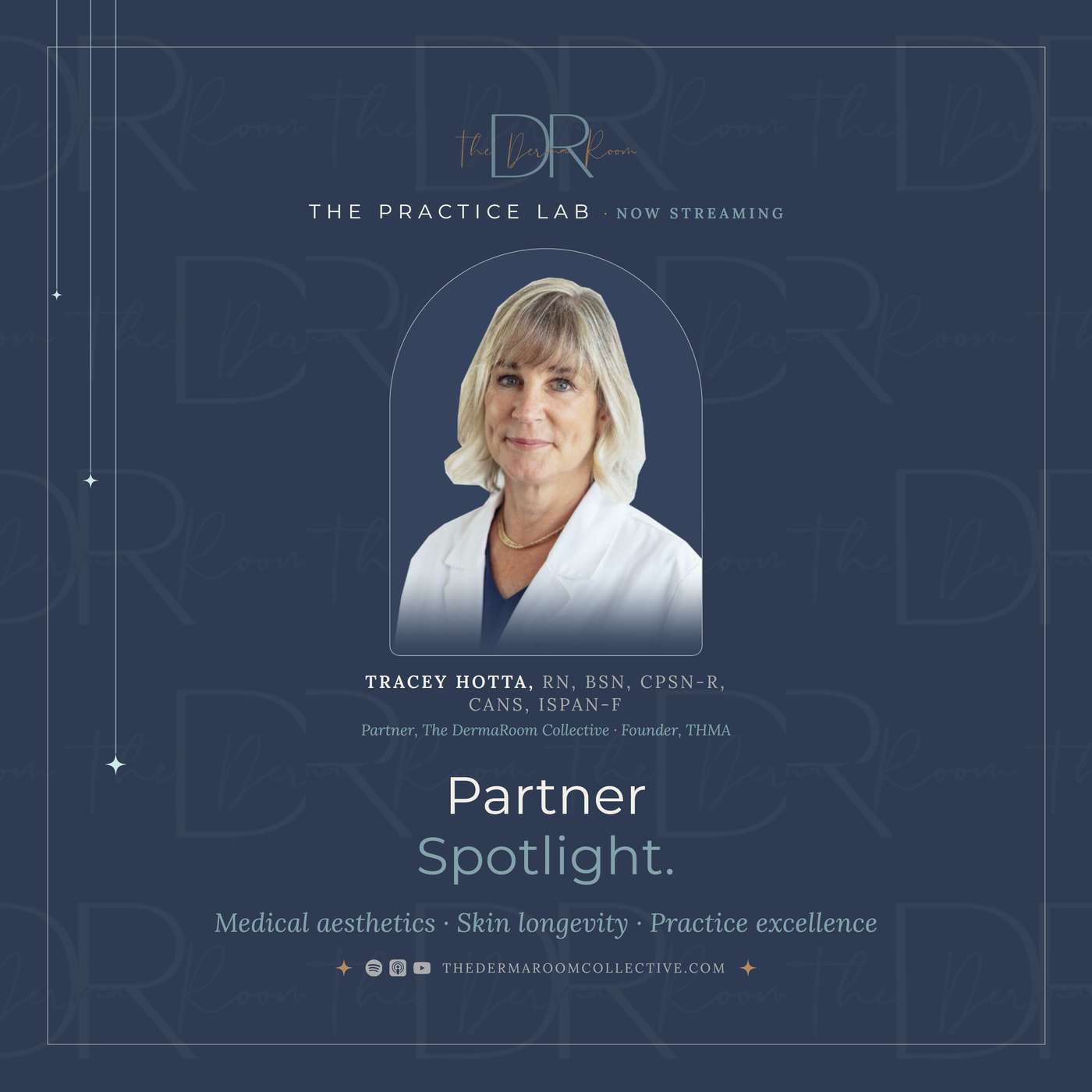
In this episode:From the operating room to one of Canada's first RN injectors, and the year it took to convince a surgeonWhy she built nurse training in 1994 when nothing existed, sold it, and started again in 2016Inside THMA's foundation program: facial anatomy, assessment skills, medical history, skin quality, neuromodulators, fillers and PRP, and the business of practiceAdvanced training, and why lip enhancement is taught one-on-one rather than in a groupThe adverse events course, and the informed consent conversation most providers avoid havingThe biggest obstacle for a newly qualified nurse, and why it isn't clinical skillSocial media and the colleges: what you can post, what you can't, and why self-injecting content is a problemWhy a curriculum that hasn't changed in five years is a red flagAs Tracey Hotta puts it, on informed consent: "If it's documented in the literature and something happens and you haven't told them, you're accountable." And on the Instagram version of the job: "They go, oh my God, there's so much to learn. It's like, yeah, it's medicine. There's a lot to learn."About the guest: Tracey Hotta, RN, BSN, CPSN-R, CANS, ISPAN-F, is the founder of THMA and a partner of The DermaRoom Collective. She began nursing in 1984 and moved into aesthetics in 1990, becoming one of the first registered nurse injectors in Canada. She is a past president of ISPAN, a founding member of the Canadian Society of Aesthetic Specialty Nurses, and a member of the Registered Nurses' Association's Quarter Century Club. She lectures on facial anatomy across North America.

Comments

Download from Google Play

Download from App Store
 United States