


 Claim Ownership
The Rehab
Subscribed: 88Played: 580
Subscribe

© Copyright MHNR Network, LLC
Description
The Rehab show is about overcoming drug addiction. The topics range from medical treatment to spiritual fellowships and psychotherapy. Other forms of therapy will be explored as well. The underlying theme is that everyone is different and we cannot apply a single method of treatment to all people and expect it to work. Listening carefully to what works and does not work for an individual, treating people with respect and understanding that behaviors caused by addiction are the result of a medical condition are important. Patients presenting for treatment of addiction should be addressed with caring, compassion and understanding.
94 Episodes
Reverse
In this episode of The Rehab, Dr. Mark Leeds sits down with Barbara Connolly, PhD, the Senior Admin of the Benzo Warrior Community, a peer-support group of more than 5,000 members navigating benzodiazepine withdrawal and recovery.A retired political science professor turned advocate, Barbara became involved in this work after a rapid taper from 22 years of prescribed Klonopin left her with a cascade of symptoms she didn’t initially recognize as benzodiazepine injury. What we cover:• The origin and mission of the Benzo Warrior Community, founded by the late Michelle Gulovich, and why a calmer, science-based peer community matters.• How to equip your doctor with the right materials: the Ashton Manual, the Maudsley Deprescribing Guidelines, and the ASAM deprescribing guidelines• Why the Ashton Manual is still essential — and why the charts are only illustrative (“read the words, not the charts”)• Hyperbolic tapering explained: why linear cuts hit a wall, Dr. Mark Horowitz’s contribution, and the 5–10% rule• DIY tapering tools: jeweler’s scales, liquid tapers in water or whole milk, crossovers to diazepam, and manufacturer’s liquid Valium• When compounding pharmacies help — and when cost, insurance, and prescriber reluctance get in the way• Adjunct medications: clonidine, lucemyra, ketamine, medical cannabis, magnesium, DAO enzyme, probiotics — and why “everybody is different”• Benzo toxicity: memory loss, driving difficulties, and misdiagnosis as MS, neuropathy, or “mystery illness”• The 2020 FDA black box warning and why most prescribers still don’t know about it• The overlap between benzo tapering and opioid deprescribing• How AI tools are changing the way patients research their own care• How to access Benzo Warrior’s guides, Zoom support meetings, and speaker series on YouTube About the guest:Barbara Connolly, PhD is Senior Admin of the Benzo Warrior Community and a Benzodiazepine Action Work Group member. She brings scientific rigor and deep lived experience to benzodiazepine tapering and recovery advocacy. For coaching inquiries: [email protected] mentioned:• Benzo Warrior Community (Facebook) and YouTube speaker series• The Ashton Manual — Prof. C. Heather Ashton• Maudsley Deprescribing Guidelines — Dr. Mark Horowitz• ASAM Joint Clinical Practice Guideline on Benzodiazepine Tapering (2025)• Benzodiazepine Information Coalition — benzoinfo.com• Alliance for Benzodiazepine Best PracticesDisclaimer: This episode is for informational and educational purposes only and is not medical advice. Do not change or stop any prescribed medication without consulting your prescribing clinician.
Technology for Change: David Gandini and the Fight Against Alcohol AbuseMeet David Gandini: Tech Innovator and Social EntrepreneurDavid Gandini is a serial tech entrepreneur known for building six companies across diverse industries. He began his career in telecommunications after studying at Michigan State University.Gandini’s early ventures included fiber optic networks in Detroit, and he later developed faster call connection technologies for long-distance carriers. He has raised over $250 million for various start-ups, showing a talent for scaling new technologies.Notably, he co-founded and grew a credit card and gift card processing company, handling over 50 million cards. After several successful exits, Gandini shifted his focus to social impact by joining SOBR Safe, where he currently serves as Chairman.Now, Gandini leads the effort to use innovative technology to address the dangers of alcohol abuse and improve accountability. His vision is to create tools that empower individuals and communities while leaving a positive mark on society.The Beginnings of SOBR Safe: Addressing a CrisisAlcohol abuse is a global problem affecting millions of individuals and families. Gandini recognized the urgent need for better solutions beyond traditional methods.Many people on the road or at work can be endangered by others who drink irresponsibly. Gandini’s team wanted to replace outdated tools like breathalyzers, which offer limited real-time monitoring.Initially, SOBR Safe developed new hardware and software to detect alcohol early and efficiently. However, building both trust and a reliable product proved more challenging than expected.Over the last five years, SOBR Safe has worked closely with behavioral health specialists and customers. Their approach shifted from just catching people drinking to supporting recovery and accountability through technology.How SOBR Safe Technology WorksSOBR Safe’s technology measures alcohol through the skin rather than the breath. This allows for early detection within 15 to 45 minutes of drinking, depending on various biological factors.The system uses a transdermal sensor housed in a wristband or a stationary device. When individuals use the device, it detects ethanol, and the data is automatically recorded.Unlike traditional breathalyzers, SOBR Safe’s solution is less invasive and offers real-time reporting. Trusted contacts such as sponsors, spouses, or clinicians can monitor progress or receive alerts.All relevant information is displayed on a digital dashboard, which makes it easy for healthcare providers to support many patients at once. This approach helps establish confidence, accountability, and timely interventions.Building Trust and Acceptance in Recovery CommunitiesTrust is crucial when supporting people struggling with alcohol use. Gandini and his team learned that individuals often distrust technology if it feels punitive or intrusive.To address this, SOBR Safe worked to create devices that empower users rather than punish them. The wristbands and stationary devices serve as nonjudgmental behavioral tools.Over 18 months in the behavioral health field, the company focused on building relationships with facilities and clients. As word spread about the effectiveness and supportiveness of the technology, demand grew organically.The technology is not just for those aiming to quit completely—some people use it to help control or reduce their drinking. By demonstrating accountability to themselves or others, users feel more supported on their journey.As a result, more people in the recovery space now trust and use SOBR Safe’s solutions, viewing them as allies rather than adversaries.Versatile Applications: Beyond Individual RecoverySOBR Safe’s technology is flexible enough to serve many purposes. Parents use the wristbands to help young people monitor their habits as they head off to college.Employers in high-risk sectors, such as oil and gas, utilize these tools to reduce workplace accidents. Some international programs now require monitored alcohol abstinence for doctors or lawyers to keep their licenses.The dashboard provides healthcare providers with an efficient, real-time way to track multiple individuals. Alerts are triggered if someone removes their band or if alcohol is detected.Additionally, SOBR Safe is piloting their system in countries where alcohol policies are especially strict, like Italy and India, expanding their impact globally.The Challenges of Changing Established SystemsIntroducing new technology in fields with rigid traditions proved difficult for Gandini and his team. Some organizations resisted change due to financial priorities or union agreements.In the United States, SobR Safe’s team found that even school districts allowed bus drivers to have certain blood alcohol levels on duty. Potential clients sometimes worried that strict monitoring might cause staff shortages.Despite these challenges, SOBR Safe has found allies in companies where safety is crucial. Long-term clients in industries like oil and gas report reduced accidents and a positive shift in workplace culture.As insurance costs rise, there is potential for future collaborations with life and auto insurance providers. Demonstrating safety and accountability with real data could eventually drive broader adoption.Looking Forward: A Global Mission for Safer CommunitiesDavid Gandini sees SOBR Safe’s technology as a crucial tool in the larger fight against alcohol abuse. There are an estimated 800 million people globally who struggle with alcohol-related issues.The company continues to collect data and work with behavioral health professionals to refine their products. As SOBR Safe’s reach grows, Gandini hopes to support even more individuals, families, and organizations.Future goals include building machine learning models to support personalized interventions and partnering with international organizations. Expanding into new markets could help address alcohol misuse on an even larger scale.Gandini believes the most meaningful accomplishment of his career will be helping people live safer, healthier lives. With each technological advance, SOBR Safe strengthens the network of care around vulnerable communities.

The Essentials of Eye Health: Nutrition, Screen Time, and PreventionIntroducing Dr. Rani Banik: Integrative Eye Health ExpertDr. Rani Banik is a leading expert in integrative neuro-ophthalmology. She combines her training as an ophthalmologist and neuro-ophthalmologist with a certification in functional medicine.Her approach brings together traditional eye care and holistic methods. She focuses on uncovering the root causes of eye problems rather than only treating symptoms.Dr. Banik is the founder of Envision Health NYC, a private practice in Manhattan’s Upper East Side. She divides her time between her practice and academics, where she teaches and conducts research.Her book, "Beyond Carrots," provides guidance on nutrition for eye health. Dr. Banik is also the organizer of the Eye Health Summit, a free online event designed to educate and empower the public.Her work advocates for preventive care, lifestyle changes, and overall eye wellness. This comprehensive approach helps patients maintain healthy vision for life.What Is Integrative Neuro-Ophthalmology?Integrative neuro-ophthalmology focuses on the connection between the eyes and the brain. Nearly half of our brain is dedicated to how we see.Dr. Banik’s practice looks at both traditional and holistic approaches. She helps patients identify the causes of their eye problems, not just the symptoms.Her recommendations include nutrition, lifestyle changes, and, when necessary, supplements or botanicals. By blending different strategies, patients receive a personalized treatment plan.This integrative approach takes more time and attention than typical office visits. Dr. Banik’s private practice allows her to spend the time needed with each individual.Through this method, she aims to provide sustainable solutions for lasting eye health. Patients benefit from both medical expertise and holistic support.The Role of Envision Health NYCEnvision Health NYC offers an environment focused on thorough, patient-centered care. Set on the Upper East Side, the practice is close to Central Park and shopping districts.Patients appreciate the location, often spending time in the park while waiting for their exam. This comfortable setting encourages a relaxing experience.Dr. Banik moved from full-time academic medicine to open this practice. The private setting allows for longer patient visits and a more comprehensive approach.She continues to teach and conduct research at New York Eye and Ear Infirmary. This ongoing academic work ensures her methods remain up to date.Her practice serves as a model for combining evidence-based medicine and holistic care. Patients experience in-depth support in all aspects of vision health.The Power of Nutrition in Eye HealthMany people believe eating carrots guarantees perfect vision, but this is a misconception. Dr. Banik’s book, "Beyond Carrots," explains that more than 30 nutrients are needed for healthy eyes.She highlights over 40 foods that contain these essential nutrients. The book provides suggestions for eye health issues like dry eye, cataracts, and macular degeneration.Nutrition is best received through whole foods whenever possible. A varied and balanced diet supports the health of your eyes and body.For those with dietary gaps, the right supplements may be beneficial. Still, nutrition from food remains the foundation of Dr. Banik’s recommendations.Her food-based approach helps people make simple, sustainable choices. Eye health can improve with mindful eating and natural sources of nutrients.Managing Screen Time: Tips to Protect Your EyesDr. Banik emphasizes that while screen use does not cause permanent eye damage, it can lead to discomfort. Digital eye strain is a common result of hours in front of screens.Short-term symptoms may include blurry vision, trouble focusing, dry eyes, headaches, and neck strain. Children and adults both experience these problems with increased screen use.To manage these effects, Dr. Banik suggests practical steps. Her first tip is the 20-20-20 rule: every 20 minutes, look at something 20 feet away for 20 seconds.She also advises increasing blink frequency, using built-in blue light filters, spending more time outdoors, and boosting nutrition with specific nutrients like lutein and zeaxanthin.These five strategies are simple to implement and can help reduce eye strain. With mindful habits, you can maintain comfort even with frequent screen use.The Importance of Outdoor Time for Eye HealthTime outdoors plays a vital role in preventing nearsightedness, particularly in children. Dr. Banik notes that spending time outside helps reduce the risk of myopia, which is on the rise.The modern lifestyle often keeps us focused on screens or activities at arm’s length. Our eyes were not designed for prolonged close-up work.When children spend more time focusing up close, their eyes may elongate. This increases the likelihood of nearsightedness and future eye complications.Some places now mandate outdoor time during school to address this epidemic. Dr. Banik hopes to see similar steps adopted widely.Both children and adults benefit from balancing screen time with outdoor activities. Sunlight and distance vision support healthier eyes.Prevention and Awareness: Everyday Eye SafetyDr. Banik explains that simple habits can prevent many eye issues. UV protection outdoors is critical, so wearing sunglasses that block 100% of UVA and UVB rays is recommended.Price does not matter as long as sunglasses offer full UV protection. Wide frames also shield the delicate skin around the eyes from harmful sunlight.For athletes, wearing protective eyewear during contact sports is essential. One injury could result in vision loss that might have been avoided.Using care with personal items such as ointments can protect delicate eye tissues. Even fumes from certain products can irritate your eyes.Finally, annual eye exams are important for everyone over age 40. Regular checkups can detect over 200 medical conditions and keep your vision on track.Conclusion: Taking Action for Lifelong VisionMaintaining eye health requires proactive steps and balanced habits. Dr. Banik’s integrative approach combines nutrition, prevention, and regular exams.Her practice and resources help patients take charge of their own eye wellness. Simple lifestyle adjustments can have a lasting impact on vision.Whether it’s following the 20-20-20 rule or wearing sunglasses, each action counts. Being aware of everyday risks supports better eye health.Participating in educational events, such as the Eye Health Summit, further empowers individuals. Staying informed is key for lifelong vision care.By prioritizing eye health now, you help ensure a future of clear, comfortable sight. Your eyes deserve attention every single day.
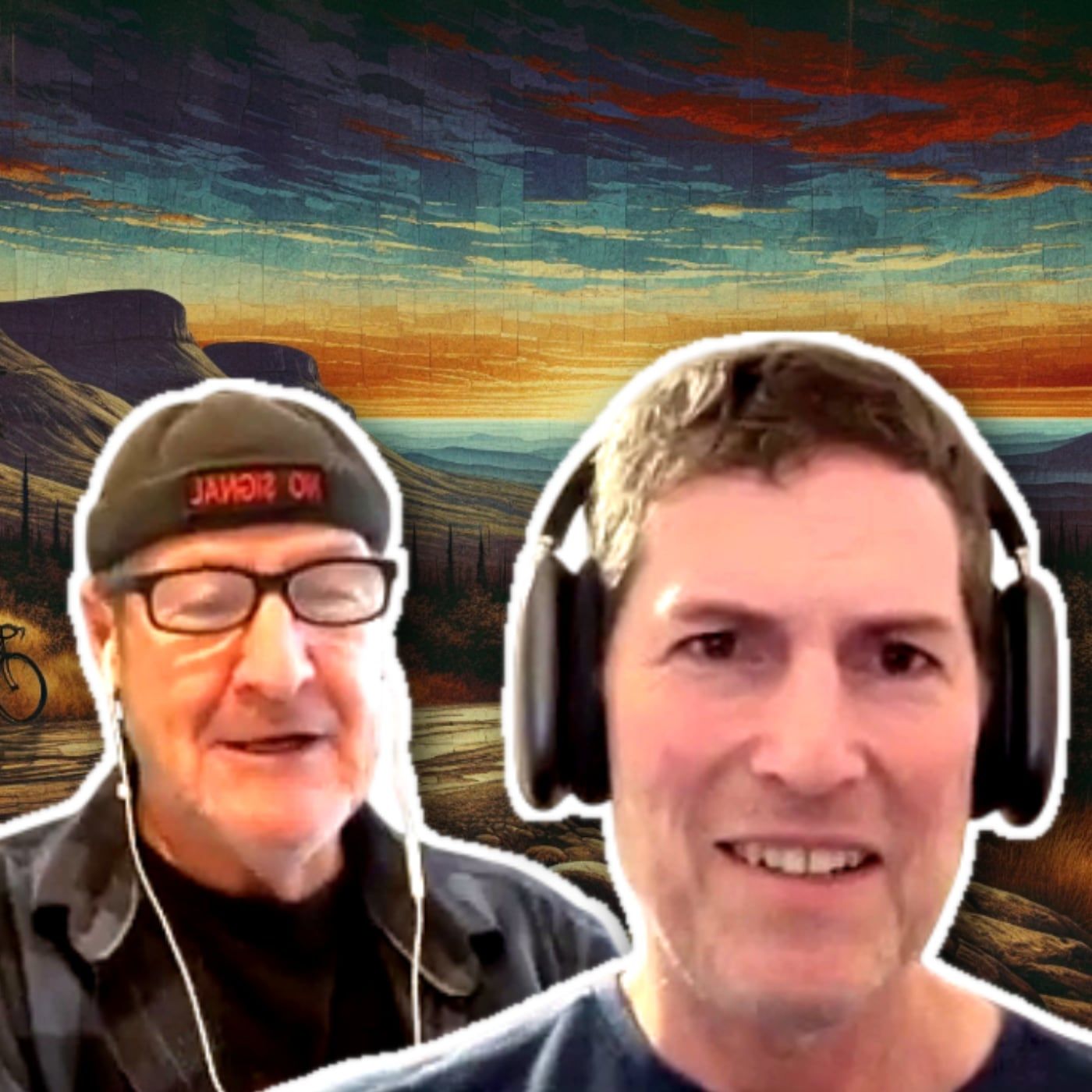
Paul Perrier's Journey: Biking Across Canada to Raise AwarenessThe Inspiration Behind the RideHave you ever felt the urge to break free and do something extraordinary? Paul Perrier, the author of "Cracked Wide Open," decided to pursue such a dream.In an incredible act of courage and commitment, Paul embarked on a cross-Canada bike tour to promote his book and raise mental health awareness. Leaving Toronto on July 1 and covering an astounding 5500 kilometers, his route traversed from Saint John's in the east to Vancouver and back to Toronto.Facing Challenges Head-OnCycling such a vast distance posed numerous, sometimes unexpected, challenges. Paul admitted, "I naively kinda went out there going out how hard could this be," but soon realized the reality was quite different.Despite these difficulties, he aimed to explore the state of Canada post-COVID. Along the way, he observed severe addiction and homelessness issues. Paul felt that these social problems had worsened compared to his earlier film on drug addiction.Meeting People and Hearing StoriesThroughout his journey, Paul encountered a diverse range of individuals. Many came forward to share their experiences, from former addicts to those currently struggling with homelessness.These interactions were often spontaneous and unplanned. The conversations added a profound depth to his ride, shedding light on the human stories behind addiction and homelessness.Documenting the PilgrimagePaul's journey was more than just a bike ride; it was meticulously documented. Using only his iPhone and a 360-degree camera, he captured remarkable footage of the entire trip.This visual diary is now being edited into a compelling film. The movie will interweave stunning Canadian landscapes with the harsh realities of addiction, offering a unique and immersive perspective.The Spiritual and Personal ImpactFor Paul, this journey was a form of pilgrimage, deeply personal and spiritual. He confessed, "I needed to get out of Toronto," highlighting the therapeutic impact of his expedition.Cycling across Canada's vast, breathtaking landscapes offered him a sense of tranquility and connectedness. It provided an opportunity to explore both himself and larger societal issues more profoundly.Paul Perrier's journey was not just a physical endeavor but an eye-opening experience. By facing challenges head-on, meeting diverse individuals, and documenting his trip, Paul created a narrative that is both compelling and essential. In your own life, how will you step out of your comfort zone and make an impact?Please visit our websites: https://drleeds.com and https://therehab.com
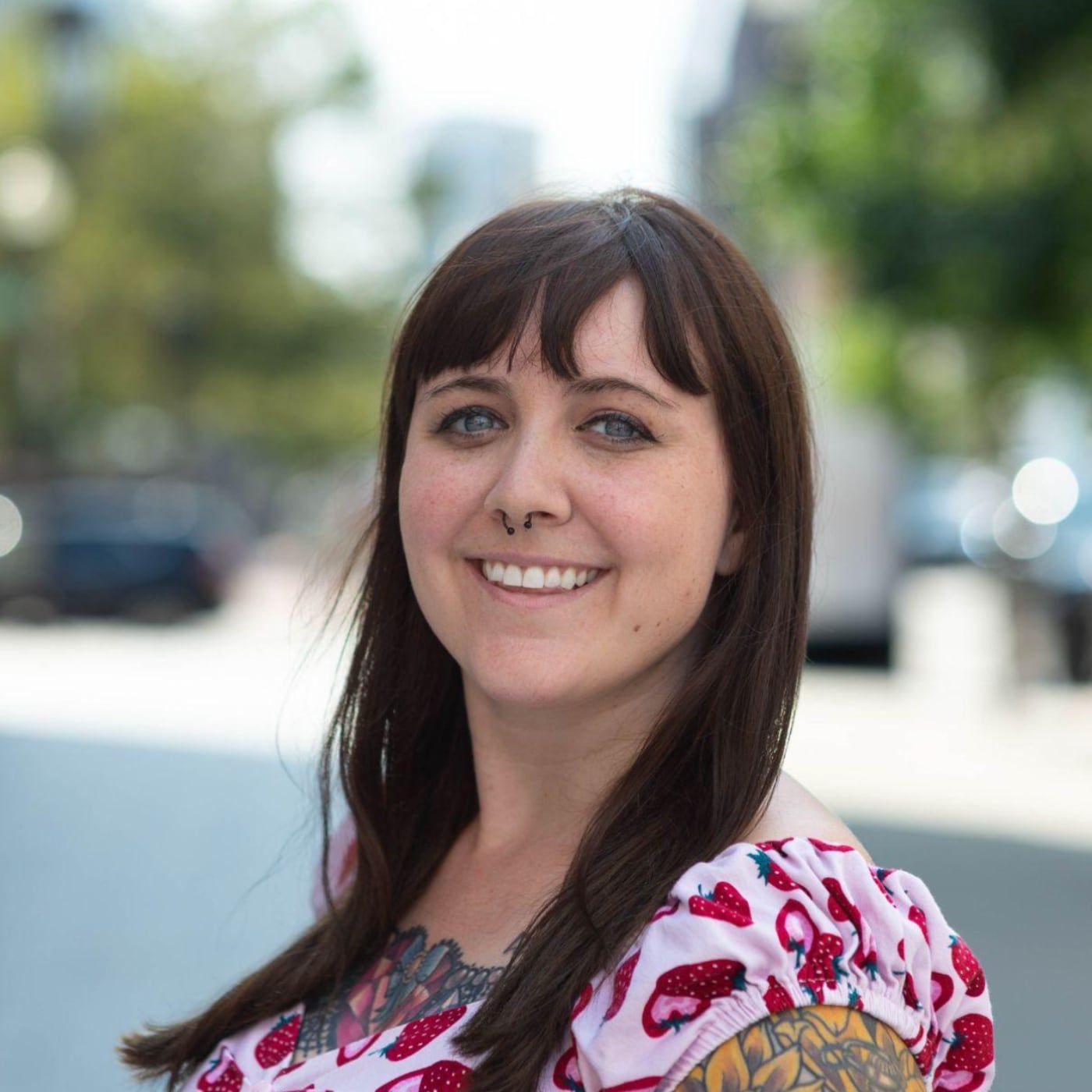
In this episode, host Dr. Mark Leeds interviews Ginelle Testa, author of the upcoming memoir "Make a Home Out of You." Ginelle Testa is a writer and content marketer based in Boston, MA. She holds a master's degree in digital marketing and design from Brandeis University. Testa has overcome addiction, eating disorders, and relationship issues, using her experiences to craft a powerful memoir. Her work has been featured in various publications, and she is passionate about helping others through sharing her story.This insightful conversation explores Testa's journey through addiction, recovery, and self-discovery. Testa discusses her upcoming memoir, which details her struggles with substance abuse, disordered eating, and unhealthy relationships. She shares her experiences with various recovery programs, including Alcoholics Anonymous and Sex and Love Addicts Anonymous, and how these have shaped her healing process.The discussion touches on important topics such as codependency, the challenges of writing about personal experiences, and the process of publishing a memoir. Testa provides valuable insights into her writing process, including her participation in National Novel Writing Month (NaNoWriMo) as a catalyst for her book.Dr. Leeds and Testa also delve into broader topics related to addiction and recovery, including the use of medication-assisted treatments, the role of 12-step programs, and the complexities of eating disorders. They explore the concept of "making a home in oneself" as a crucial aspect of recovery and personal growth.The episode offers listeners a candid look at the challenges and triumphs of overcoming addiction and finding self-acceptance. Testa's story provides hope and inspiration for those struggling with similar issues, while offering valuable perspectives on the recovery process.Please visit our websites: https://drleeds.com and https://therehab.com

Comments

Download from Google Play

Download from App Store
 United States