


The Rental Journal Podcast
Subscribed: 16Played: 265
Subscribe

© 2021 The Rental Journal
Description
The Rental Journal’s podcast weekly interviews with equipment rental industry experts offers unparalleled insights into business successes and challenges, career progression, new technologies and industry-provoking topics from around the world. The Rental Journal Podcast aims to increase awareness of the hire and rental industry while also providing a platform for listeners to learn about the experiences from others in the industry.
180 Episodes
Reverse
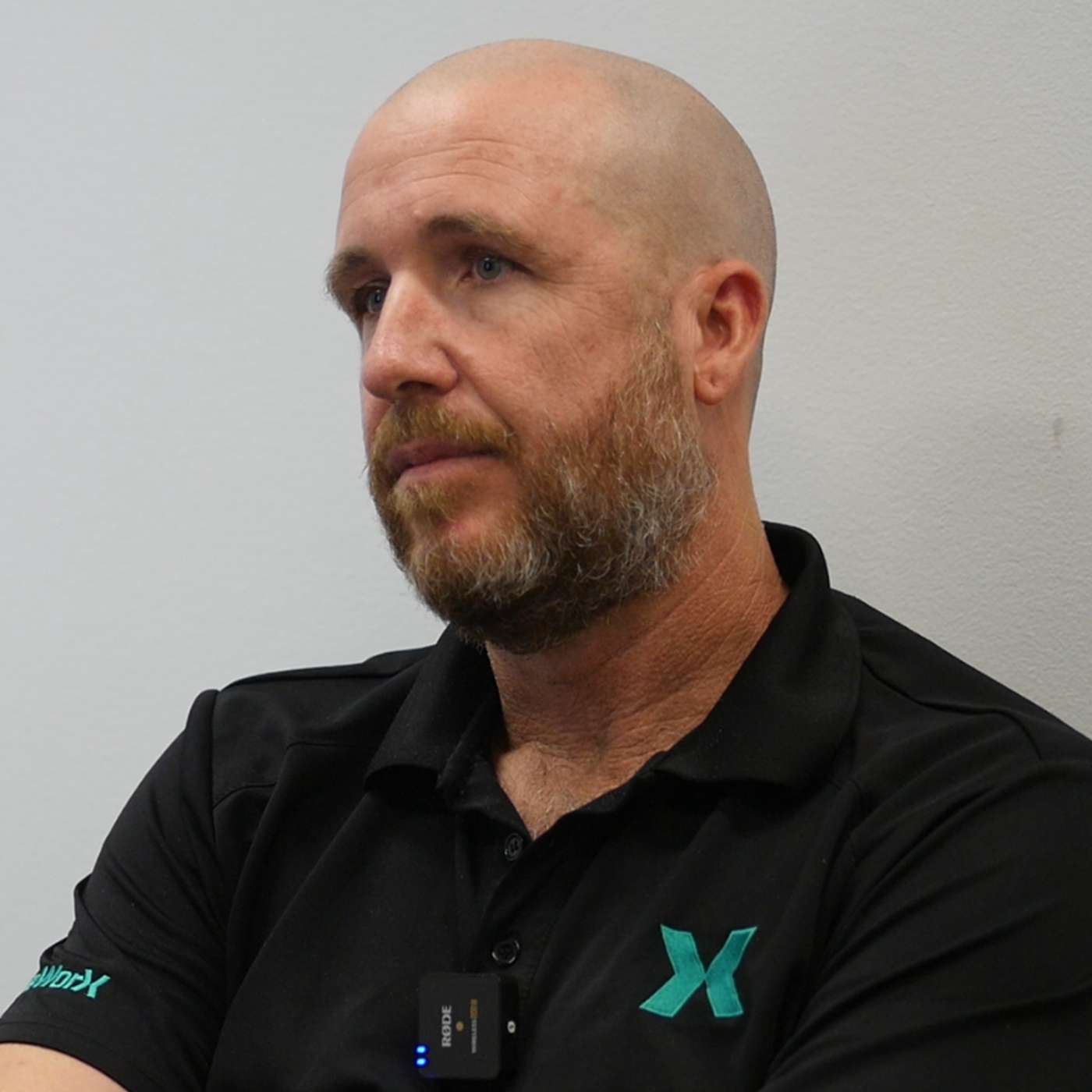
Recorded live by Michael Larsen at the 2026 Hire and Rental Industry Association Convention in Sydney, this episode of The Rental Journal Podcast features Paul Moggridge, General Manager at ShoreWorx, for a conversation about what happens when a rental business stops thinking purely about equipment and starts thinking about outcomes.Paul’s journey began on the tools as a glazier before circumstance pushed him into sales. That experience still shapes how he leads today, particularly his belief that understanding what a customer is actually trying to achieve matters far more than simply knowing the product catalogue. At ShoreWorx, that mindset has become central to how the company approaches trench safety, shoring and engineered solutions.The conversation explores why ShoreWorx sees itself as a safety business rather than simply a hire company. From trench shoring systems and temporary works engineering to 3D visualisation and project planning, Paul explains why getting involved before excavation begins can eliminate problems, reduce pressure on site and ultimately protect lives.He also shares the thinking behind the transition from APlant to ShoreWorx, why the new brand reflects a deliberate commitment to specialist rental, and why the company has chosen to stay focused on one category rather than trying to become everything to everyone.Paul speaks openly about the consequences of getting trench safety wrong, including real examples where moments of complacency have resulted in fatal outcomes. For ShoreWorx, safety is not simply a compliance exercise. It is about making sure people go home at the end of the day. As the business continues to grow, Paul also reflects on leadership, culture and why maintaining the team that created the company’s success is becoming one of his most important responsibilities. Rather than hiring purely for experience, ShoreWorx looks for curiosity, cultural fit and people willing to understand the customer’s world.At its core, this episode explores a bigger shift happening across rental. The companies creating the most value are increasingly moving beyond supplying equipment and becoming trusted partners that provide clarity, engineering expertise, certainty and safer outcomes for their customers.
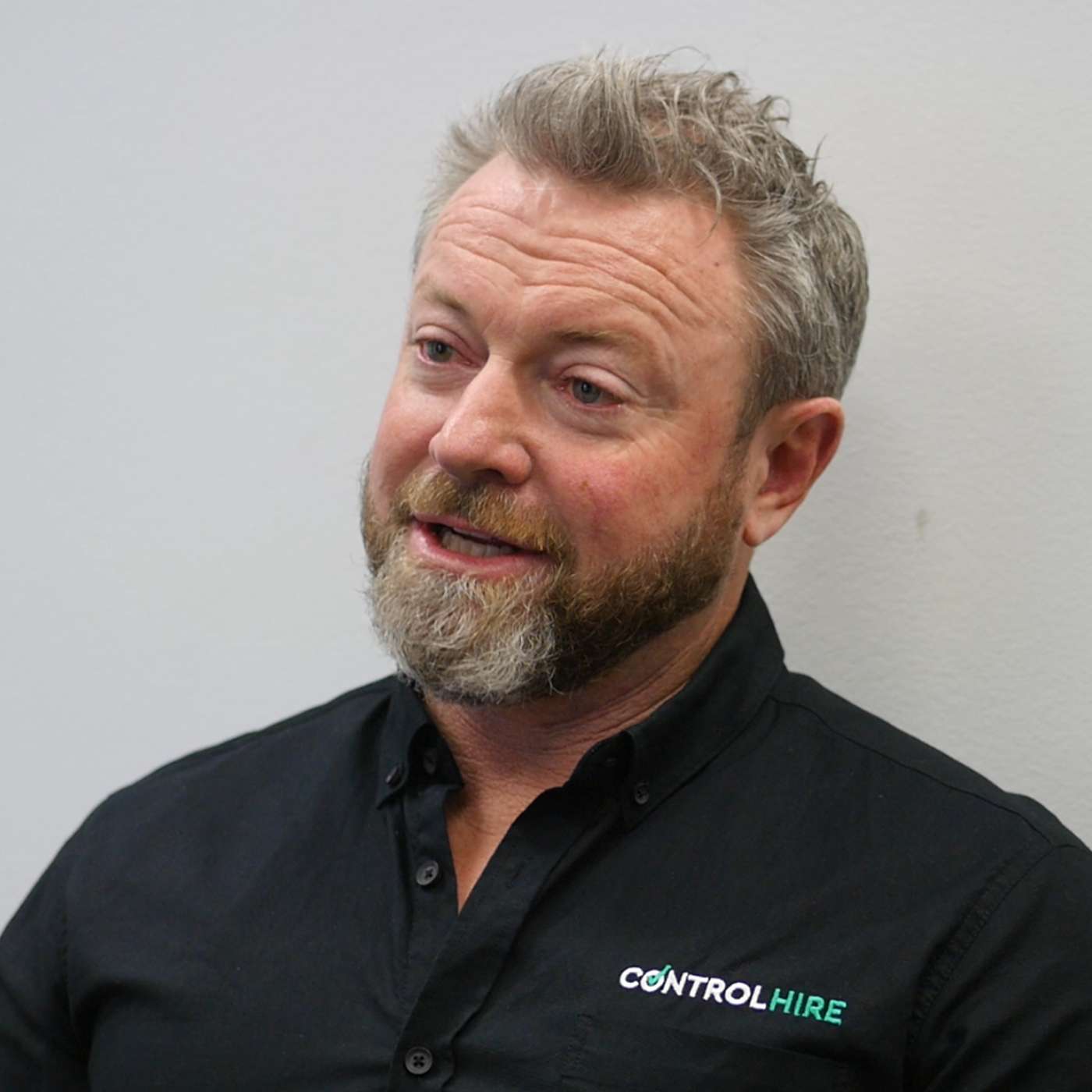
Recorded live by Michael Larsen at the 2026 Hire and Rental Industry Association Convention in Sydney, this episode of The Rental Journal Podcast features Luke Geelan, a second generation rental leader whose career has spanned more than three decades of building, scaling and selling businesses across the Australian hire industry.Luke takes us back to growing up inside his family’s rental business, Shorco, where an early exposure to hard work, customers and the close knit rental community shaped his approach to leadership. He shares how those foundations followed him through businesses including Shore Hire, where culture, specialist products and engineered solutions became central to building a successful national rental operation. The conversation dives into what really drives growth in rental and why Luke believes people and culture ultimately matter more than equipment. He explains how Shore Hire deliberately defined its values, created alignment across its leadership team and used a five year strategic plan to turn ambition into measurable growth. That alignment helped the company achieve goals originally expected to take five years in roughly two. Luke also opens up about selling businesses to major industry players including Coates and United Rentals, what happens when an entrepreneurial culture becomes part of a much larger organisation, and why maintaining specialist identity can become one of the biggest challenges following an acquisition.Now Chairman of Control Hire, Luke is once again helping build a specialist rental business, this time focused on hazard control, engineered solutions and protecting workers from risks including dust, silica and noise. He explains why finding a customer problem, engineering the right solution and controlling the supply chain have become central lessons carried forward from his previous businesses. The episode also explores the future of Australian rental, consolidation, opportunities for independent operators, local manufacturing and why specialist rental continues to create opportunities for businesses willing to solve difficult customer problems.At its heart, this is a conversation about much more than building rental companies. It is about building people, creating cultures worth protecting and leaving an industry stronger than you found it.
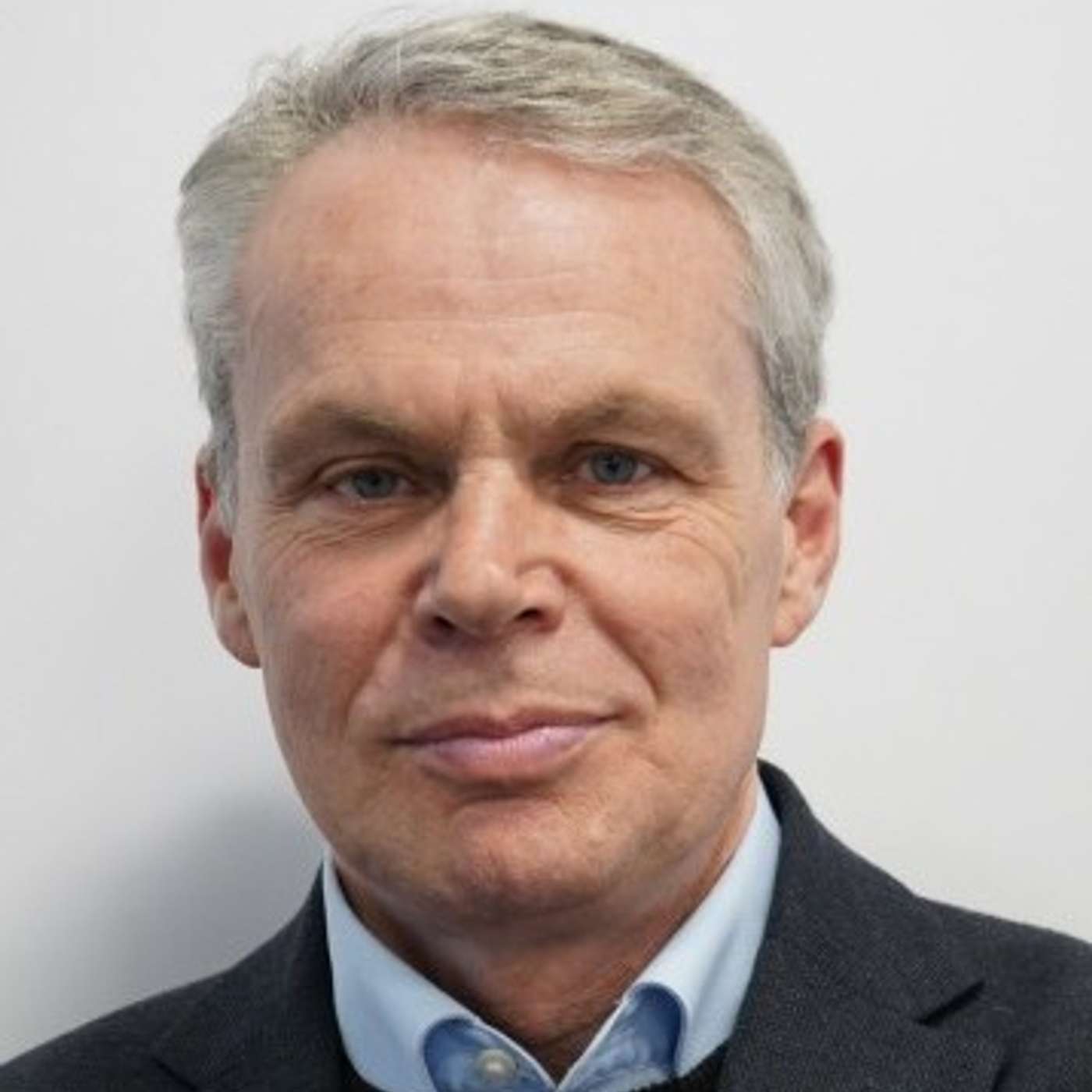
Michael Larsen sits down with Murray Pollock, Director of Content at KHL Group and and Managing Editor, International Rental News (IRN). Murray is one of the rental industry’s most experienced journalists, with more than three decades.From beginning his career as a civil engineer to becoming a leading voice behind International Rental News, Murray shares how he found his way into rental journalism and gained a front row seat to an industry transforming from local family businesses into sophisticated multinational organisations.The conversation explores the rise of consolidation, specialty rental, global rental associations, digitalisation, sustainability, online marketplaces and the growing influence of manufacturers and Chinese OEMs. Murray also reflects on memorable conversations with industry leaders including United Rentals founder Brad Jacobs, and why some of the biggest predictions about rental’s future have taken decades longer to unfold than expected. Looking ahead, Murray explains why attracting and retaining the next generation remains one of rental’s most universal challenges, regardless of geography or company size. He also shares why Australia stands out for its strong industry networks, openness to international ideas and early adoption of specialty rental. At its heart, this episode is about more than equipment. It is about the people, relationships and stories that have shaped rental into the global community it is today, and where that community may be heading next.
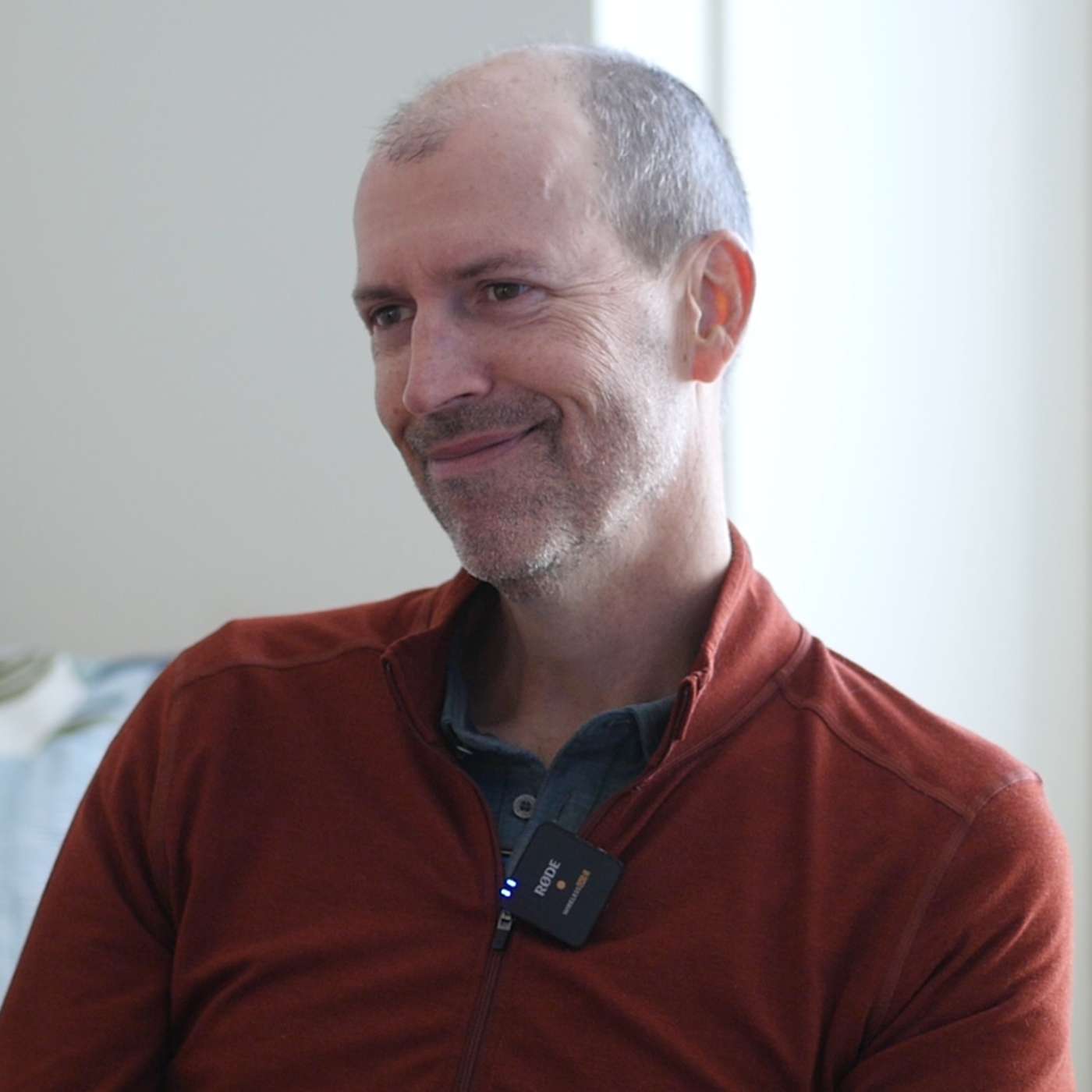
What separates a well-run rental business from an average one?In this episode, recorded live at the American Rental Association Show in Orlando, Michael Larsen is joined by Norty Turner, President and CEO of Sunstate Equipment, for a wide-ranging conversation about leadership, culture, operational excellence and building a business that can scale without losing its identity.Norty reflects on his 30-year rental career, which began behind the counter at Hertz Equipment Rental and later took him into leadership roles across the United States, Europe, the Middle East and India. He shares how those experiences shaped his leadership style and taught him the importance of listening, cultural awareness and creating an environment where people feel safe to challenge ideas.The conversation explores what Norty looks for when visiting a rental branch, from the condition of the ready line to the urgency and purpose with which employees move through the rental cycle. He explains why the fundamentals of rental remain remarkably consistent and how Sunstate is improving its most important operational processes using lean principles.Norty also discusses why most operational improvement programs fail when they are imposed from the top down. Rather than telling branch teams how to work, Sunstate involves the people performing each process in designing the solution, creating genuine ownership and a culture of continuous improvement.They examine the customer expectations every rental company must consistently deliver: safety, availability, on-time delivery and pickup, equipment uptime, accurate invoicing and technology that improves productivity.Throughout the episode, Norty returns to Sunstate’s people-first foundation, inspired by founder Mike Watts’ belief that employees should be treated with care and respect. He shares his ambition to preserve that legacy while also developing a high-performing culture where people achieve more than they believed possible.The conversation concludes with lessons from Norty’s climb of Mount Kilimanjaro, including the Swahili principle of pole pole—moving steadily, one step at a time, supporting those around you and enjoying the journey along the way.This episode is essential listening for rental leaders seeking to strengthen their culture, improve branch performance and turn a long-term vision into consistent daily execution.
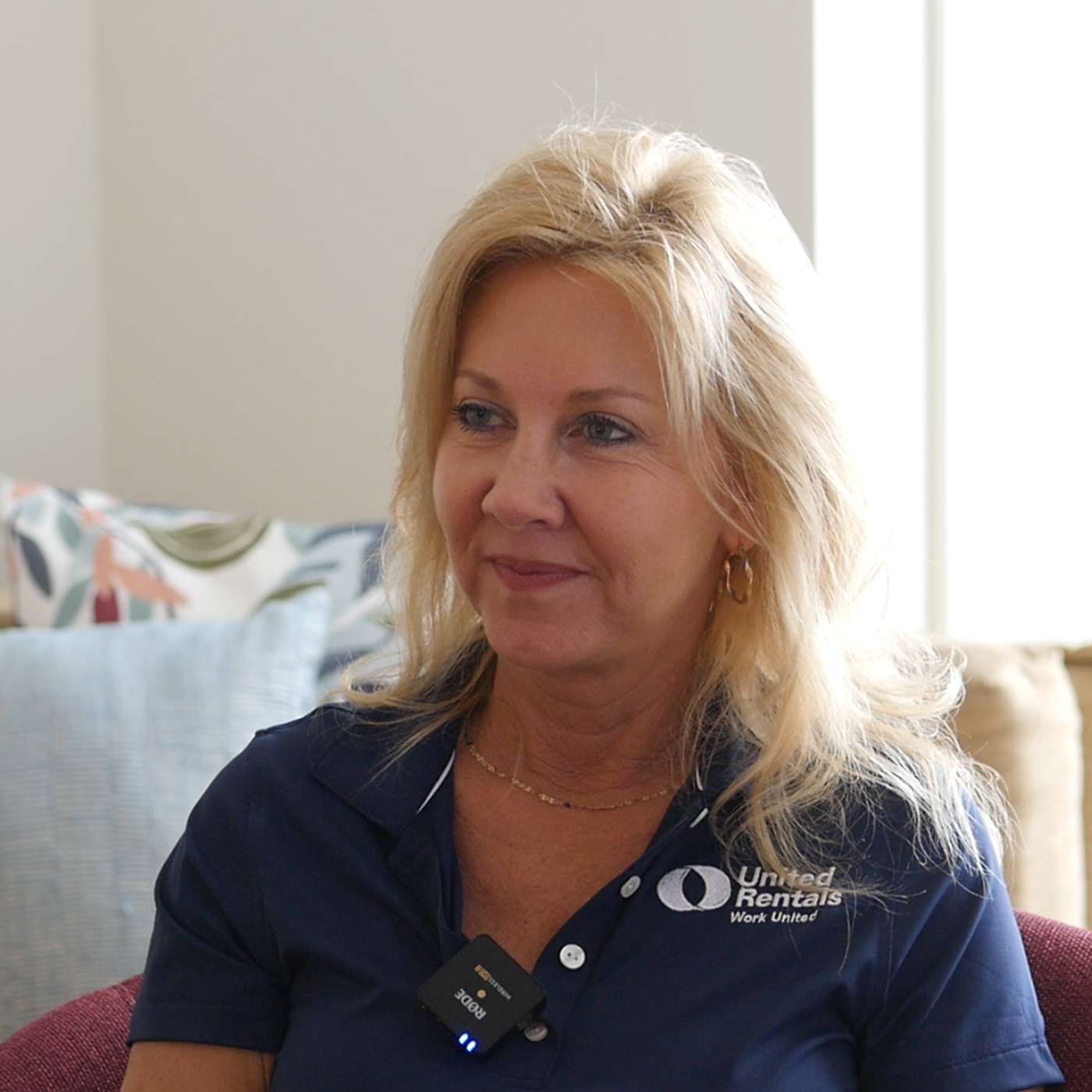
The equipment rental industry has no shortage of demand, capital or equipment. Increasingly, the greatest constraint on growth is people.In this episode, Michael is joined by Melissa Hanna, Vice President of Talent Management at United Rentals, to discuss how rental businesses can attract, develop and retain the workforce needed to support the industry’s continued growth.Melissa reflects on her career across Hertz, Herc Rentals and United Rentals, sharing how mentors, advocates and hands-on experience shaped her approach to leadership and talent development. She explains why workforce development cannot be treated as a temporary challenge or simply an HR responsibility—it must be embedded into the broader business strategy.The conversation explores the importance of introducing young people to rental careers earlier, hiring for curiosity and adaptability rather than relying solely on résumés, and creating visible career paths for employees across operations, sales, driving and technical roles.Melissa also discusses United Rentals’ approach to development through the 70-20-10 model, where 70% of learning comes from on-the-job experience, 20% from mentoring and relationships, and 10% from formal training.They also examine the role of culture in employee retention, the importance of strong onboarding, how smaller rental businesses can develop people without large training budgets, and how companies can preserve culture during acquisitions.Melissa’s message is clear: the rental industry offers almost limitless career opportunities for people who are willing to learn, adapt, work hard and invest in relationships.This episode is essential listening for rental leaders, HR professionals and anyone focused on building the next generation of talent within the industry.

Comments

Download from Google Play

Download from App Store
 United States