


The Right Chamber
Subscribed: 1Played: 15
Subscribe


© 2026 The Dudley Group NHS Foundation Trust
Description
The Right Chamber is our NHS Trust’s podcast that explores what really makes a hospital a hospital. We share authentic conversations with everyone who keeps the NHS running, from doctors, nurses, and students to facilities, admin, and corporate staff. Each episode is designed to be accessible to the public while meaningful for healthcare professionals, breaking down barriers and showing the NHS as a living, human community. It’s where the whole heartbeat of the hospital comes together, in one place.
Produced by the Ron Grimley Undergraduate Centre.
© The Dudley Group NHS Foundation Trust
Produced by the Ron Grimley Undergraduate Centre.
© The Dudley Group NHS Foundation Trust
43 Episodes
Reverse

Medical Student Wellbeing: Pressure, Support and Self-Care
Medical student wellbeing matters throughout medical training. However, the pressures of medical school, placements, exams and everyday life can make it difficult to recognise when something is wrong. Even when support is available, asking for help may not always feel easy.
In this episode of The Right Chamber, Jasprit and Victor are joined by Victoria Perry, Clinical Educator at The Dudley Group, and Gabrielle Taylor-Dowson, Wellbeing Officer at the University of Birmingham’s College of Medicine and Health.
Together, they explore the pressures facing medical students and healthcare professionals. They also discuss how attitudes towards wellbeing have changed and why speaking up should never be viewed as a sign of weakness.
Medical Student Wellbeing: Recognising When You Need Support
Medical school brings a unique combination of academic, personal and financial pressures. For some students, starting university may also mean living independently for the first time. Others may commute from home while balancing study with family responsibilities.
Gabrielle explains why changes in someone’s normal routine can provide an important indication that they may be struggling. Sleeping significantly more or less, withdrawing from friends or losing interest in usual activities can all suggest that something has changed.
Importantly, recognising these signs does not require a diagnosis. Instead, noticing a change can provide an opportunity to check in, start a conversation and seek appropriate support.
Breaking the Stigma Around Asking for Help
Attitudes towards wellbeing have changed considerably. Victoria reflects on a healthcare culture where people often felt they simply had to “get on with it” after a difficult shift.
Fortunately, conversations around mental health and wellbeing have become more open. Nevertheless, some students still worry that asking for help could reflect badly on them or affect their medical training.
Gabrielle explains that support exists to help students continue and succeed. Depending on individual circumstances, this may include pastoral support, reasonable adjustments, deferrals or other academic processes.
Building confidence to speak up can also prepare students for their future careers. After all, knowing when you need support is an important skill in both medical school and professional life.
Small Changes Can Make a Difference
Improving wellbeing does not always require a dramatic lifestyle change. Instead, Victoria recommends starting small.
A short walk, a new activity or simply taking a few minutes away from everyday pressures can provide a useful starting point. Over time, small changes can become positive habits.
Gabrielle also encourages students to practise regular self-reflection. Asking yourself how you feel after a difficult week, seminar or placement can help identify problems before they become overwhelming.
Moreover, wellbeing extends beyond the individual. Colleagues, educators and fellow students can make a difference simply by noticing changes and asking someone if they are okay.
Your Best Is Good Enough
Ultimately, the episode offers a reassuring message for anyone studying or working in healthcare.
Medical training is challenging, and healthcare professionals regularly work under significant pressure. Therefore, looking after yourself should not be viewed as separate from becoming a good clinician. Wellbeing can support your ability to learn, work effectively, care for patients and show compassion towards others.
As Gabrielle reminds her students, your best is good enough. If you do not feel that you are performing at your best, however, people are there to help. Sometimes the most important first step is simply asking.
Spotify: https://open.spotify.com/show/6BMxswWTqa82B27ZAxJZcj?si=f773c28d0b3a4a8c
Apple Podcasts: https://podcasts.apple.com/gb/podcast/the-right-chamber/id1754140706
Amazon Music: https://music.amazon.co.uk/podcasts/cfabe121-fc4c-4cc4-a4cd-423750cb1a85/the-right-chamber
If you enjoyed this episode, please like, comment, share, and subscribe for more real stories from inside the NHS.
Follow us:
Instagram: https://www.instagram.com/rgucms/
TikTok: https://www.tiktok.com/@rgucms
Also subscribe for exclusive content and updates. https://www.youtube.com/@TheRightChamberPodcast
——————
Produced by the RGUC Digital Media Team – https://iclinical.co.uk/digital-media-links
Music credit: Kalte Ohren (septahelix remix) by septahelix (c) copyright 2019 Licensed under a Creative Commons Attribution (3.0) license. http://dig.ccmixter.org/files/septahelix/59527 Ft: starfrosch

Ozempic and Mounjaro: The Truth About Weight Loss Injections
Ozempic and Mounjaro have become some of the most talked-about medications in the world. Often described simply as “weight loss jabs”, their story is far more complex. In this episode of The Right Chamber, Dr Haroon Siddique joins Victor and Jaspreet to explore the science, benefits and potential risks behind these increasingly well-known treatments.
Originally developed around the treatment of diabetes, this group of medications has transformed the conversation around weight management. However, Dr Siddique explains why they should not be viewed as a simple shortcut to losing weight.
Ozempic and Mounjaro: Where Did They Come From?
The story behind these medications takes the conversation in an unexpected direction – to a venomous lizard known as the Gila monster.
Dr Siddique explains how scientists became interested in the unusual biology of this desert-dwelling reptile. Research into a substance found in its saliva helped contribute to the development of an early GLP-1 medication.
From there, the conversation explores how the science evolved and eventually contributed to the treatments available today.
How Do Weight Loss Injections Work?
Dr Siddique breaks down the science in accessible terms. He explains the role of hormones involved in hunger and fullness, while also exploring how these medications can affect appetite and food cravings.
Although weight loss can be significant, the discussion highlights why looking only at the number on the scales can be misleading.
For example, Dr Siddique discusses muscle loss and sarcopenia. He explains that losing weight can involve losing muscle as well as fat. Consequently, maintaining muscle through appropriate lifestyle changes and resistance exercise can form an important part of the wider picture.
What Are the Risks and Side Effects?
Like all medications, Ozempic and Mounjaro can have side effects. The conversation covers gastrointestinal problems, including nausea and vomiting, alongside more serious potential complications such as pancreatitis.
Crucially, Dr Siddique explains why appropriate clinical assessment and monitoring matter. Medical professionals consider a patient’s history, individual circumstances and potential risks before deciding whether a treatment is suitable.
The episode also explores what can happen after someone stops taking weight loss medication. Without sustainable changes to diet, activity and lifestyle, maintaining weight loss may prove difficult.
Why Ozempic and Mounjaro Aren’t a Quick Fix
Social media, celebrity culture and dramatic transformation stories have helped drive enormous interest in weight loss injections. However, the episode asks whether this attention risks oversimplifying a much more complicated medical issue.
Dr Siddique discusses why people can understandably become attracted to quick results after struggling with their weight for many years. Nevertheless, medication alone does not necessarily address the habits and behaviours required for long-term change.
As the conversation develops, one message becomes increasingly important: consistency matters.
Lifestyle changes, appropriate support and the right mindset all contribute to sustainable weight management. For suitable patients, these medications can offer significant benefits. However, they need to be used for the right reasons, with appropriate professional input.
Separating the Hype From the Science
Are Ozempic and Mounjaro miracle medications, dangerous shortcuts, or simply powerful medical tools that need to be used appropriately?
In this fascinating episode of The Right Chamber, Dr Haro0n Siddique helps separate the headlines from the science. Along the way, the conversation uncovers the extraordinary origins of GLP-1 medication, examines the realities of weight loss and considers why changing our relationship with food, exercise and health remains so important.
Spotify: https://open.spotify.com/show/6BMxswWTqa82B27ZAxJZcj?si=f773c28d0b3a4a8c
Apple Podcasts: https://podcasts.apple.com/gb/podcast/the-right-chamber/id1754140706
Amazon Music: https://music.amazon.co.uk/podcasts/cfabe121-fc4c-4cc4-a4cd-423750cb1a85/the-right-chamber
If you enjoyed this episode, please like, comment, share, and subscribe for more real stories from inside the NHS.
Follow us:
Instagram: https://www.instagram.com/rgucms/
TikTok: https://www.tiktok.com/@rgucms
Also subscribe for exclusive content and updates. https://www.youtube.com/@TheRightChamberPodcast
——————
Produced by the RGUC Digital Media Team – https://iclinical.co.uk/digital-media-links
Music credit: Kalte Ohren (septahelix remix) by septahelix (c) copyright 2019 Licensed under a Creative Commons Attribution (3.0) license. http://dig.ccmixter.org/files/septahelix/59527 Ft: starfrosch

Emergency Equipment Checks: The Hidden NHS Role That Keeps Patients Safe
When people visit a hospital, they rarely think about emergency equipment checks. Patients expect emergency equipment to be available, fully stocked and ready to use at a moment’s notice. However, an entire team works behind the scenes to make sure that expectation becomes a reality.
In this episode of The Right Chamber, hosts Dr Jasprit Kaur and Dr Victor Adeyera sit down with Anna-Marie Limb from The Dudley Group NHS Foundation Trust’s Deteriorating Patient Team to explore one of the NHS’s least visible yet most important roles.
The conversation shines a light on the systems, processes and people responsible for ensuring that life-saving equipment remains available across the hospital. As a result, listeners gain a better understanding of the work that supports patient care long before an emergency occurs.
What Happens During Emergency Equipment Checks?
Most people are familiar with a crash trolley, but very few understand what happens behind the scenes to keep that equipment ready for use.
Throughout the discussion, Anna-Marie explains how her team routinely checks emergency equipment, replaces expired items, audits stock levels and ensures that essential supplies remain accessible to clinical staff.
Those responsibilities extend far beyond a simple checklist. Instead, the role requires organisation, attention to detail and a strong commitment to patient safety.
The episode also highlights an important point. During a medical emergency, clinicians need immediate access to equipment. Delays caused by missing or incomplete supplies can affect patient care. Therefore, maintaining emergency equipment is a fundamental part of delivering safe and effective healthcare.
How Medical Equipment Vending Machines Are Changing Hospital Practice
One of the most interesting topics in the episode focuses on medical equipment vending machines.
At first, the idea seems unusual. Most people associate vending machines with snacks and drinks. However, hospitals have started to use the same technology to improve access to emergency supplies.
Anna-Marie explains how these machines store important clinical equipment while also helping staff monitor stock levels more effectively.
Consequently, healthcare professionals can locate equipment more quickly, departments can reduce waste and hospitals can improve accountability.
The discussion demonstrates how relatively simple innovations can produce meaningful improvements in patient care.
The NHS Professionals Patients Never See
Healthcare often focuses on doctors and nurses because they provide direct patient care. Yet hospitals depend on many other professionals who work behind the scenes.
This episode offers an opportunity to recognise those contributions.
From maintaining crash trolleys to checking emergency call systems, the Deteriorating Patient Team plays a vital role in supporting both patients and clinical staff. Their work may be invisible to many visitors, but its impact reaches every ward and department.
Importantly, the conversation reminds us that patient safety depends on collaboration. Every member of the healthcare workforce contributes to the overall quality of care.
Why Patient Safety Depends on Preparation
One of the strongest messages from this episode is that preparation saves lives.
Patients should never have to think about whether emergency equipment is available. Likewise, clinicians should never have to search for the tools they need during a critical situation.
Instead, dedicated NHS professionals work every day to ensure that equipment is checked, maintained and ready before an emergency occurs.
By the end of the conversation, listeners gain a new appreciation for the people responsible for these essential tasks. Although their work often goes unnoticed, their contribution to patient safety cannot be overstated.
If you’ve ever assumed that emergency equipment simply appears when it’s needed, this episode will change the way you think about hospitals and the teams that keep them running.
Spotify: https://open.spotify.com/show/6BMxswWTqa82B27ZAxJZcj?si=f773c28d0b3a4a8c
Apple Podcasts: https://podcasts.apple.com/gb/podcast/the-right-chamber/id1754140706
Amazon Music: https://music.amazon.co.uk/podcasts/cfabe121-fc4c-4cc4-a4cd-423750cb1a85/the-right-chamber
If you enjoyed this episode, please like, comment, share, and subscribe for more real stories from inside the NHS.
Follow us:
Instagram: https://www.instagram.com/rgucms/
TikTok: https://www.tiktok.com/@rgucms
Also subscribe for exclusive content and updates. https://www.youtube.com/@TheRightChamberPodcast
——————
Produced by the RGUC Digital Media Team – https://iclinical.co.uk/digital-media-links
Music credit: Kalte Ohren (septahelix remix) by septahelix (c) copyright 2019 Licensed under a Creative Commons Attribution (3.0) license. http://dig.ccmixter.org/files/septahelix/59527 Ft: starfrosch
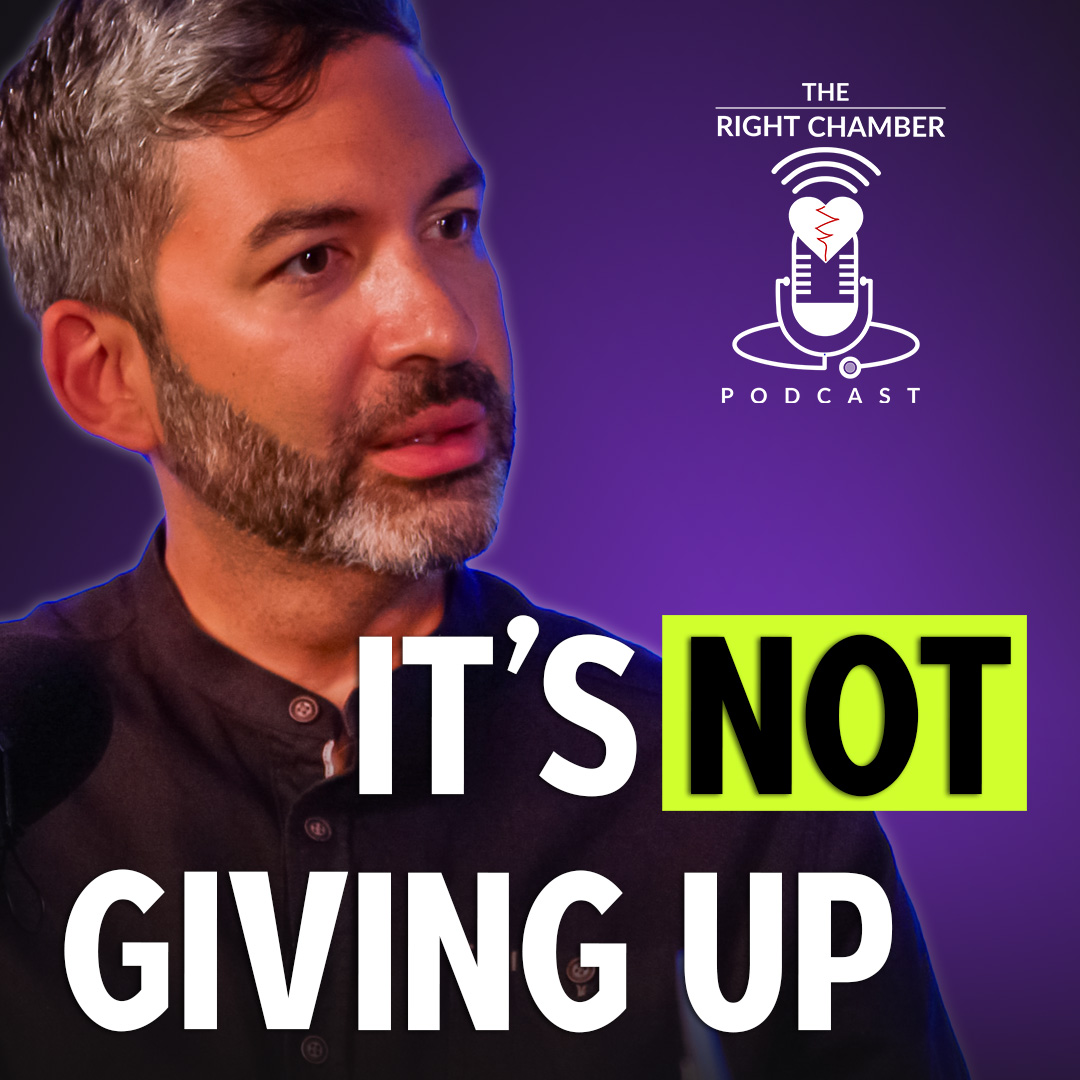
DNACPR explained is the focus of this episode of The Right Chamber, where Consultant in Palliative Medicine Dr Richard Alleyne helps listeners understand one of healthcare’s most misunderstood decisions. Many people believe a Do Not Attempt Cardiopulmonary Resuscitation (DNACPR) decision means doctors stop treatment or give up on a patient. In reality, neither is true. Instead, Richard explains why clinicians make DNACPR decisions, how they assess whether CPR will benefit a patient, and why these conversations help people receive compassionate, appropriate care.
What Does a DNACPR Decision Really Mean?
During the episode, Richard joins hosts Dr Jasprit Kaur and Dr Victor Adeyera to explain the purpose of a DNACPR decision. He describes how doctors weigh the likely benefits and harms of CPR before deciding whether it offers a realistic chance of success. Rather than focusing only on a form or a difficult conversation, the discussion explores the wider principles of patient-centred care.
The conversation also tackles some of the biggest misconceptions surrounding CPR. Television dramas often portray resuscitation as quick, successful and routine. Real life looks very different. Richard explains why CPR may cause significant harm when someone lives with advanced illness, frailty or a progressive condition. He also discusses why restarting the heart does not always restore health or quality of life.
Putting Patients and Families First
Next, the discussion turns to communication. Richard explains how clinicians help patients and families understand complex medical decisions without taking away compassion or dignity. Instead of opening with a question about resuscitation, he encourages healthcare professionals to begin by asking what matters most to the patient. Those conversations naturally explore where someone wants to receive care, what quality of life means to them and what support they need.
The hosts also discuss why timing matters. Early conversations give patients time to consider their wishes and allow families to prepare together. As understanding grows, uncertainty often falls. That shared understanding also helps clinical teams provide care that reflects the patient’s priorities rather than making difficult decisions during a crisis.
A Personal Story That Brings the Topic to Life
Richard also shares his own family’s experience after his mother received a cancer diagnosis. He explains how open conversations and careful planning allowed her to remain at home, surrounded by the people she loved, during the final stage of her life. His story demonstrates how honest communication can reduce anxiety, support families and help everyone approach the future with greater confidence.
Although many people view DNACPR as an uncomfortable subject, this conversation shows why these discussions matter. They protect patients from treatments that are unlikely to help, support individual wishes and help families understand what lies ahead. Above all, they ensure clinicians deliver care that reflects each person’s circumstances, values and quality of life.
Whether you work in healthcare, support a loved one with serious illness or simply want to understand how these decisions work, this episode offers practical insight, clear explanations and compassionate advice. By the end of the conversation, you’ll understand not only what a DNACPR decision means, but also why good communication plays such an important role in providing safe, patient-centred care.
Right Chamber LinkTree: https://linktr.ee/rightchamber
Spotify: https://open.spotify.com/show/6BMxswWTqa82B27ZAxJZcj?si=f773c28d0b3a4a8c
Apple Podcasts: https://podcasts.apple.com/gb/podcast/the-right-chamber/id1754140706
Amazon Music: https://music.amazon.co.uk/podcasts/cfabe121-fc4c-4cc4-a4cd-423750cb1a85/the-right-chamber
If you enjoyed this episode, please like, comment, share, and subscribe for more real stories from inside the NHS.
Follow us:
Instagram: https://www.instagram.com/rgucms/
TikTok: https://www.tiktok.com/@rgucms
Also subscribe for exclusive content and updates. https://www.youtube.com/@TheRightChamberPodcast
——————
Produced by the RGUC Digital Media Team – https://iclinical.co.uk/digital-media-links
Music credit: Kalte Ohren (septahelix remix) by septahelix (c) copyright 2019 Licensed under a Creative Commons Attribution (3.0) license. http://dig.ccmixter.org/files/septahelix/59527 Ft: starfrosch

Medical School Admissions: What Admissions Tutors Really Look For
Medical School Admissions is one of the most competitive university application processes in the UK, yet many applicants believe there is hidden knowledge or a secret formula that guarantees success. In this episode of The Right Chamber, Professor Derek Ward, Senior Admissions Tutor for Medicine at the University of Birmingham, explains why that simply is not the case. Instead, he reveals that the information applicants need is already available if they know where to look and are willing to invest time in researching it.
Whether you are considering a career in medicine, actively preparing an application, or supporting a prospective medical student, this conversation provides practical guidance based on years of admissions experience. Throughout the discussion, Professor Ward separates common myths from reality and explains how admissions teams assess candidates beyond academic achievement.
Looking Beyond Grades
Strong GCSE and A-level results remain important, but they only form part of the overall picture. Once applicants reach the interview stage, admissions tutors already know they have demonstrated the academic ability required to study medicine.
As a result, interviews focus on something very different. Universities want to understand the person behind the grades. They look for applicants who communicate effectively, think critically, reflect on their experiences and demonstrate genuine empathy for others. Consequently, successful candidates are those who show maturity, curiosity and a clear understanding of what a career in medicine involves.
The episode also explores why communication skills, emotional intelligence and professionalism have become increasingly important throughout the admissions process.
Understanding UCAT, Interviews and Preparation
Many prospective students spend significant amounts of money on commercial admissions courses. However, Professor Ward explains why there is no secret knowledge that only a select group of applicants can access.
Instead, medical schools openly publish valuable information, including admissions criteria, interview processes and previous UCAT thresholds. Applicants who spend time researching university websites and understanding each institution’s expectations often place themselves in a much stronger position.
The conversation also includes practical advice about interview preparation. Rather than memorising rehearsed answers, Professor Ward encourages applicants to listen carefully to the question being asked and respond authentically. This approach allows interviewers to see the qualities that cannot be measured by examination results alone.
Advice for Future Medical Students
Throughout the episode, the discussion highlights that becoming a doctor requires far more than academic excellence. Admissions tutors are searching for thoughtful, compassionate people who can build relationships, solve problems and communicate with patients from every background.
Professor Ward also shares practical advice for choosing medical schools, researching entry requirements and making informed decisions throughout the application process. As a result, listeners gain a clearer understanding of how to prepare effectively without relying on myths or expensive shortcuts.
Whether you are applying this year or simply beginning to explore medicine as a career, this episode offers valuable insight into Medical School Admissions from someone who helps make those decisions every year.
If you enjoy this episode, remember to subscribe to The Right Chamber for more conversations with healthcare professionals, educators and NHS leaders who share the stories behind modern healthcare.
WATCH on YouTube: https://youtu.be/zjsdZnL7IO0
Right Chamber LinkTree: https://linktr.ee/rightchamber
Spotify: https://open.spotify.com/show/6BMxswWTqa82B27ZAxJZcj?si=f773c28d0b3a4a8c
Apple Podcasts: https://podcasts.apple.com/gb/podcast/the-right-chamber/id1754140706
Amazon Music: https://music.amazon.co.uk/podcasts/cfabe121-fc4c-4cc4-a4cd-423750cb1a85/the-right-chamber
If you enjoyed this episode, please like, comment, share, and subscribe for more real stories from inside the NHS.
Follow us:
Instagram: https://www.instagram.com/rgucms/
TikTok: https://www.tiktok.com/@rgucms
Also subscribe for exclusive content and updates. https://www.youtube.com/@TheRightChamberPodcast
——————
Produced by the RGUC Digital Media Team – https://iclinical.co.uk/digital-media-links
Music credit: Kalte Ohren (septahelix remix) by septahelix (c) copyright 2019 Licensed under a Creative Commons Attribution (3.0) license. http://dig.ccmixter.org/files/septahelix/59527 Ft: starfrosch

Comments

Download from Google Play

Download from App Store
 United States