


 Claim Ownership
The Talent Bar
Subscribed: 1Played: 16
Subscribe

© 2026 Lavalier
Description
This is The Talent Bar. Join Colleen Gallagher for candid conversations with talent leaders as we explore the work that drives them, the lessons they've learned, and how they're helping people find careers they love. The show is sponsored by Lavalier, an interview intelligence platform built by Textio.
35 Episodes
Reverse
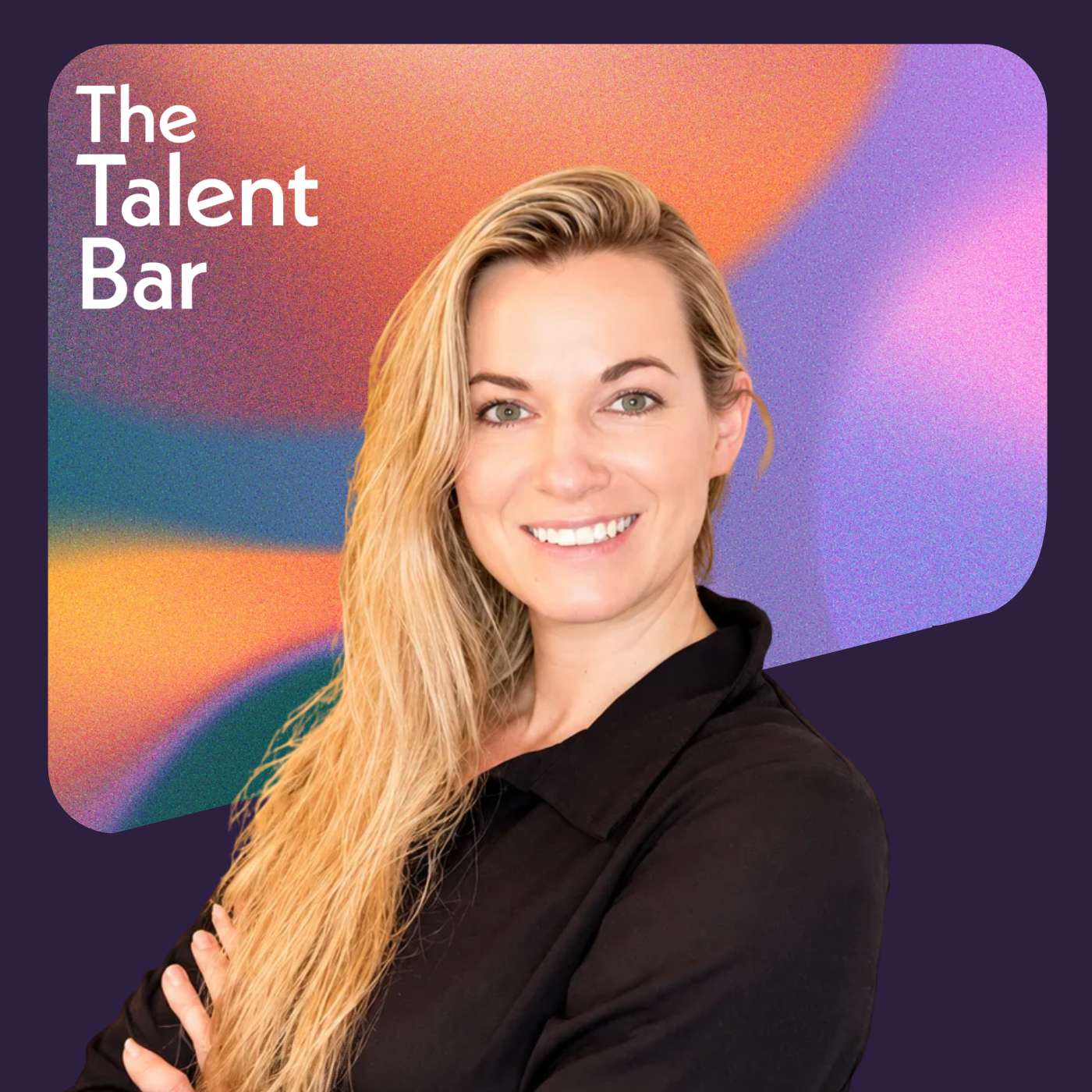
Alexandra Feig has spent 20 years building recruiting teams across APAC, and she fell into the job by accident. She started with an internship at a brake manufacturer in Japan, then walked into a recruiter interview at a bar-adjacent meeting she thought was a database sign-up. Today she is Director of Talent Acquisition for Global R&D Sourcing and Go-to-Market at Meltwater, where she leads the AI transformation of hiring. In this episode, she talks with Colleen about what separates great recruiters from the rest, what counts as fair use of AI in interviews (and the TI-89 calculator story that explains it), why AI note takers can be a bit of a lie, and how she got TA a seat at the table by showing up and taking one. Takeaways:Own the outcome, not just the req. Learn the business well enough to know what a successful hire looks like today and what it will need to look like in 6 to 12 months. Then update your job descriptions before they go stale.Don’t wait for an invitation to the table. TA is the only people function that lives both inside the company and out in the market, so bring that data to your leaders. Once they see it helps them hit their targets, they’ll start inviting you.Judge AI use by understanding, not by output. Like the TI-89 in math class, AI is a tool, so the real test is whether a candidate can explain, own, and stand behind what it helped them produce. Build a simple framework for where AI is allowed in your process so everyone is judging it the same way.Get legal on your side by asking better questions. Ask them for the three or four concerns that worry them most, take that list to the vendor, and bring the answers back. Ask which big names have already signed off and which features can be turned off.Quote of the Show:“It’s not about being able to use the calculator, it’s not about the result you’re producing, but it’s do you understand the math behind it?” - Alexandra FeigLinks:LinkedIn: https://www.linkedin.com/in/alexandrafeig/Website: https://www.meltwater.com/en?utm_source=social-organic&utm_medium=linkedin&utm_campaign=social-organic-linkedin-linkedin-profile-cta&utm_content=demo-requestWays to Tune In:The Talent Bar: https://thetalentbarpodcast.com/ Spotify: https://open.spotify.com/show/6j8LK95YtqW7ZMU4kwBNgR Apple Podcasts: https://podcasts.apple.com/us/podcast/the-talent-bar/id1891705495 Amazon Music: https://music.amazon.com/podcasts/b7f77aa2-de4c-4e5c-b5de-cfe60fe39c77 iHeart Radio:https://www.iheart.com/podcast/1333-the-talent-bar-328811219YouTube: https://www.youtube.com/@TheTalentBar
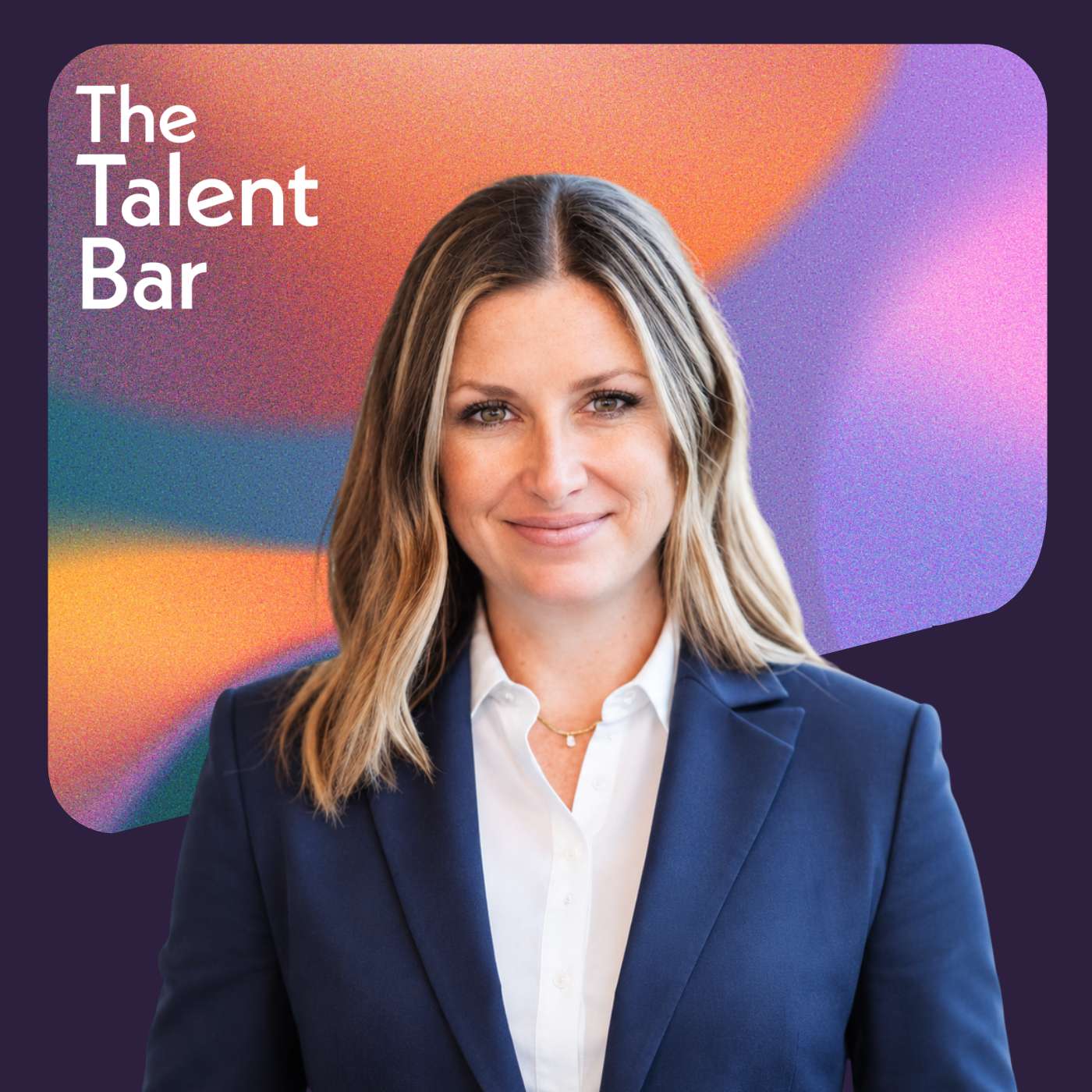
Kathleen O’Malley spent 10 years at McKinsey leading experienced hire recruiting, after nearly two decades in agency and consulting recruiting, and five months ago she became VP of Talent Acquisition at Argono, a consultancy that has grown through 20+ acquisitions. In this episode, she talks with Colleen about why communication is the one habit that separates great recruiters from the rest, what being a candidate again after a decade taught her about the job search, and why she calls her approach at Argano a refocus, not a rebuild. Kathleen also shares how she gets her recruiters to walk into hiring manager meetings with data, why decision meetings need better probing questions, and how she fell into recruiting after a career in copier sales. Takeaways:Communication is the simplest edge you have. Tell candidates where they stand, whether it’s good news or bad. It costs you very little and it’s the thing most of the industry skips.Your hiring process is your brand. Every candidate deserves white glove treatment because the interview is their first look at how your company acts. Treat people well and they’ll remember it, even if they don’t get the role.Show up to hiring manager meetings with data. Pipeline numbers by stage, market data, and a clear summary of what you’ve done this week turn a status check into a real partnership. Managers who can see how many conversations it takes to find one great candidate become much better collaborators.Don’t settle for “they just weren’t a fit.” Ask hiring managers to be specific about skills and gaps so you can give candidates real feedback. If you’re newer and working with senior stakeholders, push back anyway. Getting that detail out of them is the job.Use AI as a tool, not a replacement. Let it speed up the work, but keep a human looking at resumes and talking to candidates. A rejection nobody actually reviewed is the fastest way to lose someone’s trust.Quote of the Show:“You’re only as good as your brand. You’re only as good as the experience that you give them, and that’s their start.” - Kathleen O’MalleyLinks:LinkedIn: https://www.linkedin.com/in/komalley77/Website: https://argano.com/Ways to Tune In:The Talent Bar: https://thetalentbarpodcast.com/ Spotify: https://open.spotify.com/show/6j8LK95YtqW7ZMU4kwBNgR Apple Podcasts: https://podcasts.apple.com/us/podcast/the-talent-bar/id1891705495 Amazon Music: https://music.amazon.com/podcasts/b7f77aa2-de4c-4e5c-b5de-cfe60fe39c77 iHeart Radio:https://www.iheart.com/podcast/1333-the-talent-bar-328811219YouTube: https://www.youtube.com/@TheTalentBar
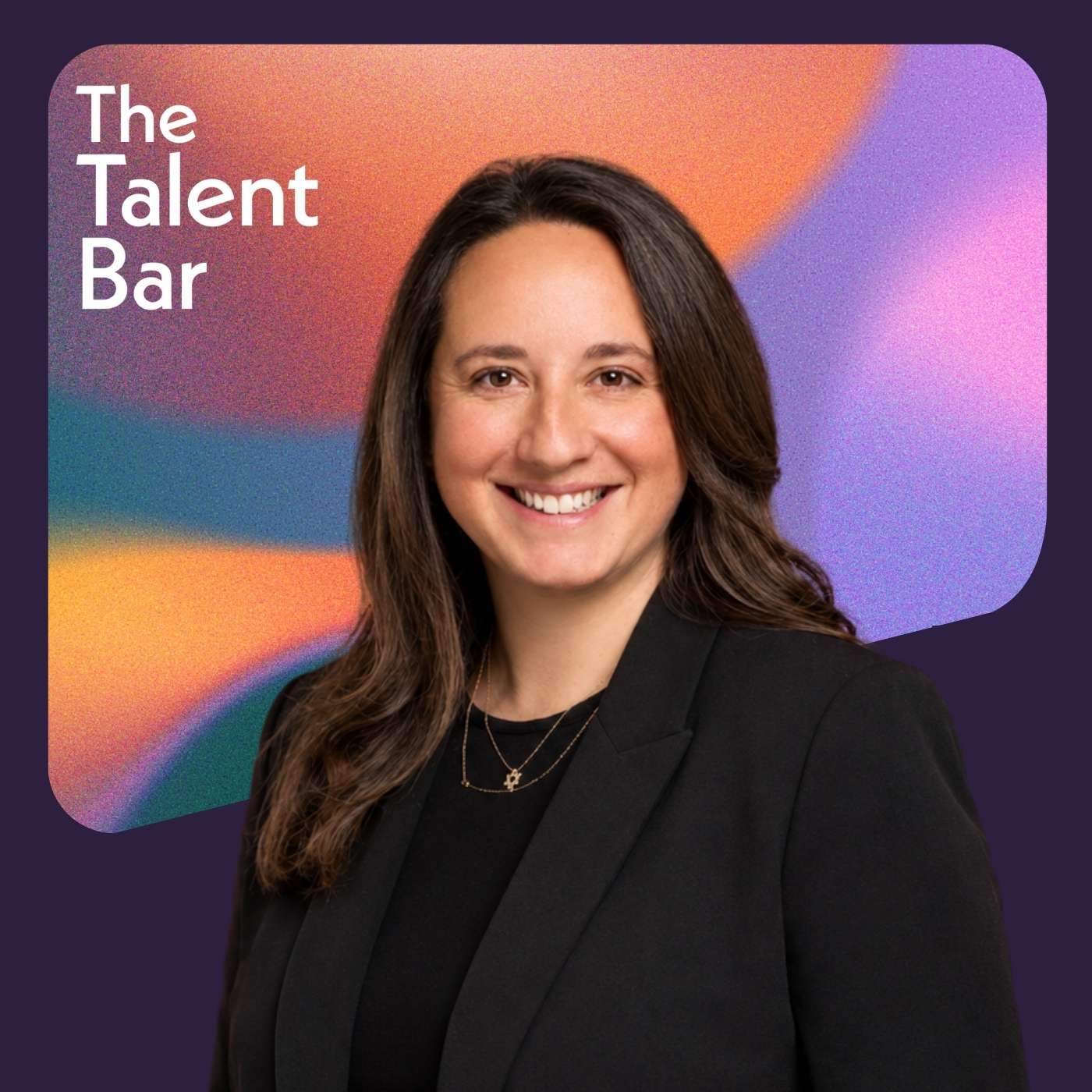
Anna Taylor is the Director of Global Talent Acquisition at Semperis, where she has spent the last five years growing the company from under 200 employees to over 600 across multiple countries with a recruiting team she can count on one hand. In this episode, she talks with Colleen about why the best recruiters are business partners instead of order takers, how she cross-trains every new recruiter before they specialize, and how she won over hiring managers with a company-wide recruiting roadshow. They also dig into fixing your process before layering on AI, how TA titles and leadership roles are evolving, and why quality of hire should be a shared responsibility. Anna also shares how she went from dreaming of fashion to leading talent, and the advice she would give her post-graduation self.Takeaways:Ask more questions of the business, not just candidates. Even if you have filled a role a hundred times, keep asking your hiring managers until you feel confident. Recruiters who skip this end up taking orders instead of advising.Cross-train new recruiters before they specialize. Give them four to six months across different departments, managers, and role types. It builds business knowledge and shows you whether their foundational skills are strong enough to hire.Earn hiring manager trust before you ask for it. Meet with every manager one on one, learn how they have hired in the past, and make a plan together, like sticking to three to four interviews. If you need them to hand over agency relationships, promise to protect those relationships.Fix your process first, then add AI on top. Teams that chase every shiny tool end up with scattered workflows and uneven hiring manager experiences. Plan for the fact that the time AI gives back will first go to deciding how to use it.Treat quality of hire as a shared metric. The hiring manager has to ask for the right hire, TA has to deliver them, and onboarding has to set them up to stay. More visibility across TA, HR, compensation, and talent development makes that loop tighter.Quote of the Show:“Talking about how we use the AI is taking up the time that the AI got us back.” - Anna TaylorLinks:LinkedIn: https://www.linkedin.com/in/annaorentaylor/Website: https://www.semperis.com/Ways to Tune In:The Talent Bar: https://thetalentbarpodcast.com/ Spotify: https://open.spotify.com/show/6j8LK95YtqW7ZMU4kwBNgR Apple Podcasts: https://podcasts.apple.com/us/podcast/the-talent-bar/id1891705495 Amazon Music: https://music.amazon.com/podcasts/b7f77aa2-de4c-4e5c-b5de-cfe60fe39c77 iHeart Radio:https://www.iheart.com/podcast/1333-the-talent-bar-328811219YouTube: https://www.youtube.com/@TheTalentBar
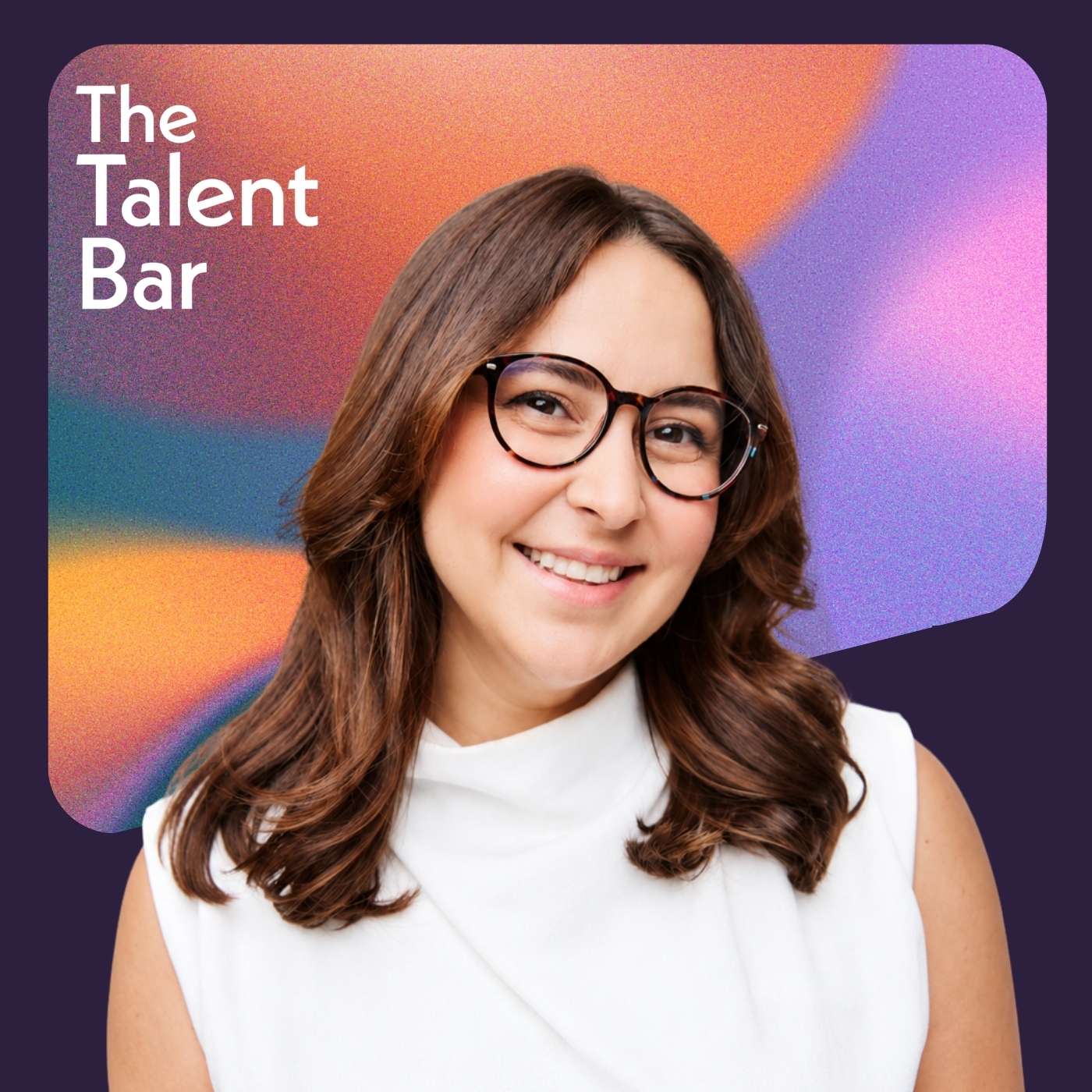
Andrea DeBrino has been a Disney photographer, the Bride of Frankenstein at Halloween Horror Nights, and a Deloitte auditor, and she now leads TA enablement at Light & Wonder across 30 countries. In this episode, she talks with Colleen about why the best recruiters are the most curious ones and why she thinks the industry is rushing to AI without building the core capabilities that make it work. Andrea breaks down how she rolled out Paradox and HiredScore with a session called “Bring Your Own Manager,” how she earned back the trust of a skeptical TA team, and what she learned from cold messaging companies like Deloitte, Netflix, and Starbucks for a Disney benchmarking study. She also shares her winding path from theme parks to audit to recruiting, and why saying yes to scary things has shaped her career. Takeaways:Get curious before you get tactical. Walk into every intake asking why the role is open and what gaps the team is feeling, not just what the requirements are. Recruiters who ask “why” can spot when a role needs to be rescoped before the search goes sideways.Build capability before you layer on AI. A shiny new tool won’t make you a better talent advisor if you don’t know what problem you’re solving. Look at where your workflow has friction first, then decide whether technology, process, or behavior is the real fix.Bring the skeptics into the room early. Andrea invited recruiters to bring their toughest hiring manager to a session and tear the rollout apart before launch. Hearing the objections up front lets you plan for them instead of getting surprised after go-live.Sell hiring managers on outcomes, not candidate experience. Most leaders won’t open their calendars for a better candidate experience, but they will for a faster hire. Give your recruiters the language to connect the change to what the manager actually cares about.Say yes to the thing that scares you. Andrea’s non-traditional path happened because she raised her hand, followed up for three years, and took chances. The opportunities you skip out of fear are the ones you’ll still be thinking about a decade later.Quote of the Show:“If you can have them be involved, and you can really understand what they need to do their job better, I think that’s where you can really elevate what the solution is.” - Andrea DeBrinoLinks:LinkedIn: https://www.linkedin.com/in/andreadebrino/Website: https://www.lnw.com/Ways to Tune In:The Talent Bar: https://thetalentbarpodcast.com/ Spotify: https://open.spotify.com/show/6j8LK95YtqW7ZMU4kwBNgR Apple Podcasts: https://podcasts.apple.com/us/podcast/the-talent-bar/id1891705495 Amazon Music: https://music.amazon.com/podcasts/b7f77aa2-de4c-4e5c-b5de-cfe60fe39c77 iHeart Radio:https://www.iheart.com/podcast/1333-the-talent-bar-328811219YouTube: https://www.youtube.com/@TheTalentBar
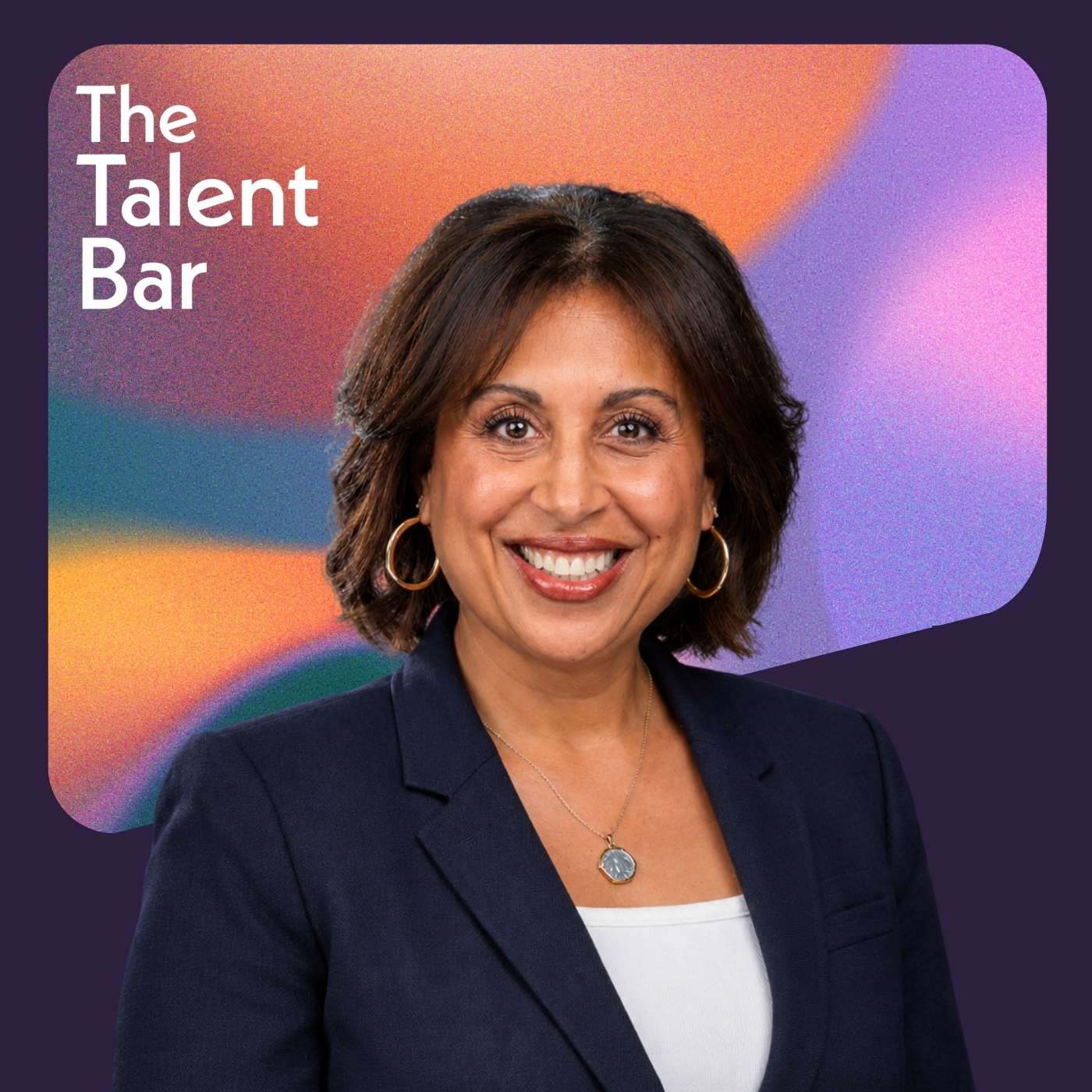
Pam White is the Director of Talent Acquisition at Cambria, an American-made, family-owned luxury surface manufacturer. She took an unconventional route to recruiting through teaching, cosmetology, sales, and managing stylists. In this episode, she sits down with Colleen to talk about why the person walking in the side door of the factory deserves the same red carpet as the person heading to the corner office. They get into how Cambria sells a 22-year-old on a 25-year career in manufacturing, why their 10+ year internship program has interns solving real business problems, and what happens when an ATS and a job board finally start talking to each other. Pam also shares how she filters AI tools on a family-owned budget, and why saying yes to opportunities has shaped every chapter of her career. Takeaways:Give every candidate the red carpet, no matter the role. A line worker and a marketing hire may not get the identical experience, but both should get a clear email, a text confirmation, and the right people greeting them. Thoughtfulness is what counts.Ask the same values-driven questions across every level of the business. If collaboration matters at your company, ask the line worker about collaboration too. It tells candidates what the culture is really like and shows them you care how they think, not just whether they can work third shift.Sell the future, not just the job. Show early-career candidates real people who started where they are and worked their way up to supervisor, and lead with the perks that matter to them, like clean facilities, boots, and uniforms. When someone can picture what year five looks like, you’ve got them.Fix the friction in your application process. If candidates have to apply twice and your recruiters are bouncing between systems, your drop-off rate will show it. Connecting your ATS to your job board helps candidates, recruiters, and your sourcing data all at once.Quote of the Show:“Every career that I’ve had is born because somebody said, ‘You know what? You’d be really good at this.’” - Pam WhiteLinks:LinkedIn: https://www.linkedin.com/in/pam-white-a43269b/Website: https://www.cambriausa.com/quartz-countertops/?utm_source=linkedin&utm_medium=organicsocial_feed&utm_campaign=engagement&utm_content=text_bio-linkWays to Tune In:The Talent Bar: https://thetalentbarpodcast.com/ Spotify: https://open.spotify.com/show/6j8LK95YtqW7ZMU4kwBNgR Apple Podcasts: https://podcasts.apple.com/us/podcast/the-talent-bar/id1891705495 Amazon Music: https://music.amazon.com/podcasts/b7f77aa2-de4c-4e5c-b5de-cfe60fe39c77 iHeart Radio:https://www.iheart.com/podcast/1333-the-talent-bar-328811219YouTube: https://www.youtube.com/@TheTalentBar

Comments

Download from Google Play

Download from App Store
 United States