


 Claim Ownership
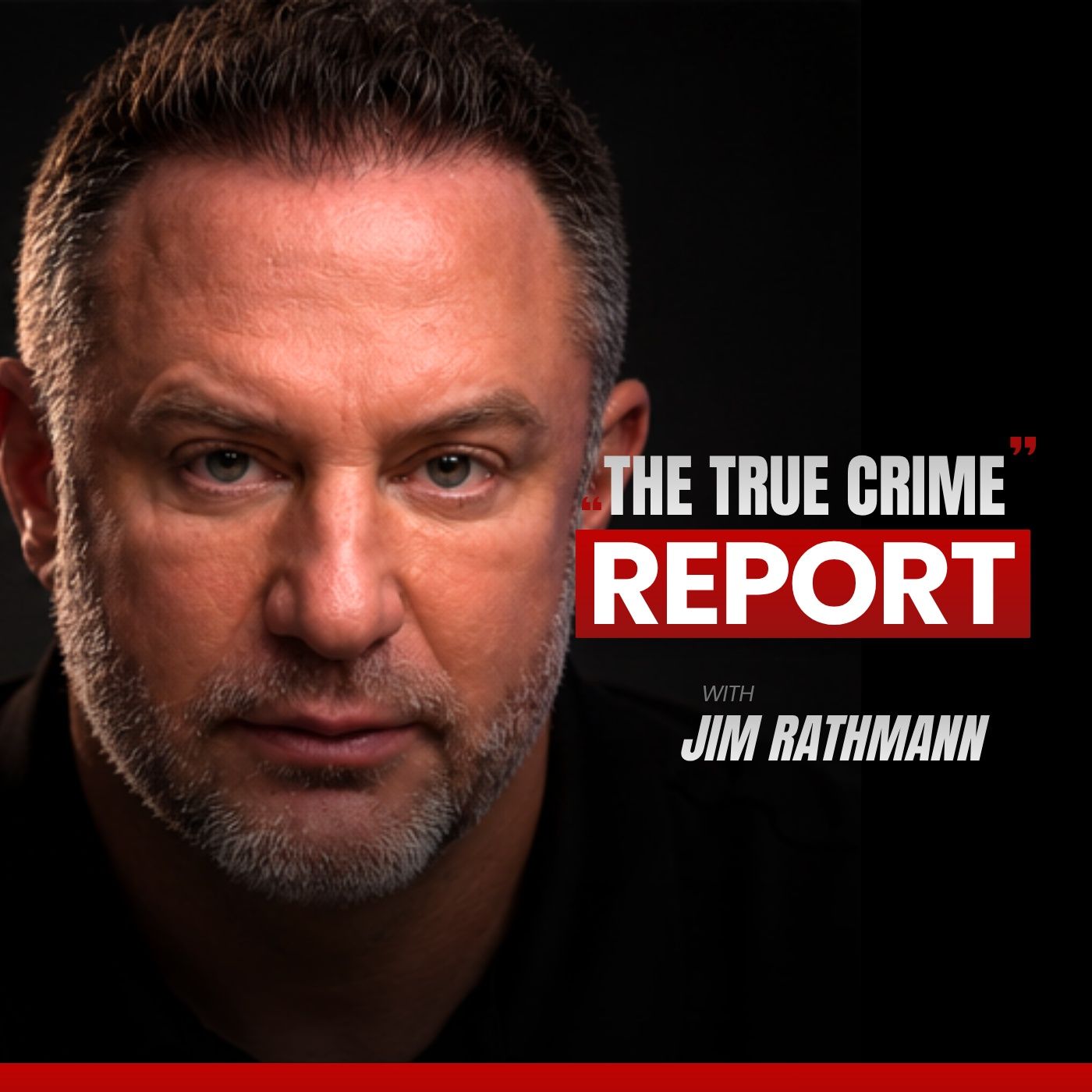
The True Crime Report with Jim Rathmann
Subscribed: 3Played: 183
Subscribe

© Copyright Hi Hello Labs Network
Description
Welcome to The True Crime Report with Jim Rathmann—where Bronze Star recipient, 82nd Airborne Division Captain, and former Secret Service agent Jim Rathmann takes a deep dive into some of the most complex and controversial true cases in America. A veteran of the police force and an experienced homicide investigator, Jim brings the same relentless dedication to his investigations that he did while serving as an Infantry Platoon Leader in Kandahar, Afghanistan, and as a decorated LSU athlete.
38 Episodes
Reverse
Was Aaron Spencer protecting his daughter, or was he guilty of murder? Former law enforcement professional Jim Rathmann investigates one of Arkansas' most controversial criminal cases in this episode of The True Crime Report.On October 8, 2024, Aaron Spencer discovered his missing 13-year-old daughter inside the truck of 67-year-old Michael Fosler, a man who was already facing sexual offense charges involving the same child. After forcing the vehicle off the road, Spencer fatally shot Fosler and was subsequently charged with second-degree murder.But the Aaron Spencer case is far more complicated than it initially appears.Jim Rathmann examines the circumstances surrounding the fatal shooting, the alleged violation of bond restrictions, missing dashcam evidence, the Arkansas Supreme Court's ruling regarding a gag order and the dismissal of Spencer's murder charge in June 2026.In this episode, we discuss:• The Aaron Spencer and Michael Fosler case timeline• What happened on October 8, 2024, in Lonoke County, Arkansas• The criminal charges against Michael Fosler• Alleged violations of bond conditions and protective orders• Aaron Spencer's second-degree murder charge• The missing dashcam SD card and potential evidence• Defense of others and the use of deadly force• The Arkansas Supreme Court's gag order ruling• The dismissal of Aaron Spencer's murder charge• Aaron Spencer's 2026 campaign for Lonoke County sheriff• Prosecutorial discretion and accountability• Whether the criminal justice system failed to protect a childThrough his professional law enforcement experience and perspective as a father, Jim challenges the prosecution's decisions and raises important questions about parental protection, criminal investigations, evidence collection and the American justice system.Was this murder or a father's attempt to protect his daughter? Should Aaron Spencer have been charged in the first place?Let us know your thoughts in the comments below.Subscribe to The True Crime Report with Jim Rathmann for more true crime investigations, criminal case breakdowns, law enforcement analysis, courtroom updates and in-depth discussions surrounding America's most controversial criminal cases.Stay tuned for more episodes to come where Jim will wrap up reveal the case.Follow Jim on Instagram: @therealjimrathmann-----------------------------------------------------Special thanks to our sponsor: Hi Hello Labs in Orlando, Florida, for powering and producing this show.Sponsored by: Hi Hello Labs (Orlando, FL)Produced at: Hi Hello Labs
Citibank Shooting in Brandon, Florida: Jacob Pearson, a $2,556 Debt, and the Security Officer Who Stopped the AttackWhat led to the deadly November 4, 2026, shooting at a Citibank corporate campus near Tampa, Florida? In this episode of The True Crime Report, Jim Rathman investigates the reported actions of 35-year-old Jacob Pearson, the fatal shooting of Citibank employee Leanne Selman, and the response of former Marine and armed security team member John Fraley.According to the timeline discussed in this episode, the violence began with a dispute over a $2,556 debt. Pearson allegedly threatened attorneys representing Citibank before traveling from Orlando to the corporate campus in Brandon, Florida.Despite authorities being alerted to the threats, the attack unfolded just hours later.THE CITIBANK SHOOTING: WHAT HAPPENED?On November 4, 2026, Pearson reportedly drove his vehicle through a security gate at the Citibank campus before opening fire.Leanne Selman, a 41-year-old Citibank employee of nine years, was fatally shot while in the courtyard.As the gunman continued toward the building, John Fraley, a former Marine serving on the facility's armed security team, confronted him and returned fire. Pearson was transported to Tampa General Hospital, where he later died from his injuries.IN THIS EPISODE, JIM RATHMAN BREAKS DOWN:The $2,556 Citibank debt dispute and lawsuitJacob Pearson's alleged threats against Citibank attorneysThe timeline of warnings to law enforcement and corporate securityThe fatal shooting of Leanne SelmanHow John Fraley confronted and stopped the gunmanThe importance of workplace security and emergency exit planningWhy violent threats must be taken seriouslyWhat businesses can learn about active shooter preparednessThe role of trained security personnel in preventing further casualtiesTHE BIGGER QUESTION: COULD THIS ATTACK HAVE BEEN PREVENTED?Jim Rathman examines the reported warning signs and the challenges law enforcement and corporate security teams face when a credible threat escalates into immediate violence.With a background in law enforcement and the military, Jim offers his perspective on threat assessment, situational awareness, workplace violence prevention, and the importance of reporting dangerous behavior.This case raises critical questions about how employers respond to threats, how quickly information reaches the right people, and what individuals can do to improve their personal safety.If you or someone you know believes they have experienced sexual assault, consider contacting local law enforcement, a hospital or qualified sexual-assault support organization for professional assistance.Subscribe to The True Crime Report for true crime investigations, law enforcement analysis, criminal case breakdowns, and Jim Rathmann's perspective on cases making headlines.-----------------------------------------------------Subscribe for more deep dives into cybercrime, investigations, and real-world threats.Comment below: What’s the biggest online safety concern you have for your family right now?Disclaimer: The content discussed in this episode contains descriptions of child exploitation, grooming, self-harm, and suicide. Listener discretion is strongly advised. The information shared is for educational and awareness purposes only and should not be considered legal or professional advice. If you or someone you know is in immediate danger, contact local law enforcement or the appropriate authorities right away.Stay tuned for more episodes to come where Jim will wrap up reveal the case.Follow Jim on Instagram: @therealjimrathmann-----------------------------------------------------Special thanks to our sponsor: Hi Hello Labs in Orlando, Florida, for powering and producing this show.Sponsored by: Hi Hello Labs (Orlando, FL)Produced at: Hi Hello Labs
The Cornell Seven case raised questions that extend far beyond Cornell University: What should someone do if they believe they were drugged or sexually assaulted? What happens if they don't report it immediately? Can investigators still build a sexual assault case months or years later? And how do alcohol, drugs, memory gaps, and incapacitation affect an investigation?In Part 2 of The True Crime Report's Cornell Seven Q&A, Jim Rathmann and Carlos answer listener questions about sexual assault investigations, reporting, evidence preservation, consent, delayed reporting, alleged drug-facilitated assault, and the investigative process.Drawing from his experience as a former criminal investigator, Jim discusses what investigators may look for when physical evidence is limited or no longer available. Text messages, witness accounts, videos, digital communications, clothing, previous statements, toxicology results, and other evidence may become important when reconstructing a timeline.The episode explores:• What to do after a suspected sexual assault• Where victims can seek help• Why preserving potential evidence can matter• What happens when someone suspects they were drugged• Delayed reporting of sexual assault• Whether a case can be investigated months or years later• Alcohol, drugs, incapacitation, and consent• Memory gaps following an alleged assault• What happens when a victim feels they weren't taken seriously• Resources available to sexual assault victims• Sexual assault involving male victims• Whether similar allegations from multiple people can affect an investigation• How investigators reconstruct a case without DNA evidence• The Cornell Seven Title IX investigation• Digital evidence, texts, videos, and communications• How investigators build a timeline• The evidence Jim would request if he were investigating the Cornell Seven case todayJim also explains what he would want to see first if he were handed the Cornell Seven investigation: the complete Title IX investigative report, law enforcement records, prosecutor records, the victim's statements, digital communications, video evidence, and a detailed timeline showing who allegedly communicated what — and when.This episode contains discussion of alleged sexual assault and may not be appropriate for all audiences.IMPORTANT: The Cornell Seven case discussed in this episode involves allegations that have not been proven in criminal court. Nothing discussed should be interpreted as a determination of guilt. Accused individuals are presumed innocent unless and until proven guilty.If you or someone you know believes they have experienced sexual assault, consider contacting local law enforcement, a hospital or qualified sexual-assault support organization for professional assistance.Subscribe to The True Crime Report for true crime investigations, law enforcement analysis, criminal case breakdowns, and Jim Rathmann's perspective on cases making headlines.-----------------------------------------------------Subscribe for more deep dives into cybercrime, investigations, and real-world threats.Comment below: What’s the biggest online safety concern you have for your family right now?Disclaimer: The content discussed in this episode contains descriptions of child exploitation, grooming, self-harm, and suicide. Listener discretion is strongly advised. The information shared is for educational and awareness purposes only and should not be considered legal or professional advice. If you or someone you know is in immediate danger, contact local law enforcement or the appropriate authorities right away.Stay tuned for more episodes to come where Jim will wrap up reveal the case.Follow Jim on Instagram: @therealjimrathmann-----------------------------------------------------Special thanks to our sponsor: Hi Hello Labs in Orlando, Florida, for powering and producing this show.Sponsored by: Hi Hello Labs (Orlando, FL)Produced at: Hi Hello Labs
The Cornell Seven case continues to generate major questions about the alleged sexual assault, Cornell University's Title IX investigation, consent, intoxication, digital evidence, and the possibility of future criminal charges.In this episode of The True Crime Report, former criminal investigator Jim Rathmann answers listener questions and breaks down the Cornell Seven case from a law-enforcement and investigative perspective.Why did prosecutors reportedly decline to bring criminal charges initially? Could the case now be reopened? What role could Cornell's Title IX investigation play? How might investigators analyze alleged Snapchat messages, group chats, photos, videos, witness statements, and other digital evidence? And could different members of the so-called "Cornell Seven" ultimately face different legal consequences based on their individual alleged conduct?Jim also discusses one of the most complicated issues surrounding the case: consent. What happens if someone initially consents to a sexual encounter but later becomes incapacitated or does not consent to additional participants? How do investigators reconstruct events when drugs, alcohol, trauma, memory, and conflicting accounts are involved?The episode explores:• Why prosecutors may initially decline a sexual assault case• The importance and limitations of DNA evidence• How delayed reporting can affect an investigation• Consent vs. incapacitation• How investigators reconstruct a timeline• Snapchat, group chats, photos, videos, and digital evidence• Cornell University's Title IX investigation• What could cause prosecutors to reopen a case• The difference between university discipline and criminal prosecution• Whether all seven accused men could face the same allegations or charges• Why individual conduct matters when investigating multiple suspects• The presumption of innocence and importance of allowing the investigative process to unfoldJim brings experience as a former criminal investigator and detective who has worked serious felony investigations, including homicide and sexual assault cases.This episode contains discussion of alleged sexual assault and may not be appropriate for all audiences.IMPORTANT: This episode discusses allegations and Jim Rathmann's analysis based on publicly discussed information. Allegations are not findings of guilt. All individuals accused of criminal conduct are presumed innocent unless and until proven guilty in a court of law.Subscribe to The True Crime Report for investigative breakdowns, criminal case analysis, and a law-enforcement perspective on the cases making headlines.-----------------------------------------------------Subscribe for more deep dives into cybercrime, investigations, and real-world threats.Comment below: What’s the biggest online safety concern you have for your family right now?Disclaimer: The content discussed in this episode contains descriptions of child exploitation, grooming, self-harm, and suicide. Listener discretion is strongly advised. The information shared is for educational and awareness purposes only and should not be considered legal or professional advice. If you or someone you know is in immediate danger, contact local law enforcement or the appropriate authorities right away.Stay tuned for more episodes to come, where Jim will wrap up reveal the case.Follow Jim on Instagram: @therealjimrathmann-----------------------------------------------------Special thanks to our sponsor: Hi Hello Labs in Orlando, Florida, for powering and producing this show.Sponsored by: Hi Hello Labs (Orlando, FL)Produced at: Hi Hello Labs
The Cornell 7 case is drawing national attention as allegations of sexual assault at Cornell University raise major questions about consent, campus safety, Title IX investigations, law enforcement, and what happens when an alleged crime is reported weeks after it occurs.In this episode of True Crime Report, former law enforcement investigator Jim Rathmann breaks down the Cornell University case from an investigative perspective.According to the allegations discussed in the episode, a female Cornell student, identified publicly as Jane Doe, reported an alleged sexual assault involving multiple male students following a night involving alcohol and ketamine. Jim examines why the timeline of the report matters to investigators, how delays can affect DNA and forensic evidence, and how prosecutors attempt to reconstruct an alleged sexual assault when physical evidence may no longer be available.Jim also examines Cornell University’s Title IX investigation and the disciplinary actions discussed in the episode, including expulsions and suspensions, while asking a larger investigative question: What information was uncovered by the university, and was everything potentially relevant made available to criminal investigators and prosecutors?The conversation goes beyond one case. Jim discusses:• The Cornell 7 allegations• Cornell University and campus sexual assault• Title IX investigations vs. criminal investigations• Sexual consent and severe intoxication• Alcohol and ketamine• Delayed reporting of sexual assault• DNA and forensic evidence• Witness statements and digital evidence• Fraternity culture and campus safety• The responsibilities of universities and law enforcement• Why sexual assault victims may wait before reporting• The dangers of online harassment and public judgment before an investigation is completeJim emphasizes that a delayed report does not mean an assault did not occur, noting his own experience investigating sexual assault cases and encountering victims who did not immediately come forward.This is an investigative analysis of allegations and publicly discussed claims. The allegations discussed have not necessarily been proven in criminal court. All accused individuals are presumed innocent unless proven guilty.CONTENT WARNING: This episode contains graphic discussion of alleged sexual assault, alcohol, drug use, and consent.Subscribe to True Crime Report for more criminal investigations, breaking true crime cases, law enforcement analysis, and discussions of the evidence behind the headlines.--------------------------------Subscribe for more deep dives into cybercrime, investigations, and real-world threats.Comment below: What’s the biggest online safety concern you have for your family right now?Disclaimer: The content discussed in this episode contains descriptions of child exploitation, grooming, self-harm, and suicide. Listener discretion is strongly advised. The information shared is for educational and awareness purposes only and should not be considered legal or professional advice. If you or someone you know is in immediate danger, contact local law enforcement or the appropriate authorities right away.Stay tuned for more episodes to come, where Jim will wrap up reveal the case.Follow Jim on Instagram: @therealjimrathmann----------------------------------Special thanks to our sponsor: Hi Hello Labs in Orlando, Florida, for powering and producing this show.Sponsored by: Hi Hello Labs (Orlando, FL)Produced at: Hi Hello Labs

Comments

Download from Google Play

Download from App Store
 United States