


 Claim Ownership
The Vinyl Guide - Artist Interviews for Record Collectors and Music Nerds
Subscribed: 2,027Played: 73,960
Subscribe

© TheVinylGuide.com interview is property of Nate Goyer. Featured songs are the property of their copyright holders, used with their permission.
Description
Nate is a record collector, music lover and vinyl maniac. Join him on his journey to discuss, share and review all things related to vinyl records. We feature stories about and interviews with musicians, artists and people of knowledge in the area of vinyl records. Additionally we share information on desirable pressings of records, how to tell a $5 pressing from a $500 pressing and care and maintenance for your cratedigging hobby. Subscribe and share with your record-nerd friends. Cheers!
543 Episodes
Reverse
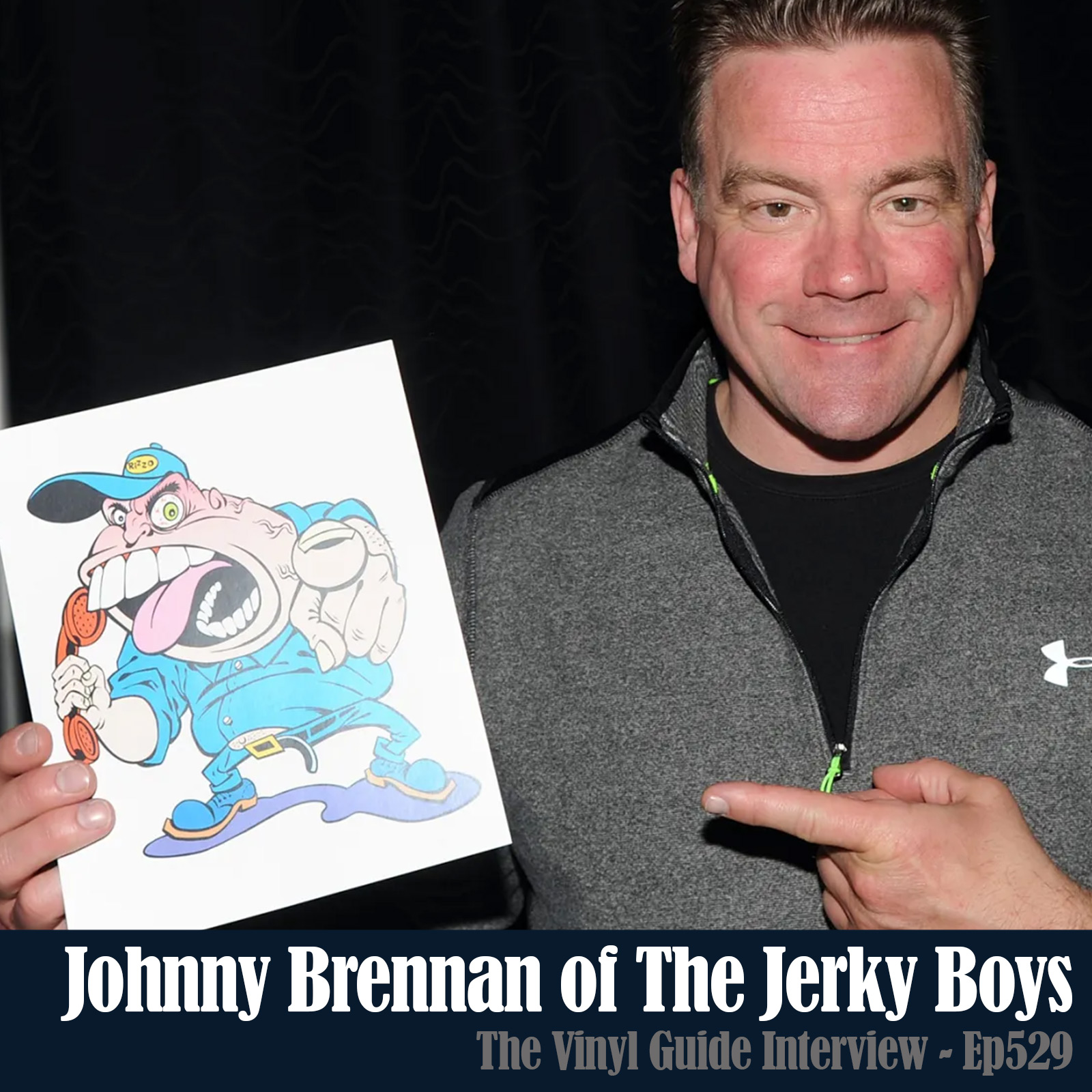
Johnny Brennan reveals how The Jerky Boys' underground cassette tapes became an American comedy phenomenon, spreading from NYC musicians to Howard Stern's radar before landing an Atlantic Records deal and finding success with voiceover work on Family Guy. Get yerself (or a friend) a Cameo holiday video from Johnny Brennan here Topics Include: Johnny Brennan reveals The Jerky Boys infiltrated American vocabulary for over five decades People still answer phones with "tough guy" and use Jerky Boys catchphrases daily Johnny started creating characters on tape for his brothers back in the 1960s Father's threat to "put boot in ass" drove kids to creative outdoor activities Nine-year-old Johnny was already doing fake sportscasting with neighborhood friends on tape Looking through Buy Lines magazine for trucks sparked idea to record prank calls First recordings made on boombox intended just for family gatherings upstate New York All characters based on real people: Frank Rizzo was Johnny's father's personality Sweet innocent voice character came directly from observing his mother's speaking style Friend Kamal discovered forgotten tapes and declared them funniest things he'd ever heard Kamal distributed copies to musician friends throughout NYC's Village music scene underground Tape trading exploded nationwide through word-of-mouth before internet or computers existed Howard Stern desperately searched on-air for mysterious Frank Rizzo character's true identity Atlantic Records' Ahmet Ertegun signed band after discovering underground cult phenomenon spreading Johnny's mom actually came up with "The Jerky Boys" name for the act Catchphrases like "sizzle chest" and "milky licker" were completely spontaneous during calls Johnny spent incredible week with Ozzy Osbourne filming The Jerky Boys movie Currently voices Mort Goldman on Family Guy for over twenty-one consecutive years Records at professional studio thirty seconds from home, works with hardcore bands Offers personalized Cameo messages, giving special shoutout to Australian fans after forty years High resolution version of this podcast is available at: www.Patreon.com/VinylGuide Apple: https://tinyurl.com/tvg-ios Spotify: https://tinyurl.com/tvg-spot Amazon Music: https://tinyurl.com/tvg-amazon Support the show at Patreon.com/VinylGuide
SNFU founders Marc and Brent Belke discuss band history, rare recordings, records, vinyl reissues on Trust Records, upcoming events at the Punk Rock Museum & more. Topics Include: Marc and Brent Belke join from Vancouver and Victoria to discuss SNFU's December 5th Punk Rock Museum exhibit and album re-release. The exhibit coincides with Trust Records' re-release of SNFU's debut album "...And No One Else Wanted to Play" with extensive extras. The re-release includes a 53-page booklet with rare photos, interview excerpts, and a full record of early demos and alternate versions. The exhibit features band paraphernalia, posters, t-shirts, and artwork, originally displayed at a Saskatchewan museum last summer before moving to Vegas. Marc and Brent will provide guided tours at the Punk Rock Museum and participate in a roundtable discussion on December 5th. The brothers describe Edmonton's early 1980s scene as intimate with only 50 people, mixing new wave, rockabilly, and emerging hardcore sounds. Getting punk records in Alberta meant ordering from New York stores via mail, waiting two months, and receiving only 25% of selections. Pivotal records included Bad Brains' ROIR cassette, Let Them Eat Jellybeans compilation, Sex Pistols' debut, and Minor Threat's Out of Step. The LA hardcore scene heavily influenced SNFU, with bands like Circle Jerks, Social Distortion, and Youth Brigade making significant impressions. SNFU formed when Marc and Brent's band lost members, recruiting bassist Curtis and drummer Evan Kaufmann based on personality over experience. Singer Chi Pig brought irreverent humor and sarcastic lyrics that became central to SNFU's identity and separated them from serious hardcore bands. The band recorded their debut album in two weeks with limited preparation, creating the raw energy that defined their sound. Early SNFU combined hardcore speed with melodic elements, drawing from both aggressive punk and bands like The Damned and Buzzcocks. The band signed with BYO Records for their second album, appreciating the DIY ethos and direct artist-to-label relationship. SNFU toured extensively across North America, playing everywhere from established venues to DIY spaces and experiencing varied punk scenes nationwide. The brothers discuss how the band's legacy feels incomplete, with the Trust re-release helping emphasize positive aspects of their history. Brent left SNFU to attend music school, studying jazz and strings, and now works creating music for film projects. Marc emphasizes Trust Records' meticulous approach, taking four years to perfect the release compared to SNFU's tendency to rush. Both brothers have never visited the Punk Rock Museum and look forward to experiencing it while giving tours on December 5th. High resolution version of this podcast is available at: www.Patreon.com/VinylGuide Apple: https://tinyurl.com/tvg-ios Spotify: https://tinyurl.com/tvg-spot Amazon Music: https://tinyurl.com/tvg-amazon Support the show at Patreon.com/VinylGuide
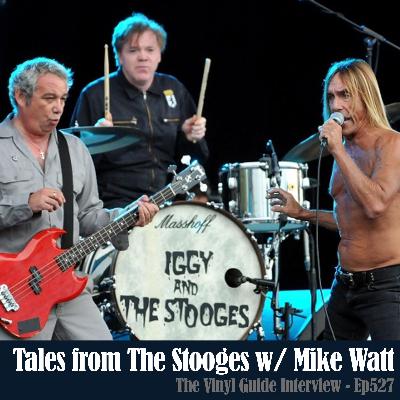
Mike Watt played with Iggy & The Stooges for over 10 years - today he shares all about his times with the brotherhood - Iggy, the Asheton Brothers, Steve Mackay, the comeback tours, The Weirdness, the end of the road and more! Topics Include: Mike Watt discusses new Record Store Day release: 40-minute version of "We Will Fall" Without the Stooges, Watt believes punk movement wouldn't have existed as we know it Played with Stooges for 126 months after Iggy Pop called him in 2003 First heard Funhouse in 1970-71 when most people dismissed the band entirely Stooges music helped Watt recover from serious illness 25 years ago Initially met Ronnie Asheton at Minutemen gigs in Detroit's Greektown neighborhood Played with Ronnie in 1996 for Todd Haynes film Velvet Goldmine Iggy and Ronnie hadn't spoken for 29 years before 2003 reunion Watt received fateful call at Tallahassee club: "Ronnie says you're the man" Iggy's first concern: Would Watt wear T-shirt instead of flannel? "Fuck yeah" Thought Coachella would be one-off gig, became decade-long musical journey Being youngest member at 45 allowed Watt to absorb everything from legends Asheton brothers had telepathic connection, communicated through rhythm more than words Lost Ronnie in 2009, Brother Steve in 2014-2015: "You always think you got time" Watt never wore same T-shirt twice during entire Stooges tenure One time played shirtless in New Orleans after wearing orange triggered Iggy's nightmare After Ronnie died, switched from T-shirts to black flannel honouring his memory Final years wore Dickies work clothes, embracing mechanic aesthetic Iggy appreciated Still calls Iggy every April 21st for his birthday, ringtone is "TV Eye" Instrumental tribute albums with Larry Mullins represent "paying back the debt" High resolution version of this podcast is available at: www.Patreon.com/VinylGuide Apple: https://tinyurl.com/tvg-ios Spotify: https://tinyurl.com/tvg-spot Amazon Music: https://tinyurl.com/tvg-amazon Support the show at Patreon.com/VinylGuide
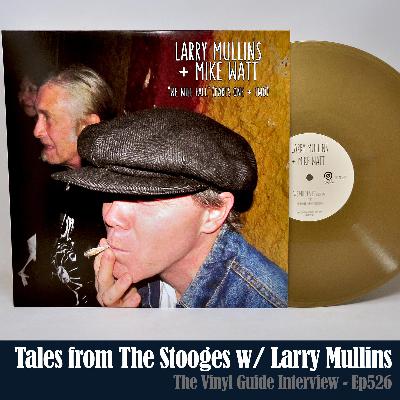
Larry Mullins (Stooges, Swans, Nick Cave) discusses his love of the Stooges, playing with Iggy and the Asheton Brothers and shares how he and Mike Watt reworked several Stooges tracks for multiple Record Store Day releases, including a 40-minute version of "We Will Fall", available RSD-BF 2025. Topics Include: Larry Mullins discusses Stooges tribute project with Mike Watt, creating extended instrumental versions Record Store Day release features 40-minute version of "We Will Fall" from the Stooges Mike Watt initiated project after Steve Mackay's death as band tribute without vocals Recording involves aggressive nine-minute live takes with bass representing lead vocal parts Sessions happen in San Pedro with releases on seven-inch records that fade between sides Songs like TV Eye, 1969, 1970, Fun House only available on limited seven-inch releases Pandemic interrupted recording process, forcing creative remote collaboration between Berlin and San Pedro "We Will Fall" chosen specifically because original had no drums, allowing remote recording Brian Kehew mastered Rhino reissues, revealed original Stooges takes were 12-15 minutes long John Cale edited and faded original lengthy jams into known three-minute song versions Stooges wrote most songs at Chelsea Hotel night before recording first album sessions Band originally performed as wild improvisational psychedelic jam band before structured songs Recording process involved jamming songs for entire tape reel length, then editing down Story reveals Steve Mackay's green saxophone matched his deteriorating health but sounded fantastic Limited to 1,000 copies globally, pushing boundaries furthest of all their tribute releases High resolution version of this podcast is available at: www.Patreon.com/VinylGuide Apple: https://tinyurl.com/tvg-ios Spotify: https://tinyurl.com/tvg-spot Amazon Music: https://tinyurl.com/tvg-amazon Support the show at Patreon.com/VinylGuide
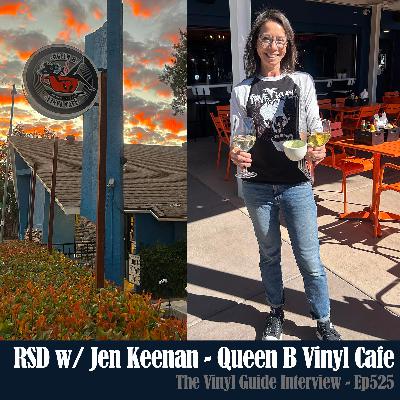
Jen Keenan reveals how she built a thriving vinyl destination in rural Arizona, Queen B Vinyl Cafe, combining record sales with coffee roasting, ramen, and live music in a 12,000-person town. Topics Include: Jen Keenan owns Queen B Vinyl in Cottonwood, Arizona, a unique multi-business destination spot Record Store Day philosophy focuses on obscure, abstract, and smaller indie bands over mainstream releases RSD features 9am opening, numbered line system, DJs, live bands, and free chair massage Record stores can choose RSD titles but quantities received remain unpredictable surprises Queen B Vinyl spans two buildings with courtyard, housing vinyl, cafe, barbershop, ramen house Coffee roasting happens in-house alongside direct-to-garment printing press and live music stage Cottonwood serves as crossroads for tourists heading to Jerome, Sedona, and Grand Canyon Maynard James Keenan's presence helped amplify area's wine industry from handful to 100 wineries Rural record stores require more advertising and unique inventory unavailable at big box stores Used vinyl comprises 30% of inventory, with curated selection over quantity focus Jen drives five hours to Tucson for quality collections like 80s metal acquisitions After school music programs inspired Jen's punk rock journey from trumpet to cello Band Glitter Wizard emerged from record store workplace, requiring careful schedule coordination Queen B stocks diverse punk releases, carefully avoiding exclusion based on political perspectives Vinyl manufacturing delays from nine-month backlog created significant challenges for store operations Small town stores thrive through exceptional customer service recognizing individual preferences and needs Pandemic surprisingly improved business by bringing new audiences to smaller town locations Falconry hobby involves training hawks with telemetry tracking within one-mile range Jen and Maynard maintain separate vinyl collections despite sharing everything else Tool vinyl represses remain frustratingly delayed, creating bootleg market opportunities Rural record stores serve as essential community spaces beyond commercial transactions High resolution version of this podcast is available at: www.Patreon.com/VinylGuide Apple: https://tinyurl.com/tvg-ios Spotify: https://tinyurl.com/tvg-spot Amazon Music: https://tinyurl.com/tvg-amazon Support the show at Patreon.com/VinylGuide
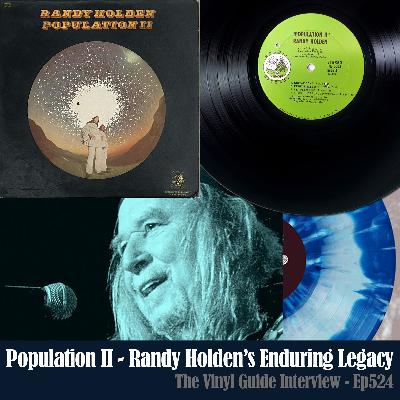
Guitar pioneer Randy Holden reveals how record label incompetence destroyed his 1970 masterpiece Population II, leading to depression, exile in Hawaii, and eventual vindication through cult status. Get Population II and III at Riding Easy Records or preorder Population II reissue at Noble Records online Topics Include: Randy Holden is surprised Population II remains influential after recording it in 1970 He knew it would be big—there was nothing like it musically then Population II was ready to release with Sun Amplifiers sponsoring monthly magazine ads National promoters wanted to book shows but needed the album released first Hobbit Records delayed release for eight or nine months, destroying Randy's career The label wouldn't release the record or let Randy out of his contract Owner Leonard Poncher's background was Latino music and auto parts wholesaling Randy was creating a new form of music that became known as heavy metal Poncher's lawsuit with MCA distribution completely tied up the album's release Recording Population II went smoothly with Randy overdubbing all bass parts himself He used four to eight amps recording through a Fender Jazz Bass Engineer Hank Cicalo placed three mics at different distances for guitar tone Randy pioneered mixing through car speakers instead of massive studio monitors His original mix had full dynamics with sweeping highs and lows Mastering engineers destroyed the mix, cutting frequencies to prevent needle skips Randy joined Blue Cheer replacing Dickie Peterson but left over musical differences Blue Cheer wanted shorter songs while Randy pursued extended musical compositions He formed Population II with Chris Lockheed on keyboards and organ bass pedals The name meant two people creating massive sound usually requiring four musicians Randy's guitar journey began with Fender IV, then Sons of Adam The Other Half featured Randy's early heavy guitar work before Blue Cheer He recorded Guitar God album in 1997 after decades away from music Nobody knows the original Population II pressing number Recent remasters by engineers in New York and Smokey Taylor improved the sound Randy's broken ring finger now prevents him from playing guitar properly He manipulated audiences' emotions playing solos through walls of amps for thousands Randy considers music like movies—"Land of the Sun" is theatrical drama Playing live was his reason for living, creating heavenly musical moments His legacy continues through reissues on Riding Easy Records reaching new generations Extended and High resolution version of this podcast is available at: www.Patreon.com/VinylGuide Apple: https://tinyurl.com/tvg-ios Spotify: https://tinyurl.com/tvg-spot Amazon Music: https://tinyurl.com/tvg-amazon Support the show at Patreon.com/VinylGuide
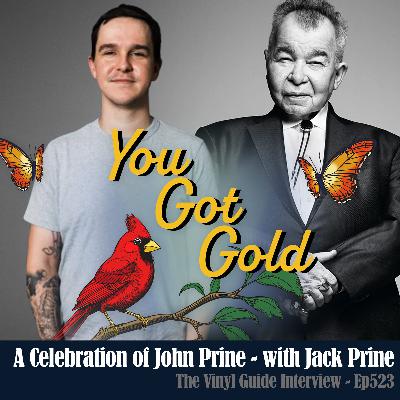
Jack Prine shares intimate stories about his legendary father John Prine, discusses the new "You Got Gold" movie, the history and state of "Oh Boy Records" and reveals intentions for unreleased recordings from the family archives. Check out screenings of "You Got Gold - A Celebration of John Prine" here Topics Include: Jack Prine discusses "You Got Gold" film celebrating his father John Prine's legacy Film originated through family friend connection at Radical Media, directed by Michael John Warren Documentary captures 2022 Ryman concert series benefiting the Hello In There Foundation Foundation started after John's death in April 2020, helping family navigate grief Jack reflects on balancing family's personal grief with fans' collective loss Film features collaborators like Bonnie Raitt, Lucinda Williams sharing stories and performances Many people know John Prine's songs without realizing he wrote them Movie bridges generations from Dwight Yoakam to Tyler Childers and Jason Isbell Tyler Childers shares quirky story about John keeping Dairy Queen coupon in wallet Jack's legal name is John Patrick Prine; uses Jack to separate identity Growing up in Nashville, didn't have special musicians' kids friend group Jack joined family business at Oh Boy Records after college, learning the ropes Worked in warehouse initially, understanding physical product and distribution fundamentals Oh Boy Records started in 1984 as fiercely independent label maintaining creative control Archives contain decades of unreleased recordings being carefully curated for future releases Lost Dogs deluxe edition recently released with unheard track "Hey, Aw, Nothing" John Prine disliked his debut album cover showing him on hay bale John was technologically simple, kept flip phone until he died, browsed cars on eBay 80th birthday celebration planned for October, possibly in Chicago rather than Nashville Jack's lessons from father: live in the moment and always give to others Extended and High resolution version of this podcast is available at: www.Patreon.com/VinylGuide Apple: https://tinyurl.com/tvg-ios Spotify: https://tinyurl.com/tvg-spot Amazon Music: https://tinyurl.com/tvg-amazon Support the show at Patreon.com/VinylGuide
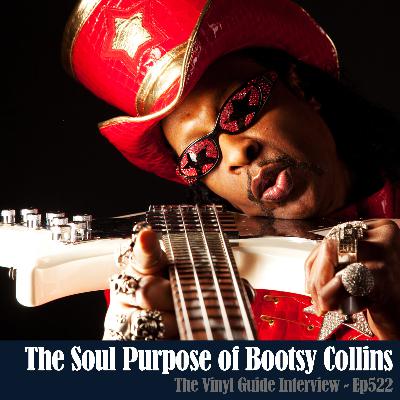
Bootsy Collins shares tales of P-Funk, Praxis, Buckethead and community work, philanthropy and mental health advocacy. Bootsy online | Bootsy & Buckethead single | "Is there Anybody Out There" podcast Topics Include: Bootsy's philanthropy and community work Bootsy reveals music now has purpose beyond just making people feel good "If you ain't chasing something, there's no reason to hunt" - finding new motivation From chasing girls and highs on tour to discovering why he still makes music Always gave back to unknown musicians like Buckethead before they became famous Opens up about mental health struggles when he got "too blown up" New "Metal Health" album with Buckethead addresses mental health for everyone First Buckethead collaboration was 1991's "Bucketheadland" recorded in Cincinnati Praxis exploded when Bill Laswell joined Bootsy, Buckethead, Bernie Worrell, and Brain Complete Strangers caught King Records' attention, leading to James Brown discovering them James Brown demanded everything tight; George Clinton allowed creative freedom and experimentation Most P-Funk classics were created spontaneously "while the tape was running" Both Bootsy and Buckethead must wear their signature headgear while recording Eddie Hazel's solo album used Bootsy's instrumental tracks - George's "superhero" vision Reveals George Duke's "Reach For It" is the funk hit he wishes he was on High resolution version of this podcast is available at: www.Patreon.com/VinylGuide Apple: https://tinyurl.com/tvg-ios Spotify: https://tinyurl.com/tvg-spot Amazon Music: https://tinyurl.com/tvg-amazon Support the show at Patreon.com/VinylGuide
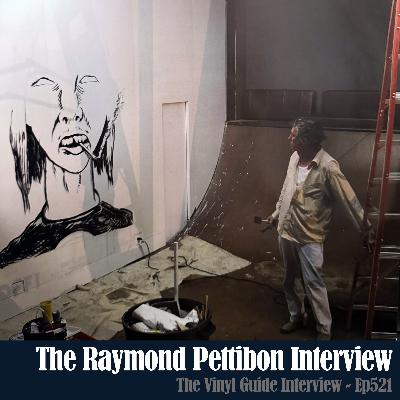
In an extraordinarily rare interview, artist Raymond Pettibon discusses his journey, from early punk rock works to present day artistic themes, technique and rhythms, the Getty archives and more. Topics Include: Raymond Pettibon has been drawing constantly since childhood, "always with a pen in hand" Started with crayons, pastels, pencil - India ink came later as too messy Early influences included Albrecht Dürer, etchings, and comic book art equally Self-taught artist who learned through trial and error, never attended art school Studied economics in college, bringing analytical thinking to his art practice Approaches work as fine art, not commercial art, values creative freedom Rarely takes commissions - the more constraints, the less he likes it Band artwork usually selected from existing drawings rather than commissioned pieces Black Flag's "Nervous Breakdown" images came from his "Captive Chains" book Artwork inspired by "Blackboard Jungle" film - students destroying teacher's jazz records Has experience teaching, can identify with teacher-student conflicts from that period Left SST Records in 1985-86 due to oppressive environment Describes certain subjects he returns to repeatedly over the decades Works on multiple drawings simultaneously, some remaining unfinished for years Enters a meditative "fugue state" when drawing or writing Never experiences artist's block - blank paper doesn't intimidate him Believes he can write about any subject with natural fluency Doesn't plan series - they develop organically through returning to themes Sometimes works directly on gallery walls during exhibitions for coherence Used to work all day and night when deeply engaged Dislikes deadlines - they make work harder, not easier for him Sees deadlines as triggering psychological rebellion despite wanting to please collectors Hates when people suggest ideas - it "breaks the spell" Admits he's not the greatest draftsman but learned on the job Recently donated personal archive to Getty Research Institute for scholarly access Participated in Getty's research scholar program, one artist among academics Program reconnected him with economics after years away from the discipline Still has unfinished drawings in studio, some over 30 years old Currently creating less due to frustrations with art world dynamics Values complete artistic freedom - no curator has ever asked him to change High resolution version of this podcast is available at: www.Patreon.com/VinylGuide Photo by John Newsom Apple: https://tinyurl.com/tvg-ios Spotify: https://tinyurl.com/tvg-spot Amazon Music: https://tinyurl.com/tvg-amazon Support the show at Patreon.com/VinylGuide
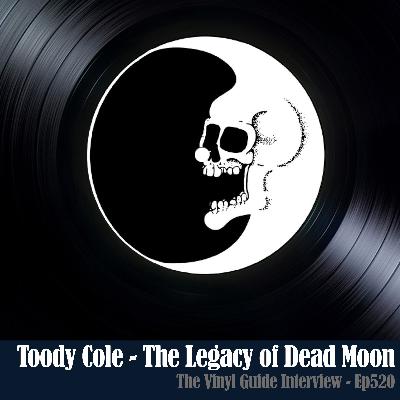
Toody Cole of Dead Moon discusses their vinyl rarities, the DIY ethic of the band, owning a mono cutting lathe, refusing major labels, inspiring a generation of musicians around the world. DeadMoonUSA.com | Zipper LP Reissue | Melbourne 2025 shows Topics Include: Toody Cole rushing to airport to retrieve guitar from Spain before Australian tour November 2025 Melbourne shows - jumping on Jenny Don't and the Spurs tour dates First time in New Zealand described as most fun tour ever - prehistoric landscapes Missed Nirvana tour opportunity due to Fred's rule: never cancel committed gigs Fred restored a 1954 mono cutting lathe from pieces using xeroxed manual Machine had tubes like mason jars that dimmed house lights when powered up First 45 cut on the lathe was "Hey Joe" and "Parchment Farm" The Weeds played Vegas Teen Beat Club in the hullabaloo/shindig TV era Teen Beat Records pressing was probably only 300-500 copies maximum Fred never owned original Weeds single - got it back from younger sister Lollipop Shop nightmare: Fred sold publishing for $1, forced into pink sweater Manager claimed Fred Cole was stage name, real name "Freddy Colletti" - totally false Zipper lived in their house, practiced in basement - "70s butt rock" era Captain Whizeagle store name came from Fred's children's story about Snake Troopers 1970 Yukon homesteading attempt broke down outside Whitehorse, changed everything Dead Moon started after splitting business partnership, opening Tombstone Music in 1986 Kelly Manahan drew logo through dozen iterations - Fred kept demanding "gnarlier!" Fred hand-cut moon into graveyard photo for first album cover artwork All early Dead Moon records were mono because lathe couldn't cut stereo Major labels approached during grunge explosion - Fred refused after Lollipop Shop experience Seattle grunge bands were young kids attending Dead Moon's late-80s shows Fred embarrassed by "godfather of grunge" label despite obvious influence on scene Everything DIY: owned stores, cut masters, designed covers, kept all control Portland celebrates Dead Moon Night annually on October 5th with cover bands Fred handpicked songs for Echoes compilation - now 4LP vinyl box set 2017 final European tour with Fred already sick from bone cancer Fred passed November 2017 leaving unfinished songs Toody can only hear mentally House is unofficial Dead Moon museum: lathe, stampers, posters, worn cowboy boots New documentary coming with backstage footage showing band's view of audiences Toody's favorite Dead Moon song "My Escape" was never performed live High resolution version of this podcast is available at: www.Patreon.com/VinylGuide Apple: https://tinyurl.com/tvg-ios Spotify: https://tinyurl.com/tvg-spot Amazon Music: https://tinyurl.com/tvg-amazon Support the show at Patreon.com/VinylGuide
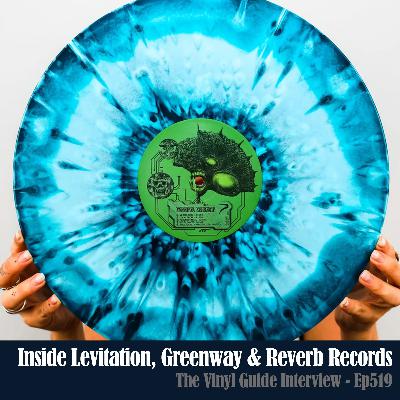
Record nerd Harry Portnof started Greenway Records, revived Reverb Appreciation Society, and now leads Levitation's label operations - today we discuss the elaborate vinyl variants and the clear passion for music the Levitation festival inspires. Topics Include: Harry Portnof runs Greenway Records, Levitation, and Reverberation Appreciation Society labels. Dad blasted southern rock and Allman Brothers at excessive volumes throughout childhood. Discovered dad's CD collection, dove deep into classic rock discographies. Taught himself guitar in high school after getting kicked off tennis team. Found grandmother's records in attic with broken turntable playing in mono. Mesmerized by grooves holding information, felt more futuristic than digital files. Got Project turntable in college, started seriously collecting vinyl records. College dorm had file sharing programs to download everyone's music collections. Became obsessed with seven-inch singles and exclusive B-side hunting on Discogs. Studied accounting, got CPA, worked Manhattan while spending money on records. Brooklyn DIY scene 2010-12: Death by Audio, Glasslands, 285 Kent venues thriving. Third Man Records inspired with collectible releases, impossible to get from New York. Playing in surf rock cover band The Midnight Snacks around Long Island. Started Greenway with friend Joey's pop punk band, 300 hand-screened seven-inches sold. Online forum of ten new labels supporting each other, Greenway only one remaining. Artist Dan Curran created lino cut covers for first thirty Greenway releases. Met LA Witch outside Music Hall, promised European tour records in two months. LA Witch success led to more touring bands wanting Greenway releases. Met Levitation founder Rob Fitzpatrick backstage at Desert Daze festival in California. Pandemic hit, launched Levitation Sessions producing concert films with thirty bands. Suddenly working with dream artists like Ty Segall and The Oh Sees. Levitation started as Austin Psych Fest in 2008, became major three-day festival. Flash flood disaster canceled festival one year despite bands and fans arriving. Austin's psych legacy rooted in 13th Floor Elevators and Rocky Erickson era. Levitation Sessions are filmed concerts; Live at Levitation are actual festival recordings. King Gizzard bootleg program allows labels to press their live shows freely. Learned vinyl manufacturing hands-on at New Jersey plant, experimenting with color pours. Most proud of Frankie and the Witch Fingers KEXP recording for Record Store Day. Market tightened post-pandemic, had to adjust pressing quantities and strategy accordingly. Creates regional variants for Australia, UK, EU retailers using Precision Record Pressing. High resolution version of this podcast is available at: www.Patreon.com/VinylGuide Apple: https://tinyurl.com/tvg-ios Spotify: https://tinyurl.com/tvg-spot Amazon Music: https://tinyurl.com/tvg-amazon Support the show at Patreon.com/VinylGuide
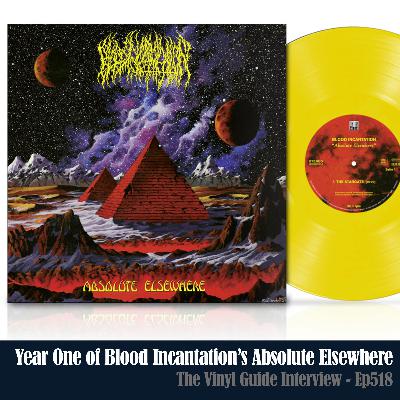
Paul Riedl and Morris Kolontyrsky of Blood Incantation discuss the incredible 1st year of the album "Absolute Elsewhere", how it's transformed their lives and art, the creation of the record, the band's deep interest in vinyl collecting and lots more. Enter to win a signed vinyl copy of "Absolute Elsewhere" by becoming a sponsor at Patreon.com/VinylGuide Topics Include: Absolute Elsewhere transformed their lives: bigger venues, mainstream press, entirely new audiences. Album allows new stage production; band already writing faster than ever before. Now headlining shows in US; Europe tours were always headliners, just smaller. Forbes called it one of most important death metal records in history. Record serves as gateway, exposing listeners to extreme metal and progressive influences. Vinyl LP format is their artistic endpoint; last two albums are side-long tracks. Twenty-minute sides provide perfect breathing room for their narrative-driven compositions and riffs. Maxed out Pro Tools voices at Hansa Studios during Absolute Elsewhere recording sessions. First three records recorded live on analog tape; complete takes, minimal punch-ins. Absolute Elsewhere used hybrid approach: drums on tape, then built digitally with Arthur. Recording live on tape creates collective synergy and tension they want captured. Band uses Oblique Strategies cards; asks "what would Trey, Chuck, or Eno do?" Paul designs all layouts; collects test pressings and creates prototype covers himself. Searching for roughly 200 more records; has specific rare pressings in mind. Weakling's Dead as Dreams LP extremely rare; basement flood destroyed most copies. Double album versus double LP distinction: complementary discs versus interrupted single work. Songs start with riffs that suggest where to go; excitable band keeps moving. Timewave Zero was critical palate cleanser enabling more holistic collaborative approach forward. Tangerine Dream collaboration manifested unexpectedly; Thorsten used vintage Edgar Froese Mellotron samples. Future dreams include Brian Eno, Steve Roach; already have secret collaborations lined up. High resolution version of this podcast is available at: www.Patreon.com/VinylGuide Apple: https://tinyurl.com/tvg-ios Spotify: https://tinyurl.com/tvg-spot Amazon Music: https://tinyurl.com/tvg-amazon Support the show at Patreon.com/VinylGuide
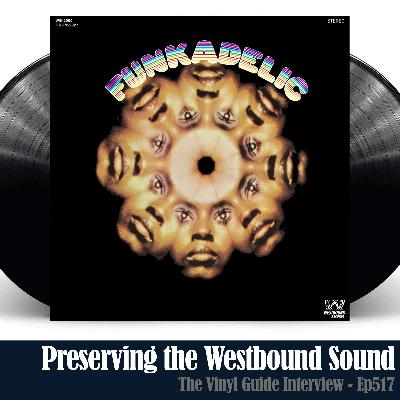
Mastering Engineer Dave Gardner & Audio Archivist Catherine Vericolli discuss the preservation of the Westbound Records audio catalogue, including the masters of legendary recordings by Funkadelic, The Counts, Ohio Players & more. Topics Include: Dave Gardner (mastering engineer) and Catherine Vericoli (archivist) introduce their specialized roles Mastering serves as link between creative process and manufacturing standards Catherine transfers analog tapes to highest possible digital quality preservation Physical restoration work includes extensive mold and splice remediation tasks Much archival work involves "audio archaeology" detective work with clues Working backwards from incomplete information when documentation is missing completely Common assumption that old records were always done "the right way" Reality reveals beloved records often weren't made using proper methods Got rare access to examine entire Westbound Records collection together Westbound Records started late 1960s by distributor Armin Bolodian in Detroit Detroit-based independent label achieved regional success with multiple hit records Funkadelic, Ohio Players, Detroit Emeralds were among their major successful acts Complete catalog reissue approach rather than cherry-picking just popular hits Assets moved between multiple locations over decades, not everything returned Found various generations and copies of tapes for each release Maggot Brain original masters were believed to be permanently missing Discovery of missing masters hidden in completely unmarked white archive boxes Original tape playback speeds rarely match speeds of vinyl releases Spent entire week meticulously fine-tuning correct playback speeds for accuracy Academic ethnomusicologist confirmed musical key was wrong on commercial releases Many recent European reissues contain fundamentally inaccurate speed and sound Double 45 RPM format avoids sonic compromises required for long sides 27-minute album sides on 33 RPM required major audio quality sacrifices All-analog cutting process preserves original sound character without digital conversion Unreleased material exists primarily in unprocessed multitrack tape format only Dennis Coffey played guitar on many more Funkadelic recordings than known Analog tape degradation accelerating rapidly, especially problematic for digital formats Cultural preservation mission drives their passionate collaborative archival restoration work Asset paranoia and trust issues affect access to important historical recordings Primary motivation remains saving irreplaceable music for all future generations High resolution version of this podcast is available at: www.Patreon.com/VinylGuide Apple: https://tinyurl.com/tvg-ios Spotify: https://tinyurl.com/tvg-spot Amazon Music: https://tinyurl.com/tvg-amazon Support the show at Patreon.com/VinylGuide
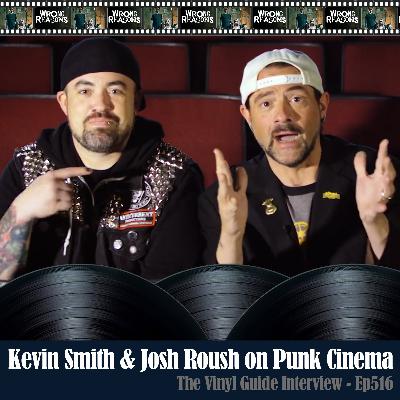
Kevin Smith and Josh Roush discuss punk cinema and share how the DIY ethos of punk rock influenced both their filmmaking careers and their lifelong love of music and vinyl records. September 20 at the Punk Rock Museum - book now! Topics Include: Josh Roush introduces his punk rock film "Wrong Reasons" screening at Punk Rock Museum Film described as dramedy about fan kidnapping singer to clean her up Josh discovered punk through Rancid track in Beavis and Butthead movie Kevin Smith joins, reveals his rebellion was hip hop not punk rock Kevin explains his DIY punk ethos despite loving Run DMC and Public Enemy Jason Reitman told Kevin that "Clerks" is essentially a punk rock song Kevin compares his film career to Anthrax (the band not the disease) Josh wrote "Wrong Reasons" for his love of punk rock Discussion of Punk Rock Museum displays including Lemmy's boots and Germs footage John Hughes soundtracks praised for passionate music curation and detailed planning Kevin reveals his vinyl collection started with father's stolen postal records Heavy Metal Parking Lot documentary celebrated as authentic snapshot of 1980s culture Josh secured soundtrack through Tim Armstrong connections, most artists said yes immediately Licensing music from Black Flag, The Wipers, L7 and more. Kevin shares $400,000 Fleetwood Mac "Tusk" song licensing horror story from film Lindsay Buckingham put "fuck you" price on track, producers paid anyway Vinyl collecting discussed as communal church-like experience for non-religious people Josh rips personal vinyl at high quality for authentic movie soundtrack pops September 20th museum screening includes Q&A, signed posters, and bar party High resolution version of this podcast is available at: www.Patreon.com/VinylGuide Apple: https://tinyurl.com/tvg-ios Spotify: https://tinyurl.com/tvg-spot Amazon Music: https://tinyurl.com/tvg-amazon Support the show at Patreon.com/VinylGuide
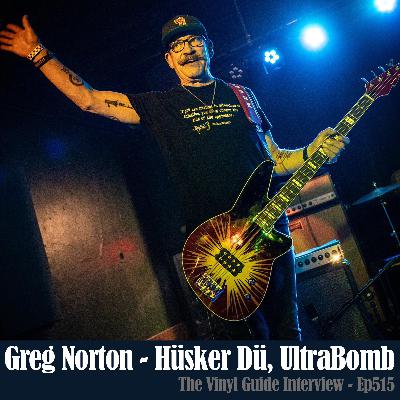
Hüsker Dü & UltraBomb bassist Greg Norton discusses the Miracle Year of 1985, vinyl rarities, the archive fire, Reflex records, the making of Zen Arcade, the Punk Rock Museum and more See Greg at the Punk Rock Museum Sept 9 | Preorder "Hüsker Dü - The Miracle Years" here Topics Include: Greg Norton announces September 9th Punk Rock Museum guided tour and performance Norton discusses favorite museum pieces including Joe Strummer's guitar and burned DOA Stratocaster Band's archive mostly intact despite Grant Hart's 2011 house fire destroying materials Norton used to own 7,000 vinyl records but downsized after difficult moves Hüsker Dü formed through Minneapolis record store connections at Melody Lane and Cheapo Band members met when Bob Mould heard Grant Hart blasting Ramones music Northern Lights record store basement became their rehearsal space after hours Twin Tone rejected their demo, leading to self-releasing on Reflex Records Band assembled and sold first singles themselves, no distribution deals initially BREAKING NEWS: Numero Group announces "Hüsker Dü 1985: The Miracle Year" box set Previously unreleased First Avenue live recording from January 1985 finally gets release 1985 was pivotal year with 150 shows, multiple album releases across continents Band road-tested new songs before recording, sometimes writing during soundchecks Most basic tracks recorded in one or two takes maximum Zen Arcade conceived as rock opera double album from the beginning Minutemen rushed Double Nickels release to match Zen Arcade's double format Producer Spot mentored Hart and Mould while engineering at Total Access Studios Jello Biafra praised Zen Arcade as bringing "self-indulgence back to rock" Current band Ultra Bomb working on third album with rare vinyl issues Norton hopes to finally tour Australia after decades of missed opportunities Extended and high resolution version of this podcast is available at: www.Patreon.com/VinylGuide Photos by @insomniac199 Apple: https://tinyurl.com/tvg-ios Spotify: https://tinyurl.com/tvg-spot Amazon Music: https://tinyurl.com/tvg-amazon Support the show at Patreon.com/VinylGuide
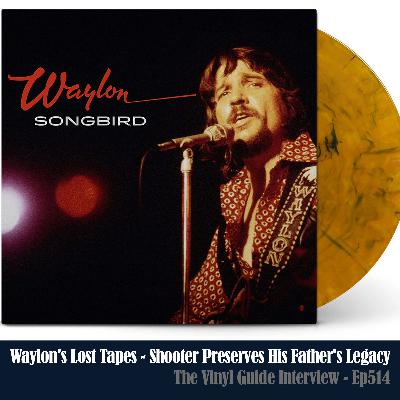
Shooter Jennings reveals the story of hundreds of unreleased recordings his father Waylon made between 1974-1984, including stunning covers now being released as "Songbird" - plus more musical stories from the lives of the Jennings family. Order the new "Songbird" LP here. Topics Include: Shooter Jennings discusses upcoming Songbird release featuring his late father Waylon's unfinished recordings Most songs were actually complete with vocals and instruments already recorded professionally Waylon privately recorded after 1974 RCA battle, keeping hundreds of tapes unlabeled Tapes digitized in 2008 but sat untouched until Shooter systematically catalogued everything recently Discovery process was emotional journey revealing Waylon's constant studio experimentation and joy Found treasure trove including Fleetwood Mac's "Songbird" cover and multiple complete albums worth Shooter mixed everything on vintage 1976 analog console maintaining authentic original sound Three planned album releases starting with Songbird, featuring different themes and flavors Tony Joe White plays harmonica, Jessi Colter sings, original band members returned Cataloging required detective work, Googling lyrics, consulting surviving band members for identification Growing up as Waylon's son meant different childhood, touring summers, recognizing fame Family record collection included Beatles, Harry Nilsson, later Waylon bought entire collections Teenage Shooter brought home Nine Inch Nails, Nirvana; parents showed concern but support Waylon's deep friendship with Buddy Holly, plane crash guilt haunted him for years Eventually found closure visiting crash site, could finally look at wreckage photos Parents advised being authentic, not copying others; mother worried about rough crowd Shooter's career shows risk-taking from country to experimental electronic and industrial music Produced diverse artists from Duff McKagan to Marilyn Manson, always seeking creative challenges Early collaboration with father on Fenixon project mixed country with industrial influences Vinyl remains important, frequent Amoeba Records visits, special Record Store Day releases planned Extended and high resolution version of this podcast is available at: www.Patreon.com/VinylGuide Apple: https://tinyurl.com/tvg-ios Spotify: https://tinyurl.com/tvg-spot Amazon Music: https://tinyurl.com/tvg-amazon Support the show at Patreon.com/VinylGuide
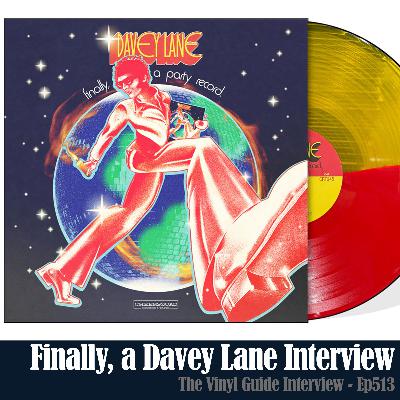
Australian guitarist Davey Lane discusses his new album 'Finally, a Party Record', joining You Am I at 18, meeting Paul McCartney & nerding out on vinyl! Listen to the new album here. Topics Include: Davey Lane discusses his new album "Finally, a Party Record" and the ironic title choice Originally titled "The Great Unraveling" but changed to something more approachable and chipper Despite upbeat title, songs deal with dark subject matter that inspires his songwriting Finding peace with mental state and place in world as he's gotten older Always includes glimmer of optimism even when writing about romantic catastrophes going wrong Makes music as compulsion, not for career goals - realistic about posthumous appreciation Big Star, Nick Drake - artists appreciated later in life Avid record collector who browses sections aimlessly rather than shopping with lists Discovers new bands like Comets on Fire by hearing them playing in record stores Vinyl is primary listening format - meditative experience that keeps him focused and level Thinks about album sequencing early, including crossfades between songs on new record Beatles were gateway drug, fascinated by production techniques on Sgt Pepper's at age seven Met Paul McCartney in 2017 backstage in Melbourne through Jimmy Barnes and Michael Gudinski Took Valium beforehand, talked about McCartney's jacket instead of asking musical questions Started transcribing You Am I songs as teenager, sent tabs to drummer Rusty Got invited on stage at 16 to play with You Am I at all-ages show Returned to high school as local hero after performing with established rock band Tim Rogers called offering solo tour opportunity, left university after two days to tour Officially joined You Am I in 1999 at age 18 after proving compatibility on tour Took years to feel like full band member rather than nervous new guy Learned importance of authenticity over networking and career-focused schmoozing in music industry Collaborated on The Rites project covering Stevie Wright's "Evie" to raise money for legend Recorded with Saints' Chris Bailey on what became his final album before passing Created experimental Dual Monophonic vinyl with Tim Rogers and King Gizzard's Stu McKenzie Each vinyl channel contains different arrangement of same song, can be heard separately Technical challenges getting proper stereo separation on vinyl pressing required multiple attempts New album on Cheer Squad Records features striking red and yellow vinyl pressing Cover art deliberately references Rod Stewart despite not particularly liking that album Record designed to catch browser's eye in record stores like albums that attracted him Interview wrap up Extended and high resolution version of this podcast is available at: www.Patreon.com/VinylGuide Apple: https://tinyurl.com/tvg-ios Spotify: https://tinyurl.com/tvg-spot Amazon Music: https://tinyurl.com/tvg-amazon Support the show at Patreon.com/VinylGuide
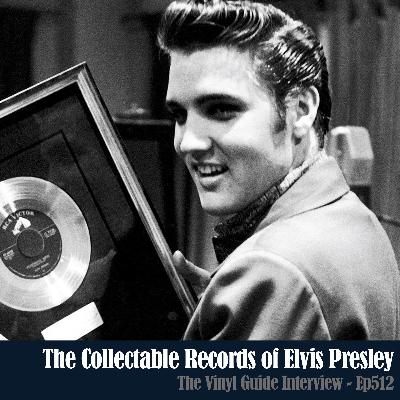
Lifelong Elvis collector Ian McQuillan discusses the rarest records of Elvis Presley - from Sun Records worth $10,000+, international rarities, even shares insider tips for spotting counterfeits, and explains why young collectors are driving a thriving market for the King's rarest vinyl. Topics Include: Ian McQuillan introduces himself as 55-year Elvis fan since age 2 Scottish parents in New Zealand exposed him to Elvis on record player "Big Hunk of Love" was his first memorable Elvis song obsession RCA distributed Elvis records globally, making them widely available worldwide Elvis market remains strong while other 50s rockabilly artists declined significantly Elvis cornered teenage markets in UK, Australia, New Zealand more than US Parkes, Australia hosts massive annual Elvis festival with 20,000+ attendees Elvis Week celebration started small, now draws 50,000+ fans to Memphis Elvis has bigger catalog depth than any other recording artist Sun Records represent collectible pinnacle - only five official 45/78 releases 78rpm records rarer due to shellac brittleness, 95% destroyed over time Sun 209 "That's All Right" commands $10,000-12,000 in mint condition Sam Phillips used multiple pressing plants, creating interesting variants and rarities Initial Sun pressings probably 20,000-30,000 copies, reaching 200,000 total eventually Early distribution concentrated in American South, spreading through Elvis touring Promotional Sun records exist with distinctive red stamps, worth significant premiums Jack White famously paid $300,000 for unreleased Elvis acetate recording RCA reissues sound much cleaner than original hissy Sun pressings Sam Phillips likely pressed extra inventory after selling Elvis to RCA Counterfeit Sun records identifiable by shiny vinyl, wrong dates, label gaps Pre-army Elvis albums (1954-1960) remain most collectible among LP collectors SPD promotional EPs from first album worth $1,200-4,000 in good condition Australian gold label first album worth $1,500-2,000, extremely hard to find Colored vinyl "Moody Blue" pressings command $2,000-3,000 from collectors 8-tracks, reels, cassettes now collectible after being worthless for decades Follow That Dream label produces high-quality Elvis reissues for serious fans New Elvis footage and recordings still surface regularly from private collections Young professionals in 20s-40s driving current strong collector market demand Elvis Week features conventions, tributes, candlelight vigil at Graceland annually Colonel Parker's merchandising legacy created massive collectible memorabilia market today Extended and high resolution version of this podcast is available at: www.Patreon.com/VinylGuide Apple: https://tinyurl.com/tvg-ios Spotify: https://tinyurl.com/tvg-spot Amazon Music: https://tinyurl.com/tvg-amazon Support the show at Patreon.com/VinylGuide
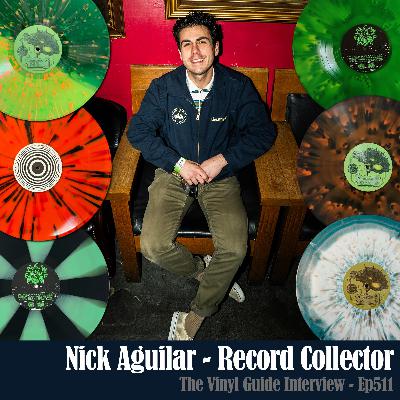
Nick Aguilar of Frankie and the Witch Fingers and Slaughterhouse is a vinyl maniac! Today we discuss his collection, his obsession, the rarities and a life of music & record collecting. Topics Include: Nick Aguilar plays drums in multiple bands including Frankie and the Witch Fingers Currently focusing mainly on Frankie due to busy touring schedule ahead Extensive tour dates planned through end of year across US and Europe Considers himself a music fan first, musician second since childhood Dad played tapes during Nick's colic as baby, introducing classic rock Father went to San Pedro High School with future Minutemen members Dad chose commercial fishing over music after graduation in 1976 San Pedro's shipping port culture shaped the local music scene Nick has surpassed his dad's music knowledge over the years Started collecting at age 11 when neighbor gave away record collection First records included Rolling Stones "Some Girls" and Led Zeppelin "Physical Graffiti" Still regrets not taking Buzzcocks "Singles Going Steady" from that collection Casual collecting through school, seriously ramped up after high school graduation Pandemic period 2020-2022 massively accelerated his collecting and cataloging habits Taught himself DJing during lockdown to play records for people Discovered new genres like soul, funk, kraut rock through deep diving Got lucky buying expensive records cheap before current inflated market Focuses on 45s and 12-inches that work well for DJing Extreme organization needed to juggle multiple bands, touring, collecting, DJing Record store strategy: always hit new arrivals section first Holy grail wants include The Litter and James Knight records Uses both Discogs hunting and in-person digging at stores Thrift store finds getting much rarer as market knowledge spreads Appreciates reissue labels like Numero Group for discovering rare music Limited record shopping time while touring due to tight schedules Favorite shops include Breakaway in Austin and Academy in NYC Most expensive purchase: Helen Smith soul record for $2,900 on credit Most sentimental record: The Frighteners, reminds him of deceased friend Keeps multiple copies of key records for DJing versus home listening Band creates multiple vinyl variants through their Greenway Records label See Frankie and the Witch Fingers and order their vinyl here. High resolution version of this podcast is available at: www.Patreon.com/VinylGuide Apple: https://tinyurl.com/tvg-ios Spotify: https://tinyurl.com/tvg-spot Amazon Music: https://tinyurl.com/tvg-amazon Support the show at Patreon.com/VinylGuide
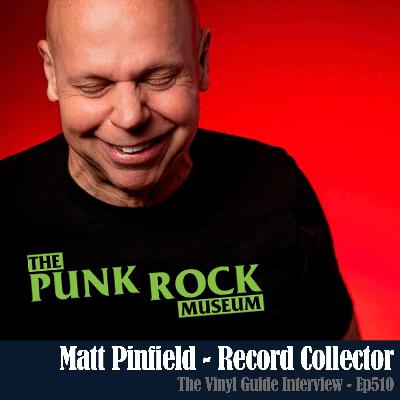
Obsessive vinyl collector and radio & MTV legend Matt Pinfield discusses his music collection, holy grails, music industry stories, his recent health scares and sharing stories at the Punk Rock Museum. The Punk Rock Museum info and tickets are here Matt's book "My Insane Improbable Rock Life" is here Topics Include: Matt discusses his post-stroke meal plan after months without solid food Friends like Mike Ness from Social Distortion visited him in hospital Stroke happened at drummer John Tempesta's house, remembers calling EMS Had both stroke and meningeal pneumonia with 85% mortality rate Daughters told he would die, was touch and go situation Lost feeling on right side, still numb but walking with cane Previous near-death experiences: aneurysm at 15, car accident, sobriety struggles Recovery includes acupuncture from former punk drummer and intense physical therapy Currently doing tours at the Punk Rock Museum in Las Vegas Favorite museum artifact is rare Germs concert footage never released Stories of interviewing Iggy Pop who once knocked microphone from hands Hosted Wayne Kramer tribute concert at Sing Sing prison for inmates Getting punk acts on MTV 120 Minutes easier than expected Started in college radio at Rutgers, only 13 alternative stations existed CBGBs regular, Athens Georgia born with B-52s/R.E.M. connections there Kevin Bacon joked there's only two degrees of separation with Matt Neil Young remains his interview "holy grail" Matt is a serious 45 RPM collector Lived in Paul Kantner's old apartment with psychedelic laser showerhead DJed at clubs where James Gandolfini was regular Friends with Don Bolles from Germs, both love 70s glam records Personal rule: must buy something from every record store visited Also supports opening bands by buying their vinyl and t-shirts Postal service recently stole entire box of rare 45s shipment Still searching for holy grail records like Panic Squad 12-inch single Tom Petty acetate test pressing gift from friend Chuck Rocha Found rare Cherry Slush single that climbed charts before label folded Optimistic about vinyl's future as young people discover physical music Believes vinyl offers irreplaceable warmth and "whole other world" experience Plans Vegas record shopping and Australian record exchange with Nate High resolution version of this podcast is available at: www.Patreon.com/VinylGuide Apple: https://tinyurl.com/tvg-ios Spotify: https://tinyurl.com/tvg-spot Amazon Music: https://tinyurl.com/tvg-amazon Support the show at Patreon.com/VinylGuide


Download from Google Play

Download from App Store
 United States
Discogs has not crashed but many Oops 404 notifications
Great episode
The RL hot mix of Led Zeppelin II is truly a gem and the only way to listen to Zeppelin!
Henry Rollins is the man!
Wish I had one of these Led Zeppelin originals. Great information!
I have a LoT of "Hawaiian Style" etc. vinyl that I would like to sell that I have "inherited" from relatives, any suggestions?
I met Mike briefly at last year's Northwest Terror Fest, which was his first live show after recovering from surgery. One of the most humble people in heavy music that I've had the pleasure of shaking hands with. Great interview, I've always wanted to talk to Mike about his beliefs and convictions. Y'all should include more artist tracks at the end of interviews! I fvxed wit it.
No interest in stars opinion
Awesome interview!!
I love the accidental connections in the music family tree. Hearing him mention Stone the Crows...