


 Claim Ownership
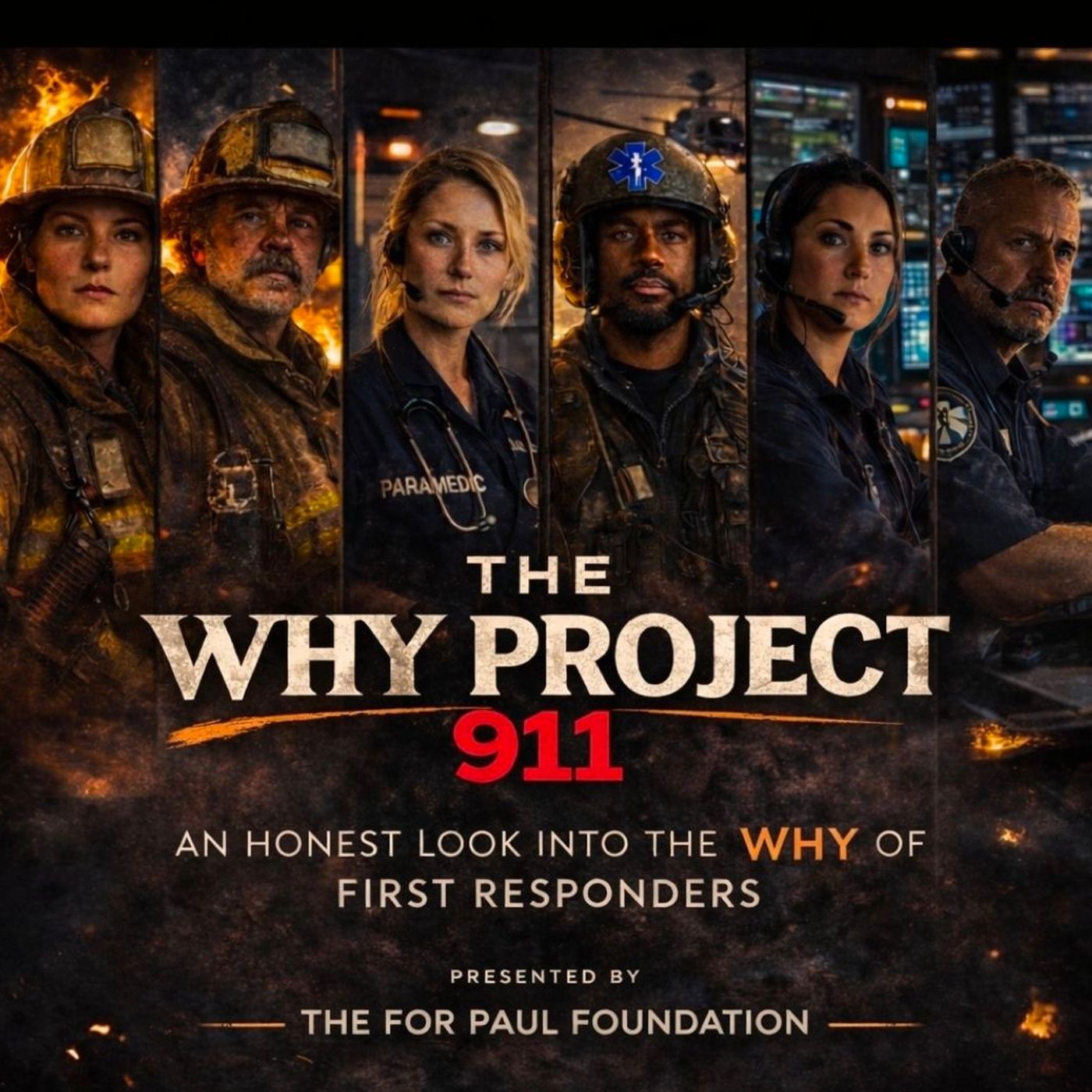
 The WHY Project 911
Subscribed: 0Played: 4
Subscribe

© 2026 Mickey Tofexis
Description
An honest look into the WHY of first responders presented by The For Paul Foundation
27 Episodes
Reverse
In this episode of The Y Project 911, Mickey interviews Walter White, a seasoned fire service leader and author of 'The Cultural Architect.' They discuss the importance of organizational culture, leadership accountability, and the need for effective communication in shaping a mission-driven environment. The conversation explores the evolution of leadership styles in the fire service, the importance of work-life balance, and the challenges of mental health among first responders. Walt White shares his experiences and insights on servant leadership, team dynamics, and the significance of peer support in addressing mental health issues.Takeaways Leadership shapes cultureEffective communication builds trust Leadership evolves with experienceWork-life balance is crucialChapters 00:00 Introduction to Cultural Leadership02:58 The Essence of Organizational Culture06:06 Leadership Accountability and Standards08:59 Navigating Difficult Conversations11:58 Building Trust Through Communication15:10 The Role of Leadership in Culture18:09 Continuous Learning and Development20:55 Managing Change in Fire Departments24:09 The Importance of Relationships in Leadership27:08 Experiences Shaping Leadership Perspectives29:47 Decision Making Under Pressure32:52 Conclusion and Key Takeaways39:03 Leadership Evolution in Fire Service43:51 The Importance of Team Dynamics45:46 Navigating Generational Differences49:12 Mental Health in First Responders56:08 Addressing Moral Injury and Fairness
The conversation features Mike Mount, an Army veteran and firefighter, discussing his journey in the fire service, the importance of community and pride in the profession, and his role in the Flip Flop Firefighter apparel brand and the Polk Metro Fools organization. The dialogue explores generational differences in the fire service, the need for mentorship, and the significance of training and camaraderie among firefighters. The conversation focuses on the importance of collaboration and mentorship within the fire service, emphasizing the need for senior personnel to guide younger firefighters and the value of training and community engagement. Both speakers discuss their experiences and aspirations for fostering a supportive culture in firefighting, highlighting the significance of shared knowledge and camaraderie.Takeaways Community and pride in firefightingImportance of mentorship and training Collaboration enhances firefighting effectivenessMentorship is crucial for new firefightersChapters 00:00 Building Community and Pride03:53 Journey in the Fire Service07:58 Generational Differences in Firefighting10:06 Mentorship and Motivation18:02 The Role of the Polk Metro Fools23:50 Training and Brotherhood in Firefighting26:14 Building Bridges in Firefighting28:50 The Importance of Training and Tools31:53 Fostering Camaraderie and Culture35:56 Navigating Promotions and Experience40:09 The Role of Senior Personnel49:30 Passion for Service and Community
In this episode, Mickey and Kelly discuss the critical roles of nurses and first responders in emergency management, emphasizing the importance of mental health, communication, and collaboration between different emergency services. Kelly shares her extensive experience in trauma care and the need for better integration and support systems for first responders. The conversation explores the challenges faced by the nursing profession post-COVID, highlighting generational differences in work ethic, the importance of communication in leadership, and the need for collaboration between first responders and healthcare providers to improve patient outcomes.TakeawaysMental health is crucialCollaboration enhances emergency care Emphasize continuous learningFoster open communicationChapters00:00 Introduction to Trauma Girl RN01:45 Kelly's Journey in Emergency Management04:28 The Importance of Loop Closure07:14 Mental Health in First Responders13:08 Improving Relationships Between EMS and Hospitals18:12 The Role of Healthcare Coalitions22:39 The Value of Competitions in EMS25:38 Engaging the Younger Generation in Healthcare26:27 Challenges in Nursing Education Post-COVID30:35 Generational Differences in Work Ethic34:46 The Importance of Communication in Leadership39:58 Navigating Difficult Conversations44:20 The Bigger Picture in First Responder Roles49:00 Improving Trauma Patient Outcomes Through Collaboration
In this episode of the Why Project 911, Derek Bagshaw shares his journey through the ranks of the fire service, emphasizing the importance of leadership, culture, and accountability. He discusses the significance of building relationships and trust within a team to foster a positive culture in the fire department. The conversation focuses on the importance of building a positive culture within fire departments, emphasizing trust, accountability, and effective communication. Derek Bagshaw and Mickey discuss their experiences in leadership roles, the significance of training, and the need for mutual respect among team members.TakeawaysLeadership through relationship buildingImportance of culture in fire service Building trust through shared challengesEffective communication fosters accountabilityChapters00:00 Introduction to Derek Bagshaw03:00 Derek's Journey in the Fire Service06:04 The Importance of Rank Experience09:58 Earning Respect in Leadership12:00 The Culture Code Class15:58 Building a Positive Culture19:00 Training and Trust in Teams23:01 Building Trust Through Shared Challenges24:14 Expectations and Accountability in Leadership27:37 Navigating Negative Culture in the Workplace30:06 Creating a Positive Training Environment32:47 Understanding Generational Differences in Communication36:25 The Importance of Personal Connections in Leadership40:32 The Role of Senior Members in Firehouse Culture43:51 Taking Responsibility for Training and Development44:10 Defining Personal and Professional 'Whys'
Mariah Fenwick, a 911 dispatcher with 17 years of experience, discusses the challenges and importance of dispatching for fire, police, and EMS. She emphasizes the need for critical thinking, communication, and flexibility in handling emergency calls. Mariah also highlights the significance of training, teamwork, and collaboration between dispatchers and first responders. The conversation covers the importance of communication and feedback between dispatchers and first responders, the value of open communication and support during emergency incidents, and the training and recruitment of new dispatchers.TakeawaysCritical thinking in emergency dispatchImportance of training and collaboration between dispatchers and first responders Communication and feedback between dispatchers and first responders is crucialOpen communication and support during emergency incidents is essentialTraining and recruitment of new dispatchers is a key focusChapters00:00 Introduction to Mariah Fenwick02:27 Dispatching Fire, Police, and EMS05:14 The Role of Dispatchers in First Response09:10 Training and Collaboration15:31 Dealing with Conflict and Communication22:56 Critical Thinking and Flexibility in Dispatching27:08 Communication and Feedback in Emergency Incidents29:02 Support and Feedback for Dispatchers35:22 Recruitment and Training of New Dispatchers42:51 Challenges and Funny Stories in Dispatching

Comments

Download from Google Play

Download from App Store
 United States