


 Claim Ownership
The Wirecutter Show
Subscribed: 14,580Played: 177,405
Subscribe

© 2024 The New York Times Co.
Description
The Wirecutter Show is a podcast offering expert advice on everyday products that will make your life better. Each week, co-hosts Christine Cyr Clisset and Caira Blackwell, alongside producer Rosie Guerin, speak with Wirecutter’s best-in-class journalists and other expert guests for actionable advice, surprising life hacks, and delightful product discoveries. From which stand-mixer will last you a lifetime, to the best way to travel with pets, to figuring out if your smart lock is spying on you, The Wirecutter Show gives you straightforward solutions based on years of rigorous and independent product testing by more than 140 Wirecutter journalists.
Subscribe today at nytimes.com/podcasts or on Apple Podcasts, Spotify and Amazon Music. You can also subscribe via your favorite podcast app here https://www.nytimes.com/activate-access/audio?source=podcatcher. For more podcasts and narrated articles, download The New York Times app at nytimes.com/app.
Subscribe today at nytimes.com/podcasts or on Apple Podcasts, Spotify and Amazon Music. You can also subscribe via your favorite podcast app here https://www.nytimes.com/activate-access/audio?source=podcatcher. For more podcasts and narrated articles, download The New York Times app at nytimes.com/app.
159 Episodes
Reverse
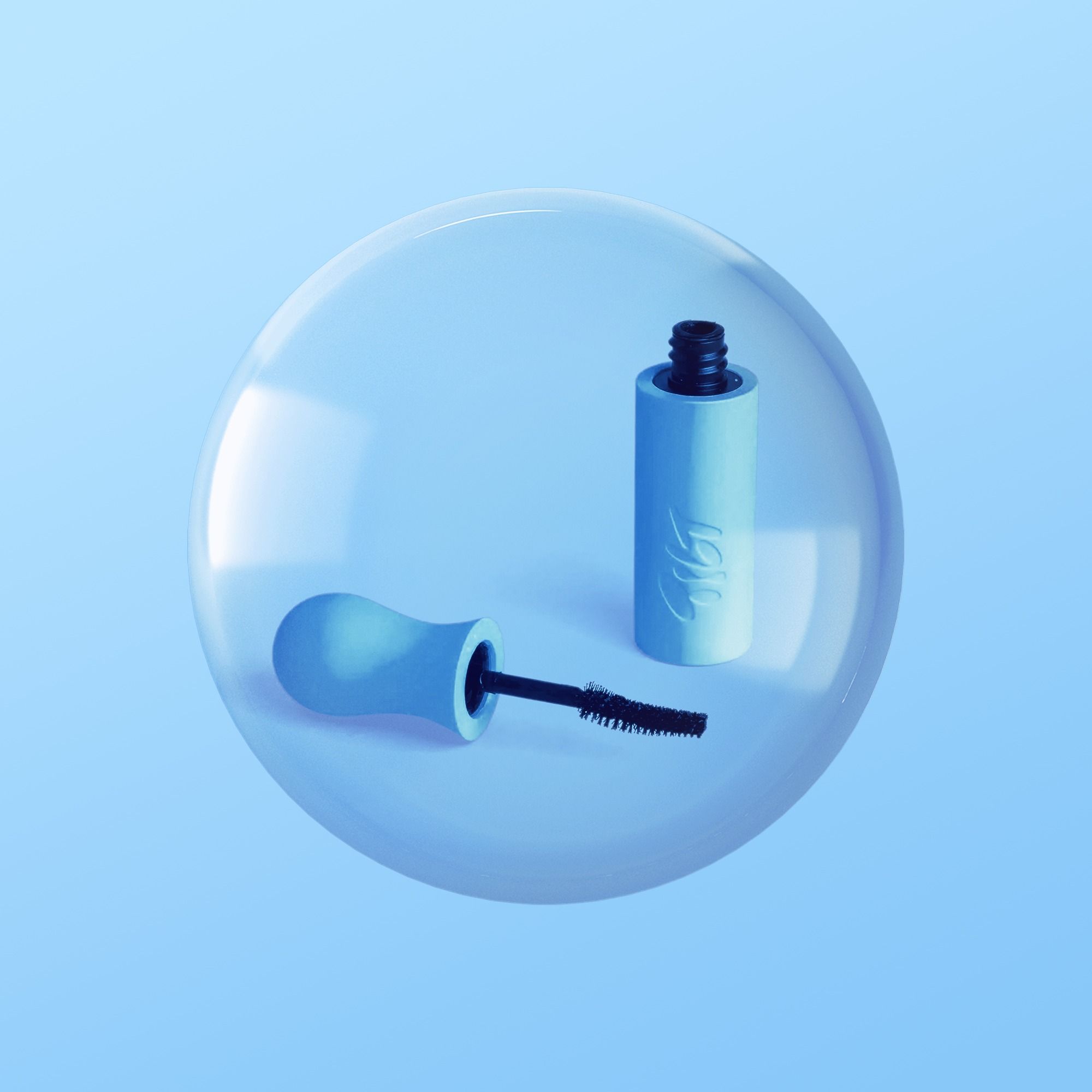
Applying mascara or eyeliner can be difficult even when you don't have a disability. For people with arthritis, tremors, low vision, or other mobility issues, beauty routines can feel nearly impossible. This episode, Wirecutter beauty writer Ayanna Redwood-Crawford explains how accessible makeup tools can make those routines easier for everyone. She shares what makes a makeup tool genuinely accessible, why universal design benefits more than just the people it was created for, and how some brands have made products easier to use without sacrificing their formulas or affordability. This episode covers: Why accessible makeup is useful for everyone. Products designed for people with arthritis, tremors, or low vision can also help beginners, parents with their hands full, or anyone who finds makeup tools difficult to use. Testers appreciated products that were easier to grip and control, and many of them also had great formulas and finishes.What makes a makeup tool genuinely accessible. It’s not enough for a product to be labeled adaptive. Look for tools that address specific challenges, like gripping a mascara tube, controlling a brush, or applying makeup with limited hand movement. Why makeup doesn’t always have to be perfectly precise. Look for products that simplify tricky steps, like eyeliners with built-in wing stamps or buildable multisticks for color control and flexibility. Products we recommend: Affordable grips that fit most makeup and tools: Lyforx Foam Grip TubingA multiuse circular brush with a contoured handle: Kohl Kreatives Medium CircleAn easy-to-hold eyeshadow brush: Guide Beauty Blend & Crease BrushAn ergonomic, flattering mascara: Tilt Lashscape MascaraA handy eyeliner that’s easier to apply: SheGlam Get Foxy Eye Stamp & Liner PenA user-friendly tinted lip balm: Tilt Grip Stick Hydrating Lip TreatmentA versatile 3-in-1 makeup stick: E.L.F. Cosmetics Monochromatic Multi StickA lighted makeup mirror for people with low vision: Fancii Vera Vanity with 10x Lara Mirror Additional reading:The Best Accessible Beauty Tools and Makeup
We independently review everything we recommend. When you buy through our links, we may earn a commission. Learn more› Wirecutter Social and WebsiteInstagram: /wirecutterThreads: /@wirecutterTwitter: /wirecutterFacebook: /thewirecutterTikTok: /wirecutterLinkedIn: /nyt-wirecutterWebsite: https://www.nytimes.com/wirecutter/Newsletter: https://www.nytimes.com/wirecutter/newsletters/ The Wirecutter Show is executive produced by Rosie Guerin and produced by Abigail Keel. Studio support from Maddy Masiello, Nick Pitman, Kyle Grandillo, and Samantha Winter. Episodes are mixed by Catherine Anderson, Daniel Ramirez, and Sophia Lanman. Original music by Dan Powell, Marion Lozano, Elisheba Ittoop, and Diane Wong. Wirecutter’s deputy publisher and general manager is Cliff Levy. Ben Frumin is Wirecutter’s editor-in-chief. Hosted by Rosie Guerin, Caira Blackwell and Christine Cyr Clisset.Find edited transcripts for each episode here: The Wirecutter Show Podcast Hosted by Simplecast, an AdsWizz company. See pcm.adswizz.com for information about our collection and use of personal data for advertising.
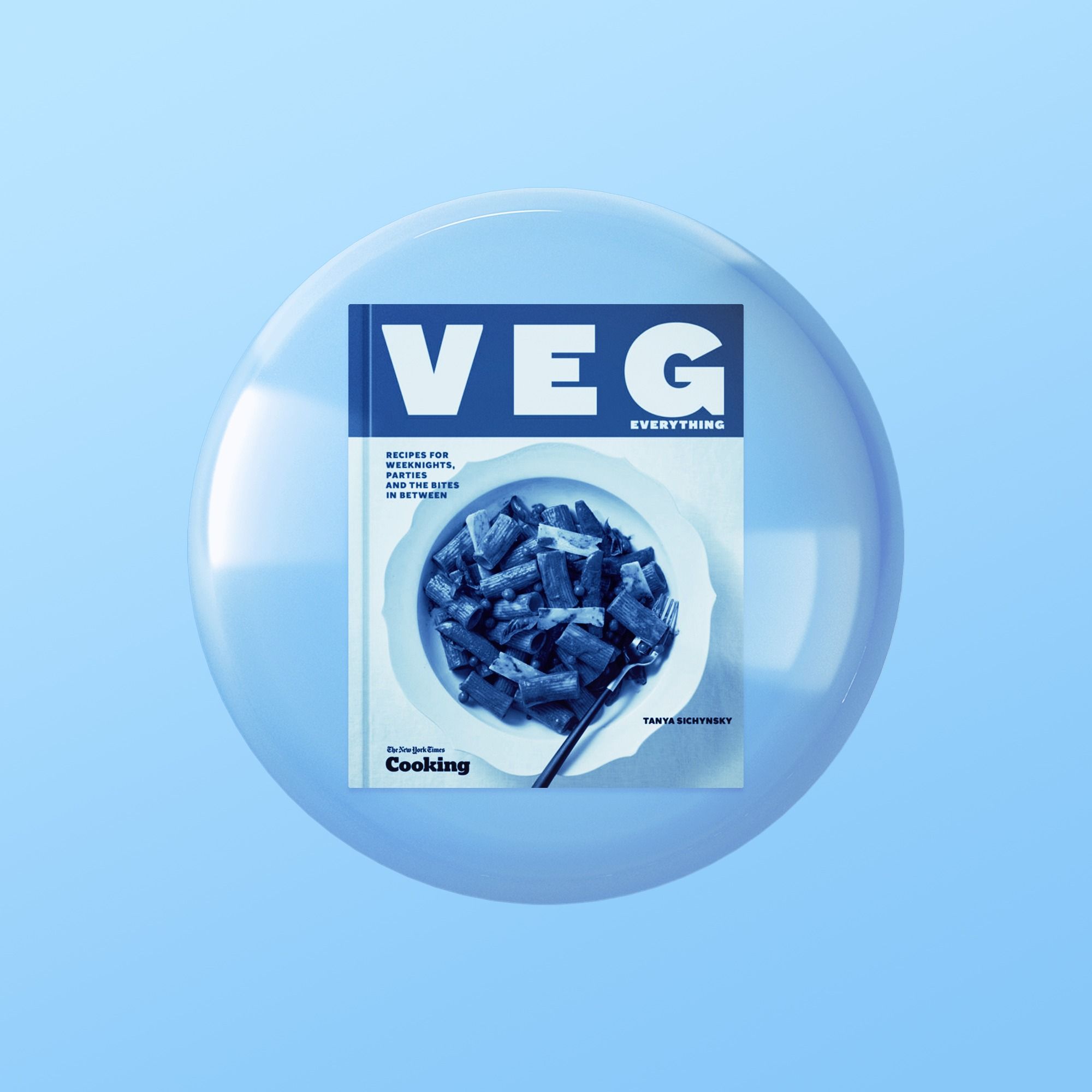
We all know we should eat more veggies, but sometimes life gets in the way. Maybe you're too busy for endless chopping, stumped by an unfamiliar root vegetable, or juggling guests or family members with conflicting dietary restrictions. This episode, Tanya Sichynsky, editor for the Food and Cooking sections at The New York Times, and author of The Veggie newsletter and YouTube show, discusses her new cookbook, Veg Everything. She shares her approachable, plant-forward philosophy on cooking vegetables—not as a punishment or boring side dish, but as a versatile, flavor-packed centerpiece. Tanya walks us through the essential pantry staples that make veggie-centric meals fast and effortless, how to make seasonal swaps in recipes, and clever ways to reinvent leftover veggies into frittatas, pasta sauces, or savory pancakes. This episode covers: Stocking a flavor-boosting pantry: Certain ingredients can instantly transform a single fresh vegetable into a complete, satisfying meal. Tanya keeps canned lentils, beans, tahini, dates, Dijon mustard, nutritional yeast, and pre-crisped garlic or shallots in her pantry.Veggies for breakfast: It’s easier to get enough vegetables in your day if you start in the morning. Stack your first meal with plenty of plants with smoothies, frittata and more.RSVP-worthy showstoppers: How to make impressive, centerpiece vegetarian dishes for entertaining.The leftover framework: Think about integrating veggie leftovers into different “formats” like pancakes, toasts, pastas, and more. Products we recommend: Tanya loves her ripstop cargo pants from Kapital Additional reading:The Veggie's Editor Dishes on Her Favorite Kitchen ToolsPackable Beach and Picnic Recipes 10 Best Veggie Burgers of 2026
We independently review everything we recommend. When you buy through our links, we may earn a commission. Learn more› Wirecutter Social and WebsiteInstagram: /wirecutterThreads: /@wirecutterTwitter: /wirecutterFacebook: /thewirecutterTikTok: /wirecutterLinkedIn: /nyt-wirecutterWebsite: https://www.nytimes.com/wirecutter/Newsletter: https://www.nytimes.com/wirecutter/newsletters/ The Wirecutter Show is executive produced by Rosie Guerin and produced by Abigail Keel. Studio support from Maddy Masiello, Nick Pitman, Kyle Grandillo, and Samantha Winter. Episodes are mixed by Catherine Anderson, Daniel Ramirez, and Sophia Lanman. Original music by Dan Powell, Marion Lozano, Elisheba Ittoop, and Diane Wong. Wirecutter’s deputy publisher and general manager is Cliff Levy. Ben Frumin is Wirecutter’s editor-in-chief. Hosted by Rosie Guerin, Caira Blackwell and Christine Cyr Clisset.Find edited transcripts for each episode here: The Wirecutter Show Podcast Hosted by Simplecast, an AdsWizz company. See pcm.adswizz.com for information about our collection and use of personal data for advertising.

Pickles are a polarizing subject. Some people want a cold, crunchy dill straight from the fridge, while others swear by a sour pickle or a sweet, spicy relish. And if you've ever wondered whether you can make better pickles at home, there's a whole world of canning and fermentation to explore. In this episode recorded live at the Minnesota State Fair, Wirecutter kitchen writer Maki Yazawa starts by explaining how Wirecutter’s team tested 47 store-bought pickles and what they were looking for. Then, Minnesota State Fair pickle judge Mary Bartz, and last year’s overall canning winner Teresa Craig, talk about what makes a prize-winning pickle. They discuss how to safely can and ferment pickles at home, and the resources Mary recommends for getting started, including the National Center for Food Preservation and the book So Easy to Preserve. Plus, they tell us some of the most unusual pickled creations they’ve ever encountered. This episode covers: How to choose the right pickle for what you're eating. The shape and style matter: Maki recommends crinkle-cut chips for burgers, slender pickles for subs, and sour pickles for snacking on a hot day.Why fresh produce is the key to crunchy homemade pickles. Teresa says the fresher your cucumbers and other vegetables are, the better the texture of the finished product.How to safely make pickles at home. Mary explains why acidity, processing time and temperature, proper headspace, clean jars, and a reliable seal all matter for preventing dangerous bacterial growth.The difference between water-bath and pressure canning. Water-bath canning works for acidic foods like pickles, while pressure canning is necessary for lower-acid foods such as corn and green beans because it reaches a higher temperature. Products we recommend: Teresa likes: The Ball Electric Water-Bath Canner and Easy Fermenter Lids Additional reading:The Best PicklesYou Had Thoughts About Our Pickle Picks. So We Tasted More Pickles.
We independently review everything we recommend. When you buy through our links, we may earn a commission. Learn more› Wirecutter Social and WebsiteInstagram: /wirecutterThreads: /@wirecutterTwitter: /wirecutterFacebook: /thewirecutterTikTok: /wirecutterLinkedIn: /nyt-wirecutterWebsite: https://www.nytimes.com/wirecutter/Newsletter: https://www.nytimes.com/wirecutter/newsletters/ The Wirecutter Show is executive produced by Rosie Guerin and produced by Abigail Keel. Studio support from Maddy Masiello, Nick Pitman, Kyle Grandillo, and Samantha Winter. Episodes are mixed by Catherine Anderson, Daniel Ramirez, and Sophia Lanman. Original music by Dan Powell, Marion Lozano, Elisheba Ittoop, and Diane Wong. Wirecutter’s deputy publisher and general manager is Cliff Levy. Ben Frumin is Wirecutter’s editor-in-chief. Hosted by Rosie Guerin, Caira Blackwell and Christine Cyr Clisset.Find edited transcripts for each episode here: The Wirecutter Show Podcast Hosted by Simplecast, an AdsWizz company. See pcm.adswizz.com for information about our collection and use of personal data for advertising.

Finding a bra that fits well can feel like an impossible combination of measurements, brands, cup sizes, and personal preferences. Even knowing your usual size doesn't guarantee that a bra will feel comfortable or provide the support you need. This episode, Wirecutter senior staff writer Zoe Vanderweide breaks down what a bra is actually supposed to do, and how to tell when one fits properly. After testing more than 35 bras, she explains why the band matters more than the straps for support, why bra sizes aren't standardized across brands, and how to shop when your breasts don't fit neatly into a standard size. Plus, how to make your bras last longer. This episode covers:Why the right bra can do much more than provide support. Bras can change the shape of your breasts, provide nipple coverage, smooth asymmetry, make clothes fit better, or minimize a larger bust.Why you should know your measurements—and then try multiple sizes. We recommends measuring yourself, checking a brand's size chart, and ordering a couple sizes because there's no substitute for actually trying a bra on.Why you shouldn't wear the same bra two days in a row. Letting the elastane in a bra's band rest between wears helps it regain its shape and prevents it from stretching out prematurely.How to wash a bra without destroying it. You don't need to wash a bra after every wear; when you do, use a gentle wash cycle in a mesh bag and air-dry. Products we recommend: For people who fall between standard cup sizes: ThirdLove 24/7 Classic Uplift Plunge BraFor larger breasts that hate underwires: Evelyn Bobbie Defy BraFor a sexy, lacy bra for smaller busts: Journelle Anais Plunge BraFor a sexy, supportive bra for larger busts: Panache Allure Full Cup BraFor a modern, minimalist sexy bra for small to medium breasts: Negative Sieve Non-Wire BraFor comfortable casual wear around the house or on errands: Harper Wilde Bliss Triangle BraletteFor smoothing lumps and bumps on the back: Wacoal Back Appeal Underwire BraFor an affordable, versatile everyday bra: Harper Wilde Base T-Shirt BraZoe loves: Her new diamond art kit Additional reading:The Best, Most Comfortable BrasThe Best Nursing BrasThe 6 Best Sports Bras of 2026Sorry, You Really Can’t Wear Your Favorite Bra Every Single DayHow to Wash Bras
We independently review everything we recommend. When you buy through our links, we may earn a commission. Learn more› Wirecutter Social and WebsiteInstagram: /wirecutterThreads: /@wirecutterTwitter: /wirecutterFacebook: /thewirecutterTikTok: /wirecutterLinkedIn: /nyt-wirecutterWebsite: https://www.nytimes.com/wirecutter/Newsletter: https://www.nytimes.com/wirecutter/newsletters/ The Wirecutter Show is executive produced by Rosie Guerin and produced by Abigail Keel. Studio support from Maddy Masiello, Nick Pitman, Kyle Grandillo, and Samantha Winter. Episodes are mixed by Catherine Anderson, Daniel Ramirez, and Sophia Lanman. Original music by Dan Powell, Marion Lozano, Elisheba Ittoop, and Diane Wong. Wirecutter’s deputy publisher and general manager is Cliff Levy. Ben Frumin is Wirecutter’s editor-in-chief. Hosted by Rosie Guerin, Caira Blackwell and Christine Cyr Clisset.Find edited transcripts for each episode here: The Wirecutter Show Podcast Hosted by Simplecast, an AdsWizz company. See pcm.adswizz.com for information about our collection and use of personal data for advertising.
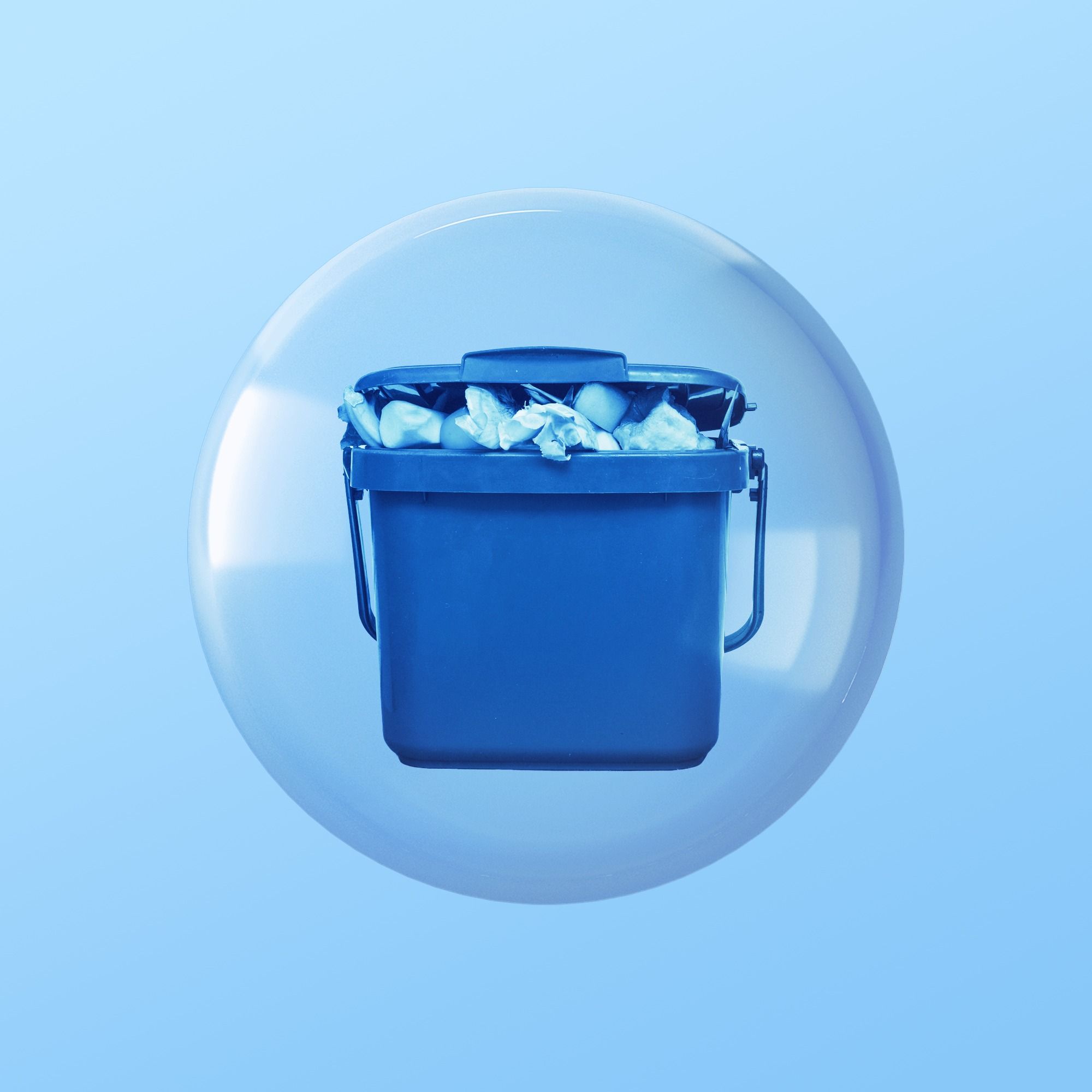
Before you dump your veggie peels and coffee grounds into the trash, consider the many reasons to compost. Keeping food waste out of landfills reduces greenhouse gas emissions, while nutrient-rich compost helps sequester carbon and rejuvenates soil. You’ll also likely need to empty your regular trash less frequently. For many people, the biggest barrier to composting is simply getting started. In this episode, Wirecutter sustainability editor Katie Okamoto shares practical tips for collecting kitchen food scraps, navigating composting options without municipal pickup, and understanding what actually belongs in your bin—including why you might want to skip those biodegradable liner bags. Plus, Wirecutter staff members break down their own real-world setups. They share how to manage commercial pickup services, why "compostable" plastics don't work in backyard bins, and strategies for keeping odors at bay. This episode covers:Composting options for every space: If you don't have municipal green-bin pickup, you can use private commercial services, drop off scraps at community gardens or farmer's markets, or even try the "cardboard box method" to compost slowly inside your home.Backyard composting 101: A successful pile requires a balance of "greens" (fresh food waste) and "browns" (dry leaves, paper, or cardboard).Strategies for collecting food scraps: You don't need a specialized bin. Wide-mouthed mixing bowls or restaurant Cambro bins work well.The freezer scrap method: Keeping a squishable storage bag in your freezer to collect veggie peels and eggshells eliminates odors, saves counter space, and makes it easy to tote scraps to a drop-off site. Products we recommend: A simple mixing bowl: Cuisinart Stainless Steel Mixing Bowls with LidsA plastic-free tin: Epica Countertop Compost BinA great bag for the freezer: Baggu Standard BagA bigger bin: Cambro Square Food Storage Container Additional reading:Kitchen Compost Bins We Love in 2026 How to Start CompostingDo You Really Need Compostable Bags for Your Food Scraps?I Saved More Than 2,000 Pounds of Food Waste From the Landfill With This Simple ComposterAt-Home Food Recyclers Are Often Billed as Eco-Saviors. We Don’t Buy It.
We independently review everything we recommend. When you buy through our links, we may earn a commission. Learn more› Wirecutter Social and WebsiteInstagram: /wirecutterThreads: /@wirecutterTwitter: /wirecutterFacebook: /thewirecutterTikTok: /wirecutterLinkedIn: /nyt-wirecutterWebsite: https://www.nytimes.com/wirecutter/Newsletter: https://www.nytimes.com/wirecutter/newsletters/ The Wirecutter Show is executive produced by Rosie Guerin and produced by Abigail Keel. Studio support from Maddy Masiello, Nick Pitman, Kyle Grandillo, and Samantha Winter. Episodes are mixed by Catherine Anderson, Daniel Ramirez, and Sophia Lanman. Original music by Dan Powell, Marion Lozano, Elisheba Ittoop, and Diane Wong. Wirecutter’s deputy publisher and general manager is Cliff Levy. Ben Frumin is Wirecutter’s editor-in-chief. Hosted by Rosie Guerin, Caira Blackwell and Christine Cyr Clisset.Find edited transcripts for each episode here: The Wirecutter Show Podcast Hosted by Simplecast, an AdsWizz company. See pcm.adswizz.com for information about our collection and use of personal data for advertising.

Comments

Download from Google Play

Download from App Store
 United States