


 Claim Ownership
TheRightDoctors
Subscribed: 2Played: 8
Subscribe

© All rights reserved
Description
Podcast by TheRightDoctors
298 Episodes
Reverse
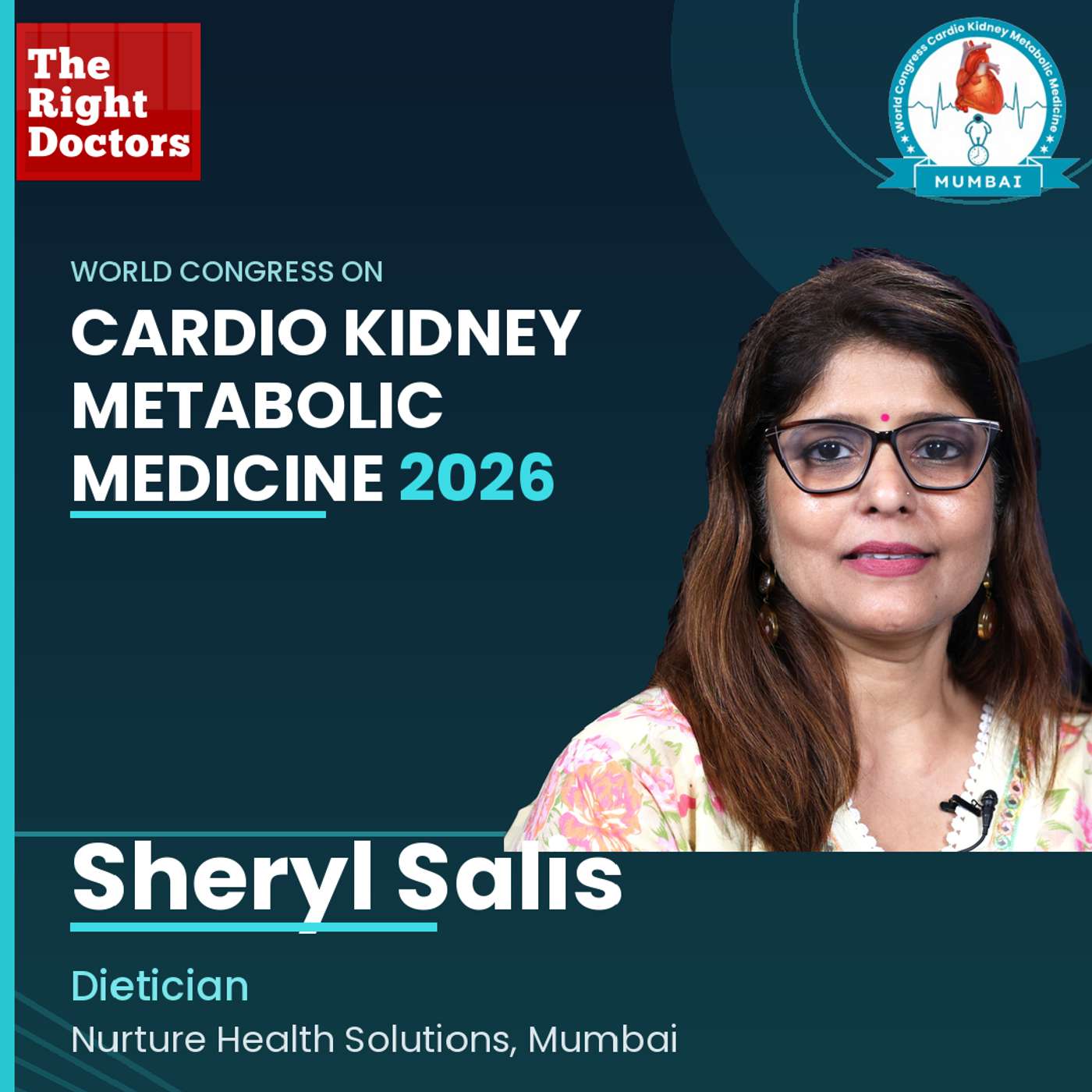
"A person with diabetes can eat mangoes... but never with a meal and ideally with nuts and seeds," says renowned dietician Sheryl Salis in a practical conversation with Dr. P.C. Manoria at the World Congress Cardio Kidney Metabolic (WC CKM) Medicine 2026.This interview tackles the most common dietary myths in diabetes management, providing evidence-based guidance on fruits, jaggery vs. sugar, the role of millets, and the truth about dairy consumption.Top 5 Takeaways:1 The Mango Protocol: Diabetics can enjoy mangoes in moderation (one medium size) if consumed as a snack with nuts/seeds—never as a juice or with a main meal.2 Jaggery is Not "Safe" Sugar: Jaggery and white sugar have identical calorie and carb counts; replacing one with the other will still cause blood glucose spikes.3 The Millet Nuance: Unpolished millets (Barnyard, Foxtail, Bajra) are superior to rice, but high-glycemic preparations like Ragi porridge should be avoided.4 Pairing for Stability: Always pair fruits with proteins/fats (nuts and seeds) to slow down glucose absorption and maintain stable energy levels.5 Probiotic Advantage: While skim milk is acceptable, yogurt (dahi) is specifically noted for being cardio-friendly and potentially reducing diabetes risk.Sheryl Salis is a renowned Registered Dietician, Certified Diabetes Educator, and Founder of Nurture Health Solutions. She is a leading expert in medical nutrition therapy and metabolic health.Dr. P.C. Manoria is the Executive President for the World Congress Cardio Kidney Metabolic (WC CKM) Medicine and a distinguished cardiologist based in Mumbai.
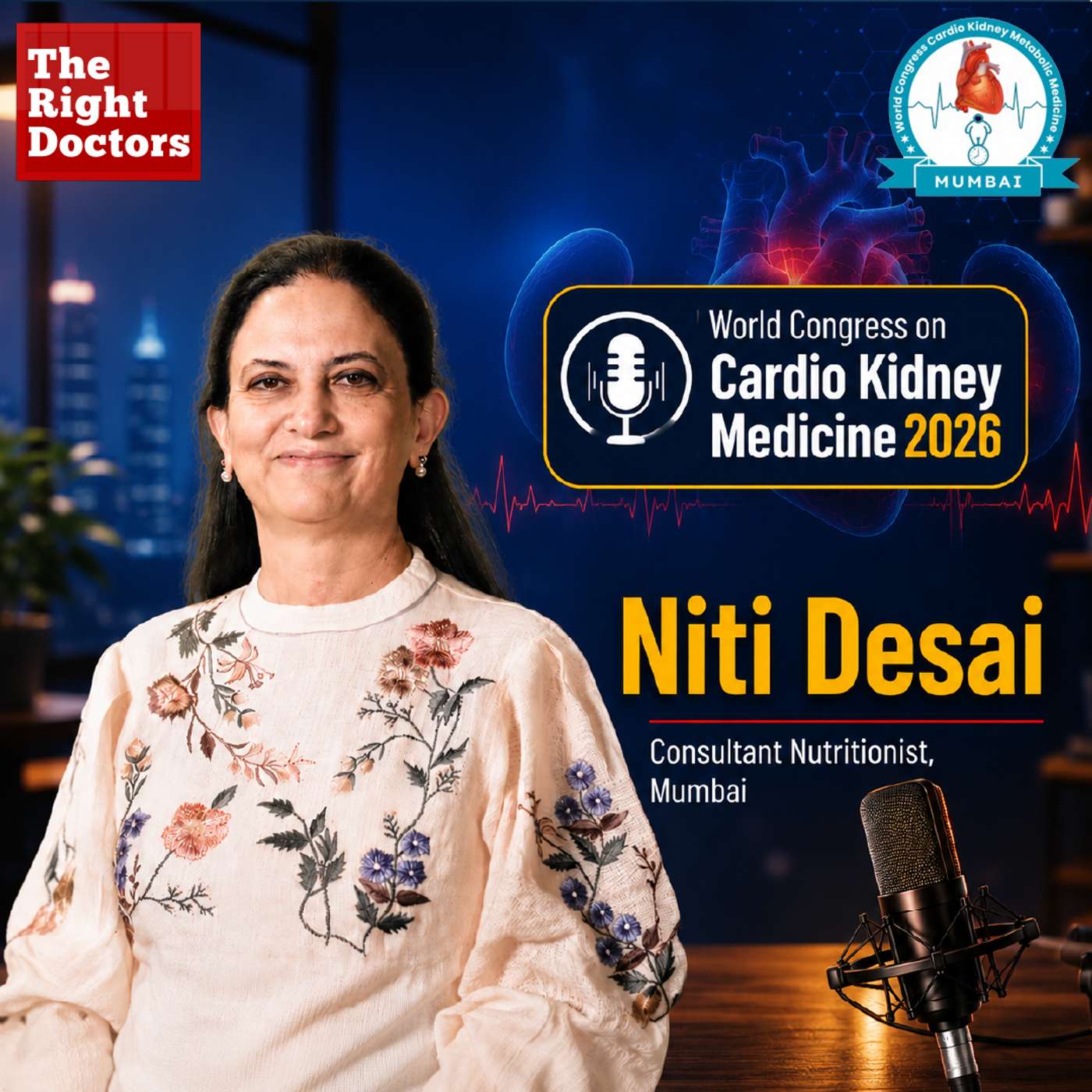
In this discussion, Dr. PC Manoria interviews renowned dietician Dr. Niti Desai regarding the impact of nutrition on health and athletic performance. Desai emphasizes that athletes require specific dietary plans to facilitate muscle repair and physical recovery after intense exertion. The conversation highlights the cardiovascular benefits of nuts, specifically recommending walnuts, almonds, and pistachios for their fiber and healthy fat content. For individuals managing diabetes or heart disease, the expert suggests monitoring egg yolk consumption and focusing on the quality and portion size of carbohydrates rather than total elimination. Furthermore, she clarifies that alternative sweeteners like honey and jaggery impact blood sugar similarly to white sugar, making them risky for diabetic patients. The session concludes by noting that meal frequency should be tailored to the individual, provided that snacks consist of nutrient-dense foods rather than processed items.
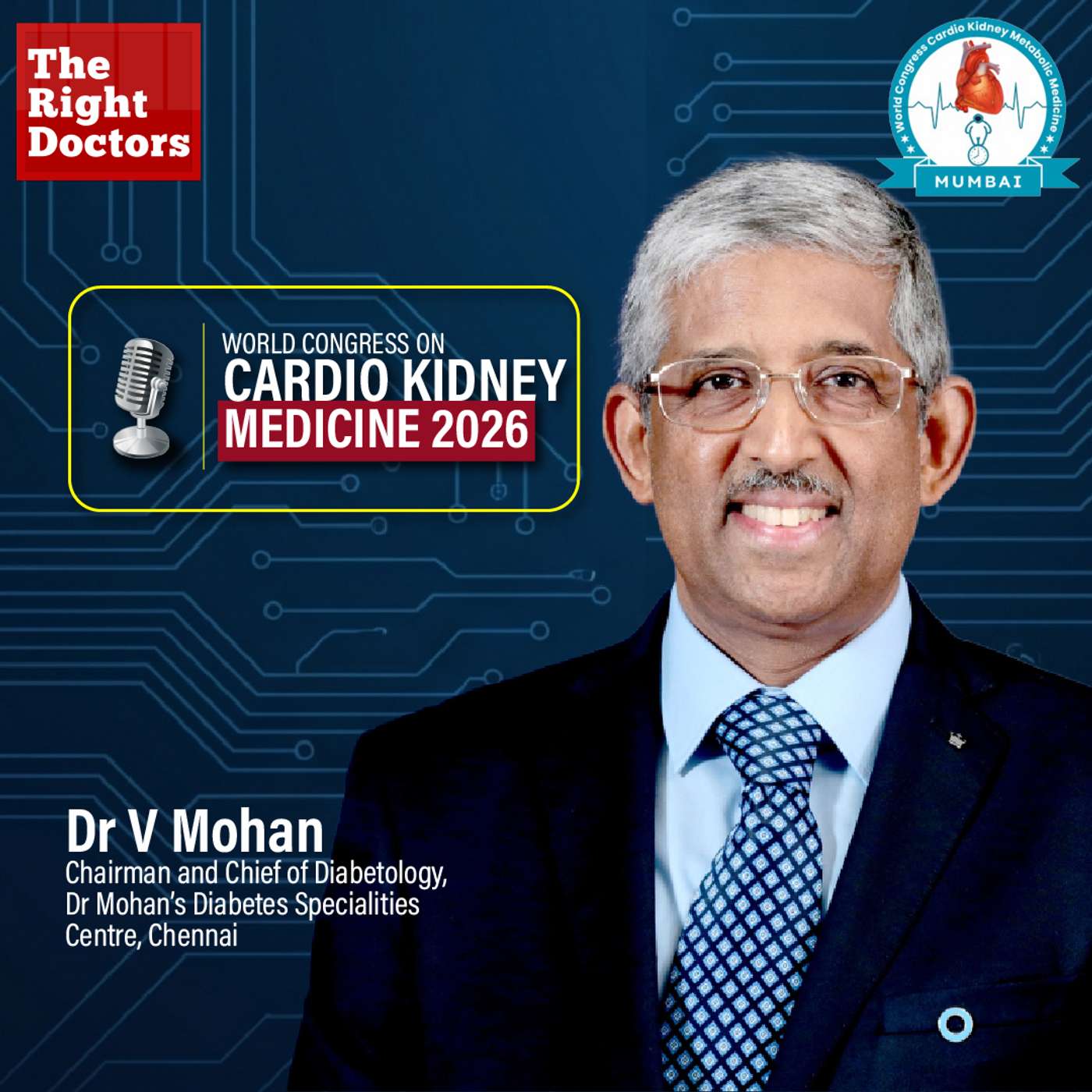
"In my father's time, a person with diabetes reaching the age of 60 was very difficult... Now I have a series of patients who finish 100 years of life. Many of my patients with diabetes who are well controlled are doing better than non-diabetic people because a non-diabetic patient doesn't go for checkups." said Dr. V. Mohan in a conversation at the WC CKM 2026.Top 5 Takeaways from the Conversation:1. Shift Focus from Prevalence to Complications: Rising diabetes numbers reflect increased longevity; the priority must be eliminating blindness, amputations, and heart attacks.2. The 'A-B-C' of Prevention: Strict control of A1c, Blood pressure, and Cholesterol can prevent almost all diabetic complications.3. The "Check-up Advantage": Regular diabetic screenings often lead to early detection of unrelated silent killers like prostate or liver cancer.4. Primordial Prevention in Childhood: Schools must prioritize physical health over "academic monsters" to prevent heart attacks in a patient's 40s.5. Embracing the Cardiometabolic Specialty: Moving beyond glucose-centric care toward a unified approach for heart, kidney, liver, and metabolic health.Dr. V. MohanDr. V. Mohan is the Chairman of Dr. Mohan’s Diabetes Specialities Centre and President of the Madras Diabetes Research Foundation. A Padma Shri awardee, he is ranked among the top 2% of scientists globally. With over 50 years in the field, he has authored over 1,600 publications and is a global leader in diabetes research and clinical care.Dr. P.C. ManoriaDr. P.C. Manoria is the Executive President of the 4th World Congress on CKM and a renowned cardiologist based in Mumbai. He is a prominent voice in advocating for the integration of cardiology and metabolic medicine to improve patient outcomes in chronic disease management.
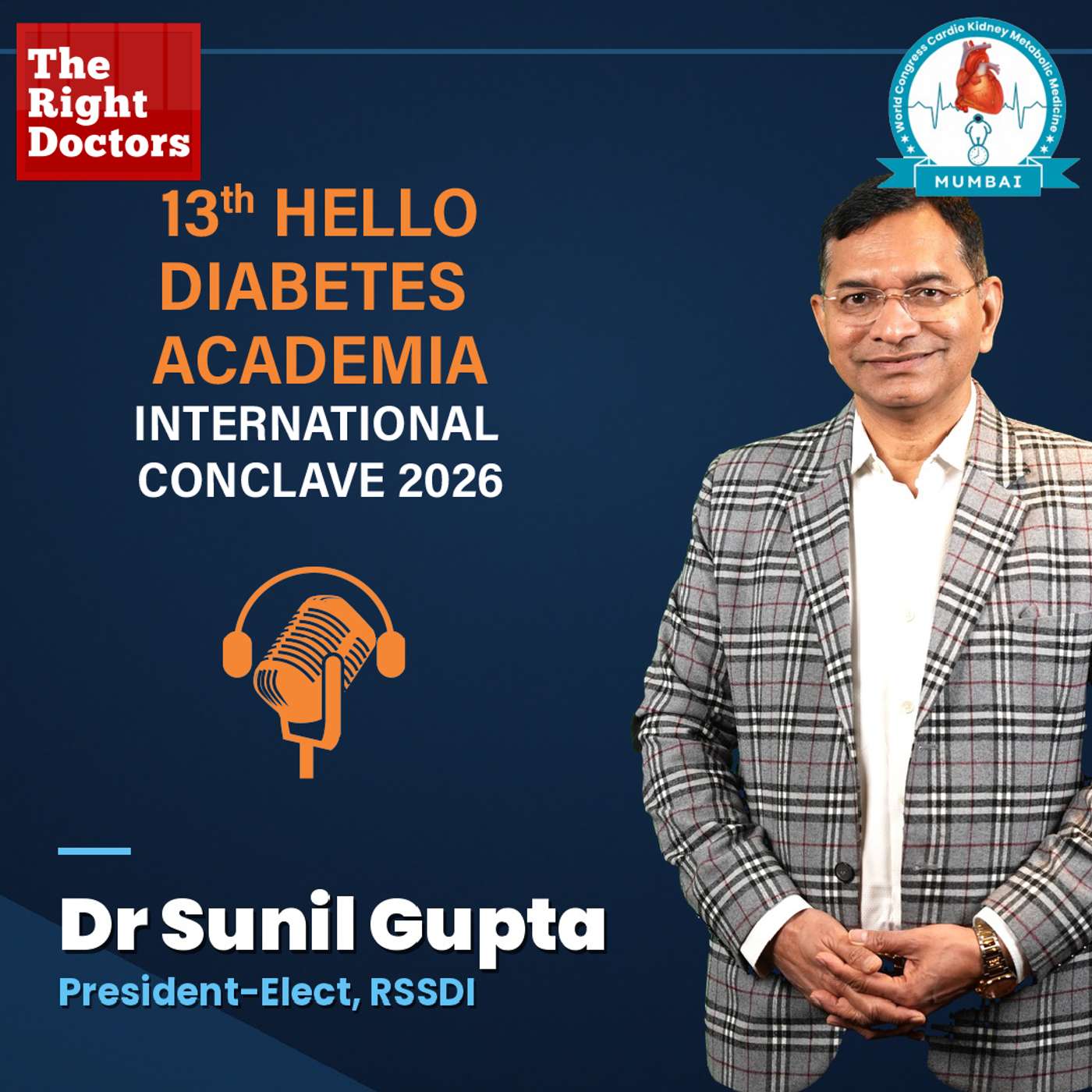
"Intrauterine environment have its imprint on the baby's overall structure and physiology, and they ultimately become more prone to have diabetes, blood pressure, obesity, and cardiovascular disease in their adult life," said Dr. Sunil Gupta in a conversation with Dr. P.C. Manoria at the World Congress Cardio Kidney Metabolic (WC CKM) Medicine 2026.Here are the top 5 takeaways from the conversation:1 Barker Hypothesis: Metabolic diseases originate in utero, making pregnancy the critical window for primordial prevention.2 Universal Screening: 1 in 4 Indian women have hyperglycemia in pregnancy; first-trimester 75g OGTT screening is vital.3 Strict Targets: Aim for fasting under 90 mg/dL, postprandial under 120 mg/dL, and HbA1c under 6.0% to protect the fetus.4 Treatment: Insulin is the gold standard (no placental crossing). Metformin is secondary, provided placental health is normal.5 Preconception Care: 90% of pregnancies are unplanned; counseling is essential to manage hyperglycemia before conception.Dr. Sunil Gupta is a globally renowned Diabetologist and the President-elect of the Research Society for the Study of Diabetes in India (RSSDI). He is a leading advocate for gestational diabetes awareness and has pioneered the "Fitness for Pregnancy" concept in India to combat the intergenerational cycle of diabetes. Dr. Gupta is widely recognized for his clinical expertise and his role in shaping national guidelines for the screening and management of hyperglycemia during pregnancy.Dr. Professor P.C. Manoria is the Executive President for the World Congress Cardio Kidney Metabolic (WC CKM) Medicine. He is a distinguished cardiologist based in Mumbai and is a prominent figure in the integration of cardio-renal-metabolic care. Dr. Manoria has led numerous international medical congresses aimed at addressing the epidemic proportions of non-communicable diseases in South Asia.
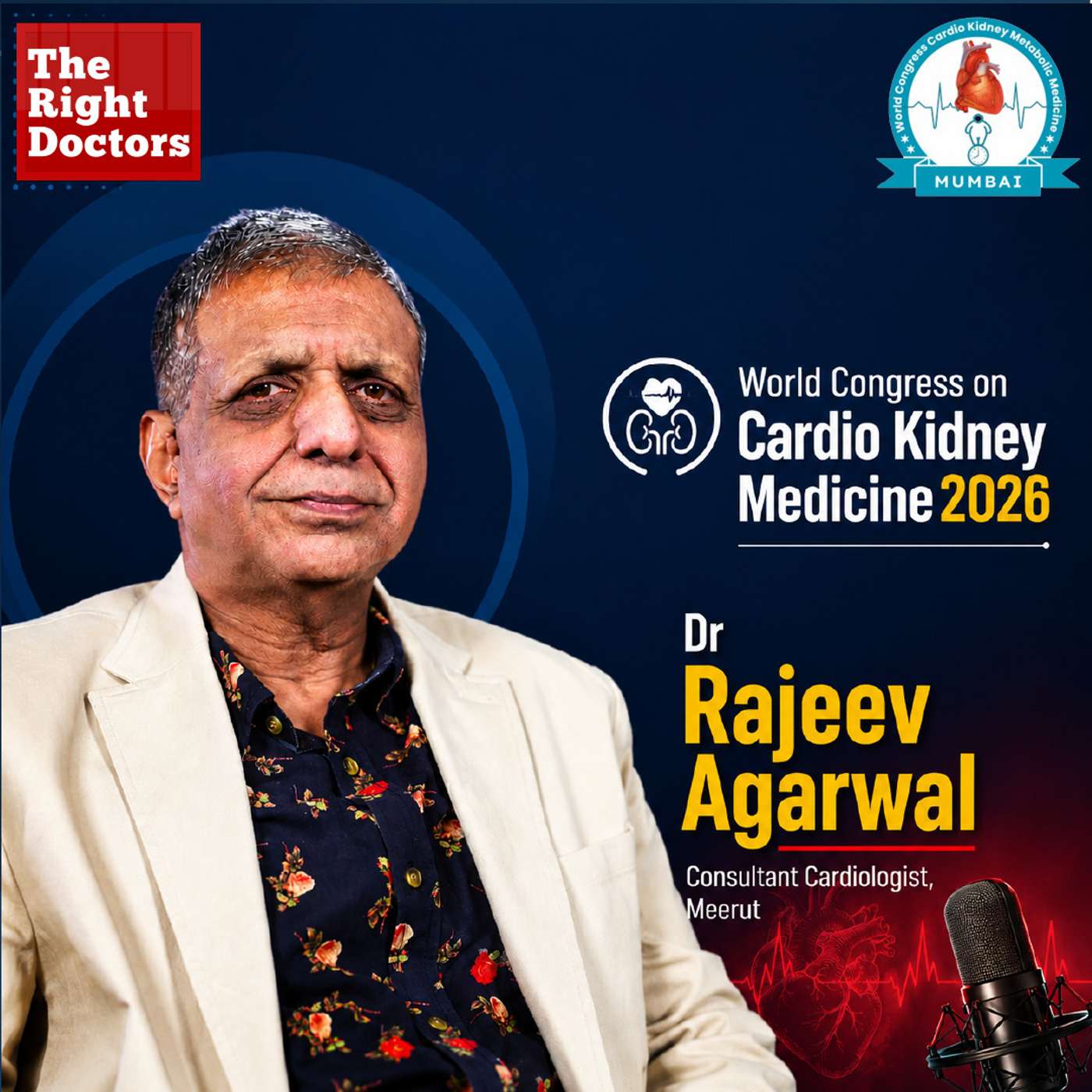
"The crux of the problem is not only the LDL level, but the duration of exposure," says globally renowned interventional cardiologist Dr. Rajeev Agrawal in a conversation with Dr. P.C. Manoria at the World Congress Cardio Kidney Metabolic (WC CKM) Medicine 2026.This discussion explores the shift from "Lower is Better" to "Earlier is Better" in lipid management. Dr. Agrawal breaks down the future of lipidology, from the "standard duo" of statins and ezetimibe to revolutionary gene-silencing technologies and the quest for effective Lp(a) therapies.Top 5 Takeaways:1 LDL "Time-Volume": Risk is about the "area under the curve"—total years of exposure to high LDL, not just a single reading.2 Birth-Level Targets: Regression of plaque requires dropping LDL to 25–50 mg/dL—mimicking the levels found in an umbilical cord.3 Obicetrapib's Edge: This new molecule is a "triple threat," lowering both LDL and Lp(a) while significantly raising HDL.4 Gene Editing Reality: CRISPR technology solves lifelong compliance with one dose but matches the 55% LDL drop seen with daily drugs.5 The Lp(a) Data Gap: We can now silence Lp(a) by 90%, but we still need final outcome trials to prove this saves lives.Dr. Rajeev Agrawal is a globally renowned Interventional Cardiologist and a leading authority in Lipidology. He is a senior consultant known for his expertise in complex coronary interventions and preventive cardiology.Dr. P.C. Manoria is the Executive President for the World Congress Cardio Kidney Metabolic (WC CKM) Medicine and a distinguished cardiologist based in Mumbai.

Comments

Download from Google Play

Download from App Store
 United States