


 Claim Ownership
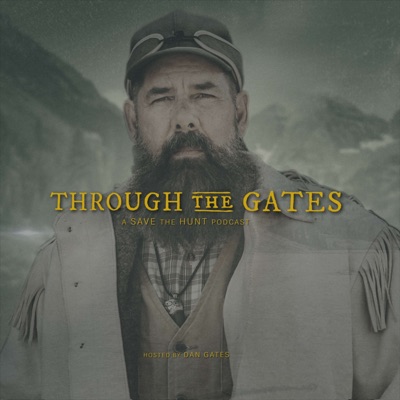
Through the Gates
Subscribed: 20Played: 1,064
Subscribe

© 2026 Dan Gates - Save the Hunt
Description
Informing the Public on the Benefits of Hunting and Fishing along with the importance of the North American Model of Wildlife Conservation and Responsible Science Based Wildlife Management
126 Episodes
Reverse

What does it take to build a successful taxidermy business, raise a family in Colorado's outdoors, and become an advocate for hunting and wildlife conservation?On this episode of Through the Gates: Through the Gates to Save the Hunt, Dan Gates sits down with Tori Banks, owner of TB Designs Taxidermy in Hot Sulphur Springs, Colorado, to discuss her journey from ranching and horsemanship to becoming an accomplished professional taxidermist, passionate hunter, and emerging voice for women in conservation.Tori didn't grow up hunting, but after meeting her husband, a former Colorado Parks and Wildlife (CPW) game warden, she discovered a passion for big game hunting and the outdoors. With an artistic background and mentorship from some of Colorado's most respected taxidermists, she built a growing business specializing in big game taxidermy, including elk, mule deer, black bears, and more.In this conversation, Tori shares the challenges of building a taxidermy business, learning from industry mentors, competing in taxidermy competitions, and balancing hunting season with the demands of running a business and raising four children.The conversation also explores something bigger: the changing landscape of hunting in Colorado, the importance of introducing children to hunting and conservation, the growing role of women in the hunting community, and why everyday hunters need to become more engaged in protecting our hunting heritage.Tori also shares a powerful story about changing the perspective of a non-hunter who questioned mountain lion hunting with dogs, demonstrating how personal conversations and education can help bridge the divide between hunters and non-hunters.IN THIS EPISODE:Tori Banks' journey from ranching to professional taxidermyBuilding TB Designs Taxidermy in Hot Sulphur Springs, ColoradoThe artistry, craftsmanship, and challenges of big game taxidermyLearning from respected taxidermists and industry mentorsHunting black bears, elk, and mule deer in Colorado and beyondHorseback hunting and packing into the backcountryRaising four children in a hunting and conservation-oriented familyWomen entering the taxidermy and hunting industriesUnderstanding mountain lion hunting and the use of houndsColorado's changing hunting and wildlife policy landscapeThe importance of educating non-hunters about hunting and conservationGetting involved and standing up for the future of huntingTori is also participating in the 2027 Women of Conservation calendar, highlighting the growing influence of women who are actively involved in hunting, wildlife management, and conservation.CONNECT WITH TORI BANKS:TB Designs TaxidermyHot Sulphur Springs, ColoradoInstagram: TB Designs TaxidermyPhone: 970-986-2547SUPPORT THE BUSINESSES THAT SUPPORT HUNTING & CONSERVATION:Davis Tent – https://davisentent.comColorado Shed Company – https://coloradosheds.comRustic Living – https://rusticliving.comABOUT THROUGH THE GATESThrough the Gates is dedicated to telling the stories of the people, organizations, and issues shaping the future of hunting, fishing, and wildlife conservation. Through honest conversations and education, we work to protect Colorado's hunting heritage and promote science-based wildlife management.If you believe in the future of hunting and conservation, help us spread the message.LIKE, COMMENT, SHARE & SUBSCRIBE!#ThroughTheGates #WomenInConservation #WomenWhoHunt #ColoradoHunting #Taxidermy #WildlifeConservation #SaveTheHunt #HuntingHeritage #BigGameHunting #ColoradoWildlife
Amendment 83 has failed in Colorado, but the fight over the future of hunting, fishing, and science-based wildlife management is far from over.In this post-election episode of Through the Gates, Dan Gates breaks down the defeat of Amendment 83, what the election results mean for Colorado's hunting community, and why the next several months could be critical for the future of wildlife management in the state.Following the November election and the latest Colorado Parks and Wildlife Commission meeting, Dan examines the growing debate over science-based wildlife management, the influence of animal rights organizations, and the increasing divide between hunting opportunities and wildlife policy.The conversation goes beyond Amendment 83. Dan discusses proposed restrictions on electronic calls for fur-bearing animals, lead ammunition, prairie dog management, fur-bearer harvest limits, and the potential consequences of decisions being made by the Colorado Parks and Wildlife Commission.He also explores the relationship between public and private lands, the role of hunters and anglers in funding conservation, and why wildlife management cannot simply be left to chance.WHAT WE COVER:Why Amendment 83 failed and what the campaign revealed.The opposition messaging surrounding traditional hunting and trapping methods.The importance of the North American Model of Wildlife Conservation.Concerns surrounding the Colorado Parks and Wildlife Commission.Proposed restrictions on electronic calling devices and lead ammunition.The ongoing debate over prairie dogs and fur-bearer management.How public-land restrictions can create additional challenges for private landowners.Why wildlife management requires science, data, and professional expertise.What hunters and conservationists should watch for heading into 2027.Why getting involved in the CPW commission and legislative process matters.The defeat of Amendment 83 was a setback, not the end of the fight. The future of hunting and fishing in Colorado will depend on an engaged sporting community willing to understand the issues, participate in the process, and stand up for responsible wildlife management.GET INVOLVED. SAVE THE HUNT.Learn more about Coloradans for Responsible Wildlife Management:https://SaveTheHuntColorado.comParticipate in Colorado Parks and Wildlife public comment opportunities:https://engagecpw.orgSubscribe to Through the Gates for conversations about hunting, conservation, wildlife management, and the people working to protect the North American Model of Wildlife Conservation.Follow @C.R.W.M on Facebook and Instagram.
The fight to protect hunting, fishing, and science-based wildlife management is bigger than any one state. From Colorado and Arizona to New Mexico, Oregon, Washington, and beyond, sportsmen and women are facing growing political, legal, and ballot-box challenges that could reshape the future of wildlife conservation across the American West.In this episode of Through the Gates: Save the Hunt, host Dan Gates sits down with Chuck Podolak, president of Conserve and Protect Arizona, to discuss the lessons learned from Arizona's wildlife policy battles, the growing importance of state-to-state cooperation, and what the hunting and conservation community must do to prepare for the next fight.Chuck explains why Conserve and Protect Arizona was formed, how it works alongside established wildlife conservation organizations, and why a dedicated political organization can play a critical role in defending hunting and responsible wildlife management. Drawing on Colorado's Proposition 127 campaign and Arizona's fight over hound hunting, Dan and Chuck examine what happens when conservation organizations, hunters, anglers, trappers, falconers, and other sportsmen unite around a common purpose.In this episode, we discuss:Why the political battles over hunting and wildlife management are spreading across Western states.The role of Conserve and Protect Arizona in defending hunting and science-based wildlife management.Lessons from Arizona's historical ballot fights over public-land trapping and efforts to restrict hound hunting.How Colorado's Amendment 71 changed the requirements for constitutional ballot initiatives.Why hunters and conservation organizations must work together instead of becoming divided by individual interests.The difference between broad conservation coalitions and dedicated political advocacy organizations.Why relying entirely on volunteers may no longer be enough to defend hunting rights.How sportsmen can communicate with non-hunters, urban voters, and the general public.The importance of proactive public outreach before the next ballot initiative or legislative fight.The challenges of competing with well-funded animal-rights organizations and litigation-driven advocacy.Why hunting and fishing revenue matters to wildlife management and conservation funding.How wildlife agencies can help communicate the value of wildlife conservation to the public.Why Western states need stronger networks for sharing resources, funding, expertise, and political support.The long-term challenge of protecting hunting traditions as Western populations become increasingly urban.Dan and Chuck also discuss the importance of maintaining a unified message, preparing before a threat becomes urgent, and building relationships that allow sportsmen and women in one state to support their counterparts in another.The central question: How can the hunting and conservation community build the relationships, public support, funding, and political infrastructure necessary to protect the North American Model of Wildlife Conservation for future generations?This conversation is especially relevant to hunters, anglers, trappers, wildlife managers, conservation advocates, and anyone interested in the future of public-land hunting, wildlife policy, and responsible wildlife management.
What happens when the fight to protect hunting, fishing, and wildlife conservation moves from the field to the political arena?On this episode of Through the Gates, Dan Gates sits down with Cable Smith, host of the Lone Star Outdoor Show, for an in-depth conversation about the future of hunting, science-based wildlife management, public lands, predator hunting, and the growing political challenges facing sportsmen across America.Cable shares how he went from a radio broadcasting graduate with a passion for bass fishing and duck hunting to building one of the longest-running outdoor media platforms in the country. With more than 800 weekly episodes, decades of hunting experience, and a growing role in conservation advocacy, Cable has seen firsthand how the outdoor industry has changed—and why hunters can no longer afford to ignore wildlife politics.The conversation explores the lessons Colorado's Proposition 127 fight holds for other states, why public lands matter even in states dominated by private property, and how hunting traditions connect families and communities across generations.Dan and Cable also discuss chronic wasting disease (CWD), mountain lion and bear hunting with hounds, wildlife commissions and political decision-making, the funding behind North American wildlife conservation, and the importance of protecting the right to hunt and fish for future generations.With Colorado's Amendment 83 on the ballot, this conversation takes on added significance. Dan explains how a constitutional Right to Hunt and Fish could help protect Colorado's outdoor heritage while preserving wildlife management authority and science-based conservation.Whether you're a lifelong hunter, an angler, a public-land advocate, or someone who cares about the future of America's wildlife, this episode connects the dots between hunting, conservation, politics, and the responsibility to pass our outdoor traditions on to the next generation.IN THIS EPISODE:Cable Smith's journey building the Lone Star Outdoor ShowWhy hunters must get involved in conservation politicsLessons from Colorado's fight against Proposition 127Public lands, private land hunting, and access for future generationsThe traditions and family connections built around deer and elk campBackcountry elk hunting and the rewards of DIY huntsMountain lion hunting, houndsmen, and ethical decision-makingChronic wasting disease and wildlife management controversiesTexas wildlife policy and the role of state wildlife agenciesWhy science should guide wildlife commissionsThe North American Model of Wildlife Conservation and conservation fundingColorado's constitutional Right to Hunt and Fish and Amendment 83Why apathy is not an option for hunters and conservationists
What happens when our idea of perfect, untouched nature conflicts with the realities of wildlife conservation?On this episode of Through the Gates, Dan Gates sits down with Trinity Vandenacre of Life in the West for an in-depth conversation about hunting, wildlife management, predators, ranching, conservation, and the misconceptions shaping public opinion across the American West.Trinity challenges what he calls the “pristine myth”—the belief that nature was once perfectly balanced and would return to that ideal if humans simply stepped away. Drawing on his experience in the Western way of life, he discusses why wildlife management is more complicated than many people realize, why historical comparisons can be misleading, and why responsible human involvement matters to the future of wildlife.The conversation explores the role of regulated hunting in maintaining wildlife populations, the debate over wolves and other apex predators, Colorado’s growing human population, forest management, wildfire, habitat, and the challenges of communicating conservation to people outside the hunting and ranching communities.Dan also opens the episode with an update on Colorado Amendment 83 and the constitutional right to hunt and fish, discussing traditional methods, existing hunting restrictions, the role of Colorado Parks and Wildlife (CPW), and the importance of science-based wildlife management.Whether you're a hunter, angler, rancher, wildlife enthusiast, or someone who simply wants to understand how conservation works, this conversation examines the difficult questions facing wildlife and the future of the American West.IN THIS EPISODEColorado Amendment 83 and the constitutional right to hunt and fishWhat “traditional methods” means in the debate over hunting and fishing rightsTrinity Vandenacre’s journey into Western lifestyle and conservation contentThe “pristine myth” and the idea of untouched, perfectly balanced natureWhy regulated hunting is a wildlife management toolWolves, elk, moose, beavers, and the complexities of predator-prey relationshipsYellowstone and why its wildlife management experience may not translate directly to ColoradoHunting, wildlife abundance, and the funding of conservationRanching, public lands, forest management, and wildfireHow social media shapes public perceptions of hunting and conservationWhy conservation requires looking forward instead of trying to recreate an idealized pastFOLLOW TRINITY VANENACREFind Life in the West and Trinity Vanenacre on YouTube, Instagram, and Facebook.SUPPORT CONSERVATION AND THE FUTURE OF HUNTINGLearn more about the effort to protect hunting and fishing in Colorado:SaveTheHuntColorado.comLearn more about wildlife conservation advocacy:WildlifeDeserveBetter.comIf you care about wildlife, conservation, hunting, fishing, and the future of the American West, help us spread the conversation.👍 Like the video💬 Share your perspective in the comments🔔 Subscribe to Through the Gates📲 Share this episode with someone who wants to understand wildlife management and conservation.#ThroughTheGates #WildlifeConservation #Hunting #WildlifeManagement #ColoradoWildlife

Comments

Download from Google Play

Download from App Store
 United States