


Tick Boot Camp
Subscribed: 53Played: 2,406
Subscribe

© Copyright 2025
Description
The goal of the Tick Boot Camp Podcast is to help people liberate themselves and others from suffering caused by Lyme disease through validation, community building, belief that healing is possible, and modeling success. Listen to our Tick Boot Camp podcast using all major podcast streaming services such as Apple Podcasts, Spotify, and YouTube Music. Our podcast is also integrated with smart home devices, such as Amazon Alexa and Apple TV. Ask your device to "play the Tick Boot Camp Podcast!"
545 Episodes
Reverse
Overview
This special episode of the [Tick Boot Camp Podcast](https://tickbootcamp.com/podcast/) was recorded live at the 2nd Annual Alzheimer’s Pathobiome Initiative (AlzPI) and PCOM Symposium in collaboration with Pathobiome Perspectives. Hosted by Ali Moresco in partnership with Nikki Schultek, Executive Director of AlzPI, the conversation continues the Tick Boot Camp mission of exploring infection-associated chronic illness (IACI)—including Lyme disease and other tick-borne infections—within the global Alzheimer’s and neuroimmunology research community.
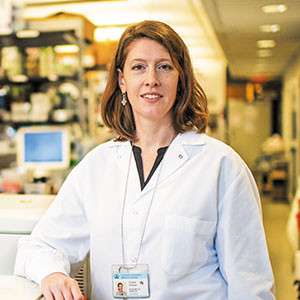
Tick Boot Camp co-founders Matt Sabatello and Rich Johannesen partnered with Ali and Nikki to highlight leading scientists connecting microbes, immune dysregulation, and neurodegenerative disease. This episode features Dr. Elizabeth “Betsy” Bradshaw, Assistant Professor of Neurology at Columbia University Irving Medical Center, whose research investigates how past infections leave lasting imprints on the brain’s immune system and influence the development of Alzheimer’s disease.
Guest
Elizabeth M. Bradshaw, PhD
Assistant Professor of Neurology, Columbia University Irving Medical Center
Principal Investigator, Bradshaw Laboratory – Neuroimmunology and Genetics of Alzheimer’s
Dr. Bradshaw’s laboratory focuses on the immune system’s role in neurodegeneration, particularly how infection and inflammation alter brain immunity and predispose individuals to conditions like Alzheimer’s disease. Her work builds on large-scale genome-wide association studies (GWAS) that identified immune-related genetic variants linked to Alzheimer’s susceptibility, suggesting that subtle changes in immune function—not just neuronal factors—may underlie disease onset.
Her team is exploring how pathogens such as HSV-1 (Herpes Simplex Virus Type 1) interact with the brain’s immune cells, known as microglia, and how these infections can “reprogram” immune responses long after the pathogen is cleared.
Key Discussion Points
Dr. Bradshaw explains how her research bridges genetics, immunology, and infectious disease to better understand Alzheimer’s. Through GWAS data, her team found that many of the genes linked to Alzheimer’s risk involve immune pathways rather than neuronal signaling. This discovery redirected the field’s attention toward how immune cells respond to pathogens and environmental stressors across a lifetime.
Using human-derived microglia-like cells created from blood monocytes, her team observes how infections reshape immune cell metabolism and memory. By infecting these microglia-like cells with Alzheimer’s-associated pathogens like HSV-1, they study how genetic background and infection history determine immune cell behavior.
The findings suggest that past infections may epigenetically and metabolically train microglia—changing how they respond to aging, stress, and amyloid buildup. Even when the infection has resolved, these “reprogrammed” immune cells can remain altered for decades, silently increasing the brain’s vulnerability to neurodegeneration.
Dr. Bradshaw emphasizes that understanding how infections rewire the brain’s immune landscape could transform early intervention strategies. Identifying combinations of genetic risk factors and pathogen exposures may enable targeted prevention or immune-modulating treatments long before symptoms appear.
“Microglia remember. Even after the pathogen is gone, they carry its imprint—responding differently decades later when the brain faces new challenges.” — Dr. Elizabeth Bradshaw
Why It Matters
Dr. Bradshaw’s work reframes Alzheimer’s disease as a neuroimmune condition shaped by infection and host genetics. Her research highlights how microbial exposures, immune history, and inflammation converge to influence cognitive decline. By integrating infection biology with genetics and immunology, her team is redefining how scientists and clinicians view the root causes of Alzheimer’s and other neurodegenerative diseases.
This work strengthens the growing case that the immune system’s “memory” of infection may be one of the most important and overlooked factors in brain health and aging.
About the Event
This interview was recorded at the 2nd Annual Alzheimer’s Pathobiome Initiative (AlzPI) and Philadelphia College of Osteopathic Medicine (PCOM) Symposium, held October 3, 2025, at Ohio University in Dublin, Ohio. The event brought together more than 20 leading researchers exploring how microbes, the microbiome, and immune dysregulation contribute to Alzheimer’s, dementia, and infection-associated chronic illness (IACI).
Tick Boot Camp partnered with Ali Moresco and Nikki Schultek to share these conversations and connect chronic Lyme, infection, and neurodegenerative research communities.
Learn More
Learn more about the Alzheimer’s Pathobiome Initiative (AlzPI)
Listen to Tick Boot Camp Podcast episodes, including Episode 406: Pathobiome – An Interview with Nikki Schultek and Episode 101: The Young Gun – An Interview with Alex (Ali) Moresco discussed in this interview.
Overview
This special episode of the Tick Boot Camp Podcast was recorded live at the 2nd Annual Alzheimer’s Pathobiome Initiative (AlzPI) and PCOM Symposium in collaboration with Pathobiome Perspectives. Hosted by Ali Moresco in partnership with Nikki Schultek, Executive Director of AlzPI, this series expands the Tick Boot Camp mission of exploring infection-associated chronic illness (IACI)—including Lyme and other tick-borne infections—to the global Alzheimer’s and neuroimmunology research community.
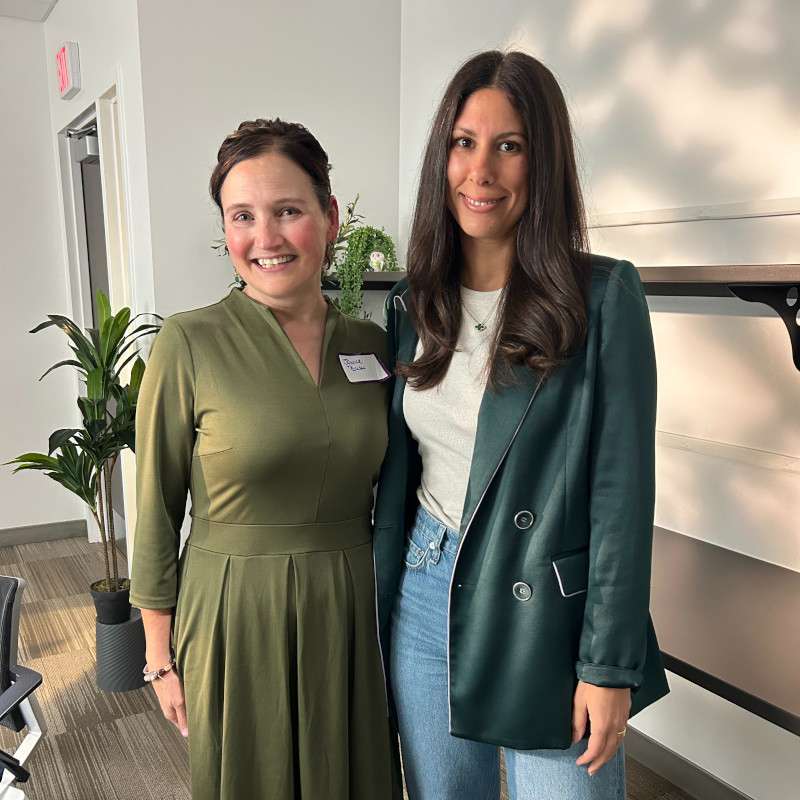
Tick Boot Camp co-founders Matt Sabatello and Rich Johannesen partnered with Ali and Nikki to showcase scientists exploring the microbial and immune mechanisms behind neurodegeneration. This episode features Dr. Janice Bush, a PhD candidate at North Carolina State University’s College of Veterinary Medicine, whose research under world-renowned Bartonella expert Dr. Edward Breitschwerdt investigates how Bartonella bacteria alter gene expression in the brain’s immune cells.
Guest
Janice Bush, DVM, PhD Candidate
College of Veterinary Medicine, North Carolina State University (NCSU)
Dr. Janice Bush began her career in veterinary medicine, where she observed a striking overlap between illnesses in pets and their human owners—particularly those linked to vector-borne infections like Bartonella.
Now completing her PhD under Dr. Edward Breitschwerdt, she focuses on Bartonella henselae, the bacterium behind Cat Scratch Disease, and its ability to infect human microglial cells—the brain’s resident immune defenders.
Her presentation, “Bartonella-Infected Human Microglial Cells: Transcriptional Changes Associated with Chronic Neurologic Disorders,” revealed how this stealth pathogen triggers widespread gene dysregulation linked to Alzheimer’s disease, psychiatric symptoms, and neurodegenerative processes.
Key Discussion Points
Dr. Bush explains how Bartonella infection reprograms human microglia, the brain’s innate immune cells, leading to hundreds of genes being upregulated or suppressed—affecting energy metabolism, mitochondrial function, cell signaling, and immune communication. These cellular changes mirror those observed in chronic neurological and psychiatric disorders, providing a potential mechanistic link between infection and long-term neurodegeneration.
She describes Bartonella’s sophisticated immune evasion strategy, including its ability to hijack cellular machinery and increase production of interleukin-10 (IL-10)—an anti-inflammatory cytokine that suppresses immune response, allowing the bacteria to persist undetected. This mechanism may explain why patients experience cyclic flares and remissions, and why Bartonella can linger silently for years.
Dr. Bush’s findings suggest that even short-term infections can produce measurable transcriptional changes in brain immune cells within 48 hours. If such infections persist for months or years, they may set the stage for neurodegenerative disease, particularly when combined with other pathogens or environmental factors.
“If one intracellular pathogen can cause this many changes in two days, imagine what happens over months or years. Bartonella may be the spark that primes the brain for neurodegeneration.” — Dr. Janice Bush
Why It Matters
Dr. Bush’s research offers a groundbreaking look at how a common, underrecognized infection may drive neuroinflammation and neurodegeneration. Her work bridges veterinary medicine, infectious disease, and neurology—revealing how pathogens once dismissed as minor or self-limiting may alter the brain’s immune landscape.
By demonstrating that Bartonella can infect and manipulate microglial cells, she provides critical biological evidence linking vector-borne disease and cognitive decline, paving the way for future diagnostic and therapeutic innovation.
About the Event
This interview was recorded at the 2nd Annual Alzheimer’s Pathobiome Initiative (AlzPI) and Philadelphia College of Osteopathic Medicine (PCOM) Symposium, held October 3, 2025, at Ohio University in Dublin, Ohio. The event gathered more than 20 leading researchers exploring how microbes, the microbiome, and immune dysregulation contribute to Alzheimer’s, dementia, and infection-associated chronic illness (IACI).
The Tick Boot Camp Podcast, in partnership with Ali Moresco and Nikki Schultek, documented these conversations to connect the chronic Lyme, infectious disease, and Alzheimer’s research communities. This episode is part of Tick Boot Camp’s AlzPI collaboration series.
Learn More
Learn more about the Alzheimer’s Pathobiome Initiative (AlzPI)
Listen to Tick Boot Camp Podcast episodes, including Episode 406: Pathobiome – An Interview with Nikki Schultek and Episode 101: The Young Gun – An Interview with Alex (Ali) Moresco discussed in this interview.
Overview
This special episode of the Tick Boot Camp Podcast was recorded live at the 2nd Annual Alzheimer’s Pathobiome Initiative (AlzPI) and PCOM Symposium in collaboration with Pathobiome Perspectives. Hosted by Ali Moresco in partnership with Nikki Schultek (Executive Director, AlzPI), the conversation advances the Tick Boot Camp mission of exploring infection-associated chronic illness (IACI)—including Lyme disease and other tick-borne infections—within the global Alzheimer’s and neuroimmunology community.
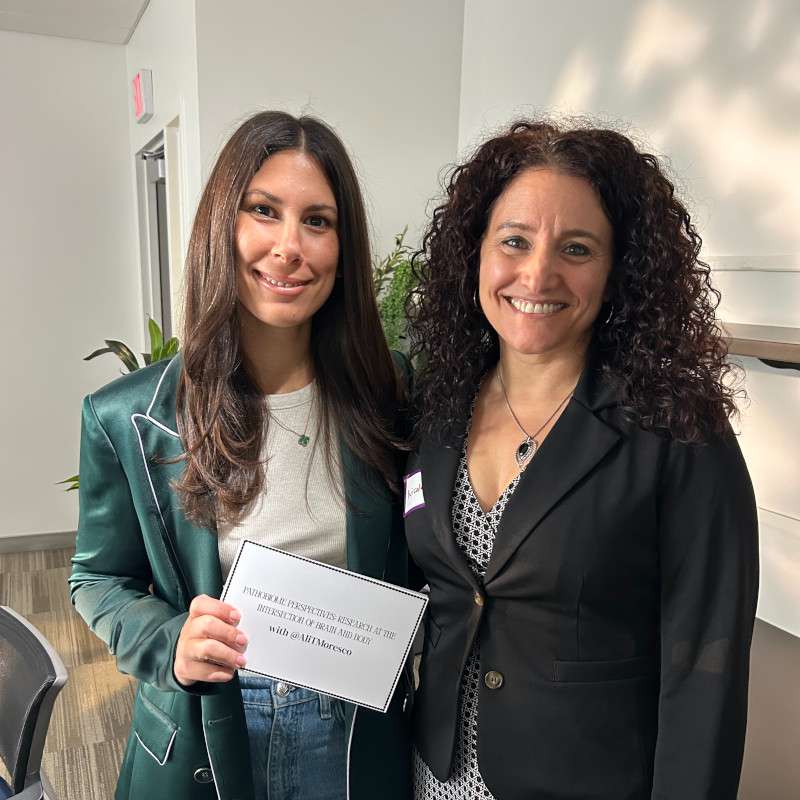
Tick Boot Camp co-founders Matt Sabatello and Rich Johannesen partnered with Ali and Nikki to amplify voices connecting tick-borne illness, microbes, and cognitive decline. This episode features Nicole Bell—author, entrepreneur, and CEO of Galaxy Diagnostics—whose memoir What Lurks in the Woods documents her late husband Russ’s misdiagnosed tick-borne illness and their search for answers.
Guest
Nicole Bell
Author of What Lurks in the Woods
CEO, Galaxy Diagnostics
Advocate for tick-borne and neurodegenerative disease
BS/MS, Materials Science & Engineering (MIT)
MS, Biomedical Engineering (Duke University)
At the Symposium, Nicole presented “When the brain pathobiome becomes personal,” sharing her family’s journey and new findings from Russ’s donated brain: laboratory evidence of Borrelia burgdorferi, Chlamydia pneumoniae, and Babesia otocoli (a species long thought to be deer-restricted) in brain tissue—data now being prepared for publication. Researchers also noted elevated heavy metals (lead, mercury), underscoring how polymicrobial infection plus toxic exposures may converge to drive neuroinflammation and Alzheimer’s-like decline.
Key Discussion Points
Nicole details how repeated “normal” neurology workups masked a complex pathobiome process. She explains why standard two-tier Lyme serology can miss true infection, how direct detection can change care, and why patients should consider Bartonella and Babesia alongside Lyme. She outlines hallmark Bartonella clues—including striæ that resemble stretch marks (often more visible after hot showers), neuropsychiatric manifestations (irritability, anxiety, OCD, tics), ocular and joint involvement—and highlights non-tick vectors (notably fleas and household cats) that expand risk beyond forest exposure.
Nicole advocates for building a diagnostic toolkit that combines serology with sensitive direct tests to clarify which pathogens are active—critical because Borrelia, Bartonella, and Babesia require different treatment paradigms. Looking forward, she envisions comprehensive screening panels for midlife cognitive changes that integrate pathogen load, host immune signatures, and toxin status, enabling earlier, targeted interventions.
“Everyone wants a simple A→B. But the toughest chronic conditions are subtle and multifactorial. Accurate data, direct detection, and a clinician who will go on the journey with you can change everything.” — Nicole Bell
Why It Matters
Nicole’s story humanizes the science: polymicrobial infection + toxins + host factors can look “psychiatric” or “idiopathic” until modern testing reveals the underlying pathobiome. Her advocacy pushes medicine toward precision diagnostics, earlier detection, and pathogen-informed care that may prevent years of decline.
About the Event
Recorded at the 2nd Annual Alzheimer’s Pathobiome Initiative (AlzPI) and Philadelphia College of Osteopathic Medicine (PCOM) Symposium on October 3, 2025, at Ohio University (Dublin, Ohio). The meeting convened global experts investigating how microbes, the microbiome, and immune responses contribute to Alzheimer’s, dementia, PANS/PANDAS, and other infection-associated chronic illnesses (IACI). This episode is part of a Tick Boot Camp series connecting chronic Lyme research with cutting-edge brain-immune science.
Learn More
Learn more about the Alzheimer’s Pathobiome Initiative (AlzPI)
Listen to Tick Boot Camp Podcast episodes, including Episode 406: Pathobiome – An Interview with Nikki Schultek, Episode 101: The Young Gun – An Interview with Alex (Ali) Moresco, and Episode 216: What Lurks in the Woods – an interview with Nicole Bell discussed in this interview.
Overview
This special episode of the Tick Boot Camp Podcast was recorded live at the 2nd Annual Alzheimer’s Pathobiome Initiative (AlzPI) and PCOM Symposium in collaboration with Pathobiome Perspectives. Hosted by Ali Moresco in partnership with Nikki Schultek, Executive Director of AlzPI, the conversation brings the Tick Boot Camp mission of exploring infection-associated chronic illness (IACI)—including Lyme disease and other tick-borne infections—to the global Alzheimer’s and neuroimmunology research community.
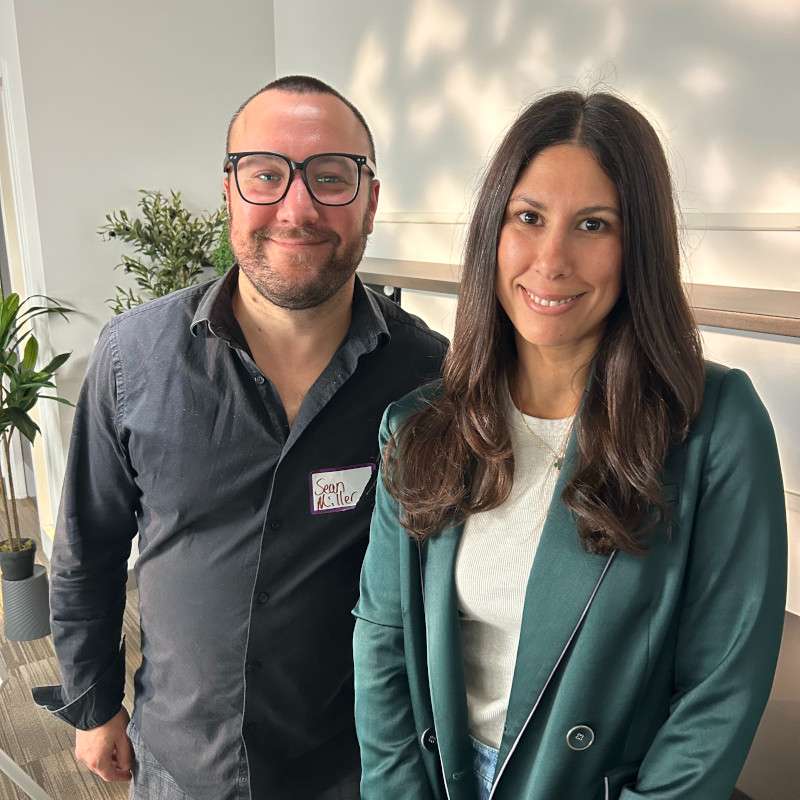
Tick Boot Camp co-founders Matt Sabatello and Rich Johannesen partnered with Ali and Nikki to highlight leading scientists connecting infection, immune dysfunction, and cognitive decline. This episode features Dr. Sean Miller, a neuroscientist and co-investigator in the Logan Lab with a primary appointment at Yale School of Medicine, who is developing ways to non-invasively detect Alzheimer’s-like pathology through the eye.
Guest
Sean Miller, PhD
Co-Investigator, Logan Lab / Yale School of Medicine
Dr. Sean Miller completed pre-doctoral work at Harvard Medical School, earned his PhD from Johns Hopkins University, and completed post-doctoral training at Stanford University. His research focuses on neurodegeneration, neuroglia, and early diagnostic strategies for Alzheimer’s and related diseases.
At the AlzPI & PCOM Symposium, Dr. Miller presented evidence showing that SARS-CoV-2 (COVID-19) infection can accelerate Alzheimer’s-like pathology and that these changes can be detected non-invasively through retinal imaging. His findings suggest that amyloid-beta, a protein long associated with Alzheimer’s disease, may also serve as part of the brain’s antimicrobial defense system—trapping pathogens like a mesh or biofilm, but leading to damaging plaque buildup when overproduced.
Key Discussion Points
Dr. Miller describes how the COVID-19 virus can act as an infectious trigger for neuroinflammation and amyloid buildup, how the eye provides a unique window into the brain, and why early detection is essential to preventing neuron death. He shares how his lab’s AI-enhanced retinal imaging research at Yale Eye Center is identifying amyloid and tau deposits in patients with long COVID-related brain fog—opening the possibility of routine eye exams doubling as early Alzheimer’s screening tools.
He explains potential therapeutic strategies, such as limiting amyloid production during infection flare-ups and enhancing clearance mechanisms afterward to reduce chronic plaque formation. The conversation also explores his scientific journey—from designing Alzheimer’s drugs at Harvard and Johns Hopkins to realizing the need for early disease detection during his postdoc at Stanford—and how the pandemic inspired his focus on infection-induced neurodegeneration.
“We believe neurons are exposed to pathogens in the central nervous system and respond by secreting amyloid-beta to trap them. Excessive plaque buildup from repeated or severe infections may be what drives long-term neurodegeneration.” — Dr. Sean Miller
Why It Matters
Dr. Miller’s research connects infectious disease, ophthalmology, and neurology, providing a revolutionary new method to screen for early Alzheimer’s-like changes non-invasively through the human eye. His work suggests that infections like COVID-19 may trigger the same protective—but damaging—immune responses implicated in chronic conditions such as Alzheimer’s disease and infection-associated cognitive decline.
About the Event
The interview took place at the 2nd Annual Alzheimer’s Pathobiome Initiative (AlzPI) and Philadelphia College of Osteopathic Medicine (PCOM) Symposium, held on October 3, 2025, at Ohio University in Dublin, Ohio. The event brought together more than 20 global researchers exploring how microbes, the microbiome, and the immune response contribute to Alzheimer’s, dementia, PANS/PANDAS, and infection-associated chronic illnesses (IACI).
Tick Boot Camp partnered with Ali Moresco and Nikki Schultek to share the voices of researchers advancing the field of infection-associated chronic illness. This episode is part of a multi-part Tick Boot Camp series highlighting how pathobiome and microbiome science are transforming the understanding of Lyme disease, infection, and neurodegeneration.
Learn More
Learn more about the
Alzheimer’s Pathobiome Initiative (AlzPI)
Listen to
Tick Boot Camp Podcast
episodes, including
Episode 406: Pathobiome – An Interview with Nikki Schultek
and
Episode 101: The Young Gun – An Interview with Alex (Ali) Moresco
discussed in this interview.
Overview
This special episode of the Tick Boot Camp Podcast was recorded live at the 2nd Annual Alzheimer’s Pathobiome Initiative (AlzPI) and PCOM Symposium in collaboration with Pathobiome Perspectives. Hosted by Ali Moresco in partnership with Nikki Schultek, Executive Director of AlzPI, the conversation brings the Tick Boot Camp mission of exploring infection-associated chronic illness (IACI), like Lyme disease and other tick-borne diseases, to the global Alzheimer’s and neuroimmunology research community.
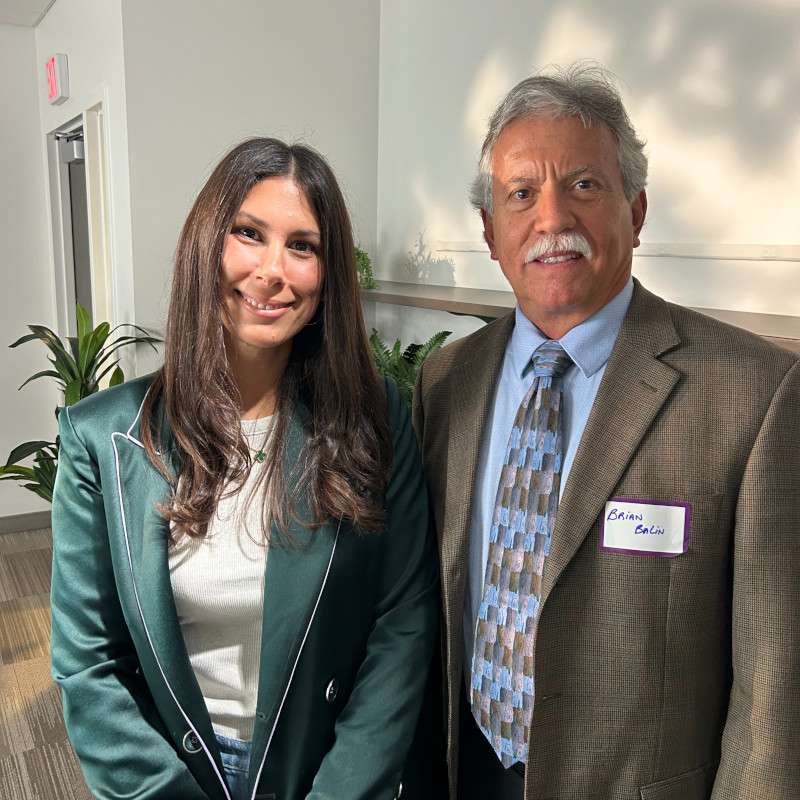
Tick Boot Camp co-founders Matt Sabatello and Rich Johannesen partnered with Ali and Nikki to highlight scientists whose work connects tick-borne illness, microbes, and cognitive decline. This episode features Dr. Brian J. Balin, an internationally recognized neuroscientist whose research has redefined the role of infection in contributing to Alzheimer’s disease.
Guest
Brian J. Balin, PhD
Professor of Neuroscience and Neuropathology
Director, Center for Chronic Disorders of Aging
Philadelphia College of Osteopathic Medicine (PCOM)
Dr. Balin directs the Center for Chronic Disorders of Aging and the Adolph and Rose Levis Foundation Laboratory for Alzheimer’s Disease Research at PCOM. With a PhD from the University of Maryland School of Medicine and postdoctoral training at the University of Pennsylvania, he has devoted nearly three decades to understanding how chronic infection and inflammation trigger neurodegeneration.
His pioneering discovery that the respiratory bacterium Chlamydia pneumoniae infects brain tissue helped establish the Pathogen Hypothesis of Alzheimer’s disease. His continuing work explores how tick-borne microbes — including Borrelia burgdorferi (Lyme disease), Bartonella, and Babesia — interact with other pathogens to drive neuroinflammation and cognitive decline.
Key Discussion Points
How infections such as Chlamydia pneumoniae, Borrelia burgdorferi, Bartonella, and Babesia were detected in Alzheimer’s brain tissue.
Evidence that microbes can enter the brain via the olfactory pathway or blood-brain barrier, initiating chronic inflammation, amyloid plaque formation, and tau tangle pathology.
Findings from Dr. Balin’s collaboration with Galaxy Diagnostics and advocate Nicole Bell, revealing polymicrobial infection and even Babesia otocoli — a strain previously believed to infect only deer — in human brain tissue.
The use of animal models and 3D human brain organoids to study infection-driven neurodegeneration.
Why identifying infection as part of the exposome (environmental insults over a lifetime) is key to developing precision diagnostics and treatments.
Future directions: immune-modulating drugs, antimicrobials, and emerging phage therapy.
“Infection is part of the exposome — an environmental insult that shapes our health over a lifetime. Recognizing that is key to truly understanding and preventing Alzheimer’s disease.” — Dr. Brian J. Balin
Why It Matters
Dr. Balin’s research bridges the worlds of neurology and infectious disease, offering a framework that could revolutionize how Alzheimer’s and other neurodegenerative conditions are diagnosed and treated. By recognizing that microbes — including those transmitted by ticks — can initiate neuroinflammation and cognitive decline, his work provides hope for millions living with infection-associated chronic illness.
About the Event
The interview took place at the 2nd Annual Alzheimer’s Pathobiome Initiative (AlzPI) and Philadelphia College of Osteopathic Medicine (PCOM) Symposium, October 3, 2025, Ohio University in Dublin, Ohio. The Symposium brought together more than 20 experts exploring how microbes, the microbiome, and the host immune response contribute to neurological and psychiatric diseases such as Alzheimer’s, dementia, and PANS/PANDAS.
Tick Boot Camp partnered with Ali Moresco and Nikki Schultek to document and share the voices of scientists advancing research on infection-associated chronic illness (IACI). This episode is part of a special series showcasing how pathobiome and microbiome science is changing our understanding of chronic Lyme and neurodegenerative disease.
Learn More
Learn about the Alzheimer’s Pathobiome Initiative (AlzPI) at AlzPI.org.
For Dr. Balin’s publications and ongoing research, visit the Philadelphia College of Osteopathic Medicine (PCOM) website.
Learn more about the Alzheimer’s Pathobiome Initiative (AlzPI)
Listen to Tick Boot Camp Podcast episodes, including Episode 406: Pathobiome – An Interview with Nikki Schultek and Episode 101: The Young Gun – An Interview with Alex (Ali) Moresco discussed in this interview.
Overview
This special episode of the Tick Boot Camp Podcast was recorded live at the 2nd Annual Alzheimer’s Pathobiome Initiative (AlzPI) and PCOM Symposium in collaboration with Pathobiome Perspectives. Hosted by Ali Moresco in partnership with Nikki Schultek, Executive Director of AlzPI, the conversation brings the Tick Boot Camp mission of exploring infection-associated chronic illness (IACI)—like Lyme disease and other tick-borne infections—to the global Alzheimer’s and neuroimmunology research community.
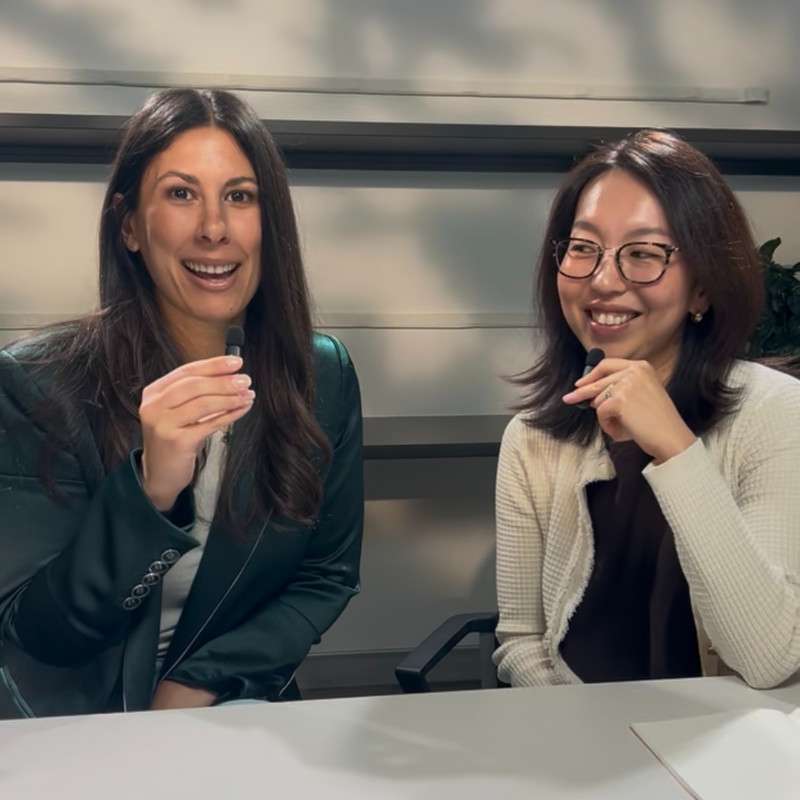
Tick Boot Camp co-founders Matt Sabatello and Rich Johannesen partnered with Ali and Nikki to highlight scientists whose work connects tick-borne illness, microbes, and cognitive decline. This episode features Yuri Kim, RN, Lead Clinical Research Nurse for the MAESTRO Study at the Massachusetts Institute of Technology (MIT), who is leading pioneering work to measure and understand “brain fog” in infection-associated chronic illness.
Guest
Yuri Kim, RN
Lead Clinical Research Nurse, MAESTRO Study
Massachusetts Institute of Technology (MIT)
Yuri Kim is the Lead Clinical Research Nurse for the MAESTRO Study, the largest clinical study ever conducted at MIT, led by Dr. Michal “Mikki” Caspi Tal, immunologist and immunoengineer at the Massachusetts Institute of Technology. The MAESTRO Study investigates infection-associated chronic illnesses (IACI) such as chronic Lyme disease and aims to objectively measure and understand one of the most debilitating and misunderstood symptoms—brain fog.
Yuri has conducted more than 170 participant study visits and integrates patient narratives with advanced neurocognitive, immune, and molecular profiling. Her background includes experience as a trauma ER nurse and clinical research manager on neurodegenerative and rare diseases such as Alzheimer’s disease, chronic traumatic encephalopathy (CTE), and amyloidosis.
Key Discussion Points
How the MAESTRO Study combines subjective patient narratives with objective neurocognitive and biomarker data to better define and measure brain fog.
Use of innovative diagnostic tools including EEG (WAVi), RightEye eye-tracking, BrainCheck cognitive testing, and NASA Lean autonomic assessments.
Early findings showing slower reaction times and potential correlations between GFAP, NfL, and sCD14 with cognitive symptoms in chronic Lyme and other IACI patients.
The role of immune dysregulation, gut permeability, and neuroinflammation in contributing to cognitive impairment.
The need for brain fog-specific assessment tools and more research into sex and hormonal differences that may affect neurocognitive outcomes.
Why validating and quantifying “invisible symptoms” is vital to patient care and the future of infection-associated chronic illness research.
“Brain fog isn’t just a symptom—it’s a phenomenon interconnected with multiple systems. We’re trying to narrow the gap between what patients report and what we can measure.” — Yuri Kim
Why It Matters
Yuri Kim’s work at MIT bridges patient experience and advanced science to address one of the most misunderstood symptoms in infection-associated chronic illness: brain fog. Her research within the MAESTRO Study, under the leadership of Dr. Michal “Mikki” Caspi Tal, is generating objective evidence that validates patient experiences and reveals how chronic infection and immune dysregulation can cause measurable cognitive and physiological changes.
By studying infection-associated brain fog in Lyme disease and other chronic conditions, Yuri and the MAESTRO team are helping to shape a new era of diagnostics and care for people living with long-term, infection-driven illness.
About the Event
The interview took place at the 2nd Annual Alzheimer’s Pathobiome Initiative (AlzPI) and Philadelphia College of Osteopathic Medicine (PCOM) Symposium, held on October 3, 2025, at Ohio University in Dublin, Ohio. The Symposium brought together more than 20 international experts investigating how microbes, the microbiome, and the host immune response contribute to neurological and psychiatric conditions such as Alzheimer’s, dementia, and PANS/PANDAS.
Tick Boot Camp partnered with Ali Moresco and Nikki Schultek to capture and share the voices of scientists advancing research on infection-associated chronic illness (IACI). This episode is part of a special Tick Boot Camp series spotlighting how pathobiome and microbiome science are transforming the understanding of chronic Lyme, cognitive dysfunction, and neurodegeneration.
Learn More
Learn more about the Alzheimer’s Pathobiome Initiative (AlzPI)
View Yuri Kim's bio on the MIT website
Discover more about Dr. Michal “Mikki” Caspi Tal on Tick Boot Camp
Listen to Tick Boot Camp Podcast episodes, including Episode 406: Pathobiome – An Interview with Nikki Schultek and Episode 101: The Young Gun – An Interview with Alex (Ali) Moresco discussed in this interview.

In this powerful episode of the Tick Boot Camp Podcast, international DJ and artist duo Z3LLA — Julia “Juj” Seeley and Kiana Tebyani — share how chronic illness, creativity, and friendship became the foundation of their success.
After years of unexplained symptoms, Juj was diagnosed with Lyme disease, Bartonella, Babesia, mold toxicity, POTS, SIBO, celiac disease, and later catamenial epilepsy. Despite life-altering health challenges, she and her best friend Kiana have built Z3LLA into one of the most exciting names in house music — with their single “Why Should I?” reaching #1 on the US Dance Radio Charts and performances alongside Disco Lines, Galantis, and Bijou.
Together, Juj and Kiana discuss performing through flare-ups, collapsing backstage, navigating the medical system, and the emotional toll of chasing dreams while managing invisible illness. From ER visits and red-light therapy to steroid crashes and spiritual breakthroughs, this episode is a masterclass in resilience, vulnerability, and using art as advocacy.
🌿 Episode Highlights
The early years: Celiac diagnosis, chronic rashes, and the path to discovering Lyme, Bartonella, and Babesia
Treating the terrain: Mold toxicity and inflammation as hidden barriers to healing
Neurological challenges: Catamenial epilepsy, seizures, and functional brain inflammation
Functional medicine approach: Working with Dr. Nicola Ducharme on hormone balance, gut repair, and detox
Touring through illness: Allergic reactions mid-set, paramedics at Miami Music Week, and a hospital trip after the Fonda Theatre show
Women’s health gaps: Misdiagnosis, heavy cycles, iron infusions, and the impact of hormonal disruption
The LymeLightFoundation’s impact: Lyme disease treatment grants that helped fund advanced Lyme treatments for Juj
Friendship and balance: How Kiana became Juj’s anchor on the road and in recovery
Boundaries in advocacy: Protecting mental health and avoiding trauma bonding in chronic illness communities
The creative future: Plans for a Lyme awareness festival (“LymeStock”), composing for film, and writing a book
💬 Notable Quotes
“I was so tired of band-aid medicine — I needed to heal, not just survive.” – Juj Seeley
“She’s the definition of perseverance. You’d never know she was hallucinating from exhaustion one night and headlining a sold-out show the next.” – Kiana Tebyani
“Consistency is the key to natural healing — the herbs, the detox, the mindset. You have to commit.” – Matt Sabatello
“Our art is advocacy. The music tells the story.” – Z3LLA
🔑 Key Topics
Chronic Lyme and co-infections (Babesia, Bartonella)
Mold toxicity and inflammatory overlap
Neurological Lyme and epilepsy (catamenial pattern)
Women’s health and hormone regulation
Gut healing, celiac management, and SIBO protocols
Red light therapy, sauna detox, and lymphatic movement
Touring while chronically ill
Functional medicine and integrative treatment approaches
Mental health, boundaries, and advocacy sustainability
Female empowerment in the music industry
💡 Lessons & Takeaways
Healing isn’t linear — progress comes in waves, not straight lines.
Female artists with chronic illness face unique visibility and credibility challenges.
Addressing inflammation and mold toxicity is often the missing step in long-term recovery.
Community support and funding — like the Limelight Foundation — can change treatment access.
Creative expression is not separate from healing; it’s often part of it.
🎶 About Z3LLA
Z3LLA is an award-winning artist/DJ duo composed of Julia “Juj” Seeley and Kiana Tebyani, two vocalists, songwriters, and producers redefining what it means to thrive as women in electronic music. Known for their infectious energy and empowering message, Z3LLA’s breakout single “Why Should I?” hit #1 on the US Dance Radio Charts, with spins on SiriusXM BPM, Music Choice, and Evolution Radio.
They’ve shared the stage with Disco Lines, Galantis, and Bijou, earned the Level Future of Dance Award from Nexus Radio, and performed at Miami Music Week and beyond. With an authentic blend of vulnerability and power, Z3LLA is not just creating music — they’re building a movement.
Follow Z3LLA:
🎧 Spotify | 📸 Instagram | 🎵 Apple Music | 🌐 YouTube
🔗 Resources Mentioned
LymeLight Foundation – Lyme treatment grants for young adults
ILADS – International Lyme and Associated Diseases Society
Project Lab Coat – Lyme research and awareness initiative
Dr. Nicola Ducharme – Functional Medicine & Women’s Health Specialist
Episode Summary
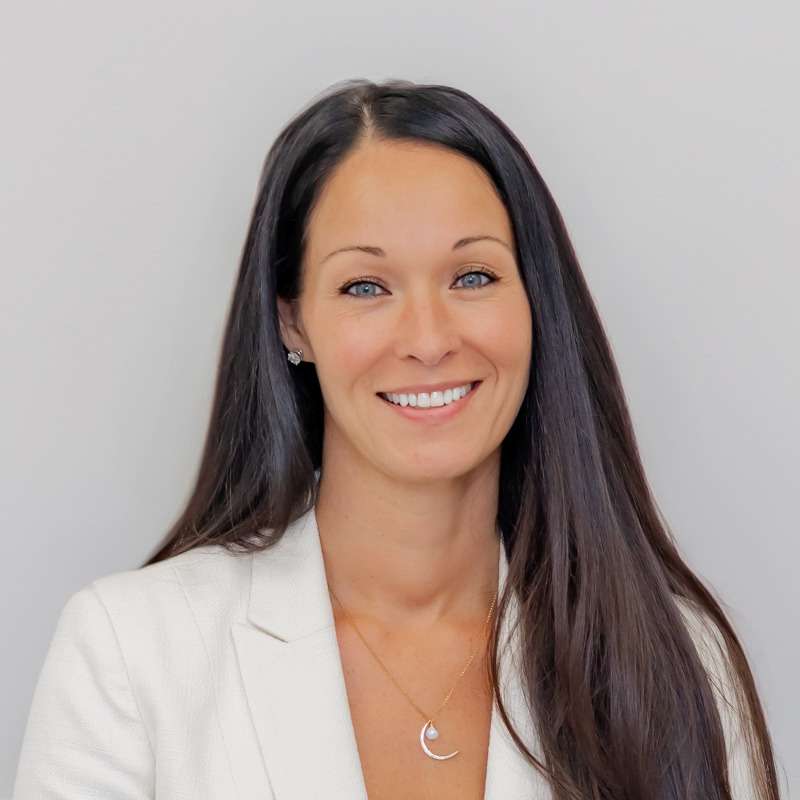
In this special Tick Boot Camp Podcast episode, Dr. Myriah Hinchey (ND) joins Matt Sabatello and Rich Johannesen from Tick Boot Camp to spotlight the 2025 LymeBytes Symposium, a physician- and patient-focused conference designed to shorten the healing journey for Lyme, mold illness, PANS/PANDAS, Long COVID, and other complex, infection-driven chronic conditions. We dig into why immersive learning accelerates progress, how an intimate format fuels direct access to top clinicians and vendors, and what attendees—both in-person and virtual—will actually experience over two packed days in Fort Lauderdale.
Exclusive Listener Offer: Use code TBC100 at checkout for $100 off in-person or virtual tickets at shop.lymebytes.com.
Why This Episode Matters
End the isolation: Dr. Hinchey explains how community, validation, and shared learning unlock momentum for both patients and clinicians.
Immersion = speed: Concentrated exposure to leading experts and technologies helps you discover the next best step faster.
Bridging the gap: Learn why precision care often requires a team—LLMDs, specialty labs, compounders, targeted supplements, and therapeutic devices—working together.
What You’ll Learn
Inside the LymeBytes philosophy: Healthy, gluten- and dairy-free meals, beach-side community dinner, structured networking, and vendor access that mirror the lifestyle principles used in treatment.
Adjunctive therapies on site: Demos and education around hyperbaric oxygen therapy (OxyHealth), infrared/red light, Relax Sauna, Therasage, plus niche supplement brands (e.g., Alight by Dr. Jill Crista, NutraMedix, Lymecore Botanicals) and specialty labs for Lyme, co-infections, and mold.
Precision testing & interpretation: Why test results (e.g., Western Blots, specialty panels) must be read in clinical context, and how collaboration between vendors and clinicians personalizes care.
PRP/TruDose spotlight: A primer on platelet-rich plasma (PRP) and how TruDose aims to reset immune function and calm the nervous system using your own platelets—plus a teaser for a future deep-dive episode.
Virtual experience (no FOMO): Live access to all clinician lectures, slides, full-day recordings to rewatch/scrub, and new vendor mini-interviews so remote attendees don’t miss the expo value.
Who Should Attend the Symposium
Patients & caregivers seeking credible, actionable strategies to shorten recovery time
Clinicians (conventional, integrative, functional) looking to upgrade protocols for chronic infection and inflammation
Allies & advocates ready to learn the truth about Lyme and related conditions from top voices in the field
Anyone who wants direct access to vendors, labs, and tools that often stay off patients’ radars
Event Details (In-Person + Virtual)
Dates: November 14–15, 2025
Location: Fort Lauderdale Marriott Pompano Beach Resort & Spa (Florida)
Format: Limited-capacity, intimate event (≈180–200 attendees) fostering direct interaction with clinicians, researchers, and vendors
Perks: Healthy meals (GF/DF), Friday night beach dinner, curated vendor hall, 14.5 CME credits available in person (additional fee)
Virtual: Live stream + full-day recordings (Day 1 & Day 2), slide access, vendor mini-features
Register: shop.lymebytes.com
$100 Off: Use code TBC100 at checkout (in-person or virtual)
Notable Quotes
On immersion: “The more volume of opportunities in an immersive environment, the more your internal diagnostic system can sense what resonates—and that’s often your next right step.”
On community: “Patients and clinicians are often dismissed or isolated. This event builds real connections you can rely on after you go home.”
On precision: “Chronic cases are outliers—they need specialized testing, targeted supplements, and coordinated care to get unstuck.”
Call to Action
If travel isn’t possible, don’t wait—join virtually to access the same lectures, slides, and full-day recordings. And if you can make it to Florida, come say hi to Rich and the Tick Boot Camp crew in person.
👉 Register now: shop.lymebytes.com | Use code TBC100 for $100 off.
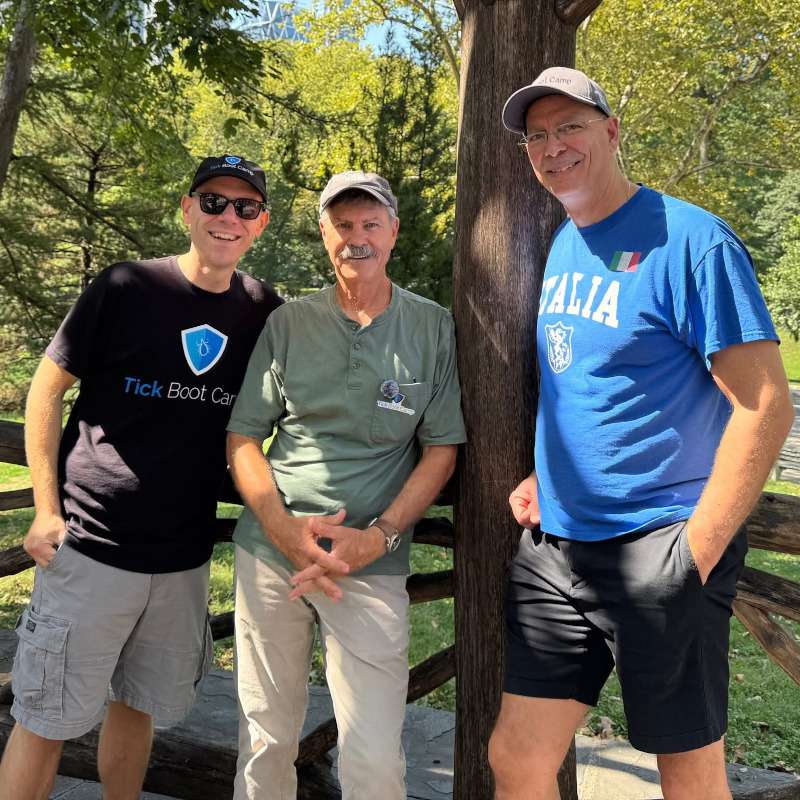
Recorded in person in Central Park, NYC just before Project Lab Coat at New York Fashion Week (NYFW), this Tick Boot Camp Podcast features Dr. Bill Rawls on what helps chronic Lyme patients move from overwhelm to progress. We talk immune-first strategy, why antibiotics often fall short in chronic cases, how to protect the gut, and a stepwise plan that reduces flare risk and builds confidence.
Episode snapshot
Dr. Rawls explains why stealth microbes like Borrelia, Bartonella, and Babesia grow slowly and hide in tissues, which is why a quick-fix antibiotic approach often disappoints in chronic illness. We discuss a four-phase healing framework — prehabilitation, assist the immune system, rehabilitation, and maintenance (PARM) — and how a gradual, system-calming on-ramp helps patients tolerate protocols without crashing. We also dig into gut protection, community support, and how AI can speed education and research.
What you will learn
Why “assist the immune system” beats “kill at all costs” for chronic Lyme
Stealth microbe biology and why slow growth changes the treatment playbook
Antibiotic overuse risks including microbiome injury and antibiotic resistance
Gut and detox support as foundations for energy, sleep, and resilience
A stepwise entry to treatment that reduces flares and anxiety
Key herbs with evidence for tick-borne infections and immune modulation
Community and education as levers for consistency and long-term success
How AI tools can accelerate research, writing, and practical guidance
Key topics and takeaways
Four phases of recovery: prehab, assist, rehab, maintenance
Antibiotics in chronic Lyme: may disrupt the gut before meaningfully impacting slow-growing pathogens
Herbal strategy: sustained pressure over time with immune support
Gradual on-ramp: calm the nervous system first, then gut and detox, then stronger antimicrobials
Team sport: combine self-care, educated use of providers, and moderated community support
Herbs and supports mentioned
Antimicrobial herbs: Japanese knotweed, Chinese skullcap, Cryptolepis, cat’s claw, garlic
Immune-modulating adaptogens: reishi, cordyceps
Supportive nutrients: B vitamins, minerals, NAC, glutathione
Formats: capsules and tinctures were discussed, including products like Advanced Biotic and Biome Boost within larger protocols
Patient-friendly pacing
Months 1–2: calm sympathetic overdrive, improve sleep, stabilize
Months 3–4: protect gut, support detox, keep gentle antimicrobial pressure
Months 5–6: advance to stronger combinations when the body is ready
Ongoing: measure progress, maintain gain, prevent backsliding
Notable quotes
“The immune system always wins the game. Your job is to assist it.”
“Stealth microbes grow slowly and hide in tissues. The strategy has to match the biology.”
“Education and a supportive community reduce fear and make consistency possible.”
Resources and links
Watch the video version of this podcast interview on YouTube
Read our NYFW Recap: Tick Boot Camp models at Project Labcoat and Why it Matters for Lyme Awareness, Research, and Funding
Dr. Geoff Dow, CEO of 60 Degrees Pharmaceuticals and former malaria drug developer at Walter Reed, joins the Tick Boot Camp Podcast to unpack the science and strategy behind treating babesiosis.
Drawing parallels to malaria, Dow explains why tafenoquine (brand: Arakoda), FDA-approved for malaria prevention, is being studied for Babesia, how coinfections (Borrelia, Bartonella) complicate care, and why chronic illness needs a different clinical approach.
He previews an upcoming Mount Sinai trial for chronic babesiosis focused on fatigue outcomes and discusses real-world diagnostics using FDA-approved blood donor screening plus PCRs from Galaxy Diagnostics and Mayo Clinic.
The conversation also touches on prophylaxis concepts, immune dysregulation, and building a clearer path from anecdote to evidence for the tick-borne disease community.
Guest
Geoff Dow, BSc, MBA, PhD
CEO & Board Member, 60 Degrees Pharmaceuticals
Background: Biotechnology (Perth, Australia), PhD in malaria drug discovery, decade at Walter Reed Army Institute of Research, MBA in the U.S. Leads clinical programs exploring tafenoquine for babesiosis.
Key Topics & Takeaways
Malaria ↔ Babesiosis Parallels: Both are red-blood-cell parasites; acute symptoms driven by red cell destruction. Similar drug targets justify testing some anti-malarials against Babesia.
Why Tafenoquine (Arakoda): An 8-aminoquinoline that induces oxidative stress in RBCs; distinct mechanism from atovaquone + azithromycin combo (current standard for acute babesiosis), potentially useful for resistance management.
Chronic vs. Acute Disease: Acute babesiosis in immunocompetent patients often responds to standard care; chronic illness remains under-defined and underserved.
Coinfections Are Common: Many chronically ill patients present with Borrelia, Bartonella, and Babesia together; diagnostics and treatment need to acknowledge polymicrobial reality.
Upcoming Clinical Trial (Mount Sinai):
Population: Chronic babesiosis with disabling fatigue, plus Babesia symptoms (e.g., air hunger, anemia) and lab evidence in the last 12 months.
Regimen: 4-day loading dose then 200 mg weekly of tafenoquine for 3 months.
Outcomes: Patient-reported fatigue (quality-of-life) + monthly molecular testing (FDA blood donor test, Galaxy Diagnostics PCR, Mayo Clinic PCR) during treatment and 3 months post-therapy.
Goals: Demonstrate symptom improvement, assess eradication signals, and validate accessible diagnostics against an FDA-accepted assay.
Prophylaxis & Post-Exposure Ideas: Animal data suggest short-course tafenoquine can eradicate early Babesia; human prophylaxis trials face feasibility and regulatory hurdles.
Diagnostics Gap: Need for standardized, sensitive tools to define chronic babesiosis and track response. This trial also serves as a real-world diagnostic comparison.
Immune Dysregulation & IACI: Overlap among long COVID, ME/CFS, post-treatment Lyme—shared theme of immune dysregulation with possible persistent antigen stimulation.
Safety Notes: G6PD deficiency is relevant to 8-aminoquinolines; established safety database exists for malaria prevention dosing—critical as studies expand to babesiosis.
Notable Quotes
“You’ve got to put some lines in the sand—run the trial, collect data, and move the field forward.”
“The best we can do for chronic disease starts with defining it—and validating the diagnostics we use to track it.”
“8-aminoquinolines offer a different mechanism than current babesiosis standards—key for resistance and combinations.”
Resources Mentioned
Arakoda (tafenoquine): FDA-approved for malaria prevention; under study for babesiosis.
Diagnostics: FDA-approved Babesia blood donor screen; Galaxy Diagnostics PCR; Mayo Clinic PCR.
Organizations & Events: ILADS, Global Lyme Alliance, tick-borne disease conferences.
Research Partners: Mount Sinai (NYC), Tulane University (Bartonella/Borrelia collaboration).
Who Should Listen
Patients with chronic Lyme or chronic babesiosis symptoms (fatigue, air hunger, anemia)
Clinicians seeking updates on Babesia treatment research and diagnostics
Caregivers and advocates tracking IACI and immune dysregulation science
Researchers exploring antimalarial repurposing for tick-borne diseases
Call to Action
Subscribe to Tick Boot Camp and share this episode with someone navigating chronic tick-borne illness.
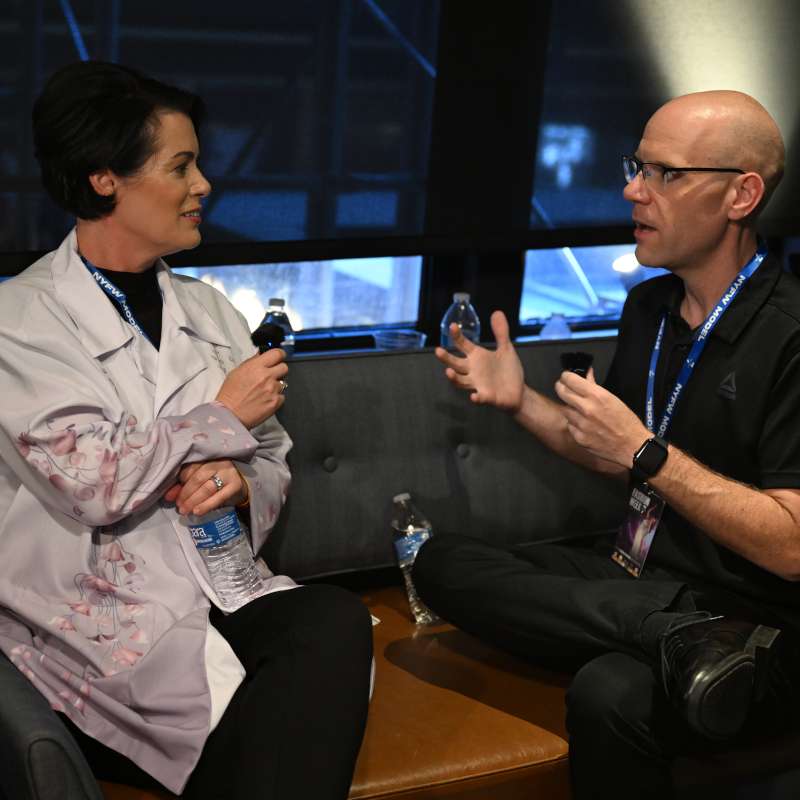
In this special Tick Boot Camp Podcast episode recorded live at Project Lab Coat during New York Fashion Week (NYFW), we sit down with Colonel Nicole Malachowski, USAF (Ret.).
Col. Malachowski, the first female pilot of the USAF Thunderbirds and a Lyme patient advocate, walked the runway with us at Project Lab Coat and served as the sole patient representative on the National Academies of Sciences, Engineering, and Medicine committee that authored the landmark report on Lyme infection-associated chronic illness (Lyme IACI).
She shares her perspective on why this recognition is a historic milestone for the Lyme community.
What You’ll Learn in This Episode
Why the term Lyme IACI (infection-associated chronic illness) matters and how it creates an inclusive umbrella for persistent symptoms after Lyme infection.
How the National Academies report represents the first time the U.S. government has officially recognized Lyme IACI.
What it was like for Col. Malachowski to serve as the sole patient representative on the committee alongside scientists and clinicians.
Why the report calls for running treatment trials in parallel with biomarker discovery so patients are not left waiting.
How collaboration with long COVID and ME/CFS communities can accelerate solutions and strengthen advocacy.
The role of AI and machine learning in analyzing patient data, biobanks, and surveys to identify new diagnostics and repurposed therapies.
Why visibility at NYFW Project Lab Coat signals growing mainstream recognition of Lyme disease.
About Col. Nicole Malachowski
Col. Malachowski is a retired U.S. Air Force fighter pilot, the first woman selected to fly with the USAF Thunderbirds, and a National Women’s Hall of Fame inductee. After contracting a tick-borne illness and being medically retired, she became a nationally recognized speaker and advocate for Lyme patients. She served as the sole patient voice on the National Academies committee that authored the landmark report on Lyme IACI, commissioned with support from the Steven & Alexandra Cohen Foundation.
About Project Lab Coat at New York Fashion Week
Project Lab Coat was a groundbreaking event held on September 13, 2025, during New York Fashion Week (NYFW). The show brought together prominent celebrities, researchers, doctors, and advocates who were invited to walk the runway to spotlight Lyme disease and raise funds for Lyme disease research.
For the first time, the global visibility of NYFW was used to highlight one of the fastest-growing infectious diseases in the world. Tick Boot Camp co-founders Matt Sabatello and Rich Johannesen, together with Dr. Tal, walked the runway at Project Lab Coat, joining leaders from medicine, science, entertainment, and advocacy. Project Lab Coat demonstrated the power of mainstream platforms to bring awareness, credibility, and resources to the fight against Lyme disease.
Key Takeaways
Federal recognition matters – Lyme IACI in a National Academies report marks a turning point in credibility and urgency.
Patients at the center – clinical trials must include patients from design through reporting.
Collaboration is key – linking Lyme, long COVID, ME/CFS, and other infection-associated conditions strengthens progress.
Do both now – pursue biomarkers and cures while also running treatment studies to help patients immediately.
Technology accelerates hope – AI and machine learning can unlock insights from existing patient data.
Resources and Links
Read the full National Academies of Sciences, Engineering, and Medicine report on Lyme IACI
Read our recap of Project Lab Coat at New York Fashion Week (NYFW)
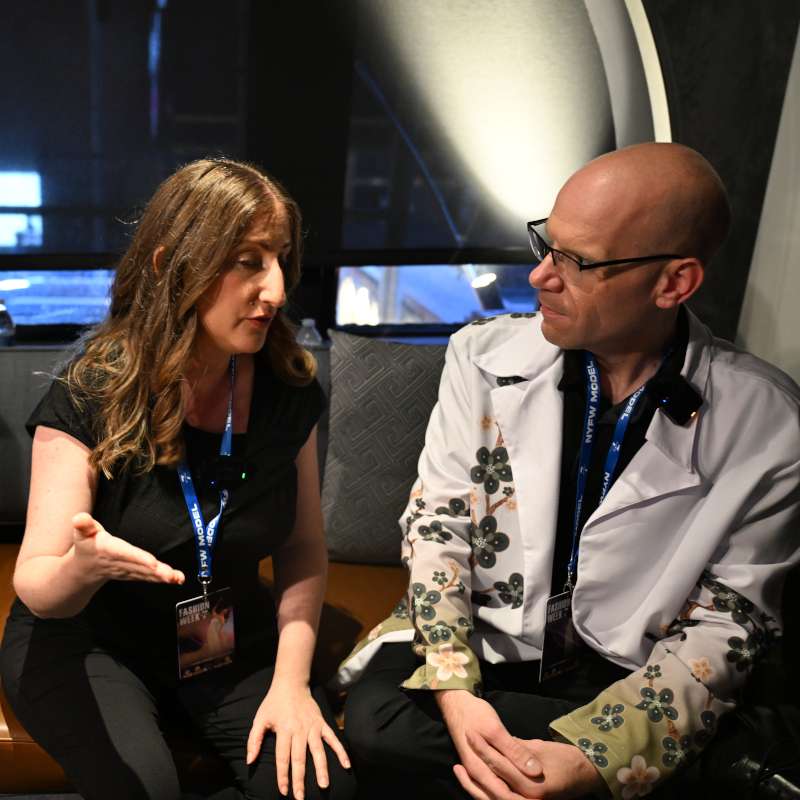
In this special Tick Boot Camp Podcast episode recorded live at Project Lab Coat during New York Fashion Week (NYFW), we sit down with Dr. Michal “Mikki” Caspi Tal, Principal Scientist in the Department of Biological Engineering at MIT and Associate Scientific Director of the MIT Center for Gynepathology Research.
Dr. Tal is an immunologist and immunoengineer whose groundbreaking research focuses on the connections between infections and chronic diseases, including Lyme disease and long COVID. At her Tal Research Group lab, she studies why some people recover quickly after infection while others develop chronic illness, with a focus on the immune system’s different responses in men and women.
What You’ll Learn in This Episode
How Dr. Tal’s lab uses mouse models of chronic Lyme and a large clinical study to take a deeper look at Lyme disease.
Why some patients make a protective immune response while others develop catastrophic responses like dysautonomia, MCAS, gynecological issues, or clotting disorders.
How her team is moving beyond “yes/no” antibody tests to create new biomarker diagnostics that can guide treatments.
Why sex differences matter in chronic illness and why women are more likely to experience long-term symptoms after infection.
How her research could lead to more personalized treatment approaches for Lyme disease patients by grouping individuals based on immune response patterns.
What samples (blood, saliva, sweat, tissue) her team is collecting at MIT to uncover new insights into chronic Lyme disease.
Why this research brings hope to Lyme patients who feel unseen and unheard.
About Dr. Michal Caspi Tal
Principal Scientist, MIT Department of Biological Engineering
Associate Scientific Director, MIT Center for Gynepathology Research
Focus areas: Lyme disease, long COVID, chronic inflammatory diseases, sex differences in immune response, predictive diagnostics
Background: PhD in Immunobiology from Yale (mentored by Dr. Akiko Iwasaki), postdoctoral training at Stanford (Irving Weissman lab), infectious disease research leader at Stanford’s Institute for Stem Cell Biology and Regenerative Medicine.
Awards: NIH NIAID F31 and F32 Fellowships, Bay Area Lyme Foundation Emerging Leader Award
About Project Lab Coat at New York Fashion Week
Project Lab Coat was a groundbreaking event held on September 13, 2025, during New York Fashion Week (NYFW). The show brought together prominent celebrities, researchers, doctors, and advocates who were invited to walk the runway to spotlight Lyme disease and raise funds for Lyme disease research.
For the first time, the global visibility of NYFW was used to highlight one of the fastest-growing infectious diseases in the world. Tick Boot Camp co-founders Matt Sabatello and Rich Johannesen, together with Dr. Tal, walked the runway at Project Lab Coat, joining leaders from medicine, science, entertainment, and advocacy. Project Lab Coat demonstrated the power of mainstream platforms to bring awareness, credibility, and resources to the fight against Lyme disease.
Why This Episode Matters
For too long, chronic Lyme patients have been told their symptoms are “all in their head.” Dr. Tal’s work at MIT proves otherwise by measuring the real biological differences in immune system responses. This research not only validates patients’ experiences but also charts a course toward better diagnostics, clinical trials, and personalized treatments.

In this episode of the Tick Boot Camp Podcast, we sit down with András Pal Bozsik, co-founder of Lyme Diagnostics Ltd and coordinator of the EU-funded DualDur® project, to discuss a disruptive new diagnostic technology that promises earlier, more accurate detection of Lyme disease.
For decades, Lyme testing has relied on indirect serological methods that often miss early infection and fail chronic patients. András shares how his father’s pioneering work on Borrelia detection inspired the development of DualDur®, an AI-driven, direct detection system capable of finding Borrelia burgdorferi in blood samples at all stages of infection.
We cover:
Why current Lyme serology tests miss up to 60% of early infections
How the DualDur® cell technology medium stabilizes and concentrates Borrelia for accurate identification
The role of AI-powered automated microscopy in eliminating human error and improving sensitivity
Scientific evidence of Borrelia’s genetic variation and shape-shifting every 2–3 weeks — explaining chronic infection and recurring IgM immune responses
How DualDur testing can monitor treatment efficacy and guide Lyme-literate practitioners
The debate over sexual transmission of Lyme and mother-to-child transmission risks
Insights from clinical trials with 400 patients across Europe proving DualDur’s higher accuracy compared to standard methods
The importance of combination antibiotic therapy, including overlooked options like ciprofloxacin, and why single antibiotics are rarely effective
Plans to expand DualDur testing across Europe and eventually into the United States with FDA trials
This groundbreaking conversation bridges science, technology, and patient care. It gives hope to millions of Lyme patients seeking a reliable test and effective treatment strategies.
🎧 Listen now to learn how DualDur could transform Lyme disease diagnostics and bring long-overdue answers to patients worldwide.

In this powerful episode of the Tick Boot Camp Podcast, we sit down with Ciara Gaglio, a 37-year-old from Woodside, Queens, New York, whose life was completely transformed by Lyme disease. Once a vibrant, social, and creative digital media professional, Ciara’s health began to unravel in her late 20s. What followed was nearly a decade of relentless symptoms, countless misdiagnoses, and visits to over 100 doctors before finally receiving a Lyme disease diagnosis at age 36.
Ciara opens up about her devastating symptoms, including unrelenting fatigue, neurological issues, full-body pain, kidney distress, and the emotional toll of isolation. She shares her treatment journey—beginning with antibiotics like doxycycline and Rocephin through a PICC line, and later expanding to supportive therapies like herbs, probiotics, yoga, ozone therapy, and more.
This candid conversation sheds light on the financial, emotional, and social impact of chronic Lyme disease, as well as the resilience required to keep advocating for yourself in a medical system that too often dismisses patients.
Listen to Ciara’s journey of courage, humor, and persistence in the face of chronic Lyme disease. Her message is clear: be kind to yourself, advocate fiercely, and never give up.

In this episode of the Tick Boot Camp Podcast, we sit down with Janet Sperling, PhD, President of the Canadian Lyme Disease Foundation (CanLyme) and an accomplished entomologist whose research focuses on the bacterial microbiome of ticks across Canada. Janet’s journey with Lyme disease began when her teenage son was bitten by a tick during a family trip to California. His symptoms, starting with sinusitis and progressing to more severe illness, led to a long and frustrating medical journey involving multiple doctors, misdiagnoses, and eventually a clinical Lyme diagnosis supported by IGeneX testing.
Janet shares her personal experience as a mother navigating the complexities of Lyme disease, as well as her professional expertise studying common tick species in Canada.
Her research investigates the bacterial communities within these ticks, the role of bird migration in tick population spread, and the limitations of current microbiome analysis techniques.
Key Discussion Points:
Janet’s son’s Lyme disease story and the challenges of getting a diagnosis
Differences in tick species and their bacterial microbiomes
How environmental factors like bird migration contribute to the spread of tick-borne diseases
The importance of prevention and early intervention in tick bite cases
Why understanding tick biology is essential for public health policy in Canada
How CanLyme is advancing Lyme disease research
Lyme Disease Prevention Tips from Janet Sperling:
Avoid tick bites by using protective clothing and repellents
Perform thorough tick checks after outdoor activities
Identify the tick species and feeding stage if bitten
Consider tick testing when appropriate
Whether you’re a Lyme patient, caregiver, or simply interested in the science behind ticks, this episode offers a unique blend of personal narrative and cutting-edge entomology research.

In this powerful episode of the Tick Boot Camp Podcast, dancer, actress, model, and Lyme warrior Renee LeeAnn Marsden shares her extraordinary journey of surviving late-stage Lyme disease, multiple co-infections, and autoimmune encephalitis. Once bedridden, disassociating, and in a wheelchair, Renee fought her way back through a combination of stem cells, peptides, neurofeedback, and faith — and now she’s thriving as a mother and advocate.
From being misdiagnosed with MS and Parkinson’s to discovering mold illness, from devastating Herxheimer reactions to life-changing treatments at Amen Clinics, Renee’s story is a beacon of hope for anyone battling chronic Lyme or feeling hopeless in their healing journey.
🎧 In This Episode, You’ll Learn:
Renee’s Lyme origin story – how years of tick bites, concussions, and a mission trip to South Africa triggered a health collapse.
The neurological storm – how Lyme, autoimmune encephalitis, and brain inflammation caused terrifying disassociation, hallucinations, and hospitalizations.
Treatment milestones – including IV therapies, ozone, stem cells (Infusio, umbilical cord stem cells), peptides, and PK Protocol.
The Amen Clinics breakthrough – the brain scans, diagnoses, and therapies (SPM Active, neurofeedback, hyperbaric oxygen) that changed everything.
The hidden enemy of mold – how mold exposure stalled Renee’s recovery until she identified and removed it.
The power of mindset & faith – how saying “yes to life” even in crisis helped Renee keep pushing forward, from competing in Miss Tennessee in a wheelchair to inspiring others online.
Motherhood after Lyme – how Renee navigated pregnancy and new motherhood after years of chronic illness.
📌 Why You Should Listen:
Renee’s journey is a masterclass in resilience, faith, and integrative healing. Whether you’re battling Lyme disease, caring for someone who is, or looking for hope when treatments fail, this episode delivers insights on:
Why prehab (building your body up) is critical before aggressive killing protocols.
How trauma, concussions, and infections combine to impact the brain.
Why you should never let Lyme become your identity.
🎙 About Renee:
Renee LeeAnn Marsden – Actress, dancer, Lyme warrior, and founder of Bright Life Co., a faith-based wellness community for women.
✨ Key Quote from Renee:
“You can’t wait until you feel better to live — you have to start saying yes to life where you are.”
Kaitlyn Oleinik is a chronic illness advocate and the author of Revival: My Journey with Neuropsychiatric Lyme Disease. She was bitten by a tick at age six and spent much of her life fighting an invisible illness while being dismissed by the medical system. Diagnosed with Lyme disease and co-infections in her teens, Kaitlyn has endured everything from hallucinations and involuntary psych holds to IVIG and stem cell treatments. Her book and voice give a name to the unspoken pain of countless others living with Lyme.
📘 About the Book
Revival - My Journey with Neuropsychiatric Lyme Disease is Kaitlyn’s searing memoir that chronicles her descent into neuropsychiatric Lyme, including psychosis, hospitalizations, Morgellons disease, immune collapse, and ultimately, healing and redemption. It’s a must-read for patients, caregivers, and practitioners seeking to understand the lived experience of chronic Lyme.
🔑 Episode Highlights:
Kaitlyn’s suspected tick bite at age 6 and onset of strange symptoms by age 10
Dismissed by dozens of doctors who claimed she was “too pretty to be sick”
The psychological toll of not being believed—and being told it was all in her head
Her first psychotic break, caused by inflammation and medication interactions
Misdiagnoses including delusional parasitosis and bipolar disorder
Treatments: IVIG, antibiotics, glutathione, intranasal stem cells, exosomes
5150 hold and the trauma of being institutionalized without understanding
How residential treatment helped her begin to recover mentally and emotionally
Rebuilding her identity after gaining 100+ lbs from steroids and losing her hair
How she lost everything—then reclaimed her voice, purpose, and health
Writing Revival - My Journey with Neuropsychiatric Lyme Disease as an act of truth-telling and healing
💬 Powerful Quotes:
“The trauma wasn’t just from Lyme—it was from not being believed.”
“They said it was all in my head. But it was in my blood, my brain, my cells.”
“Revival means coming back from the dead. That’s what this journey felt like.”
🧪 Medical Takeaways:
Lyme disease can manifest as psychiatric illness.
“Delusional parasitosis” and “antibiomania” are misunderstood and under-researched.
Proper treatment can be delayed for years by misdiagnosis and stigma.
Complex chronic illness often requires multi-systemic treatment and trauma-informed care.
🙌 Why You Should Listen:
Kaitlyn’s story is not just about Lyme - it’s about what happens when we stop believing women, ignore invisible illnesses, and turn away from complex suffering. Her story is a rallying cry for validation, medical reform, and hope.
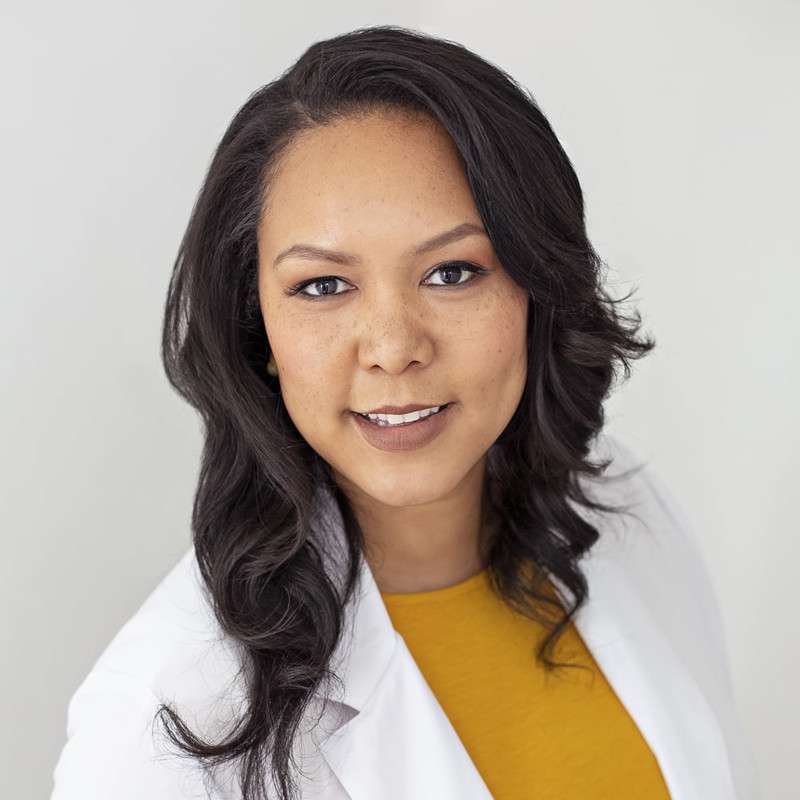
In this powerful episode of the TIck Boot Camp Podcast, Dr. Jaquel Patterson, nationally recognized naturopathic physician and medical director of Fairfield Family Health, joins Matt Sabatello to explore the many layers of Lyme disease recovery – from hidden mold exposure to hormone balance and mental health support.
Mold & Lyme Disease – Why mold toxicity can block Lyme recovery and how Dr. Patterson stages treatment so patients don’t get overwhelmed.
Hormone Health – The vital role hormones play in energy, mood, joint health, and the ability to fight chronic infections.
Mental Health & Lyme – How inflammation impacts the brain, leading to panic attacks, anxiety, depression, and brain fog — and how those symptoms can reverse with healing.
Low Dose Immunotherapy (LDI) – What it is, how it retrains the immune system to stop overreacting, and why it’s helping Lyme patients stabilize.
Inflammation & Flares – Practical tools like turmeric, hydration, and electrolytes to calm Herxheimer reactions and ease painful flare days.
Environmental Toxins – How pesticides, polluted air, and contaminated water add to the burden — and realistic steps to reduce exposure.
💡 Episode Highlights:
The patient case where mold, not Lyme, was the biggest roadblock to recovery.
Why Dr. Patterson tests every patient’s hormones and what imbalances mean for recovery.
How turmeric is one of her go-to remedies for both inflammation and mental clarity.
Why hydration and detox aren’t “basic” — they can make or break a treatment plan.
What makes LDI unique: a few drops every 6–8 weeks that can dramatically shift symptoms.
🎯 Who should listen?
Anyone with Lyme disease who feels “stuck” or plateaued in their healing
Parents of children with PANS/PANDAS or chronic infections
Listeners curious about LDI, mold recovery, hormone balance, or functional medicine
📍 Resources & Links Mentioned in This Episode:
Project Lab Coat – NYC Fashion Week Lyme Awareness Event
Turmeric Forte by Mediherb
CurcuPlex 95 by Xymogen
Dr. Jaquel Pattesen, ND
🌟 About Dr. Jaquel Patterson:
Dr. Patterson is a naturopathic physician and ILADS member known for her integrative work in Lyme disease, mold illness, mental health, hormone health, and immune system support.
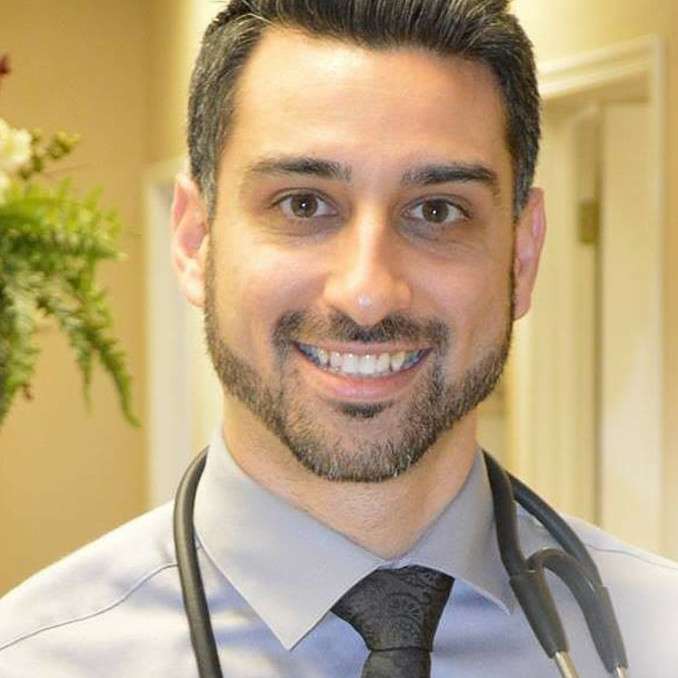
In this powerful episode of the Tick Boot Camp Podcast, we are joined by Dr. Daniel Warren of Envita Medical Center, a leading voice in the field of regenerative and integrative medicine, to break down the multi-layered complexity of chronic Lyme disease and its treatment.
Dr. Warren takes us deep into the root causes of persistent symptoms, highlighting how chronic Lyme often results in immune dysregulation, biofilm-protected pathogens, co-infections, and central nervous system inflammation that go untreated by conventional protocols.
The conversation explores the use of VSELS (Very Small Embryonic Like Stem Cells) to regenerate damaged tissue and rebalance immune function, as well as IRAD (Insulin Receptor Antibiotic Delivery)—Envita’s proprietary method of delivering antibiotics past the blood-brain barrier to treat neurological Lyme disease.
This episode is a must-listen for anyone seeking a deeper understanding of how precision diagnostics, immune modulation, and regenerative medicine can be integrated to support lasting recovery from chronic Lyme and tick-borne disease.
🧠 What You’ll Learn
How Lyme disease disrupts immune signaling, leading to chronic symptoms
Why traditional antibiotics often fail to reach the central nervous system
How IRAD (Insulin Receptor Antibiotic Delivery) delivers antibiotics directly to the brain to treat neurological Lyme symptoms like brain fog, memory loss, and neuropathy
How IRAD also helps rebalance neurotransmitters, reduce brain inflammation, and support better sleep
The science and therapeutic promise of VSELS, stem cells that remain dormant and ageless until activated
Why mitochondrial dysfunction, neurotoxins, and immune collapse are central to persistent Lyme cases
How Envita’s diagnostic model uses advanced testing to personalize treatment protocols
The role of co-infections, mold, and environmental toxins in complicating Lyme recovery
How Dr. Warren and Envita are changing the landscape of chronic illness treatment with integrative, root-cause care
📍 Featured Guest
Dr. Daniel Warren is a regenerative and integrative medicine specialist at Envita Medical Center in Scottsdale, Arizona. His clinical focus includes treating chronic, treatment-resistant conditions using a combination of targeted antimicrobial therapy, stem cell science, and immune reprogramming. Through protocols like VSELS and IRAD, Dr. Warren helps patients reclaim their lives from debilitating infections, neurological symptoms, and immune system failure.
📲 Resources & Links
Learn more about Envita Medical Center
Follow Tick Boot Camp on Instagram
Subscribe to the Tick Boot Camp Podcast
📢 Share This Episode
If you or a loved one is facing neurological Lyme symptoms, chronic fatigue, or treatment-resistant co-infections, this episode may hold the answers you’ve been searching for. Share it with your community and join us in raising awareness about the future of Lyme healing through regenerative medicine and targeted immune therapies.
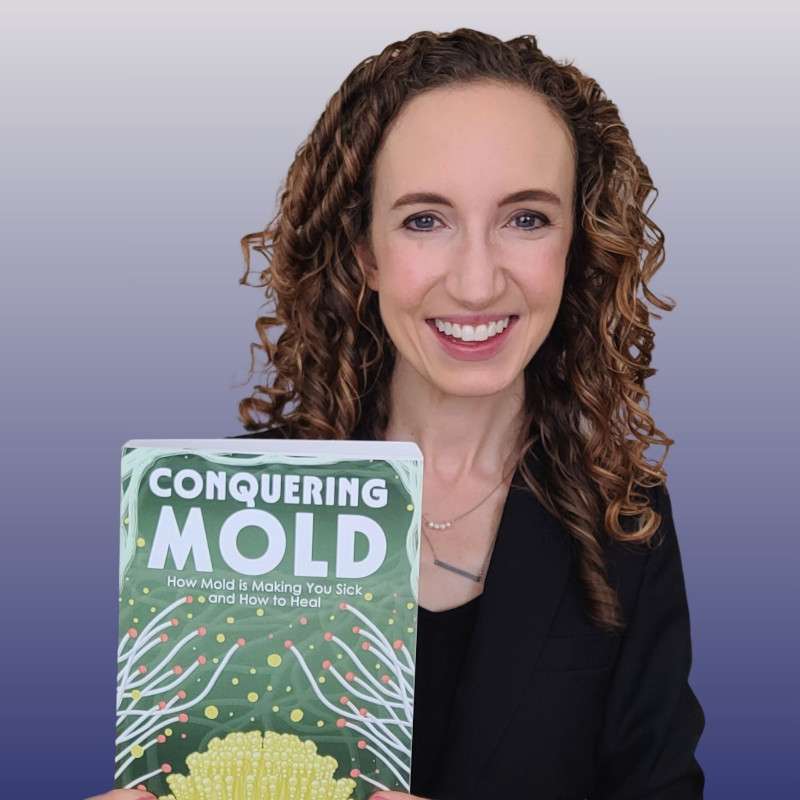
In this powerful episode of the Tick Boot Camp Podcast, we welcome Dr. Diana Stafford, a conventionally trained MD turned functional medicine expert. Dr. Diana shares her personal and clinical journey into treating chronic illness, mold toxicity, Candida overgrowth, and Lyme disease using a science-based, root-cause approach.
Learn how she helps patients reclaim their health through gut healing, vagus nerve support, mold detox protocols, and functional diagnostics not typically covered by traditional medicine.
🧠 What You’ll Learn
How Dr. Diana transitioned from conventional medicine to functional medicine
The 4 Pillars of Detox: Protect, Open, Mobilize, and Bind
How mold illness mimics chronic Lyme and other conditions
Why gut health is essential to healing from chronic disease
Tools and protocols she uses: butyrate, binders, GI mapping, peptides, and more
The role of nervous system regulation in detox and recovery
How her husband’s health journey inspired her clinical passion
The dangers of misdiagnosis and gaps in conventional care
🥼 About Dr. Diana Stafford
Dr. Diana Stafford is mold certified by Dr. Jill Crista and has advanced training from IFM and Evan Brand. She's co-author of Conquering Mold, Candida Detox, and The Inner Journey. Widely recognized as TikTok’s top Candida expert, she empowers her community with accessible health education and functional strategies for true healing. Also, check her out on Instagram!
📣 Join the Lyme Liberation Movement
If you’re battling Lyme disease, mold illness, or Candida overgrowth, this episode is your roadmap to hope and healing. Dr. Diana Stafford delivers clinical insight with compassion and clarity. Listen, learn, and start your journey to wellness today.

Comments

Download from Google Play

Download from App Store
 United States