


Tzfunot
Subscribed: 1Played: 144
Subscribe

© Hosted by Rabbi Binyomin Bitton
Description
Making in-depth Torah study accessible, engaging, relevant, and geshmak.
Insights from the Talmud, Rogatchover, and the Lubavitcher Rebbe.
Available in English • Hebrew • French
Feedback: info@tzfunot.com
Sponsorship opportunities: chabadcitycentre.com/tzfunot
Insights from the Talmud, Rogatchover, and the Lubavitcher Rebbe.
Available in English • Hebrew • French
Feedback: info@tzfunot.com
Sponsorship opportunities: chabadcitycentre.com/tzfunot
315 Episodes
Reverse
Analyzing the Rebbe’s chiddush that Yosef and Levi performed the mitzvah of carrying Yaakov’s Aron through the mechanism of Shlichus, based on various sichos and principles on the concept of Shlichus in Halacha.
לקוטי שיחות, כרך כ, ויחי ב
Analyzing two haoros of the Rebbe, applying the laws of selling a slave in maseches Gittin to the sale of Yosef by the Shvatim to the Egyptians.
לקוטי שיחות, כרך כ, וישב, הערות 26, 29, 30
Analyzing the Rebbe’s wording with regards to the safety measure mentioned in maseches Avodah Zarah ‘extend the way’: “One of the nafka minos…”
What are the other possible ramifications implied by the Rebbe’s precise wording?
The Rebbe and the Rogatchover on the concept of ‘hechsher mitzvah’ — if and when does it receives the status of the mitzvah itsef.
Why is swallowing ok for matzah but not for marror? And why do some kilayim require direct involvement of the person and some don’t?
The Rebbe and the Rogatchover on the two types of kilayim in animals, and its ramification on how much a person’s involvement is necessary in creating the status of “kilayim”.
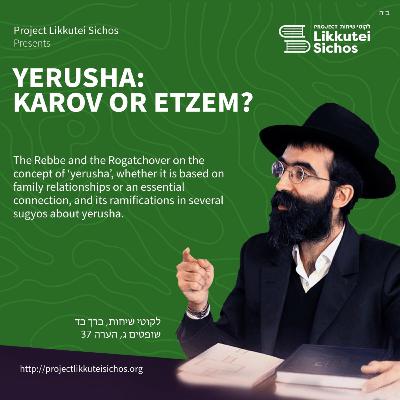
The Rebbe and the Rogatchover on the concept of ‘yerusha’, whether it is based on family relationships or an essential connection, and its ramifications in several sugyos about yerusha.
Dans cet épisode, nous présenterons l'explication kabbalistique inédite du Rabbi Levi Yitz'hak sur le leshitatei d'Abaye et Rava dans les sougyot talmudiques connus sous le nom de « Yaal Kegam ».
Nous suggérerons aussi une explication possible afin d'appliquer le concept kabbalistique en termes halakhiques.
Présenté en l'honneur du 20 Menachem Av, le yahrtzeit du Rabbi Levi Yitz'hak Schneerson, le père du Rabbi.
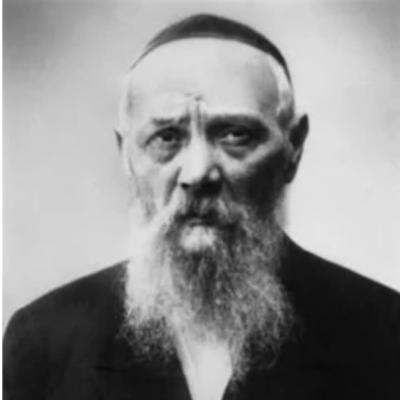
Dans cet épisode, nous présenterons l'explication kabbalistique inédite du Rabbi Levi Yitz'hak sur le leshitatei d'Abaye et Rava dans les sougyot talmudiques connus sous le nom de « Yaal Kegam ».
Nous suggérerons aussi une explication possible afin d'appliquer le concept kabbalistique en termes halakhiques.
Présenté en l'honneur du 20 Menachem Av, le yahrtzeit du Rabbi Levi Yitz'hak Schneerson, le père du Rabbi.
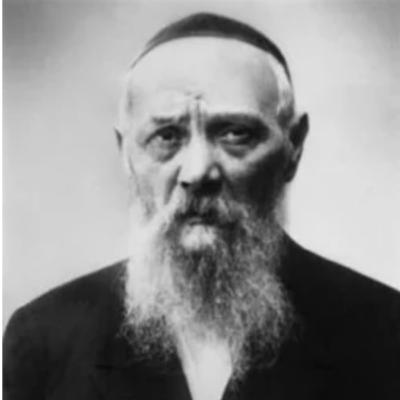
In this episode we will present Rabbi Levi Yitzchak's novel kabbalistic explanation on the leshitasei of Abaye and Rava in the talmudic arguments known as 'Yaal Kegam', and suggest a possible explanation how to apply the Kabbalisitc concept in Halachic terms.
Presented in honour of the 20th of Menachem Av, the yahrtzeit of Rabbi Levi Yitzchak Schneerson, the Rebbe's father.
Deciphering the Rebbe’s footnotes on the opinions regarding canceling a decree through Tefila, before and after the gzar din, for an individual or for a community, and its ramifications regarding Moshe’s Tefila to enter Eretz Yisrael.
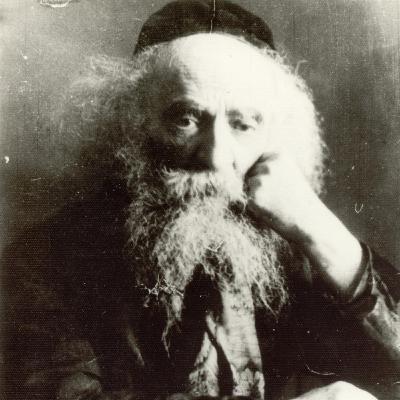
The Rebbe and the Rogatchover on the status of ‘Ever Hayarden’ in Halacha and Chassidus, and its ramifications in the laws of korbanot, the quality of oil for the Bais Hamikdash, and our relationship to Hashem.
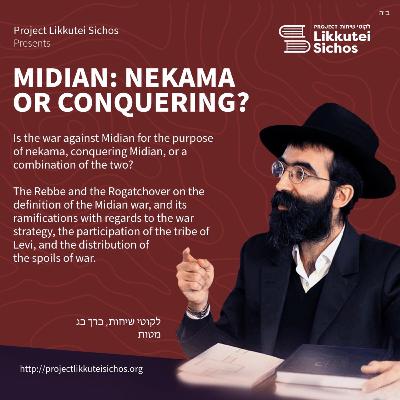
Is the war against Midian for the purpose of nekama, conquering Midian, or a combination of the two?
The Rebbe and the Rogatchover on the definition of the Midian war, and its ramifications with regards to the war strategy, the participation of the tribe of Levi, and the distribution of the spoils of war.
The Rebbe and the Rogatchover on the definition of Nesiut and Malchut with regards to Moshe, Yehoshua and Moshiach, and its ramification on whether they require to be anointed, as any other king, or not.
The Rebbe and the Rogatchover on the status of the nations of the world in Halacha and Chassidut, and its ramifications in their purpose of creation, the status of their shechita, are they under “hashgacha pratit”, and their status in the era of Moshiach.
When the Talmud compares a Jew to a Sefer Torah — is it referring to the body, the neshama, or perhaps to the Torah that he studied?
Deciphering the Rebbe’s wording and footnote on the difference between the two sugyot in tractates Moed Katan and Ketubot, and revealing the precision behind each reference.
When the Talmud compares a Jew to a Sefer Torah — is it referring to the body, the neshama, or perhaps to the Torah that he studied?
Deciphering the Rebbe’s wording and footnote on the difference between the two sugyot in tractates Moed Katan and Ketubot, and revealing the precision behind each reference.
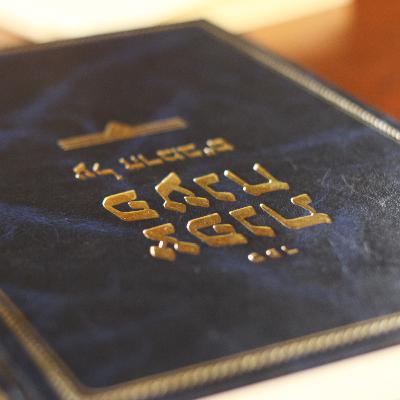
Since every section of Torah — law, philosophy, mysticism — is part of ‘One Torah’, the talmudic meaning not only fits with the Kabbalistic interpretation, but when merged, the mystical clarifies and brings meaning to the law.
Using a variety of examples, this course will give students a taste of this unique approach of Torah study, based on the teachings of the Rogatchover Gaon and the Lubavitcher Rebbe.
This is the final episode in the series, exploring several principles related to various mitzvot, such as Tefilin, Jewish holidays and others, and how the law and mystical dimension are merged together much like a soul to a body.
Since every section of Torah — law, philosophy, mysticism — is part of ‘One Torah’, the talmudic meaning not only fits with the Kabbalistic interpretation, but when merged, the mystical clarifies and brings meaning to the law.
Using a variety of examples, this course will give students a taste of this unique approach of Torah study, based on the teachings of the Rogatchover Gaon and the Lubavitcher Rebbe.
In the next few episodes we will explore several principles related to various mitzvot, such as Tefilin, Jewish holidays and others, and discover how the law and the mystical dimension are merged together much like a soul to a body.
Since every section of Torah — law, philosophy, mysticism — is part of ‘One Torah’, the talmudic meaning not only fits with the Kabbalistic interpretation, but when merged, the mystical clarifies and brings meaning to the law.
Using a variety of examples, this course will give students a taste of this unique approach of Torah study, based on the teachings of the Rogatchover Gaon and the Lubavitcher Rebbe.
In the next few episodes we will explore several principles related to various mitzvot, such as Tefilin, Jewish holidays and others, and discover how the law and the mystical dimension are merged together much like a soul to a body.
Since every section of Torah — law, philosophy, mysticism — is part of ‘One Torah’, the talmudic meaning not only fits with the Kabbalistic interpretation, but when merged, the mystical clarifies and brings meaning to the law.
Using a variety of examples, this course will give students a taste of this unique approach of Torah study, based on the teachings of the Rogatchover Gaon and the Lubavitcher Rebbe.
In the next few episodes we will explore several principles related to various mitzvot, such as Tefilin, Jewish holidays and others, and discover how the law and the mystical dimension are merged together much like a soul to a body.

Comments

Download from Google Play

Download from App Store
 United States