


 Claim Ownership
Uncertain Value
Subscribed: 1Played: 7
Subscribe

© Johannes Liegl
Description
Conversations about creating on all levels.
22 Episodes
Reverse

Synthesized podcast episode into concise, engaging show notesIn this episode of Uncertain Value, host Johannes sits down with his son Francis to recount their father-son project of resurrecting an 11-year-old Fitbit Charge HR that Francis discovered in his grandfather's drawer. What started as a "probably just needs a battery" hunch turned into a full repair saga: sourcing a replacement lithium-polymer battery, a T3 screwdriver, and a new charging cable, then borrowing a soldering iron from a neighbor to swap out the old battery, which they discovered had swollen to nearly double its size. Along the way they hit snags with a delicate heart-rate sensor cable and a finicky side button that nearly derailed the whole project, but ultimately got everything working. Francis and Johannes close out by reflecting on the trial-and-error process, the appeal of soldering, battery-life quirks of the old device, and what they'd do differently next time (watch the how-to videos and follow step-by-step guides before diving in rather than mid-repair).

Mara Lantz is a Bay Area-based artist and product design leader. She holds a BA in psychology and fine arts from Hampshire College, where she designed her own concentration at the intersection of psychology, studio art, art history, creative writing, and theater. Most recently, Mara worked at Pinterest as a design leader in the monetization sector. Her acrylic paintings and mixed media sculptures have been exhibited at galleries across the US, including KNK Contemporary in San Francisco, After Time Gallery in Portland, and Artworks Downtown in San Rafael.In this episode, Mara talks about growing up in a family of game designers. Her father Noah Falstein is a veteran of the industry, her husband James and father-in-law Frank run their own studio, and together the family created Hey Robot , a card game that made it onto The Tonight Show with Jimmy Fallon. She shares what she looks for in a great game and why the best ones let you practice life skills in a safe, low-stakes way.Mara also opens up about her return to making art after a long break, sparked by watching her young daughter draw, and what it's like to be a visual artist with aphantasia, the inability to conjure images in your mind's eye. She walks us through her painting process, her black hot-glue sculptures made from thrifted glassware, and how she finds beauty in objects other people walk right past. Along the way, we cover Vancouver recommendations, the power of naming things, and why she never wanted art to be tied to her livelihood.

In this episode I'm speaking with Nina Chan, a Strength Coach and former Growth Product Manager. After studying creative writing at Brooklyn College, she spent 16 years as a Product Manager. First at Ask.com, then at SurveyMonkey, in the San Francisco Bay Area. Recently she changed her career to be a strength coach.
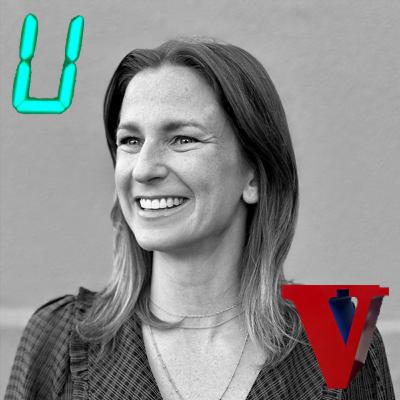
In this episode, I’m speaking with Sarah Eckenhoff. Sarah is a creative director and aesthetic trend analyst with a background in both graphic design and product design. Quoting the tagline from her online bio "she's been making things thoughtfully pretty for over 20 years”. Sarah has curated trends for thousands of seasonal Starbucks drinkware products, including collaborations with Disney, Universal, and Stanley, and has designed co-branded CPG gift packs sold on shelves of Fortune 500 clients including Target, Macy's, and Costco. If you've ever bought a Starbucks mug, chances are, that she helped bring it to life. In our conversation she explains what trend forecasting is and Sarah talks about her process.In 2024 Sarah established her own trend consultancy called Docent. Docent helps retail brands transform aesthetic insights into standout, consumer-driven products. Links to things we reference and talk about in the podcastSarah's favorite Starbucks mugThe Devil wears Prada monologueSarah's Trends for Autumn/Winter 26/27 outdoor apparel presentation
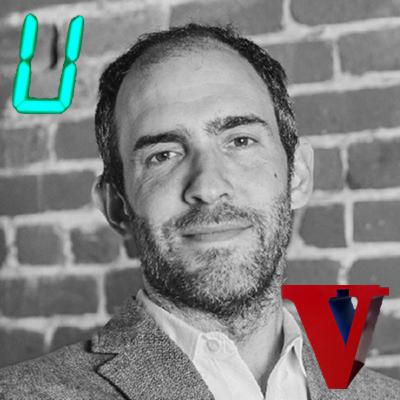
In this episode, I'm talking with Patricio "Pato" Echagüe, one of the founders of Split.io. Pato shares his path to starting a company in Silicon Valley, all the way from his roots growing up in a small town in Argentina and starting to code on an i386. He talks about how he kept his motivation over the 10-year existence of Split until it got acquired in 2024. We talk about how they started the company, how funding changed over time, and the importance of culture in a startup.

Comments

Download from Google Play

Download from App Store
 United States