


Unpacked by Afar
Subscribed: 122,178Played: 519,340
Subscribe

Description
Unpacked by AFAR tackles one tricky topic in travel each week. Whether you want to hack your points and miles, figure out where to travel next, or need advice on an ethical dilemma, we're your expert travel guides. Because the travel world is complicated. We're here to help you unpack it.
122 Episodes
Reverse
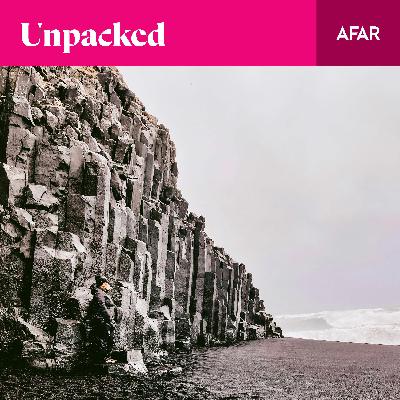
Iceland is so much more than the Golden Circle and Northern Lights—there's a vast country that exists beyond the tourist hotspots. On this episode of Unpacked, join host Aislyn Greene as she speaks with travel writer Ali Wunderman, who has been exploring the country for more than a decade.
Ali shares how to connect with authentic Icelandic culture, avoid the crowds, and discover the spots that most visitors miss. From traditional lopapeysa sweaters to remote West Fjords adventures, learn how to experience Iceland like a local.
In this episode, you'll learn
How to avoid crowds at Iceland's most popular destinations
Why the West Fjords and East Fjords offer Iceland's most authentic experiences
The cultural significance behind Iceland's tourism boom and economic recovery
How to respectfully engage with Icelandic hot spring etiquette and local customs
Don't miss these moments
[03:00] The tourism video that changed everything and launched Iceland's boom
[08:00] Why dating an Icelander is the ultimate travel hack (and passport strategy)
[15:00] Iceland's transformation from a place left off maps to overtourism destination
[20:00] The real story behind Icelandic cuisine beyond fermented shark
[25:00] How WWII American soldiers accidentally created modern Iceland's progressive culture
[30:00] Essential Icelandic words and cultural tips for connecting with locals
Meet this week's guest
Ali Wunderman, travel writer for National Geographic, Vogue, and Afar, and author of an Iceland guidebook
Resources
—Read the transcript of this episode
—Read Ali's Afar.com story about off-the-beaten-path Iceland
—Explore Afar's guide to Iceland
—Browse Ali's Iceland guidebook
—Follow Ali's travels and writing on Instagram
—Explore her ex-boyfriend's Icelandic music playlist. "He often shares this with foreigners to get a deeper taste of Iceland's music beyond the stuff that makes it to the USA," Ali says.
Where to Stay
Find your dream Icelandic hotel
Where to Eat, Drink, and shop
Shop for traditional Icelandic sweaters at the Handknitting Association of Iceland
Eat Icelandic cuisine at Dill restaurant (Iceland's first Michelin star)
Try local Thai restaurants (a surprising Iceland specialty)
Eat the famous hamburger with fries inside at Leirunesti in Akureyri
Activities
Horseback riding with Eldhestar
Sheep herding during réttir season (September)
Iceland Airwaves Music Festival (November)
Þorrablót winter festivals (January)
West Fjords photography expeditions
Highland four-wheel-drive adventures
Bonus Opportunity: What's one tricky travel topic you want us to unpack? Send us a voice message here, for a chance to weigh in and be featured in an upcoming episode.
Stay Connected
Sign up for our podcast newsletter, Behind the Mic, where we share upcoming news and behind-the-scenes details of each episode.
Explore our other podcasts, View From Afar, about the people and companies shaping the future of travel, and Travel Tales, which celebrates first-person narratives about the way travel changes us.
Unpacked by Afar is part of Airwave Media's podcast network. Please contact advertising@airwavemedia.com if you would like to advertise on our podcast.
Learn more about your ad choices. Visit megaphone.fm/adchoices

When it comes to the future of cruising, sustainability is steering the ship.
On this episode of Unpacked, Afar cruise expert and deputy editor, Michelle Baran, takes you to Seatrade, one of the cruise industry's most important events for a panel discussion that asks the question: Is sustainable cruising the new luxury cruising?
From wind-powered voyages to community-centered tourism, she uncovers the surprising and inspiring ways two of the industry's greenest cruise lines, Hurtigruten and Sea Cloud Cruises, are charting the way to a sustainable future.
We'll unpack more of the trends and innovations coming out of Seatrade in coming weeks—stay tuned!
Why Small Ships Make Big Waves in Modern Cruising
On this episode, you’ll learn:
How smaller ships create opportunities for travelers to contribute to local communities.
Tips to spot the difference between genuine sustainability and “greenwashing” in cruising.
The unique ways that cruise lines are confronting overtourism and tending to travelers' needs.
Sustainable Cruising: Seaweed Farms and Setting Sail
Don’t miss these moments:
[04:21] “Engines off. It doesn’t get greener than that.” The most peaceful moment of a Sea Cloud cruise.
[12:34] Don’t just ban single-use plastic. Behind Hurtigruten’s circular food economy.
[18:14] How beach BBQs are helping build back an island’s economy
Meet this week’s guests
Gerry Larsson-Fedde, COO at Hurtigruten
Kevin Smith, vice president of sales at Sea Cloud Cruises
Resources
Read the transcript of this episode.
Listen to these Unpacked Minis: There’s a Cruise for You (Really!) and Please Don’t Plan a Cruise Without This.
Explore more cruise inspiration and intel on afar.com
Be sure to subscribe to the show and to sign up for our podcast newsletter, Behind the Mic, where we share upcoming news and behind-the-scenes details of each episode. And explore our second podcast, Travel Tales, which celebrates first-person narratives about the way travel changes us.
** Bonus Opportunity: What's one tricky travel topic you want us to unpack? Send us a voice message here, for a chance to weigh in and be featured in an upcoming episode. **
Learn more about your ad choices. Visit megaphone.fm/adchoices

 2
2The best hotels offer so much more than a place to stay. In this episode of Unpacked, go behind the scenes of our Best New Hotels list to discover the hotels that are helping to redefine a destination, setting a new bar for sustainability and design, and bringing travelers into communities where their dollars can really count. Host Aislyn Greene and senior deputy editor Jennifer Flowers—Afar's resident hotel expert—share inspiration for your next great trip.
In 2025, Hotels are Becoming Local Heroes
On this episode, you’ll learn:
How hotels are uplifting local communities and preserving cultural legacies.
What the future of sustainable stays looks like and how to sniff out the real deal.
Immersive cultural experiences you can only have when you stay at a hotel.
“Sustainability Has Never Looked So Beautiful.”
Don’t miss these transformative moments:
[02:47] This carbon-positive hotel takes sustainability to new heights.
[09:59] Would you forgo electricity for this historic stay?
[17:58] Local Discoveries: How a tea towel led to new travel plans.
Resources
Read the transcript of this episode.
Explore the Best Hotels of 2025 list.
Listen to last year's Best New Hotels episode.
Listen to our Unpacking ILTM episode.
Want more recommendations? Subscribe to Jenn’s newsletter: Stay Here Next
Follow Jenn on Instagram or read this story about her childhood in the Plaza Hotel.
Learn more about Populus Hotel in Denver, Dar Tantoura the House Hotel, Kibale Lodge, One and Only One Za’beel and other extraordinary stays on afar.com
Be sure to subscribe to the show and to sign up for our podcast newsletter, Behind the Mic, where we share upcoming news and behind-the-scenes details of each episode. And explore our second podcast, Travel Tales, which celebrates first-person narratives about the way travel changes us.
** New Opportunity: What's one tricky travel topic you want us to unpack? Send us a voice message here, for a chance to weigh in and be featured in an upcoming episode. **
Learn more about your ad choices. Visit megaphone.fm/adchoices

These locals are blazing a trail back to the legends that made Mississippi, specifically the Delta, a region that was (and is) vital to the development of modern music.
On this episode of Unpacked, British writer and fiddle player, Emma John, takes you on a musical odyssey through the Mississippi Blues Trail and its role in reviving a blues heartland and connecting travelers to the soul of the genre.
A special thanks to the late Raymond Earl "Pat" Thomas, the legendary musician featured in this episode who passed on February 12 at the age of 64.
Mississippi, the Heartland of Modern Music
In this episode you’ll learn:
The venues, museums and historical establishment you must visit on the Mississippi Blues Trail
The local legends surrounding original blues musicians like Muddy Waters, B.B. King, and W.C. Handy
The looks, sounds and feels of authentic Delta blues.
Juke Joints, Shotgun Shacks and the Soul of a Land
Don’t miss these moments:
[06:19] The Bad Apple Blues Club might seem sketchy at first, but it’s got heart.
[11:40] This is where B.B. King insisted on being buried.
[27:07] Muddy Water’s nephew proves that in the Delta, the blues is always with you.
Listen to the Locals Who Carry the Legacy of Blues
Muddy Water’s great nephew, the son of celebrated bluesman John Thomas and a museum director who met B.B. King as a child—these are some of the local voices that steward the soul of blues on the Mississippi Blues Trail.
Listen along as fiddle player Emma John, gets a local legacy lesson and sees how the heart, soul, and pulse of Delta Blues continues to affect musicians and travelers, alike.
Meet This Week's Guests
Big A and the Allstars at Ground Zero Blues Club
Roger Stolle, owner of Cat Head Delta Blues and Folk Art
Sean Apple, owner of Bad Apple Blues Club in Clarksdale, Mississippi
Robert Terrell, director of operations at the B.B. King Museum and Delta Interpretive Center
Barry Bays, professor at the Delta Music Institute
Keith Johnson, aka “the Prince of the Delta Blues”
Pat Thomas, Delta blues guitarist and son of James Thomas who often played at the Highway 61 Blues Museum
More Resources
Read more about Emma John’s road trip on the Mississippi Blues Trail.
Explore Emma’s website, buy her books and read about her musical origins on afar.com.
Listen to this playlist featuring the artists from this episode.
Read the transcript of this episode.
Be sure to subscribe to the show and to sign up for our podcast newsletter, Behind the Mic, where we share upcoming news and behind-the-scenes details of each episode. And explore our second podcast, Travel Tales, which celebrates first-person narratives about the way travel changes us.
** New Opportunity: What's one tricky travel topic you want us to unpack? Send us a voice message here, for a chance to weigh in and be featured in an upcoming episode. **
Learn more about your ad choices. Visit megaphone.fm/adchoices

Hut-to-hut skiing, frozen waterfalls and seaside foliage—there are surprising outdoor adventures to have in the off-season.
Whether you're looking for "softer adventures" in the outdoors (think cycling and hiking) or routinely exercise your way through destinations, this episode will help you tap into the magic of the off-season and plan a travel year full of natural wonders.
How the Best Outdoor Adventures Really Happen
On this episode, you’ll learn:
How to make the most of outdoor adventure, and hit the off-season, all year round.
Expert recommendations for spring skiing, fall cruising and winter wonderlands.
Tips for beginners to experience how outdoor travel can connect you more deeply to a destination.
Where to go to experience bustling city life and quieter nature, in the same day.
Scenic Smorgasbords and Far Flung Destinations
Don’t miss these moments:
[02:20] Take a last-minute spring ski trip with these tips.
[19:11] You could call these suggestions "scenic smorgasbords."
[24:27] “Who doesn’t want to stand in the face of an ice god?”
[34:04] Your new fall foliage favorite: The Northeast coast
Meet This Week’s Guests
Cindy Hirschfeld is an avid skier and New York Times travel contributor who has been covering the outdoors for 25 years. From hut-to-hut-backcountry skiing to canyoneering in the desert she shares her favorite tips and recommendations for incredible adventures.
Miles Howard doesn’t just visit trails, he builds them. Miles is the founder of Boston’s 27-mile walking city trail, and in this episode he shares far-flung destinations, scenic smorgasbords and off-season insights that make a lasting mark.
Resources
Read Miles Howard's take on why spring is actually the best time to ski.
Check out the transcript of the episode.
Find the right outdoor adventure for you.
Be sure to subscribe to the show and to sign up for our podcast newsletter, Behind the Mic, where we share upcoming news and behind-the-scenes details of each episode. And explore our second podcast, Travel Tales, which celebrates first-person narratives about the way travel changes us.
** New Opportunity: What's one tricky travel topic you want us to unpack? Send us a voice message here, for a chance to weigh in and be featured in an upcoming episode. **
Learn more about your ad choices. Visit megaphone.fm/adchoices

Looking to avoid the crowds and make the most of summer travel in 2025? On this episode of Unpacked, Afar contributor Mark Ellwood—a seasoned traveler who has spent most of his life living out of a suitcase—shares the off-the-beaten path summer adventures you can enjoy, again and again.
Looking for the Best Places to Travel in Summer?
On this episode you’ll discover:
How to find the best summer travel deals and get the most out of a summer trip.
Hidden gems in the U.S., Europe and beyond, that locals love.
Ideas to weather-proof your summer and find alternative escapes you won’t forget.
The Midwest Isn't the Only Place With a Well-Kept Secret
Don’t miss these moments:
[07:54] The Midwest’s best-kept summer travel secret.
[12:53] Surf in the part of Scotland most people forget is there.
[14:30] How to vacation like an Italian and avoid tourist traps.
[20:30] Affordable flights and volcanic adventures: Why the Caribbean is a hiker’s paradise.
Do You Need an Amalfi Intervention?
While many travelers flock to hotspots like the Amalfi Coast or Rocky Mountains, Mark Ellwood reveals off-the-radar destinations, seasoned travel hacks and ways to enjoy popular locations without the crowds.
Resources:
Read the transcript of the episode.
Visit Mark’s website or follow him on Instagram.
Want to discover more off-the-beaten path destinations? Explore this section of afar.com.
Be sure to subscribe to the show and to sign up for our podcast newsletter, Behind the Mic, where we share upcoming news and behind-the-scenes details of each episode. And explore our second podcast, Travel Tales, which celebrates first-person narratives about the way travel changes us.
** New Opportunity: What's one tricky travel topic you want us to unpack? Send us a voice message here, for a chance to weigh in and be featured in an upcoming episode. **
Learn more about your ad choices. Visit megaphone.fm/adchoices

This year—2025—is a holy one in Rome. But you can still avoid the crowds.
On this episode of Unpacked by Afar, Rome local and journalist Laura Itzkowitz, takes us off the tourist trail and into the lesser-visited places that make Rome worth visiting, all year round.
How To Experience Rome Like A Local, Not a Tourist
On this episode you’ll learn:
How to beat the crowds in hot spots like the Vatican and the Colosseum.
Where to stay in Rome to support the local economy and enjoy hidden gems.
How to eat like a local in Rome and avoid tourist traps.
Get To the Heart of Rome, No Long Lines Required
Don’t miss these moments:
[03:55] Meet Mama Roma: The essence of the city.
[16:24] How to see Rome's greatest sights, without the crowds.
[19:48] Don’t fall for this tourist trap. Get authentic food, instead.
[27:09] Where to stay, when in Rome.
A Roman Love Story: In Two Parts
More than 15 years ago, Laura Izkowitz fell in love with Rome on her very first visit. She was taken by the glamour and intrigue of the city—the sounds of "mini operas" all around her. Now, she's married to a Roman, is an expert in Roman travel, and navigates the city like the seasoned local she is.
Follow along as she takes you off the tourist trail, gives you local strategies for avoiding the crowds, and shares cultural insight to help you explore the ancient city like the Romans do.
Resources
Check out Laura’s original story to find more local recommendations.
Read more of Laura’s work on her website or explore her Substack, The New Roman Times.
Book a tour with Elisa Valeria Bove’s tour company, Roma Experience.
Rome’s Jubilee Year Has Begun—Here’s What to Know and How to Avoid The Crowds.
The Secret to Seeing the Vatican Without the Crowds
Follow Laura on Instagram.
Read the transcript of the episode.
Be sure to subscribe to the show and to sign up for our podcast newsletter, Behind the Mic, where we share upcoming news and behind-the-scenes details of each episode. And explore our second podcast, Travel Tales, which celebrates first-person narratives about the way travel changes us.
** New Opportunity: What's one tricky travel topic you want us to unpack? Send us a voice message here, for a chance to weigh in and be featured in an upcoming episode. **
Learn more about your ad choices. Visit megaphone.fm/adchoices

“How soon can you put this baby on a plane?” When No Reception Club founders Gemma and Daniel Ng became parents, they vowed not only to keep traveling, but to create solutions for others braving travel with kids.
And so they went on to create “The Getaway Bag,” which went on to become a cult favorite.
On this episode of Unpacked, they share the terrible flight that inspired their first bag, hard won advice for traveling parents, and what No Reception Club really means to them.
Can Travel Be Even More Important With Kids?
On this episode you’ll learn:
How to maximize No Reception Club’s viral travel diaper bag for your family.
Pro packing tips to be prepared when traveling with kids (without overpacking).
How to protect your child’s sleep and conquer jet lag when traveling as a family.
Maximize Snacks. Minimize Gear. Packing Tips For Parents.
Don’t miss these moments:
[01:21] How a nightmare flight led to helping parents travel easier.
[14:40] Why traveling with kids has a lasting impact—even if they don’t remember the trip.
[22:24] After five years of traveling with kids, here’s what we wish we knew from the start.
Empowering Families to Travel, One Bag at a Time.
As first-time parents, Gemma and Daniel had their fair share of travel mishaps, from overpacking on a road trip with their 3-month-old to wanting to pull their hair out on a flight to Hawaii.
They chat with host, Aislyn Greene about the advice they would give their younger selves, how their travel philosophy and bags make for more meaningful family trips, and ways that parents can travel more, not less, with their kids.
Resources:
** Use the code AFAR25, to get $25 off any purchase at No Reception Club.**
Read the transcript of the episode.
Buy The Getaway Bag.
Check out this in-depth review of No Reception Club’s Hideaway Carry-On Duffel.
Discover the best travel gear for parents, tested by Afar parents (and their kids).
Follow No Reception Club on Youtube or Instagram
Join the No Reception Clubhouse on Facebook for community and perks.
Be sure to subscribe to the show and to sign up for our podcast newsletter, Behind the Mic, where we share upcoming news and behind-the-scenes details of each episode. And explore our second podcast, Travel Tales, which celebrates first-person narratives about the way travel changes us.
** New Opportunity: What's one tricky travel topic you want us to unpack? Send us a voice message here, for a chance to weigh in and be featured in an upcoming episode. **
Learn more about your ad choices. Visit megaphone.fm/adchoices

Welcome to a special bonus from our sister podcast, Travel Tales. In it, Antoni Porowski, our favorite culinary expert from Queer Eye, takes you behind-the-scenes of his new National Geographic show, No Taste Like Home (premiering February 23, 2025). In this episode, he shares the connection that sent him crying off camera with Awkwafina, the dish that defeated his adventurous palate with Henry Golding, and how his Polish roots served him well while helping celebrities explore the foods that taste like home in six different countries.
What Do Kimbap, Ndambe and Chicken Fried Steak Have in Common?
On this episode you’ll learn:
How National Geographic’s team created epic, transformative travel experiences for celebrities.
The tastes and origin stories that transformed Antoni Porowski, from kelp soup in Korea to ndambe in Senegal.
The ways that food and travel can connect people to their deepest roots.
Queer Eye's Antoni Porowski Will Eat Anything—Except This
Don’t miss these transformative, travel moments:
[03:06] “I was the pickiest eater ever growing up!”
[10:01] Kelp, crying, and Korean connections with Awkwafina.
[17:18] James Marsden sheds a light on chicken fried steak.
[19:21] Antoni Porowski tests his foodie limits with Henry Golding.
[20:04] The surprising connections that changed the way Antoni Porowski approaches food.
Why The Perfect Meal Should Remind You of Your Childhood
Every episode of Antoni Porowski’s new show, No Taste Like Home, took three to six months of research: from tracing family trees to exploring the origins of traditional foods.
In this episode of Travel Tales by Afar, discover what Queer Eye’s Antoni Porowski learned about the universality of place, comfort and connection by taking celebrities on epic journeys to explore their culinary and familial roots.
Resources:
Follow Antoni Porowski on Instagram
Stream the show, No Taste Like Home with Antoni Porowski.
Watch this episode on Youtube.
Read the episode transcript.
Be sure to subscribe to the show and to sign up for our podcast newsletter, Behind the Mic, where we share upcoming news and behind-the-scenes details of each episode.
Learn more about your ad choices. Visit megaphone.fm/adchoices

Stop making these common travel mistakes and start maximizing credit card points and airline miles with these tips from The Points Guy, Brian Kelly, author of the new book How to Win at Travel. In this episode, he chats with host Aislyn Greene about the mindsets, practices, and guidelines to help both beginners and seasoned fliers win at travel in today’s economy of points and miles.
** New Opportunity: What's one tricky travel topic you want us to unpack? Send us a voice message here, for a chance to weigh in and be featured in an upcoming episode. **
Most Travelers Make These Mistakes When Booking with Points
In this episode you’ll learn:
How to beat inflation with credit card perks and points.
Why chasing elite status is no longer worth it and what to do instead.
The common mistakes you need to avoid to book the best travel deals.
Travel Game Hacks: Sniffing Delays and Maximizing Miles
Don’t miss these moments:
[00:00] A 12-year-old books a family trip to the Cayman Islands: The origin of The Points Guy.
[12:25] Beginner tips for racking up travel points and miles.
[15:13] Common misconceptions about booking travel.
[33:52] Flight delayed or cancelled? Save money and time by using points.
Travel Deals are Easier to Find with The Points Guy
Brian Kelly, aka the Points Guy, is the go-to-person source for points, miles and travel deals for a global audience. In his new book, How To Win At Travel, he breaks down his most tried-and-true strategies to help every traveler– whether you are aspiring or a seasoned flier– make every dollar count toward better travel experiences.
In this episode he shares the most important tips for booking flights, the apps that help him travel smarter and the hacks he uses to save money and time when things go wrong.
Resources:
Want more tips? Read this companion story on afar.com.
Check out The Points Guy website or follow The Points Guy on Instagram.
Buy Brian’s new book, How to Win at Travel.
Want more tips? Read this companion story on afar.com.
Read the transcript of this episode.
Be sure to subscribe to the show and to sign up for our podcast newsletter, Behind the Mic, where we share upcoming news and behind-the-scenes details of each episode. And explore our second podcast, Travel Tales, which celebrates first-person narratives about the way travel changes us.
Learn more about your ad choices. Visit megaphone.fm/adchoices

Step aside cheesy ghost tours, “tombstone tourism” is so much more than visiting cemeteries to hear about local legends. In this episode of Unpacked, a seasoned traveler shares why graveyards and tombstones are at the top of her “must-see” list—no matter the destination.
** New Opportunity: What's one tricky travel topic you want us to unpack? Send us a voice message here, for a chance to weigh in and be featured in an upcoming episode. **
Tombstone Tourism: Travel’s Underrated Experience.
In this episode you’ll learn:
How visiting a cemetery can give you cultural insight into the places you visit.
The social and health benefits of walking through a cemetery.
Some of the cemeteries you should add to your list, and what makes them unique.
Should I Travel To A Cemetery?
Don’t miss these moments:
[13:34] Finding solace for a familiar grief in Berlin’s Star Children Gardens
[22:49] Becoming better people and other surprising benefits of tombstone tourism.
[25:29] Burial changes and a disappearing gravesite in Amsterdam
The Difference Between Graveyards and Cemeteries
Travel journalist Blane Bachelor visits a cemetery every time she travels, not because she’s searching for haunted stories, but because it enriches her experience of a place and her human experience overall.
She chats with host Aislyn Greene about the cemeteries and graveyards around the world that everyone should visit, the personal benefits of walking through gravesites and how these landmarks can help you travel deeper.
Resources:
Read Blane’s full story here.
Explore more of her work on Instagram or on her website.
Listen to this episode about how tourism can help us grieve.
Read the transcript of this episode.
Be sure to subscribe to the show and to sign up for our podcast newsletter, Behind the Mic, where we share upcoming news and behind-the-scenes details of each episode. And explore our second podcast, Travel Tales, which celebrates first-person narratives about the way travel changes us.
Learn more about your ad choices. Visit megaphone.fm/adchoices

This year in luxury travel, customization is king. Afar’s resident hotel expert, Jennifer Flowers, and editor in chief, Julia Cosgrove, go behind the scenes of ILTM, the International Luxury Travel Market, in Cannes, France. They sat down with leaders from three of the world’s biggest hotel brands—Hilton, IHG, and Hyatt—to hear how trends, technology, and travelers' changing desires will shape luxury hotels in 2025.
Featured Guests:
Crystal Vinisse Thomas, (Former) Vice President, Global Brand Leader, Lifestyle and Luxury Brands, Hyatt. (Crystal resigned after we recorded this episode.)
Jane Mackie, SVP of Luxury, Lifestyle, and Premium Brands at InterContinental Hotels Group (IHG)
Dino Michael, SVP and Global Head, Hilton Luxury Brands
**New opportunity: Want to be featured in an episode of Unpacked or have an idea you want us to unpack next? Send us a voicemail here. **
What Travelers Want Most in 2025
In this episode, you’ll learn:
The path to becoming a luxury travel leader in hospitality.
How hotels are helping travelers customize their experiences, loyalty perks and more.
The trends that will help you plan your perfect year of travel—from AI to authentic experiences.
Plan Better Travel With These Luxury Hotel Brands
Don’t miss these moments:
[07:28] Sniffing out inauthenticity and how hotels become good neighbors.
[25:26] AI, customization, and getting the most out of loyalty programs.
[36:45] How all-inclusive resorts are gaining a new reputation.
Resources
Read the article: 4 Hotel Travel Trends to Watch in 2025.
Explore the luxury travel brands at Hilton, Hyatt and InterContinental (IHG).
Check out our Hotels We Love series and Stay Here Next reviews.
Read the transcript of this episode.
Be sure to subscribe to the show and to sign up for our podcast newsletter, Behind the Mic, where we share upcoming news and behind-the-scenes details of each episode. And explore our second podcast, Travel Tales, which celebrates first-person narratives about the way travel changes us.
Learn more about your ad choices. Visit megaphone.fm/adchoices

This podcast episode is part of Afar, A Retrospective. As part of Afar’s 15-year anniversary celebration, this episode from our sister podcast, Travel Tales by Afar, was selected as one of our favorites. We hope you enjoy it as much as we do—and stay tuned for more archival Travel Tales episodes from September - December 2024. Explore more of our favorite stories over the years at afar.com/fifteen.
“If I travel to you, will you give me lessons?” When former child prodigy, Lavinia Spalding, emailed the biggest female flamenco guitarists in Spain, she was shocked when they all agreed to teach her.
In this episode, she follows an abandoned dream to Madrid, Granada, and Barcelona, Spain to immerse herself in the new world of female flamenco guitar.
Follow Along with Revolutionary “Tacaoras”
In this episode, discover:
What flamenco means to the women who are paving the way for female flamenco guitarists.
The origins of flamenco and its important elements.
Some of the biggest names in flamenco guitar from Paco de Lucía to Antonia Jiménez
Breaking Into the Boy’s Club.
Don’t miss these transformative travel moments:
[02:07] Following and foregoing my father’s flamenco dreams.
[05:40] The mysterious origins of flamenco.
[06:36] A kindred spirit and a familiar melody with Antonia Jiménez.
Strumming in the Spirit of “Duende”
Lavinia Spalding is the editor of The Best Women’s Travel Writing and co-hosts the podcast There She Goes: travel stories told by the women who wrote them. But at one time, she believed she was destined to become a “tocaora,” a female flamenco guitarist.
In this episode, she follows in her deceased father’s footsteps by traveling to Spain to learn flamenco guitar. Antonia Jiménez, Pilar Alons,o and Marta Robles, some of the most prominent female flamenco guitarists in Spain, are her guides into “duende,” the heartbeat of flamenco that transforms suffering into passion.
Resources:
Read Lavinia’s original story.
Explore Lavinia’s work on her website.
Listen to this playlist that features music by Marta Robles.
Watch these performances by Pilar Alonso and Antonia Jiménez.
Be sure to subscribe to the show and to sign up for our podcast newsletter, Behind the Mic, where we share upcoming news and behind-the-scenes details of each episode. And explore our second podcast, Travel Tales, which celebrates first-person narratives about the way travel changes us.
Learn more about your ad choices. Visit megaphone.fm/adchoices

Who needs a travel planner when you could consult the cosmos? According to astrologer Adama Sesay, your astrological chart can be the key to an ideal travel year.
On this episode of Unpacked, she breaks down the astrological events to look out for in 2025, shares travel suggestions based on each sign and helps you navigate traveling during a dreaded Mercury retrograde.
Wait, When is Mercury in Retrograde in 2025?
In this episode you’ll learn:
How astrology can help you plan your ideal year of travel.
What astrologers mean by Mercury retrograde and how that relates to travel.
When and what kind of travel each sign should pursue in 2025.
How to Travel Based on Your Astrological Sign
Don’t miss these memorable moments:
[01:16] How an astrologer makes plans based on the cosmos.
[04:48] Mercury retrograde and other astrology-based travel predictions for 2025.
[11:40] Breaking down travel styles, sign-by-sign.
Your 2025 Astrological Travel Forecast
Adama Sesay shares how astrology can affect travel on an international level and a personal level. From an overview of when and how each sign can make the most of travel in 2025 to how charting a location and keeping in mind astrological events can affect everyone’s travel plans.
Adama Sesay is the author Black Moon Lilith Rising: How to Unlock the Power of the Dark Divine Feminine Through Astrology and the card deck and guidebook Black Moon Lilith Cosmic Alchemy Oracle.
Resources:
Read the transcript of this episode.
Follow Adama Sesay on Instagram.
Learn more about her work or book a reading on her website Lilith Astrology.
Read, Where To Travel in 2025 According to Your Astrological Sign.
Compare your travel experiences to her predictions from last year.
Be sure to subscribe to the show and to sign up for our podcast newsletter, Behind the Mic, where we share upcoming news and behind-the-scenes details of each episode. And explore our second podcast, Travel Tales, which celebrates first-person narratives about the way travel changes us.
Learn more about your ad choices. Visit megaphone.fm/adchoices
In our annual Travel Vanguard awards, Afar honors nine companies that are working to improve the world and how travelers experience it. We launched the Afar Travel Vanguard in 2016 to celebrate organizations that are making travel a force for good. This year, we received more than 100 nominations from travel professionals and organizations around the world. Narrowing down the list was no easy task since, fortunately, there are more organizations than ever pioneering efforts in sustainability, diversity, or accessibility.
Our nine honorees include a cruise line providing vital medical care to residents of remote islands, a destination focused on making vacations easier for neurodivergent people, and a resort company supporting and elevating its local communities. May their stories inspire you to travel more respectfully and consciously.
In this episode, we talk with Ellen Carpenter, a NYC-based writer and editor who interviewed all nine winners.
Meet the winners of the 2025 Afar Travel Vanguard
Visit Myrtle Beach: For making vacations smoother for autistic families
Tourism Cares: For connecting travelers with more meaningful experiences across the world
Visit Lauderdale: For being a committed ally to LGBTQ+ travelers
Quark Expeditions: For showcasing the culture and food traditions of Greenland and Canada
Sandals Foundation: For lifting up its Caribbean communities
Destination Canada: For developing and supporting under-visited regions across the country
Abercrombie & Kent Philanthropy: For investing in the futures of people in the areas where its guests travel
Paul Gauguin Cruises: For providing much-needed medical assistance in French Polynesia
Switzerland Tourism: For uniting the Swiss tourism industry in a shared commitment to sustainability
Resources
Meet the previous members of the Afar Travel Vanguard.
Explore Ellen Carpenter's work.
Be sure to subscribe to the show and to sign up for our podcast newsletter, Behind the Mic, where we share upcoming news and behind-the-scenes details of each episode. And explore our second podcast, Travel Tales, which celebrates first-person narratives about the way travel changes us.
Learn more about your ad choices. Visit megaphone.fm/adchoices

Winter is the best time to visit the Yukon territory. Follow one writer as she travels by dog sled and snowmobile, dons snowshoes for a hike through Tombstone Territorial Park and witnesses the beauty of the northern lights and communal reclamation alongside locals. In this episode of Unpacked by Afar, we follow the infamous “call of the wild” into the Canadian Yukon.
How To Plan a Winter Trip to the Yukon Territory
In this episode you’ll learn:
How to travel in Yukon Territory during the winter, from snowmobiles to dogsleds.
The tour groups that give you insider experiences of the Yukon’s winter wonders.
Local landmarks that you have to visit in the winter.
See the Northern Lights with Local Guides
Don’t miss these memorable moments:
[04:35] Mushing: Crossing Tagish Lake on a dog sled.
[09:46] Seeing the aurora borealis from a local’s backyard in West Dawson.
[18:25] “I’m reclaiming my land because of the gold rush…”
“Sourdoughs” and “Cheechakos”: Winter Life in the Yukon
Writer, Debbie Olson, is a Métis Canadian local who has explored and visited every Canadian province and territory, including the Yukon. But the Yukon in winter? That’s a legendary experience that deserves its own category.
Follow along as she is guided into the wonders of the Yukon in the winter through the wonder of winter by locals who call the Yukon home, including a professional dog sled driver (musher) and a member of the Tr’ondëk Hwëch’in First Nation who is reclaiming her land.
Resources:
Read Debbie’s print story that inspired this episode.
Read the transcript of this episode.
Explore the tour operators that Debbie traveled with: the Klondike Experience, Tagish Lake Kennel Tours and Entreé Destinations.
Listen to this Travel Tales episode about polar bears in Canada and this episode about a tour guide’s efforts to preserve a part of the Canadian coastline.
Check out Debbie’s other work at Wander Woman Travel Magazine.
Be sure to subscribe to the show and to sign up for our podcast newsletter, Behind the Mic, where we share upcoming news and behind-the-scenes details of each episode. And explore our second podcast, Travel Tales, which celebrates first-person narratives about the way travel changes us.
Learn more about your ad choices. Visit megaphone.fm/adchoices

Wondering when, where and how much to tip when you travel? Since the pandemic, tipping requests show up in places they never have before, such as farmers' markets and fast-food counters. In this episode, two experts help you navigate the changing landscape of tipping so you can tip with respect to the people who serve you and to your wallet, wherever you go.
Tips to Improve Prompt Service
In this episode you’ll learn:
Typical tips for any situation from hospitality staff to baristas.
How states like California are combatting tipping with legal intervention.
The “why” behind tipping and how that has changed.
Bellmen, Valet and Baristas: Who Do I Tip?
Don’t miss these moments:
[05:48] A Victorian tipping origin story.
[15:24] How has tipping culture changed in the U.S.?
[21:38] A tipping hack for hospitality staff.
The New Rules of Tipping.
Elaine Swann, an etiquette guru and founder of the Swan School of Protocol joins Dr. Jaime Peters, a personal finance expert, finance dean and professor at Maryville University, to help you navigate the new world of tipping.
From unpacking tipping misconceptions to national tipping trends, they untangle the etiquette dilemmas of a rise in tipping culture to help you make tipping decisions with confidence and a good conscience.
Resources:
Read the full transcript of this episode.
Explore Afar guides for tipping for Mexico, France, and an all-inclusive resort.
Check out the Economic Policy Institute’s minimum wage tracker.
Listen to this episode of Unpacked: How to Budget for Travel, No Matter Your Income.
Be sure to subscribe to the show and to sign up for our podcast newsletter, Behind the Mic, where we share upcoming news and behind-the-scenes details of each episode. And explore our second podcast, Travel Tales, which celebrates first-person narratives about the way travel changes us.
Learn more about your ad choices. Visit megaphone.fm/adchoices

This podcast episode is part of Afar, A Retrospective. As part of Afar’s 15-year anniversary celebration, this episode from our sister podcast, Travel Tales by Afar, was selected as one of our favorites. We hope you enjoy it as much as we do—and stay tuned for more archival Travel Tales episodes from September - December 2024. Explore more of our favorite stories over the years at afar.com/fifteen.
Two months after her house burned down, Afar sent the award-winning author of Miss Burma, Charmaine Craig, to Lisbon, Portugal, with 24 hours’ notice. Without a plan, Charmaine aimlessly follows tourists through cobbled streets before stumbling upon the grave of one of the country’s most beloved authors: Fernando Pessoa. Following in his footprints, her trip transforms into a poetic journey through loss, impermanence, and hope.
Portugal’s Elusive Poet: Fernando Pessoa
In this episode discover:
The world’s oldest bookstore, Livraria Bertrand.
How Portugals’ streets recovered after fire and earthquakes.
Where to follow Francis Pessoa’s legacy in Lisbon.
Twin Flames, Twin Houses
Don’t miss these transformative moments:
[01:39] Lost history and landing in Lisbon.
[05:02] Meeting Francis Pessoa: a master poet of impermanence.
[08:00] Echoes of destruction, from L.A. to Lisbon.
A Literary Adventure in Lisbon
The only book Charmaine Craig brought to Lisbon was The Book of Disquiet by Francis Pessoa. Though she knew the author lived in Lisbon,Charmaine didn’t expect to stumble upon his tomb in her first 24 hours. In this episode, an unplanned trip to Portugal becomes a deeply personal, poetic tour through grief, impermanence, and hope.
Resources:
Read Charmaine’s original story.
Visit Charmaine’s website and buy her books, Miss Burma and My Nemesis.
Plan a trip to Lisbon with Afar with content like the best things to do and see or these guides to the perfect day or weekend.
Be sure to subscribe to the show and to sign up for our podcast newsletter, Behind the Mic, where we share upcoming news and behind-the-scenes details of each episode. And explore our second podcast, Travel Tales, which celebrates first-person narratives about the way travel changes us.
Learn more about your ad choices. Visit megaphone.fm/adchoices

What happens to suitcases that can’t be reunited with their owners? It’s not something we think about that often, but for Bryan Owens, it’s an entire business. He’s the CEO and now-owner of the Scottsboro, Alabama–based Unclaimed Baggage, the only store in the United States that sells lost luggage. As you’ll hear in today’s episode, his dad launched the business more than 50 years ago with an old Chevy pickup and $300. And now the business stocks more than 7,000 new items a day.
The company recently released its first annual Found Report, a deep dive into the more than 2 million items that came through its doors in 2023, including including the aforementioned live snakes and fancy handbags. Host Aislyn Greene talks with Bryan about where these bags come from, how the company makes decisions about what to sell and, more interestingly, what it does with everything else: Donations and partnerships with organizations like Wheels for the World are critical to its mission.
Meet this week’s guest
Bryan Owens, CEO and owner of Unclaimed Baggage
Resources
Read the full transcript of the episode.
Check out Unclaimed Baggage.
Follow the podcast to ensure you don’t miss an episode.
Subscribe to Afar’s YouTube channel for a full video of the conversation.
Be sure to subscribe to the show and to sign up for our podcast newsletter, Behind the Mic, where we share upcoming news and behind-the-scenes details of each episode. And explore our second podcast, Travel Tales, which celebrates first-person narratives about the way travel changes us
Learn more about your ad choices. Visit megaphone.fm/adchoices

Mark our words: 2025 will be the year of crowd-free travel. That’s why our editors and contributors spent months seeking out 25 incredible, undertouristed destinations to explore next year. Our annual Where to Go list spotlights under-the-radar escapes, alternatives to popular hotspots, and interesting places around the world you may have been overlooking for too long. And in this episode of Unpacked by Afar, four editors share how they chose those places, where they're most excited to visit, and how to make a positive impact when you travel. This episode will help you plan an epic travel year—and feel good while doing it.
Overtourism No More
In this episode you’ll learn:
What travelers need to know about the changing travel landscape in 2025.
How Afar editors are combating overtourism and promoting travel as a force for good.
The places our editors can’t wait to visit, including the beaches of Denmark’s Riviera, a scenic road trip along Maine’s coast, dark-sky sites on New Zealand's Aotea Great Barrier Island, a remote, wildlife-packed part of Patagonia where few people have ever set foot, and more.
Where Should I Go Next?
Don’t miss these moments:
[01:57] What makes this “Where to Go” list different from the rest.
[07:48] The destinations these travel experts can’t wait to visit.
[15:08] How to get off the tourist trails and make a positive impact on a place.
[19:17] What you need to know about travel in 2025.
Our Editors Guide You to the Places That Want Tourists
Each Afar editor brings unique expertise to this roundtable discussion. Sarika Bansal has lived on five continents and is the editorial director of Afar magazine, as well as the editor of the book, Tread Brightly: Notes on Ethical Travel. Billie Cohen, Afar’s executive editor, spent more than three years as a digital nomad and has a soft spot for nerd travel. Tim Chester focuses on destination inspiration and sustainable travel as deputy editor. And when it comes to info and breaking news about the air, cruise, and consumer travel spaces, deputy editor Michelle Baran is our go-to travel expert.
In this episode, they take us behind the scenes of this year’s Where To Go list, share what excites them as travelers, and reveal how their work inspires readers to go out into the world and use travel as a force for good.
Resources
Read the transcript of this episode.
Explore the Where To Go in 2025 list.
Still want to go to a popular tourist destination? Here’s how to get off the tourist trail.
How to get your Real ID, and keep up with updates on traveling to Europe and the UK.
Follow Afar on Instagram, to see these destinations come to life in a new way.
Be sure to subscribe to the show and to sign up for our podcast newsletter, Behind the Mic, where we share upcoming news and behind-the-scenes details of each episode. And explore our second podcast, Travel Tales, which celebrates first-person narratives about the way travel changes us.
Learn more about your ad choices. Visit megaphone.fm/adchoices


Download from Google Play

Download from App Store
 United States
Love how Unpacked by AFAR simplifies complex travel topics! It’s like when you visit wendysmenu to find out the salads options—clear https://wendysmenue.com/wendys-salads-menu/, helpful, and just what you need to make smart choices.
Understand the importance of regular self-renewal in physical, mental, and emotional aspects as practiced by effective individuals to maintain balance and sustained success. Read More - https://apkjadu.com/why-should-you-adopt-the-habits-of-highly-effective-people/
Gain a thorough understanding of each habit and its role in fostering a balanced and successful life. Read More - https://wordpresswikis.com/heres-everything-you-need-to-know-about-the-habits-of-highly-effective-people.html
Uncover creative virtual team-building ideas that foster engagement, trust, and productivity among remote workers. Read More - https://jungle-networks.com/2025/03/08/team-building-activities-and-virtual-team-games-strengthening-workplace-connections/
Learn about creative virtual team-building exercises that enhance teamwork and productivity. Read More - https://newsvinehub.com/the-power-of-experiential-learning-in-team-building-engaging-games-for-enhanced-collaboration/
Great insights! Finding reliable packers and movers in Hyderabad can be overwhelming, but this guide really breaks it down well. I especially liked the tips on checking reviews and verifying licenses—super important but often overlooked. Thanks for sharing such helpful info for anyone planning a move! Read more - https://signature-me-uae.com/2024/12/19/choosing-the-best-packers-and-movers-in-hyderabad-for-a-stress-free-relocation/
Great article! Choosing the right second-hand car parts can definitely be tricky, especially with so many unreliable options out there. I really liked the tip about verifying part numbers and checking for visible wear before buying — super practical advice. It would be awesome to see a follow-up post on the best online marketplaces or local sources for used parts. Thanks for sharing this valuable info! Read More - https://myautocart.com/how-to-choose-the-best-second-hand-parts-for-cars/
This was such an inspiring read! I love how the habits mentioned are not just about work but also focus on health, mindset, and lifelong learning. It’s a great reminder that success isn’t just about big leaps, but the small, consistent actions we take every day. Definitely bookmarking this to revisit. Thanks for the motivation! Read More - https://smartkitchenhacks.com/common-habits-of-successful-people/
This was such an informative read! I really appreciated the breakdown of the different types of virtual learning platforms—especially the distinction between LMS and LXPs, which I hadn’t fully understood before. It’s true that flexibility and accessibility are huge advantages, but the point about needing self-discipline really hit home. Thanks for laying everything out so clearly! Read more - https://www.eatmywings.com/heres-all-you-need-to-know-about-virtual-learning-platform.html
This was such an insightful read! I really appreciate how clearly the benefits of experiential learning were outlined. It's so true that hands-on experience helps solidify concepts in a way traditional learning often can't. I especially liked the point about building soft skills and real-world problem-solving abilities. Definitely sharing this with a few colleagues who are exploring new training approaches! Read More - https://ovuracosmetic.com/top-notch-benefits-of-choosing-experiential-learning-programs/
Auto locksmith course equips you with essential skills to unlock a successful career in automotive security. Learn how to handle car lockouts, key replacements, and advanced vehicle security systems. With hands-on training and expert guidance, you’ll be prepared to provide fast, reliable services to clients. Enroll in our auto locksmith course today and open the door to a rewarding career in the automotive locksmith industry! https://www.mpl-locksmith-training.co.uk/3-day-auto-locksmith-training-course
Accredited locksmith training equips you with the practical skills and knowledge needed to succeed in the security industry. From key cutting to advanced lock systems, learn from seasoned professionals in hands-on sessions designed for real-world application. Whether you're starting fresh or upskilling, this certified training opens doors to a secure, rewarding career. Start your journey with accredited locksmith training and unlock a future full of opportunities! https://www.mpl-locksmith-training.co.uk/
You can use https://tracklist.pro for easily, Quick and hassle-free Music.
3luckyblue game Pakistan game (https://www.3luckybluee.com/)
3luckyblue game Pakistan game (https://www.3luckybluee.com/)
3luckyblue game Pakistan game (https://www.3luckybluee.com/)
3luckyblue game Pakistan game (https://www.3luckybluee.com/)
3luckyblue game Pakistan game (https://www.3luckybluee.com/)
3luckyblue game Pakistan game (https://www.3luckybluee.com/)
3luckyblue game Pakistan game (https://www.3luckybluee.com/)