


 Claim Ownership
Unpopular Neuroscience
Subscribed: 10Played: 45
Subscribe

© Copyright 2024 All rights reserved.
Description
Neuroscientists Katie McAllister and Patrick Watson discuss the nervous system, scrutinize pop neuroscience, and attempt to understand why—despite millions of published articles and advances in artificial intelligence—everyone still seems to think the brain is a mysterious organ.
11 Episodes
Reverse

This week on Unpopular Neuroscience, Katie and Patrick welcome special guest Matt Baumann with a deep question from his son, Calvin. When a slug remembers something, is it reliving the experience, or just firing a reflex? And what about remembering for humans? Or for robots?
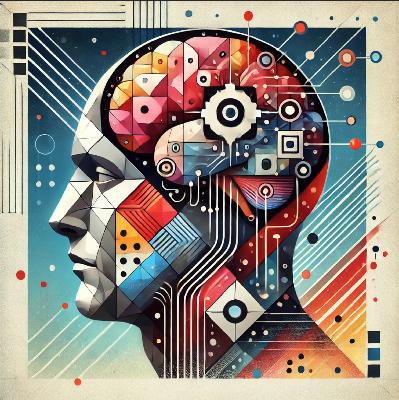
Large attentional transformers like ChatGPT generate text that seems surprisingly human-like. On this episode Katie and Patrick ask which bits of the brain work like large language models, which bits AI still hasn't figured out, and whether the difference can explain why robots can't count the vowels in a strawberry.
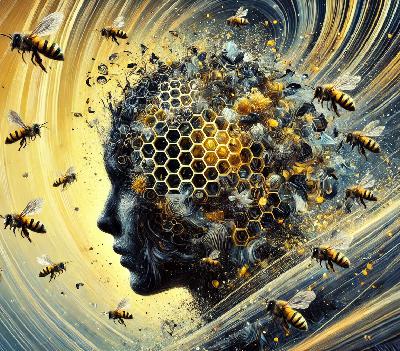
Neuroscientists don't believe in Artificial General Intelligence because they don't believe in General Intelligence. Instead they think the brain has multiple, specialized systems that work together to solve complex problems–more like a swarm of bees than a philosopher king. On this episode Katie and Patrick talk about the hive of brain systems living in your head and why this makes biological intelligence so robust and effective.
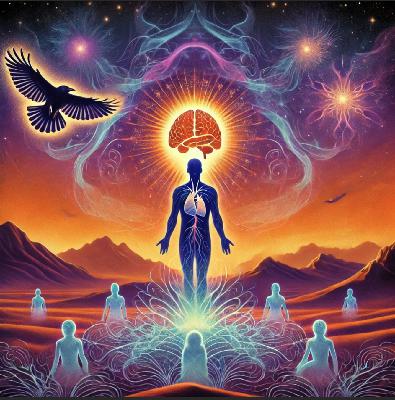
What is consciousness?
To the general public it's one of the most profound and enduring mysteries of the human psyche. To specialists it's something we don't worry about much. In this episode, Katie and Patrick explore the semantic gap between broad popular conceptions of consciousness and narrower understanding held by neuroscientists and philosophers.
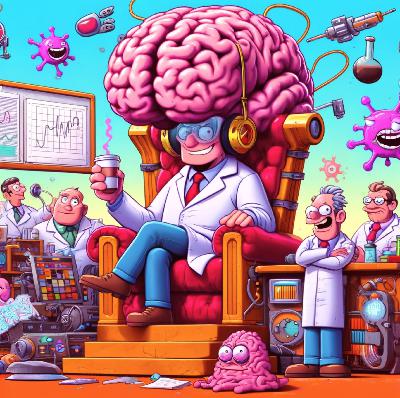
On this episode Katie & Patrick discuss why cognitive biases are so popular—at least when applied to other people—even though these reasoning foibles are not exclusive to humans, probably not caused by the brain, and unlikely to explain much about behavior.

Comments

Download from Google Play

Download from App Store
 United States