


 Claim Ownership
Upstream
Subscribed: 2,100Played: 77,693
Subscribe

© All rights reserved
Description
Conversations and audio documentaries exploring a wide variety of themes pertaining to economics and politics, hosted by Della Z Duncan and Robert R. Raymond
270 Episodes
Reverse

In this episode, part 3 of our ongoing series on Cuba, we're joined by Helen Yaffe for a conversation exploring Cuba's transition to socialism after the revolution through Che Guevara's contributions. Helen Yaffe is a professor of Latin American political economy at the University of Glasgow. She is the author of We Are Cuba! How a Revolutionary People Have Survived in a Post-Soviet World, and Che Guevara: The Economics of Revolution. She is also the cohost of the Cuba Analysis podcast and the documentary Cuba's Life Task: combatting climate change. The episode begins with a brief introduction to Che Guevara—providing an overview of Che's life and biography. We then discuss what the Cuban revolutionaries inherited in terms of Cuba's semi-colonial economic and political state—unemployment, poverty, inequality, underdevelopment, and dependency. We talk about how socialism became the guiding light of revolutionary Cuba and how the revolutionary government became more radical in response to the United States' attempts to sabotage it. We discuss Che Guevara's role in developing the productive capacities of Cuba and his many roles ranging from President of the National Bank of Cuba to Head of Ministry of Industries (MININD). We also discuss his unique approach to laying the foundations of socialism in Cuba which put just as much emphasis on developing consciousness as developing materially. We contrast this with the Soviet system, which Che was critical of. We then explore the role of intellectual, political, and training education in the emerging socialist state of Cuba, which had experienced a mass emigration of managers and business owners after the revolution and had a working class which was accustomed to viewing labor as an exploitative endeavor and not as means of liberation. Finally, we explore Che's legacy and tie it into present day Cuba, which is still under siege by the imperialists. Further resources: We Are Cuba! How a Revolutionary People Have Survived in a Post-Soviet World Che Guevara: The Economics of Revolution Let Cuba Liva: Donate Support the Nuestra América Flotilla to Cuba Related episodes: Listen to our ongoing series on Cuba Listen to our ongoing series on China Intermission music: "Señor Martí" by El Guajiro Upstream is entirely listener funded. No ads, no promotions, no grants—just Patreon subscriptions and listener donations. We couldn't keep this project going without your support. Subscribe to our Patreon for bi-weekly bonus episodes, access to our entire back catalog of Patreon episodes, and for Upstream stickers and bumper stickers at certain subscription tiers. Through your support you'll be helping us keep Upstream sustainable and helping to keep this whole project going—socialist political education podcasts are not easy to fund so thank you in advance for the crucial support. patreon.com/upstreampodcast For more from Upstream, visit www.upstreampodcast.org and follow us on Instagram and Bluesky. You can also subscribe to us on Apple Podcasts, Spotify, or wherever you listen to your favorite podcasts.
![[UNLOCKED] Lebanon Pt. 1: Resisting Occupation w/ Hussein Assaf](https://static.libsyn.com/p/assets/b/4/a/3/b4a3caa1c6ca3e1016c3140a3186d450/hussein_assaf_main.jpg "[UNLOCKED] Lebanon Pt. 1: Resisting Occupation w/ Hussein Assaf")
This is an unlocked version of the episode "Lebanon Pt. 1: Resisting Occupation w/ Hussein Assaf." In Part 1 of our new series on Lebanon, Hussein Assaf joins us to discuss the ongoing assault on Lebanon by Israel and the United States. Hussein Assaf is a journalist with Vocal Politics based out of Beirut. Our conversation begins with an update on the ongoing assault on Lebanon by Israel and backed by the United States. We then talk about the political forces at play in Lebanon, giving a brief history of the political makeup of the country to help put the current assault in context. We talk about Hezbollah and the relationship it has with the Islamic Republic, unpacking the common talking point in the West that Hezbollah is an Iranian "regime" proxy and instead providing a more appropriate analysis (and in doing so, giving insight into how the United States treats its proxies). We close on a discussion on the information and psychological warfare that is a part of the US and Israel's assault on West Asia and on its own populations at home. Just a quick note: this episode is a bit of a non-traditional Part 1 to a series as it goes into a bit more depth into current events and is not as focused on a providing a more complete historical context for Lebanon like our other series do. If you want to understand what's happening at the moment, this is a great starting point. In the future we will provide even more historical context and take deeper dives into Lebanon's history and politics. Further resources: Vocal Politics Hussein Assaf Related episodes: Listen to our ongoing series on Lebanon Listen to our ongoing series on Iran Listen to our ongoing series on Palestine Listen to our ongoing series on China Upstream is a labor of love—we couldn't keep this project going without the generosity of our listeners and fans. Subscribe to our Patreon at patreon.com/upstreampodcast or please consider chipping in a one-time or recurring donation at www.upstreampodcast.org/support For more from Upstream, visit www.upstreampodcast.org and follow us on Instagram and Bluesky. You can also subscribe to us on Apple Podcasts, Spotify, or wherever you listen to your favorite podcasts.
 1
1In this episode, part 3 of our ongoing series on Iran, we're joined again by Bikrum Gill for a conversation exploring sovereignty and imperialism in Iran. Our conversation opens with an unpacking of the intersections and distinctions of imperialism, sovereignty, colonialism, and capitalism in a theoretical sense. Once these foundations are laid, we then apply this framework to Iran, answering the question of why Iran's sovereignty is so threatening to the United States. We then jump into current events and explore the thread that ties together the US's assault on Venezuela, Cuba, Iran, Palestine, etc.—and this brings China into the conversation. We talk about the construction of client states and why so many states in Latin America and West Asia have refused to intervene on behalf of Venezuela, Cuba, Iran, and Palestine. Finally, we discuss the Israeli-US war on Iran and what the resistance to it looks like both regionally and within Iran itself. Bikrum Gill is a faculty in political science and international relations and a scholar of international political economy. He's the author of The Political Ecology of Colonial Capitalism: Race, Nature, and Accumulation, published by Manchester University Press. Further resources: The political ecology of colonial capitalism Race, nature, and accumulation, by Bikrum Gill "Orders of Sovereignty: Internal Power and External Dependency in the Recognition of the State of Palestine," by Bikrum Gill "The "Second Sacred Defence": Solidarity, Sovereignty and the Politics of Anti-War," by Bikrum Gill Black Skin, White Masks, by Franz Fanon The Wretched of the Earth, by Franz Fanon On Contradiction, by Mao Zedong Vocal Politics: Why did the US and Israel launch their war of aggression against Iran? by Bikrum Gill The Long Twentieth Century, by Giovanni Arrighi Related episodes: Listen to our ongoing series on Iran Imperialism, the Highest Stage of Capitalism / Breht O'Shea and Alyson Escalante Imperialism in the 21st Century by John Smith Alliance of Sahel States Pt. 3: Hyperimperialism and the Fight for Sovereignty w/ Mikaela Nhondo Erskog Listen to our ongoing series on Venezuela [UNLOCKED] Oil, Monopoly Capitalism, and Imperialism w/ Adam Hanieh Listen to our ongoing series on Cuba Listen to our ongoing series on Palestine Listen to our ongoing series on China Third Worldism and the Bandung Spirit w/ Pranay Somayajula Listen to our ongoing series on Mexico Intermission music: "Another War" by Carsie Blanton Upstream is entirely listener funded. No ads, no promotions, no grants—just Patreon subscriptions and listener donations. We couldn't keep this project going without your support. Subscribe to our Patreon for bi-weekly bonus episodes, access to our entire back catalog of Patreon episodes, and for Upstream stickers and bumper stickers at certain subscription tiers. Through your support you'll be helping us keep Upstream sustainable and helping to keep this whole project going—socialist political education podcasts are not easy to fund so thank you in advance for the crucial support. patreon.com/upstreampodcast For more from Upstream, visit www.upstreampodcast.org and follow us on Instagram and Bluesky. You can also subscribe to us on Apple Podcasts, Spotify, or wherever you listen to your favorite podcasts.
![[TEASER] Atlantic Slavery and the Plantation System w/ David McNally](https://s3.castbox.fm/38/ea/bd/6f353b9252ecac9210f59506e19017d1dd_scaled_v1_400.jpg "[TEASER] Atlantic Slavery and the Plantation System w/ David McNally")
This is a preview of the Patreon episode "Atlantic Slavery and the Plantation System w/ David McNally." You can listen to the full episode by subscribing to our Patreon here: https://www.patreon.com/upstreampodcast. Signing up for Patreon is a great way to make Upstream a weekly show, and it will also give you access to our entire back catalog of Patreon episodes along with stickers and bumper stickers at certain subscription tiers. You'll also be helping to keep Upstream sustainable and allowing us to keep this project going. In this episode we're joined by David McNally to discuss his new book, Slavery and Capitalism: A new Marxist History, a systematic Marxist account of the capitalist character of Atlantic slavery. David McNally is a radical socialist activist and award-winning scholar. He currently holds the Cullen Distinguished Professorship of History & Business at the University of Houston. The conversation opens with an introduction to the idea that the Atlantic slave system and the plantation system were forms of capitalism using the example of Barbados and George Washington in Virginia to explain the industrial-scale level of this system and its position in global capitalism as a node of commodity production. We explore the idea of modes of production and what Marx had to say about colonialism and slavery before we discuss race-making as a modality of capitalist discipline during slavery. We discuss the difference between constant and variable capital and why this is important in understanding the capitalist nature of the plantation system. We then discuss the nature of class conflict on the plantation, exploring how Atlantic bondpeople were the first workers of the industrial age to use the mass strike as a weapon of struggle and emancipation, and what this tells us about enslaved labor under capitalism. Finally, our conversation ends with an examination of the intersection of Marxism and revolutionary abolitionism in the US and how they dialectically informed one another. Further resources: Slavery and Capitalism: A new Marxist History, by David McNally Marx at the Margins, by Kevin Anderson The Black Jacobins: Toussaint L'Ouverture and the San Domingo Revolution, by C.L.R. James Black Reconstruction in America, 1860-1880, by W.E.B Du Bois Related episodes: Dialectical Materialism w/ Josh Sykes Historical Materialism w/ Torkil Lauesen Marx's Capital Vol. 1 w/ David Smith Marx's Capital Vol. 2 w/ Richard Wolff and Shahram Azhar Walter Rodney, Marxism, and Underdevelopment with D. Musa Springer & Charisse Burden-Stelly For more from Upstream, visit www.upstreampodcast.org and follow us on Instagram and Bluesky. You can also subscribe to us on Apple Podcasts, Spotify, or wherever you listen to your favorite podcasts.

In this episode, part 2 of our new series on Cuba, we're joined again by Manolo De Los Santos for a conversation on Cuba's revolution.. Manolo De Los Santos is a founder of the People's Forum and a researcher at Tricontinental: Institute for Social Research. He is the co-editor Viviremos: Venezuela vs. Hybrid War, Comrade of the Revolution: Selected Speeches of Fidel Castro, and Our Own Path to Socialism: Selected Speeches of Hugo Chávez. The conversation picks up where part 1 left off, in the early 50s, setting the stage for lead up to 26th of July Movement and introducing some of the main characters of the revolution, including of course Fidel Castro and Ernesto "Che" Guevara. Manolo tells us about the attack on the Moncada Barracks, Fidel's exile to Cuba where he meets Che and begins training, and their return on the Granma to Cuba's Sierra Maestra mountains where they reignite the revolutionary guerrilla army of the 26th of July Movement. We talk about the Battle of Santa Clara which led to Batista's overthrow on January 1st, 1958 and the triumph of the revolution. We explore the role of political education in the revolution and the role that the United States played in resisting the revolution. We then talk about the reforms that were initiated immediately after the revolution, the largest and most significant being land reform and de-privatization as well as some of the complexities of the early revolution such as elections. We analyze the Guantanamo Naval Base, notions of nonviolence and Cuba's material support of revolutionary movements across the globe. Further resources: The People's Forum Tricontinental: Institute for Social Research Let Cuba Liva: Donate Support the Nuestra América Flotilla to Cuba Related episodes: Listen to our ongoing series on Cuba Intermission music: "Que Se Vayan" by El Guajiro Upstream is entirely listener funded. No ads, no promotions, no grants—just Patreon subscriptions and listener donations. We couldn't keep this project going without your support. Subscribe to our Patreon for bi-weekly bonus episodes, access to our entire back catalog of Patreon episodes, and for Upstream stickers and bumper stickers at certain subscription tiers. Through your support you'll be helping us keep Upstream sustainable and helping to keep this whole project going—socialist political education podcasts are not easy to fund so thank you in advance for the crucial support. patreon.com/upstreampodcast For more from Upstream, visit www.upstreampodcast.org and follow us on Instagram and Bluesky. You can also subscribe to us on Apple Podcasts, Spotify, or wherever you listen to your favorite podcasts.
![[TEASER] The Political Economy of Love in Capitalism w/ Kristen Ghodsee](https://static.libsyn.com/p/assets/e/f/2/1/ef21df7b8ce4772316c3140a3186d450/kirsten_ghodsee_main.jpg "[TEASER] The Political Economy of Love in Capitalism w/ Kristen Ghodsee")
This is an preview of the Patreon episode "The Political Economy of Love in Capitalism w/ Kristen Ghodsee." You can listen to the full episode by subscribing to our Patreon here: https://www.patreon.com/upstreampodcast As a Patreon subscriber you'll get access to at least one bonus episode a month (usually two or three), our entire back catalog of Patreon episodes, early access to certain episodes, and other benefits like stickers and bumper stickers—depending on which tier you subscribe to. access to bi-weekly bonus episodes ranging from conversations to readings and more. Signing up for Patreon is a great way to make Upstream a weekly show, and it will also give you access to our entire back catalog of Patreon episodes along with stickers and bumper stickers at certain subscription tiers. You'll also be helping to keep Upstream sustainable and allowing us to keep this project going. In this episode we're joined by Kristen Ghodsee to discuss the political economy of love in capitalism. Kristen Ghodsee is Professor of Russian and East European Studies and a member of the Graduate Group in Anthropology at the University of Pennsylvania. She is the critically acclaimed author of Everyday Utopia: What 2,000 Years of Wild Experiments Can Teach Us About the Good Life, Why Women Have Better Sex Under Socialism and Red Valkyries: Feminist Lessons From Five Revolutionary Women. The conversation opens with an exploration of the three components of love and how capitalism co-opts, commodifies, and ultimately destroys them. We explore how different components of love, like attention and affection, are transformed from a use-value to an exchange-value in capitalism and how capitalism transforms and transactionalizes friendship and love. We also talk about the concept of "reciprocal flow" and how this is another component of relationality that is being distorted and corrupted by market relations and the commodification of everything. Finally, we end the conversation exploring what we can do to fight against the commodification of friendship and love and how we can incorporate activities that facilitate trust, social bonds, and relationality that is not dominated and dictated by capitalist relations of production. Further resources: "The Political Economy of Love in Capitalism," Kristen R. Ghodsee Why Women Have Better Sex Under Socialism: And Other Arguments for Economic Independence, Kristen Ghodsee Everyday Utopia What 2,000 Years of Bold Experiments Can Teach Us About the Good Life, Kristen R. Ghodsee Red Valkyries: Feminist Lessons From Five Revolutionary Women, Kristen Ghodsee "Make way for Winged Eros: A Letter to Working Youth," Alexandra Kollontai (1923) "The Anti-Social Century," by Derek Thompson (a diamond in the rough of The Atlantic) Bowling Alone: The Collapse and Revival of American Community, Robert D. Putnam Braiding Sweetgrass: Indigenous Wisdom, Scientific Knowledge and the Teachings of Plants, Robin Wall Kimmerer The Serviceberry: Abundance and Reciprocity in the Natural World, Robin Wall Kimmerer Related episodes: Post Capitalist Parenting Pt. 2: Reimagining the Family w/ Kristen Ghodsee Why Women Have Better Sex Under Socialism w/ Kristen Ghodsee Everyday Utopia and Radical Imagination with Kristen Ghodsee Dialectical Materialism w/ Josh Sykes Stolen Focus with Johann Hari Life Beyond the Clock with Jenny Odell Documentary #9: Debunking the Myth of Homo Economicus The Spirit Level with Richard Wilkinson & Kate Pickett Upstream is a labor of love—we couldn't keep this project going without the generosity of our listeners and fans. Subscribe to our Patreon at patreon.com/upstreampodcast or please consider chipping in a one-time or recurring donation at www.upstreampodcast.org/support For more from Upstream, visit www.upstreampodcast.org and follow us on Instagram and Bluesky. You can also subscribe to us on Apple Podcasts, Spotify, or wherever you listen to your favorite podcasts.
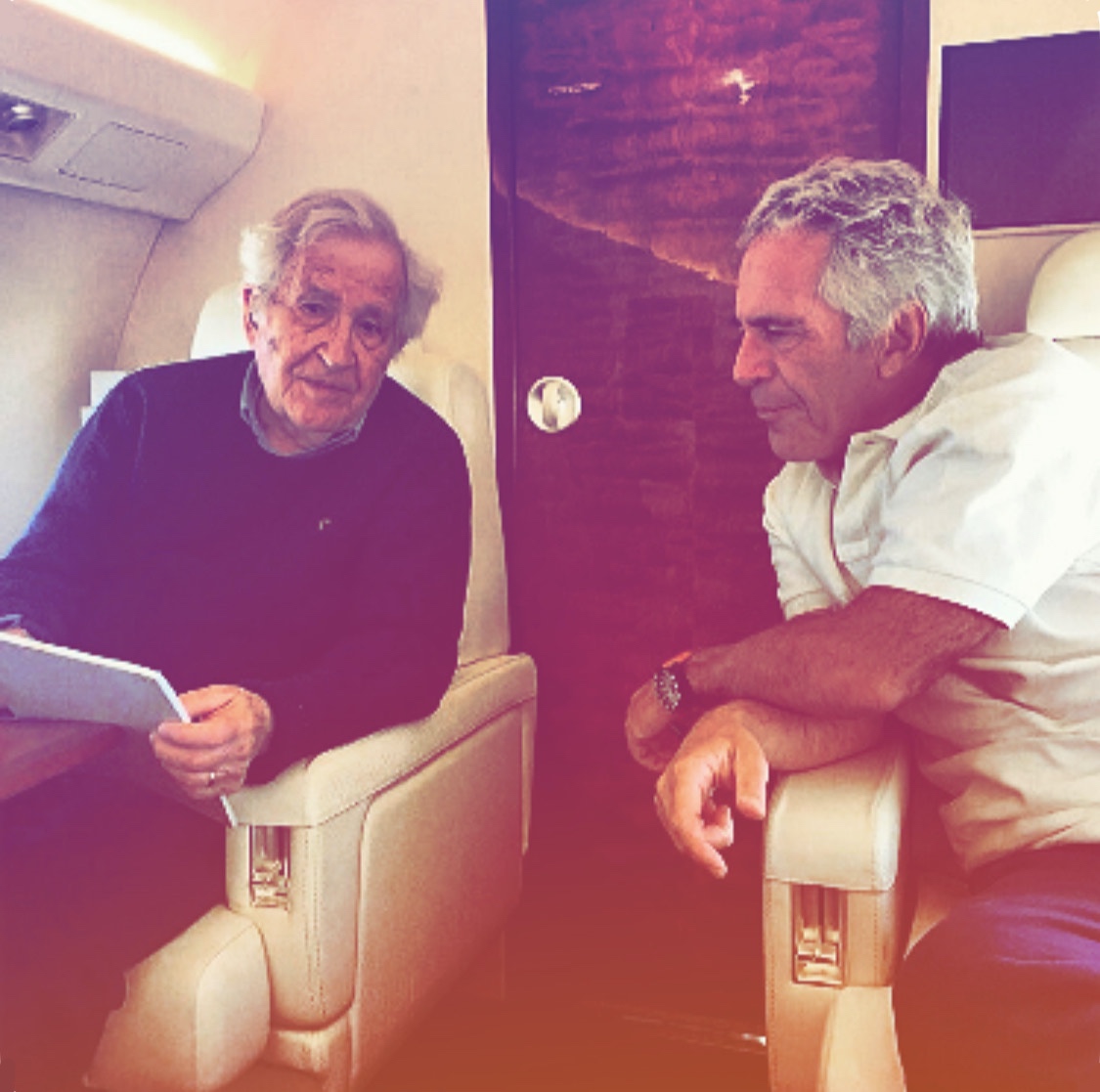
In this episode we're joined by Gabriel Rockhill to discuss his new book, Who Paid the Pipers of Western Marxism, which takes a fascinating dive into the world of anticommunist Marxism and the role that the CIA and other nefarious imperialist forces play in dividing and neutralizing the left. Gabriel Rockhill is a philosopher, cultural critic, and activist teaching Philosophy and Global Interdisciplinary Studies at Villanova University and he runs an educational nonprofit called the Critical Theory Workshop. He is the editor of multiple books, including Western Marxism: How it was Born, How it Died, How it can be Reborn, by the Italian Marxist Domenico Losurdo. The conversation opens with an overview of Who Paid the Pipers of Western Marxism, orienting us towards Gabriel's analysis of bourgeois intellectual production and its role in perpetuating anticommunism among the left. We then bring in the Epstein files and discuss their relevance to our conversation before exploring what led to Gabriel writing about the intellectual world war and the process of putting this book together itself. We then introduce the idea of intellectual warfare and the role that the intellectual world war plays in shaping our ideologies in the most insidious and pervasive ways. We explore why the US empire must control our minds in such a way in order to maintain its hegemony, and what this looks like in practice. Gabriel then tells us about the political economy of knowledge production and the role of the imperial professional-managerial class plays in intellectual production. We then discuss real world examples of how the compatible left was used by the financial-state-intellectual complex in its global war against communism—from the Frankfurt School to Noam Chomsky and beyond. We end with a commemoration of a left figure who embodies the opposite of the compatible, anticommunist left: Michael Parenti. Further resources: Who Paid the Pipers of Western Marxism, Gabriel Rockhill (Monthly Review Press) Critical Theory Workshop "Left-Wing" Communism: an Infantile Disorder, Vladimir Lenin Related episodes: Western Marxism w/ Gabriel Rockhill Listen to our ongoing series on China (which includes an episode with Gabriel Rockhill) US Labor & Imperialism Pt. 1: the War Against Communism w/ Jeff Schuhrke US Labor & Imperialism Pt. 2: Zionism w/ Jeff Schuhrke (Palestine Pt. 16) [UNLOCKED] How Fascism Works (a Michael Parenti Reading) Intermission music: "Song for Alicia" by Haley Heynderickx and Max García Conover Upstream is entirely listener funded. No ads, no promotions, no grants—just Patreon subscriptions and listener donations. We couldn't keep this project going without your support. Subscribe to our Patreon for bi-weekly bonus episodes, access to our entire back catalog of Patreon episodes, and for Upstream stickers and bumper stickers at certain subscription tiers. Through your support you'll be helping us keep Upstream sustainable and helping to keep this whole project going—socialist political education podcasts are not easy to fund so thank you in advance for the crucial support. patreon.com/upstreampodcast For more from Upstream, visit www.upstreampodcast.org and follow us on Instagram and Bluesky. You can also subscribe to us on Apple Podcasts, Spotify, or wherever you listen to your favorite podcasts.
![[TEASER] Iran Pt. 2: The Impacts of Economic Strangulation w/ Elina Xenophontos](https://static.libsyn.com/p/assets/b/3/f/0/b3f02c2e88bdab0e16c3140a3186d450/elina_xenophontos_main-20260115-4s03joebh7.jpg "[TEASER] Iran Pt. 2: The Impacts of Economic Strangulation w/ Elina Xenophontos")
This is a free preview of the episode "Iran Pt. 2: The Impacts of Economic Strangulation w/ Elina Xenophontos." You can listen to the full episode by subscribing to our Patreon here: https://www.patreon.com/upstreampodcast As a Patreon subscriber you'll get access to at least one bonus episode a month (usually two or three), our entire back catalog of Patreon episodes, early access to certain episodes, and other benefits like stickers and bumper stickers—depending on which tier you subscribe to. access to bi-weekly bonus episodes ranging from conversations to readings and more. Signing up for Patreon is a great way to make Upstream a weekly show, and it will also give you access to our entire back catalog of Patreon episodes along with stickers and bumper stickers at certain subscription tiers. You'll also be helping to keep Upstream sustainable and allowing us to keep this project going. In Part 2 of our ongoing series on Iran, Elina Xenophontos joins us to discuss the history and impacts of sanctions on Iran—including the impacts on the current crisis in the country. Elina Xenophontos is an international law and economic globalisation specialist. She produces much of her own material on her Substack and is also featured regularly on the Colonial Outcasts podcast. Our conversation begins with a very deep dive into the history of the sanctions imposed on Iran from the 1979 Islamic Revolution to the present, providing a detailed understanding of exactly how the sanctions have impacted the Islamic Republic's economic and political spheres for the past half decade. We then situate the unrest in Iran in the context of the sanctions, urging those in the West to understand what's happening in Iran from a dialectical and historical materialist analysis which understands Iranian agency and grievances as a direct result of imperialist strangulation. Elina then gives us a 101 on the Islamic Republic's internal political forces and factions, outlining their tensions, dynamics, and ideological orientations. We then discuss Iran's political economy, discussing how the sanctions have shaped Iran's class dynamics and its society more broadly and how the sanctions are a barrier to working class organization and revolution in Iran because they engender a rentier economy not rooted in production but in survival and perpetual crisis. Further resources: Elina Xenophontos on Substack Iran's Indigenous Labor Movement and Working Class Sovereignty The harsh effects of sanctions on Iranian health," by Payman Salamatia & Claudia Chaufanb (The Lancet) Related episodes: Listen to our ongoing series on Iran Listen to our ongoing series on Venezuela Listen to our ongoing series on China Listen to our ongoing series on Mexico US Labor & Imperialism Pt. 1: the War Against Communism w/ Jeff Schuhrke Upstream is a labor of love—we couldn't keep this project going without the generosity of our listeners and fans. Subscribe to our Patreon at patreon.com/upstreampodcast or please consider chipping in a one-time or recurring donation at www.upstreampodcast.org/support For more from Upstream, visit www.upstreampodcast.org and follow us on Instagram and Bluesky. You can also subscribe to us on Apple Podcasts, Spotify, or wherever you listen to your favorite podcasts.
![[TEASER] Venezuela Pt. 6: The Empire Strikes w/ José Luis Granados Ceja and Andreína Chávez](https://static.libsyn.com/p/assets/1/f/7/b/1f7b9403973b1fecd959afa2a1bf1c87/Ceja_Chavez_main.jpg "[TEASER] Venezuela Pt. 6: The Empire Strikes w/ José Luis Granados Ceja and Andreína Chávez")
This is an unlocked version of the Patreon episode "Venezuela Pt. 6: The Empire Strikes w/ José Luis Granados Ceja Andreína Chávez." You can listen to our entire 5-part series on Venezuela by subscribing to our Patreon here: https://www.patreon.com/upstreampodcast As a Patreon subscriber you'll get access to at least one bonus episode a month (usually two or three), our entire back catalog of Patreon episodes, early access to certain episodes, and other benefits like stickers and bumper stickers—depending on which tier you subscribe to. access to bi-weekly bonus episodes ranging from conversations to readings and more. Signing up for Patreon is a great way to make Upstream a weekly show, and it will also give you access to our entire back catalog of Patreon episodes along with stickers and bumper stickers at certain subscription tiers. You'll also be helping to keep Upstream sustainable and allowing us to keep this project going. In Part 6 of our ongoing series on Venezuela, José Luis Granados Ceja and Andreína Chávez join us to discuss the aftermath of the abduction of Nicolás Maduro and Cilia Flores and the United States' attempted takeover of Venezuela. José Luis Granados Ceja is a journalist with Drop Site News based in Mexico City who has been covering Venezuela for 20 years. Andreína Chávez is a Venezuelan journalist based in Caracas. Our conversation begins with an overview of the night of President Nicolás Maduro and his wife Cilia Flores's kidnapping, told by Andreína who was in Caracas at the time. We also get an update on Maduro and Flores's detention in the United States and the charges they are facing. We then explore the US's intentions behind the kidnapping, the oil deals that are being "negotiated," and the rumors that Acting President Delcy Rodriguez was involved in the Special Forces operation (she wasn't) and that Chavismo is dead (it isn't). Andreína then gives us a bit of background on Maduro and his rise to the presidency, highlighting his working class background and underscoring his support among the Venezuelan people. We then zoom out and take a look at what this all means in terms of the Monroe Doctrine 2.0 and what it means in the context of the new Cold War. Finally, we discuss the implications for the globe as the United States rips off its mask and escalates its campaign of terror at home and abroad. Further resources: Dropsite News José Luis Granados Ceja on Twitter Andreína Chávez on Substack "War of the entire people": Venezuela's Grassroots Rise to Resist Trump's Naval Blockade Alliance of Sahel States Pt. 3: Hyperimperialism and the Fight for Sovereignty w/ Mikaela Nhondo Erskog "Strike at the Helm: The First Ministerial Meeting of the New Cycle of the Bolivarian Revolution" by Hugo Chávez Related episodes: Listen to our ongoing series on Venezuela [UNLOCKED] Oil, Monopoly Capitalism, and Imperialism w/ Adam Hanieh Listen to our ongoing series on Cuba Upstream is a labor of love—we couldn't keep this project going without the generosity of our listeners and fans. Subscribe to our Patreon at patreon.com/upstreampodcast or please consider chipping in a one-time or recurring donation at www.upstreampodcast.org/support For more from Upstream, visit www.upstreampodcast.org and follow us on Instagram and Bluesky. You can also subscribe to us on Apple Podcasts, Spotify, or wherever you listen to your favorite podcasts.

In this episode, part 1 of our new series on Cuba, Manolo De Los Santos joins us to explore Cuba before the Cuban revolution. Manolo De Los Santos is a founder of the People's Forum and a researcher at Tricontinental: Institute for Social Research. He is the co-editor Viviremos: Venezuela vs. Hybrid War, Comrade of the Revolution: Selected Speeches of Fidel Castro, and Our Own Path to Socialism: Selected Speeches of Hugo Chávez. The conversation opens with an exploration of Cuba's Indigenous peoples and their culture and practice of resistance to European colonialism which continues to this day. We then talk about the early history of the Caribbean and Cuba's position in the Atlantic slave trade and early industrial plantation capitalism as well as some of the many rebellions led by enslaved Africans on the island of Cuba. Manolo also tells us about Cuba's "independence" in 1902, or what he refers to as a false independence and the imposition of US imperialism on the island. We then introduce Fulgencio Batista and the period of dictatorship beginning in the 1930s which inaugurated an era of "paradise" in Cuba—paradise for US corporations and for the political and military elites surrounding Batista. We talk about the social inequality and repression in Cuba during this period as well as the development of the tourism industry which was a model that was later exported across the world. We conclude with the lead up to the Cuban Revolution and the material conditions which led to it. Stay tuned for Part 2 of this series, ¡Viva la Revolución, where we'll take a deep dive into Cuba's revolution. Further resources: The People's Forum Tricontinental: Institute for Social Research History Will Absolve Me, Fidel Castro Related episodes: Listen to our ongoing series on Venezuela Alliance of Sahel States Pt. 3: Hyperimperialism and the Fight for Sovereignty w/ Mikaela Nhondo Erskog Listen to our ongoing series on Mexico Intermission music: "Que Salga el Sol" by El Guajiro Upstream is entirely listener funded. No ads, no promotions, no grants—just Patreon subscriptions and listener donations. We couldn't keep this project going without your support. Subscribe to our Patreon for bi-weekly bonus episodes, access to our entire back catalog of Patreon episodes, and for Upstream stickers and bumper stickers at certain subscription tiers. Through your support you'll be helping us keep Upstream sustainable and helping to keep this whole project going—socialist political education podcasts are not easy to fund so thank you in advance for the crucial support. patreon.com/upstreampodcast For more from Upstream, visit www.upstreampodcast.org and follow us on Instagram and Bluesky. You can also subscribe to us on Apple Podcasts, Spotify, or wherever you listen to your favorite podcasts.
![[UNLOCKED] How Fascism Works (a Michael Parenti Reading)](https://static.libsyn.com/p/assets/5/3/6/e/536e42db8223305c16c3140a3186d450/how_fascism_works_main-20260124-eh1e1ox9tv.jpeg "[UNLOCKED] How Fascism Works (a Michael Parenti Reading)")
This is an unlocked version of the Patreon episode "How Fascism Works." RIP Michael Parenti, (September 30, 1933 – January 24, 2026) In this episode of our reading series, Robbie reads and provides real-time analysis of the opening chapter of the classic book Blackshirts & Reds: Rational Fascism & the Overthrow of Communism by Michael Parenti. The text covers the topics of plutocracy and autocracy, whom the fascists last century supported, a bit of history on Hitler and Mussolini, the rational and irrational aspects of fascism, patriarchy and pseudo-revolution, collaboration, and much more. The analysis provided in the reading brings this text into our current conditions and looks at where Parenti's analysis holds up and where it might need to be stretched and adapted to help us understand the rise of neofascism in the United States under Trump and his modern day fascist footsoldiers. We explain why it's more important than ever to resist collaboration and to stand in full solidarity with all of the racialized and criminalized "others" in order to combat the fearmongering and scapegoating that fascism relies on in order to grow in strength. Further resources: Blackshirts and Reds: Rational Fascism and the Overthrow of Communism, by Michael Parenti Related episodes: From the Frontlines: State Repression and Anti-Imperialist Organizing w/ Calla Walsh Capitalism, The State, and How We Got Here with Christian Parenti Upstream is a labor of love — we couldn't keep this project going without the generosity of our listeners and fans. Subscribe to our Patreon at patreon.com/upstreampodcast or please consider chipping in a one-time or recurring donation at www.upstreampodcast.org/support For more from Upstream, visit www.upstreampodcast.org and follow us on Twitter, Instagram, Facebook, and Bluesky. You can also subscribe to us on Apple Podcasts, Spotify, or wherever you listen to your favorite podcasts.
![[TEASER] Alliance of Sahel States Pt. 4: The Life, Politics and Legacies of Thomas Sankara w/ Amber Murrey](https://s3.castbox.fm/f5/c9/d9/a9f6b1bf36025aa3587b6318b0abfaeaad_scaled_v1_400.jpg "[TEASER] Alliance of Sahel States Pt. 4: The Life, Politics and Legacies of Thomas Sankara w/ Amber Murrey")
This is a free preview of the episode "Alliance of Sahel States Pt. 4: The Life, Politics and Legacies of Thomas Sankara w/ Amber Murrey." You can listen to the full episode by subscribing to our Patreon here: https://www.patreon.com/upstreampodcast As a Patreon subscriber you'll get access to at least one bonus episode a month (usually two or three), our entire back catalog of Patreon episodes, early access to certain episodes, and other benefits like stickers and bumper stickers—depending on which tier you subscribe to. access to bi-weekly bonus episodes ranging from conversations to readings and more. Signing up for Patreon is a great way to make Upstream a weekly show, and it will also give you access to our entire back catalog of Patreon episodes along with stickers and bumper stickers at certain subscription tiers. You'll also be helping to keep Upstream sustainable and allowing us to keep this project going. In this episode, Part 4 of our series on the Alliance of Sahel States, Amber Murrey joins us for a conversation on Thomas Sankara. In this conversation, we discuss Sankara's early life and how his experience with French colonialism shaped his politics and philosophies. We talk about how those philosophies were implemented into policy after a 1983 coup d'etat that put him into the presidency. We explore his fight against French imperialism and for sovereignty of the Burkinabé population. We discuss his assassination, who was responsible, and why it's more important than ever for us to share about his work and uplift his legacy here in the West. Amber Murrey is Associate Professor in Human Geography, Fellow and Tutor at Mansfield College, and Director of Undergraduate Studies for Geography & the Environment at the University of Oxford. taught at universities in Ethiopia, Egypt, Cameroon, the US. Amber is also the editor of 'A Certain Amount of Madness': The Life, Politics and Legacies of Thomas Sankara and Associate Editor of The African Geographical Review. Further resources: A Certain Amount of Madness The Life, Politics and Legacies of Thomas Sankara Thomas Sankara An African Revolutionary, Ernest Harsch The International Campaign of Justice for Sankara Who Killed Thomas Sankara? by Bruno Jaffré Interview with Aziz Fall on the assassination of Thomas Sankara, by Koni Benson and Mukoma Wa Ngugi Thomas Sankara: A Revolutionary in Cold War Africa, by Brian J. Peterson Related episodes: Our onging series on the Alliance of Sahel States A History of the CIA, Coups, and Assassinations w/ Vijay Prashad Artwork: Sanyika Upstream is a labor of love — we couldn't keep this project going without the generosity of our listeners and fans. Subscribe to our Patreon at patreon.com/upstreampodcast or please consider chipping in a one-time or recurring donation at www.upstreampodcast.org/support For more from Upstream, visit www.upstreampodcast.org and follow us on Instagram and Bluesky. You can also subscribe to us on Apple Podcasts, Spotify, or wherever you listen to your favorite podcasts.
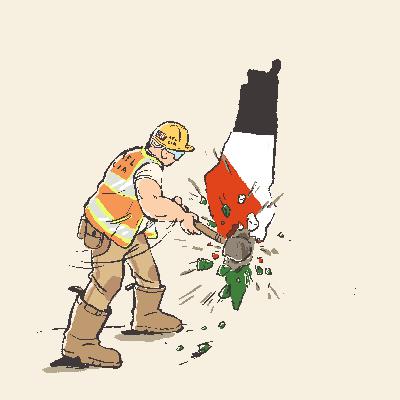
In this episode, part 2 of our 2-part miniseries on US labor and imperialism, Jeff Schuhrke joins us to take a deep dive into his new book, No Neutrals There, exploring US labor's support of Zionism. Jeff Schuhrke is a labor historian, journalist, union activist, and assistant professor at the Harry Van Arsdale Jr School of Labor Studies, SUNY Empire State University. He's the author of Blue-Collar Empire: The Untold Story of US Labor's Global Anticommunist Crusade, and No Neutrals There: US Labor, Zionism, and the Struggle for Palestine. The conversation opens with a history of Zionism, looking at the rise of Zionism and crucially contrasting it to the Jewish Labor Bund and their different approach to Jewish emancipation. We then present a history of the settler-colonial project which became Israel, looking at the labor landscape in Palestine during the first half of the 20th century (the Great Arab Revolt, WWII, the period of the Holocaust) and exploring US labor's role in supporting the Zionist project ideologically, financially, and even militarily throughout the Nakba and the creation of the State of Israel. We then talk about how US labor's support (specifically the AFL-CIO's) for Zionism after the creation of the state of Israel, providing billions of dollars of support and lobbying on behalf of Israel, providing crucial early support. Part 1 of this miniseries took a deep dive into Jeff's book Blue-Collar Empire, looking at US labor's role in supporting imperialism and anticommunism. Further resources: No Neutrals There: US Labor, Zionism, and the Struggle for Palestine Blue-Collar Empire: The Untold Story of US Labor's Global Anticommunist Crusade Donate to ANERA (American Near East Refugee Aid) Donate to MECA (Middle East Children's Alliance) Amazon Labor Union BDS Movement Block the Boat Related episodes: US Labor & Imperialism Pt. 1: the War Against Communism w/ Jeff Schuhrke Listen to our ongoing Palestine series From the Frontlines: Organizing Against Amazon w/ Chris Smalls and Mars VerroneFrom the Frontlines: Organizing Against Amazon w/ Chris Smalls and Mars Verrone What Is To Be Done? with Breht O'Shea and Alyson Escalante Please Donate: Help Ismail and his family survive in Gaza — a note from Ismail's fundraiser: "Ismail is 20 years old and has taken excellent care of his mother and three younger siblings. 'Excellent care' means being threatened by American mercenaries at the GHF "aid" points when those killing workshops were in operation. 'Excellent care' means going without a rumour of food so his loved ones could eat. 'Excellent care' means retaining his astonishing physical strength and agility in conditions that would test the discipline of a spiritual genius. He is deeply loveable and wonderfully funny. He would be ecstatic to know his life is visible to others. Any money that could be appropriately spared would give him and his family such relief as I hope I will never know." Intermission music: "No Rest" by No Rest (Please support their fundraiser for a Palestinian family) Cover art: Berwyn Mure Upstream is entirely listener funded. No ads, no promotions, no grants—just Patreon subscriptions and listener donations. We couldn't keep this project going without your support. Subscribe to our Patreon for bi-weekly bonus episodes, access to our entire back catalog of Patreon episodes, and for Upstream stickers and bumper stickers at certain subscription tiers. Through your support you'll be helping us keep Upstream sustainable and helping to keep this whole project going—socialist political education podcasts are not easy to fund so thank you in advance for the crucial support. patreon.com/upstreampodcast For more from Upstream, visit www.upstreampodcast.org and follow us on Instagram and Bluesky. You can also subscribe to us on Apple Podcasts, Spotify, or wherever you listen to your favorite podcasts.
![[UNLOCKED] Immigration, ICE, and Working Class Rebellion w/ Cecilia Guerrero](https://static.libsyn.com/p/assets/c/4/5/1/c451fd5843964c4316c3140a3186d450/Cecilia_Guerrero_main-20260108-b0qgbaeg4x.jpg "[UNLOCKED] Immigration, ICE, and Working Class Rebellion w/ Cecilia Guerrero")
Note: We have unlocked this Patreon episode which originally aired on Jun 23, 2025 It's easy to get lost in the narratives that are fed to us by the very same institutions that oppress us. Whether liberal institutions or far right ones, there's always something crucial missing—some component of analysis that's left unaddressed, some root cause that remains misidentified or distorted. And the reason is because when it comes to the class war that we are all engaged in—whether we like it or not—the issues of class, of imperialism, and of monopoly capitalism are never, ever part of the mainstream discussion. So, what are the root causes of immigration? What do the ICE terror campaigns look like on the ground in cities like LA or Nashville? What happens when we apply a materialist lens to the conversation about mass deportations and conversation about the scapegoating of the more vulnerable groups in society? And what happens when we shift the frame from the more liberal, rights-based approach to activism to one based on unified, solidaristic class struggle? Well, we've brought back on the perfect guest to help us unpack some of these pressing questions. Cecilia Guerrero is Chair and Founding Member of A Luta Sigue, an organization based in Nashville, Tennessee, which incubates and trains young people and workers within advanced sectors of the working class to build and lead their own class struggle organizations. In this episode, we talk about the terror campaign being waged on immigrants throughout the country and the responses coming from working class communities who are standing up for themselves and standing in solidarity with the oppressed and exploited classes across the globe. We talk about ICE, the role that immigration plays in the imperialist global system, the attempts by liberal institutions to co-opt and neutralize our radical movements, and what the MAGA right gets wrong about the root cause of their immiseration. Further resources: A Luta Sigue Poder Popular Tennessee Drivers Union Southern Youth Solidarity Network Capitalism and Workers' Immigration, V.I. Lenin Marx to Sigfrid Meyer and August Vogt In New York, Karl Marx Related episodes: From the Frontlines: Class Struggle and Class War in the US Southeast w/ Cecilia Guerrero The Imperial Boomerang w/ Julian Go Artwork: CPSU propaganda poster Upstream is a labor of love — we couldn't keep this project going without the generosity of our listeners and fans. Subscribe to our Patreon at patreon.com/upstreampodcast or please consider chipping in a one-time or recurring donation at www.upstreampodcast.org/support If your organization wants to sponsor one of our upcoming documentaries, we have a number of sponsorship packages available. Find out more at upstreampodcast.org/sponsorship For more from Upstream, visit www.upstreampodcast.org and follow us on Instagram and Bluesky. You can also subscribe to us on Apple Podcasts, Spotify, or wherever you listen to your favorite podcasts.
![[BONUS] The Turn of the Year (or A Solstice Celebration) w/ Manda Scott and Nathalie Nahai](https://static.libsyn.com/p/assets/1/a/2/7/1a27d54c929b0a06d959afa2a1bf1c87/New_Years_Bonus.jpg "[BONUS] The Turn of the Year (or A Solstice Celebration) w/ Manda Scott and Nathalie Nahai")
Happy Holidays! In this annual tradition, Della is joined by two fellow podcast hosts to reflect on insights and questions from the past year and share visions for the year ahead. They discuss how to not get stuck in embitterment, concerns and questions about AI, and where they are currently finding hope in these dark times. Manda Scott is a novelist, smallholder, and host of the Accidental Gods podcast, which showcases individuals and organizations at the emerging edge of our world to set the foundation for a future we'd be proud to leave to the generations that come after us. Manda's latest novel, Any Human Power, is out now and available here. Nathalie Nahai is a behavior science advisor, author and host of the podcast The Hive, which focuses on psychology, technology, and human behavior. Nathalie is the author of Webs Of Influence: The Psychology of Online Persuasion and is also the founder of Flourishing Futures Salon, a project that offers curated gastronomical gatherings that explore how we can thrive in times of turbulence and change. One of Della's offerings in the new year is a course she designed about how to cultivate regenerative livelihoods. She created this course with insights that she has found most helpful in bringing Upstream theories and ideas into people's lives as a Right Livelihood coach. Whether you are in a livelihood transition, want to be in community with others trying to find meaningful work, or you just want to know more about work as a vehicle for post capitalist systems change, this course is a great fit. It includes live sessions, engaging module materials and activities including Upstream episodes, and a lively discussion forum to bring the material to life. Click here to learn more and to register and use "FRIENDS-20" for 20% off the course fee. Thank you to the Accidental Gods team for editing this episode. Upstream is entirely listener funded. No ads, no promotions, no grants—just Patreon subscriptions and listener donations. We couldn't keep this project going without your support. Subscribe to our Patreon for bi-weekly bonus episodes, access to our entire back catalog of Patreon episodes, and for Upstream stickers and bumper stickers at certain subscription tiers. Through your support you'll be helping us keep Upstream sustainable and helping to keep this whole project going—socialist political education podcasts are not easy to fund so thank you in advance for the crucial support. patreon.com/upstreampodcast For more from Upstream, visit www.upstreampodcast.org and follow us on Instagram and Bluesky. You can also subscribe to us on Apple Podcasts, Spotify, or wherever you listen to your favorite podcasts.
![[TEASER] Reconnecting to the Land and to Place](https://s3.castbox.fm/f8/d4/f3/3834bc43b7e774ea6c9d7413fddb716fd3_scaled_v1_400.jpg "[TEASER] Reconnecting to the Land and to Place")
This is a free preview of the episode "Reconnecting to the Land and to Place." You can listen to the full episode by subscribing to our Patreon here: https://www.patreon.com/upstreampodcast As a Patreon subscriber you'll get access to at least one bonus episode a month (usually two or three), our entire back catalog of Patreon episodes, early access to certain episodes, and other benefits like stickers and bumper stickers—depending on which tier you subscribe to. access to bi-weekly bonus episodes ranging from conversations to readings and more. Signing up for Patreon is a great way to make Upstream a weekly show, and it will also give you access to our entire back catalog of Patreon episodes along with stickers and bumper stickers at certain subscription tiers. You'll also be helping to keep Upstream sustainable and allowing us to keep this project going. In this episode, part of our ongoing Patreon reading series, Robbie reads an essay titled "The Place, The Region, The Commons" by the poet, author, an environmental activist Gary Snyder. The episode begins with an update on Robbie's life—which goes into specifics about health issues involving long COVID, ME/CFS, CIRS, as well as housing, mold, and other issues that impact our health under capitalism. He then begins reading "The Place, The Region, The Commons," interspersing the reading with many thoughts, reflections, and criticisms along the way. The essay argues for bioregionalism—the idea that we should center place in our how we organize society and understand ourselves. Through compelling prose and beautifully descriptive language, Gary Snyder lays out an argument for coming back to nature and the wild while taking many interesting side paths. What are the commons and what happened to them? How can industrial society reconnect to the land? How can we balance social needs with environmental needs? And what are the real boundaries we should be paying attention to? These are just some of the questions explored in this reading. Further resources: The Old Ways by Gary Snyder The Great Transformation: the Political and Economic Origins of our Time, by Karl Polanyi Related episodes: China Pt. 7: A Socialist Response to the COVID Pandemic w/ Creighton Ward, Kevin Li, and Alessandro Zancan A History of California, Capitalism, and the World with Malcolm Harris China Pt. 5: Towards an Ecological Civilization w/ Tings Chak A World out of Balance: Introducing Doughnut 3.0 w/ Andrew Fanning Better Lives for All w/ Jason Hickel Cover art: "something" by Robert Raymond (MS Paint) Upstream is entirely listener funded. No ads, no promotions, no grants—just Patreon subscriptions and listener donations. We couldn't keep this project going without your support. Subscribe to our Patreon for bi-weekly bonus episodes, access to our entire back catalog of Patreon episodes, and for Upstream stickers and bumper stickers at certain subscription tiers. Through your support you'll be helping us keep Upstream sustainable and helping to keep this whole project going—socialist political education podcasts are not easy to fund so thank you in advance for the crucial support. patreon.com/upstreampodcast For more from Upstream, visit www.upstreampodcast.org and follow us on Instagram and Bluesky. You can also subscribe to us on Apple Podcasts, Spotify, or wherever you listen to your favorite podcasts.

In this episode, part 1 of a 2-part miniseries on US labor and imperialism, Jeff Schuhrke joins us for a conversation on how US labor aided and at times even led the US's global fight against communism throughout much of the 20th century. Jeff Schuhrke is a labor historian, journalist, union activist, and assistant professor at the Harry Van Arsdale Jr School of Labor Studies, SUNY Empire State University. He's the author of Blue-Collar Empire: The Untold Story of US Labor's Global Anticommunist Crusade, and No Neutrals There: US Labor, Zionism, and the Struggle for Palestine. In this conversation we take a deep dive into Jeff's book Blue-Collar Empire, exploring US labor's role in fighting global communism during the 20th century. The conversation opens with a history of the early US labor movement, anchored by the AFL, the CIO, and the IWW which all presented different approaches and ideological orientations towards labor and capital. We then look at how labor was systematically deradicalized over the course of the first half the 21st century, leading to a mostly anticommunist, class-collaborationist labor movement by the post-WWII era. We then look at how the AFL-CIO and its various arms participated and at times led the global war against communism abroad, participating in sabotage campaigns and in outright regime change operations led by the CIA and the State Department—from France to Guyana to Brazil to Chile to Vietnam to the USSR. Finally, we explore how US labor's anticommunist, pro-imperialist positions throughout the 20th century impacted the US proletariat and the international working class more broadly. Part 2 of this miniseries takes a deep dive into Jeff's book No Neutrals There, looking at US labor's role in supporting Zionism and the ethnic cleansing of Palestine. Further resources: Blue-Collar Empire: The Untold Story of US Labor's Global Anticommunist Crusade No Neutrals There: US Labor, Zionism, and the Struggle for Palestine Allaince for Global Justice Related episodes: US Labor & Imperialism Pt. 2: Zionism w/ Jeff Schuhrke (Palestine Pt. 16) From the Frontlines: Organizing Against Amazon w/ Chris Smalls and Mars Verrone Black Scare / Red Scare with Charisse Burden-Stelly Third Worldism and the Bandung Spirit w/ Pranay Somayajula Walter Rodney, Marxism, and Underdevelopment with D. Musa Springer and Charisse Burden-Stelly A History of the CIA, Coups, and Assassinations w/ Vijay Prashad Socialism Betrayed w/ Roger Keeran and Joe Jamison What Is To Be Done? with Breht O'Shea and Alyson Escalante Our ongoing Patreon series on Venezuela Intermission music: "Only Got One Body" by Shiv and the Carvers Cover art: Berwyn Mure Upstream is entirely listener funded. No ads, no promotions, no grants—just Patreon subscriptions and listener donations. We couldn't keep this project going without your support. Subscribe to our Patreon for bi-weekly bonus episodes, access to our entire back catalog of Patreon episodes, and for Upstream stickers and bumper stickers at certain subscription tiers. Through your support you'll be helping us keep Upstream sustainable and helping to keep this whole project going—socialist political education podcasts are not easy to fund so thank you in advance for the crucial support. patreon.com/upstreampodcast For more from Upstream, visit www.upstreampodcast.org and follow us on Instagram and Bluesky. You can also subscribe to us on Apple Podcasts, Spotify, or wherever you listen to your favorite podcasts.
![[TEASER] Mexico Pt. 2: Morena and The Fourth Transformation w/ Stephanie Weatherbee Brito](https://static.libsyn.com/p/assets/6/8/f/c/68fcbe4421230f4ad959afa2a1bf1c87/stephanie_weatherbee_brito_main.jpg "[TEASER] Mexico Pt. 2: Morena and The Fourth Transformation w/ Stephanie Weatherbee Brito")
This is a free preview of the episode "[TEASER] Mexico Pt. 2: Morena and The Fourth Transformation w/ Stephanie Weatherbee Brito." You can listen to the full episode by subscribing to our Patreon here: https://www.patreon.com/upstreampodcast As a Patreon subscriber you'll get access to at least one bonus episode a month (usually two or three), our entire back catalog of Patreon episodes, early access to certain episodes, and other benefits like stickers and bumper stickers—depending on which tier you subscribe to. access to bi-weekly bonus episodes ranging from conversations to readings and more. Signing up for Patreon is a great way to make Upstream a weekly show, and it will also give you access to our entire back catalog of Patreon episodes along with stickers and bumper stickers at certain subscription tiers. You'll also be helping to keep Upstream sustainable and allowing us to keep this project going. In Part 2 of this new series, we're joined by Stephanie Weatherbee Brito to discuss the rise of Morena and Mexico's Fourth Transformation. Stephanie Weatherbee is a popular educator and coordinator for the secretariat of the International Peoples' Assembly. Stephanie is also an occasional researcher with Tricontinental, where she recently co-authored the excellent Tricontinental dossier "Mexico and the Fourth Transformation." We begin the conversation with a brief overview of the history and conditions which led to the rise of Morena and its leaders Andrés Manuel López Obrador and Claudia Sheinbaum. We talk about neoliberalism as a counterrevolution and how Morena is fighting against it both as an economic policy and as an ideology. We discuss Morena's attempts at social reforms and some of the policies it has been implementing, its attempts to contend with the United States, and some of the internal challenges it faces. Finally, we discuss the path forward and what the future of Mexico might look like under Morena's leadership. Further resources: Mexico and the Fourth Transformation (Tricontinental) Related episodes: Our ongoing series on Mexico Our ongoing series on Venezuela Our ongoing series on China [TEASER] Western Marxism w/ Gabriel Rockhill The cover art for this episode comes from the Tricontinental Dossier, where they write that "The artworks in this dossier are from the mural series Los Nadies (The Nobodies), created by Colectivo Subterráneos in Oaxaca, Mexico. Founded in 2021 to democratise art as a tool for social transformation, the collective draws on Mexico's graphic tradition – from the Taller de Gráfica Popular (People's Graphic Workshop) to Mexican muralism – as well as the 2006 Popular Teachers' Movement of Oaxaca. Inspired by Eduardo Galeano's poem of the same name, the series includes prints and murals that highlight indigenous and mestizo peoples forgotten under colonial rule and modern capitalism, confronting the historical debt to the marginalised and amplifying voices that demand justice in a Mexico under transformation." Upstream is entirely listener funded. No ads, no promotions, no grants—just Patreon subscriptions and listener donations. We couldn't keep this project going without your support. Subscribe to our Patreon for bi-weekly bonus episodes, access to our entire back catalog of Patreon episodes, and for Upstream stickers and bumper stickers at certain subscription tiers. Through your support you'll be helping us keep Upstream sustainable and helping to keep this whole project going—socialist political education podcasts are not easy to fund so thank you in advance for the crucial support. patreon.com/upstreampodcast For more from Upstream, visit www.upstreampodcast.org and follow us on Instagram and Bluesky. You can also subscribe to us on Apple Podcasts, Spotify, or wherever you listen to your favorite podcasts.

Patreon: www.patreon.com/upstreampodcast Mazlo: https://donate.mazloweb.com/donate/xsKGfZHZFXvoNMzVKaSvH In this episode we're joined by Andrew Fanning for a conversation about doughnuts…no, not that kind of doughnut. We're talking about Kate Raworth's famous Doughnut from Doughnut Economics. Andrew Fanning is an ecological economist exploring how to move our interconnected societies towards the goal of meeting the needs of all people within the means of the living planet. He is particularly interested in finding ways to visualise progress towards this goal in data. Andrew is Research & Data Analysis Lead at Doughnut Economics Action Lab, where he co-creates metrics and research-related tools that make visible the core concepts of Doughnut Economics, and convenes spaces to connect scholars putting these concepts into action. His research has been published in leading journals, such as Nature and Lancet Planetary Health, and he leads the ongoing development of an interactive website entitled 'A good life for all within planetary boundaries', which makes indicators tracking the social shortfall and ecological overshoot of countries visible and widely accessible. In this conversation, we get the latest progress report about our global economic system through Doughnut 3.0, we explore how environmental degradation and social deprivation differs among countries in the imperial core and the periphery, and we hear about ways communities are responding to Doughnut Economics to bring local and global economies into greater balance. Further resources: Andrew Fanning "Doughnut of social and planetary boundaries monitors a world out of balance," by Andrew L. Fanning & Kate Raworth Doughnut Economics: Seven Ways to Think Like a 21st-Century Economist, by Kate Raworth Doughnut Economics Action Lab California Doughnut Economics Coalition California Doughnut Snapshot Report Beyond GDP Life Reimagined Doughnut game! Related episodes: Doughnut Economics with Kate Raworth Documentary #9: Debunking the Myth of Homo Economicus Slow Down or Die w/ Timothée Parrique How Degrowth Will Save the World with Jason Hickel [UNLOCKED] How the North Plunders the South w/ Jason Hickel Intermission music: "Green in the Valley" by Nicole Lawrence Upstream is entirely listener funded. No ads, no promotions, no grants—just Patreon subscriptions and listener donations. We couldn't keep this project going without your support. Subscribe to our Patreon for bi-weekly bonus episodes, access to our entire back catalog of Patreon episodes, and for Upstream stickers and bumper stickers at certain subscription tiers. Through your support you'll be helping us keep Upstream sustainable and helping to keep this whole project going—socialist political education podcasts are not easy to fund so thank you in advance for the crucial support. patreon.com/upstreampodcast For more from Upstream, visit www.upstreampodcast.org and follow us on Instagram and Bluesky. You can also subscribe to us on Apple Podcasts, Spotify, or wherever you listen to your favorite podcasts.
![[TEASER] Mexico Pt. 1: A Socialist Introduction w/ Cecilia Guerrero](https://s3.castbox.fm/4f/2a/62/a317945c0a7a8acd62de7185c0b4d64a7b_scaled_v1_400.jpg "[TEASER] Mexico Pt. 1: A Socialist Introduction w/ Cecilia Guerrero")
This is a free preview of the episode "Mexcio Pt. 1: A Socialist Introduction w/ Cecilia Guerrero." You can listen to the full episode by subscribing to our Patreon here: https://www.patreon.com/upstreampodcast As a Patreon subscriber you'll get access to at least one bonus episode a month (usually two or three), our entire back catalog of Patreon episodes, early access to certain episodes, and other benefits like stickers and bumper stickers—depending on which tier you subscribe to. access to bi-weekly bonus episodes ranging from conversations to readings and more. Signing up for Patreon is a great way to make Upstream a weekly show, and it will also give you access to our entire back catalog of Patreon episodes along with stickers and bumper stickers at certain subscription tiers. You'll also be helping to keep Upstream sustainable and allowing us to keep this project going. In Part 1 of this new series, we're joined by Cecilia Guerrero for a socialist introduction to Mexico. Cecilia Guerrero is chair and founding member of A Luta Sigue, an organization based in Nashville, Tennessee which incubates and trains young people and workers within advanced sectors of the working class to build and lead their own class struggle organizations. We begin the conversation with a peak into the deeper history looking at the various civilizations present in Mesoamerica prior to Spanish colonization. We then explore the colonial period, the War of Independence, the War of Reform, and the Mexican Revolution from with a historical materialist analysis. We talk about the US's imperialist ambitions in Mexico starting with the Mexican-American War, the imposition of NAFTA, and the drug cartels. We explore the Mexican left—both anarchist and socialist—and the recent rise in center-left politics with the The National Regeneration Movement, or Morena and the presidencies of Andrés Manuel López Obrador and Claudia Sheinbaum. We end looking at the United States' recent aggression towards Mexico and threats of invasion by the Trump regime. Further resources: A Luta Sigue Poder Popular Tennessee Drivers Union Southern Youth Solidarity Network The Eighteenth Brumaire of Louis Bonaparte, Works of Marx & Engels 1852 Seven Interpretative Essays on Peruvian Reality, José Carlos Mariátegui The Fort Bragg Cartel: Drug Trafficking and Murder in the Special Forces, by Seth Harp The Politics of Heroin: CIA Complicity in the Global Drug Trade, by Alfred W. McCoy Dark Alliance: The CIA, the Contras, and the Crack Cocaine Explosion, by Gary Webb Related episodes: From the Frontlines: Class Struggle and Class War in the US Southeast w/ Cecilia Guerrero Immigration, ICE, and Working Class Rebellion w/ Cecilia Guerrero Listen to our ongoing series on Venezuela China Pt. 8: Mao Zedong and Maoism with Yueran Zhang Cover art: "The History of Mexico" by Diego Rivera Upstream is entirely listener funded. No ads, no promotions, no grants—just Patreon subscriptions and listener donations. We couldn't keep this project going without your support. Subscribe to our Patreon for bi-weekly bonus episodes, access to our entire back catalog of Patreon episodes, and for Upstream stickers and bumper stickers at certain subscription tiers. Through your support you'll be helping us keep Upstream sustainable and helping to keep this whole project going—socialist political education podcasts are not easy to fund so thank you in advance for the crucial support. patreon.com/upstreampodcast For more from Upstream, visit www.upstreampodcast.org and follow us on Instagram and Bluesky. You can also subscribe to us on Apple Podcasts, Spotify, or wherever you listen to your favorite podcasts.


Download from Google Play

Download from App Store
 United States
Thank God I Hate These Capitalist Parties.
Excellent episode very thought provoking and encouraging to those wanting to help others.
Thank you for the excellent and informative episode. However, there is a point I have to mention here: there is no "Golf"; its actual name is "Persian golf." It has been for centuries. We are standing for Palestine and fighting against the distortion of history, so please consider that point