


 Claim Ownership
Watson-Howland
Subscribed: 0Played: 8
Subscribe

© Jacob J. Watson-Howland
Description
Understand yourself and the world better with Jacob J. Watson-Howland, Europe’s fastest-growing U21 podcaster & award-winning BBC-featured photographer. Crowned one of Spotify’s most popular & most shared new shows, ahead of 93% of podcasts in 2025. Featuring deep-dive conversations on psychology, philosophy, self-improvement, history, entrepreneurship & AI with guests like Evan Carmichael (4.4M+ YouTuber), Jim Cantrell (SpaceX Co-founder), Lord Matt Ridley, Tyler Cowen & 100+ more.
___
In 2 months, I went from 0 to 3.0M+ views & dream guests in my bedroom at 20.
Start your own podcast today using my blueprint: https://www.skool.com/remote-pro-podcast-blueprint-8385/about
183 Episodes
Reverse
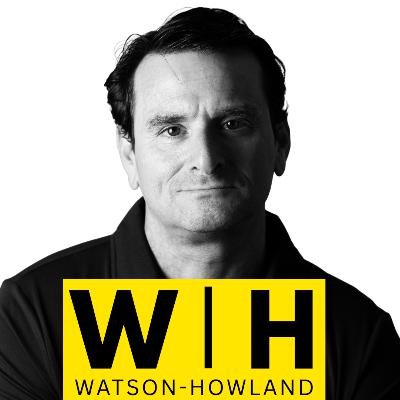
Love, hate, embarrassment, every emotion has an evolutionary job. This psychologist identified all 74 and their survival functions. Evolutionary psychologist Dr. Rob Kurzban reveals the hidden evolutionary reasons behind our 74 distinct emotions (from love and hate to embarrassment and cuteness aggression) and explains why understanding human emotions is more critical than ever in the age of AI.Dr. Kurzban is a leading researcher in evolutionary psychology who studied under field pioneers John Tooby and Leda Cosmides, specializing in the adaptive functions of human social behavior.Subscribe for more deep conversations on psychology, philosophy, and human nature.00:00 Introduction to Evolutionary Psychology and Emotions00:17 Surprising Discoveries in Emotional Research01:22 The Complexity of Love and Strategic Ignorance02:32 Memory, Reputation, and Strategic Amnesia04:50 Obscure Feelings and Their Evolutionary Roles07:25 Pain, Embarrassment, and Evolutionary Signals11:28 Feelings in Adulthood vs. Childhood14:26 Intense Emotions: Parental Love, Hate, and Coalitional Comradery17:03 The Evolutionary Purpose of Hate22:14 Modular Brain Systems and Competing Emotions34:54 The Role of Optimism in Youth35:17 The Complexity of Wisdom36:38 Children's Books and Morality38:54 Signaling Moral Virtue42:24 Cultural Rules and Their Impact47:33 The Evolution of American Rules52:19 Hypocrisy and Moral Judgment01:02:05 Changing Beliefs and Scientific Dogma01:11:48 The Role of Science in Human Progress01:12:34 AI and the Future of Objectivity01:13:28 The Evolution of AI: From Language Models to World Models01:15:38 AI's Impact on Human Behavior and Society01:18:08 The Future of Jobs in an AI-Driven World01:21:08 Human Creativity vs. AI Capabilities01:25:29 The Role of Envy and Gratitude in Human Motivation01:30:59 Historical Parallels and Lessons from the Industrial Revolution01:45:09 The Importance of Legal Frameworks in Society01:46:35 Conclusion and Final ThoughtsRESOURCES / LINKSRob’s Work:Substack: https://thelivingfossils.substack.com"Why Everyone (Else) Is a Hypocrite: Evolution and the Modular Mind" - Available at: http://www.robkurzban.com/books/why-everyone-else-is-a-hypocrite"The Hidden Agenda of the Political Mind: How Self-Interest Shapes Our Opinions and Why We Won't Admit It" (Co-authored with Jason Weeden) - https://www.goodreads.com/book/show/21981657-the-hidden-agenda-of-the-political-mindJacob’s WorkPodcast blueprint (Skool): https://www.skool.com/remote-pro-podcast-blueprint-8385FREE Podcast Tips (2nd Channel): https://www.youtube.com/channel/UCUp5S7ZIZtjA8PMgXJMwppA

Why do controversial leaders like Donald Trump, Victor Orban, and Ferdinand Marcos Jr. maintain power despite their actions? Stanford professor Jeffrey Pfeffer, author of 'Seven Rules of Power', reveals the psychological tactics behind political influence and how power truly works in the real world.Learn why believing the world is fair holds you back, how historical figures break the rules we're told to follow, and why accountability is the secret to unlocking your personal and professional potential.00:00 Why Does Donald Trump Win Despite Controversy? 00:57 The Perception of Historical Figures 01:53 The Illusion of a Fair World 02:19 Practical Steps to Success 03:12 Accountability and Personal GrowthLearn more about power dynamics, political strategy, and the psychology of influence from one of the world's leading experts on organizational behavior.#PowerDynamics #JeffreyPfeffer #PoliticalPsychology
What role did methamphetamine play in the extraordinary military success of the German Blitzkrieg during World War II? Historian and author Norman Ohler delves into the critical impact of this powerful drug on soldiers, detailing how 35 million doses were distributed within the German army and air force. Learn about the biological effects, strategic uses, and the stark realities soldiers faced as they conquered France in 1940. Understand how methamphetamine transformed the dreaded experience of war, giving soldiers unnatural endurance, reduced fear, and augmented cognitive abilities, but also led to casualties among the troops.00:00 The Role of Methamphetamine in WWII00:38 The Blitzkrieg Strategy and Methamphetamine02:12 Dosage and Effects on Soldiers04:32 The Psychological Impact on Soldiers05:54 Methamphetamine's Influence on Combat Performance06:49 The Dark Reality of War and Drug UseFULL EPISODE: https://youtu.be/z4kxeMWJSec
I spent 6 years escaping to nature to fix my anxiety. It never worked. Here's what actually cured my anxiety at 21.Anxiety in young men doesn't get fixed by going to nature. It's a temporary escape that suppresses your masculine energy instead of releasing it productively. Jacob, a 21-year-old award-winning BBC-featured nature photographer, reveals why thousands of hours in nature didn't cure his social anxiety and what actually worked: balancing yin and yang energy through building strength, knowledge, and creative output.👉 Subscribe for weekly self-improvement insights and conversations that help young men channel their energy productively.You’ll to learn:–Why nature walks don't permanently reduce male anxiety and only provide temporary relief from social pressure–How the yin-yang energy imbalance causes chronic anxiety in young men who suppress their masculine drive to build and conquer–The three proven pillars to release anxiety productively: building physical strength through resistance training, expanding knowledge through mentorship, and creating something meaningful–Why going to the gym reduces anxiety more effectively than meditation for young men with excess yang energy they need to express–How masculine role models and self-improvement podcasts rewire your mindset from passive consumption to active creation–The domino effect of one hard thing: how getting rejected sparked a transformation through fitness, podcasting, and genuine confidence building–What happens when you suppress masculine energy versus when you channel it into productive resistance and creative projects–How starting a podcast or business releases anxious energy by giving you something to hyperfocus on and build from scratch00:00 Introduction: Nature and Anxiety01:08 Temporary Relief vs. Permanent Solution03:15 Understanding Yin and Yang04:47 The Problem with Suppressing Masculine Yang Energy07:32 Solutions to Release Masculine Yang Energy10:23 Building Strength, Knowledge, and Creation15:48 Conclusion: Balancing Yin and YangBest Quotes”If you don't express the yang energy productively, it'll express itself as anxiety.""You're not feeling anxious because of external things, you're feeling anxious 'cause you're not expressing and releasing that energy.""Instead of consuming something made by others and shared to you, create something made by you and shared to others.""The anxiety came back. It was a temporary solution to what seemed like a permanent ambient problem.""As young guys, we have all this energy built up that we need to release productively, the problem is the imbalance of the two."#AnxietyRelief #MasculineEnergy #SelfImprovementForMen
Are today's youth finding their path to health through fitness and a return to church? W. Keith Campbell, a renowned psychologist and expert in narcissism, delves into contemporary trends in social behavior, fitness, and spirituality. Expect to learn about the cultural shift towards gym-going and health consciousness, the impact of social media on self-improvement, and the resurgence of faith communities. Gain insights into the balance between physicality and social skills, the role of alcohol in social interactions, and the evolving landscape of modern society.00:00 Introduction: A New Perspective on Fitness and Church01:11 The Rise of Health Consciousness and Social Media Influence01:59 The Shift Away from Alcohol02:42 Building Social Networks in Modern Times04:02 Cultural Shifts and Regional Differences04:40 University Life and Self-Improvement06:43 Ambition and Moving Abroad13:27 The Role of Religion in Modern Society16:04 Grounding Yourself in Physicality and Spirituality18:42 Conclusion: Building a Firm Foundation

TikTok relationship advice is destroying your dating life.. Christian Brewster (writer, culture commentator, and creator of the Substack publication ~interrupted~) breaks down why social media platforms are the worst place to get relationship guidance and what you should do instead.We expose the engagement-driven trap of TikTok dating coaches, explore why real-life connections matter more than algorithmic advice, and discuss how to build genuine social skills in the digital age.Subscribe for more conversations on culture, relationships, and meaningful human connectionExpect to learn:-Why TikTok relationship advice is designed for engagement, not your success—and how superficial content prioritizes clicks over genuine guidance-How to get better relationship advice from people who actually know you instead of strangers on social media-Why meeting partners in real life builds stronger connections than dating apps and digital platforms-The truth about social skills in the digital age and how to develop genuine conversation abilities-How friendship dynamics change in adulthood and what to do when your social circle evolves-Why loneliness and social media consumption are connected and how to break the cycle-How to gradually detox from social media without going cold turkey-The creative process behind writing for Substack and balancing content creation with consumption-Why negative emotions fuel better writing and how to channel difficult feelings into creative work-Tom Cruise's cultural impact and what his career reveals about modern celebrity-Tips for growing your Substack audience and developing a consistent writing practice00:00 Why TikTok Relationship Advice is Problematic00:56 The Engagement Trap of Social Media Influencers04:16 The Value of Personal Connections for Relationship Advice07:12 Analog vs. Digital: Meeting Partners in Real Life14:18 The Art of Conversation and Social Skills18:37 Navigating Friendship Changes in Adulthood28:54 The Impact of Loneliness and Social Media43:21 Gradual Social Media Detox43:36 Balancing Creation and Consumption44:01 Navigating Negative Emotions in Writing47:02 Finding Inspiration for Substack Posts51:02 The Influence of Music on Writing56:00 The Fascination with Tom Cruise01:02:38 Embracing Negative Emotions01:10:47 Tips for Growing on Substack01:21:15 Conclusion and Final ThoughtsRESOURCES / LINKSChristian Brewster's Substack:https://christianbrewster.substack.comTeamChief Editor: Chloe BreheretChief Automation Officer: Jack McDuffJacob’s WorkPodcast blueprint (Skool): https://www.skool.com/remote-pro-podcast-blueprint-8385 https://www.jacobjwatsonhowland.com
What drove Adolf Hitler to become dependent on drugs? How did his addiction impact his leadership and health? Bestselling author Norman Ohler Reveals Hitler's Hidden Addiction: From Vitamins to Speedballs.He exposes the shocking truth about Hitler's drug use from 1936 to 1945. Learn how the Nazi dictator transformed from taking harmless vitamins to injecting opium Eukodal intravenously, and why his final days in the bunker showed classic withdrawal symptoms, not Parkinson's disease.Norman Ohler is the bestselling author who uncovered Nazi Germany's pharmaceutical secrets through never-before-analyzed medical records.Subscribe for more hidden history revelations.What You'll Learn-How Hitler's drug use escalated from vitamins in 1936 to daily opioid injections by 1943-Why Hitler preferred intravenous Eudodal (Oxycodone) over oral medications for the "high feeling"-The evidence that Hitler's famous shaking was withdrawal symptoms, not Parkinson's-How a 1944 Royal Air Force bombing may have cut off Hitler's drug supply-What "cold turkey" looked like for a dictator—documented withdrawal in the Führer's bunker-The truth about Hitler's relationship with Dr. Theodor Morell and prescription drug dependency-Why historians misdiagnosed Hitler's condition for decades00:00 Hitler's Early Relationship with Medicine00:31 Introduction of Opioids00:46 Escalation to Stronger Drugs01:07 Addiction and Its Effects01:56 Speculations on Hitler's Health02:55 Drug Withdrawal and Final DaysWhat part of Hitler's drug timeline surprised you most, the early "clean" years or the speedball phase?#WW2History #NormanOhler #HiddenHistory

“I hit zero twice as an entrepreneur. The second time hurt worse than the first. Here's what nobody warned me about going broke in business.”Kevin Fedor hit zero twice as an entrepreneur and lived to expose the unsexy truth about going broke in business that success stories conveniently skip. As a marketing expert who rebuilt from nothing multiple times, Kevin reveals why entrepreneurship's dark side isn't about glory, it's about surviving months at zero with nobody watching. Subscribe to hear the raw reality of entrepreneurship from someone who's been broke twice and came back stronger.You’ll learn:-Why hitting zero twice as an entrepreneur is more common than you think and what it teaches you about resilience-The unsexy daily reality of entrepreneurship that looks identical to a 9-5 job but with zero safety net-How to build your own light when entrepreneurship leaves you running in complete darkness-Why autonomy matters more than money when choosing entrepreneurship over traditional careers-The self-awareness test every aspiring entrepreneur must pass before quitting their job-How to optimize for your North Star instead of chasing someone else's definition of success-What really happens when you go months at zero income as a business owner-Why future-proofing your lifestyle goals should drive your entrepreneurial decisions todayHave you ever experienced hitting zero in your entrepreneurial journey, or are you afraid of it happening? Share your story or biggest fear about going broke in business below.00:00 The Journey Begins: Early Entrepreneurial Influences00:33 First Internship: Planting the Seed of Entrepreneurship01:54 The Birth of a Sports Podcast04:30 Building Follow Spike: The Early Struggles06:21 The Long Road to the First Dollar07:46 The Importance of Consistency and Inputs15:34 Finding Value Beyond Financial Success22:12 Discovering Your North Star32:38 The Value of Passion and Validation32:52 Is University Necessary for Success?33:32 Challenging Traditional Education37:14 The Reality of Entrepreneurship39:30 The Importance of Self-Awareness44:14 Balancing Career and Personal Goals52:44 The Unseen Side of Entrepreneurship56:44 Advice for Aspiring Entrepreneurs01:00:24 Final Thoughts and Future PlansBEST QUOTES“Somebody just quit”"You're basically running in the dark not knowing if there's gonna be light eventually. That's entrepreneurship.""I had the whole 'somebody just quit' mentality and spent months at zero. It happens.""If you can build your own light, you already win.""You're doing the right thing. Just keep doing it. You're in a room of one and that's okay."#EntrepreneurshipReality #GoingBroke #StartupFailureKevin’s WorkConnect with Kevin Fedor on LinkedIn: https://www.linkedin.com/in/kevin-fedor/Jacob’s WorkPodcast blueprint (Skool): https://www.skool.com/remote-pro-podcast-blueprint-8385
Einstein Was Wrong About Black Holes, Gravitational Waves & Quantum Mechanics | Avi Loeb ExplainsFull Episode: https://youtu.be/OrPzbP5i4mMHarvard astrophysicist Avi Loeb breaks down Albert Einstein's three biggest scientific mistakes between 1935–1940 at Princeton's Institute for Advanced Study. Einstein denied the existence of black holes, dismissed gravitational waves as "just mathematical constructs," and rejected quantum entanglement (spooky action at a distance) in his famous debate with Niels Bohr.All three discoveries later won Nobel Prizes in physics, proving Einstein wrong and revolutionizing modern science. Quantum mechanics now powers artificial intelligence, quantum computing, and advanced technology we use today.Learn why even the most celebrated scientists get it wrong, and why being wrong is essential to scientific progress. Einstein trusted classical physics and intuition over experimental evidence, while younger physicist Niels Bohr embraced a non-traditional understanding of quantum reality.Expect to learn:–Einstein's three major scientific mistakes (1935-1940)–Black hole discovery and Nobel Prize–Gravitational waves detection (LIGO)–Quantum entanglement and spooky action at a distance–Einstein vs Niels Bohr debate on quantum mechanics–How quantum mechanics powers AI and modern technology–Why mainstream science gets it wrong–The importance of being wrong in scientific discovery#Einstein #AviLoeb #BlackHoles
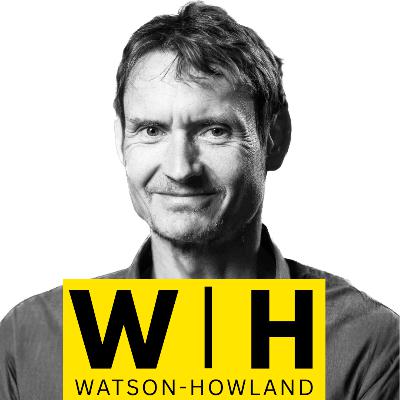
Nazi drug use wasn’t just “a detail”. It shaped Blitzkrieg speed, soldier psychology, Hitler’s inner circle and the Führer himself.Nazi drug use shaped WWII in ways most people still don’t realize, and Norman Ohler, bestselling author of Blitzed and Tripped, joins me to expose how Pervitin, opioids, and ideology collided inside the Third Reich to create a regime, strategy (Blitzkrieg) and war never seen before in history.What part of Nazi drug use do you think most changes how people understand WWII? Pervitin on the front lines, or Hitler’s dependency behind closed doors?You’ll learn:-How Pervitin (methamphetamine) went from legal pharmacy product to a wartime performance tool. -Why “mainstream” WWII history often sidelined drugs as a serious factor in power, strategy, and behavior. -The story behind Germany’s stimulant pipeline and why sleep was framed as “the number one enemy of a soldier.” -What “35 million dosages” tells us about scale, normalization, and the machinery of war. -How Pervitin changed fear, motivation, empathy, and decision-making for soldiers in combat.-Hitler’s medical descent with Dr. Morell: from “vitamins” to opioids, and later even cocaine as a legal product at the time. -The darker edge: drug testing and experimentation connected to concentration camps, including “truth drug” research. -A wider drug lens: psychedelics’ historical role, why the Nazi era “was not really a psychedelic time,” and what Ohler is exploring now. 00:00 Unveiling the Hidden Drug Secrets of WWII01:01 Inspiration Behind the Book03:20 The Rise of Pervitin in Nazi Germany06:39 Methamphetamine's Role in the Blitzkrieg08:30 The Ethical Dilemma of Drug Use in War10:01 The Impact of Meth on Soldiers24:51 Hitler's Descent into Drug Dependency31:01 The Nazis and Psychedelics32:36 Psychedelics in WWII: Limited Use and Rediscovery34:10 Nazi Experiments: Miracle Drugs and Submarine Missions37:16 Concentration Camp Atrocities: Beyond Drugs38:55 Human Nature and Atrocities: A Broader Perspective43:09 Psychedelics and Egalitarian Societies in History52:22 Iboga: The Potent African Plant55:08 Advice on Psychedelics and Personal Reflections57:38 Conclusion and Final ThoughtsNorman Ohler – Stone(d) Sapiens Substack:https://stonedsapiens.substack.comThe Norman Ohler Dopecast & Substackhttps://stonedsapiens.substack.com/podcastBlitzed (Penguin UK):https://www.penguin.co.uk/books/294543/blitzed-by-ohler-norman/9780141983165Tripped (Atlantic Books UK):https://atlantic-books.co.uk/book/tripped/Jacob’s WorkPodcast blueprint (Skool): https://www.skool.com/remote-pro-podcast-blueprint-8385 Website: https://www.jacobjwatsonhowland.comTeamChief Editor: Chloe BreheretChief Automation Officer: Jack McDuff
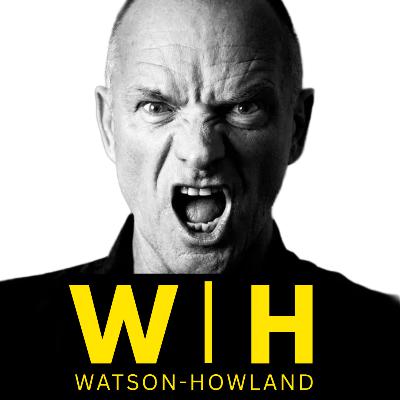
Sting & The Police went from playing to 6 people on his first American performance (broke, on welfare, with a wife and baby) to selling out stadiums with The Police and selling 100 million records worldwide. This deep dive into Sting's biography reveals the brutal years of rejection between obscurity and stardom that nobody talks about, decoded from his memoir Broken Music.Subscribe for more breakdowns on how icons escape their limitations and build legendary careers.Expect to learn:-How Sting escaped a working-class trap in Newcastle and broke the cycle of generational regret-Why obsession and volume beat talent alone: the forensic practice method Sting used to decode Beatles songs-The truth about overnight success: the humiliating rejections and 10+ years of grinding before The Police broke through-How Roxanne became a classic after almost being rejected by the band's manager-Why Sting left The Police at their peak and what drove his need to keep escaping-The father-wound pattern that fuels most male outliers: and how Sting channeled it into 100 million+ records sold-What separates artists who quit from those who make it: Sting's "don't stop" mentality through welfare, empty clubs, and doubt-The escape code Sting discovered: how your obsession is data telling you how to get out00:00 The Humble Beginnings of Sting01:28 The Trap and the Escape Code02:25 The Drive to Prove Himself03:22 The Obsession with Music05:01 The Grind and Humiliation07:57 The Turning Point: Meeting Stewart Copeland08:48 Roxanne and the Breakthrough10:32 The Rise and Fall of The Police11:07 Lessons from Sting's Journey12:22 Final Thoughts and Encouragement Sting's Memoir Broken Music (Amazon): https://amzn.to/3Nnc4g7What's YOUR "this is how you escape" moment? What obsession keeps pulling you back even when it doesn't make logical sense? Drop your escape code in the comments. I’m rooting for you. 👇Best Bits:"There's something in the driven and compulsive nature of this obsession that's unusual, something in the unconscious saying, this is how you escape. This is how you escape. his how you escape.”"I will travel the world, be the head of a large family. I'll own a big house in the country. I will be wealthy and I will be famous." [He achieved all of them]"We'll play with equal passion to six people or 600. Driving ourselves thousands of sleepless miles, loading and unloading our gear...we were the dogs of war and nothing could stop us.""In my quest to become unique, I have become a statistic.""Success and failure are on the same road. You just have to keep going.”"It's just that nothing else I ever did was going to work. I was merely treading water."#Sting #ThePolice #MusicBiography
Networking Mistakes and How to Avoid Them with Bertie GregoryWhat common mistakes do people make when networking or looking for mentors? Wildlife filmmaker Bertie Gregory sheds light on the importance of forming genuine connections and offers practical tips for successful networking. Expect to learn the three essential rules of networking and how to handle criticism constructively. Are you making your interactions too transactional? What should you do when presented with opportunities in your field? Bertie shares his insights on these questions and more.00:00 Common Networking Mistakes00:08 The Importance of Friendships in Wildlife Filmmaking00:37 Effective Networking Strategies01:58 Three Rules of Networking04:31 Dealing with Criticism and Haters07:39 Final Thoughts on Handling Online Haters
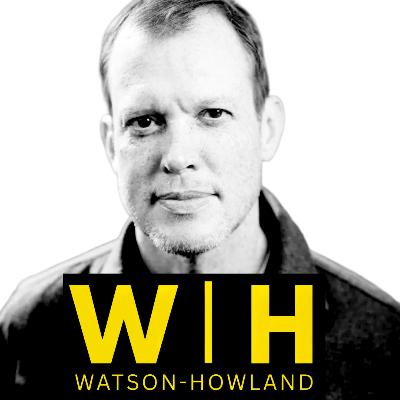
Vagabonding isn’t “quitting life”, it’s a practical long-term travel mindset for anyone who wants more freedom, less fear, and more time-rich living.Rolf Potts is a travel writer and bestselling author of Vagabonding (the modern classic on extended travel).What’s the biggest thing keeping you from long-term travel right now: money, fear, responsibility, or simply not giving yourself permission?Subscribe for more long-form conversations on travel, purpose, and designing a life you actually want.Expect to learn:–How to give yourself “permission” to travel (even if no one in your life gets it).–Why “time is the truest form of wealth” and how travel makes that real.–How to travel longer on less money by stepping outside the tourist bubble and into local rhythms.–Why slow travel beats rushed itineraries (and how it unlocks better deals + better stories).–Smartphone independence: simple ways to protect presence, serendipity, and real-world connection on the road.–Why “know your options, not your destiny” is the best planning rule for long-term travel.–How routines (gym, journaling, quests) can make travel deeper not boring.–Travel as pilgrimage: how walking (in cities or nature) can reset attention and reduce anxiety.00:00 Introduction to Solo Traveling00:12 First Vagabonding Journey01:37 Motivations and Realizations02:28 Impact of Early Travels03:45 Long-Term Travel Lifestyle05:19 Writing Vagabonding06:19 Travel Philosophy and Advice11:42 Funding Early Travels13:22 Experiencing Local Economies17:33 Slow Travel and Serendipity23:42 Challenges of Modern Travel30:21 Off the Beaten Path36:30 Embracing the Unexpected in Travel37:24 Challenging Journeys and Personal Growth39:16 Adventures on the Mekong River42:26 The Joys of Youthful Exploration44:21 Balancing Routine and Adventure53:20 Spiritual Reflections and Nature's Wisdom01:02:42 Final Thoughts and Advice for Young Travelers01:05:37 Start Your Own PodcastRolf’s Work: Rolf Potts (official site): https://rolfpotts.com Vagabonding (book page): https://rolfpotts.com/books/vagabonding/ Paris Writing Workshops (Rolf’s Paris workshops info): https://rolfpotts.com/about/paris-writing-workshop/ Paris Writing Workshops (main site): https://pariswritingworkshops.com Vagabonding (official book site): https://vagabonding.netJacob’s WorkFREE Podcast Tips (2nd Channel): https://www.youtube.com/channel/UCUp5S7ZIZtjA8PMgXJMwppA Podcast blueprint (Skool): https://www.skool.com/remote-pro-podcast-blueprint-8385 Website: https://www.jacobjwatsonhowland.com
Evolutionary psychologist Dr. Catherine Salmon discusses how evolution shapes our desires, attractions, and mate preferences. She delves into sex differences in mate selection, including the traits that make males and females more attractive to each other and the importance of these traits in the ancestral and modern environments. Dr. Salmon also explores the genetic and environmental factors that influence behavior and how understanding these mechanisms can help us comprehend human behavior better.00:00 Introduction to Evolution and Attraction00:13 Sex Differences in Mate Preferences01:14 Indicators of Female Attractiveness02:07 Qualities of a Good Mother02:44 Female Preferences in Male Partners04:09 Importance of Commitment and Resources05:10 Modern Considerations and Social Support05:39 Impact of Parenting Structures07:51 The Role of Genetics and Environment09:50 Environmental Influence on Behavior____FREE Podcast Tips (2nd Channel): https://www.youtube.com/channel/UCUp5S7ZIZtjA8PMgXJMwppAOr if you want to start taking podcasting seriously: My full step-by-step podcast blueprint: https://www.skool.com/remote-pro-podcast-blueprint-8385Launch your podcast using my successful blueprint—even on a budget and with zero experience, get my new episodes 24 hours early & join a tribe of like-minded outliers who will help you grow…____Me:YouTube: https://www.youtube.com/@jacobjwatsonhowlandFREE Podcast Tips (2nd Channel): https://www.youtube.com/channel/UCUp5S7ZIZtjA8PMgXJMwppASpotify: https://open.spotify.com/show/0r4v5xgyYz0rTFSLklk0Em?si=nf_cm0kWTUqt84nkqjC8bAApple: https://podcasts.apple.com/us/podcast/watson-howland/id1813625992Instagram www.instagram.com/jacobwatsonhowland X/Twitter: https://x.com/jwatsonhowlandLinkedIn: www.linkedin.com/in/watsonhowland Website: www.jacobwatsonhowland.com
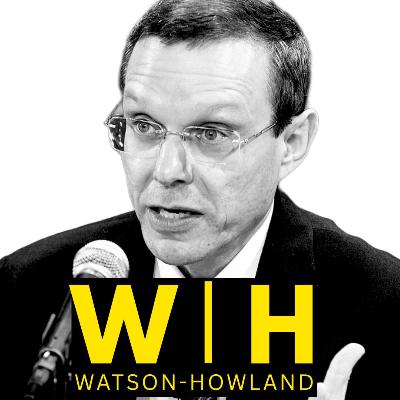
Harvard Physicist Avi Loeb reveals why Neil deGrasse Tyson, Brian Cox & NASA gets the 3I/ATLAS alien theory wrong and exposes the "echo chamber" problem in modern science. As the head of the Galileo Project, Loeb argues we must stop listening to "commentators" and start searching for technological signatures before it’s too late.00:00 Neil deGrasse Tyson's Misconception01:22 Einstein's Major Mistakes03:26 The Humility of Science04:10 Challenges in Modern Physics08:04 Encouraging Innovation in Academia16:49 The Search for Extraterrestrial Life23:22 The Importance of Independent Thought38:50 The Importance of Technological Signatures39:41 The Limitations of Human Imagination41:38 The Unknown Unknowns in Science43:49 The Search for Extraterrestrial Life45:11 The Role of Private Space Industry48:10 The Case of 3I/ATLAS50:39 The Need for a New Approach in Astronomy54:40 The Potential of Interstellar Objects57:34 The Future of Space Exploration01:12:12 The Cost of Space Archaeology01:23:16 The Impact of Extraterrestrial Contact01:26:37 The Limitations of Viewing God as a Parent01:27:28 The Power of Optimism in Life and Relationships01:29:04 The Search for Extraterrestrial Life01:30:58 The Big Bang and the Creation of the Universe01:35:39 Mars Colonization and Space Habitats01:39:25 The Future of Space Propulsion01:46:26 The Risks and Rewards of AI01:56:42 The Importance of Youthful Curiosity01:57:30 Belief in a Higher Being and the Quest for Immortality02:02:19 Closing Thoughts and Future EndeavorsAvi Loeb’s Work:-Avi Loeb’s Medium: avi-loeb.medium.com -Avi’s Book "Extraterrestrial": https://www.amazon.co.uk/Extraterrestrial-Search-Intelligent-Beyond-Earth-ebook/dp/B087N7D3YZ?ref_=ast_author_dp&th=1&psc=1 Jacob’s WorkWebsite: https://www.jacobjwatsonhowland.com
Harvard astrophysicist Avi Loeb explains why Neil deGrasse Tyson and Brian Cox "don't have the right" to criticize his research, because they're not practicing scientists publishing peer-reviewed papers.Should science communicators like Neil deGrasse Tyson be allowed to publicly criticize active researchers, or does that cross a line when they're not publishing papers themselves?Avi Loeb is a Harvard astronomy professor, bestelling author of "Extraterrestrial," leading researcher on interstellar objects and the search for alien technology.Subscribe for more unfiltered takes from world-class scientists challenging the scientific establishment.Expect to learn:-Why Avi Loeb says science popularizers like Neil deGrasse Tyson prioritize being "liked" over rigorous research.-The difference between practicing scientists (publishing papers) and science communicators (talking about others' work).-Why echo chambers in the scientific community make even credible voices risk being wrong (Einstein's 1935-1940 mistakes as proof).-Why Loeb doesn't use social media and how that frees him from popularity contests in science.BEST QUOTES:"In order to speak with credibility about science, you need to be a practicing scientist."“Brian Cox and Neil deGrasse Tyson. They don't have the right to argue against me. I wrote more than a dozen papers about 3I/ATLAS… they haven't written a single paper over the past decade.""It's just like someone sitting on the bench making statements about the players in the field.""They're motivated by whatever the majority of opinion is, whatever is being liked by others."#AviLoeb#NeilDeGrasseTyson#BrianCOx#astrophysics
Navigating Happiness and Balance: A Candid Conversation with Stanford PhD Student Ashley MosesIn this episode, we explore the intricate concepts of happiness and balance with Stanford PhD student Ashley Moses. We discuss the human pursuit of happiness, the role of freedom and health in achieving it, and how our definitions of happiness can change over time. The conversation also delves into the challenges of maintaining balance in various aspects of life such as work, relationships, and personal health. Ashley shares her personal strategies and struggles in trying to find equilibrium in her daily life, providing a relatable and insightful perspective on managing well-being amidst the demands of a PhD journey.00:00 The Nature of Happiness and Human Motivation00:34 Finding Balance in Life01:24 Personal Definitions of Happiness01:56 The Role of Freedom in Happiness03:58 Balancing Needs and Desires06:22 Daily Practices for Balance and Happiness10:10 Challenges and Sacrifices in Pursuit of Goals13:18 The Importance of Rest and Small Wins____FREE Podcast Tips (2nd Channel): https://www.youtube.com/channel/UCUp5S7ZIZtjA8PMgXJMwppAOr if you want to start taking podcasting seriously: My full step-by-step podcast blueprint: https://www.skool.com/remote-pro-podcast-blueprint-8385Launch your podcast using my successful blueprint—even on a budget and with zero experience, get my new episodes 24 hours early & join a tribe of like-minded outliers who will help you grow…____Me:YouTube: https://www.youtube.com/@jacobjwatsonhowlandFREE Podcast Tips (2nd Channel): https://www.youtube.com/channel/UCUp5S7ZIZtjA8PMgXJMwppASpotify: https://open.spotify.com/show/0r4v5xgyYz0rTFSLklk0Em?si=nf_cm0kWTUqt84nkqjC8bAApple: https://podcasts.apple.com/us/podcast/watson-howland/id1813625992Instagram www.instagram.com/jacobwatsonhowland X/Twitter: https://x.com/jwatsonhowlandLinkedIn: www.linkedin.com/in/watsonhowland Website: www.jacobwatsonhowland.com
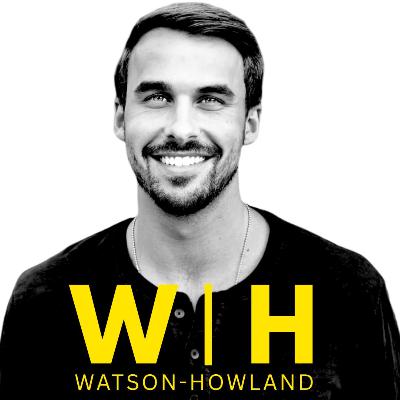
Rejection therapy is the fastest way to build real confidence and Gregory Russell Benedikt explains how “terrified action” can break your fear, self-doubt, and people-pleasing for good better than anyone.Gregory Russell Benedikt is a TEDx sensation (“How Being Bold Will Change Your Life”) and life coach helping people live a story worth telling.Subscribe for more long-form interviews on psychology, self-improvement, and the habits that change your life.00:00 Rejection therapy: the most painful rejection and why it still shapes us03:20 The “mask”: why fitting in kills confidence (and how to drop it)07:27 Finance burnout: quitting with no plan when fear is smaller than staying stuck07:27 End-of-life regret: the quote that forced the identity change17:47 “Just start”: lowering friction to launch your podcast/creative project40:14 Consistency when success is invisible (this is what hard feels like)44:36 Courage defined: terrified action and the 5-second rule50:35 The 100-day rejection challenge: swimming pool story + rejection reps53:43 Live a story worth telling: commitment devices, community, and momentum01:05:55 How the TEDx talk changed his life (and why it changes slower than you expect)01:01:11 The best self-improvement questions: ideal day + “what costs am I willing to pay?”FREE Podcast Tips (2nd Channel): https://www.youtube.com/channel/UCUp5S7ZIZtjA8PMgXJMwppAPodcast blueprint (Skool): https://www.skool.com/remote-pro-podcast-blueprint-8385Gregory’s Work:Gregory’s website (coaching): https://gregoryrussellbenedikt.com/Gregory on LinkedIn: https://www.linkedin.com/in/gregoryrussellbenediktGregory on Instagram: https://www.instagram.com/gregoryrussellbenedikt/Gregory’s TEDx talk: https://www.youtube.com/watch?v=ezygvBTXeeQJacob’s Work YouTube: https://www.youtube.com/@jacobjwatsonhowland Website: https://www.jacobjwatsonhowland.com
How Surviving Severe Burns Shaped Dan Ariely's Approach to Reducing Human SufferingDan Ariely shares his personal story of surviving severe burns covering 70% of his body at the age of 18. He discusses the excruciating treatments, including multiple skin transplants and the ongoing battle with scar tissue. Ariely describes how this life-altering experience led him to a career focused on alleviating human suffering through the study of psychology and experimental methods. He highlights the lessons learned about pain, control, and human resilience, and how these insights drive his current work to identify and improve areas where humanity underperforms.00:00 Surviving Severe Burns: A Life-Changing Event01:06 The Painful Process of Skin Transplants02:56 The Battle Against Skin Shrinkage05:26 Psychological and Physical Challenges06:49 From Patient to Researcher: A Journey into Psychology07:32 A Mission to Improve Human Conditions____FREE Podcast Tips (2nd Channel): https://www.youtube.com/channel/UCUp5S7ZIZtjA8PMgXJMwppAOr if you want to start taking podcasting seriously: My full step-by-step podcast blueprint: https://www.skool.com/remote-pro-podcast-blueprint-8385Launch your podcast using my successful blueprint—even on a budget and with zero experience, get my new episodes 24 hours early & join a tribe of like-minded outliers who will help you grow…____Me:YouTube: https://www.youtube.com/@jacobjwatsonhowlandFREE Podcast Tips (2nd Channel): https://www.youtube.com/channel/UCUp5S7ZIZtjA8PMgXJMwppASpotify: https://open.spotify.com/show/0r4v5xgyYz0rTFSLklk0Em?si=nf_cm0kWTUqt84nkqjC8bAApple: https://podcasts.apple.com/us/podcast/watson-howland/id1813625992Instagram www.instagram.com/jacobwatsonhowland X/Twitter: https://x.com/jwatsonhowlandLinkedIn: www.linkedin.com/in/watsonhowland Website: www.jacobwatsonhowland.com
In this episode, jacob and guest Stanford PhD student Ashley Moses delve into the complexities of pursuing a PhD. They discuss the factors influencing the decision to undertake a PhD, such as industry requirements and personal motivations. Ashley shares her journey from being fascinated by science in her childhood to realizing her passion for neuroscience, and her eventual pivot away from becoming a professor. The conversation touches upon the duration of PhD programs, the impact of existential crises on career choices, and the appeal of entrepreneurship for those seeking freedom and flexibility in their careers.00:00 Is a PhD Worth It?01:07 Duration and Variability of PhD Programs02:00 Personal Journey into Neuroscience03:44 Facing Existential Crises05:43 Why Not Become a Professor?07:35 Choosing the Entrepreneur Path____FREE Podcast Tips (2nd Channel): https://www.youtube.com/channel/UCUp5S7ZIZtjA8PMgXJMwppAOr if you want to start taking podcasting seriously: My full step-by-step podcast blueprint: https://www.skool.com/remote-pro-podcast-blueprint-8385Launch your podcast using my successful blueprint—even on a budget and with zero experience, get my new episodes 24 hours early & join a tribe of like-minded outliers who will help you grow…____Me:YouTube: https://www.youtube.com/@jacobjwatsonhowlandFREE Podcast Tips (2nd Channel): https://www.youtube.com/channel/UCUp5S7ZIZtjA8PMgXJMwppASpotify: https://open.spotify.com/show/0r4v5xgyYz0rTFSLklk0Em?si=nf_cm0kWTUqt84nkqjC8bAApple: https://podcasts.apple.com/us/podcast/watson-howland/id1813625992Instagram www.instagram.com/jacobwatsonhowland X/Twitter: https://x.com/jwatsonhowlandLinkedIn: www.linkedin.com/in/watsonhowland Website: www.jacobwatsonhowland.com

Comments

Download from Google Play

Download from App Store
 United States