


 Claim Ownership
Wavelength Plus: A podcast by TradeWinds
Subscribed: 16Played: 641
Subscribe

© All rights reserved
Description
TradeWinds’ Wavelength Plus explores and takes a deep dive into stories on shipping markets, the regulations and the people shaping the shipping industry.
Hosted on Acast. See acast.com/privacy for more information.
133 Episodes
Reverse
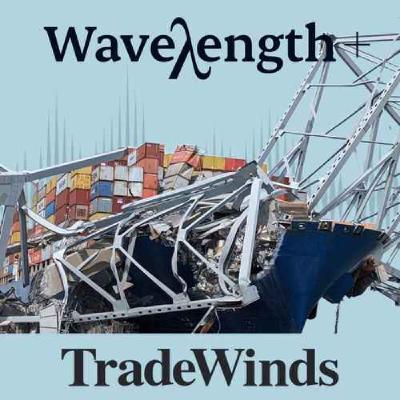
Investigators responding to the shipping accident that destroyed the Francis Scott Key Bridge in Baltimore faced a needle-in-a-haystack search. An electrical failure had caused the 9,971-teu Dali (built 2015) to lose power just three ship lengths from the bridge.But the ship’s thousands of wires stretch for miles. Which one caused the problem? In the fourth episode of our Marine Investigation series about the deadly incident, Wavelenth Plus explores the hunt for this fault, which National Transportation Safety Board chair Jenifer Homendy compared to searching for a loose bolt on the Eiffel Tower. Hosted on Acast. See acast.com/privacy for more information.
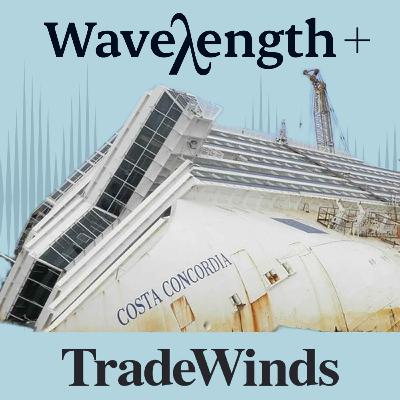
Removing wrecks is an expensive business. And the bill continues to rise as governments and the public demand cleaner, clearer oceans. TradeWinds counts the costs of retrieving stricken ships.by Paul Peacheya TradeWinds/DN Media podcast Hosted on Acast. See acast.com/privacy for more information.
In this episode TradeWinds's Asia correspondent Huaqing Ma talks to John Rowley, chief executive of Hong Kong-based Wallem.Wallem is one of the leading ship managers in the maritime sector. Huaqing and John talk about the challenges of being a modern ship manager in a competitive world and why the company is so closely bonded with Hong Kong.Read Huaqing's full articles here: From combat zones to ship decks: The making of Wallem’s CEO Hosted on Acast. See acast.com/privacy for more information.
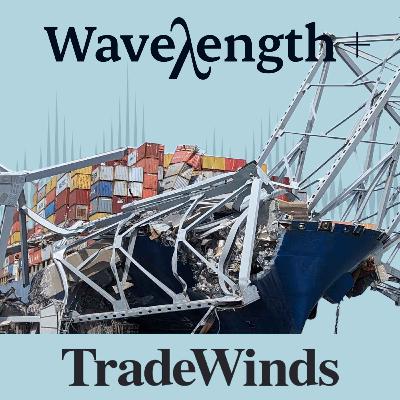
When the Dali slammed into the Francis Scott Key Bridge in Baltimore, its pilot had already dismissed the tugs that had been tethered to the ship when it left the docks. When he called for a tug’s help just minutes before the collision, the powerful vessel was too far away to help. In the third episode in our series on the accident, we explore why the container ship was going it alone without a “tiny but mighty” tug. Hosted on Acast. See acast.com/privacy for more information.
In the second episode of our detailed look at the shipping accident that destroyed Baltimore’s Francis Scott Key Bridge, we look at why this structure was not able to withstand a strike by the container ship Dali. Engineering experts explain that recommendations to conduct risk assessments were not applied to many bridges built before those standards were created, and they describe the steps that US agencies will need to take to prevent another deadly casualty. Hosted on Acast. See acast.com/privacy for more information.
In March 2024, the Dali slammed into the Francis Scott Key Bridge in Baltimore, killing six, injuring two and shutting down maritime traffic for weeks. In the first episode of an investigative series, TradeWinds looks at the events of that tragic day with the help of a naval architect and an experienced captain. Hosted on Acast. See acast.com/privacy for more information.
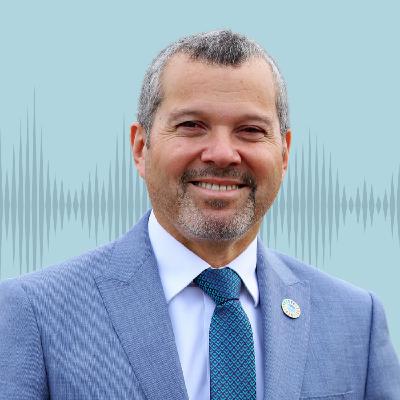
Secretary general of the International Maritime Organization Arsenio Dominguez spoke to Holly Birkett on the sidelines of the Women's International Shipping & Trading Association (WISTA) conference, just days after IMO delegations delayed an all-important vote on emissions regulations. He was reflective on the way that the talks played out and said there are lessons to be learned, but emphasised that decarbonisation work will not stop at the IMO or within the industry.Seeing as it was the WISTA conference, the time was also right to ask Dominguez about what the IMO is doing to support women in maritime industry and create equitable workplaces for all. Host and producer: Holly Birkett, TradeWinds reporter. Hosted on Acast. See acast.com/privacy for more information.
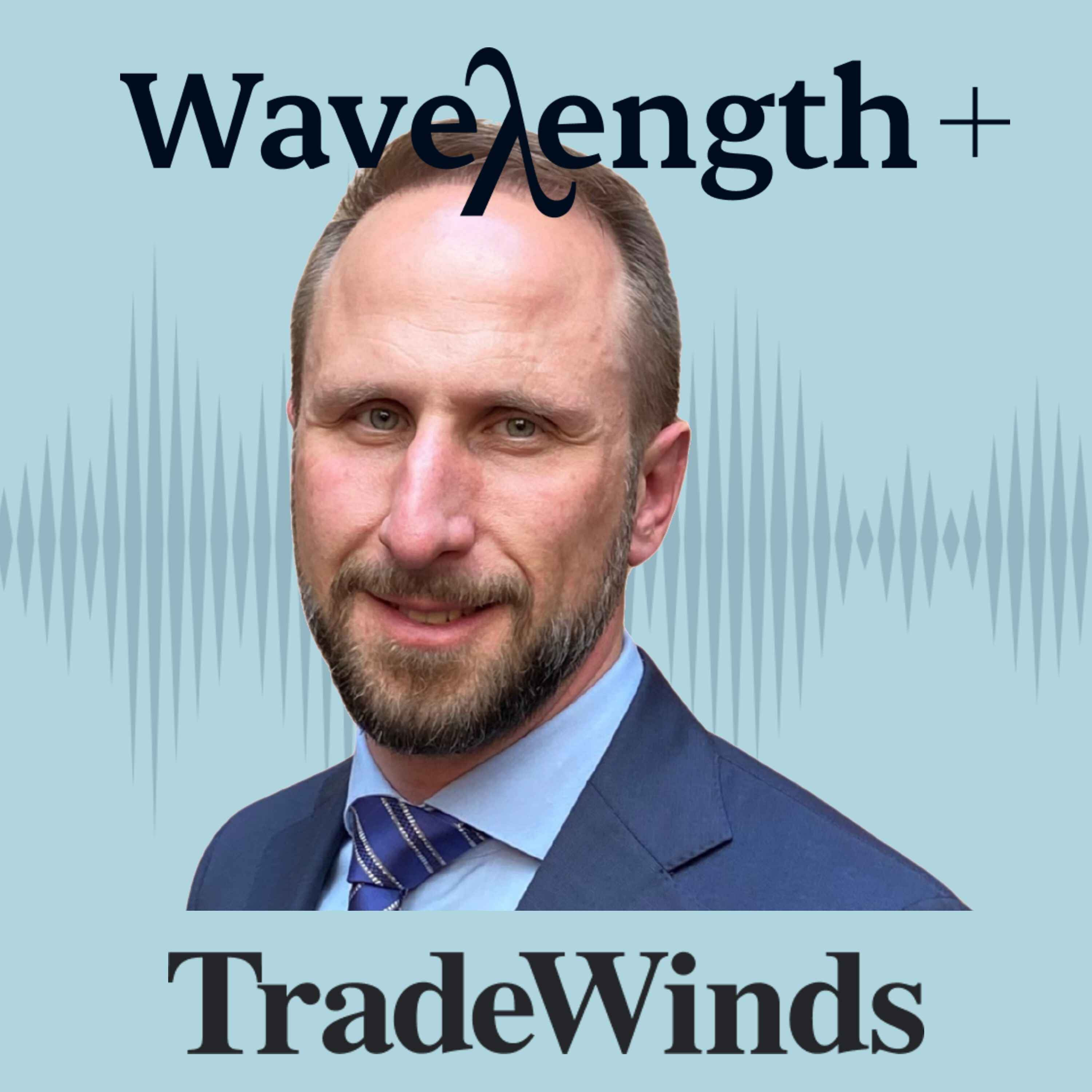
In this episode, TradeWinds US bureau chief Eric Priante Martin sits down with Ardmore Shipping chief executive Gernot Ruppelt and president Bart Kelleher in New York just over a year after they took the reins of the Irish product and chemical tanker company. On the sidelines of a Capital Link investor conference, they explain how they are looking at opportunity in what they describe as a non-binary way and leveraging a stronger balance sheet to harness opportunity presented by a volatile market.Read more here: https://www.tradewindsnews.com/interviews/ardmore-duo-work-to-harness-opportunity-amid-volatility-a-year-after-leadership-transition/2-1-1886714 Hosted on Acast. See acast.com/privacy for more information.
A decade after 33 crew members died when the US-flag conro El Faro sank in a storm, reporter Eric Priante Martin looked back to find out what changes have been made from the lessons learned from the casualty. And he finds that many changes have yet to be made. Hosted on Acast. See acast.com/privacy for more information.
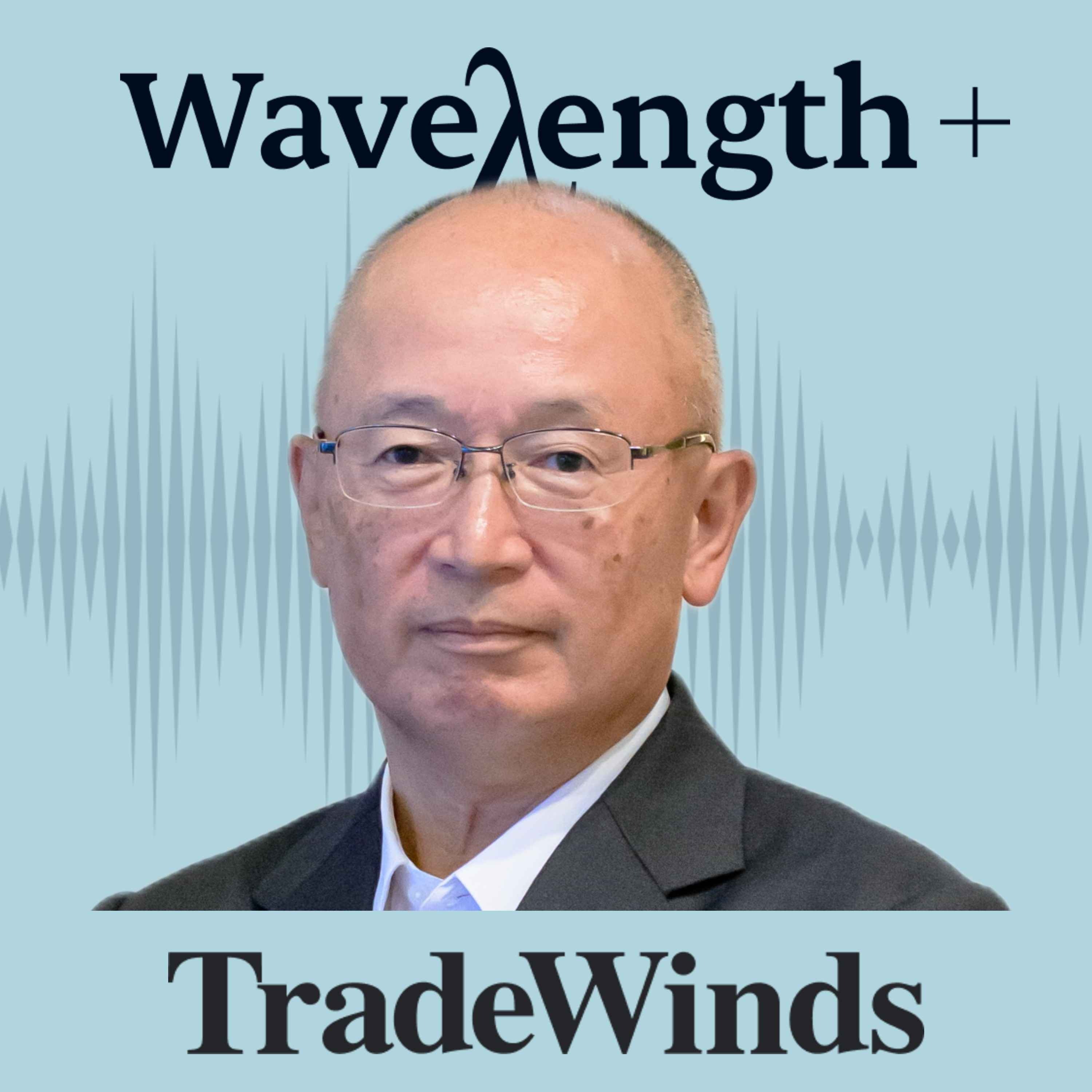
In this episode of Wavelength Plus, TradeWinds editor in chief Julian Bray talks to Mitsui OSK Line president and chief executive Takeshi Hashimoto about his work to turn MOL from a Japanese company to an international conglomerate, and the role diversity plays in that transition.Hashimoto also reveals his work to clear MOL's name when it found itself caught up in the sanctions regime against Russian oil and gas, and also the role LNG is going to play in decarbonising shippingRead more:MOL expects ‘huge demand’ for LNG transport from 2028, chief executive saysCash from chaos: Why it’s ‘an exciting’ time to be a shipowner in Japan Hosted on Acast. See acast.com/privacy for more information.
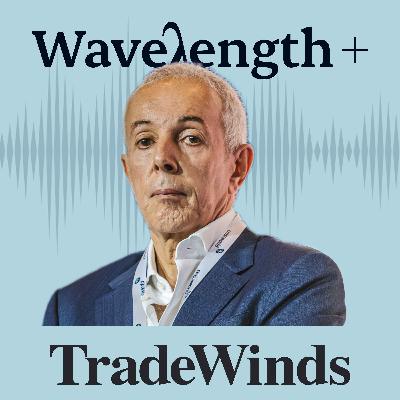
IN this deep dive interview TradeWinds editor in chief Julian Bray talks to Dr John Coustas, chairman, president and chief executive of Greece's Danaos Group a significant container vessel tonnage provider.In the conversation Coustas explains his rationale for fuel choices in Danaos current 25 vessel orderbook, including his issues with biofuels and LNG as marine fuels. He also talks markets, the recent surge in orders for smaller feeder vessels and why he did not join in, and also why he is not 'crying for them". Them being the liner companies.Recorderd at TradeWinds Shipowner Forum, Athens on September 23rd September 2025Production: Craig Eason Hosted on Acast. See acast.com/privacy for more information.
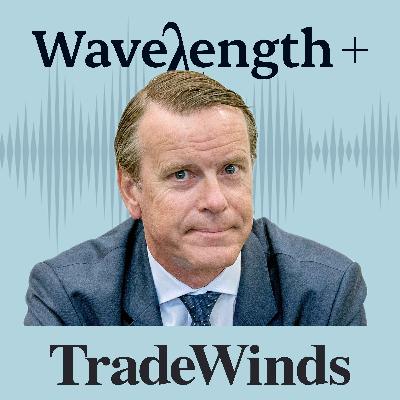
In this episode of Wavelength plus from TradeWinds:Lars Barstad, chief executive at Oslo and New York-listed Frontline talks to Holly Birkett about tanker demand, both now and in a decarbonising and energy intensive world.Also, about decarbonisation trajectories, what makes Frontline tick and what it is like working for one of shipping's most well-known shipowners. Hosted on Acast. See acast.com/privacy for more information.
Introducing a broadened Green Seas podcast with a new name.Wavelength+ is your regular deep dive into the world of shipping.The Green Seas sustainability, ESG and technology will still be here, but in addition we will be adding deeper dives into what TradeWinds also focuses on - that’s the business of shipping -whether the bulk, tanker and container markets, or insurance risk, regulationOr it could be the one-on-one interviews with those big big names which we know many want to hear from. So each week or so we will give you a key discussion point, or interview, but in addition we will offer deeper dives int the shipping markets that TradeWinds is known and respected for.TradeWinds podcast portfolio now consist of a weekly news magazine, Wavelength, and the deep dive/interview show Wavelength + Hosted on Acast. See acast.com/privacy for more information.
This is sponsor episode is part of TradeWinds Content Studios’ Ocean Climate Impact Series.Biofouling has always been a part of the maritime industry. From barnacles to algae, underwater pipes and ships can be negatively affected by this naturally occurring phenomena. But new innovations and technologies can combat the impacts of biofouling. Sharing their insights, Jotun’s hull performance experts explore embracing the latest tools as well as the ways in which the industry can evolve to minimise the influence of biofouling. Join Regulatory Affairs Manager Petter Korslund and Global Category Director Morten Sten Johansen in the discussion today. Hosted on Acast. See acast.com/privacy for more information.
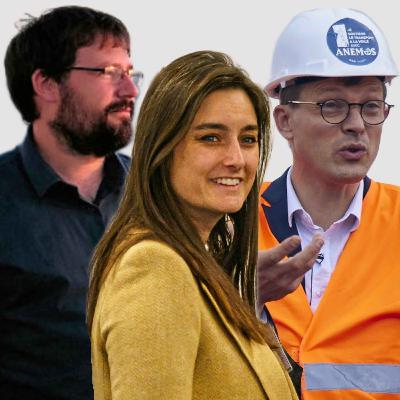
In this episode of the TradeWinds Green Seas podcast, technology editor Craig Eason reports on the efforts by three hard headed entrepreneurs who have refused to take no for an answer and are on their way to building fleets of sail powered vessels for cargo owners that want to walk-the-walk rather than just talk about the need to decarbonise their logistics chains.The main shipping companies are tackling decarbonisation by staring at a future of alternative fuels and possibly wind assist solutions to help cut fuel bills and possibly reduce emissions. These are the individuals thinking the other way round, they want their fleets to be primarily powered by the wind, and have an engine as a back up. But will cargo owners and their banks buy into the dream?We meet Guillame Le Grand, founder and chief executive of Trans Oceanic Wind transport (TOWT); Jen Zanuttini, co-founder and president of Neoline; and Danielle Southcott, founder and chief executive of Veer Group.Read the story on TradeWindsNews.com Hosted on Acast. See acast.com/privacy for more information.
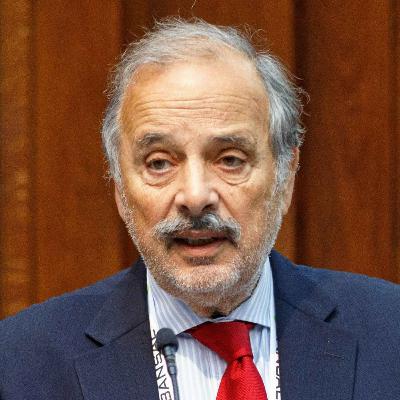
In this episode, TradeWinds technology editor Craig Eason talks with Nikos Mikelis.Mikelis worked at the IMO developing the Hong Kong Ship Recycling Convention which has now come into force. He explains why the Basel Convention secretariat asked IMO to write rules specific for ship recycling and how it then became a thorn in shipowners' side when it did not allow the resulting convention it to be equivalent.Then there is the EU ship recycling regulation, well meaning but ultimately offering more complexity to what should really be a smooth end of life process.Mikelis also looks at the demand for recycling facilities and whether the main recycling countries can handle volumes.Producer and host: Craig EasonTradeWinds articles related to this podcast:Hong Kong vs Basel: Why shipping is caught in the recycling cross hairsRecycling confusion must be resolved before demo rushIs the sun rising on a cleaner recycling industry? Hosted on Acast. See acast.com/privacy for more information.
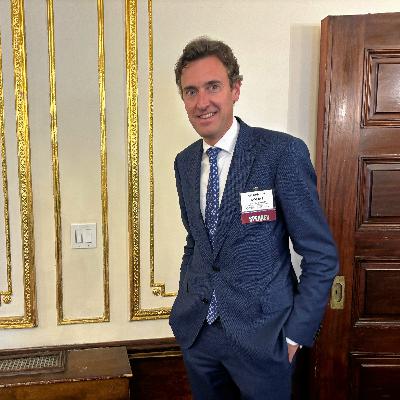
TradeWinds US bureau chief Eric Priante Martin interviews CMB.Tech chief executive Alexander Saverys about his company’s plans for ammonia and hydrogen-fuelled shipping as it works to take over Golden Ocean Group. Hosted on Acast. See acast.com/privacy for more information.
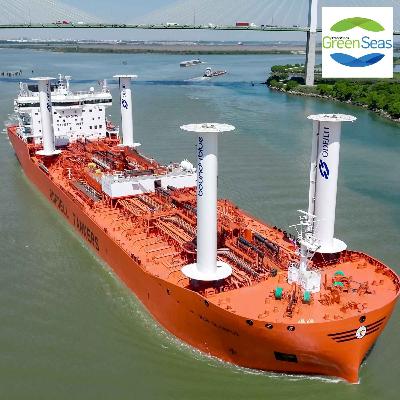
The 49,120 dwt Bow Olympus has just sailed from Houston to North Europe using suction sails on its deck, and 100% biofuel in its engine.For the company it demonstrates what they, and inte industry can do, as part of their transition.In the second interview with a shipowner daring to transition, TradeWInds technology editor Craig Eason talks to Odfjell's Erik Hjortland and Veine Huth about the voyage, how it helps the company with Fuel EU maritime compliance and why it chose four sails for its vessel Hosted on Acast. See acast.com/privacy for more information.
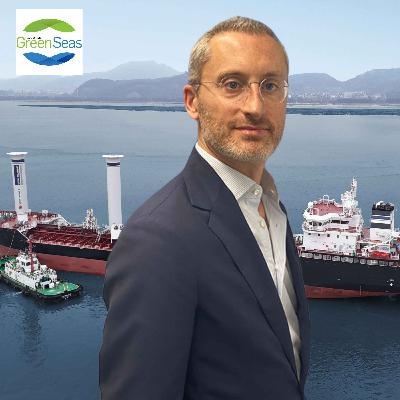
In this episode of the Green Seas podcast, TradeWinds technology editor Craig Eason talks to Union Maritime chief executive Laurent Cadji about his company's bullish approach to wind tech and other cleantech solutions.Union Maritime has almost 50 vessels on order and more than half will be built with a wind propulsion system as well as other technologies onboard.Laurent and Craig also discuss the impact geopilitics has on cleantech investment in shipping. Hosted on Acast. See acast.com/privacy for more information.
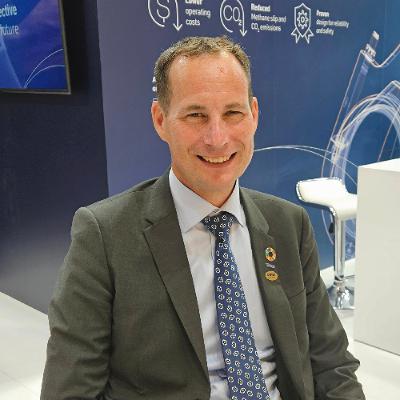
Ammonia is a zero-carbon fuel, but there are lingering concerns about the safety of using it to power ships because of its toxicity. But WinGD chief executive Dominik Schneiter, whose company is gearing up to deliver the first ammonia-fuelled engine, says the lessons from companies that operate vessels that haul the commodity and the crew members who work on them have contributed to ensuring a safety level equivalent to the gas carriers of today. Hosted on Acast. See acast.com/privacy for more information.

Comments

Download from Google Play

Download from App Store
 United States