


 Claim Ownership
WilsonBlock1000 Radio
Subscribed: 1Played: 42
Subscribe

© WilsonBlock1000 Radio
Description
Mistah Wilson, tha man behind ThaWilsonBlock, covers topics ranging from Religion, Arts, Politics, and Society. Subscribe and tune in! Comments and feedback always welcomed.
ThaWilsonBlock Magazine
Become a supporter of this podcast: https://www.spreaker.com/podcast/wilsonblock1000-radio--5630733/support.
ThaWilsonBlock Magazine
Become a supporter of this podcast: https://www.spreaker.com/podcast/wilsonblock1000-radio--5630733/support.
504 Episodes
Reverse
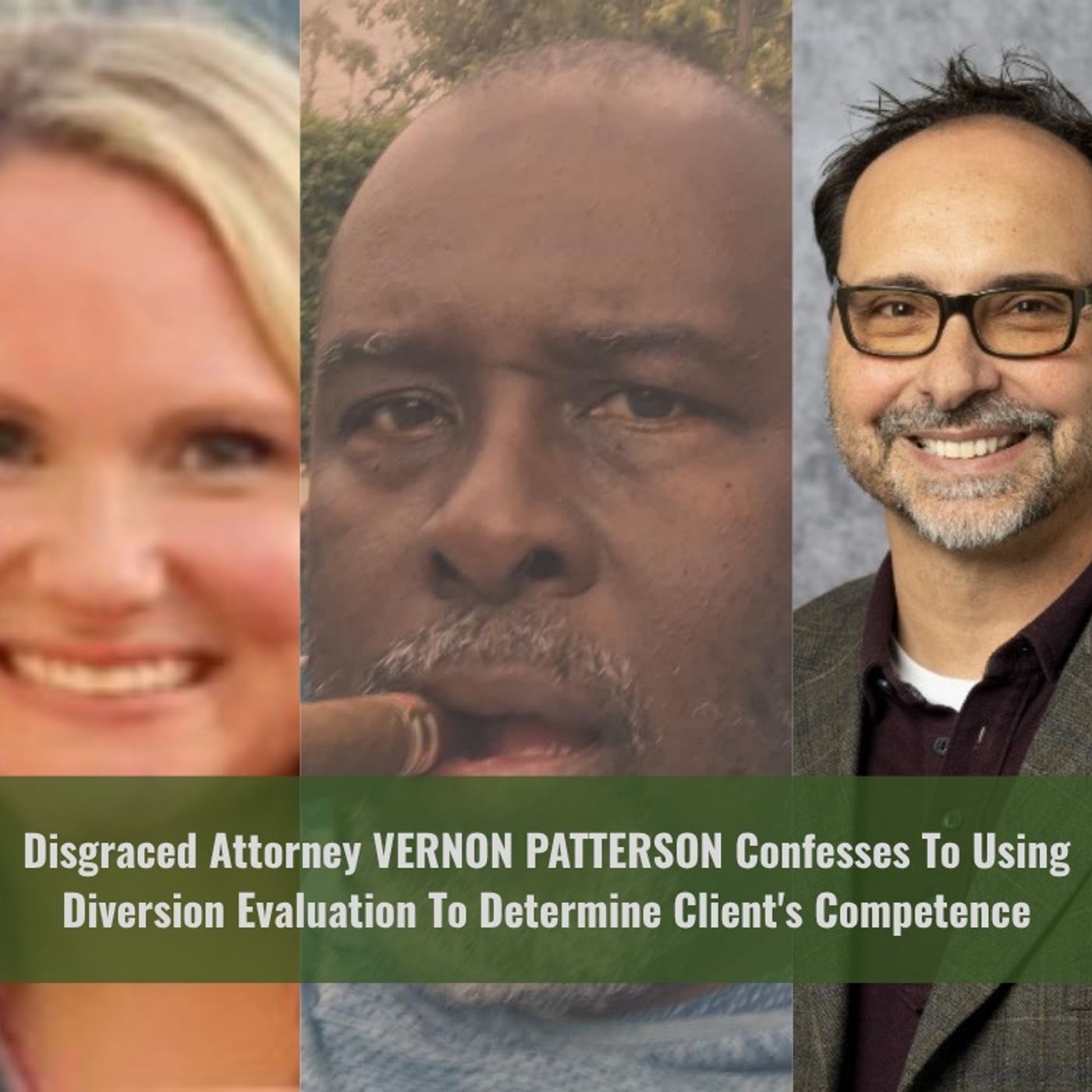
Breaking News - Los Angeles County! Disgraced Attorney VERNON PATTERSON Confesses To Using Diversion Evaluation To Determine Client's Competence in PEOPLE VS MICHAEL TAYLOR.Explosive email admissions have exposed a severe legal ethics breakdown in Los Angeles County. Court-appointed defense attorney Vernon Patterson admitted in writing that confidential defense work product, created strictly for pretrial mental health diversion under Penal Code section 1001.36, was unlawfully converted to declare doubt and freeze his client's constitutional rights under Penal Code section 1368.In an April twenty-fourth, 2024 email thread with client Michael Bernard Taylor, Junior, Patterson admitted that prior counsel used a confidential diversion evaluation to send the case to competency court. Rather than objecting to this gross breach of attorney-client privilege under California Evidence Code sections 952 and 953, Patterson defended the illegal crossover, stating quote, "I don't think what Ms. Bell did was wrong," end quote, and labeling the constitutional breach a quote, "Catch 22 situation."The paper trail reveals that Taylor actively audited the record in real time, confronting Patterson over his refusal to cure prior constitutional violations and copying the State Bar of California and county leadership. Taylor documented that diversion evaluations and competency assessments serve completely distinct statutory purposes, warning Patterson that forcing him onto an involuntary competency track while asserting his rights was a direct violation of due process.By ratifying the unconsented unsealing of privileged defense data, Patterson abandoned his duty of undivided loyalty under Rule 1.6 and Business and Professions Code section 6068, acting as an administrative facilitator for the state rather than an independent advocate. This case stands as a chilling warning of what happens when procedural convenience replaces constitutional compliance in the criminal justice system.Full Story: https://www.thawilsonmag.com/2026/10/disgraced-attorney-vernon-patterson.htmlBecome a supporter of this podcast: https://www.spreaker.com/podcast/wilsonblock1000-radio--5630733/support.
There is a question at the heart of American constitutional government that deserves considerably more scrutiny than it receives: What happens when the government recognizes that a constitutional right has been violated but then constructs a legal doctrine that prevents the injured citizen from obtaining a remedy?This is the problem presented by governmental immunity.Judicial immunity, qualified immunity, prosecutorial immunity, and related doctrines are commonly discussed as though they were constitutional commandments. They are not written into the Constitution in the form in which modern courts apply them. Rather, many of these protections have been developed through judicial decisions interpreting statutes, common-law principles, and institutional concerns.Full Story: https://www.thawilsonmag.com/2026/09/how-judicial-fiat-subverts-constitution.htmlBecome a supporter of this podcast: https://www.spreaker.com/podcast/wilsonblock1000-radio--5630733/support.
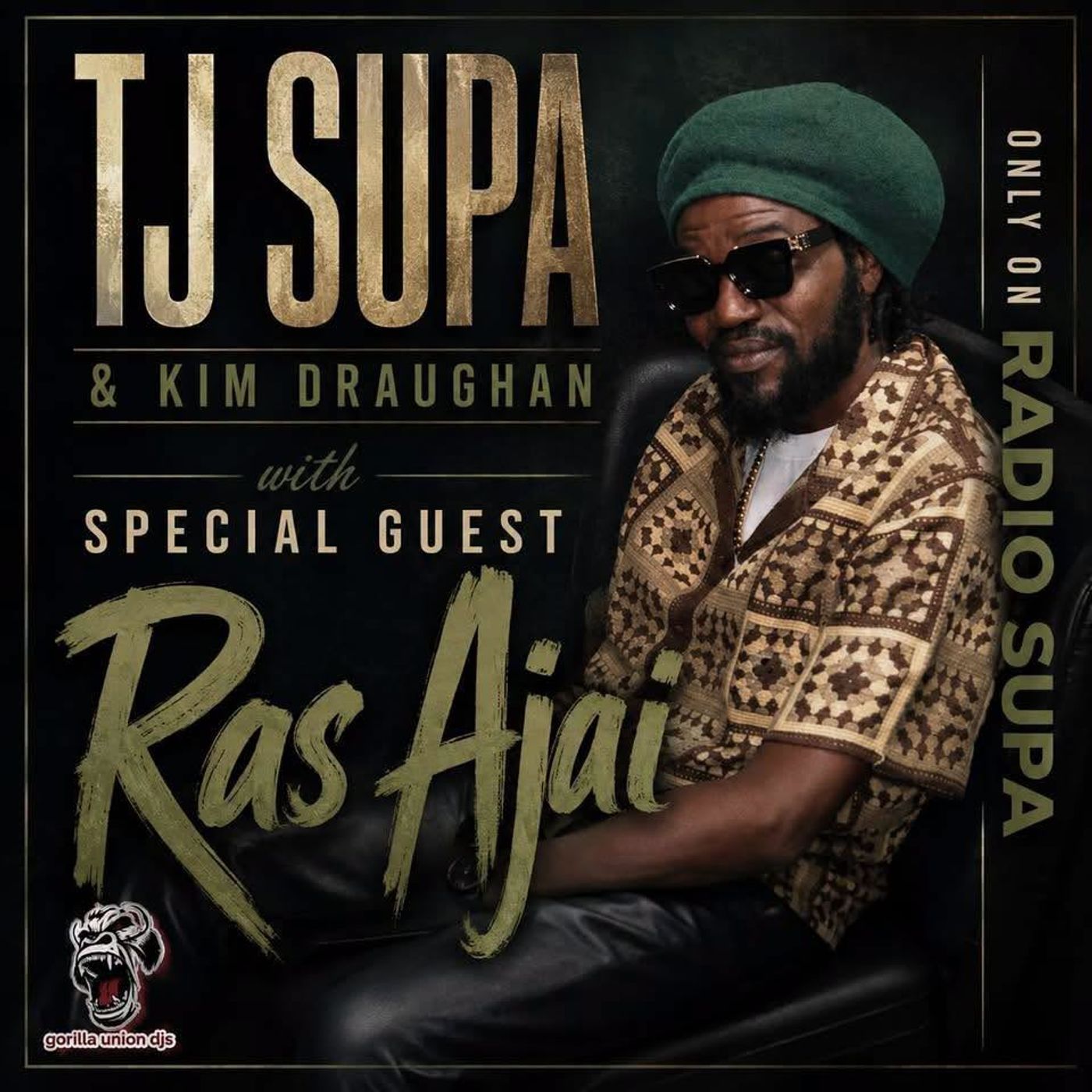
On this week's episode of the Radio Supa Show, we are proud to revisit our exclusive interview with the late, legendary Jamaican dancehall artist and actor, Ras Ajai. Known for his powerful artistry and unforgettable performance in the recent Bob Marley biographical film, Ras Ajai left a profound mark on Caribbean culture and the global music stage. Join us on WilsonBlock1000 Radio as we honor his memory, sharing candid reflections on his craft and the weight of his artistic legacy—an intimate, essential conversation captured shortly before his passing.Become a supporter of this podcast: https://www.spreaker.com/podcast/wilsonblock1000-radio--5630733/support.
Questions about the duties and responsibilities of public defense attorneys have resurfaced amid serious allegations involving leadership within the Los Angeles County Public Defender's Office. The concerns center on claims that departmental leadership has failed to address internal practices that may compromise the constitutional rights of defendants navigating the criminal justice system.At the center of the controversy is Ricardo Garcia, who serves as the head public defender for Los Angeles County. Critics argue that Garcia’s leadership has permitted a pattern of conduct among deputy public defenders that raises questions about fiduciary obligations owed to their clients. These allegations include claims that certain attorneys have declared conflicts of interest without explanation—often through ex parte procedures—effectively withdrawing from cases without transparent justification.According to the claims, this practice has appeared in connection with court-ordered psychological or competency evaluations that were allegedly repurposed or relied upon without proper authorization or procedural safeguards. Critics contend that such actions undermine the defendant’s ability to challenge those determinations or preserve objections for appellate review.Public defenders operate under a set of ethical and constitutional obligations that differ significantly from other legal roles within the courtroom. While prosecutors represent the state and judges preside over proceedings, defense attorneys are bound by a fiduciary duty to act in the best interest of their clients. This includes protecting constitutional rights, raising legal objections, and preserving issues that may later be examined by appellate courts.However, critics of the current situation argue that in real-world courtroom environments, institutional relationships between judges, prosecutors, and defense attorneys can sometimes influence how aggressively those rights are defended. While courts publicly emphasize their commitment to safeguarding constitutional protections, some observers claim that internal courthouse dynamics may place institutional stability above adversarial advocacy.Another issue raised in the allegations involves the handling of public records requests. It has been asserted that the Public Defender’s Office failed to respond to requests made under the California Public Records Act, a state law intended to ensure government transparency by granting citizens access to certain public documents. If true, failure to respond to such requests could raise additional questions about compliance with transparency requirements for publicly funded offices.The claims also reference actions taken by specific attorneys connected to a criminal proceeding known as *People v. Michael Taylor*. One attorney mentioned in the allegations is Michael Herman Salmaggi, who is accused of declining representation after a dispute related to a defendant’s competency determination. According to the account, the defense attorney declared a conflict of interest without publicly providing a reason or conducting a formal hearing to explain the withdrawal.Other individuals named in the allegations include Danielle Marie Daroca Bell and supervisory attorney Kelly Louise O'Brien, who are accused of participating in or enabling a broader departmental pattern of ignoring objections and complaints regarding the conduct of defense counsel.Critics claim these developments reflect a larger institutional problem within the public defender system—one where defendants may struggle to preserve critical legal arguments or build a meaningful record for appeal. In criminal law, preserving objections and procedural challenges is essential because appellate courts generally review only those issues that were properly raised during trial.Without that record, defendants can find themselves in a difficult position when attempting to challenge procedural errors or alleged constitutional violations after conviction.Beyond the legal specifics of any individual case, the controversy highlights broader questions about how public defense systems operate in large jurisdictions like Los Angeles County. Public defenders often carry heavy caseloads, operate under budget constraints, and must navigate complex relationships with courts and prosecutors. While many attorneys work diligently to protect the rights of their clients, critics argue that structural pressures can sometimes lead to practices that undermine the adversarial process.For observers of the justice system, the issue ultimately comes down to accountability and transparency. Public defender offices exist to ensure that individuals accused of crimes—regardless of income—receive effective legal representation as guaranteed by the Constitution. When allegations surface that those duties are not being fully honored, they invite scrutiny not only of individual attorneys but also of the leadership structures that oversee them.As discussions surrounding these claims continue, the situation serves as a reminder that the integrity of the criminal justice system depends on every participant fulfilling their role responsibly. Defense attorneys, in particular, occupy a critical position: they are often the final safeguard between the power of the state and the rights of the individual.Whether these allegations lead to formal review, public response, or internal reform remains to be seen. But for many observers, the larger question remains unchanged—how to ensure that the promise of constitutional defense is upheld not only in theory, but also in everyday courtroom practice.Become a supporter of this podcast: https://www.spreaker.com/podcast/wilsonblock1000-radio--5630733/support.

Akeem Mair, an actor from Pasadena, California, talks about how his journey into acting gave him structure in his career and in his own personal life. Become a supporter of this podcast: https://www.spreaker.com/podcast/wilsonblock1000-radio--5630733/support.

Comments

Download from Google Play

Download from App Store
 United States