


 Claim Ownership
Inclusion and Disability Advocacy from a Parent's Perspective: The Inclusive Dad
Subscribed: 0Played: 12
Subscribe

© Aaron DeVries
Description
Welcome to The Inclusive Dad Podcast, where we explore all things inclusion and make it practical!!
Want to be a guest on Inclusion and Advocacy from a Parent's Perspective: The Inclusive Dad? Send Aaron Devries a message on PodMatch, here: https://www.podmatch.com/hostdetailpreview/theinclusivedad
Want to be a guest on Inclusion and Advocacy from a Parent's Perspective: The Inclusive Dad? Send Aaron Devries a message on PodMatch, here: https://www.podmatch.com/hostdetailpreview/theinclusivedad
196 Episodes
Reverse
In this episode of The Inclusive Dad podcast, host AAron sits down with Fr. Joash Thomas to explore a deeper, justice-centered understanding of inclusion rooted in the life and teachings of Jesus. Together, they unpack how empire-shaped Christianity has distorted the gospel, replacing unity with division and exclusion. Fr. Joash challenges listeners to rethink inclusion by learning from marginalized voices and embracing a faith that unites to heal rather than divide to conquer. This powerful conversation also dives into loving your enemies, confronting bias, and reimagining a more compassionate and connected world through everyday actions and authentic relationships.Key Takeaways:Redefining Inclusion – True inclusion starts by asking excluded people what they actually need, not assuming it for them.Empire vs. Jesus – Systems of power divide to control, but the way of Jesus brings people together to heal.Love Your Enemy – Loving enemies begins with seeing them as human and worthy of compassion, even when it’s difficult.Theology Matters – What we believe about God shapes how we treat people, especially those on the margins.Learn First – Inclusion grows when we listen, learn, and honor the agency of those often overlooked.Fr. Joash Thomas’ definition of inclusion:Inclusion is when the Spirit of God breaks down the man-made walls that we put to keep people out from experiencing the grace of God.Fr. Joash Thomas’ Bio:Father Joash is a Priest, Public Theologian & Bestselling AuthorDrawing from his St. Thomas Christian roots and a Jesus-centered & Empire-informed understanding of Scripture, Fr. Joash helps audiences reimagine a faith that unites rather than divides—and that stands firmly with neighbors on the margins. Through speaking engagements, teaching, and advocacy, he calls Christians to a more contemplative yet courageous activism, motivated by the grace-filled, non-violent way of Jesus.Born and raised in India, Fr. Joash served as a U.S. political consultant and lobbyist before pivoting to global human rights advocacy. Now based in the Toronto area, he holds a master’s degree in Political Management from The George Washington University and two master’s degrees from Dallas Theological Seminary in Christian Leadership and Theology. An ordained Priest in the Diocese of St. Anthony, he is the author of the #1 Amazon Canada Bestseller in Liberation Theology, The Justice of Jesus (published by Brazos Press / Baker Publishing). Fr. Joash serves on the leadership team at St. Stephen’s University as Director of Fundraising & Advancement and Instructor in Public Theology, Peace & Justice. You can keep up with Fr. Joash's writing on his Substack, Masala Chai Theology.Connect with Fr. Joash Thomas:Website: https://www.joashpthomas.com/Substack: https://joashpthomas.substack.com/Instagram: https://www.instagram.com/joashpthomas/Amazon: https://a.co/d/05hbu1caSPAM© Count:Host:YesCurrent Guest:YesCumulative Guest Stats:Yes - 84No - 106☕ Buy me a Coffee: https://buymeacoffee.com/theinclusivedadSubscribe to Podcast Newsletter: https://www.theinclusivedad.com/podcastupdatesWant to be a guest on Inclusion and Advocacy from a Parent's Perspective: The Inclusive Dad? Send Aaron DeVries a message on PodMatch, here: https://www.podmatch.com/hostdetailpreview/theinclusivedad
In this episode of The Inclusive Dad podcast, host AAron welcomes Maria Gallucci, a child of deaf adults (CODA), author, and real estate agent, to share her powerful story of growing up between two worlds. Maria opens up about learning empathy, advocacy, and communication from an early age while navigating a world that often misunderstood her family. She discusses inclusion as creating space for authenticity, the importance of accessibility in everyday environments, and how small acts of kindness can change lives. This conversation highlights the unseen barriers many face and challenges listeners to think differently about connection, compassion, and what true inclusion really looks like.Key Takeaways:Empathy Early – Growing up in a deaf household builds deep empathy, advocacy, and emotional intelligence from a young age.Inclusion Defined – Inclusion means creating spaces where people feel safe to be their authentic selves.Hidden Barriers – Many accessibility challenges go unnoticed until you experience them firsthand.Small Efforts Matter – Simple actions like learning basic signs or showing effort can reduce isolation.Representation Counts – Feeling seen and understood can profoundly impact someone’s sense of belonging.Maria Gallucci’s definition of inclusion:Inclusion is having compassion and empathy and seeing people for who they are and letting them be their authentic self.Maria Gallucci’s Bio:Maria Gallucci is a multi-award-winning real estate agent and proud CODA (Child of Deaf Adults). Growing up as one of six hearing children raised by Deaf parents, she learned ASL before English and helped her parents buy a home at just 12 years old. This experience shaped her passion for inclusive communication and helping those who are often overlooked.For over 30 years, Maria has supported homebuyers from all walks of life, with special focus on the Deaf, Hard of Hearing, and LGBTQ+ communities. She's the founder of Uptown Realty Group, Gallucci Homes, ASL @ Compass Affinity Group, and ASL Realty- a national platform connecting Deaf & Hard of Hearing clients with signing agents - and ranks in the top 1% of agents in Colorado and top 1.5% nationwide.Maria serves on boards for Rocky Mountain Deaf School, DOVE, and Colorado Association of the Deaf. Her motto "just try" reflects her belief that meaningful connection starts with one small step. Her debut book Raised in Silence is both a love letter to the Deaf & Hard of Hearing community and a guide for bridging communication gaps.Connect with Maria Gallucci:Website: https://galluccihomes.com/LinkedIn: https://www.linkedin.com/in/maria-gallucci-18725b9/Facebook: https://www.facebook.com/TopASLRealtor?mibextid=LQQJ4dInstagram: https://www.instagram.com/galluccihomesAmazon: https://a.co/d/03dVOwy0SPAM© Count:Host:YesCurrent Guest:YesCumulative Guest Stats:Yes - 84No - 105☕ Buy me a Coffee: https://buymeacoffee.com/theinclusivedadSubscribe to Podcast Newsletter: https://www.theinclusivedad.com/podcastupdatesWant to be a guest on Inclusion and Advocacy from a Parent's Perspective: The Inclusive Dad? Send Aaron DeVries a message on PodMatch, here: https://www.podmatch.com/hostdetailpreview/theinclusivedad
In this episode of The Inclusive Dad podcast, host AAron sits down with Bill Volkmann to explore what true inclusion looks like through lived experience. Bill shares his journey from being one of the first students with a developmental disability integrated into public school to launching a for-profit company focused on inclusion through media and advocacy. Together, they discuss breaking down stigma, the power of education, and why simple human connection matters most. Bill offers practical insights on overcoming adversity, staying positive, and building comfort through conversation—reminding us that inclusion starts with understanding, openness, and the willingness to treat everyone as equals.Key Takeaways:Power of Exposure – When people interact with disabilities regularly, fear and discomfort begin to fade.Education Matters – Teaching disability awareness early can create a more inclusive and accepting society.Start Conversations – Inclusion begins with simple, genuine interactions and shared interests.Flexible Thinking – Adapting your approach in challenging situations can lead to better outcomes.Normalize Inclusion – People with disabilities want the same opportunities to contribute, connect, and belong.Bill Volkmann’s definition of inclusion:Inclusion is being able to do what you want to do with no barriers in place to discourage you from making it harder to do something.Bill Volkmann’s Bio:Bill Volkmann is the founder of Empower Your Courage. It is a social media and technology company aiming to achieve full inclusion for people with disabilities and also bridging the gap between technology companies and the disability community. Bill was the first student with an intellectual or developmental disability to attend New Jersey public schools after the ADA was law. Bill has cerebral palsy; his parents instilled in him that even though he has a disability, he was no different from anybody else. Growing up, Bill played and watched baseball. It gave him a connection to his classmates who didn't have a disability. It was a way they could see who he truly was. Bill is publishing a book in the upcoming year about his incredible life story.Connect with Bill Volkmann:Website: https://www.empoweryourcourage.com/Instagram: https://www.instagram.com/william_volkmann/SPAM© Count:Host:YesCurrent Guest:NoCumulative Guest Stats:Yes - 83No - 105☕ Buy me a Coffee: https://buymeacoffee.com/theinclusivedadSubscribe to Podcast Newsletter: https://www.theinclusivedad.com/podcastupdatesWant to be a guest on Inclusion and Advocacy from a Parent's Perspective: The Inclusive Dad? Send Aaron DeVries a message on PodMatch, here: https://www.podmatch.com/hostdetailpreview/theinclusivedad
In this episode of The Inclusive Dad podcast, host AAron welcomes Rosemary and Patricia, co-founders of the Highland Friendship Club, to share how a simple need turned into a life-changing community. What began as a small walking group grew into a thriving organization that provides meaningful social opportunities for individuals with developmental disabilities. They discuss the power of connection, the importance of belonging, and how inclusion goes beyond programs—it’s about relationships and community presence. This conversation highlights what’s possible when people stop waiting for systems to change and instead take action to create spaces where everyone is valued.Key Takeaways:Belonging Matters - Inclusion is about feeling safe, wanted, and truly part of something, not just being present.Take Action - Real change often starts when people stop waiting and choose to create solutions themselves.Community Power - Strong relationships and local connections can turn small ideas into lasting impact.Inclusion Beyond Programs - True inclusion happens in everyday community spaces, not just designated environments.Ask and Engage - Sometimes inclusion starts with simply asking how someone can be included and taking that first step.Rosemary’s definition of inclusion:Inclusion is being able to be part of the whole fabric of our community.Patricia’s definition of inclusion:Inclusion is feeling safe, wanted and belonging to something.Rosemary’s Bio:Rosemary Fagrelius is a devoted mother of three grown sons, a proud grandmother of three, and wife to Stuart Fagrelius. Her journey as an advocate began when her oldest son, John, survived an extreme case of spinal meningitis at just 13 months old, leaving him with significant cognitive and physical disabilities.Since that time, Rosemary has been deeply committed to ensuring inclusion for John in every aspect of life in St. Paul. Alongside her close friend Pat Leseman—also a mother of a son with disabilities—she co-founded the Highland Friendship Club over 23 years ago.Today, the Highland Friendship Club provides teens and adults with disabilities a welcoming place to build friendships, develop new skills, and stay actively connected to their community. The organization offers a wide range of programs, including fitness, art, music, walking clubs, and numerous weekly activities designed to enrich lives and foster belonging.Patricia’s Bio:Co-Founder of Highland Friendship Club - celebrating our 24th anniversary!My husband, Don, and I have 4 beautiful children ranging in ages 36 to 43! Our seconded oldest Michael has Fragile X. In 2002, loaded with determination, desperation and fire in our bellies, my good friend and fellow co-founder launched HFC. On the flip side of life I was as a Contracting Officer for the US Department of Housing and Urban Development from 1980 to 2012!Connect with Rosemary & Patricia:Website: https://www.highlandfriendshipclub.org/SPAM© Count:Host:YesCurrent Guest:NoCumulative Guest Stats:Yes - 83No - 104☕ Buy me a Coffee: https://buymeacoffee.com/theinclusivedadSubscribe to Podcast Newsletter: https://www.theinclusivedad.com/podcastupdatesWant to be a guest on Inclusion and Advocacy from a Parent's Perspective: The Inclusive Dad? Send Aaron DeVries a message on PodMatch, here: https://www.podmatch.com/hostdetailpreview/theinclusivedad
In this episode of The Inclusive Dad podcast, host AAron sits down with Katherine Gyolai, founder of Find Love Safely, to explore the often-overlooked topic of dating and relationships for individuals with intellectual and developmental disabilities. Katherine shares her deeply personal journey that led to creating a safer, more supportive matchmaking service after her own family experienced online harm. Together, they discuss the importance of balancing independence with protection, redefining inclusion as access with support, and why conversations around relationships, consent, and connection are critical. This episode challenges assumptions and offers practical ways to create safer, more inclusive opportunities for meaningful human connection.Key Takeaways:Access with support – Inclusion isn’t just access; it requires safeguards that protect while honoring autonomy.Dating risks real – People with disabilities are especially vulnerable to online scams and exploitation.Conversations matter – Avoiding discussions about relationships creates dangerous gaps in understanding.Redefining success – Success can be growth in confidence, not just long-term relationships.Ask and believe – True inclusion starts by asking what support someone wants and honoring it.Katherine Gyolai’s definition of inclusion:Inclusion means honoring autonomy while also providing structure, guidance and protection.Katherine Gyolai’s Bio:Katherine is a mom and stepmom to 8 wonderful adult children — 4 of whom have intellectual and/or developmental disabilities. Her children, just like you, want to find a special someone to share their lives with. But as their parent and guardian, Katherine knows that online dating and apps are not a safe choice for them.Inspired by Netflix's Love on the Spectrum and Down for Love, Katherine founded this matchmaking service because she believes the best way to meet someone special is to be matched by a real human who cares deeply about people just like you.In her spare time, Katherine is an ICF-certified individual and team coach, and a marketing consultant. She is also on a mission to make the system work better for people with intellectual and developmental disabilities.Connect with Katherine Gyolai:Website: https://www.findlovesafely.com/YouTube: https://www.youtube.com/@FindLoveSafelyLinkedIn: https://www.linkedin.com/company/find-love-safely/posts/?feedView=allFacebook: https://www.facebook.com/findlovesafelyInstagram: https://www.instagram.com/findlovesafely/SPAM© Count:Host:YesCurrent Guest:NoCumulative Guest Stats:Yes - 83No - 103☕ Buy me a Coffee: https://buymeacoffee.com/theinclusivedadSubscribe to Podcast Newsletter: https://www.theinclusivedad.com/podcastupdatesWant to be a guest on Inclusion and Advocacy from a Parent's Perspective: The Inclusive Dad? Send Aaron DeVries a message on PodMatch, here: https://www.podmatch.com/hostdetailpreview/theinclusivedad
In this episode of The Inclusive Dad podcast, host AAron talks with Jason Lyle, founder of The Sacred Grit and Adventures in Recovery, about healing, self-awareness, and what true inclusion really means. Jason shares his journey from pastor to recovery advocate after battling addiction, depression, and suicidal thoughts. Through practices like breathwork, cold immersion, meditation, and nervous system regulation, he now helps men reconnect with themselves and take responsibility for their inner lives. Together, AAron and Jason explore how self-love fuels compassion for others, why many men struggle with emotional health, and how simple daily practices can create powerful personal and relational transformation.Key Takeaways:Self-Love First - True inclusion starts by learning to love and care for yourself so you have something healthy to give others.Nervous System Tools - Practices like cold plunges, breathwork, and meditation help regulate the nervous system and build emotional resilience.Challenge Old Beliefs - Many harmful behaviors stem from internalized beliefs about shame, worth, and identity.Responsibility Mindset - Real change begins when individuals take responsibility for their decisions and inner life.Brotherhood Matters - Community and shared experiences help men process struggles and grow together.Jason Lyle’s definition of inclusion:Inclusion is more of an awakening than it is a realization or a shift of perspective. Inclusion is something that's already here.Jason Lyle’s Bio:Today’s guest is Jason Lyle—former pastor, recovery mentor, and host of The Sacred Grit Podcast. Jason helps men regain emotional control and rebuild faith and discipline using practical nervous system tools grounded in real-world recovery.Connect with Jason Lyle:The Sacred Grit Website: https://thesacredgrit.com/YouTube: https://www.youtube.com/@TheSacredGritPodcast: https://open.spotify.com/show/0hoHjAWRKbNLbrwCykjqDF?si=fe4d86ee2689432aFacebook: https://www.facebook.com/profile.php?id=61576917194889Instagram: https://www.instagram.com/thesacredgrit/Adventures in Recovery Website: https://www.recoveryadventures.org/SPAM© Count:Host:YesCurrent Guest:NoCumulative Guest Stats:Yes - 83No - 102☕ Buy me a Coffee: https://buymeacoffee.com/theinclusivedadSubscribe to Podcast Newsletter: https://www.theinclusivedad.com/podcastupdatesWant to be a guest on Inclusion and Advocacy from a Parent's Perspective: The Inclusive Dad? Send Aaron DeVries a message on PodMatch, here: https://www.podmatch.com/hostdetailpreview/theinclusivedad
In this episode of The Inclusive Dad podcast, host AAron DeVries sits down with licensed educational psychologist and photographer Scott Gutentag to explore the intersection of storytelling, disability, and inclusion. Scott shares how he combined his background in psychology with his lifelong passion for photography to highlight the humanity and individuality of people with disabilities. The conversation dives into how photography can slow us down, help us notice what often goes unseen, and tell powerful stories that challenge assumptions. Scott also discusses his award-winning documentary Disability in Focus, the impact of inclusive representation, and practical ways anyone can increase accessibility and awareness in their communities today.Key Takeaways:Inclusion Through Access - Inclusion means creating accessibility so everyone has equal opportunity to participate, not giving special treatment.Power of Storytelling - Photography can reveal the humanity, strengths, and stories of people with disabilities that often go unseen.Observation Matters - Slowing down and paying attention—whether in nature or in people—helps us better understand the world around us.Representation Counts - Seeing respectful and authentic images of people with disabilities helps families feel recognized and valued.Awareness Leads Change - Simply noticing barriers in everyday spaces can lead to advocacy and improvements that make communities more inclusive.Scott Gutentag’s definition of inclusion:Inclusion is ensuring everyone, regardless of their differences, has equal access and opportunity to participate in their environment.Scott Gutentag’s Bio:Scott is a photographer and licensed educational psychologist telling the stories of individuals with disabilities through the power of photography. Connect with Scott Gutentag:Website: https://www.scottgutentag.com/LinkedIn: https://www.linkedin.com/in/scott-gutentag-b237a1166/Facebook: https://www.facebook.com/scott.gutentag/Instagram: https://www.instagram.com/scottgutentagSPAM© Count:Host:YesCurrent Guest:NoCumulative Guest Stats:Yes - 83No - 101☕ Buy me a Coffee: https://buymeacoffee.com/theinclusivedadSubscribe to Podcast Newsletter: https://www.theinclusivedad.com/podcastupdatesWant to be a guest on Inclusion and Advocacy from a Parent's Perspective: The Inclusive Dad? Send Aaron DeVries a message on PodMatch, here: https://www.podmatch.com/hostdetailpreview/theinclusivedad
In this episode of The Inclusive Dad podcast, host AAron speaks with Nika Brunet Milunovic, founder of Calm Nest Collective, about making events and workplaces more inclusive for neurodivergent people. Drawing from her background in the events industry and her own late neurodivergent diagnosis, Nika explains why sensory-friendly and quiet spaces are not just “nice to have” but essential. She shares practical ways organizers can create environments that support well-being, accessibility, and engagement. Aaron also reflects on his own experiences attending concerts with his wheelchair-using daughter, highlighting how small accessibility details can make or break an inclusive experience.Key Takeaways:Sensory Spaces Matter - Sensory-friendly or quiet spaces are essential for many neurodivergent people and significantly improve participation and engagement.Design for Differences - The world is often built on the assumption everyone functions the same, but inclusive environments require designing for diverse needs.Small Changes Count - Simple improvements—like clear directions, accessible information, or quiet spaces—can dramatically improve accessibility and inclusion.Ask, Don’t Assume - Creating inclusive environments starts by listening to people and asking questions instead of making assumptions.Inclusion Benefits Everyone - When spaces support neurodivergent people and accessibility needs, the experience improves for all attendees and employees.Nika Brunet Milunovic’s definition of inclusion:Inclusion is a purposeful and connecting world for everybody.Nika Brunet Milunovic’s Bio:Hello everyone, I’m Nika, the founder of Calm Nest Collective.After 7 years in corporate and 11+ years in the events world, running everything from international festivals to sustainability programmes, I realised something big was missing: spaces that actually supported wellbeing, neurodiversity, and real human needs.So I founded Calm Nest Collective, a consultancy and design studio that creates sensory-friendly spaces and inclusive sustainability strategies for events, offices, and public venues. Think quiet rooms at conferences, calm corners in workplaces, and support for event organisers who want to do better but aren’t sure where to start.I’m otherwise a social worker, currently also pursuing a PhD on mental health and neurodiversity in the events industry, host a podcast called Pink Nest, and mentor people (and students) in events and early-stage founders trying to build purpose-led businesses without burning out.My mission is simple: to make events, workplaces and public spaces a little calmer, kinder, and more inclusive.Connect with Nika Brunet Milunovic:Website: https://nikabrunet.com/LinkedIn: https://www.linkedin.com/in/nikabrunet/Instagram: https://www.instagram.com/thatinclusiongirlYouTube: https://www.youtube.com/@PinkNestPodcastSPAM© Count:Host:YesCurrent Guest:NoCumulative Guest Stats:Yes - 83No - 100☕ Buy me a Coffee: https://buymeacoffee.com/theinclusivedadSubscribe to Podcast Newsletter: https://www.theinclusivedad.com/podcastupdatesWant to be a guest on Inclusion and Advocacy from a Parent's Perspective: The Inclusive Dad? Send Aaron DeVries a message on PodMatch, here: https://www.podmatch.com/hostdetailpreview/theinclusivedad
In this episode of The Inclusive Dad podcast, host AAron DeVries welcomes theologian, public scholar, and author Amar Peterman to explore the powerful connection between empathy, neighborliness, and inclusion. Drawing from his book Becoming Neighbors, Amar shares how true inclusion goes beyond proximity and requires intentional hospitality that ensures everyone can participate fully. The conversation dives into disability theology, the challenges of ableist interpretations in faith communities, and how empathy can reshape how we engage with those around us. Together, Aaron and Amar challenge listeners to rethink what it means to “love your neighbor” and to actively cultivate communities where everyone truly belongs.Key Takeaways:Intentional Hospitality - Inclusion requires thoughtful planning so that everyone can fully access and participate in shared spaces.Becoming Neighbors - Neighborliness is not just about proximity—it’s something we actively choose through care and relationship.Radical Empathy - True empathy centers others’ needs and experiences, creating deeper understanding and connection.Disability Theology - Disability can reveal divine insight and challenge harmful assumptions that equate disability with brokenness.Community Responsibility - Building the common good starts locally by engaging the people who live and work around us.Amar Peterman’s definition of inclusion:Inclusion is intentionally creating spaces where everyone can show up, participate and be heard by removing barriers and making room at the table for all.Amar Peterman’s Bio:Amar D. Peterman is an Indian American author, speaker, and public theologian. He is a graduate of Princeton Theological Seminary, where he studied public theology and American religious history, and is a current PhD student at the University of Chicago Divinity School. His first book, "Becoming Neighbors: The Common Good Made Local" is forthcoming by Eerdmans Publishing Company (Spring 2026).Through his research and consulting firm, 'Scholarship for Religion and Society,' Amar has worked with leading organizations such as the Fetzer Institute, Neighborly Faith, the Aspen Institute, Church Anew, and the University of Chicago. His writing and research have also been featured in Sojourners, Christianity Today, The Christian Century, Patheos, Georgetown University's Berkley Center Forum, Fathom Magazine, Faithfully Magazine, and more.Amar and his wife Emīlija currently reside in Milwaukee, Wisconsin with their dog, Penny.Connect with Amar Peterman:Website: https://www.amarpeterman.com/Facebook: https://www.facebook.com/amardpeterman/LinkedIn: https://www.linkedin.com/in/amarpeterman/Instagram: https://www.instagram.com/amarpeterman/Substack: https://amardpeterman.substack.com/Amazon: https://a.co/d/06I7ZaGtSPAM© Count:Host:YesCurrent Guest:YesCumulative Guest Stats:Yes - 83No - 99☕ Buy me a Coffee: https://buymeacoffee.com/theinclusivedadSubscribe to Podcast Newsletter: https://www.theinclusivedad.com/podcastupdatesWant to be a guest on Inclusion and Advocacy from a Parent's Perspective: The Inclusive Dad? Send Aaron DeVries a message on PodMatch, here: https://www.podmatch.com/hostdetailpreview/theinclusivedad
In this episode of The Inclusive Dad podcast, host AAron sits down with inclusion advocate Matthias Biehl to explore how access, empathy, and meaningful conversations can help bridge the growing divides in our world. Matthias shares his journey from leading Employee Resource Groups to launching a platform designed to connect strangers through intentional dialogue. Together, they unpack the idea that true inclusion isn’t about being invited to the table — it’s about building environments where everyone can reach it independently. From social media polarization to everyday empathy, this conversation challenges listeners to rethink disability, belonging, and how simple human connection can move us toward a more inclusive future.Key Takeaways:Access Matters - Inclusion begins when environments are designed so everyone can participate without needing special accommodations.Empathy First - Real inclusion grows through conversations that deepen understanding of people’s lived experiences.Conversation Gap - Social media echo chambers are weakening our ability to talk with people we disagree with.Broad Disability - Expanding how we define disability may accelerate accessibility and inclusion progress.Connection Builds - Intentional one-on-one dialogue can humanize differences and reduce societal polarization.Matthias Biehl’s definition of inclusion:Inclusion is creating an environment in which each and every one of us can get to the table ourselves without needing extra offerings, paths or support systems.Matthias Biehl’s Bio:Matthias has spent over eight years designing and driving inclusion and diversity initiatives, with a focus on fostering psychologically safe, empathetic, and sustainable working cultures. His work draws on both academic frameworks and lived experience to examine how bias, belonging, and power dynamics shape interpersonal and organizational relationships. In addition to this practice-based work, Matthias is a solo founder exploring how technology can support meaningful connection beyond social and professional echo chambers. He regularly speaks about empathy as a critical leadership and societal capability rather than a soft skill. His work aims to contribute to more reflective, dialog-oriented approaches to collaboration, leadership, and community building.Connect with Matthias Biehl:Website: https://pool-match.com/LinkedIn: https://www.linkedin.com/in/matthiasbiehl/Substack: https://designingconnection.substack.com/SPAM© Count:Host:YesCurrent Guest:NoCumulative Guest Stats:Yes - 82No - 99☕ Buy me a Coffee: https://buymeacoffee.com/theinclusivedadSubscribe to Podcast Newsletter: https://www.theinclusivedad.com/podcastupdatesWant to be a guest on Inclusion and Advocacy from a Parent's Perspective: The Inclusive Dad? Send Aaron DeVries a message on PodMatch, here: https://www.podmatch.com/hostdetailpreview/theinclusivedad
In this episode of The Inclusive Dad podcast, host AAron sits down with Mike and Dory, co-hosts of the Othering Podcast, to explore what true inclusion looks like in everyday life. Through honest storytelling, they share personal experiences navigating disability, parenting, accessibility, and advocacy in a world that often overlooks marginalized voices. From workplace discrimination to everyday social interactions, this conversation highlights the power of empathy, visibility, and community. Together, they unpack how awareness grows through lived experience and why slowing down to truly see people matters. This episode is a reminder that inclusion begins with listening, human connection, and the courage to challenge systems that unintentionally exclude.Key Takeaways:Inclusion is caring – Inclusion starts by ensuring no one is left out or ignored.Visibility matters – Seeing disability firsthand changes awareness and perspective.Listen first – True inclusion begins with asking and hearing people directly.Power imbalance – Systems often disadvantage marginalized individuals.Community heals – Shared stories reduce isolation and build hope.Mike and Dory’s definition of inclusion:Inclusion is making sure that everybody knows that people care about them. We all need to work together as a community.Mike and Dory’s Bio:Mike and Dory are the disabled hosts of the Othering Podcast. They advocate for marginalized communities, focusing on the disabled and LGBTQ. Mike has lived with many learning disabilities and with severe depression and anxiety. As a father, Mike hopes to make this world a slightly better place for our children to grow in. He strives to raise good children with empathy and compassion. Dory lives with CRPS and is an ambulatory wheelchair user learning to navigate life in a new way. Her mental health has been a struggle since her disability worsened and the administration took power. Connect with Mike and Dory:Website: https://www.otheringpodcast.com/Podcast: https://open.spotify.com/show/6vxwu2ERisN2t6y9BtQT1C?si=af24e072d6664fc8Instagram: https://www.instagram.com/otheringpodcast/YouTube: https://www.youtube.com/@OtheringPodcastSPAM© Count:Host:YesCurrent Guest:YesCumulative Guest Stats:Yes - 82No - 98☕ Buy me a Coffee: https://buymeacoffee.com/theinclusivedadSubscribe to Podcast Newsletter: https://www.theinclusivedad.com/podcastupdatesWant to be a guest on Inclusion and Advocacy from a Parent's Perspective: The Inclusive Dad? Send Aaron DeVries a message on PodMatch, here: https://www.podmatch.com/hostdetailpreview/theinclusivedad
In this episode of The Inclusive Dad podcast, host AAron welcomes Christopher Bylone—founder of Innovation Unbiased and host of the I Know I Belong When podcast—for a powerful conversation about moving beyond inclusion to true belonging. Christopher shares his journey from agriculture to Chief Diversity Officer and explains why belonging is the outcome organizations should be solving for. He unpacks his “Belonging Formula,” challenges leaders to move past basic ADA compliance, and calls for purposeful unbiased behavior. From parental leave policies to accessibility gaps, this episode offers practical insights to help leaders build cultures where everyone knows they belong.Key Takeaways:Belonging Outcome – Inclusion, diversity, equity, accessibility, and justice must work together to create true belonging.Belonging Formula – Equity plus diversity times inclusion to the power of accessibility—divided by justice—creates measurable belonging.Policy Over Preference – Inclusive values must be embedded in policy, not left to individual managers.Beyond Compliance – ADA compliance is the floor, not the ceiling, for accessibility.Purposeful Unbias – Don’t just recognize bias—actively ensure it doesn’t harm others.Christopher Bylone’s definition of inclusion:Inclusion is just one component of creating a culture where everybody knows that they belong.Christopher Bylone’s Bio:Christopher Bylone is the visionary leader and founder of Innovation Unbiased, a platform that blends data and storytelling to build cultures of belonging.As host of the podcast “I Know I Belong When…”, he amplifies bold voices and curious stories that explore identity, inclusion, and impact.A cancer survivor and lifelong advocate, Christopher has led global belonging strategies at Krispy Kreme and IFF, transforming workplace culture through inclusive policies, ERGs, and multimillion-dollar DE&I initiatives. His journey—from founding a Gay-Straight Alliance in college to shaping corporate ESG strategies—is rooted in resilience and authenticity.Living in the Charlotte Metro area, he is a proud father to Derek, a freshman at the Darla Moore School of Business, and Jacob, an eighth grader who plays football and lacrosse.Christopher leads with heart, strategy, and conviction—proving that belonging is not just a value, it is a movement.Connect with Christopher Bylone:Website: https://www.innovationunbiased.com/Podcast Website: https://www.iknowibelongwhen.com/Instagram: https://www.instagram.com/innovation_unbiasedLinkedIn: https://www.linkedin.com/in/christopherbylone/SPAM© Count:Host:YesCurrent Guest:YesCumulative Guest Stats:Yes - 81No - 98☕ Buy me a Coffee: https://buymeacoffee.com/theinclusivedadSubscribe to Podcast Newsletter: https://www.theinclusivedad.com/podcastupdatesWant to be a guest on Inclusion and Advocacy from a Parent's Perspective: The Inclusive Dad? Send Aaron DeVries a message on PodMatch, here: https://www.podmatch.com/hostdetailpreview/theinclusivedad
In this episode of The Inclusive Dad podcast, host AAron welcomes physicist and educator Kenneth Mims, founder of Neurodiversity Education Research Center (NERC) and Science Prep Academy. Kenneth shares how his personal journey—including the loss of his brother—shaped his strength-based approach to supporting autistic and neurodivergent students. He challenges deficit-focused models of education and advocates for micro-schools, integrated therapeutic supports, and workforce readiness in STEM fields. From addressing outdated school discipline practices to building inclusive workplace cultures, Kenneth offers bold insights on belief, expectations, and empathy. This powerful conversation highlights what’s possible when we truly believe in every child’s potential.Key Takeaways:Belief Matters Most – When educators genuinely believe in a child’s potential, growth accelerates socially, emotionally, and academically.Strength-Based Model – Shifting from deficit thinking to recognizing strengths transforms outcomes for autistic learners.Micro-School Innovation – Small, supportive learning environments create safety, focus, and meaningful progress.Workforce Readiness Gap – Schools must better prepare neurodivergent students for workplace culture and expectations.Empathy Over Sympathy – True inclusion begins with understanding perspectives, not labeling limitations.Kenneth Mim’s definition of inclusion:Inclusion is creating an environment that doesn't discriminate but has empathy.Kenneth Mim’s Bio:Kenneth Mims is a compassionate and experienced STEM educator with over twenty years of experience teaching robotics, computer programming, and physical science to a diverse range of learners. As the founder of the Neurodiversity Education Research Center (NERC), he has made significant strides in advocating for inclusive education for autistic students. An award-winning school creator, Kenneth is internationally recognized as an expert in educating autistic learners. He published his first book, "A Mother's Guide to Autism," and looks forward to connecting with parents across the nation. His vision is to impact the lives of autistic children by sharing his innovative education model and providing coaching to parents and teachers through community outreach and training.Connect with Kenneth Mims:Kenneth’s Website: https://kennethmimsii.wixsite.com/mysiteNERC Website: https://neurodiversitycenter.org/Facebook: https://www.facebook.com/NEURODIVERSITYCTRBook: https://a.co/d/02GtGpAJParent Course: https://www.skool.com/autism-parent-resource-group-8249/about?ref=3e4b245103144ae7a11c97525016a53cSPAM© Count:Host:YesCurrent Guest:YesCumulative Guest Stats:Yes - 80No - 98☕ Buy me a Coffee: https://buymeacoffee.com/theinclusivedadSubscribe to Podcast Newsletter: https://www.theinclusivedad.com/podcastupdatesWant to be a guest on Inclusion and Advocacy from a Parent's Perspective: The Inclusive Dad? Send Aaron DeVries a message on PodMatch, here: https://www.podmatch.com/hostdetailpreview/theinclusivedad
In this episode of The Inclusive Dad podcast, host AAron DeVries sits down with BE Alink, inventor, author, and founder of the Alinker walking bike, for a bold and thought-provoking conversation about inclusion, identity, and systems that were never built for everyone. BE challenges the idea of “fixing bodies” and instead invites us to rethink mobility, disability, and belonging. Together, they explore why inclusion often feeds exclusionary systems, how language shapes power, and what it looks like to create something so compelling that people want to belong. This episode is an honest call to reclaim creativity, dignity, and community.Key Takeaways:Cool Over Clinical - Designing mobility tools people want to use changes how society treats disability.Systems Exclude - Inclusion exists only because systems were built to leave people out.Language Matters - Words shape power—language can liberate or reinforce harm.Identity Stories - We’re more than labels; internalized stories shape worth and behavior.Build Something Better - Real change comes from creating new, magnetic communities—not fighting broken systems.BE Alink’s definition of inclusion:Inclusion is something that is manufactured by a system that inherently excludes certain groups based on their fear.BE Alink’s Bio:BE Alink was born and raised in the Netherlands, is a trained woodworker and restoration architect who left NL, for what became 10 years of community reconstruction work in Kenya, The Sudan, Ethiopia, Indonesia, Kosovo of which 3.5 years in Afghanistan. BE is the founder and inventor of the Alinker walking bike, which she refers to as a vehicle of change. BE's reverse design practices / philosophy lead to the Alinker, which is not built for a "body-with-a-problem" but for who we are, active and engaged.BE is a gender bender, and has often been called crazy, all over the place, scattered. People told her to focus, and to comply, but BE does not fit in, just held true to her vision that the world needs something else, for and by us all, no one excluded. BE focuses on who we are, not what we have. BE has built her company into a movement of people showing up for each other. Years ago, she said: "I dream of a world where the dismissed people of today are our leaders of tomorrow”. BE employs Alinker users (otherwise unemployed), pays everybody living wage, The Alinker has certified BCorp status, is more than carbon neutral, and practically plastic free. The Alinker company is built to create access to health, by building access to mobility, community and real food. BE is also a musician, composer and frequency /neuroscience-based soundscape recording artist creating frequency and sound healing compositions. After years of studying and practicing in my own space, this is the first time I am publicly coming out in this capacity.Connect with BE Alink:Website: https://bealink.world/Music: https://bealink.bandcamp.com/Email: be@thealinker.comSPAM© Count:Host:YesCurrent Guest:NoCumulative Guest Stats:Yes - 79No - 98☕ Buy me a Coffee: https://buymeacoffee.com/theinclusivedadSubscribe to Podcast Newsletter: https://www.theinclusivedad.com/podcastupdatesWant to be a guest on Inclusion and Advocacy from a Parent's Perspective: The Inclusive Dad? Send Aaron DeVries a message on PodMatch, here: https://www.podmatch.com/hostdetailpreview/theinclusivedad
In this episode of The Inclusive Dad podcast, host AAron sits down with ADHD and executive functioning coach Tiara Brumberg for a deeply human conversation about neurodiversity, inclusion, and grace. Tiara shares her personal journey—from occupational therapy to coaching, from supporting families to receiving her own ADHD diagnosis—and reframes inclusion as curiosity, support, and universal design. Together, they explore practical strategies that benefit all kids and adults, challenge harmful myths about laziness, and unpack the “messy middle” of ADHD. This episode is full of real-life examples, actionable insights, and reminders that inclusion starts with understanding how different brains work.Key Takeaways:Universal Design – Small supports like movement breaks and clear structure help everyone, not just people with ADHD.ADHD ≠ Laziness – Difficulty with tasks is about brain wiring, not motivation or character.Messy Middle – Growth often looks disorganized before it becomes sustainable and supportive.Clarity Matters – Clear expectations, deadlines, and communication reduce frustration for families and workplaces.Grace First – Inclusion begins when we lead with curiosity, compassion, and understanding instead of control.Tiara Brumberg’s definition of inclusion:Inclusion is what happens when we stop asking kids to change who they are and we start looking at how we can make their environment more welcoming and supportive.Tiara Brumberg’s Bio:Tiara is the founder of The Middle Coaching, where she empowers parents, students, and adults to embrace their strengths and build sustainable routines. Recently diagnosed with combined type ADHD, she brings both professional expertise and personal insight to her work, blending creativity, empathy, and practical strategies to make executive functioning skills accessible. Through coaching, resources, and supportive conversations, Tiara helps her community navigate life with clarity, confidence, and joy.Connect with Tiara Brumberg:Website: https://www.themiddlecoaching.net/Facebook: https://www.facebook.com/tiara.brumberg/Instagram: https://www.instagram.com/tebrumberg/LinkedIn: https://www.linkedin.com/in/themiddlecoaching/SPAM© Count:Host:YesCurrent Guest:NoCumulative Guest Stats:Yes - 79No - 97☕ Buy me a Coffee: https://buymeacoffee.com/theinclusivedadSubscribe to Podcast Newsletter: https://www.theinclusivedad.com/podcastupdatesWant to be a guest on Inclusion and Advocacy from a Parent's Perspective: The Inclusive Dad? Send Aaron DeVries a message on PodMatch, here: https://www.podmatch.com/hostdetailpreview/theinclusivedad
In this episode of The Inclusive Dad podcast, host AAron sits down with certified caregiver coach and mom of a daughter with Down syndrome, Lynette Weldon. Together, they explore the often unseen realities of caregiving—from identity loss and financial strain to gratitude, boundaries, and self-compassion. Lynette shares her personal journey, practical strategies for avoiding burnout, and why caregivers must learn to ask for help without guilt. This honest and relatable conversation highlights how caregiving reshapes perspective, deepens empathy, and challenges us to create a more inclusive world—starting with how we care for ourselves and each other.Key Takeaways:Caregiver Identity - Caregiving often happens by necessity, not choice, and many parents don’t realize they are caregivers until burnout hits.Boundaries Matter - Every “yes” to others can be a “no” to yourself—setting boundaries protects energy and mental health.Power of Gratitude - Daily gratitude shifts mindset and emotional resilience, even when circumstances don’t change.Self-Compassion First - Negative self-talk and unrealistic expectations fuel burnout; kindness toward yourself is essential.Inclusive Awareness - Inclusion starts with noticing people, asking how they are, and offering simple human connection.Lynette Weldon’s definition of inclusion:Inclusion is offering the same opportunities to everybody with the least amount of restriction and looking at them as individuals, not lumping them in one category.Lynette Weldon’s Bio:With over three decades of experience as a caregiver, Lynette has walked the challenging path of selflessness, dedication, and resilience. Her journey has been marked by both triumph and tragedy and has not only provided unwavering support to those in her care but has also faced the devastating loss of her husband to suicide. Through those trials, she intimately understood the depths of heartbreak, hardship, and the struggles that can consume one's life.However, she refused to let these challenges define her instead she chose to rise above them, determined to find her light and purpose amidst the darkness. Through her own healing process, she discovered the keys to overcoming the overwhelming stress, neglect of self-care, and lack of boundaries that often plague caregivers. It is this hard-won wisdom that she now shares with others, guiding them on their own path to reclaiming their lives and rediscovering their joy. She specializes in helping individuals manage stress, overcome overwhelm, prioritize self-care, set healthy boundaries, and cultivate a resilient mindset."I understand the unique challenges that caregivers face, and I am passionate about empowering them to find balance, purpose, and fulfillment in their lives."Through the work they do together, her clients learn to release guilt, reconnect with their authentic selves, find their purpose outside of their role as a caregiver and experience the joy and vitality they deserve.Connect with Lynette Weldon:Website: https://livingtruecoaching.com/Facebook: https://www.facebook.com/profile.php?id=100095075297153Instagram: https://www.instagram.com/lynetteweldon3LinkedIn: https://www.linkedin.com/in/lynette-weldon-the-caregiver-s-coach-193b65300/SPAM© Count:Host:YesCurrent Guest:NoCumulative Guest Stats:Yes - 79No - 96☕ Buy me a Coffee: https://buymeacoffee.com/theinclusivedadSubscribe to Podcast Newsletter: https://www.theinclusivedad.com/podcastupdatesWant to be a guest on Inclusion and Advocacy from a Parent's Perspective: The Inclusive Dad? Send Aaron DeVries a message on PodMatch, here: https://www.podmatch.com/hostdetailpreview/theinclusivedad
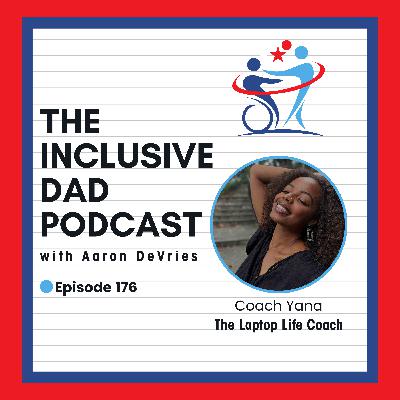
In this episode of The Inclusive Dad Podcast, host Aaron sits down with Coach Yana, a children’s confidence coach using video games like Roblox and Minecraft to build social skills, confidence, and belonging. Together, they explore what true inclusion really means, why many kids feel pressure to “fit in,” and how safe, intentional spaces can help children thrive—especially neurodivergent kids. Coach Yana shares her personal journey, the power of gaming as a connection tool, and simple ways parents and caregivers can nurture confidence, emotional intelligence, and inclusion in everyday moments.Key Takeaways:Inclusion Is Belonging - Inclusion means feeling seen, safe, heard, and valued exactly as you are.Gaming With Purpose - Video games can be powerful tools for building confidence and social skills when guided intentionally.Be Who You Needed - Coach Yana’s work is rooted in becoming the adult she wished she had growing up.Presence Matters - Even short, focused moments of undivided attention can deeply impact a child’s confidence.Let Kids Lead - Allowing children to make decisions builds leadership, trust, and self-belief.Coach Yana’s definition of inclusion:Inclusion is giving everyone the space to feel seen, safe, heard and welcomed.Coach Yana’s Bio:Coach Yana is a virtual confidence coach for children, celebrated for her imaginative and heart-centered approach that transforms how children see themselves. With the uplifting spirit of a former cheerleader, she creates a vibrant atmosphere where every child feels seen, encouraged and empowered to rise into their own leadership.Her vision is deeply rooted in community, service, and legacy. As a proud member of Delta Sigma Theta Sorority, Inc.and a former Girl Scout, Yana carries forward the values of sisterhood, leadership, and social impact in her work.Through WeUnik World, the natural hair care company she co-founded with her mother, she partners with Girl Scout councils and foster care agencies, providing workshops that nurture cultural pride, self-expression, and resilience in children and families.Through The Laptop Life Coach, she extends this mission online, offering interactive clubs, self- paced courses, and confidence- building resources that children can access anywhere. From playful storytelling adventures to challenges that stretch resilience, every experience is designed to meet children where they are— transforming learning into an adventure filled with joy, creativity, and empowerment.Her passion also flows into the Healed and Chilled Podcast, a soft space for cycle breakers,confidence seekers, and conscious caregivers. It’s where parents and guardians can ground themselves in clarity and calm, so they can model courage and confidence at home.Coach Yana doesn’t just teach confidence—she creates spaces where children can see it, hear it, feel it, and ultimately, live it.Connect with Coach Yana:Website: https://thelaptoplifecoach.com/YouTube: https://www.youtube.com/@thelaptoplifecoachInstagram: https://www.instagram.com/thelaptoplifecoachPodcast: https://podcasts.apple.com/us/podcast/healed-and-chilled/id1825381230SPAM© Count:Host:YesCurrent Guest:YesCumulative Guest Stats:Yes - 79No - 95☕ Buy me a Coffee: https://buymeacoffee.com/theinclusivedadSubscribe to Podcast Newsletter: https://www.theinclusivedad.com/podcastupdatesWant to be a guest on Inclusion and Advocacy from a Parent's Perspective: The Inclusive Dad? Send Aaron DeVries a message on PodMatch, here: https://www.podmatch.com/hostdetailpreview/theinclusivedad
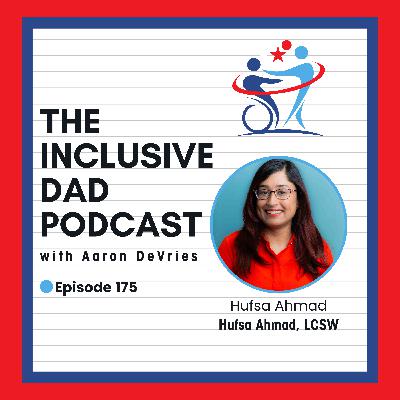
In this episode of The Inclusive Dad podcast, host AAron welcomes therapist, TEDx speaker, and disability advocate Hufsa Ahmad for a candid conversation about mental health, recovery, and what true inclusion requires. Hufsa shares her journey from engineer to therapist, living with bipolar disorder, ADHD, and chronic pain while challenging stigma in both professional and personal spaces. Together, they explore the power of humor in healing, the complexity of labels, and why empathy must replace judgment in inclusive care. Hufsa also reframes neurodivergence through resilience rather than victimhood, offering practical mindset shifts that help individuals and communities build a more compassionate, understanding world.Key Takeaways:Humor Heals - Laughter builds connection, makes complex concepts accessible, and helps regulate intense emotions during difficult conversations.Labels Matter - Labels can unlock services and community, but they can also limit how others perceive a person if used carelessly.Empathy Over Judgment - Inclusion grows when we seek understanding instead of making assumptions about others’ struggles.Recovery Spectrum - Substance use and mental health recovery are not one-size-fits-all; everyone’s path looks different.Resilience Mindset - Shifting from victimhood to survivorship empowers neurodivergent individuals to thrive despite imperfect systems.Hufsa Ahmad’s definition of inclusion:Inclusion is being compassionate and considerate towards each other.Hufsa Ahmad’s Bio:Hufsa Ahmad, LCSW (pronounced huff-sa), is a licensed therapist, scientist, award-winning mental health advocate, behavioral health consultant, and two-time TEDx speaker. She is known for combining science, clinical practice, and stand-up comedy to help individuals reframe their struggles as pathways to resilience. Drawing from her personal experiences with serious mental illness, addiction, imposter syndrome, and late-diagnosed neurodivergence, Hufsa captivates audiences with her powerful story, unique insights, and authentic charm.Hufsa is committed to promoting equity and inclusion for all identities and experiences. This commitment includes anti-racism, cultural humility, disability inclusion, neurodiversity, mental health, addiction, trauma-informed care, accessibility, and affirmation of gender and LGBTQ+ identities.Connect with Hufsa Ahmad:Website: https://hufsaahmad.com/SPAM© Count:Host:YesCurrent Guest:NoCumulative Guest Stats:Yes - 78No - 95☕ Buy me a Coffee: https://buymeacoffee.com/theinclusivedadSubscribe to Podcast Newsletter: https://www.theinclusivedad.com/podcastupdatesWant to be a guest on Inclusion and Advocacy from a Parent's Perspective: The Inclusive Dad? Send Aaron DeVries a message on PodMatch, here: https://www.podmatch.com/hostdetailpreview/theinclusivedad
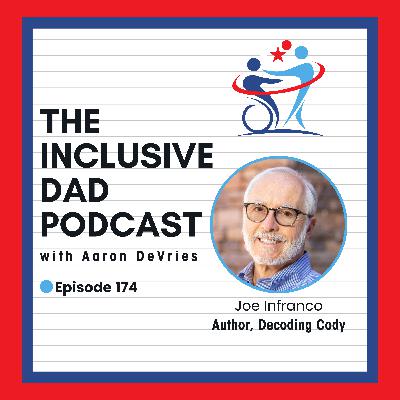
In this episode of The Inclusive Dad podcast, host AAron welcomes pastor, attorney, and author Joe Infranco to explore a fascinating intersection of faith, neurodiversity, and communication. Joe shares the story behind his book Decoding Cody and how relationships with non-speaking autistic individuals reshaped his understanding of intelligence, dignity, and spiritual awareness. Together, they discuss the power of assuming competence, the emerging role of spelling and AAC in unlocking voices, and why inclusion begins with seeing every person as inherently valuable. This conversation challenges listeners to reconsider long-held assumptions and embrace a more expansive view of human connection, purpose, and belonging in our shared communities today.Key Takeaways:Assume Competence - When we presume intelligence and capability, we create opportunities for people to reveal who they truly are.Unlocking Voices - Tools like spelling boards and AAC are transforming communication for non-speaking individuals.Dignity First - Inclusion starts by recognizing every person as worthy of respect regardless of ability.Spiritual Curiosity - Unexpected insights from neurodivergent individuals invite deeper reflection on faith and human experience.Shift Perspectives - Moving beyond biases helps families, churches, and communities become more welcoming and supportive.Joe Infranco’s definition of inclusion:Inclusion is our learning to see every human being we encounter as an image bearer of God and treating them that way. Every human being is entitled to dignity and respect.Joe Infranco’s Bio:Joseph P. Infranco serves as an associate pastor at Highlands Church in Scottsdale, Arizona, He is also an attorney who has been involved in hundreds of cases dealing with religious freedoms, including some concluded at the US Supreme Court.As an attorney, he has testified on religious freedom issues before the US Congress, the US Commission on Civil Rights, state and local legislative bodies, and has been a frequent lecturer at professional and bar association groups. Joe finished his legal career at Alliance Defending Freedom (ADF), where he served 18 years as a senior attorney and Vice President of Alliance Coordination. While there, he oversaw and trained an attorney network that grew to 3,200 attorneys nationally at his departure in 2020. Joe's pastoral focus is teaching, apologetics and helping the Church to respond to cultural issues. He has been a frequent speaker at church and ministry conferences and still serves as an advisor to nonprofits. His pastoral role recently took him into the world of special needs ministry, where he is passionate to help serve affected families. He is the author of Decoding Cody, which tells about young men and women with "non-speaking autism" who see into the spiritual dimension. He and his wife, Valerie, reside in Scottsdale and have three grown children and five grandchildren.Connect with Joe Infranco:Instagram: https://www.instagram.com/pastorjoeinfranco/SPAM© Count:Host:YesCurrent Guest:NoCumulative Guest Stats:Yes - 78No - 94☕ Buy me a Coffee: https://buymeacoffee.com/theinclusivedadSubscribe to Podcast Newsletter: https://www.theinclusivedad.com/podcastupdatesWant to be a guest on Inclusion and Advocacy from a Parent's Perspective: The Inclusive Dad? Send Aaron DeVries a message on PodMatch, here: https://www.podmatch.com/hostdetailpreview/theinclusivedad
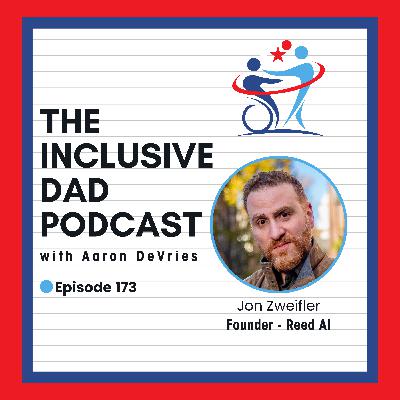
In this episode of The Inclusive Dad podcast, host AAron sits down with Jon Zweifler, autism dad and founder of Reed AI, to explore what inclusion really looks like when it’s built into everyday systems—not just good intentions. Jon shares his journey parenting a minimally verbal autistic son, unpacking how natural language, technology, and thoughtful design can unlock understanding without forcing people to mask or adapt unnaturally. Together, AAron and Jon talk about redefining togetherness, removing invisible barriers, and why inclusion must work even on hard days. This conversation is practical, honest, and deeply hopeful for families and educators alike.Key Takeaways:Systems Matter - Inclusion only works when it’s built into everyday systems, not treated as a feel-good sentiment.Natural Language Access - Using everyday language as a learning tool helps neurodivergent kids understand the world in real time.Together, Not Same - Being together doesn’t require doing the same activity—proximity and safety count.No More Masking - Parents and kids shouldn’t have to apologize or hide neurodivergence to belong.Purpose Over Product - Technology is most powerful when it serves human connection, not convenience.Jon Zweifler’s definition of inclusion:Inclusion needs to be baked into the existing systems that we all live in every day to enable comparable experiences for folks who experience the world differently.Jon Zweifler’s Bio:The father of a verbally challenged autistic son, Jonathan has a B.S. from the School of Speech (Northwestern), an M.S. in Communication Design (Pratt), and Executive Certifications (M.I.T) in Artificial Intelligence and Business Model Innovation. I never set out to build a company. I set out to solve a problem I just couldn’t ignore in our daily life.As a parent of a language-challenged child, I know what it feels like to watch your kid want to connect — to reach for words — but not have the right tools to bridge that gap.Every parent in our world knows that feeling — the mix of hope, heartbreak, and determination that comes with trying to help your child be understood.That’s where Reed came from. Reed isn’t just an app. It’s designed to be a bridge — one that helps kids understand the people and language in their world, across therapy, school, and home.It puts these kids back at the center of everyday conversations, instead of on the sidelines.So we sit at the intersection of literacy, and learning — making language acquisition more natural, sensory-rich, and human.I’ve seen what happens when the right tools meet the right kids. It’s not about screens or code — it’s about their confidence. The ability to understand, express, and belong in the world around them.Connect with Jon Zweifler:Website: https://meetreed.ai/Instagram: https://www.instagram.com/meet_reedLinkedIn: https://www.linkedin.com/company/reed-ai/posts/?feedView=allSPAM© Count:Host:YesCurrent Guest:YesCumulative Guest Stats:Yes - 78No - 93☕ Buy me a Coffee: https://buymeacoffee.com/theinclusivedadSubscribe to Podcast Newsletter: https://www.theinclusivedad.com/podcastupdatesWant to be a guest on Inclusion and Advocacy from a Parent's Perspective: The Inclusive Dad? Send Aaron DeVries a message on PodMatch, here: https://www.podmatch.com/hostdetailpreview/theinclusivedad

Comments

Download from Google Play

Download from App Store
 United States