


 Claim Ownership
The Rehab
Subscribed: 86Played: 576
Subscribe

© Copyright MHNR Network, LLC
Description
The Rehab show is about overcoming drug addiction. The topics range from medical treatment to spiritual fellowships and psychotherapy. Other forms of therapy will be explored as well. The underlying theme is that everyone is different and we cannot apply a single method of treatment to all people and expect it to work. Listening carefully to what works and does not work for an individual, treating people with respect and understanding that behaviors caused by addiction are the result of a medical condition are important. Patients presenting for treatment of addiction should be addressed with caring, compassion and understanding.
93 Episodes
Reverse
Technology for Change: David Gandini and the Fight Against Alcohol AbuseMeet David Gandini: Tech Innovator and Social EntrepreneurDavid Gandini is a serial tech entrepreneur known for building six companies across diverse industries. He began his career in telecommunications after studying at Michigan State University.Gandini’s early ventures included fiber optic networks in Detroit, and he later developed faster call connection technologies for long-distance carriers. He has raised over $250 million for various start-ups, showing a talent for scaling new technologies.Notably, he co-founded and grew a credit card and gift card processing company, handling over 50 million cards. After several successful exits, Gandini shifted his focus to social impact by joining SOBR Safe, where he currently serves as Chairman.Now, Gandini leads the effort to use innovative technology to address the dangers of alcohol abuse and improve accountability. His vision is to create tools that empower individuals and communities while leaving a positive mark on society.The Beginnings of SOBR Safe: Addressing a CrisisAlcohol abuse is a global problem affecting millions of individuals and families. Gandini recognized the urgent need for better solutions beyond traditional methods.Many people on the road or at work can be endangered by others who drink irresponsibly. Gandini’s team wanted to replace outdated tools like breathalyzers, which offer limited real-time monitoring.Initially, SOBR Safe developed new hardware and software to detect alcohol early and efficiently. However, building both trust and a reliable product proved more challenging than expected.Over the last five years, SOBR Safe has worked closely with behavioral health specialists and customers. Their approach shifted from just catching people drinking to supporting recovery and accountability through technology.How SOBR Safe Technology WorksSOBR Safe’s technology measures alcohol through the skin rather than the breath. This allows for early detection within 15 to 45 minutes of drinking, depending on various biological factors.The system uses a transdermal sensor housed in a wristband or a stationary device. When individuals use the device, it detects ethanol, and the data is automatically recorded.Unlike traditional breathalyzers, SOBR Safe’s solution is less invasive and offers real-time reporting. Trusted contacts such as sponsors, spouses, or clinicians can monitor progress or receive alerts.All relevant information is displayed on a digital dashboard, which makes it easy for healthcare providers to support many patients at once. This approach helps establish confidence, accountability, and timely interventions.Building Trust and Acceptance in Recovery CommunitiesTrust is crucial when supporting people struggling with alcohol use. Gandini and his team learned that individuals often distrust technology if it feels punitive or intrusive.To address this, SOBR Safe worked to create devices that empower users rather than punish them. The wristbands and stationary devices serve as nonjudgmental behavioral tools.Over 18 months in the behavioral health field, the company focused on building relationships with facilities and clients. As word spread about the effectiveness and supportiveness of the technology, demand grew organically.The technology is not just for those aiming to quit completely—some people use it to help control or reduce their drinking. By demonstrating accountability to themselves or others, users feel more supported on their journey.As a result, more people in the recovery space now trust and use SOBR Safe’s solutions, viewing them as allies rather than adversaries.Versatile Applications: Beyond Individual RecoverySOBR Safe’s technology is flexible enough to serve many purposes. Parents use the wristbands to help young people monitor their habits as they head off to college.Employers in high-risk sectors, such as oil and gas, utilize these tools to reduce workplace accidents. Some international programs now require monitored alcohol abstinence for doctors or lawyers to keep their licenses.The dashboard provides healthcare providers with an efficient, real-time way to track multiple individuals. Alerts are triggered if someone removes their band or if alcohol is detected.Additionally, SOBR Safe is piloting their system in countries where alcohol policies are especially strict, like Italy and India, expanding their impact globally.The Challenges of Changing Established SystemsIntroducing new technology in fields with rigid traditions proved difficult for Gandini and his team. Some organizations resisted change due to financial priorities or union agreements.In the United States, SobR Safe’s team found that even school districts allowed bus drivers to have certain blood alcohol levels on duty. Potential clients sometimes worried that strict monitoring might cause staff shortages.Despite these challenges, SOBR Safe has found allies in companies where safety is crucial. Long-term clients in industries like oil and gas report reduced accidents and a positive shift in workplace culture.As insurance costs rise, there is potential for future collaborations with life and auto insurance providers. Demonstrating safety and accountability with real data could eventually drive broader adoption.Looking Forward: A Global Mission for Safer CommunitiesDavid Gandini sees SOBR Safe’s technology as a crucial tool in the larger fight against alcohol abuse. There are an estimated 800 million people globally who struggle with alcohol-related issues.The company continues to collect data and work with behavioral health professionals to refine their products. As SOBR Safe’s reach grows, Gandini hopes to support even more individuals, families, and organizations.Future goals include building machine learning models to support personalized interventions and partnering with international organizations. Expanding into new markets could help address alcohol misuse on an even larger scale.Gandini believes the most meaningful accomplishment of his career will be helping people live safer, healthier lives. With each technological advance, SOBR Safe strengthens the network of care around vulnerable communities.

The Essentials of Eye Health: Nutrition, Screen Time, and PreventionIntroducing Dr. Rani Banik: Integrative Eye Health ExpertDr. Rani Banik is a leading expert in integrative neuro-ophthalmology. She combines her training as an ophthalmologist and neuro-ophthalmologist with a certification in functional medicine.Her approach brings together traditional eye care and holistic methods. She focuses on uncovering the root causes of eye problems rather than only treating symptoms.Dr. Banik is the founder of Envision Health NYC, a private practice in Manhattan’s Upper East Side. She divides her time between her practice and academics, where she teaches and conducts research.Her book, "Beyond Carrots," provides guidance on nutrition for eye health. Dr. Banik is also the organizer of the Eye Health Summit, a free online event designed to educate and empower the public.Her work advocates for preventive care, lifestyle changes, and overall eye wellness. This comprehensive approach helps patients maintain healthy vision for life.What Is Integrative Neuro-Ophthalmology?Integrative neuro-ophthalmology focuses on the connection between the eyes and the brain. Nearly half of our brain is dedicated to how we see.Dr. Banik’s practice looks at both traditional and holistic approaches. She helps patients identify the causes of their eye problems, not just the symptoms.Her recommendations include nutrition, lifestyle changes, and, when necessary, supplements or botanicals. By blending different strategies, patients receive a personalized treatment plan.This integrative approach takes more time and attention than typical office visits. Dr. Banik’s private practice allows her to spend the time needed with each individual.Through this method, she aims to provide sustainable solutions for lasting eye health. Patients benefit from both medical expertise and holistic support.The Role of Envision Health NYCEnvision Health NYC offers an environment focused on thorough, patient-centered care. Set on the Upper East Side, the practice is close to Central Park and shopping districts.Patients appreciate the location, often spending time in the park while waiting for their exam. This comfortable setting encourages a relaxing experience.Dr. Banik moved from full-time academic medicine to open this practice. The private setting allows for longer patient visits and a more comprehensive approach.She continues to teach and conduct research at New York Eye and Ear Infirmary. This ongoing academic work ensures her methods remain up to date.Her practice serves as a model for combining evidence-based medicine and holistic care. Patients experience in-depth support in all aspects of vision health.The Power of Nutrition in Eye HealthMany people believe eating carrots guarantees perfect vision, but this is a misconception. Dr. Banik’s book, "Beyond Carrots," explains that more than 30 nutrients are needed for healthy eyes.She highlights over 40 foods that contain these essential nutrients. The book provides suggestions for eye health issues like dry eye, cataracts, and macular degeneration.Nutrition is best received through whole foods whenever possible. A varied and balanced diet supports the health of your eyes and body.For those with dietary gaps, the right supplements may be beneficial. Still, nutrition from food remains the foundation of Dr. Banik’s recommendations.Her food-based approach helps people make simple, sustainable choices. Eye health can improve with mindful eating and natural sources of nutrients.Managing Screen Time: Tips to Protect Your EyesDr. Banik emphasizes that while screen use does not cause permanent eye damage, it can lead to discomfort. Digital eye strain is a common result of hours in front of screens.Short-term symptoms may include blurry vision, trouble focusing, dry eyes, headaches, and neck strain. Children and adults both experience these problems with increased screen use.To manage these effects, Dr. Banik suggests practical steps. Her first tip is the 20-20-20 rule: every 20 minutes, look at something 20 feet away for 20 seconds.She also advises increasing blink frequency, using built-in blue light filters, spending more time outdoors, and boosting nutrition with specific nutrients like lutein and zeaxanthin.These five strategies are simple to implement and can help reduce eye strain. With mindful habits, you can maintain comfort even with frequent screen use.The Importance of Outdoor Time for Eye HealthTime outdoors plays a vital role in preventing nearsightedness, particularly in children. Dr. Banik notes that spending time outside helps reduce the risk of myopia, which is on the rise.The modern lifestyle often keeps us focused on screens or activities at arm’s length. Our eyes were not designed for prolonged close-up work.When children spend more time focusing up close, their eyes may elongate. This increases the likelihood of nearsightedness and future eye complications.Some places now mandate outdoor time during school to address this epidemic. Dr. Banik hopes to see similar steps adopted widely.Both children and adults benefit from balancing screen time with outdoor activities. Sunlight and distance vision support healthier eyes.Prevention and Awareness: Everyday Eye SafetyDr. Banik explains that simple habits can prevent many eye issues. UV protection outdoors is critical, so wearing sunglasses that block 100% of UVA and UVB rays is recommended.Price does not matter as long as sunglasses offer full UV protection. Wide frames also shield the delicate skin around the eyes from harmful sunlight.For athletes, wearing protective eyewear during contact sports is essential. One injury could result in vision loss that might have been avoided.Using care with personal items such as ointments can protect delicate eye tissues. Even fumes from certain products can irritate your eyes.Finally, annual eye exams are important for everyone over age 40. Regular checkups can detect over 200 medical conditions and keep your vision on track.Conclusion: Taking Action for Lifelong VisionMaintaining eye health requires proactive steps and balanced habits. Dr. Banik’s integrative approach combines nutrition, prevention, and regular exams.Her practice and resources help patients take charge of their own eye wellness. Simple lifestyle adjustments can have a lasting impact on vision.Whether it’s following the 20-20-20 rule or wearing sunglasses, each action counts. Being aware of everyday risks supports better eye health.Participating in educational events, such as the Eye Health Summit, further empowers individuals. Staying informed is key for lifelong vision care.By prioritizing eye health now, you help ensure a future of clear, comfortable sight. Your eyes deserve attention every single day.

Paul Perrier's Journey: Biking Across Canada to Raise AwarenessThe Inspiration Behind the RideHave you ever felt the urge to break free and do something extraordinary? Paul Perrier, the author of "Cracked Wide Open," decided to pursue such a dream.In an incredible act of courage and commitment, Paul embarked on a cross-Canada bike tour to promote his book and raise mental health awareness. Leaving Toronto on July 1 and covering an astounding 5500 kilometers, his route traversed from Saint John's in the east to Vancouver and back to Toronto.Facing Challenges Head-OnCycling such a vast distance posed numerous, sometimes unexpected, challenges. Paul admitted, "I naively kinda went out there going out how hard could this be," but soon realized the reality was quite different.Despite these difficulties, he aimed to explore the state of Canada post-COVID. Along the way, he observed severe addiction and homelessness issues. Paul felt that these social problems had worsened compared to his earlier film on drug addiction.Meeting People and Hearing StoriesThroughout his journey, Paul encountered a diverse range of individuals. Many came forward to share their experiences, from former addicts to those currently struggling with homelessness.These interactions were often spontaneous and unplanned. The conversations added a profound depth to his ride, shedding light on the human stories behind addiction and homelessness.Documenting the PilgrimagePaul's journey was more than just a bike ride; it was meticulously documented. Using only his iPhone and a 360-degree camera, he captured remarkable footage of the entire trip.This visual diary is now being edited into a compelling film. The movie will interweave stunning Canadian landscapes with the harsh realities of addiction, offering a unique and immersive perspective.The Spiritual and Personal ImpactFor Paul, this journey was a form of pilgrimage, deeply personal and spiritual. He confessed, "I needed to get out of Toronto," highlighting the therapeutic impact of his expedition.Cycling across Canada's vast, breathtaking landscapes offered him a sense of tranquility and connectedness. It provided an opportunity to explore both himself and larger societal issues more profoundly.Paul Perrier's journey was not just a physical endeavor but an eye-opening experience. By facing challenges head-on, meeting diverse individuals, and documenting his trip, Paul created a narrative that is both compelling and essential. In your own life, how will you step out of your comfort zone and make an impact?Please visit our websites: https://drleeds.com and https://therehab.com

In this episode, host Dr. Mark Leeds interviews Ginelle Testa, author of the upcoming memoir "Make a Home Out of You." Ginelle Testa is a writer and content marketer based in Boston, MA. She holds a master's degree in digital marketing and design from Brandeis University. Testa has overcome addiction, eating disorders, and relationship issues, using her experiences to craft a powerful memoir. Her work has been featured in various publications, and she is passionate about helping others through sharing her story.This insightful conversation explores Testa's journey through addiction, recovery, and self-discovery. Testa discusses her upcoming memoir, which details her struggles with substance abuse, disordered eating, and unhealthy relationships. She shares her experiences with various recovery programs, including Alcoholics Anonymous and Sex and Love Addicts Anonymous, and how these have shaped her healing process.The discussion touches on important topics such as codependency, the challenges of writing about personal experiences, and the process of publishing a memoir. Testa provides valuable insights into her writing process, including her participation in National Novel Writing Month (NaNoWriMo) as a catalyst for her book.Dr. Leeds and Testa also delve into broader topics related to addiction and recovery, including the use of medication-assisted treatments, the role of 12-step programs, and the complexities of eating disorders. They explore the concept of "making a home in oneself" as a crucial aspect of recovery and personal growth.The episode offers listeners a candid look at the challenges and triumphs of overcoming addiction and finding self-acceptance. Testa's story provides hope and inspiration for those struggling with similar issues, while offering valuable perspectives on the recovery process.Please visit our websites: https://drleeds.com and https://therehab.com
Dr. Andrew Hill is the founder of Peak Brain Institute and a leading neurofeedback practitioner and biohacking coach for clients worldwide. He has lectured on psychology, neuroscience, and gerontology at UCLA’s Department of Psychology where he received a PhD in Cognitive Neuroscience. At Peak Brain, Dr. Hill provides individualized training programs to help you optimize your brain across goals of stress, sleep, attention, brain fog, creativity, and athletic performance. He is the host of the Head First podcast and continues to do research on attention and cognitive performance. Learn more about Dr. Hill's work here: https://peakbraininstitute.com/Instagram: @andrewhillphd @peakbrainLAYoutube: https://www.youtube.com/DrHill/Websites: https://www.peakbraininstitute.com, https://www.andrewhillphd.comThe journey through addiction, dependence, and recovery is an intricate process, often paved with numerous hurdles and requiring a multifaceted approach for successful reintegration. Benzodiazepine dependence, in particular, presents a unique set of challenges. Many individuals dependent on these medications may not classify themselves as addicted, yet they bear the brunt of long-term protracted withdrawal. This withdrawal is characterized by symptoms such as pain, anxiety, and sleep disruptions. Reliance on neurofeedback has shown great promise in ameliorating these distressing symptoms, providing a beacon of hope and recovery.Neurofeedback operates by training the brain in real-time to cultivate desired brainwave patterns, thus aiding in the regulation of emotional and physiological states. The process capitalizes on modern, more affordable consumer-driven technology, allowing individuals to engage in this intervention from the comfort of their homes. This accessibility is crucial, especially for those grappling with the debilitating effects of withdrawal from high doses of benzodiazepines, which can impair learning and reduce the effectiveness of neurofeedback. By integrating regular neurofeedback sessions—encouraged at around four times a week—clients can start to perceive noticeable improvements in anxiety management, executive function, and sleep quality.The technique has shown encouraging outcomes beyond just benzodiazepines. Users facing issues with stimulants and cannabis can also benefit from neurofeedback, as it aids in wiping away acquired tolerance and promotes better substance use regulation. For individuals dealing with impulsivity, inattentiveness, and anxiety, this brain training can lead to reduced drug abuse and enhanced control over behaviors. Through consistent application, neurofeedback can erase acquired problems caused by substance abuse, trauma, or sleep issues, demonstrating the brain's remarkable adaptability and potential for rapid alleviation of difficulties.In conjunction with neurofeedback, interventions like ketamine therapy, psilocybin, and EMDR are also making waves in the therapeutic landscape. These methods emphasize the significance of the set and setting, support structures, after-effects, and integration steps. Ensuring these interventions occur within a clinical setting is paramount to maximizing their benefits while mitigating risks. Neurofeedback, when used synergistically with these therapies, can further enhance brain plasticity, although it is crucial to understand that the brain's inherent plasticity is a continuous process and should not solely rely on external solutions.The scientific advancements in understanding brain function and the subsequent development of neurofeedback techniques have revolutionized how we address addiction and brain-related conditions. From training specific brainwave patterns to controlling craving behaviors, neurofeedback provides a structured, graded approach to brain health. Techniques like SMR training and alpha-theta training focus on improving executive function, emotional regulation, and sleep architecture, proving particularly beneficial for individuals battling alcohol addiction and other substance use disorders.However, it is essential to remain cautious of certain conventional methods such as binaural beats and visual entrainment devices, which studies have shown to be largely ineffective. Instead, avenues like biofeedback for heart rate variability and vagus nerve training offer more grounded and beneficial techniques, underscoring the importance of validated, evidence-based approaches.For more comprehensive insights into addiction, dependence, recovery, and cutting-edge therapeutic interventions, we invite readers to visit the following websites: https://drleeds.com and https://therehab.com. These resources offer valuable information and guidance on navigating the complexities of substance dependency and mental health.
Nicole Lamberson is a recognized advocate for safer drug dependence treatment. As a survivor of dangerous detox practices, she co-founded the Benzodiazepine Information Coalition (BIC) to educate on the adverse effects of benzodiazepines. Her efforts emphasize the critical distinction between physical dependence and addiction. Nicole collaborates with the American Society of Addiction Medicine to shape deprescribing guidelines, ensuring compassionate and informed patient care.In this episode, Nicole Lamberson of the BIC and Dr. Leeds explore the harrowing realities of addiction treatment and drug dependency, and the dangers of going to detox or rehab with a benzodiazepine dependency.They share personal insights and expert knowledge on the need for a reformed approach to managing medication tapering and addiction treatment.Discover the crucial differences between physical dependence and addiction, and why they matter.Learn about the potential dangers of rapid detoxification and the importance of gradual tapering with substances like buprenorphine.Explore alternative methods for tapering, including the use of compounded medications and home techniques for dose reduction.Hear about the influences of the pharmaceutical industry on prescription practices and the risks associated with psychiatric medications.Find out how universal healthcare regulations in other countries could influence better prescribing rules compared to the U.S. system.Visit https://www.benzoinfo.com/ to learn more about Nicole Lamberson's work.And please visit our websites for more information, https://drleeds.com, https://benzodoc.com, and our podcast website, https://therehab.com.
Dr. Steven Pratt, M.D., is a distinguished expert in behavioral health and substance use treatment, renowned for his holistic and empathetic approach to therapy. With a robust medical background, Dr. Pratt has dedicated a significant portion of his career to understanding the complex interplay between trauma and addiction. He has been instrumental in promoting trauma-informed care, emphasizing the need to reshape treatment environments to be welcoming and non-triggering for patients who have experienced significant adversity.His expertise is significantly influenced by the groundbreaking Adverse Childhood Experiences (ACE) Study, an extensive survey conducted in the mid-1990s. This pivotal research highlighted the profound impacts of childhood trauma on long-term health outcomes, laying the foundation for many of Dr. Pratt's therapeutic strategies. He has persistently advocated for the integration of ACE-related insights into contemporary healthcare practices, underscoring the necessity of universal trauma precautions to improve public health and enhance patient retention in treatment programs.In addition to his clinical practice, Dr. Pratt is a strong proponent of harm reduction and motivational interviewing techniques. He champions a multifaceted approach to substance use treatment, tailoring interventions to meet the unique needs of each individual. His stance against traditional "tough love" methodologies favors allowing natural consequences to guide behavior change, emphasizing empathy and compassion without enabling negative behaviors.Dr. Pratt's innovative thinking extends to exploring the potential of artificial intelligence in therapy. He remains hopeful about the development of new tools that can augment healthcare providers' efforts, given the current scarcity and high costs of therapists. His interest in integrating advanced technological solutions with empathetic care practices marks him as a forward-thinking leader in his field.With a commitment to improving therapeutic outcomes through evidence-based practices and innovative approaches, Dr. Steven Pratt continues to make significant contributions to the field of behavioral health, inspiring both his peers and patients alike with his dedication and vision.Substance use treatment is a complex and multifaceted domain requiring a nuanced understanding of various factors that contribute to addictive behaviors. Recent discussions emphasize the role of trauma as a significant trigger for substance use, particularly intravenous drug use. The pioneering Adverse Childhood Experiences (ACE) study offers fundamental insights into this issue. Conducted in the mid-1990s, the study surveyed 13,000 patients and examined the effects of adverse childhood experiences such as physical abuse, neglect, and exposure to domestic violence. The results revealed a profound correlation between high ACE scores and increased likelihood of poor health choices and behavioral health issues, including substance use.The evolving conceptualization of substance use from a character flaw to a disorder or illness underscores the need to address trauma as a core element of treatment. Trauma-informed care has emerged as a critical approach in healthcare settings. By cultivating a welcoming and non-triggering environment, providers can better accommodate individuals whose behaviors are shaped by traumatic experiences. This person-centered model, coupled with positive behavioral supports, is designed to enhance patient retention and improve public health outcomes.Additionally, treatment strategies such as harm reduction and motivational interviewing have proven effective, particularly for individuals in the precontemplative stage of change readiness. Empathy and resistance management are crucial when working with this group. Traditional "tough love" approaches, where individuals are penalized for relapsing, have been found counterproductive in many cases. Instead, allowing natural consequences to influence behavior changes is advocated, thereby fostering autonomy and self-responsibility.The shortage of therapists and the high cost of therapy have led to exploring innovative solutions such as the integration of artificial intelligence (AI) in therapeutic settings. AI systems, exemplified by recent advancements in emotional and voice-responsive ChatGPT, may offer new avenues for providing support. While these tools hold promise, they are part of a broader toolkit required for effective substance use treatment and recovery.Medication-assisted treatment offers another vital component in the multifaceted approach to substance use. While there are currently limited options for cocaine and methamphetamine addiction, medication-assisted treatment has shown effectiveness in managing opioid and alcohol use disorders. The simultaneous use of multiple substances presents additional treatment challenges, necessitating ongoing research and development of more comprehensive solutions.Addressing substance use requires a multi-pronged approach that integrates trauma-informed care, harm reduction, motivational interviewing, and medication-assisted treatment. Incorporating innovative tools such as AI can further enhance the effectiveness of these strategies.To gain deeper insights and expand your understanding of these critical issues, please visit https://drleeds.com and https://therehab.com.
Here is a podcast description based on the interview with Brad Stoddard:Brad Stoddard is a healthcare entrepreneur who has made it his mission to improve the patient experience in mental health care. Despite not having a clinical background himself, Brad has used his business acumen and customer service mindset to transform Sunrise Mental Health.In less than a year, Sunrise Mental Health has already outgrown its original office space due to the welcoming, upscale environment Brad and his team have created. By focusing on the details - from the office decor to providing snacks and drinks in the waiting room - they aim to make patients feel calm and cared for from the moment they walk in. Brad also prioritizes hiring genuinely friendly front desk staff to greet patients.But Brad's approach goes beyond superficial touches. Sunrise responds to all patient inquiries within minutes, even calling back missed calls when no voicemail is left. They offer both in-person and telehealth appointments to maximize convenience. And Brad analyzes the patient journey from A to Z to identify and address any potential pain points or frustrations. The results speak for themselves - Sunrise is rapidly growing through word-of-mouth referrals from satisfied patients. Brad's experience demonstrates the power of prioritizing the patient experience in healthcare. By combining business best practices with a true commitment to customer service, mental health practices can create an environment where patients feel welcomed and supported.While clinicians need to focus on providing excellent care, partnering with business leaders who share their values can take the patient experience to the next level. Brad Stoddard is leading by example and showing what's possible when mental healthcare puts patients first.Please visit Sunrise Mental Health here: https://www.srmentalhealth.com/And, please visit our podcast websites here: https://drleeds.com and https://therehab.com.
Paul Perrier is a man whose life tells a tale of artistry, resilience, and compassion. His memoir, "Cracked Wide Open," reveals his evolution from photographer to documentary filmmaker, drawing readers into the intimate realities of his subjects.Perrier is known for his unflinching lens and an unwavering dedication to truth-telling, qualities on full display in his seminal work, "Crack Not Broken." This real-time documentary, unplanned and raw, captures the desperate struggle of Perrier's ex-wife’s oldest friend, a woman ensnared by addiction who turned to prostitution to sustain her crack cocaine dependency.Shot within the confines of a downtown Toronto hotel room in just one hour, "Crack Not Broken" is not only a compelling narrative but also a vessel for change. Although the primary goal was to aid the subject’s journey to sobriety, Perrier held onto hope that his documentary would resonate beyond a single individual, serving as a beacon of awareness and potentially guiding others towards the path of recovery.Through his work, Paul Perrier documents the human condition in its most fragile forms, endeavoring to make an impact that ripples far beyond the shutter's click or the film’s final frame.Paul gives us an insider's look into his intriguing life, shedding light on his documentary work, especially his ground-breaking film "Crack Not Broken," which spotlights the gripping plight of a woman battling crack cocaine addiction.This profound work not only made it to the Oprah Winfrey show but emerged as an inspiring segment in an HBO addiction series.We’ll explore the intricate web of addiction, the role art plays in healing, and the gritty realities of an artist's life.Paul’s firsthand account of his experiences will unravel the financial and emotional fabric of an artistic career and the toll it can take.We also touch on the moving story of Lisa, whose journey to recovery after the spotlight shines on the human cost of addiction and the ripple effect on families and communities.Paul's unwavering belief in the power of art and storytelling manifests as a beacon of hope, not just for those grappling with addiction but for creatives everywhere.In our conversation, we divert into the contemporary issue of technology, examining its addictive nature and its impact on personal relationships and society at large.Paul draws parallels between substance addiction and our growing dependency on social media, bringing critical attention to the way these platforms are reshaping our interactions.Through highs and lows, Paul Perrier's story is one of resilience and dedication. "Cracked Wide Open" stands as a testament to his journey and as an offering of solace and motivation for those struggling.Get Paul Perrier's book here: https://a.co/d/6Qry01WPlease visit our websites here: https://therehab.com and https://drleeds.com.
Eric Fisher's life story is one that intertwines the discipline of martial arts with the transformative power of recovery. As a young man, Eric was captivated by the mystique and philosophy of martial arts.Eric's imagination was sparked by the imagery he associated with martial arts: mastery, focus, and an indomitable spirit.This fascination led Eric down a path of dedication and resilience, eventually culminating in his own journey of personal recovery.Recognizing the potent parallels between the teachings of martial arts and the process of recovering from life's challenges, Eric went on to author a book. His work explores this unique nexus, sharing insights on how the focus and discipline learned in martial arts can be leveraged to aid in recovery and personal growth.Eric's story is a testament to the power of integrating these two worlds, and through his book, he hopes to inspire others to find balance and strength within themselves.In this episode of The Rehab, host Dr. Mark Leeds is joined by guest Eric Fisher to discuss Eric's upcoming book, "The Martial Art of Recovery." The book aims to provide practical and down-to-earth concepts that can aid those in recovery from addiction.Eric shares his excitement about the unique approach to recovery and draws parallels between martial arts, spirituality, and addiction treatment. The conversation goes into various addictions, the challenges of treating substances like cocaine and cannabis, and the complexities of dependence and addiction.The episode concludes with a look at pre-order details and how to connect with Eric Fisher. Join us for this enlightening discussion on addiction and recovery.Please visit our websites here: https://therehab.com and https://drleeds.com.
Dr. Nicholas Kardaras is recognized as a leading expert in the field of addiction psychology, a reputation earned through his pioneering investigations into a pressing concern of the modern social landscape. His journey into this area of expertise is a personal one; having battled and overcome substance addiction himself, he proudly stands with 24 years of personal recovery experience.Kardaras has been an integral part of the mental health community, working within treatment centers, overseeing programs, and imparting knowledge as a professor at Stony Brook Medicine. About a decade ago, his keen observations led him to identify an alarming trend: individuals of all ages, from children to adults, were increasingly exhibiting signs of addictive behavior triggered by the digital world—ranging from gaming-related psychosis to social media-induced indoctrination.Dr. Kardaras continues to distinguish himself through a deep commitment to understanding and combatting the digital dependencies that threaten the well-being of society. His story is one of personal triumph and professional dedication, a combination that allows him to serve as both a witness and a warrior in the fight against addiction.In this episode, we explore the digital world’s darkest corners with our esteemed guest, Dr. Nicholas Kardaras. As an expert on digital addiction, Dr. Kardaras brings to light the shocking truths about social media’s impact on mental health, particularly among adolescents.We’ll explore lawsuits aimed at making tech giants accountable for toxic content and discuss why these platforms’ algorithms could be seen as complicit in the growing mental health crisis.Join us as we compare the influence of tech companies with that of drug dealers, dissect the intentional and addictive design of online platforms, and consider the troubling effects on developing minds.Dr. Kardaras, a psychologist with firsthand recovery experience, will share chilling insights from his books, including "Digital Madness," on how screen time can lead to physical, psychological, and social detriments.Prepare for a candid conversation about the modern tech landscape, the urgent need for age-appropriate tech use, and strategies for building a healthier, more resilient next generation.It’s a timely discussion that calls for critical thinking, moderation, and a revolution in our relationship with technology.Please visit Dr. Kardaras here: https://www.drkardaras.com/Please visit our websites here: https://therehab.com and https://drleeds.com.
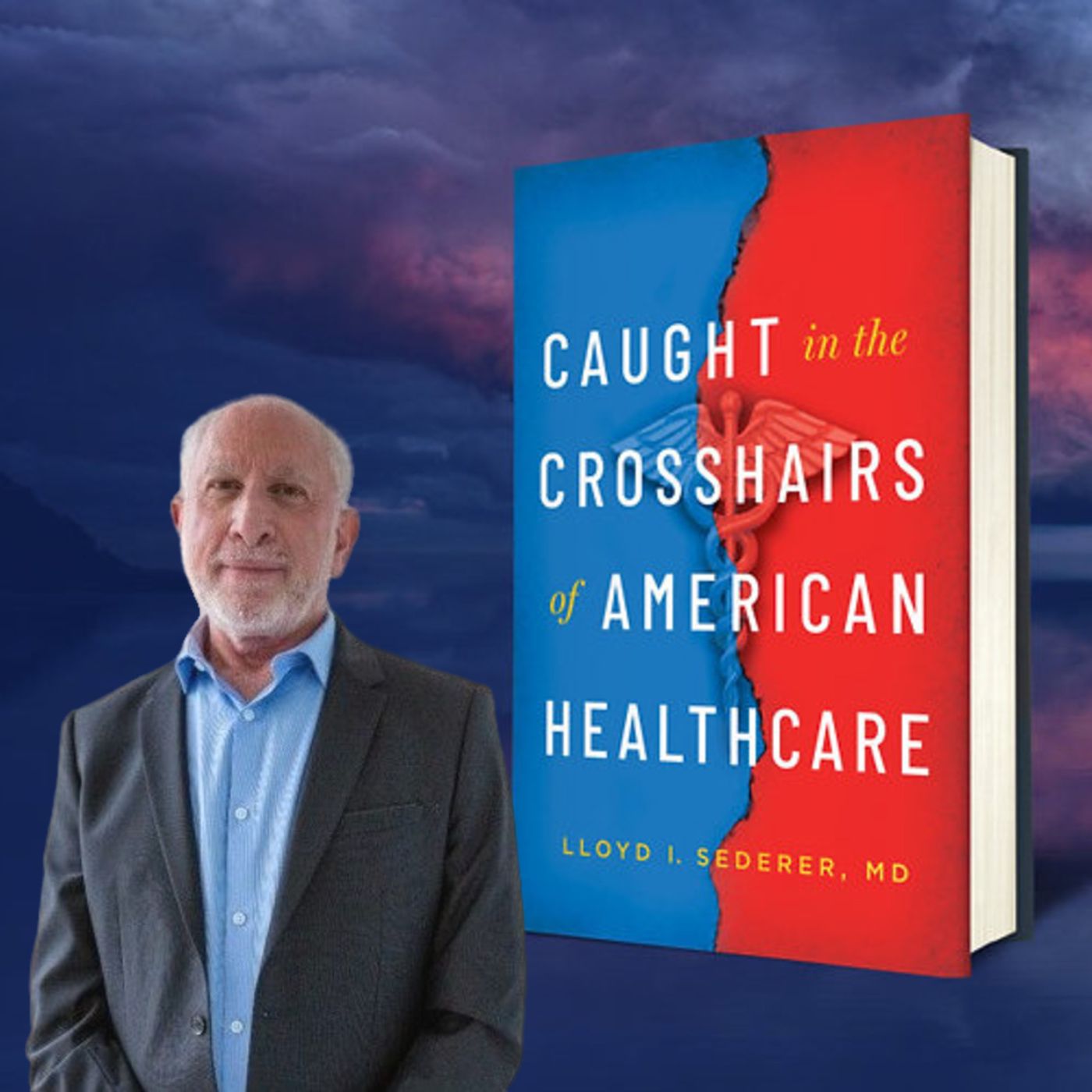
Dr. Lloyd I. Sederer, MD, is a distinguished psychiatrist, public health expert, and prolific non-fiction author. He is an Adjunct Professor at the Columbia University School of Public Health. He has served as as the Chief Medical Officer/Executive Vice President of McLean Hospital, a Harvard teaching hospital; Mental Health Commissioner of New York City (in the Bloomberg administration); and Chief Medical Officer of the New York State Office of Mental Health, the nation's largest state Mental Health Agency, Dr. Sederer has played pivotal roles in shaping mental health policies and responses. He's renowned for leading major mental health disaster responses, notably for the events of September 11th and the aftermath of Hurricane Sandy. Dr. Sederer has been recognized with numerous awards, such as the Doctor of the Year award from The National Council on Behavioral Health; he has also served as a Rockefeller Foundation Scholar in Residence and received the Exemplary Psychiatrist Award from the National Alliance on Mental Illness.His professional association, the American Psychiatric Association (APA), named him Psychiatric Administrator of the Year, and in a different year, he received the APA's award for Excellence in Teaching Residents. Dr. Sederer has published 14 books, the first seven for medical professionals (two with multiple editions) and, more recently, seven for a general audience.He has published approximately 500 articles for print and online publications, including The New York Times, The Wall Street Journal, Scientific American, The Lancet, Medscape, The Atlantic, The Tennessean, Commonweal, and US News and World Report (where he wrote an Opinion column). He was Medical Editor for Mental Health at the HuffPost, where more than 100 of his articles, audios, and videos appeared.Currently, he is a Contributing Writer for Psychology Today (with more than 100 articles to his name), Psychiatric Times, and The New York Journal of Books.Dr. Sederer lives in Concord, New Hampshire, with his wife and dog. His extensive expertise makes him a compelling guest for our podcast, where we'll explore his insights on mental health, public health, and the evolving landscape of healthcare.In this episode of "The Rehab," host Mark Leeds, D.O., and guest Lloyd Sederer, M.D., engage in a thought-provoking discussion about the complexities of the American healthcare system. Dr. Sederer, a distinguished psychiatrist and public health expert, sheds light on the challenges faced within the industry, drawing from his extensive experience.The conversation touches on various issues, from the influence of for-profit corporations to the impact on patient care and the healthcare workforce. Dr. Sederer shares compelling insights from his latest book, "Caught in the Crosshairs of American Healthcare," where he outlines the pervasive influence of profit-driven entities and offers potential solutions for patients, healthcare professionals, and the judicial system.Join Mark Leeds and Dr. Lloyd Sederer as they delve into this critical analysis of the American healthcare landscape and explore actionable measures to address its complexities.Visit Dr. Lloyd Sederer at https://askdrlloyd.com. Please visit our websites here: https://therehab.com and https://drleeds.com.
 1
1Welcome back to another captivating episode of The Rehab, where we explore the depths of personal growth, self-reflection, and overcoming addiction. In this highly anticipated installment, host Mark Leeds, D.O., welcomes esteemed guest Lorraine Nilon, spiritual explorer and author. Join us as we delve into the profound journey of reconnecting with our inner truth, embracing authenticity, and navigating the complexities of recovery.In this episode, Mark and Lorraine dive deep into the importance of acknowledging and honoring our emotions, shedding light on the fear and resistance many individuals face when confronted with their true selves. Together, they highlight the detrimental effects of suppressing emotions and carrying negative beliefs and baggage, emphasizing the crucial role of self-reflection in the recovery process.Lorraine's unique perspective on spirituality brings a whole new dimension to the discussion. Drawing from personal encounters with the supernatural, she discusses her belief in experiences beyond the physical world and the significance of individual souls within the vastness of the universe. Through exploration and a personal relationship with the unknown, Lorraine encourages listeners to go beyond belief systems and develop a friendship with the mysterious.The conversation takes an illuminating turn as Mark recounts his own journey and realization that he is meant to work independently rather than for others. Layered with personal anecdotes and insights, he shares his transition into podcasting and the profound sense of fulfillment he derives from sharing information through this powerful medium.Throughout the episode, Lorraine's expertise in helping people through the recovery process shines through. She provides valuable wisdom and practical advice, reminding us of the importance of finding what resonates with us individually, rather than succumbing to societal expectations or belief systems that do not align with our own truth.As the conversation unfolds, Lorraine delves into the transformative power of self-reflection and its role in nurturing personal growth and finding inner peace. She speaks passionately about her work with childhood abuse victims and addiction to victimhood, offering valuable insights on understanding oneself, addressing deep-seated emotions, and cultivating a sense of purpose in life.Listeners will also learn about Lorraine's remarkable online course for self-reflection, currently running a special until December, as well as her podcast, "Lorraine Nilon, spiritual explorer," where she continues to guide and inspire others on their journey of self-discovery.So, make sure to tune in to this thought-provoking episode, as Mark Leeds and Lorraine Nilon guide us through the labyrinthine paths of recovery, reconnecting, and rejuvenation. Get ready to embark on an awe-inspiring exploration of the human spirit and find solace in the power that lies within you. Stay tuned!Visit Lorraine Nilon here: https://lorrainenilon.com.au/And please visit Dr. Mark Leeds here: https://drleeds.com and at our podcast website: https://therehab.com
Welcome back to The Rehab, the podcast dedicated to exploring innovative approaches to healing and recovery. In today's episode, titled "Dr. Ladan Eshkevari of Avesta Ketamine Wellness on How Ketamine Works to Help With Brain Healing," we are joined by the esteemed Dr. Ladan Eshkevari, a renowned expert in the field of ketamine therapy.Our host, Mark Leeds, D.O., delves into the fascinating realm of ketamine and its potential benefits for brain healing. Dr. Eshkevari, with her background in anesthesia, acupuncture, and Chinese medicine, brings a unique perspective to the discussion as she sheds light on the mechanisms behind ketamine's effects on mood disorders and chronic pain.Throughout this episode, you'll discover how ketamine can be a powerful tool in helping patients taper off medications, address chronic pain in Lyme disease patients, and even alleviate symptoms of withdrawal for those struggling with Benzodiazepine dependence. Dr. Eshkevari also emphasizes the importance of a holistic approach to healing, incorporating lifestyle changes, nutrition, and ongoing therapy to maintain the positive effects of ketamine treatments.Join us as we dive into the world of ketamine therapy and explore the potential it holds for brain healing and overall well-being. Stay tuned for an enlightening conversation with Dr. Ladan Eshkevari of Avesta Ketamine Wellness on this intriguing episode of The Rehab!Please visit Dr. Eshkevari at https://avestaketaminewellness.com/.Also, if you find this material interesting and helpful, please visit our podcast website and practice website here:https://drleeds.com and https://therehab.com.
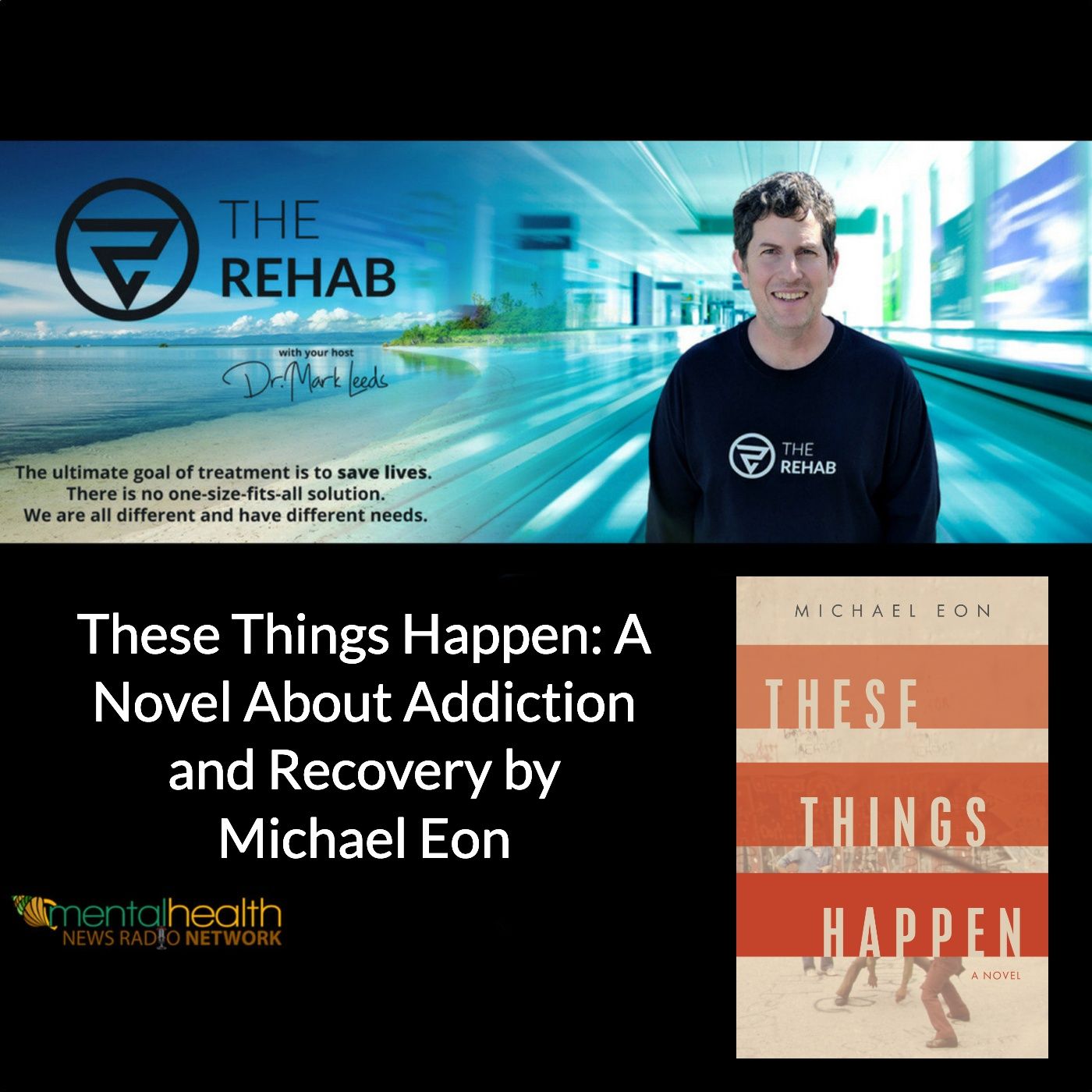
Michael Eon is a recovering alcoholic and addict who found solace in writing during his journey towards sobriety. As part of the 12-step program of Alcoholics Anonymous, Michael embarked on a moral inventory, which led him to reflect on his past and childhood memories.These recollections triggered powerful emotions of anger and rage as he confronted the consequences of his actions. Encouraged by his wife, Michael began journaling these experiences, eventually shaping them into an experimental story that reflected his personal struggles and the conversations he had with his inner voice.His story evolved into a final book that draws from both his active addiction and recovery experiences. This book will not only resonate with individuals dealing with addiction or alcoholism but also with anyone seeking valuable principles of self-reflection and personal growth. With the release of his book, Michael eagerly awaits the opportunity to share his story and inspire readers to embark on their own transformative journeys.Please visit Michael Eon here: https://www.michaeleonauthor.com/Also, if you find this interview interesting, please visit our websites: https://therehab.com and https://drleeds.com.Thank you!
Dr. Steven Reichbach, a renowned expert in ketamine therapy, shares remarkable insights on the transformative potential of ketamine for treating suicidality, CRPS (Complex Regional Pain Syndrome), and chronic pain.Dr. Reichbach begins by shedding light on the staggering statistics surrounding suicidality and the urgent need for innovative interventions. He delves into the surprising efficacy of ketamine, sharing how its unique neurochemical mechanisms initiate physical changes in the brain, providing hope for those in acute distress and reducing the reliance on inpatient treatment.But the journey doesn't stop there. Dr. Reichbach enlightens us on the complex nature of CRPS, a severely debilitating condition often misdiagnosed. He shares how ketamine therapy acts as both a diagnostic tool and a treatment approach, mitigating the excruciating pain and improving patients' overall well-being. The fascinating discussion unfolds, highlighting the remarkable potential of ketamine treatment for various chronic pain conditions.While exploring innovative treatment options, the conversation takes an intriguing turn towards the integration of ketamine therapy with medical cannabis. Driven by a patient-centric approach, Dr. Reichbach sheds light on the intersection of these two powerful therapies. He discusses how medical cannabis, when used appropriately and under supervision, can aid patients struggling with anxiety, chronic pain, and insomnia. Furthermore, he examines the positive impact of medical cannabis on the tapering process and withdrawal symptoms of other psychiatric medications.Join us in this riveting episode as we unveil the synergistic potential of ketamine therapy and medical cannabis, offering new hope to those coping with suicidality, CRPS, and chronic pain. Don't miss this enlightening conversation that challenges stigmas, uncovers powerful treatments, and explores the cutting-edge frontier of mental health and pain management.Disclaimer: The content discussed in this podcast is for informational purposes only and should not be considered medical advice. Please consult with a qualified healthcare professional for personalized guidance and treatment options.Contact Dr. Reichbach here: https://www.findpainrelief.com/Please visit our websites: https://drleeds.com and https://therehab.com
Lewis S. Nelson, MD, is Board Certified in Emergency Medicine, Medical Toxicology, and Addiction Medicine. Dr. Nelson is the Professor and Chair of the Department of Emergency Medicine and the Chief of the Division of Medical Toxicology. His career includes pivotal roles in the American Board of Emergency Medicine, the Accreditation Council for Continuing Medical Education, and the Association of Academic Chairs in Emergency Medicine.In this conversation, we delve into the pressing issue of opioid use disorder and the novel strategies employed to treat it. Buprenorphine induction forms the cornerstone of our discussion. Dr. Nelson discusses the application of techniques such as micro-dosing and macro-dosing and how they are shifting paradigms in opioid use disorder treatment. We also navigate the pros and cons of these innovative solutions, and how they outperform older induction methods, particularly in an era where fentanyl—a lipophilic opioid that tends to be stored in fat cells—dominates the street opioid landscape.Dr. Nelson, with his wealth of experience as a consultant to various national organizations such as the CDC, FDA, and DHS, as well as an editor of the acclaimed textbook Goldfrank's Toxicologic Emergencies, brings unparalleled insight into these complex discussions. Moreover, his first-hand experience providing direct clinical care to patients in the Emergency Department, coupled with his senior consultancy role with the New Jersey Poison Information & Education System, ensures a nuanced and patient-centric perspective on this complex issue.From understanding the maximization of buprenorphine's agonist effect in replacing potent opioids like fentanyl to examining the challenges of managing precipitated withdrawal, this episode offers an in-depth exploration of the latest strategies in combating opioid addiction. Dr. Nelson’s insights highlight the need for a complete transition concept in opioid substitution, the varying success rates of different medications, and the critical importance of long-term maintenance for patient recovery. So, whether you are a medical professional seeking to enhance your knowledge or an intrigued listener looking to understand more about the opioid epidemic's unfolding narrative, this episode promises to enlighten, inform, and provoke thought. Tune in and join us in this critical conversation with Dr. Lewis Nelson.Learn more about Dr. Nelson here: https://njms-web.njms.rutgers.edu/profile/myProfile.php?mbmid=ln196Please visit our websites here: https://drleeds.com and https://therehab.com
In this podcast episode, Dr. Leeds interviews David and Susan Kenney from Emergo Academy.The Kenneys discuss their coaching, training, certification, and education company, Emergo Academy. They specialize in helping people become recovery coaches and offer an international certification in recovery coaching. The Kenneys explain their brain-first approach to lasting recovery, which focuses on the five principles of physiological, psychology, spirit, connections, and lifestyle.They emphasize the importance of understanding the brain’s role in addiction and how it drives behavior. They debunk the idea that external methods like medications or stimulating the vagus nerve can effectively rewire the brain. Instead, they advocate for an experiential therapy approach that helps individuals release trauma and rewire their brains through action.The Kenneys also address misconceptions about addiction treatment and highlight the need for more specialized, certified recovery coaches within the healthcare system. They stress that recovery is a lifelong journey and aim to provide hope by focusing on individualized life plans rather than relapse prevention programs.The episode concludes with a discussion about their upcoming book “Actualized Recovery” and their goal to train 1,000 actualized recovery coach warriors within three years to make a significant impact on addiction recovery.Please visit Emergo Academy here: https://www.emergoacademy.com/
Welcome to the latest episode of The Rehab, where your host, Dr. Leeds, delves deep into the complex world of addiction treatment and recovery. This episode features a special guest, Dustin, an advocate for innovative recovery programs.Dr. Leeds and Dustin tackle the multifaceted aspects of addiction, shedding light on both traditional and alternative paths to recovery. They explore a range of programs, including the transformative Fit for Service, alongside more conventional rehab centers, supervised consumption sites, and the role of recovery coaches.The duo underscores the importance of trust and community in fostering a conducive environment for recovery. Dustin shares his firsthand experience with "circling," a communication technique that has helped him and many others strengthen their sense of belonging and mutual understanding in the recovery community.Dr. Leeds and Dustin dive into the psychological obstacles that often hinder commitment to recovery. They discuss how shame, fear, and other reservations can become formidable barriers, stressing the need to address not just the addiction, but also its root causes.In a candid comparison of various treatment programs, Dr. Leeds and Dustin examine the economic aspects of addiction treatment, providing listeners with a realistic perspective on the costs associated with each approach. Together, they advocate for innovative, cost-effective methods to tackle addiction, aiming to make recovery accessible for all.This episode of The Rehab offers an all-encompassing perspective on addiction treatment. Join Dr. Leeds and Dustin for an insightful discussion that sheds light on how to best support those battling addiction. Tune in for a comprehensive exploration into the realm of recovery, and discover the myriad ways we can facilitate this life-changing journey.Please visit our websites: https://drleeds.com and https://therehab.com
On this episode, we're exploring the world of medication withdrawal, benzodiazepine protracted withdrawal, and the difficulties associated with it. Our guest, Nicole Lamberson, shares her personal journey of surviving protracted withdrawal, involving long-term withdrawal symptoms, complicated by a lack of understanding of doctors, friends, and family. Her goal is to increase awareness of protracted withdrawal, the dangers of psych drugs, such as benzodiazepines, and the importance of informed consent between doctors and their patients. We also discuss various symptoms of protracted withdrawal, including histamine intolerance and how it might relate to some people experiencing "benzo belly." Additionally, we delve into the lack of information on how to taper off benzodiazepines and the lack of training for doctors in this area. Finally, we explore the influence of pharmaceutical companies on medical education and the importance of doctors being fully informed before prescribing medication. Join us as we discuss all these topics and more on this illuminating episode.Please visit our websites for more information: https://drleeds.com and https://therehab.com.To learn more about Medicating Normal, a film about iatrogenic injury and informed consent, which Nicole has helped to promote, please visit: https://medicatingnormal.com/.

Comments

Download from Google Play

Download from App Store
 United States