


 Claim Ownership
Pre-Hospital Care Podcast
Subscribed: 273Played: 9,145
Subscribe

© Eoin Walker
Description
This podcast is designed to have engaging and inspirational conversations with some of the worlds leading experts in or relating to pre-hospital care. We hope you take a lot from the conversations both from a technical and non-technical perspective. Please rate and review the show as feedback helps ensure that the best information gets back to you throughout the project.
336 Episodes
Reverse

 1
1In this episode of the pre-hospital care podcast, we welcome Mark Faulkner, an advanced paramedic practitioner, to unpack the often daunting legal world that paramedics are exposed to.
You never know when that "nightmare job" or patient is going to appear and put you to the test. As clinicians, we should be always attempting to push our push our skills closer to perfection. In this episode, Ben Clarke shares his insights into deliberate practice, in-time learning, and meta-cognition.
In part 1 of our conversation with Ben Clarke (Assistant medical director of London Ambulance Service), we talk about leadership in pre-hospital care. What's more important - a good leader, or a good team willing to follow? Can you teach leadership or does it only come from experience? Can you be born a leader? How do you empower different types of staff on-scene? Join us as we explore the nature of leadership in pre-hospital care.
Have you ever been working, and all sense of time and self melts away, and you find yourself in perfect sync with what you’re doing? There’s a word for that. It’s called the Flow State.
In part 2 of our conversation with Dr Esther Murray, we explore Flow and how to put yourself in hyper productive mindsets more often using specific techniques anyone can implement in their work.
Dr Murray is a Senior Lecturer in Health Psychology and an expert in the subject of moral injury and self-care.
Update: Due to a technical hiccup, this episode was cut short by about 15 minutes during the first day of it's being published. It's now updated, so If you listened to it then and would like to catch the rest of this conversation, you can re-download the episode now. Thank you for your patience.
We're back with the second season of the Pre-Hospital Care podcast! Our first episode is a fascinating conversation with a cardiac arrest survivor and long friend of Eoin's, Zoe Hitchcock. They met when Zoe suffered a heart attack and Eoin happened to be sent out to treat her. Tune in for a fascinating and unique perspective on pre-hospital healthcare from the patient's perspective.
We end the first season of The Pre-Hospital Care Podcast by finishing up Eoin and Rich’s conversation with Dan Davis as they talk about dealing with the emotional trauma that is, unfortunately, part and parcel of pre-hospital care.
Thanks so much for being a part of this journey into healthcare podcasting. Keep an eye out for season 2! It’ll be out before you know it.
On this episode of Pre Hospital Care Podcast, Eoin and Rich continue their discussion with Nick Brown to tackle the non-technical skills necessary in controlling a tragic and highly emotional scene. In 96% of cardiac arrest cases, the patient doesn’t make it. When that happens, they are not the only patient.
Losing a loved one is traumatic and a genuine health risk over time. If we take our oath as clinicians seriously, therefore, we must be well prepared and skilled in not adding any further stress and trauma, as well as set up avenues for ongoing help and support.
Medics.Academy is dedicated to educating health professionals on every aspect of medicine, both technical and non-technical.
Go to www.Medics.Academy to browse our library of healthcare education.
On this episode of Pre Hospital Care Podcast, Eoin and Rich talk tackle perhaps the toughest topic in pre-hospital care. Delivering bad news to family members. Health professionals are not usually well taught about how to deliver the news of the death of a patient in a suitable and tactful way. This episode explains the four stages of delivering bad news, words to avoid, and how to remain professional but give support as much as you and your team can. Medics.Academy is dedicated to educating health professionals on every aspect of medicine, both technical and non-technical. Go to www.Medics.Academy to browse our large library of CPD-ready courses.
In this week’s podcast, we continue to discuss the crucial topic of pre-hospital airway management. How can we maximise the chances of patients with airway problems when time and circumstance are not on our side?
Eoin Walker and Rich McGirr walk through different procedures and both technical and non-technical aspects of managing the airway in the field.
For CPD-relevant content about pre-hospital care and many other healthcare fields, sign up at www.Medics.Academy.
Eoin Walker and Rich McGirr are back to discuss the ever growing evidence base and controversial topic of airway management in the pre-hospital setting.
How does the reality of managing this urgent, life-or-death part of the body differ from what is taught in the classroom? What are the essential steps in dealing with the prehospital airway? What are the pros and cons of each method?
Eoin Walker and Rich McGirr are back with special guest Martin Mist to talk more about the unique challenges that present themselves to paramedics when dealing with crises brought on by ingestion of illegal substances.
When will you need to resort to physical restraint? Why part of a paramedic’s job is to be a detective. How to do proper research on new. What the top 5 hard-hitter drugs are and key nuggets for dealing with each.
All this and more on the latest episode of the Pre-Hospital Care Podcast.
Paramedics are constantly in the middle of life and death situations. In the first full episode of the Medics.Academy Pre Hospital Care podcast, paramedics Owen Walker, Richard McGirr, and Martin Mist discuss Club Drugs and Non-Legal Highs and their effects on patients. As paramedics, they’re the first medical professionals to assess a situation before getting them to physicians at the hospital. They see the patients at their lowest point, suffering from anything from a cardiac arrest, a severe allergic reaction or a psychotic episode. Among many other topics, this episode covers the common and uncommon presentations of patients after drug overdoses and what paramedics look for and how to assess the situations.
This podcast is presented by Eoin Walker and Rich McGirr and is a Medics Academy podcast. The purpose of this podcast is to provide paramedics an easy-to-access set of resources and educational materials wherever they are. Feel free to take a look at the description in the footnotes of the podcast. Sign up to Medics Academy today to find out even more about what we do and just how much content we put out there for your education.
In this piece, Kelly Wright explores how choosing a nursing specialty is less about prestige or opportunity and more about aligning personal characteristics with the realities of the clinical environment. She argues that long-term satisfaction and sustainability in nursing depend on an honest assessment of one’s personality, lifestyle priorities, and stress tolerance, rather than external expectations of what a nurse “should” do.Kelly describes intensive care nursing as a natural fit for clinicians who value precision, structure, and deep engagement with clinical data. ICU practice rewards meticulous attention to detail and comfort with complex technology, as well as the patience required to support patients through prolonged and often uncertain recovery trajectories. For nurses who find meaning in continuity of care and mastering intricate physiological management, the ICU can be a deeply fulfilling environment.By contrast, the Emergency Department is presented as a domain for those who thrive amid unpredictability and rapid decision-making. Kelly highlights how ED nursing demands swift assessment, adaptability, and comfort with constant turnover, making it well-suited to individuals energized by variety and controlled chaos rather than long-term patient relationships.Flight nursing is positioned as a hybrid specialty that draws elements from both ICU and emergency care while adding a distinct layer of autonomy and physical challenge. Kelly notes that this role appeals to nurses who are comfortable operating in austere environments, managing limited resources, and tolerating significant physical and environmental stressors, all while delivering high-acuity care far from traditional clinical support.A key message of the article is the inherent flexibility within the nursing profession. Kelly emphasizes that nurses are not locked into a single path and can move between specialties as their interests, resilience, and life circumstances evolve. This adaptability allows practitioners to seek roles where professional development feels purposeful and engaging, rather than exhausting or obligatory.Ultimately, Kelly concludes that the most successful and enduring nursing careers are built on alignment. Regardless of specialty, nurses who choose environments that complement their emotional resilience, learning style, and long-term goals are more likely to remain engaged, healthy, and fulfilled throughout their careers. Read the blog here: https://highadventurehealthcare.substack.com/p/choosing-your-critical-care-adventureThis Podcast is sponsored by World Extreme Medicine.World Extreme Medicine provides internationally recognised education for clinicians and operators working in pre-hospital, remote, expedition, humanitarian, and high-risk environments. Their programmes focus on practical, experience-led learning, equipping professionals with the skills to make sound clinical and operational decisions when resources are limited, evacuation is delayed, and conditions are extreme.With courses covering expedition and wilderness medicine, hostile environments, dive medicine, human performance, leadership, and austere care, World Extreme Medicine brings together a global faculty with real-world experience from some of the most challenging settings on earth. To explore courses, free educational resources, and upcoming webinars, visit: www.worldextrememedicine.com
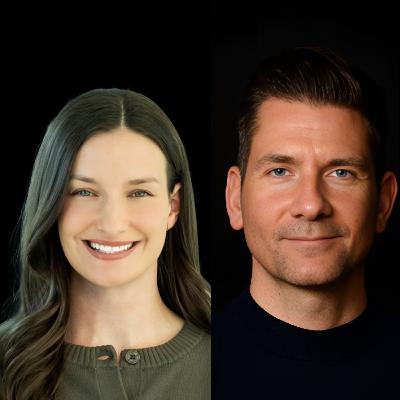
Today on the Pre-Hospital Care Podcast, we are joined by Paige Mason, MA, a researcher, paramedic, and educator whose work reframes how we think about wellbeing on the front line. In this episode, we unpack her work and what it means for individual paramedics, teams, and services striving to build resilient, healthy, and sustainable careers in pre-hospital care.Paige is a Primary Care Paramedic with the Ottawa Paramedic Service and a member of the McNally Project for Paramedicine Research, where she advocates for paramedic-driven inquiry. She holds an Honours Bachelor of Arts in Kinesiology from Western University and completed her Master of Arts in Interdisciplinary Studies at Royal Roads University, graduating with distinction for her thesis, Paramedic Flourishing at Work: A Way Forward. Her research explores what enables some paramedics to thrive in one of the most demanding health professions, shifting the focus from reducing burnout to understanding and fostering workplace flourishing. Paige’s interests span organisational culture, human factors, decision making, positive psychology, and appreciative inquiry in paramedicine. Paige's research can be found here: https://www.viurrspace.ca/server/api/core/bitstreams/90743451-ac36-4f85-963e-68fec5be594e/contentThis Podcast is sponsored by World Extreme Medicine.World Extreme Medicine provides internationally recognised education for clinicians and operators working in pre-hospital, remote, expedition, humanitarian, and high-risk environments. Their programmes focus on practical, experience-led learning, equipping professionals with the skills to make sound clinical and operational decisions when resources are limited, evacuation is delayed, and conditions are extreme.With courses covering expedition and wilderness medicine, hostile environments, dive medicine, human performance, leadership, and austere care, World Extreme Medicine brings together a global faculty with real-world experience from some of the most challenging settings on earth. To explore courses, free educational resources, and upcoming webinars, visit: www.worldextrememedicine.com
In The Physical Toll of High Adventure Healthcare, Kelly Wright examines the often-unacknowledged physical and psychological cost of working at the sharp edge of medicine. Drawing on experience from flight nursing and hospital-based practice, she describes how cumulative occupational stressors steadily erode clinician health, threatening both well-being and career longevity.Kelly outlines how healthcare professionals operating in aviation and other high-intensity clinical environments are exposed to a combination of environment-specific stressors, including continuous vibration, excessive noise, hypoxia, and confined workspaces that limit safe posture and movement. These factors do not exist in isolation but compound the routine demands of clinical work, accelerating musculoskeletal fatigue and long-term physical damage.Beyond these environmental challenges, the article highlights the mechanical strain common across much of healthcare practice. Repetitive lifting, manual handling, prolonged shifts, disrupted recovery, and sustained awkward postures are presented as everyday hazards that, over time, contribute to chronic injury, reduced physical capacity, and premature departure from clinical roles.Kelly also addresses the growing problem of workplace violence directed at healthcare professionals and its profound downstream effects. Physical injury, fear at work, emotional exhaustion, and burnout are described as interconnected outcomes that erode morale, professional identity, and the ability to sustain a long-term career. The article makes clear that physical harm and psychological injury are inseparable and must be addressed together.Protecting clinicians requires more than admiration for their resilience or heroism; it demands deliberate, systemic action. If healthcare systems wish to retain experienced, capable professionals, they must actively reduce preventable harm and invest in safer working environments for those who care for others at high personal cost. You can read the blog here: https://highadventurehealthcare.substack.com/p/the-physicality-of-healthcareThis episode is sponsored by PAX: The gold standard in emergency response bags.When you’re working under pressure, your kit needs to be dependable, tough, and intuitive. That’s exactly what you get with PAX. Every bag is handcrafted by expert tailors who understand the demands of pre-hospital care. From the high-tech, skin-friendly, and environmentally responsible materials to the cutting-edge welding process that reduces seams and makes cleaning easier, PAX puts performance first. They’ve partnered with 3M to perfect reflective surfaces for better visibility, and the bright grey interior makes finding gear fast and effortless, even in low light. With over 200 designs, PAX bags are made to suit your role, needs, and environment. And thanks to their modular system, many bags work seamlessly together, no matter the setup.PAX doesn’t chase trends. Their designs stay consistent, so once you know one, you know them all. And if your bag ever takes a beating? Their in-house repair team will bring it back to life.PAX – built to perform, made to last.Learn more at https://www.pax-bags.com/en/

Out-of-hospital cardiac arrest remains one of the most emotionally complex and ethically challenging events in pre-hospital care. Families can transition from normality to devastating loss within minutes, while clinicians must make rapid, high-stakes decisions that often leave a lasting emotional impact. Traditionally, EMS practice has centred on the moment of “termination of resuscitation”, a clinical decision that often results in abrupt death notifications and limited family involvement. But a growing body of work challenges this model, suggesting that it may unintentionally amplify trauma for both families and providers.In today’s episode, we’re joined by Dr Darren Braude, Paramedic, Director of the Centre for Prehospital Resuscitation and ECMO, Chief of the Division of Prehospital, Austere and Disaster Medicine. Dr Braude is one of the leading voices behind a powerful reframing: viewing the end of resuscitative efforts not as termination, but as the withdrawal of life support.Borrowing principles from ICU end-of-life care, this approach centres families, promotes clearer communication, and acknowledges that CPR and ventilation are themselves forms of life support. Today, we explore how this model can transform the way EMS navigates death, grief, and humanity in the field. You can read the article this interview is based on here: https://pubmed.ncbi.nlm.nih.gov/40928306/This episode is sponsored by PAX: The gold standard in emergency response bags.When you’re working under pressure, your kit needs to be dependable, tough, and intuitive. That’s exactly what you get with PAX. Every bag is handcrafted by expert tailors who understand the demands of pre-hospital care. From the high-tech, skin-friendly, and environmentally responsible materials to the cutting-edge welding process that reduces seams and makes cleaning easier, PAX puts performance first. They’ve partnered with 3M to perfect reflective surfaces for better visibility, and the bright grey interior makes finding gear fast and effortless, even in low light. With over 200 designs, PAX bags are made to suit your role, needs, and environment. And thanks to their modular system, many bags work seamlessly together, no matter the setup.PAX doesn’t chase trends. Their designs stay consistent, so once you know one, you know them all. And if your bag ever takes a beating? Their in-house repair team will bring it back to life.PAX – built to perform, made to last.Learn more at https://www.pax-bags.com/en/
In this episode, Laura Hall reflects on a six-month journey as a volunteer with a Search and Rescue (SAR) team operating in a remote region of Colorado, offering listeners a grounded insight into the realities of wilderness emergency response. The discussion outlines the breadth of skills required to function effectively in SAR, from technical rope rescue and casualty care to drone operations, navigation, and complex inter-agency coordination.The conversation explores the intensity of training demands and the operational realities of callouts in challenging terrain, balancing professional competence with adaptability and teamwork. Beyond the technical elements, Laura highlights the strong sense of community that develops within volunteer SAR teams, where shared risk, service, and purpose foster deep local connections and lasting friendships.Practical safety considerations are also emphasised, particularly for those operating or recreating in the backcountry. Key takeaways include the importance of high-visibility clothing, robust personal protective equipment, and redundant communication systems to mitigate risk and improve survivability in austere environments.Ultimately, this episode functions both as a personal reflection on the value of volunteerism and as an honest guide to the operational, human, and safety realities of search and rescue work in wilderness settings. You can read the blog here: https://highadventurehealthcare.substack.com/p/six-months-of-sarThis episode is sponsored by PAX: The gold standard in emergency response bags.When you’re working under pressure, your kit needs to be dependable, tough, and intuitive. That’s exactly what you get with PAX. Every bag is handcrafted by expert tailors who understand the demands of pre-hospital care. From the high-tech, skin-friendly, and environmentally responsible materials to the cutting-edge welding process that reduces seams and makes cleaning easier, PAX puts performance first. They’ve partnered with 3M to perfect reflective surfaces for better visibility, and the bright grey interior makes finding gear fast and effortless, even in low light. With over 200 designs, PAX bags are made to suit your role, needs, and environment. And thanks to their modular system, many bags work seamlessly together, no matter the setup.PAX doesn’t chase trends. Their designs stay consistent, so once you know one, you know them all. And if your bag ever takes a beating? Their in-house repair team will bring it back to life.PAX – built to perform, made to last.Learn more at https://www.pax-bags.com/en/
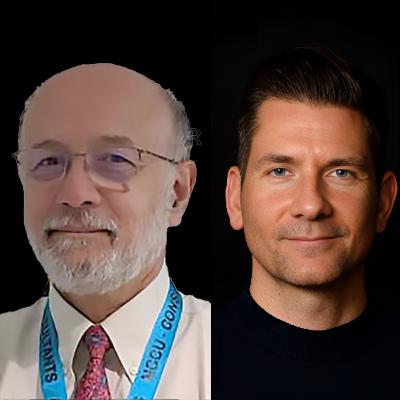
Professor David K. Menon joins us for an in-depth exploration of Traumatic Brain Injury (TBI). As the Founding Director of the Neurosciences Critical Care Unit at Addenbrooke’s Hospital, Professor Menon has been instrumental in shaping modern understanding of TBI physiology, monitoring, and management.In this episode, we break down intracranial pressure physiology in a way that translates directly to roadside decision-making, examining how brain swelling, cerebral perfusion, and autoregulation respond to early interventions. We focus on hypotension and hypoxia, the two most powerful drivers of secondary brain injury, and why the pre-hospital phase represents a critical window to influence outcomes long before CT imaging or neurosurgical care.We also explore the evidence for pre-hospital hypertonic therapy, discussing when it may be beneficial, where its limitations lie, and how it should (and should not) fit into contemporary practice. Practical considerations around airway management and ventilation are covered, including CO₂ targets, RSI decision-making, and strategies to avoid iatrogenic harm.Finally, we look ahead to emerging research and evolving concepts in TBI care, new physiological insights, changing targets, and innovative approaches aimed at reducing secondary brain injury, highlighting what pre-hospital clinicians should be thinking about now and in the years to come.Relevant resources and research networks:TBI-Reporter: https://tbi-reporter.uk/CENTER-TBI (Collaborative European NeuroTrauma Effectiveness Research in TBI): https://www.center-tbi.eu/This episode is essential listening for anyone involved in pre-hospital, retrieval, or critical care treating patients with traumatic brain injury. You can see more from David here: https://www.youtube.com/watch?v=7PhIGMpEpGQThis episode is sponsored by PAX: The gold standard in emergency response bags.When you’re working under pressure, your kit needs to be dependable, tough, and intuitive. That’s exactly what you get with PAX. Every bag is handcrafted by expert tailors who understand the demands of pre-hospital care. From the high-tech, skin-friendly, and environmentally responsible materials to the cutting-edge welding process that reduces seams and makes cleaning easier, PAX puts performance first. They’ve partnered with 3M to perfect reflective surfaces for better visibility, and the bright grey interior makes finding gear fast and effortless, even in low light. With over 200 designs, PAX bags are made to suit your role, needs, and environment. And thanks to their modular system, many bags work seamlessly together, no matter the setup.PAX doesn’t chase trends. Their designs stay consistent, so once you know one, you know them all. And if your bag ever takes a beating? Their in-house repair team will bring it back to life.PAX – built to perform, made to last.Learn more at https://www.pax-bags.com/en/
In this episode, Laura Hall addresses the often-overlooked impact of secondary trauma on emergency responders and healthcare professionals, emphasising the need for meaningful mental health support and long-term resilience. Drawing on personal experience, the discussion challenges the effectiveness of traditional debriefing models, highlighting how well-intentioned but poorly designed institutional processes can fail staff working in chronically high-stress environments.The conversation explores the consequences of this gap in support, including burnout, moral injury, and workforce attrition. To counter these trends, Laura introduces practical, accessible frameworks such as the Stress Continuum and the 3-3-3 Protocol. These tools provide clinicians with a shared language and structure to recognise early warning signs of psychological strain and to intervene before distress escalates.A key theme is the concept of making green choices, small, proactive decisions that support recovery, regulation, and psychological safety following traumatic incidents. Rather than relying solely on post-incident interventions, the emphasis is on ongoing self-monitoring, peer support, and normalising conversations about mental wellbeing.Ultimately, this episode calls for a cultural shift within organisations: from reactive, checkbox approaches to mental health, towards environments that prioritise emotional safety, mutual care, and staff retention through structured, evidence-informed support systems. You can read the blog here: https://highadventurehealthcare.substack.com/p/building-resiliency-in-respondersThis Podcast is sponsored by World Extreme Medicine.World Extreme Medicine provides internationally recognised education for clinicians and operators working in pre-hospital, remote, expedition, humanitarian, and high-risk environments. Their programmes focus on practical, experience-led learning, equipping professionals with the skills to make sound clinical and operational decisions when resources are limited, evacuation is delayed, and conditions are extreme.With courses covering expedition and wilderness medicine, hostile environments, dive medicine, human performance, leadership, and austere care, World Extreme Medicine brings together a global faculty with real-world experience from some of the most challenging settings on earth. To explore courses, free educational resources, and upcoming webinars, visit: www.worldextrememedicine.com

Comments

Download from Google Play

Download from App Store
 United States