


 Claim Ownership
USSC Live
Subscribed: 7Played: 244
Subscribe

© United States Studies Centre
Description
Catch up with events produced by the United States Studies Centre at the University of Sydney with USSC Live. These events offer new insights and perspectives on topics including American foreign policy, economics, politics and culture.
236 Episodes
Reverse
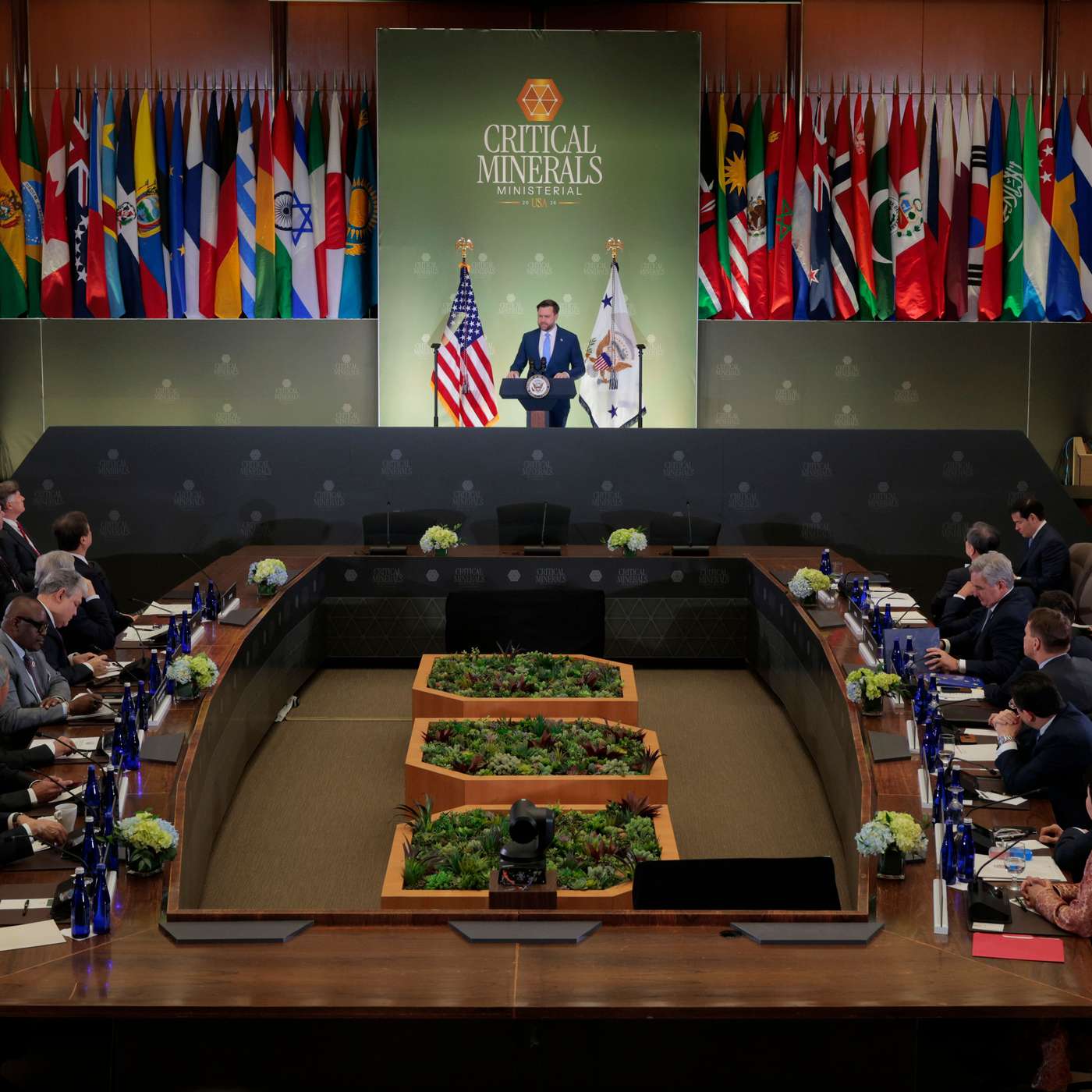
Almost all advanced technology today depends on critical minerals. Rare earths, in particular, are necessary for a range of applications, including powering electric vehicles, wind turbines, robotics, industrial motors, and defence systems. Yet the supply chain behind them is highly concentrated. China accounts for over 90% of the world’s rare earth refining and permanent magnet production, leaving the global economy exposed to a single point of failure.What have allies done to de-risk their rare earth supply chains? Have efforts been successful? What more needs to be done? And what might a joined-up allied approach look like?To answer these questions, the United States Studies Centre hosted a webinar discussion with Dr Naoise McDonagh, MBA Director and Senior Lecturer in Geopolitics and International Business at the School of Business and Law at Edith Cowan University, and author of the upcoming report The Missing Market: Why US and allies’ rare earth derisking needs a demand-side strategy. Dr McDonagh is joined by Genna Lehman, USSC Non-Resident Fellow in Economic Security and Sir Roland Wilson Pat Turner Scholar, and moderated by USSC Director of Economic Security, Hayley Channer.

Amid rising strategic competition in the Indo-Pacific, US relations with nations such as the Philippines are increasingly in the global spotlight. But the history of the United States in the Indo-Pacific extends well beyond the modern age and is often forgotten. International migration, conflict and war have shaped a century of US Indo-Pacific influence and alliances, with implications for the modern day.What is the history of US involvement in the Indo-Pacific? How did the US-Philippines alliance shape a century of US foreign policy? What do the lessons of history teach us about the present moment in US-Pacific relations?To answer these questions, USSC held a public event with MIT Professor of History Christopher Capozzola in conversation with USSC CEO Dr Michael Green.
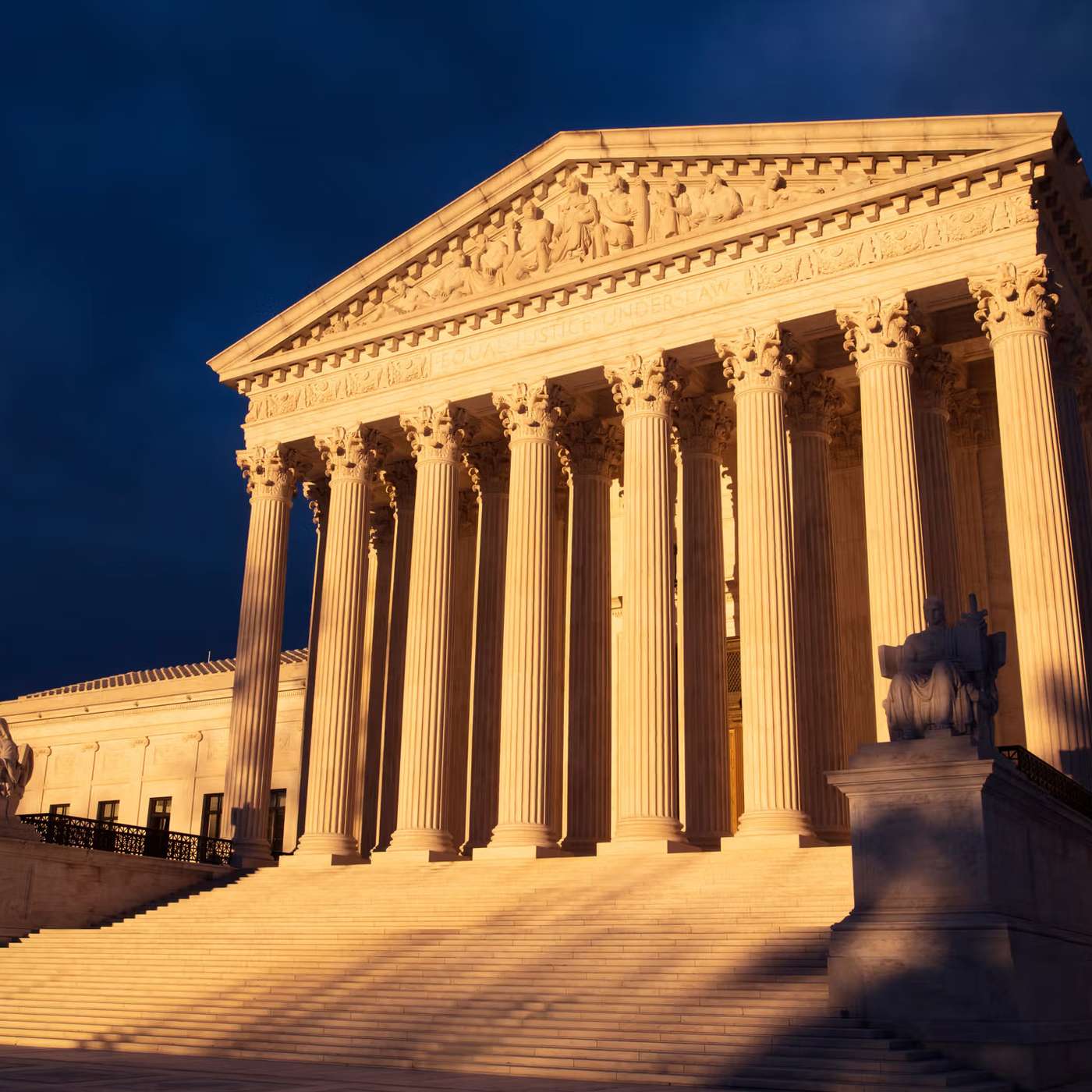
From striking down President Trump’s IEEPA tariffs to undoing core pillars of the Voting Rights Act, the US Supreme Court docket this year has already made history. Some of the most consequential decisions will be released at the end of the court’s calendar, including the future of birthright citizenship in the United States and whether the president can remove leaders of independent federal agencies at will.Which decisions are most consequential? How can the Supreme Court temper the power of the president? What are the long-term impacts of these decisions?To discuss the final rulings of this year’s Supreme Court docket, USSC hosted a special event featuring co-host of ABC’s Planet America Chas Licciardello and USSC Honorary Associate Dr Harry Melkonian in conversation with USSC Director of Economic Security Hayley Channer.

The Pacific Islands are increasingly an arena of strategic competition between global powers. Yet amid these geopolitical circumstances, the challenges the Pacific Island countries themselves face are often overlooked. While many nations provide important development assistance to the region, such efforts are often duplicative, poorly implemented and sometimes even counterproductive.How can regional partners provide better support for the region? What are the challenges to governance in the Pacific? What is needed to build a more resilient Pacific ready to face the challenges of the future on its own terms?To answer these questions, USSC hosted CSIS Senior Fellow and Deputy Director with the Australia Chair Kathryn Paik, Lowy Institute FDC Pacific Research Fellow Serena Sasingian, USSC Director of Foreign Policy and Defence Dr Lavina Lee and Macquarie University researcher Ryosuke Hanada, in a conversation moderated by ABC Foreign Affairs reporter Stephen Dziedzic.

Asia's extraordinary economic rise — powered by globalisation and supply chains — lifted hundreds of millions out of poverty, increased the region’s global influence and reshaped the global order. Yet the same forces that drove that transformation define many of the tensions now threatening to undo it. Understanding Asia’s past, present and potential future has never been more critical to defining Australia’s place in a region increasingly defined by strategic competition.How has Asia overcome the challenges of its past? What does the future hold for Asia? What role can Australia play in the world’s most dynamic region?To answer these questions, USSC welcomed Professor Nick Bisley, Pro Vice-Chancellor Research and Professor of International Relations at La Trobe University, for a discussion of his new book, Asian Crucible, with USSC CEO Dr Michael Green.

Comments

Download from Google Play

Download from App Store
 United States