


 Claim Ownership
Creator Generation
Subscribed: 41Played: 1,238
Subscribe

© 2026 Changer Pty Ltd
Description
Creator Generation brings you behind the scenes of the creator economy, featuring top YouTubers and experts who share the strategies, lessons, and stories behind building successful channels, growing incredible businesses, and driving the world’s biggest online video successes.
149 Episodes
Reverse
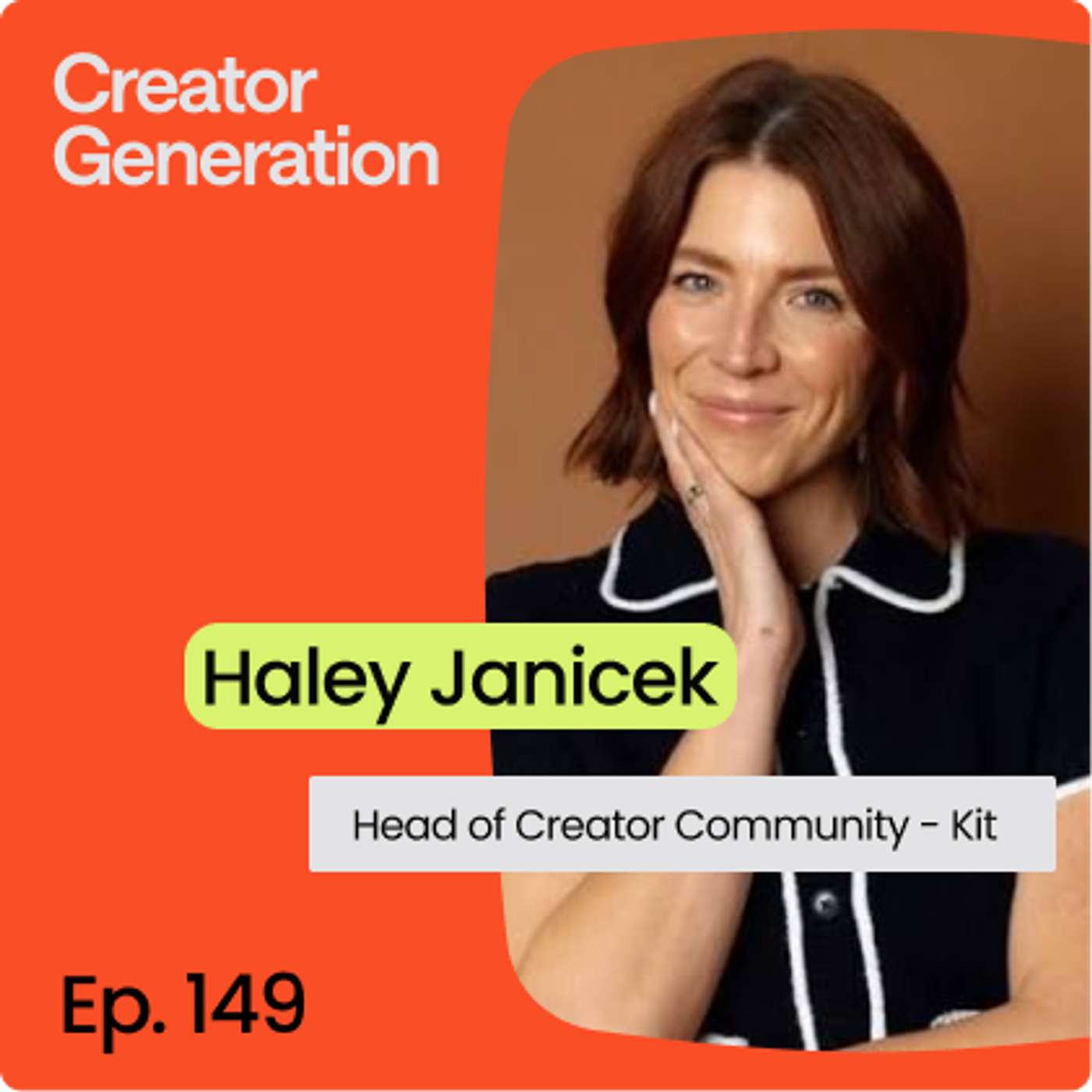
Haley Janicek has spent close to a decade at Kit, where she leads creator community. Her first job there was sales. Her argument on email hasn’t changed in all that time: it was never the sexy channel, it has simply always converted better than anything else.In this episode, Haley is specific about where creators go wrong. The big one is treating the newsletter as the whole plan when it’s really the top of the funnel, with the welcome sequence and the automations underneath doing the actual selling. She explains why a subscriber is worth roughly a dollar while a follower isn’t, why the inbox is a space people guard far more closely than their feed, and why nobody buys a $2,500 mastermind off a social post but plenty of people buy it after a few emails. We cover the formula that makes newsletters sustainable (a theme, a fixed day, something you can write in under an hour), the podcast flywheel that lets two creators cross-promote to entire lists rather than new subscribers, and what people get wrong when they pay for subscribers. Plus how Kit’s free studios work as a retention strategy, and why she refuses to put panels on her conference stage.A practical session on email strategy from someone who has watched thousands of creators build lists, and seen which ones actually make money.Topics covered: email strategy vs newsletters · why subscribers convert better than followers · welcome sequences and automations · growing a list through collaboration · paid subscribers and ManyChat · selling as a creator skill · events and community
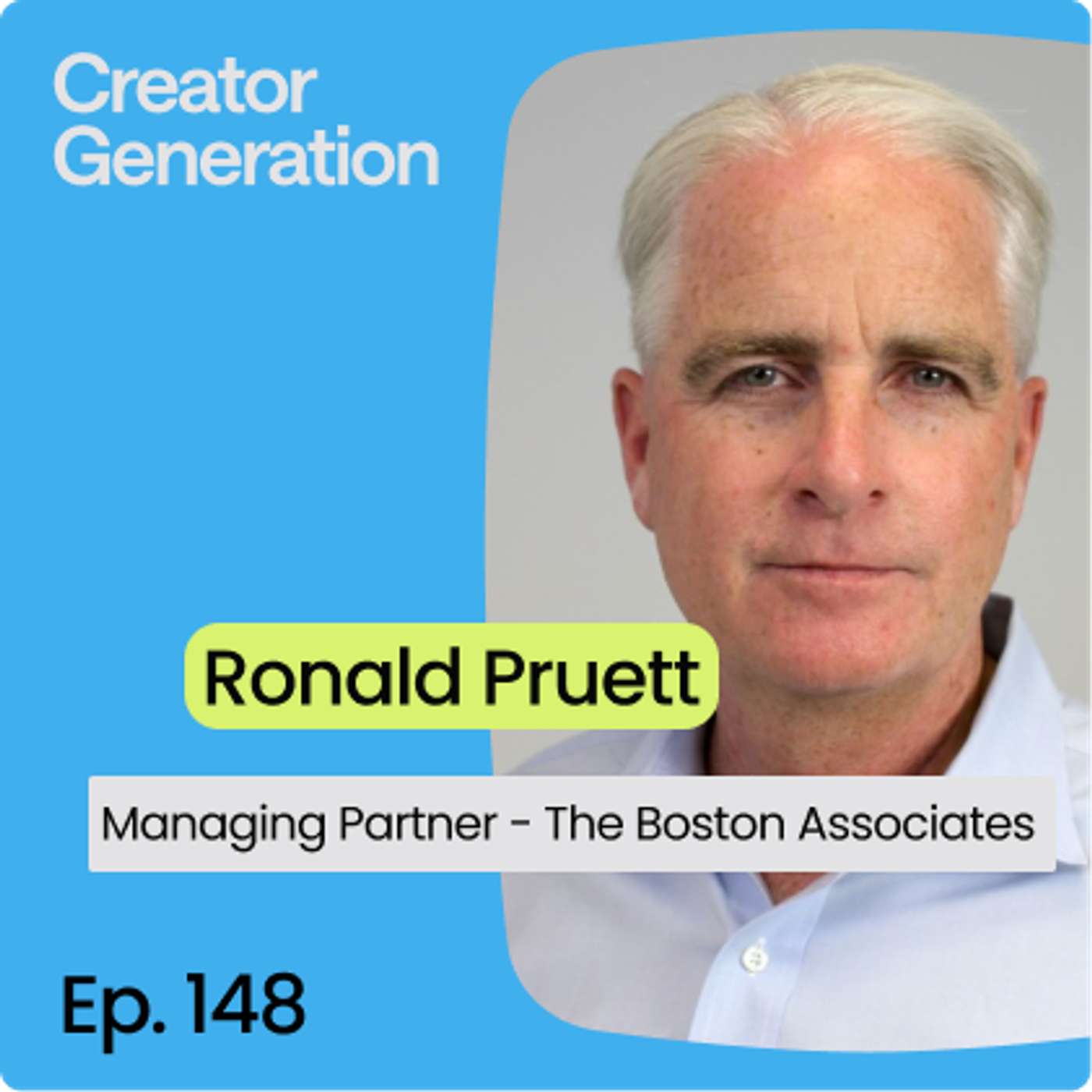
Ronald Pruett has spent decades in direct response TV, home shopping and direct to consumer, and now sits on the business side of Gemma Stafford's Bigger Bolder Baking, the YouTube channel that has become the number one baking podcast in the US, and most recently a run on QVC. He calls himself the suit. His argument is that what we call the creator economy isn't one yet, because the participants can't really trade with each other, and that what exists today is an economy of creatives instead.In this episode, Ronald is blunt about the structure most creators are working inside. He explains why platforms have an incentive to produce some stars but not too many, why he thinks it's now close to impossible to break out as a new star on YouTube, and why ad revenue, useful as it is, works like a slow poison on a business you don't control. He draws the line between an audience and a community as simply as anyone has: an audience watches, a community buys a ticket. Then he lays out what would have to change for creators to become a genuine asset class, using the music catalogue market as the model, and why hits, predictable revenue and owned IP are the three things institutional money will want before it arrives. Plus the content, community, commerce sequence he uses with Gemma, why direct to consumer brands with no community in the middle went bankrupt handing their money to Meta, and why operators who understand both media and commerce are the biggest missing piece in the industry.A big picture conversation about where the creator economy actually is, and what has to happen before it becomes something you can invest in.Topics covered: creator economy vs economy of creatives · platform incentives and the power law · audience vs community · content, community, commerce · ownership of IP and distribution · lessons from the music catalogue market · creators as an asset class · stars and suits
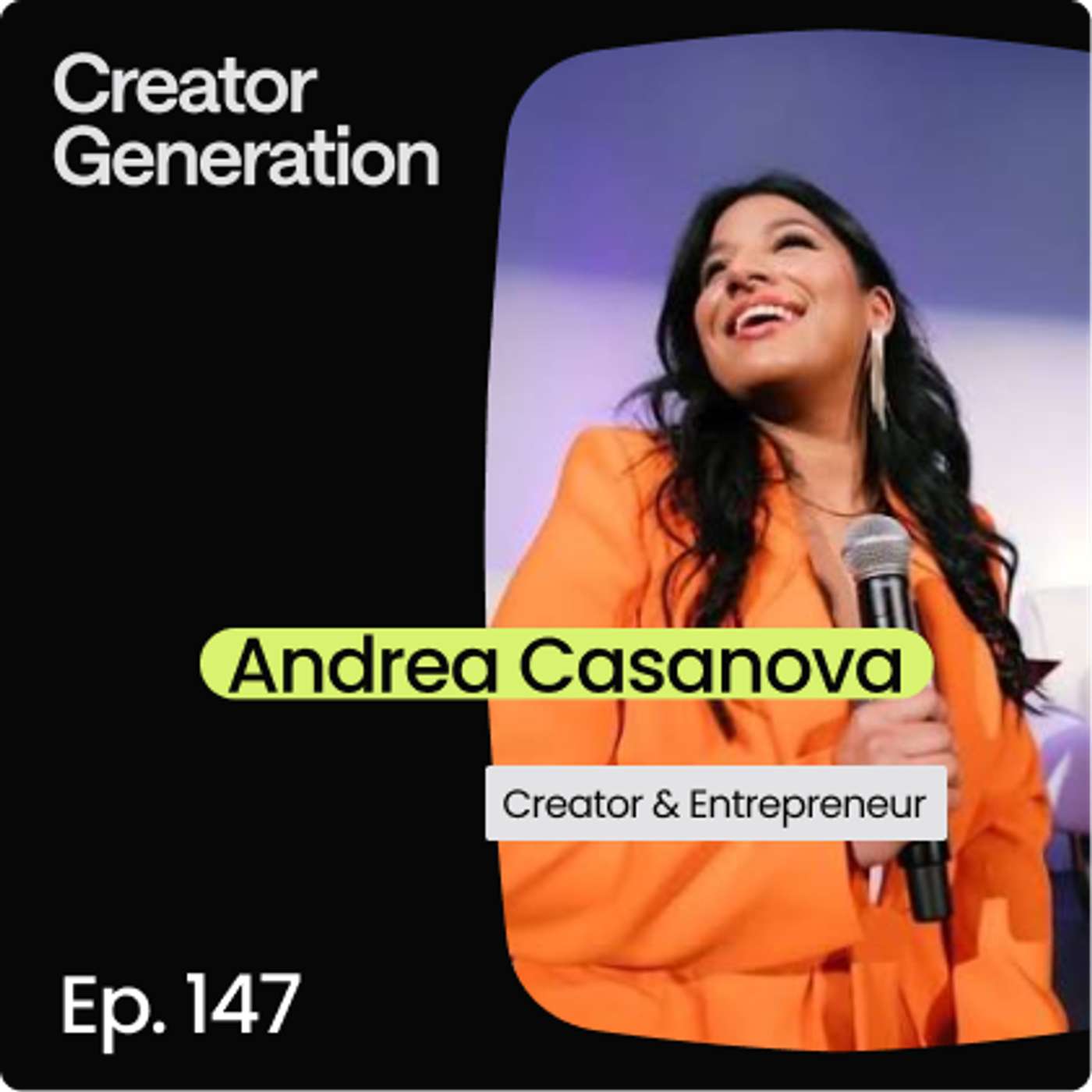
Andrea Casanova was born in Venezuela, left after her brother was kidnapped, and moved through the Dominican Republic, Panama and Brazil before landing in the US for college. On a student visa she was legally capped at $150 a month, so she hustled: growing League of Legends accounts, walking dogs, shooting photos for bars. She now runs an agency, speaks on creator economy tech, and is building Ginger, a tool that helps creators handle their inbound brand deals.In this episode, Andrea is open in a way most people aren't about money and the discomfort that comes with it. She started her agency with one client, a psychiatrist who was also a witch, at $400 a month, and inside two years was billing $70,000 a month. We cover why she thinks 67% of brand emails go unanswered and what that costs a mid-tier creator, why she says the missing skill is business etiquette rather than engagement rate, and her split between brand building and cash building as a way to decide what to work on. Plus, what she had to say no to in order to ship Ginger, and what she'd tell a first-time creator walking into Cannes with nothing to offer.A candid conversation about money, judgement and focus from someone who has built from almost nothing more than once.Topics covered: money mindset and pricing guilt · building an agency from scratch · unanswered brand deal emails · business etiquette for creators · brand building vs cash building · decision making frameworks · becoming a non-technical tech founder · saying no
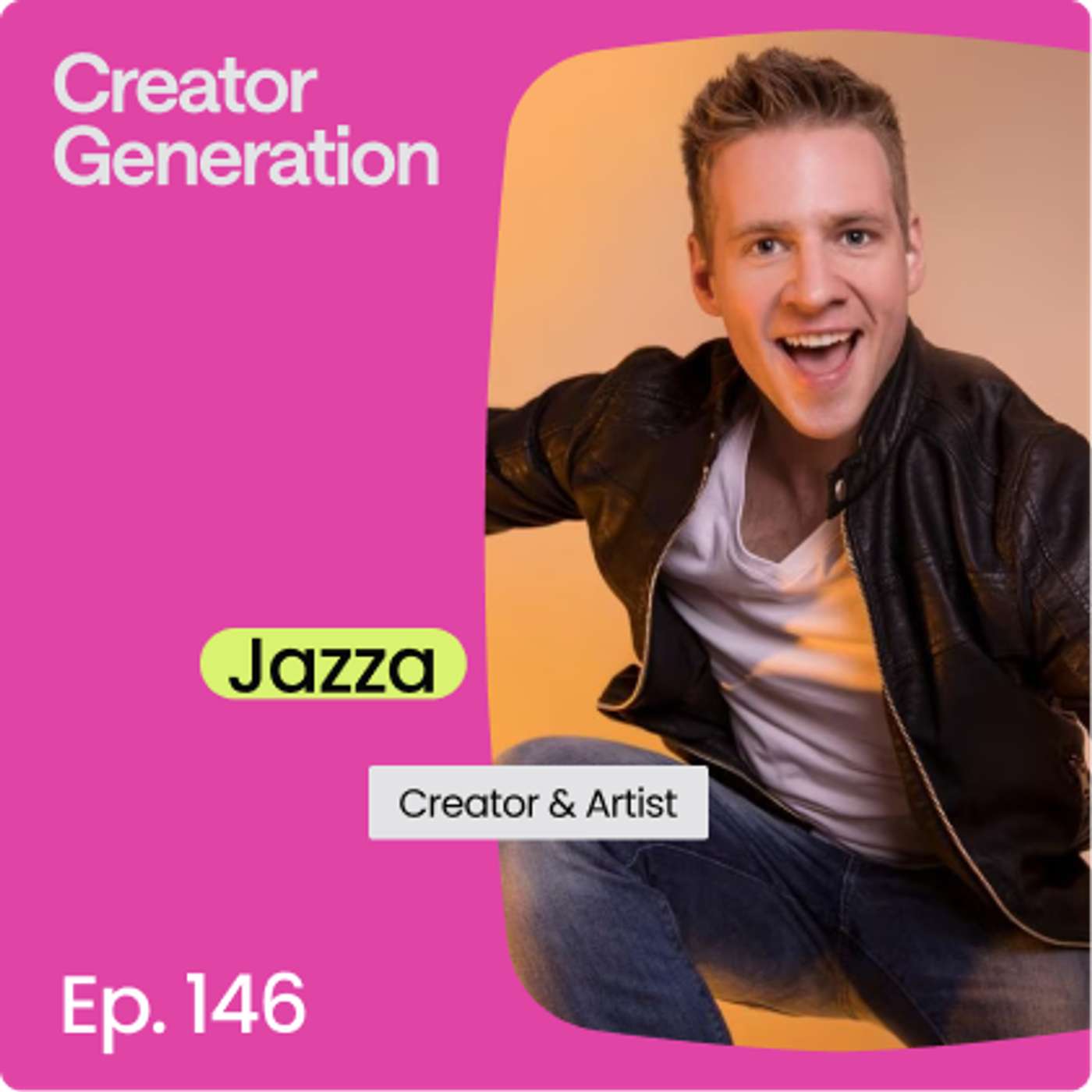
@Jazza started as a kid making Flash animations, moved to YouTube in 2012 because he could see a gap where the art tutorials were terrible, and has been there ever since. He's built one of the biggest art channels in the world and, by his own account, has never truly gone viral. The channel grew on being steadily, consistently himself.In this episode, Jazza is thoughtful about what fourteen years actually teaches you. We cover why the algorithm shift to watch time helped him while it hurt the animators around him, why he keeps abandoning the analytics tools his team builds, and what he calls the MrBeastification of YouTube: a template that works, produces a lot of people who achieve the thing and then find they're committed and unhappy, and is now, he thinks, on its tail end. Plus the advice he's given since day one, which is to do the thing you'd do with no audience at all, and why most people can't stomach performing to an empty auditorium.A reflective conversation about creative longevity, and about deciding what success means before the platform decides it for you.Topics covered: fourteen years on YouTube · defining success on your own terms · data vs creative instinct · the MrBeastification of the platform · community and connection · creative partnerships · brand relationships beyond ROI · building a tool belt of skills
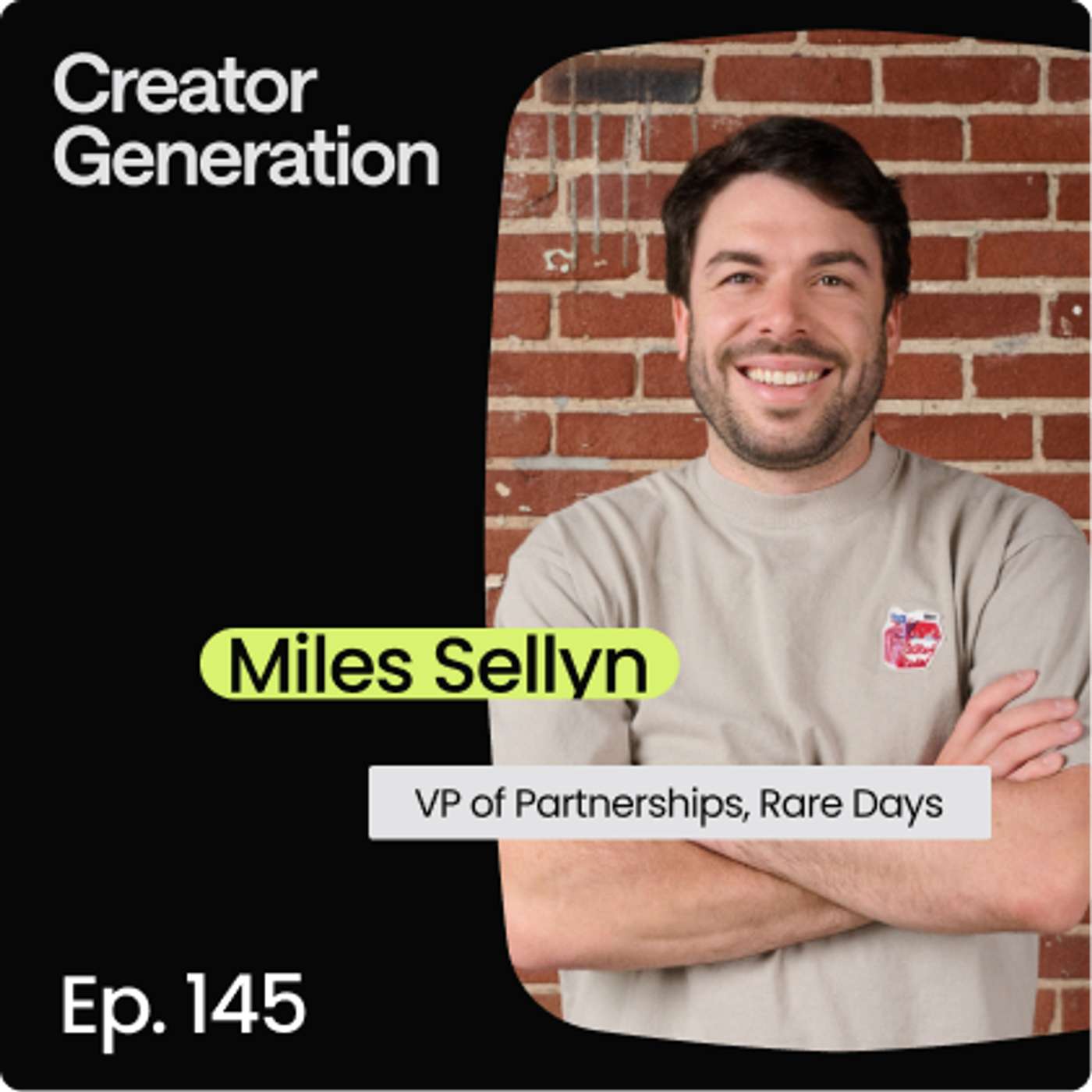
Miles Sellyn is VP of Partnerships at Rare Days, a company that builds software with creators including Colin and Samir, Cody Sanchez, and Rhett and Link. His argument is simple: 95% of creator businesses are advertising companies, selling other people's products with no long term upside, when the same audience and the same distribution could be pointed at something they actually own.In this episode, Miles is direct about what has changed and what hasn't. The cost of building a real consumer app has fallen from millions to a few hundred thousand, which changes the maths entirely for a creator who needs a million dollar business rather than a fifty million dollar one. But he's blunt about the vibe coding narrative and about the reputational risk of shipping something mediocre to an audience that trusts you. Plus why audience and customer are not the same thing, and the operational problem nobody plans for when 8,500 people can suddenly raise a support ticket.A practical case for adding software to the revenue stack, and an honest account of what it takes to do it without embarrassing yourself.Topics covered: creator software and digital products · why brand deals don't build enterprise value · AI and the cost of building apps · finding the right product for your niche · pricing and validation · email lists as launch infrastructure · MVPs with off the shelf tools · knowing when to get help

Comments

Download from Google Play

Download from App Store
 United States