


 Claim Ownership
 Moving Iron Podcast
Moving Iron PodcastSubscribed: 5Played: 223
Subscribe

© Copyright Moving Iron LLC
Description
Podcast by Moving Iron LLC
Moving Iron Podcast is for anyone in the Ag Equipment Business or Users of Ag Equipment. We discuss the latest trends and what is shaping the industry. From Technology to Iron to Markets, we have it covered. So "Let's Go Move Some Iron!"
Moving Iron Podcast is for anyone in the Ag Equipment Business or Users of Ag Equipment. We discuss the latest trends and what is shaping the industry. From Technology to Iron to Markets, we have it covered. So "Let's Go Move Some Iron!"
839 Episodes
Reverse
SummaryIn this episode of the Moving Out Podcast, Casey Seymour interviews Sean Chevalier from PhiBer, a company known for its innovative agricultural solutions. They discuss PhiBer's history, the development of the Dash spray trailer, and the integration of drone technology in agriculture. Sean explains how Fiber's products focus on speed, efficiency, and modularity to meet farmers' diverse needs. The conversation highlights the importance of customer feedback in product development and the future of agricultural technology.TakeawaysFiber was founded in 1996 by a farmer and a machinist.The Dash trailer is designed for speed and operator comfort.Drones are becoming a viable option for spraying in agriculture.Customer feedback drives innovation at Fiber.The Dash Carrier can load multiple drones for efficient spraying.Modularity allows farmers to customize their equipment.The Dash system improves chemical application efficiency.PhiBer's products are designed to minimize idle time for sprayers.Innovative features include weather protection for chemicals.Future developments are always in the pipeline at Fiber.Sound Bites"We built it as a very modular system.""Every minute that your sprayer is just sitting there, it's just appreciation based on engine hours.""Drones might actually be a thing we might use shortly in the future."Chapters00:00 Introduction to PhiBer and Sean Chevalier03:11 Innovative Spraying Solutions: The Dash Trailer05:50 The Rise of Drone Technology in Agriculture09:00 Customer-Centric Design and Modular Systems11:56 Exploring the Features of the Dash System15:08 Future Innovations and Closing Thoughts
Moving Iron's Official Data Partner Is Fusable—the Home of Iron Solutions And EDA Data.Ignite Your Dealership's Growth With Fusable.com. Move More Iron with Fusable! Get your Free Demo atinfo.ironsolutions.com/moving-iron-podcast.Presented By @AxonTire @AgDirect @IronSolutions @FusableData @EDAdata @ValleytransincMusic By: @TalbottBrothersHost: @casey9673 @agequipmentbusinesstalk #letsgomovesomeironContact Me at:MovingIronLLC.commovingironpodcast@movingironpodcast.comIn this episode of the Moving Iron Podcast, Casey Seymour and Rich Posson discuss the current state of the economy, focusing on recent job reports, the dynamics between manufacturing and services sectors, and the implications for the stock market and the Federal Reserve. They also delve into the impact of Middle East tensions on oil prices, insights into the corn market, and the broader implications of U.S. energy independence on global markets.Takeaways254,000 new jobs were added in September, exceeding expectations.The unemployment rate remains stable at around 4.1%.Manufacturing is struggling while the services sector shows growth.The stock market reacted positively to the job report, indicating optimism.Middle East tensions could disrupt oil prices and market stability.The U.S. has significant oil production capacity, affecting global oil dynamics.Corn prices have risen due to perceived shortages and market adjustments.The Fed's rate cuts have influenced commodity market sentiments.Energy independence could shift global oil market dynamics.Seasonal demand for grains may lead to price increases in the future.Chapters00:00 Economic Overview and Job Reports03:00 Manufacturing vs. Services Sector Dynamics05:52 Market Reactions and Federal Reserve Implications09:06 Middle East Tensions and Oil Market Impact12:13 Corn Market Insights and Future Predictions22:01 U.S. Energy Independence and Global Market Effects
MIP Markets with Shawn Hackett - Sleeper Geopolitical AssetsMoving Iron's Official Data Partner Is Fusable. The Home Iron Solutions And EDA Data. Ignite Your Dealership's Growth With Fusable.comMove More Iron with Fusable!Get your Free Demo athttps://info.ironsolutions.com/moving-iron-podcast.SummaryIn this episode of the Moving Iron Podcast, Casey Seymour interviews Sean Hackett from Hackett Financial about the current state of the commodities market, focusing on wheat. They discuss the impact of dry weather conditions in Kansas, Oklahoma, and Texas on wheat yields and the potential for frost and downgrades in the Russian wheat crop. They also explore the role of volcanoes and climate cycles in shaping global weather patterns and the implications for agricultural supply. Hackett emphasizes monitoring these factors and the potential for short covering in the grain markets.Keywords#commodities #market, #wheat, #dryweather, #yields, #frost, #Russianwheat, #volcanoes, #climatecycles, #agriculturalsupply, #shortcovering, #grainmarketsTakeawaysDry weather conditions in Kansas, Oklahoma, and Texas have negatively impacted wheat yields, with 25-50% reported potential losses.The Russian wheat crop has been downgraded, increasing concerns about global wheat supply.Volcanic eruptions, such as the recent Tonga eruption, can significantly impact global weather patterns, including extreme temperatures and precipitation.Climate cycles like the Gleisberg cycle can contribute to hot and dry weather conditions, which can potentially lead to crop problems.Short covering in the grain markets may occur if wheat prices rise, potentially impacting other grain commodities.Sound Bites"Dry conditions in Kansas, Oklahoma, and Texas have led to 25-50% potential yield losses in the wheat harvest.""If frost occurs in mid-late May, it could result in permanent yield loss due to lack of moisture.""The Russian wheat crop has been downgraded, raising concerns about global wheat supply."Chapters00:00Dry Weather and Wheat Yields09:26Short Covering in the Grain MarketsClick To Watch:https://youtu.be/-Rmjh7gV9y8Presented By @AxonTire @AgDirect @IronSolutions @randallreilly @Fusable @ValleytransincMusic By: @TalbottBrothersHost: @casey9673#agequipmentbusinesstal #letsgomovesomeironContact Me at:MovingIronLLC.commovingironpodcast@movingironpodcast.com
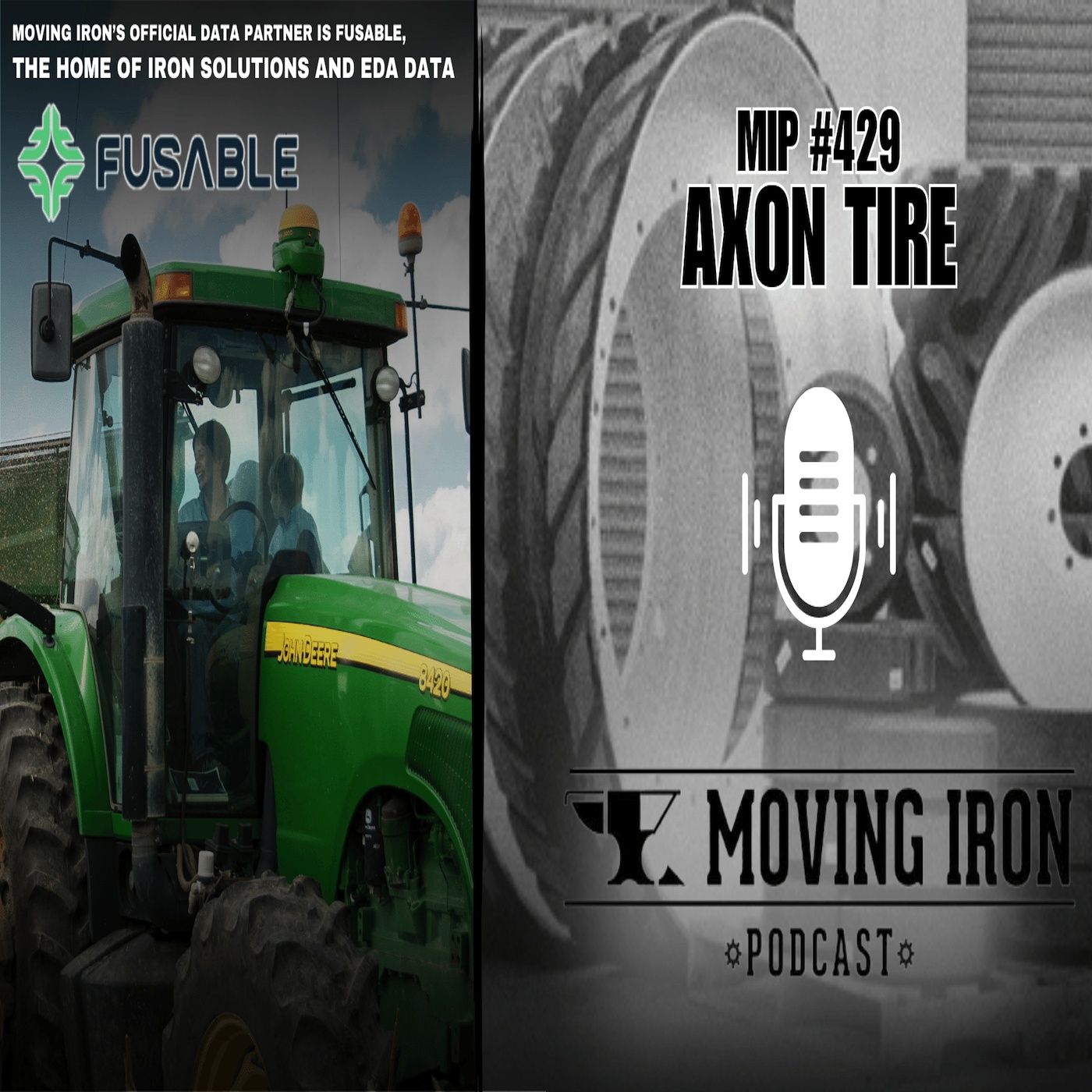
MIP #429 Presented By Axon Tire - Optimizing Performance and Cost-Effectiveness with Axon TireMoving Iron's Official Data Partner Is Fusable. The Home Iron Solutions And EDA Data. Ignite Your Dealership's Growth With Fusable.com Move More Iron with Fusable! Get your Free Demo at https://info.ironsolutions.com/moving-iron-podcast. SummaryIn this episode of the Moving Iron Podcast, the team from Axon Tire discusses a footprint study they conducted with Iowa State University on the Alliance VF 750/60R46 tire. Before diving into the topic, they introduce themselves and their roles within the company. The study aimed to accurately measure the tire's footprint and compare it to other tire sizes. The results showed that the VF 750/60R46 tire had a 5% larger footprint than an 855/46 tire at field speed pressure and a similar footprint at road speed. The team emphasizes the importance of understanding tire technology and how it can benefit farmers regarding soil compaction, performance, and cost-effectiveness. They also highlight Axon's expertise and commitment to providing solutions backed by years of knowledge and collaboration with major tire manufacturers. The episode concludes with information on how to reach out to Axon Tire for further inquiries.Keywords#AxonTire, #footprintstudy, #AllianceVF 750/60R46 #tire, #IowaState University, #tiretechnology, #soilcompaction, #performance, #costeffectivenessTakeawaysThe footprint study conducted by Axon Tire and Iowa State University showed that the Alliance VF 750/60R46 tire had a 5% larger footprint than an 855/46 tire at field speed pressure.Farmers must understand tire technology to optimize soil compaction, performance, and cost-effectiveness.Axon Tire offers a wealth of knowledge and expertise backed by years of collaboration with major tire manufacturers.The company is committed to providing solutions and supporting their products to help farmers move more iron.Sound Bites"Anytime you can have a bigger footprint in a narrower width tire, it makes it much easier to put it on the road, stay in the right tracks in the fields, and put much less strain on the operator."Chapters00:00 Introduction and Team Introductions09:34 The Importance of the Footprint Study12:10 Understanding the Design and Benefits of the Alliance VF 750/60R46 Tire20:53 Exploring Engineering Possibilities and Customer Applications23:22 Axon Tire's Expertise and Commitment to Providing Solutions26:02 Closing Remarks and Contact InformationClick to Watch: https://youtu.be/NieN7yJKf5kPresented By @AxonTire Music By: @TalbottBrothers Host: @casey9673 #agequipmentbusinesstal #letsgomovesomeiron Contact Me at: MovingIronLLC.com movingironpodcast@movingironpodcast.com
MIP #428 Presented By DIS - Data is the Low Hanging Fruit - With John AndersonMoving Iron's Official Data Partner Is Fusable. The Home Iron Solutions And EDA Data. Ignite Your Dealership's Growth With Fusable.comMove More Iron with Fusable! Get your Free Demo athttps://info.ironsolutions.com/moving-iron-podcast.SummaryIn this episode, John Anderson, an industry consultant and one of the original founders of PFW Systems, discusses the need for innovation in the equipment business. He emphasizes meeting customer expectations and creating a positive customer experience. John also highlights the potential of AI and data analytics in improving dealership operations and customer interactions. He urges dealerships to embrace disruption and adapt to the rapidly changing industry landscape. Overall, John emphasizes the need for dealerships to set high standards, leverage data, and collaborate with business system suppliers to stay competitive.TakeawaysDealerships need to embrace innovation and adapt to the changing industry landscape.Meeting customer expectations and providing a positive customer experience are crucial for success.AI and data analytics can improve dealership operations and customer interactions.Dealerships should set high standards, leverage data, and collaborate with business system suppliers to stay competitive.Chapters00:00 Introduction00:33 Background and Journey03:24 The Need for Innovation05:13 Disruptors in the Industry06:28 The Impact of AI09:05 Meeting Customer Expectations10:17 Utilizing Data for Predictive Maintenance11:26 Setting Customer Expectations13:01 The Importance of Customer Communication14:54 Creating a Positive Customer Experience16:36 Emulating Successful Companies20:19 Adapting to Changing Customer Expectations21:53 Collaboration with Business System Suppliers23:11 The Importance of Data and Visionary Roles25:02 The Need for Industry Investment26:23 The Lack of Innovation in Dealerships28:32 Harnessing the Power of Data31:09 The Rapid Pace of Change33:48 Preparing for Disruptions36:22 The Need for Innovation in Dealerships37:00 The Importance of Keeping Up with ChangeClick to Watch:https://youtu.be/G42c7KB90qQPresented By @AxonTire @AgDirect @IronSolutions @randallreilly @Fusable @ValleytransincMusic By: @TalbottBrothersHost: @casey9673#agequipmentbusinesstal #letsgomovesomeironContact Me at:MovingIronLLC.commovingironpodcast@movingironpodcast.com
MIP Markets with Shawn Hackett - The Decoupling of Commodities from the US Dollar?Moving Iron's Official Data Partner Is Fusable. The Home Iron Solutions And EDA Data. Ignite Your Dealership's Growth With Fusable.comMove More Iron with Fusable! Get your Free Demo athttps://info.ironsolutions.com/moving-iron-podcast.SummaryIn this conversation, Casey Seymour and Shawn Hackett discuss various topics related to commodities and the global economy. They touch on the recent USDA report, the cattle market, and the decoupling of commodities from the US dollar. They also explore the potential impact of geopolitical factors and the upcoming US elections on asset prices. Hackett emphasizes the need to pay attention to these factors and adjust trading strategies accordingly.Keywords#commodities, #USDA #USDAreport, #cattle #markets, #decoupling, #USdollar, #geopoliticalfactors, #USelections2024, #assetpricesTakeawaysThe April USDA report had little impact on the commodity market, but the following report incorporating new crop balance sheets will be more significant.The cattle market experienced a setback due to the avian flu scare, but it is stabilizing. Hackett predicts that the market will continue to trade within a range.Commodities are decoupling from the US dollar, which is unusual. Hackett attributes this to the geopolitical climate and the shift away from the US dollar as a reserve currency.The global economy is entering a period of chaos and uncertainty, which will impact asset prices. Hackett suggests that hard assets like metals, food, and energy will hold their value.The upcoming US elections and the divided views within the country could lead to civil unrest and further lack of confidence in the US dollar-based monetary system.Chapters00:00 Introduction and Discussion of Recent Events06:04 The Decoupling of Commodities from the US Dollar12:09 The Chaos and Uncertainty of the Global EconomyClick To Watch:https://youtu.be/oFyr4FSv46kPresented By @AxonTire @AgDirect @IronSolutions @randallreilly @Fusable @ValleytransincMusic By: @TalbottBrothersHost: @casey9673#agequipmentbusinesstal #letsgomovesomeironContact Me at:MovingIronLLC.commovingironpodcast@movingironpodcast.com
MIP Markets with Chip Nellinger The April USDA ReportMoving Iron's Official Data Partner Is Fusable. The Home Iron Solutions And EDA Data. Ignite Your Dealership's Growth With Fusable.comMove More Iron with Fusable! Get your Free Demo athttps://info.ironsolutions.com/moving-iron-podcast.SummaryIn this episode of the Moving Iron Podcast, Chip discusses the recent market report on stocks and Indian stocks and the discrepancies in crop estimates between CONAB and the USDA in Brazil. He also talks about the stability in the cattle market after heavy losses and the positive outlook for the hog market. Chip shares his thoughts on the upcoming planting season and how it may affect corn prices. He also discusses the lack of bullish news coming out of Brazil and the factors that could potentially spark a rally in the market.Keywords#commodities, #markets #marketingreport, #stocks, #Endingstocks, #Brazil, #cropestimates, #CONAB, #USDA, #cattle #Cattlemarket, #hogmarket, #planting24 #plant24, #corn, #bullish #newsTakeawaysThe market report on stocks and Indian stocks showed minor changes, with a slight increase in domestic carryout beans and a decrease in corn carryout.The South American crop estimates from CONAB and the USDA have significant discrepancies, particularly in Brazil, which could impact export demand and world carryout.The cattle market has stabilized after heavy losses, and the hog market is performing well due to strong exports and the avian flu situation.The upcoming planting season may lead to a price break in corn if planters roll early, but the South American crop situation and cash market will also influence prices.There is a lack of bullish news coming out of Brazil, but the cash market and potential cuts in USDA numbers could spark a rally in the market.Chapters00:00 Introduction and Weather Update05:00 Stability in the Cattle Market10:22 Impact of Planting Season on Corn Prices16:00 Conclusion and Contact InformationClick To Watch:https://youtu.be/dBNpwNiSHHwPresented By @AxonTire @AgDirect @IronSolutions @randallreilly @Fusable @ValleytransincMusic By: @TalbottBrothersHost: @casey9673#agequipmentbusinesstal #letsgomovesomeironContact Me at:MovingIronLLC.commovingironpodcast@movingironpodcast.com
MIP #427 The Reroute Game In Baltimore With Blake BinaMoving Iron's Official Data Partner Is Fusable. The Home Iron Solutions And EDA Data. Ignite Your Dealership's Growth With Fusable.comMove More Iron with Fusable! Get your Free Demo athttps://info.ironsolutions.com/moving-iron-podcast.SummaryImportance of Baltimore Port for Roll-On Roll-Off (RoRo) Operations: The Baltimore port is crucial for RoRo operations, particularly for equipment like Caterpillar and Agco products. Baltimore's efficiency in handling RoRo cargo makes it a preferred port for exporters of such equipment. However, with the recent bridge collapse incident, the port's closure has significantly disrupted RoRo operations.Impact of the Bridge Collapse: The incident was caused by a ship hitting the Francis Scott Key Bridge, which closed the main channel and affected commercial vessel transit. The Army Corps of Engineers is underway with salvage and recovery efforts, but clearing the channel and removing debris may take several months.Diversion of RoRo Ships: Major RoRo carriers like Holglines have already diverted their vessels to alternative ports like Savannah, Brunswick, and Jacksonville. However, these ports may not have the same infrastructure and capacity to handle RoRo cargo efficiently, potentially leading to additional costs and delays for exporters.Challenges for Exporters: Exporters with cargo staged in Baltimore face additional costs and potential delays in retrieving their goods. The longer cargo sits in the port, the higher the port authority's parking fees. To mitigate delays and costs, exporters may need to consider alternative ports and transportation methods, such as flat racks.Short-Term Bottlenecks: The closure of the Baltimore port has created short-term bottlenecks at alternative ports, leading to potential delays of two to three weeks for inbound vessels. The diversion of cargo and the strain on infrastructure at alternative ports may cause additional delays and challenges for exporters and importers.Long-Term Impact: While short-term delays are expected to be resolved as carriers implement contingency plans and increase capacity, long-term effects on cargo flow and logistics chains remain uncertain. Exporters and importers may face ongoing challenges in securing space on RoRo vessels and managing transportation costs until the Baltimore port resumes entire operations.Keywords:#Baltimore #portofbaltimore #RoRooperationsdisruption #FrancisScottKeyBridge #AlternativeportsforRoRoshipping#Exporterchallenges #Cargodelays #Transportationlogisticsdisruptions#Portclosures #supplychain #Shorttermbottlenecks #LongtermlogisticsimplicationsClick To Watch:https://youtu.be/LvdzgWMoKu8Click To Listen:Presented By @AxonTire @AgDirect @IronSolutions @EDAdata @Fusable @ValleytransincMusic By: @TalbottBrothersHost: @casey9673#agequipmentbusinesstal #letsgomovesomeironContact Me at:MovingIronLLC.commovingironpodcast@movingironpodcast.com
MIP Markets With Shawn Hackett - The Brazilian Root Zone Is DryMoving Iron's Official Data Partner Is Fusable. The Home Iron Solutions And EDA Data. Ignite Your Dealership's Growth With Fusable.comMove More Iron with Fusable! Get your Free Demo athttps://info.ironsolutions.com/moving-iron-podcast.SummaryIn this episode of Moving Iron Podcasts, Casey and Sean Hackett discuss the current state of commodities, focusing on corn and wheat. They talk about the potential impact of dry weather in Brazil on corn production and the potential for a decrease in exports, which could lead to a rise in corn prices. They also discuss the dryness in key wheat-growing areas in Russia and the potential for export restrictions and lower crop yields. Additionally, they touch on the cattle market and the recent avian flu situation.Keywords#commodities, #corn, #wheat, #Brazil, #dryweather, #exports, #Russia #wheatgrowingareas, #avianflu, #cattle #cattlemarketTakeawaysDry weather in Brazil could decrease corn production and exports, potentially raising corn prices.Dryness in key wheat-growing areas in Russia may result in export restrictions and lower crop yields.The cattle market experienced a decline due to the avian flu situation, but stabilization is expected.Farmers should consider marketing price protection and buying opportunities in the current market conditions.Chapters00:00 Introduction and Discussion of Travel Plans07:10 Dryness in Key Wheat Growing Areas in Russia and Potential Export Restrictions21:41 Closing Remarks and Contact InformationClick To Watch:https://youtu.be/WJOnhl4ApBoPresented By @AxonTire @AgDirect @IronSolutions @EDAdata @Fusable @ValleytransincMusic By: @TalbottBrothersHost: @casey9673#agequipmentbusinesstal #letsgomovesomeironContact Me at:MovingIronLLC.commovingironpodcast@movingironpodcast.com
MIP #426 Two Brands Team Up Axon and Dawson TireMoving Iron's Official Data Partner Is Fusable. The Home Iron Solutions And EDA Data. Ignite Your Dealership's Growth With Fusable.comMove More Iron with Fusable! Get your Free Demo athttps://info.ironsolutions.com/moving-iron-podcast.SummaryThe podcast features discussions among Tim Berardi (President and CEO of CFI Tire), Eric McPherson (founder and CEO of Dosson Tire), and Stuart Berardi (management team leader at CFI). They discussed CFI Tire's acquisition of Dawson Tire into the Axon Tire Brand. Tim explains that merging the brands will benefit customers and employees, and they discuss the strategic reasons behind the merger, including synergies in product lines and territories.They delve into challenges faced during the merger, such as integrating different business systems and managing cultural differences. They emphasize the importance of communication and trust in overcoming obstacles and integrating teams effectively.They also discuss how the merger expanded resources and sales teams, enabling better customer service and coverage. They mention surprising discoveries about their customer base and highlight the importance of understanding and meeting customer needs.Finally, they touch on changes in leadership and management structure post-merger, focusing on improving organizational structure and communication for customers and employees. Throughout the discussion, they stress the importance of trust, communication, and adaptation in navigating the complexities of the merger process.TakeawaysMerging for Growth: The merger between Axon Tire and Dosson Tire under the Axon Tire brand was driven by the desire for growth. Both companies recognized the need to expand and adapt to industry changes.Synergies and Benefits: The merger aimed to capitalize on synergies between the two companies, such as combining knowledge, product lines, and resources to serve customers better and enhance employee opportunities.Strategic Thinking: Strategic planning played a crucial role in the merger, focusing on long-term succession planning and providing the best outcomes for employees, customers, and the business.Cultural Integration: Despite initial concerns about cultural differences, trust, and communication were highlighted as essential in successfully integrating the two companies. Building camaraderie and aligning values helped overcome cultural challenges.Challenges of Integration: Significant challenges encountered during the merger included integrating different business systems, managing logistics, and adjusting to new processes. Open communication, project management, and a dedicated team were essential in overcoming these obstacles.Customer Overlap and Expansion: Surprising findings emerged regarding customer overlap, showing opportunities for expansion into new markets and the potential for increased customer satisfaction and service.Resource Utilization: The merger increased the pool of resources and talent, allowing for enhanced customer service and broader market coverage. Effectively utilizing these resources became a focal point for both companies.Leadership and Structure: The merger prompted a review of leadership and management structures, focusing on implementing a more organized and efficient system to benefit customers and employees.Overall, the merger between Axon Tire and Dosson Tire reflects a strategic move aimed at growth, synergies, and improved service delivery. It strongly emphasizes cultural alignment, overcoming challenges, and maximizing resources.Click To Watch:https://youtu.be/F5l4FXhnZvIClick To Listen:Presented By @AxonTire Music By: @TalbottBrothersHost: @casey9673#agequipmentbusinesstal #letsgomovesomeironContact Me at:MovingIronLLC.commovingironpodcast@movingironpodcast.com
MIP Markets with Chip Nellinger A Glimmer of Hope of For PorkMoving Iron's Official Data Partner Is Fusable: the Home of Iron Solutions And EDA Data. Ignite Your Dealership's Growth With Fusable.comMove More Iron with Fusable! Get your Free Demo at info.randallreilly.com/moving-iron-podcast.SummaryIn this episode of the Moving Iron Podcast, Casey Seymour and Chip Nail discuss the current state of the cattle market, the impact of the avian flu on the beef supply, the outlook for the wheat market, the potential for volatility in the grain markets, and the recent performance of the hog market. They also emphasize the importance of having a risk management plan in the face of increasing uncertainty and volatility.#MovingIronPodcast #LetsGoMoveSomeIron #beefsupply #hogmarket #commodities #agriculture #wheatmarket #frostdamage #avianflu #dairycows #cattlemarket #riskmanagement #economicrecovery #ChinaTakeawaysThe cattle market has reacted strongly to the avian flu situation, with initial liquidation causing prices to drop.The impact of the avian flu on the beef supply is still uncertain, but it could potentially limit the amount of dairy cattle put into the beef supply.The wheat market is entering a period of uncertainty as the weather warms up and the crop moves out of dormancy.The grain markets, including corn and soybeans, could see increased volatility as the funds unwind their short positions.The hog market has seen a glimmer of hope after a decline, with the avian flu potentially boosting pork demand.A risk management plan is crucial in the face of increasing uncertainty and volatility in the commodity markets.Chapters00:00 Introduction and the Impact of Avian Flu on the Cattle Market05:56 Uncertainty in the Wheat Market07:41 Volatility and Short Positions in the Grain Markets13:50 A Glimmer of Hope in the Hog Market16:20 The Importance of Risk Management in the Commodity MarketsClick To Watch:https://youtu.be/lWOwVC_RnWQ Click ToListen: https://on.soundcloud.com/QpaSqx3ZZs4EtfJh8Presented By @AxonTire @AgDirect @IronSolutions @EDAData @Fusable @Valleytransinc Music By: @TalbottBrothersHost: @casey9673#agequipmentbusinesstal #letsgomovesomeiron Contact Me at:MovingIronLLC.commovingironpodcast@movingironpodcast.com
MIP Markets With Shawn Hackett - Cattle Markets Slides Due To Avian Flu FearsMoving Iron's Official Data Partner Is Fusable. The Home Iron Solutions And EDA Data. Ignite Your Dealership's Growth With Fusable.comMove More Iron with Fusable! Get your Free Demo atinfo.randallreilly.com/moving-iron-podcast.SummaryIn this conversation, Casey Seymour and Sean Hackett discuss various topics related to commodities in the agriculture industry. They cover the current state of the wheat market, the potential impact of frost damage, and the need for weather stability during the critical growing period. They also discuss the avian flu outbreak in dairy cows and its potential implications for the cattle market. Additionally, they touch on the economic recovery in China and its potential impact on commodity demand. Overall, the conversation highlights the importance of risk management and staying informed about market dynamics.TakeawaysThe wheat market is expected to have a decent crop this year, but the potential for frost damage in May could impact the outcome.The avian flu outbreak in dairy cows raises concerns about its potential spread to beef cows and its impact on beef demand.Risk management is crucial in uncertain times, and producers should consider utilizing government-subsidized programs to protect against downside price risks.The economic recovery in China could lead to increased demand for commodities, particularly in the grain markets.Staying informed about market dynamics and being prepared for potential changes is essential for producers in the agriculture industry.Chapters00:00 Assessing the Wheat Market and Potential Frost Damage06:35 The Impact of Avian Flu Outbreak on the Cattle Market09:07 The Importance of Risk Management in Uncertain TimesClick To Watch:https://youtu.be/Nqx2XepyLCgPresented By @AxonTire @AgDirect @IronSolutions @randallreilly @Fusable @ValleytransincMusic By: @TalbottBrothersHost: @casey9673#agequipmentbusinesstal #letsgomovesomeironContact Me at:MovingIronLLC.commovingironpodcast@movingironpodcast.com#commodities #agriculture #wheatmarket #frostdamage #avianflu #dairycows #cattlemarket #riskmanagement #economicrecovery #China
MIP #425 You're Keeping Up With The Market With Jon WommackMoving Iron's Official Data Partner Is Fusable. The Home Iron Solutions And EDA Data. Ignite Your Dealership's Growth With Fusable.comMove More Iron with Fusable! Get your Free Demo atinfo.randallreilly.com/moving-iron-podcast.SummaryIn this episode of the Moving Iron Podcast, Casey Seymour interviews John Womack and Corey Ziegler from Iron Solutions. They discuss the roles and responsibilities at Iron Solutions, the improvements made to the Iron Guides, and the importance of building customer relationships. They also talk about the impact of precision upgrade kits on equipment valuation and the benefits of attending the Moving Iron Summit. Overall, the conversation highlights Iron Solutions' commitment to providing accurate and valuable information to their customers.TakeawaysIron Solutions manages the data for the Iron Guides, including values, options, and models.Customer feedback is crucial for improving the accuracy and usefulness of the Iron Guides.Precision upgrade kits for equipment pose challenges in valuation due to aftermarket modifications.Building relationships with customers and understanding their needs is a priority for Iron Solutions.Attending the Moving Iron Summit provides valuable networking opportunities and industry insights.Chapters00:00 Introduction and Roles at Iron Solutions03:09 Working with Iron Solutions07:24 Improvements in Iron Solutions15:11 Future Initiatives at Iron Solutions28:36 Improving Iron Guides and Building Relationships32:17 Benefits of Attending the Moving Iron Summit34:16 ConclusionClick To Watch:https://youtu.be/BGyrmmrh5cMPresented By @AxonTire @AgDirect @IronSolutions @randallreilly @Fusable @ValleytransincMusic By: @TalbottBrothersHost: Casey Seymour @casey9673#agequipmentbusinesstal #letsgomovesomeironContact Me at:MovingIronLLC.commovingironpodcast@movingironpodcast.com
MIP #424 Presented by AgDirect Holding On To My Shorts With Tanner Ehmke Moving Iron's Official Data Partner Is Fusable. The Home Iron Solutions And EDA Data. Ignite Your Dealership's Growth With Fusable.comMove More Iron with Fusable! Get your Free Demo atinfo.randallreilly.com/moving-iron-podcast.SummaryIn this episode of the Moving Iron Podcast, Casey Seymour interviews Shawn Hackett from Hackett Advisors about the current state of the commodity market. They discuss the recent report on planting intentions and its impact on the market. They also delve into the role of weather in the planting season and the potential for a May freeze. Hackett shares his long-term predictions for the US market, highlighting the importance of monitoring weather patterns and drought conditions. They also touch on the drought conditions in Russia and its potential impact on the global market. Overall, the conversation provides valuable insights for farmers and market participants.TakeawaysThe recent report on planting intentions significantly impacted the market, with corn acres decreasing and soybean acres increasing.Weather plays a crucial role in the planting season, and a warm and dry April could lead to a quick start to planting and push prices down.Long-term predictions suggest an elevated risk for a significant crop problem in the US market in the next few years due to cycles and weather patterns.Drought conditions in the US, particularly in Iowa and Illinois, could significantly impact corn and soybean production.Drought conditions in Russia, especially in the southern half, could also affect winter wheat production and the global market.Chapters00:00 Introduction and Report Analysis03:00 Impact of Weather on Planting Season06:09 Long-Term Predictions for the US Market07:08 May Freeze and Summer Months23:43 Drought Conditions in Russia28:14 Conclusion and Contact InformationClick To Watch:https://youtu.be/zMMc5Z05HOQPresented By @AxonTire @AgDirect @IronSolutions @randallreilly @Fusable @ValleytransincMusic By: @TalbottBrothersHost: Casey Seymour @casey9673#agequipmentbusinesstal #letsgomovesomeironContact Me at:MovingIronLLC.commovingironpodcast@movingironpodcast.com
MIP Markets with Shawn Hackett 4 Million Less Acres of CornMoving Iron's Official Data Partner Is Fusable. The Home Iron Solutions And EDA Data. Ignite Your Dealership's Growth With Fusable.comMove More Iron with Fusable! Get your Free Demo atinfo.randallreilly.com/moving-iron-podcast.SummaryIn this episode of the Moving Iron Podcast, Casey Seymour interviews Shawn Hackett from Hackett Advisors about the current state of the commodity market. They discuss the recent report on planting intentions and its impact on the market. They also delve into the role of weather in the planting season and the potential for a May freeze. Hackett shares his long-term predictions for the US market, highlighting the importance of monitoring weather patterns and drought conditions. They also touch on the drought conditions in Russia and its potential impact on the global market. Overall, the conversation provides valuable insights for farmers and market participants.TakeawaysThe recent report on planting intentions significantly impacted the market, with corn acres decreasing and soybean acres increasing.Weather plays a crucial role in the planting season, and a warm and dry April could lead to a quick start to planting and push prices down.Long-term predictions suggest an elevated risk for a significant crop problem in the US market in the next few years due to cycles and weather patterns.Drought conditions in the US, particularly in Iowa and Illinois, could significantly impact corn and soybean production.Drought conditions in Russia, especially in the southern half, could also affect winter wheat production and the global market.Chapters00:00 Introduction and Report Analysis03:00 Impact of Weather on Planting Season06:09 Long-Term Predictions for the US Market07:08 May Freeze and Summer Months23:43 Drought Conditions in Russia28:14 Conclusion and Contact InformationClick To Watch:https://youtu.be/cfAjTcNCdaMPresented By @AxonTire @AgDirect @IronSolutions @randallreilly @Fusable @ValleytransincMusic By: @TalbottBrothersHost: @casey9673#agequipmentbusinesstal #letsgomovesomeironContact Me at:MovingIronLLC.commovingironpodcast@movingironpodcast.com
MIP #423 We Have The Meats, Technically with Doug JohnsonMoving Iron's Official Data Partner Is Fusable. The Home Iron Solutions And EDA Data. Ignite Your Dealership's Growth With Fusable.comMove More Iron with Fusable! Get your Free Demo atinfo.randallreilly.com/moving-iron-podcast.SummaryDoug Johnson discusses lab-raised meat technology and its potential impact on the agricultural industry. Lab-raised meat is produced by growing stem and immortalized cells in a controlled environment with the idea it will reduce land and water usage, greenhouse gas emissions, and animal slaughter. However, scaling up production and ensuring food safety are challenges. The market demand for lab-raised meat is growing, but there are concerns about fair labeling and consumer education. The agricultural industry needs to advocate and educate others about the benefits and challenges of lab-raised meat.TakeawaysLab-raised meat is produced by growing stem and immortalized cells in a controlled environment with the idea it will reduce land and water usage, greenhouse gas emissions, and animal slaughter. There are challenges in scaling up production and ensuring food safety in lab-raised meat production.Market demand for lab-raised meat is growing, but there are concerns about fair labeling and consumer education.The agricultural industry needs to advocate and educate others about the benefits and challenges of lab-raised meat.Chapters00:00 Introduction and Background02:59 Lab-Raised Meat Technology05:51 How Lab-Raised Meat is Produced09:03 Immortalized Cells and Genetic Editing12:06 Challenges and Scalability of Lab-Raised Meat14:51 Market Demand and Waiting Lists21:59 Consumer Perception and Education25:05 Future Implications and Labeling30:02 Conclusion and Call to ActionClick To Watch:https://youtu.be/QBUVzKBmzroPresented By @AxonTire @AgDirect @IronSolutions @randallreilly @Fusable @ValleytransincMusic By: @TalbottBrothersHost: Casey Seymour @casey9673#agequipmentbusinesstal #letsgomovesomeironContact Me at:MovingIronLLC.commovingironpodcast@movingironpodcast.com
MIP Markets with Shawn Hackett Avian Flu and Dairy CattleMoving Iron's Official Data Partner Is Fusable. The Home Iron Solutions And EDA Data. Ignite Your Dealership's Growth With Fusable.comMove More Iron with Fusable! Get your Free Demo atinfo.randallreilly.com/moving-iron-podcast.SummaryIn this episode, Sean Hackett discusses various topics related to the agricultural commodities market. He provides insights on the wheat market, highlighting the minor reports of damage due to cold temperatures in certain areas. The conversation then shifts to the avian flu and its impact on dairy cattle, with Sean explaining the contagious nature of the disease and the potential production shortfall. The discussion further delves into the cattle market, where Sean predicts a period of sideways trade due to consumer pullback and increased supply. Finally, the hog market is analyzed, with Sean discussing the contraction in China's hog herd and the potential increase in demand for foreign pork supplies.TakeawaysCold temperatures in certain areas have caused minor damage to the wheat crop, but the overall impact on the market is insignificant.The avian flu has spread to dairy cattle, potentially causing a production shortfall and significantly impacting the dairy industry.The cattle market is expected to experience sideways trade as consumer pullback and increased supply affect prices.The hog market is showing signs of recovery, with the contraction in China's hog herd leading to potential opportunities for foreign pork suppliers.Chapters00:00 Introduction00:33 Discussion on Wheat Market10:53 Cattle Market Analysis13:29 Hog Market AnalysisClick To Watch:https://youtu.be/QBUVzKBmzroPresented By @AxonTire @AgDirect @IronSolutions @randallreilly @Fusable @ValleytransincMusic By: @TalbottBrothersHost: Casey Seymour @casey9673#agequipmentbusinesstal #letsgomovesomeironContact Me at:MovingIronLLC.commovingironpodcast@movingironpodcast.com

MIP #421 Blame It On The Funds With Rich PossonMoving Iron's Official Data Partner Is Fusable. The Home Iron Solutions And EDA Data. Ignite Your Dealership's Growth With Fusable.comMove More Iron with Fusable! Get your Free Demo atinfo.randallreilly.com/moving-iron-podcast.SummaryRichard Posson discusses his podcast and topics, including grains, crude oil, gold, the economy, and the stock market. He explains his analysis based on business cycle patterns and his belief that the stock market and the economy grow for about seven to 12 years before a recession occurs. Richard also discusses the relationship between grains and the stock market and the impact of job market data on the current economy. He analyzes inflation and interest rates and the Federal Reserve's approach to managing them. Finally, he explains the role of interest rates in a recession and the importance of the Federal Reserve in stabilizing the economy. In this conversation, Richard Posson discusses various economic topics, including predicting the economy and the impact of debt. He also talks about the influence of the dollar on exports and the factors driving grain prices. Additionally, he shares his insights on the stagnant oil market and its future prospects.TakeawaysRichard Posson's podcast covers various topics, including grains, crude oil, gold, the economy, and the stock market.Richard's analysis is based on business cycle patterns, and he believes that the stock market and the economy grow for about seven to 12 years before a recession occurs.There is a relationship between grains and the stock market, with specific patterns and factors influencing their performance.Job market data, such as the number of non-farm jobs added, provides insights into the current state of the economy. Predicting the economy and the impact of debt is challenging, and many predictions have been proven wrong over the years.The dollar's value plays a significant role in exports and can affect the stock market.Various factors influence grain prices, including funds' behavior and commercial traders.The oil market is stagnant, with production levels and economic factors contributing to its lack of movement.Chapters00:00 Introduction to Richard Posson's Podcast01:17 Richard's Analysis and Business Cycle Patterns04:16 Job Market and the Current Economy08:28 Inflation and Interest Rates14:10 The Fed's Approach to Interest Rates20:57 Quantitative Easing and the Banking System21:28 The Importance of the Federal Reserve22:25 Predicting the Economy and Debt25:16 The Impact of the Dollar on Exports29:00 Factors Influencing Grain Prices37:18 The Stagnant Oil MarketClick To Watch:https://youtu.be/V3_Wl5wuJUcPresented By @AxonTire @AgDirect @IronSolutions @randallreilly @Fusable @ValleytransincMusic By: @TalbottBrothersHost: Casey Seymour @casey9673#agequipmentbusinesstal #letsgomovesomeironContact Me at:MovingIronLLC.commovingironpodcast@movingironpodcast.com
MIP #420 Inflation Report - With Rich PossonSummaryIn this episode, Casey Seymour and Richard Posson discuss the recent CPI report and its implications for inflation and interest rates. They analyze the surprising inflation numbers and the market's reaction to them. They also explore the impact of inflation on the real estate market and the potential for manufacturing to shift back to the United States. Additionally, they examine the current trends in the real estate market and the effect of low interest rates on home buying. Richard Posson discusses various topics related to the economy, stock market, and interest rates in this conversation. He emphasizes the importance of locking in low-interest rates and the potential impact of the Federal Reserve on inflation. Posson also shares his optimistic outlook for the stock market and economy, highlighting the potential of AI and the importance of long-term trends. He discusses the behavior of companies about inflation and the possibility of a Goldilocks scenario. Additionally, Posson touches on oil prices, the dollar index, and the struggle with interest rates.TakeawaysThe CPI report showed a slight increase in inflation, which surprised the market and raised concerns about the Fed's interest rate decision.The government's inflation calculation differs from private sector calculations, causing confusion and uncertainty.The real estate market is experiencing a shift as interest rates and prices fluctuate, but overall, it remains stable.Manufacturing will likely see a combination of onshoring and investment in emerging markets like India. Locking low-interest rates can provide a cushion and protect against potential increases.Although the Federal Reserve's actions may have contributed to lowering inflation, the free market system and consumer behavior also played a role.The stock market and economy are expected to experience short-term volatility, but the long-term outlook remains positive.Balancing inflation and economic growth is crucial; companies' behavior can impact inflation levels.The potential of AI and the importance of long-term trends should be considered when making investment decisions.Chapters00:00 Introduction and Overview00:38 Understanding the CPI Report04:27 Market Reaction and Fed's Interest Rate Decision05:23 Divergence between Government and Private Inflation Calculations07:14 Impact of Inflation on the Real Estate Market10:57 Interest Rates and the Economy16:02 Manufacturing Shifts and Opportunities21:44 Effect of Low-Interest Rates on Homebuying22:24 Private Sector's Response to Interest Rate Changes22:27 Locking in Low-Interest Rates23:15 The Impact of the Fed on Inflation24:09 The Possibility of a Recession25:06 The Role of the Free Market System25:35 The Effectiveness of the Fed's Actions26:21 Throttle Up, Throttle Down Process27:18 The Bullish Outlook for the Stock Market28:11 Balancing Inflation and Economic Growth29:09 Addressing Inequality and Creating Real Value30:05 Behavior of Companies and Inflation30:35 The Potential for a Goldilocks Scenario31:02 Comparing the Current Market to the Dot-com Bubble31:59 The Long-Term Potential of AI33:27 The Importance of Long-Term Trends34:53 Oil Prices and the Economy35:45 The Dollar Index and Interest Rates37:32 The Uncertainty of the Dollar Index38:30 The Struggle with Interest Rates39:58 The Importance of Inflation Indicators41:44 Short-Term Market Volatility42:01 Richard Posson's PodcastClick To Watch:https://youtu.be/yFcaIZslsucPresented By @AxonTire @AgDirect @IronSolutions @randallreilly @Fusable @Valleytransinc Music By: @TalbottBrothersHost: Casey Seymour @casey9673 #agequipmentbusinesstal #letsgomovesomeiron Contact Me at:MovingIronLLC.commovingironpodcast@movingironpodcast.com
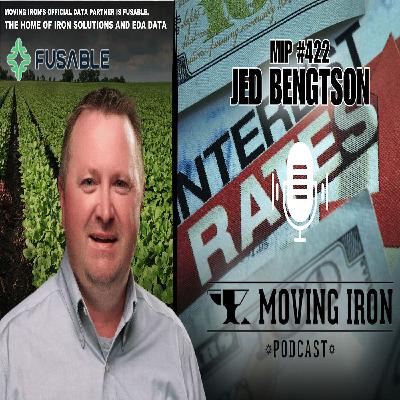
MIP #422 Row Crop Isolation With Jed BengtsonMoving Iron's Official Data Partner Is Fusable. The Home Iron Solutions And EDA Data. Ignite Your Dealership's Growth With Fusable.comMove More Iron with Fusable!Get your Free Demo at info.randallreilly.com/moving-iron-podcast. SummaryIn this episode, Casey Seymour interviews Jed Bengtson to discuss the current trends and challenges in the equipment business. They cover topics such as the combine market, four-wheel drive tractors, row crop tractors, interest rates, and the outlook for 2024. Jed provides insights into the market conditions in Montana and shares his contact information for further discussion.TakeawaysThe combine market is experiencing a decline in values, but auction values have not dropped as much as expected. Introducing new combine models, such as the class 11 combine, may further impact the market.Four-wheel drive tractors with four-track articulated machines are gaining popularity, but wheeled tractors are still in demand. Dual pumps and PTOs are common configurations in the market.The row crop tractor market is flooded with inventory, leading to increased competition and potential price pressure. Interest rates play a significant role in equipment sales, with many customers seeking lower rates.The outlook for 2024 is expected to be flat to slightly up, but dealers may face challenges due to increased inventory and carrying costs.Montana's construction business is thriving due to population growth.Networking and building connections are crucial in the equipment industry, and events like the Moving Iron Summit provide valuable opportunities for industry professionals.Chapters00:00 Introduction and Background03:23 Combine Market Trends10:26 Four-Wheel Drive Tractor Market14:17 Row Crop Tractor Market16:47 Interest Rates and Financing23:00 Outlook for 202426:23 Positive and Negative Factors in Montana28:19 Contact Information and RecommendationClick To Watch:https://youtu.be/M3n9hgPlcKI Click To Listen:https://on.soundcloud.com/UbvLbG5cS8yrhV358Presented By @AxonTire @AgDirect @IronSolutions @randallreilly @Fusable @ValleytransincMusic By: @TalbottBrothersHost: Casey Seymour @casey9673#agequipmentbusinesstal #letsgomovesomeiron Contact Me at:MovingIronLLC.commovingironpodcast@movingironpodcast.com

Comments

Download from Google Play

Download from App Store
 United States