


 Claim Ownership
Fiduciary Investors Series
Subscribed: 2Played: 9
Subscribe

© 2026 Amanda White
Description
Through conversations with academics and asset owners, the Fiduciary Investors Podcast Series is a forward looking examination of the changing dynamics in the global economy, what a sustainable recovery looks like and how investors are positioning their portfolios.
The much-loved events, the Fiduciary Investors Symposiums, act as an advocate for fiduciary capitalism and the power of asset owners to change the nature of the investment industry, including addressing principal/agent and fee problems, stabilising financial markets, and directing capital for the betterment of society and the environment. Like the event series, the podcast series, tackles the challenges long-term investors face in an environment of disruption, and challenges investors to look differently at how they make decisions and allocate capital.
48 Episodes
Reverse
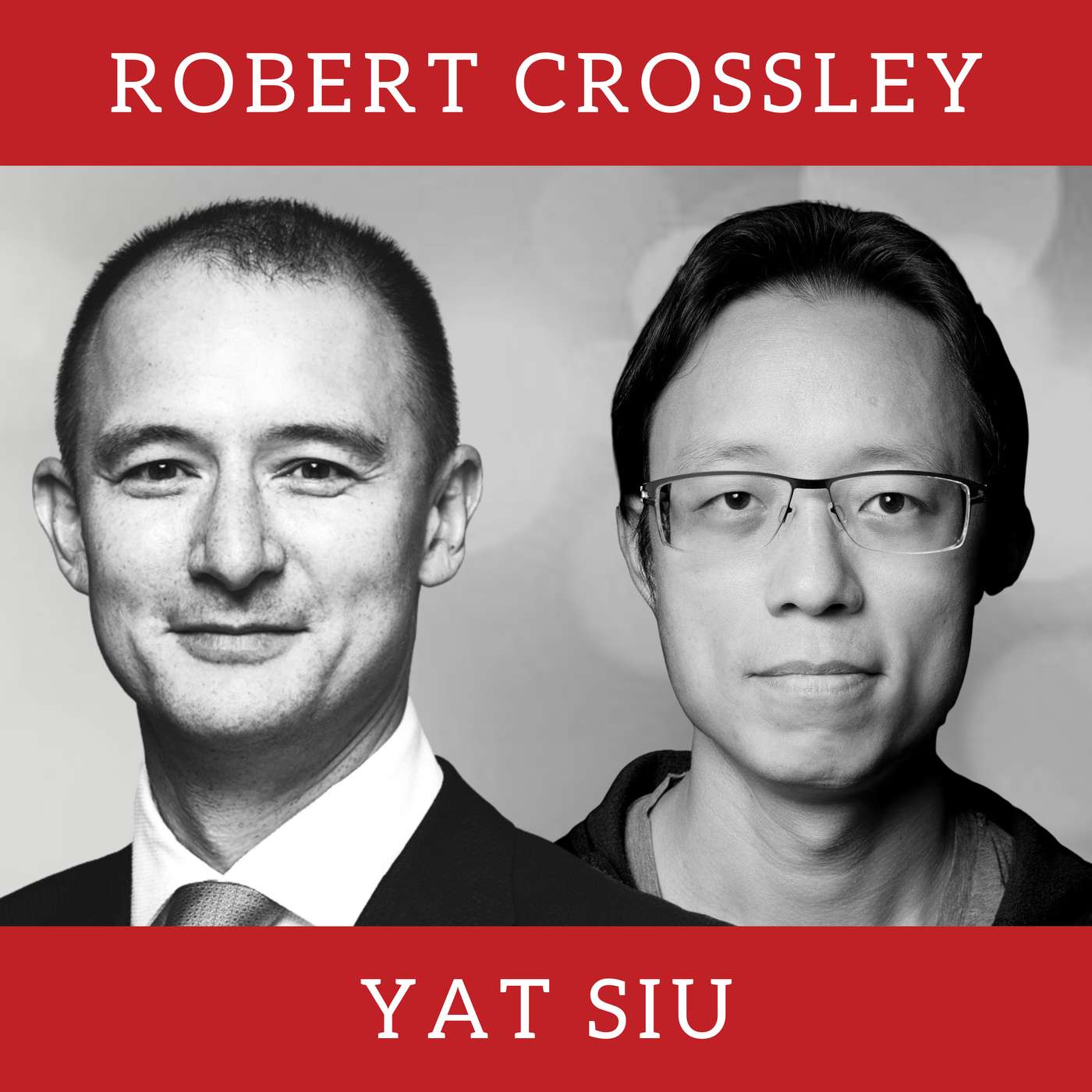
Tokenisation is moving beyond the experimental fringes of cryptocurrency, with greater regulatory clarity, institutional infrastructure and the rapid adoption of stablecoins bringing blockchain technology closer to mainstream finance. But the biggest opportunity for institutional investors may not be simply tokenising existing assets. Instead, it lies in understanding how digital ownership, programmable assets and the convergence of blockchain and artificial intelligence could fundamentally reshape the way capital is created and invested.Robert Crossley, global head of industry advisory services at Franklin Templeton, argues that asset owners need to look beyond the technology itself and focus on the investment opportunities it creates. From real-time settlement and more efficient cash management to entirely new sources of value, tokenisation has implications for both portfolio construction and investment operations.Yat Siu, co-founder, executive chairman, and managing director of Animoca Brands, believes the real potential lies in creating new asset classes and network effects that traditional financial structures cannot replicate. Rather than simply converting existing investments into digital tokens, programmable ownership could unlock entirely new markets and ways of generating value.In the latest episode of the Fiduciary Investors Series, Crossley and Siu spoke with Top1000funds.com senior journalist Darcy Song about why tokenisation is reaching an institutional tipping point and how CIOs and investment committees should approach the opportunities, risks and governance challenges of this emerging financial ecosystem.
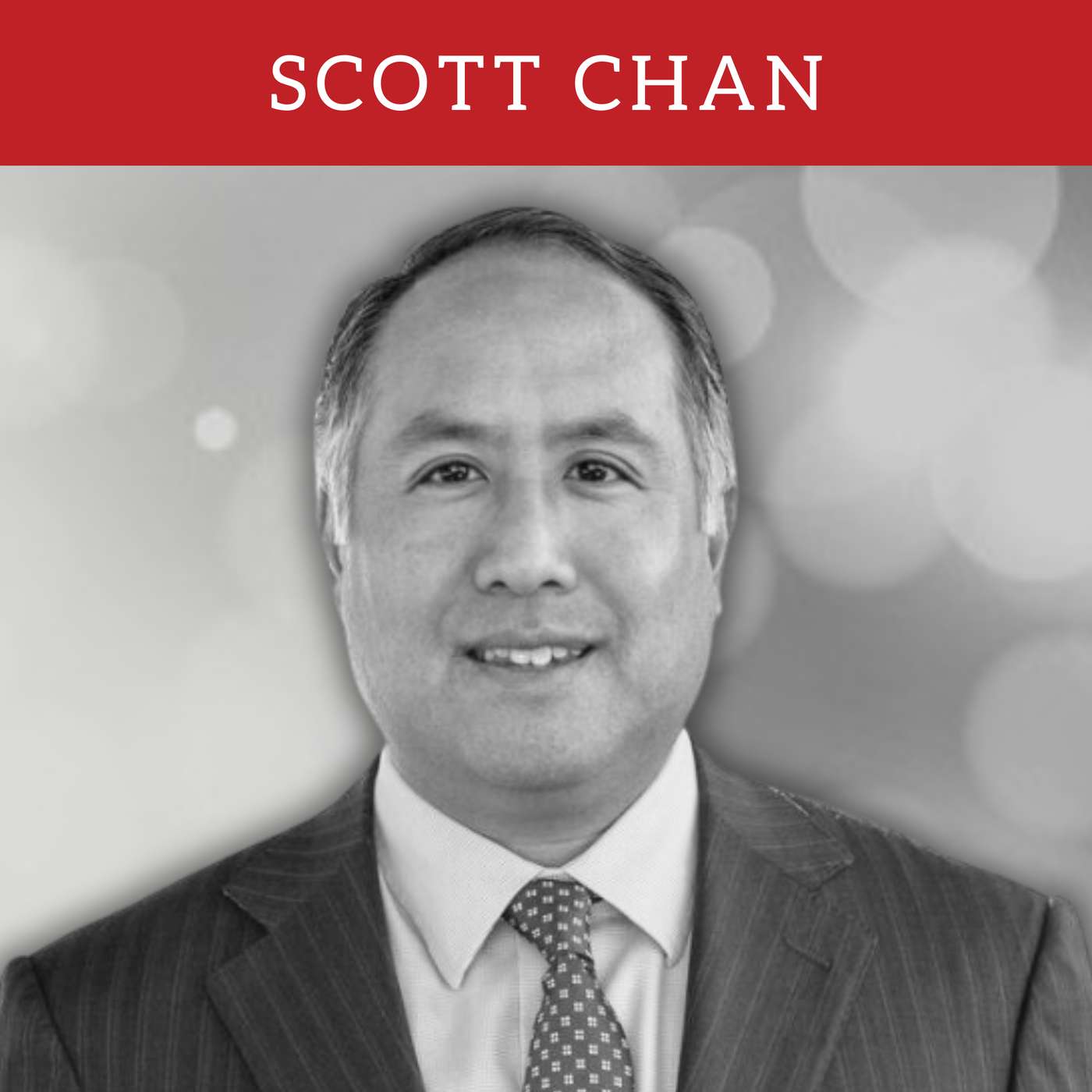
As the $420 billion CalSTRS begins its 2027 asset allocation process, chief investment officer Scott Chan sat down with Top1000funds.com’s Amanda White to discuss the five structural forces he thinks are driving a new investment regime and why the “one fund approach” positions it to take advantage of dislocation.Chan says these forces will drive the fund's allocations: artificial intelligence; a structural fixed asset boom; the transition to a multipolar world; a sovereign debt regime shift; and the potential for both inflation, deflation, and a lot of dispersion and volatility.The speed and interconnectedness of these forces means it’s likely the fund will allocate more to assets that build inflation resiliency and account for a wider dispersion in returns and he discusses how hedge funds, infrastructure and energy assets may play a larger part.
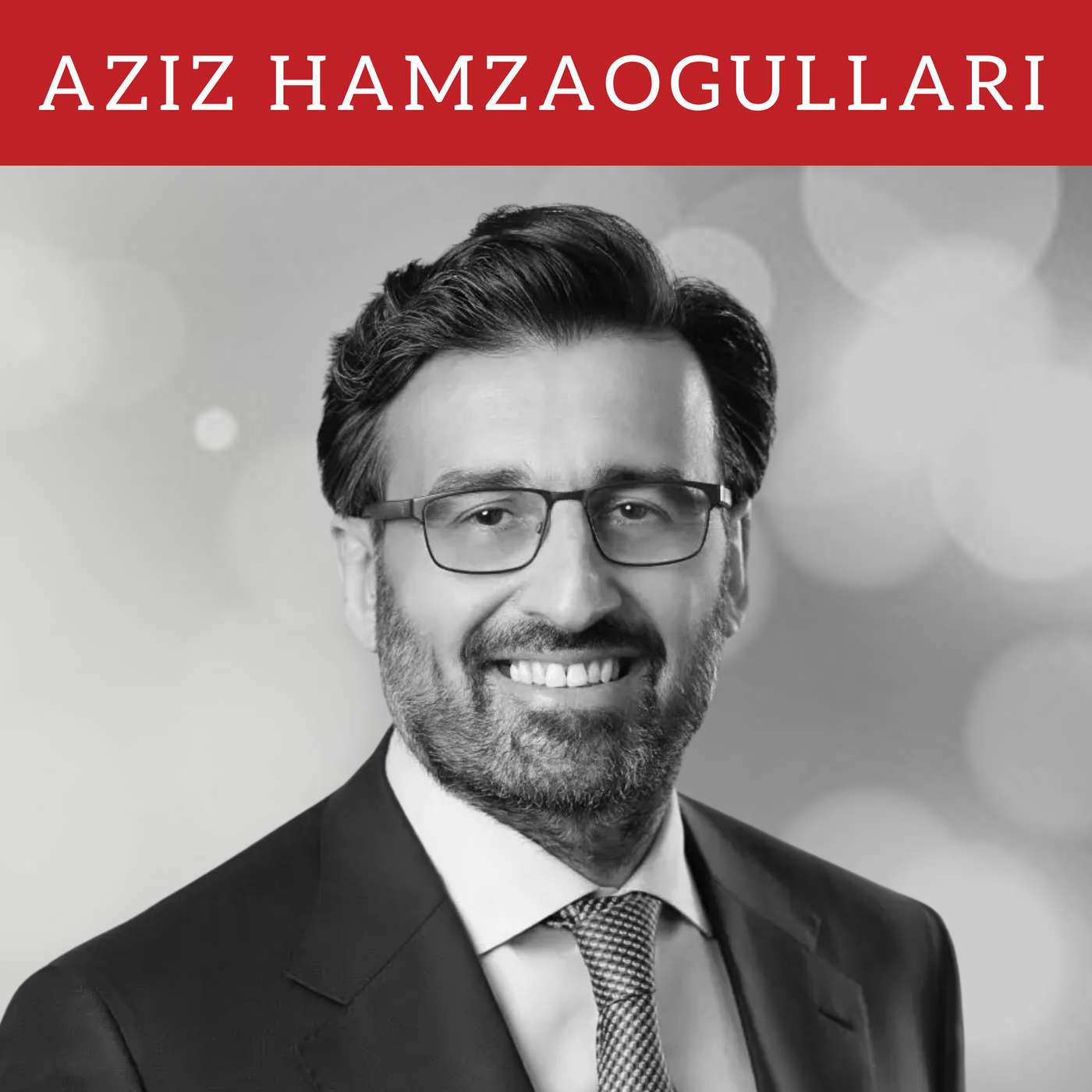
Institutional investors pride themselves on taking a long-term approach, yet when it comes to public and private equity, they often apply very different standards. While private equity managers are afforded a decade or more to deliver returns, public equity managers can find themselves under pressure after just three years of underperformance.But Aziz Hamzaogullari, chief investment officer of Loomis Sayles’ growth equity strategies, argues this double standard is increasingly difficult to justify. He points to evidence that private equity has underperformed public market benchmarks since 2010, despite its historical reputation for superior returns. He also questions whether the perceived lower volatility of private markets is an illusion created by infrequent valuations, while rising leverage and increased competition for deals are putting further pressure on returns.In a conversation with Top1000funds.com Hamzaogullari examines why investors apply different time horizons to public and private equity, the risks of constantly hiring and firing managers based on short-term performance, and why greater selectivity is essential across both asset classes. He also explores the AI investment boom, arguing that while the technology will be transformational, only a handful of companies are likely to emerge as sustainable long-term winners.
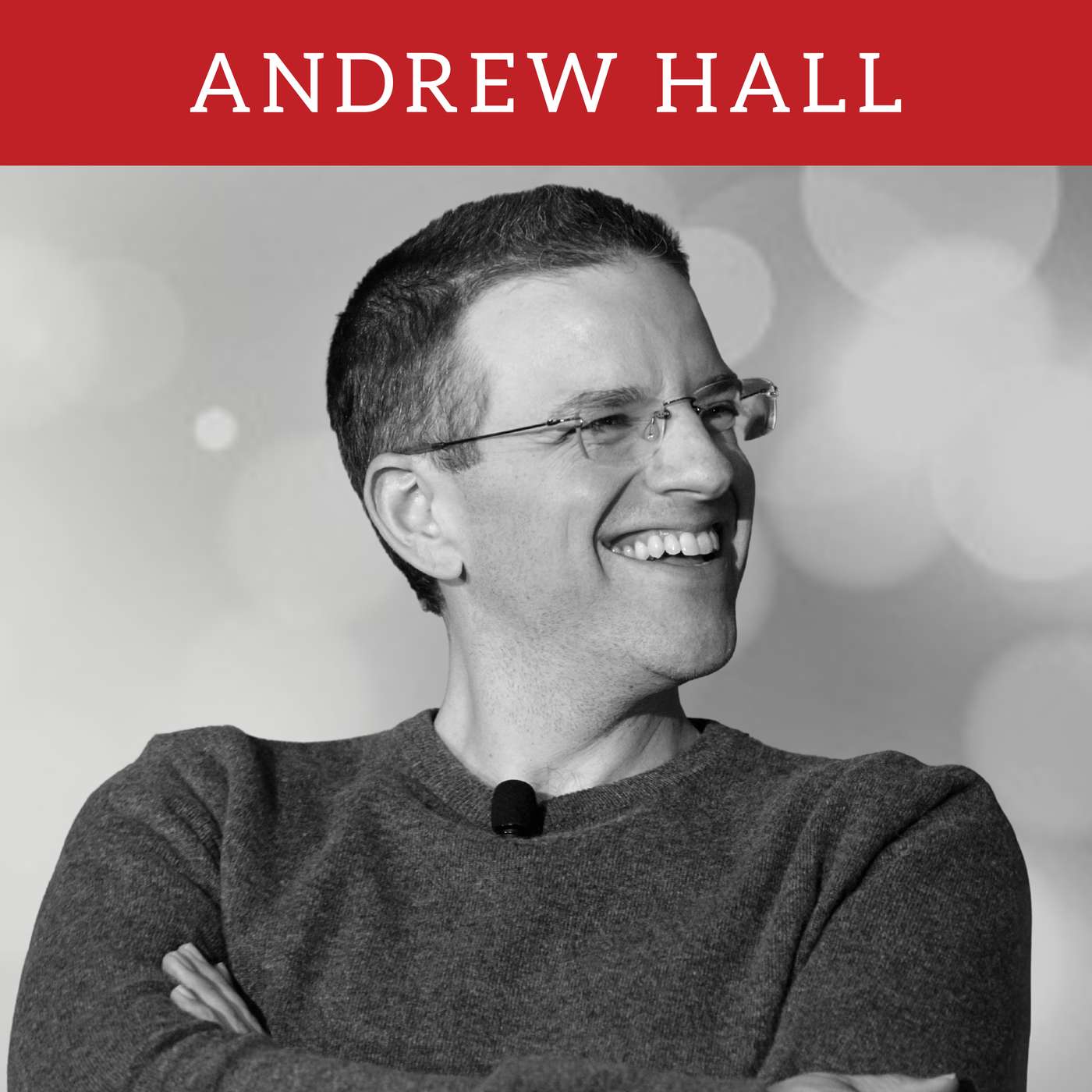
Artificial intelligence has the potential to transform how people work, access information and participate in democracy, but its rapid advancement is raising urgent questions about governance, political influence and human control.Andrew Hall, Davies Family Professor of Political Economy at Stanford Graduate School of Business, warned that as AI becomes increasingly embedded in society, its political biases, access to reliable information and potential for manipulation could have profound implications for democratic institutions.Drawing on research into how AI models provide political advice, Hall argued that stronger evaluation and accountability will be essential to ensuring the technology empowers individuals rather than undermining their independence.In this live recording from the Fiduciary Investors Symposium at Stanford University in September 2026, Hall examines the opportunities and risks of AI, the governance challenges facing policymakers and how society can preserve freedom in an increasingly AI-driven world.
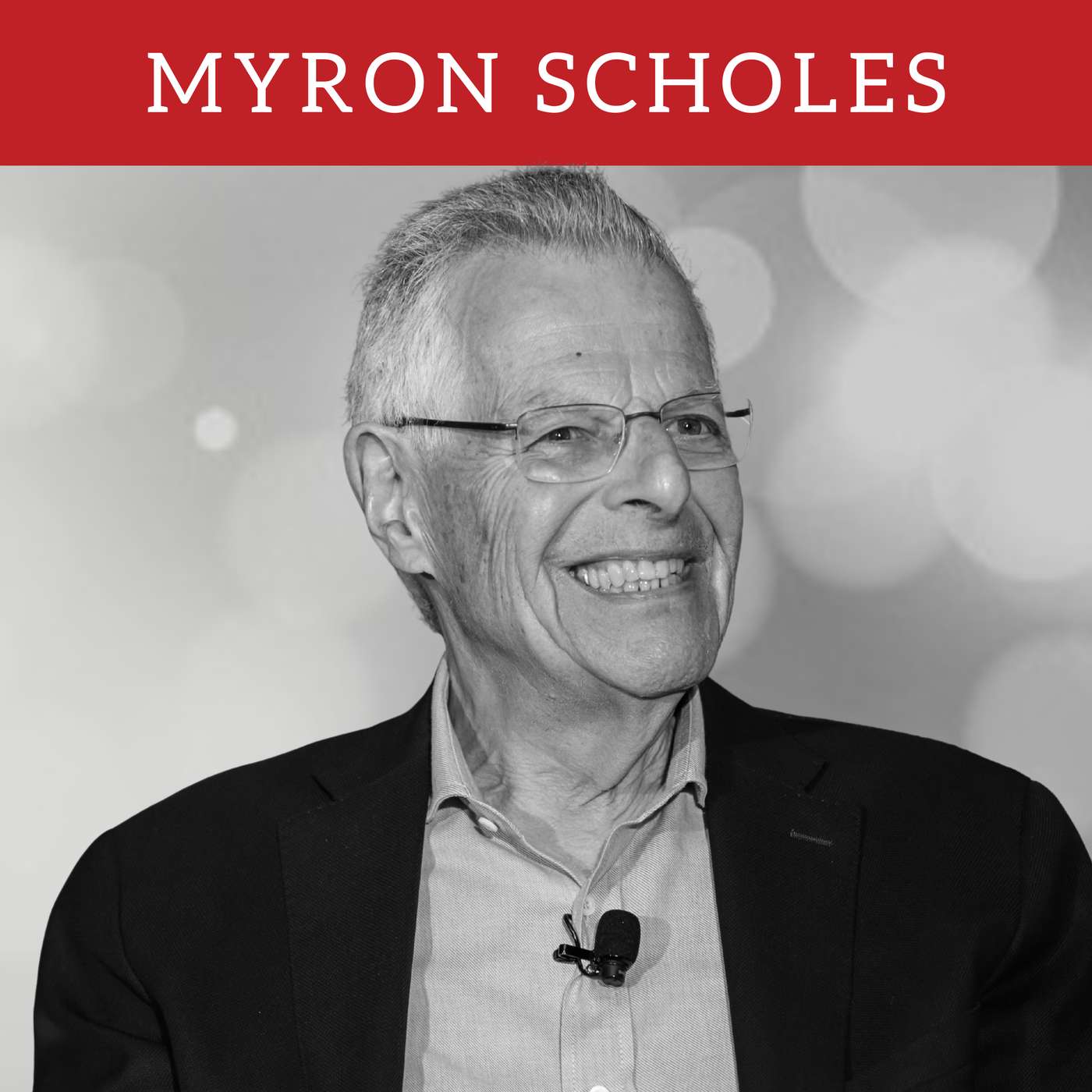
The real promise of the total portfolio approach is not simply greater flexibility in choosing investments, but the ability to dynamically manage risk as market conditions change.Nobel Prize-winning economist Myron Scholes, the Frank E. Buck Professor of Finance, Emeritus, at Stanford Graduate School of Business, argued that institutional investors focus too heavily on selectivity and average returns, when managing downside risk can be critical to improving compound returns over time.“Every period matters. There’s no long run. The long run is made of a sequence of short runs,” Scholes said, arguing that investors should dynamically adjust their risk budgets and preserve capacity to deploy capital when markets are under stress.In this live recording from the Fiduciary Investors Symposium at Stanford University in September 2026, Scholes explores risk, drawdowns and why dynamic risk management should sit at the heart of the total portfolio approach.

Comments

Download from Google Play

Download from App Store
 United States