


 Claim Ownership
BREAKTHROUGHS
Subscribed: 20Played: 129
Subscribe

© HEC Paris
Description
Grasp today’s economic, social and business issues with research and analysis brought to you by our HEC Paris Business School Professors. Widen your perspectives with recognized experts from different disciplines through a series of talks. Expanding knowledge, Enhancing responsibility: this is our engagement to our podcast listeners.
Hosted on Acast. See acast.com/privacy for more information.
93 Episodes
Reverse

As COP31 swings into action in Antalya, Turkey, Dr. Fernando J. Díaz López examines how climate commitments translate into protection for people and businesses. The lead author for the IPCC’s seventh assessment report and Executive Director for Climate at the Sustainability & Organizations Institute of HEC Paris discusses a problem at the heart of his research: how to gauge what an adaptation measure changes on the ground. The scientist and professor also explores the following issues:What can Europe learn from Global South innovations?Does adaptation to climate change actually protects people?And how can politicians connect immediate decisions with protection beyond their electoral term?Fernando also describes a potential global market in this domain: one estimate puts annual adaptation and resilience investment demand at up to $1.3 trillion by 2030. Who can deliver impactful solutions, and who benefits? Hosted on Acast. See acast.com/privacy for more information.
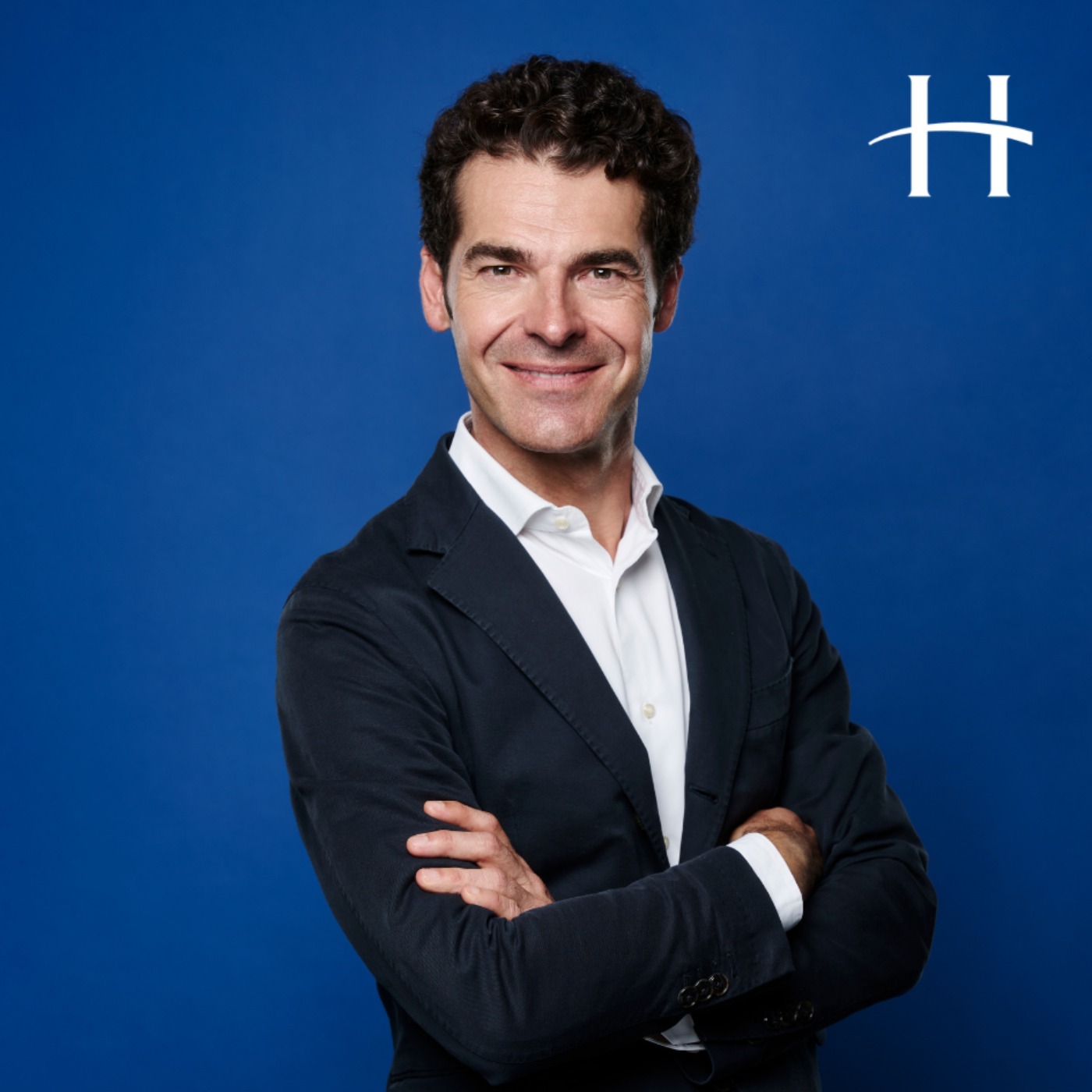
Once a paper is published, what purpose does a scholar’s research serve? Between teaching sessions at HEC Paris, EU law professor Alberto Alemanno tells Daniel Brown describes his professional journey towards a more engaged approach linking research to the real world. His forthcoming edited book, Public Scholarship: A European Approach, gathers 20 researchers who work with the people affected by the issues they study - and accept the risks of speaking in public.The Breakthroughs exchange explores that approach from within EU policymaking. As the Jean Monnet Chair in European Union Law, Alberto questions the case for deregulation in the EU’s Omnibus proposals and the selective use of Mario Draghi’s competitiveness report. He also explains why he joined three other legal scholars in a policy paper which publicly challenges the European Commission’s position on trade with Israeli settlements.Exclusive comments from Irish politician Mary Lou McDonald enrich the exchange, while Alberto considers the role of businesses and investors in conflict resolution. Where does scholarship end and citizenship begin? And how do his students change his vision of the world we live in? Hosted on Acast. See acast.com/privacy for more information.
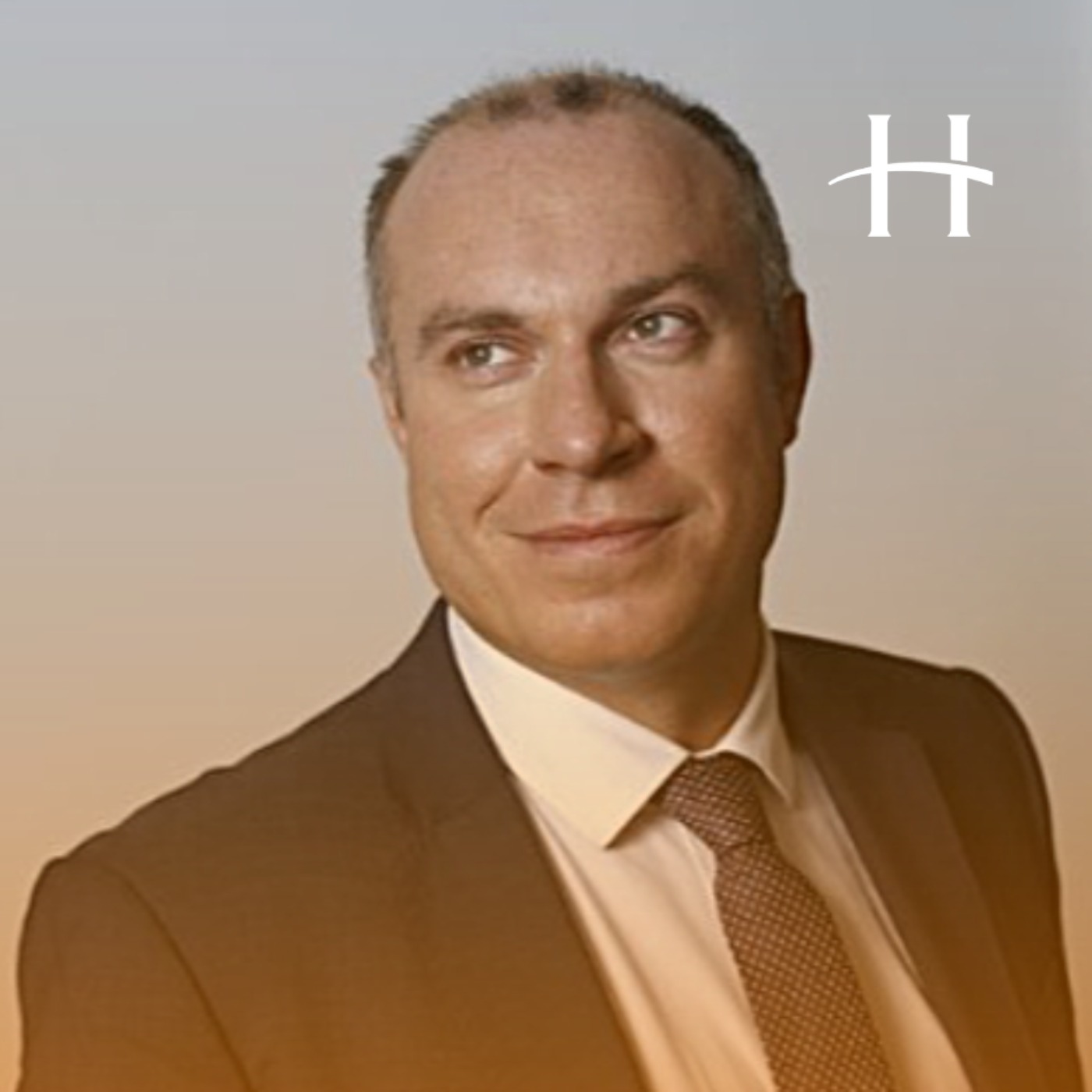
Does improving people’s lives require ever-higher carbon emissions? François Gemenne, professor at HEC Paris and a lead author of the IPCC’s Sixth Assessment Report, joins Daniel Brown to discuss why climate disasters do not automatically produce action - and why presenting the transition as a burden can deepen climate fatigue. He explains the “Champagne Curve”, identified in his latest research: once countries reach a very high level of human development, additional carbon consumption no longer corresponds to greater well-being. Our Breakthroughs conversation explores the injustice at the heart of climate change, the outdated divide between developed and developing countries, the role of business schools and companies in “killing business as usual,” and why business leaders must treat climate change as a structural transformation of their operating environment. Hosted on Acast. See acast.com/privacy for more information.

In this special Books episode of Breakthroughs, five HEC Paris academics share the works that nudged, shook or sharpened the way they think about research: Seungah Sarah Lee with Imagined Communities by Benedict Anderson; Olivier Darmouni with Abundance by Ezra Klein and Derek Thompson; Quirin Fleckenstein with Predictably Irrational by Dan Ariely; Michelangelo Rossi with Thinking, Fast and Slow by Daniel Kahneman and The Power of Experiments by Michael Luca and Max Bazerman; and Brian Hill with Debt: The First 5,000 Years by David Graeber. From nationalism and public capacity to behavioral economics, experiments and the human stakes of exchange, the episode is a reminder that research sometimes begins when a book makes a familiar question feel strange again. Hosted on Acast. See acast.com/privacy for more information.

Universities are often seen as neutral places of learning. But are they becoming actors in their own right? In this episode of Breakthroughs, HEC Paris researcher Seungah Sarah Lee explores how geopolitics, student mobility, global rankings, and emerging South-South cooperation are reshaping higher education. Drawing on studies covering more than 500 universities across 89 countries, she discusses soft power, the dominance of the US model of financing, China's growing academic influence, the future geography of internationalization, and why the spread of university fundraising owes more to professional networks than to market forces alone. Could universities become one of the defining instruments of global influence in the twenty-first century? Hosted on Acast. See acast.com/privacy for more information.

Comments

Download from Google Play

Download from App Store
 United States