


 Claim Ownership
The Learning Future Podcast with Louka Parry
Subscribed: 32Played: 761
Subscribe

© The Learning Future Pty Ltd (Australia)
Description
The world has never been changing more rapidly, dislocating the ways we work, learn and live. On The Learning Future Podcast we discuss the knowledge, skills and dispositions we all need for our learning future, exploring insights through interviews with world-class educators, researchers, policy makers, and leaders from across industries and across the world.
147 Episodes
Reverse
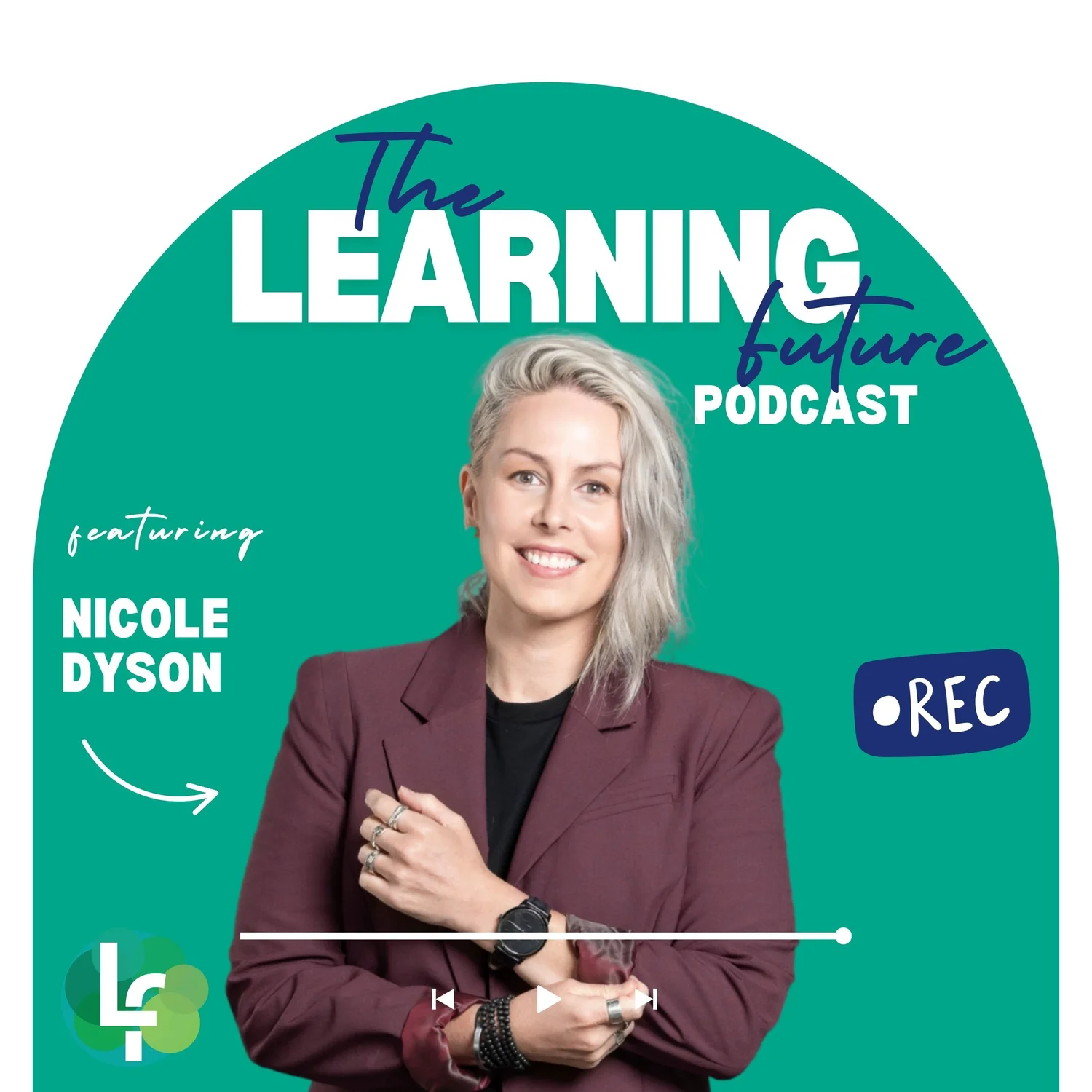
In this episode of The Learning Future Podcast, Louka Parry is joined by educator, entrepreneur and Future Anything founder Nicole Dyson to explore what learning needs to become in a world being rapidly reshaped by AI. Together, they challenge the false divide between knowledge and capabilities, arguing instead for capability rich learning, where young people build strong foundations of knowledge and then learn how to apply what they know in complex, unpredictable and unfamiliar contexts.
Nicole discusses why engagement matters, how AI is changing the skills young people will need beyond school, and why capabilities such as agility, communication, collaboration and agency cannot be developed through linear learning experiences alone.
The conversation also turns the lens back on educators. If we want young people to become explorers, risk-takers and adaptive thinkers, teachers and schools need the confidence to experiment too, loosening control, staying intellectually curious and creating learning environments where both educators and students can operate at their growth edge.
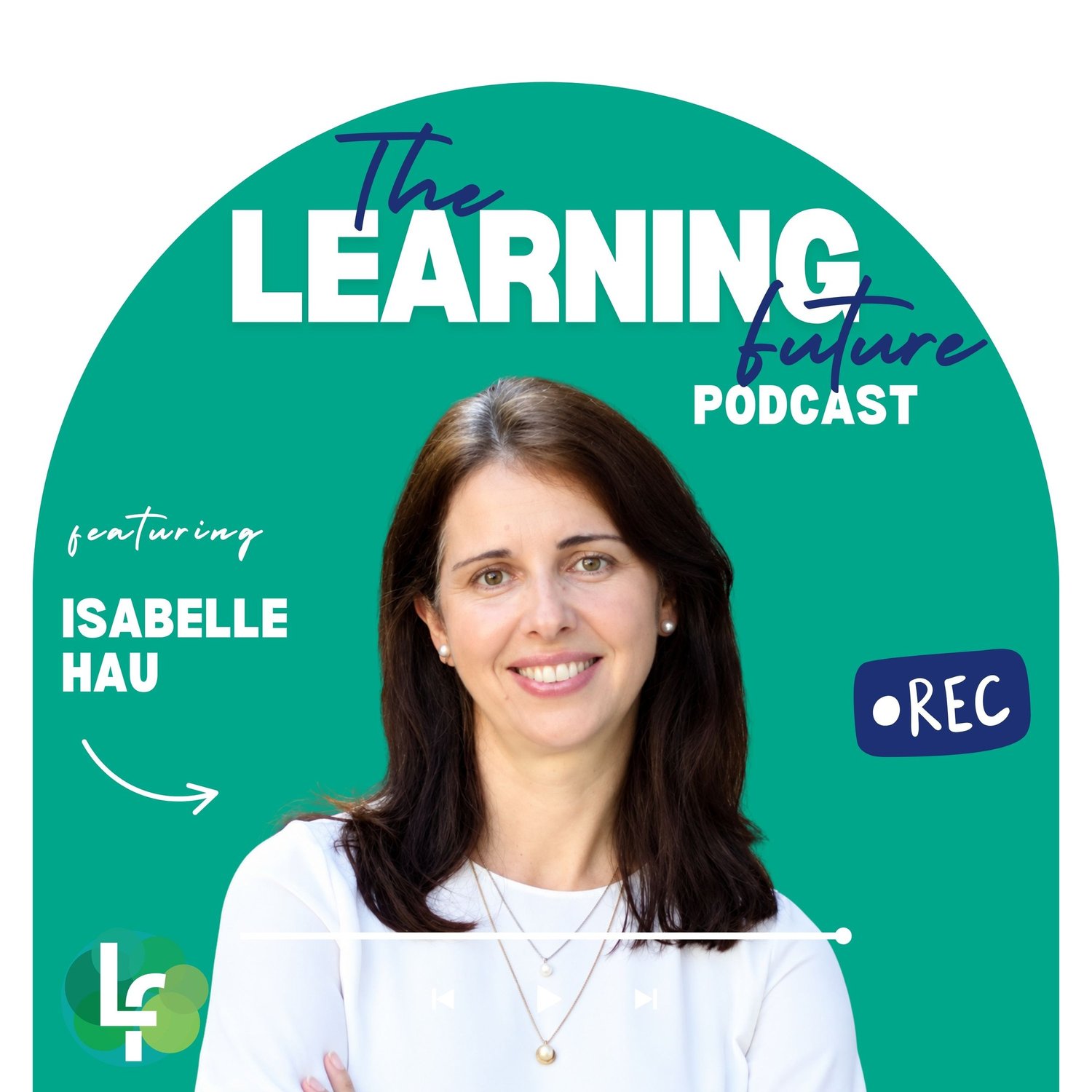
In a world increasingly driven by technology, Isabelle Hau emphasizes a shift back to what makes us truly human: our relational abilities. During her conversation with Louka Parry on the Learning Future Podcast, Isabelle champions the idea of relational intelligence, arguing that the future of education and work will hinge on our capacity to connect, collaborate, and navigate complex social landscapes.
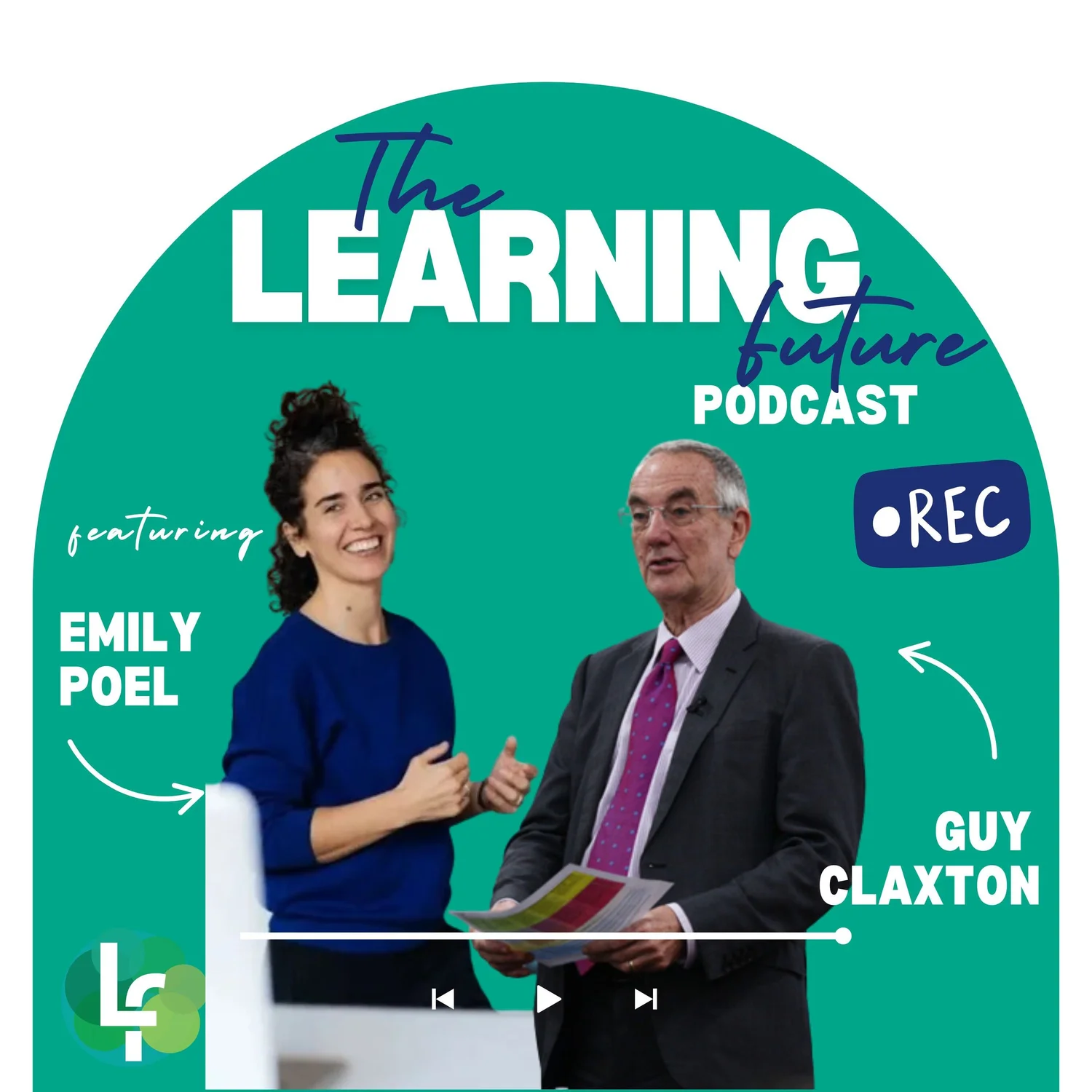
In this episode of the Learning Future Podcast, Louka Parry connects with Guy Claxton and Emily Poel, authors of Bodies of Learning: How Embodiment Science Transforms Education. Their conversation dives deep into the relationship between our physical selves and the learning process, shedding light on how embodiment can reshape our understanding of intelligence and education.
Guy challenges the tendency to equate intelligence with intellect alone. He argues for a broader understanding of intelligence that includes movement, perception, emotion, intuition, physical experience and action — what he and Emily describe as the body-mind.
Emily brings a practical lens to embodiment — particularly the importance of reconnecting with our own experience, noticing the body, creating space for reflection, and allowing learners and educators to experiment with what helps them learn.
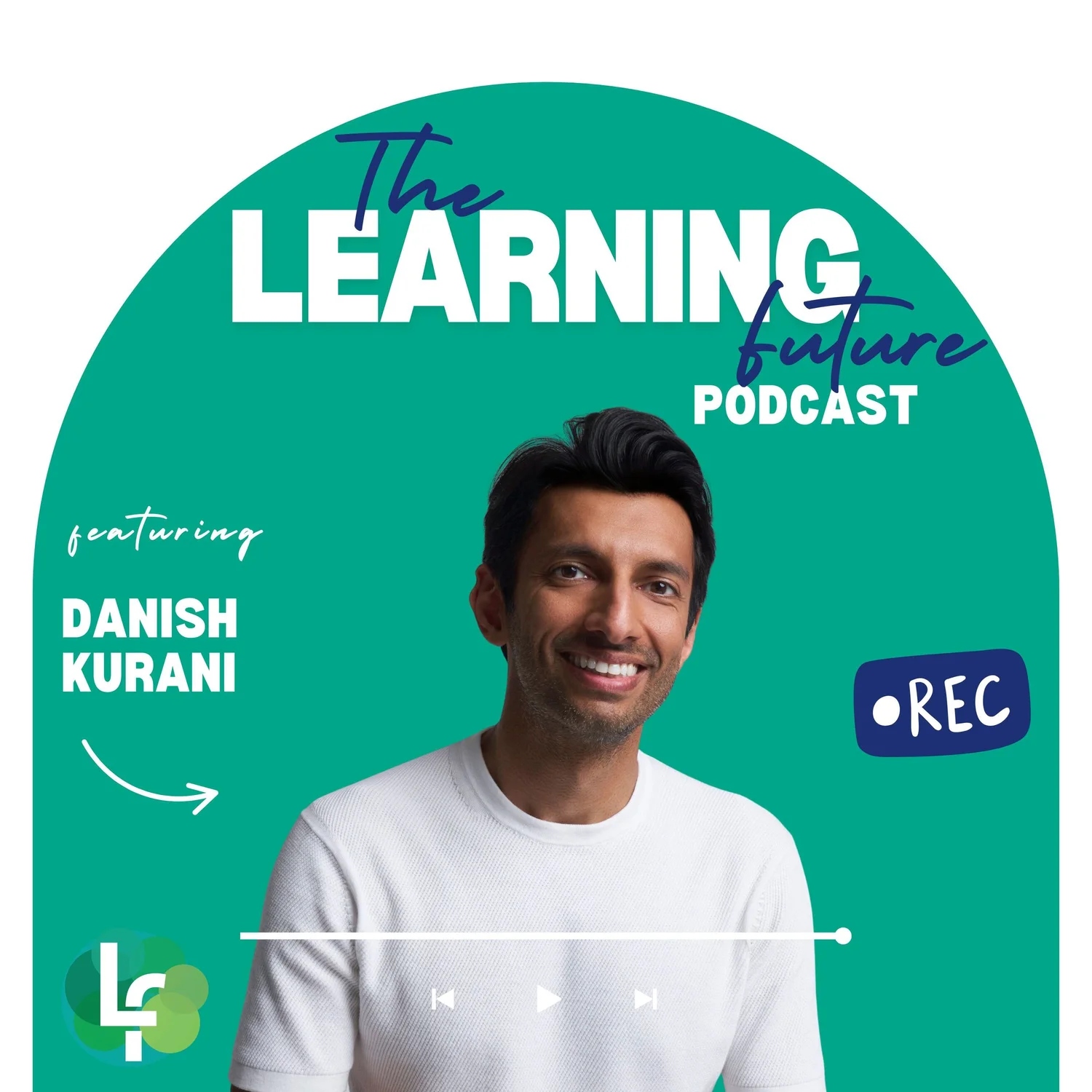
In this episode, Louka Parry speaks with architect, urban designer and author Danish Kurani about the powerful but often overlooked role of physical space in shaping how we think, feel and learn. From classrooms and homes to supermarkets and cities, Danish argues that design is never neutral. It influences behaviour, wellbeing, creativity and connection in ways we rarely notice until we learn to see it. Together, they explore what great learning environments require, why flexible furniture alone is not enough, and how educators, leaders and parents can become more intentional designers of the spaces that shape human flourishing.
 1
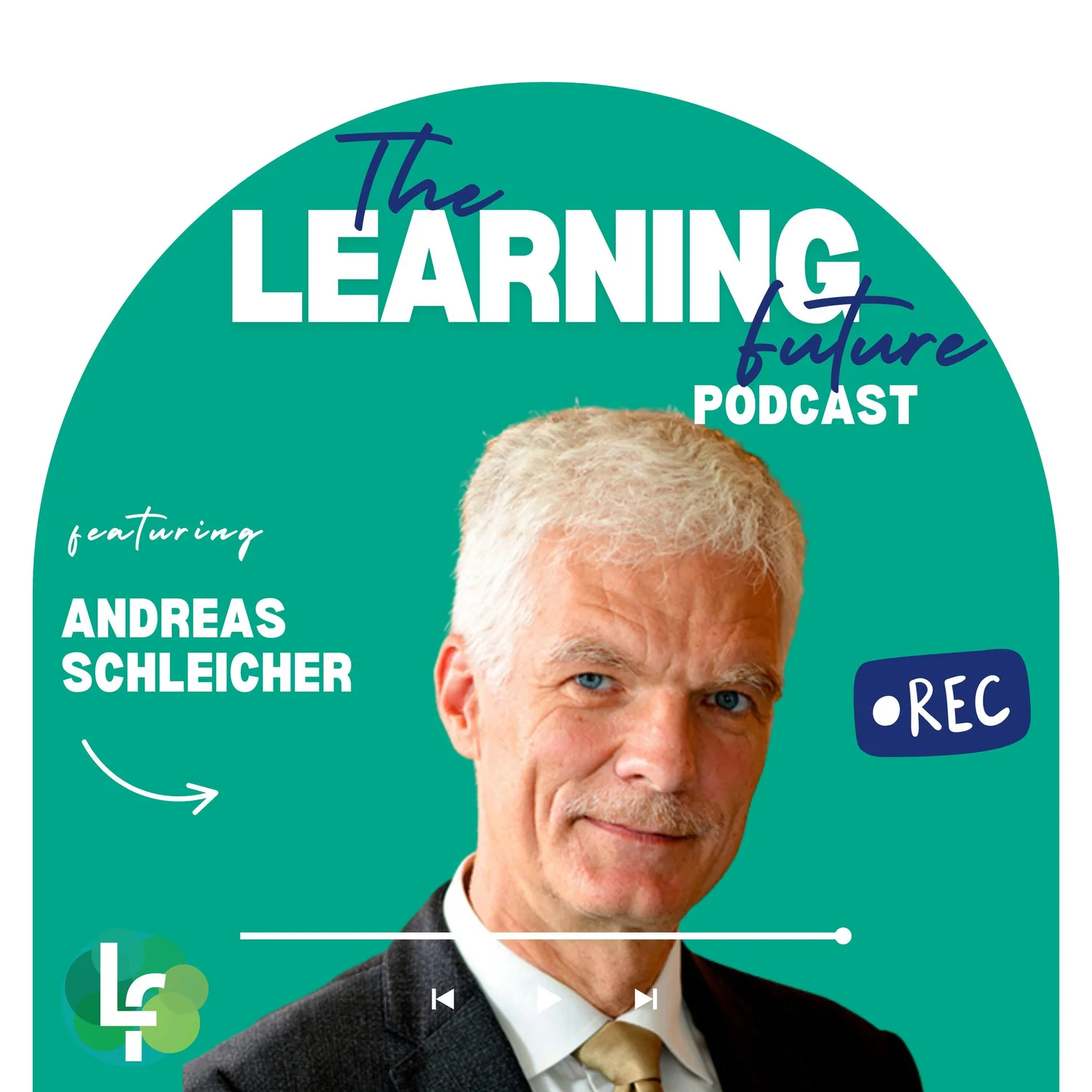
1In this episode of The Learning Future Podcast, Louka Parry speaks with Andreas Schleicher, Director for Education and Skills at the OECD, about the changing purpose of education in an age of AI, uncertainty and rapid technological change.
Together, they explore how technology is shifting from being merely a tool to something that challenges what it means to be human. Andreas reflects on both the promise and risk of AI in education: its capacity to free teachers from routine tasks and personalise learning, but also its tendency to encourage cognitive offloading, weaken social connection and erode essential human capabilities if used poorly.
Louka and Andreas also discuss the changing role of teachers, not as content deliverers, but as mentors, designers of learning environments and builders of human connection. Drawing on examples from high-performing systems such as Estonia, Andreas highlights the importance of teacher professionalism, collaborative culture, student belonging and a more intentional design of schools as social spaces.

Comments

Download from Google Play

Download from App Store
 United States