


 Claim Ownership
Let's Get Digital with Carrie Charles
Subscribed: 39Played: 447
Subscribe

© Copyright 2025 Broadstaff LLC | All Rights Reserved | Broadstaffglobal.com
Description
Let's Get Digital is your gateway to the innovators and ideas transforming the digital infrastructure industry. From wireless telecom to fiber networks and data centers, this podcast explores all things digital infrastructure—diving into the trends, technologies, and people shaping the future of connectivity.
Hosted by Broadstaff CEO Carrie Charles, each episode features candid conversations with top industry leaders, uncovering the intersection of technology, talent, and transformation. Discover the innovations, leadership strategies, and company cultures driving success in this rapidly evolving landscape.
Whether you’re a business leader, a professional aiming to grow, or simply passionate about digital innovation, Let's Get Digital is your go-to resource for staying ahead in this dynamic industry. Tune in and let’s get digital.
--
Previously known as 5G Talent Talk with Carrie Charles, the ‘Let’s Get Digital’ podcast is sponsored by Broadstaff in partnership with RCR Wireless News. Broadstaff is a full-service national staffing firm specializing in all areas of digital infrastructure. Since 1982, RCR Wireless News has been the leading media source for unparalleled news coverage, in-depth insights, and comprehensive analysis of the wireless and mobile technology industry.
190 Episodes
Reverse
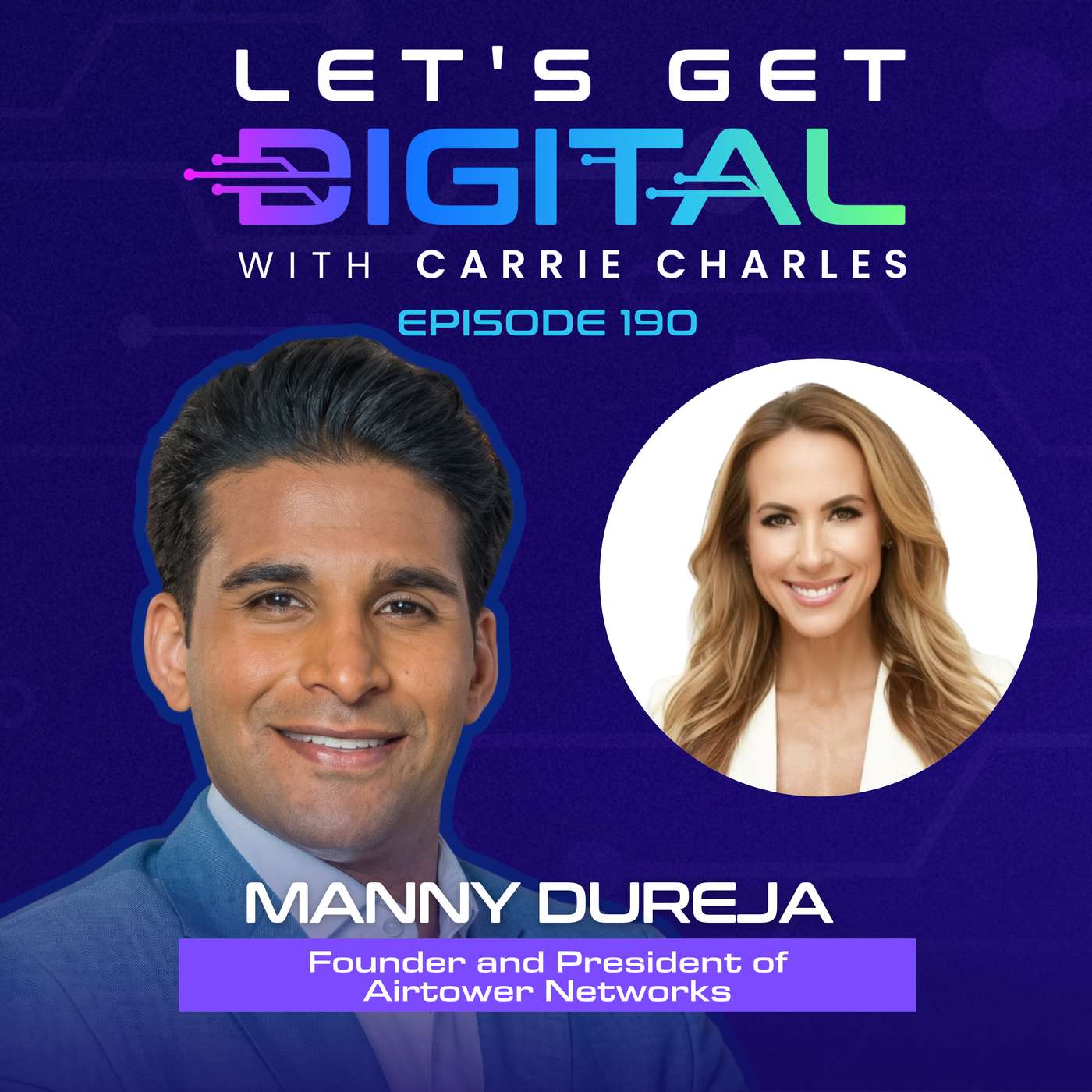
In this episode, Manny Dureja, Founder and President of Airtower Networks, shares how his journey from working in the cell tower industry to building a nationwide in-building wireless infrastructure company shaped his vision for the future of connectivity. Drawing on more than two decades of experience in wireless infrastructure, Manny explains why reliable indoor connectivity has become essential for businesses, property owners, and enterprises. He also shares how Airtower Networks is addressing this growing demand across nearly 300 million square feet of real estate in the United States.Manny discusses the major shift in how in-building wireless infrastructure is funded, deployed, and managed. As mobile carriers face increasing financial and operational pressures, building owners and enterprises are taking greater responsibility for connectivity within their properties. Through its infrastructure-as-a-service model, Airtower Networks eliminates large upfront capital expenditures and delivers managed wireless connectivity through predictable monthly subscriptions. Manny explains how this approach helps customers improve tenant experiences, support business operations, and generate measurable returns on investment.The conversation explores how rising demand for 5G, Wi-Fi, private networks, and smart building technologies is transforming indoor connectivity across healthcare, universities, multifamily housing, and industrial facilities. Manny explains why there is no single technology that can solve every connectivity challenge and why businesses increasingly need integrated solutions tailored to their operations. From mission-critical healthcare communications and mobile patient records to warehouse automation, robotics, and connected building systems, reliable wireless infrastructure is becoming a fundamental requirement for modern businesses.Looking ahead, Manny believes the in-building wireless industry is reaching a major inflection point as AI adoption, increasing mobile data consumption, and evolving customer expectations accelerate demand for seamless connectivity. He anticipates a continued shift away from carrier-funded systems toward enterprise-supported infrastructure, with connectivity increasingly delivered as an essential utility. As Airtower Networks continues to expand, Manny sees tremendous opportunity to help organizations become more connected, efficient, and profitable while building the wireless foundation needed for the next generation of digital experiences.
Subscribe, leave a review, and stay connected.Visit Broadstaff at broadstaffglobal.comFollow Broadstaff on InstagramFollow Broadstaff on LinkedInConnect with Carrie Charles on LinkedInFollow Let's Get Digital with Carrie Charles on LinkedInWatch full episodes of Let's Get Digital on YouTube
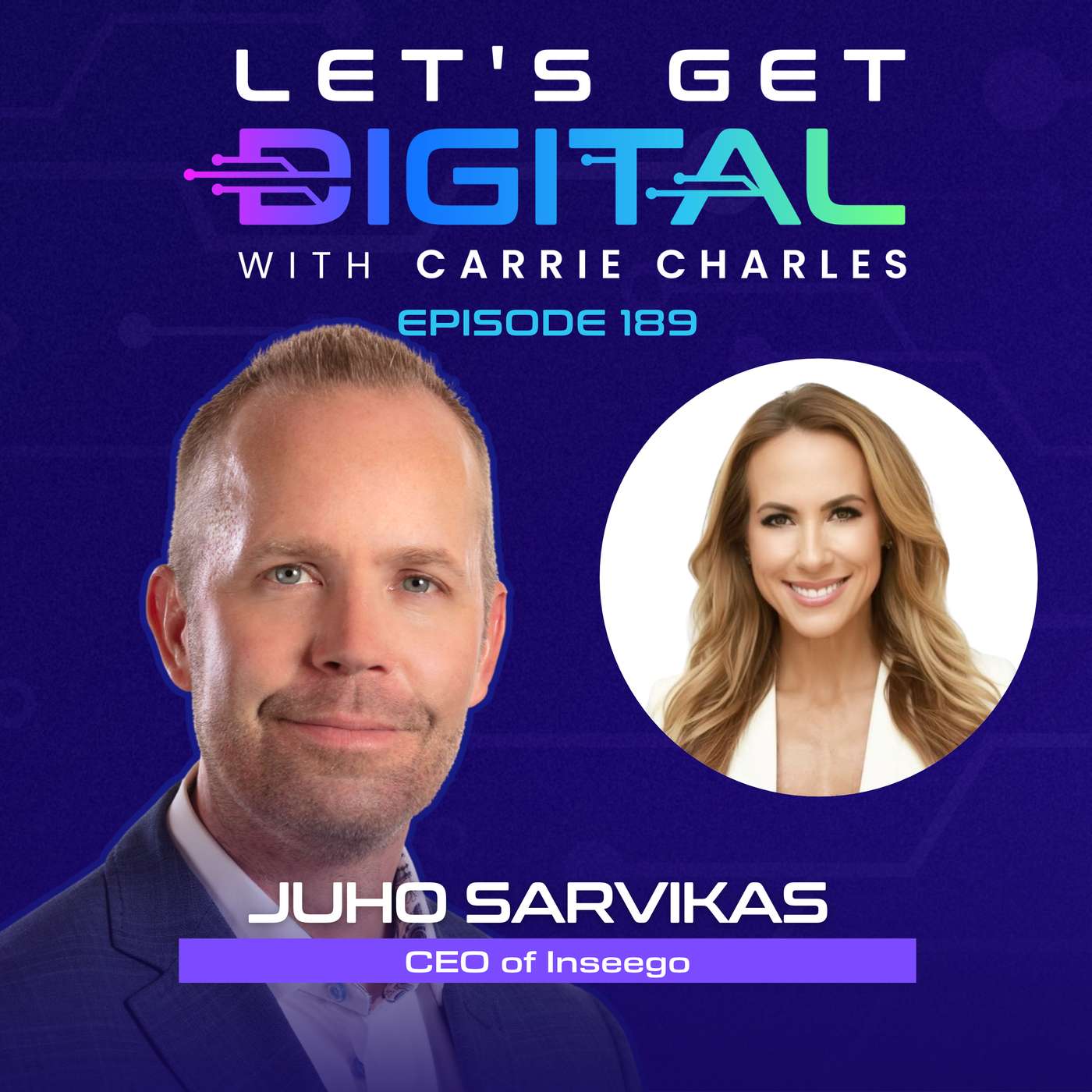
In this episode, Juho Sarvikas, CEO of Inseego, shares how his journey from product management at Nokia to leadership roles at HMD Global and Qualcomm shaped his vision for the future of wireless broadband. Juho explains why the industry is still underestimating the potential of fixed wireless access (FWA) and how Inseego's acquisition of Nokia's FWA business is transforming the company from a primarily U.S.-focused provider into a global connectivity leader.Juho discusses how the acquisition more than doubles Inseego's size, expands its presence across Europe, Asia, the Middle East, and Africa, and strengthens its portfolio of residential and enterprise broadband solutions. With Nokia remaining a strategic partner and shareholder, Inseego is positioned to bring its enterprise connectivity expertise to international markets while expanding its residential offerings in the United States. He also explains why FWA represents a significant growth opportunity for mobile operators as they seek to maximize network capacity, improve profitability, and deliver reliable broadband connectivity.The conversation explores how 5G, millimeter-wave technology, satellite connectivity, and emerging 6G capabilities are reshaping the broadband landscape. Juho explains why fixed wireless is no longer simply an alternative for underserved areas, but an increasingly viable primary connection for homes and businesses. From closing the digital divide in emerging markets to providing resilient enterprise connectivity through integrated 5G and satellite solutions, he sees wireless broadband becoming more flexible, accessible, and essential.Looking ahead, Juho believes the long-term future of connectivity is increasingly wireless. As 6G promises faster speeds, lower latency, greater spectrum efficiency, and deeper AI integration across networks and edge devices, he anticipates a fundamental shift in how connectivity and computing infrastructure are designed. His vision for Inseego is to become a global, end-to-end wireless broadband partner, helping operators combine hardware, software, and intelligent network management to deliver seamless connectivity at scale.
Subscribe, leave a review, and stay connected.Visit Broadstaff at broadstaffglobal.comFollow Broadstaff on InstagramFollow Broadstaff on LinkedInConnect with Carrie Charles on LinkedInFollow Let's Get Digital with Carrie Charles on LinkedInWatch full episodes of Let's Get Digital on YouTube
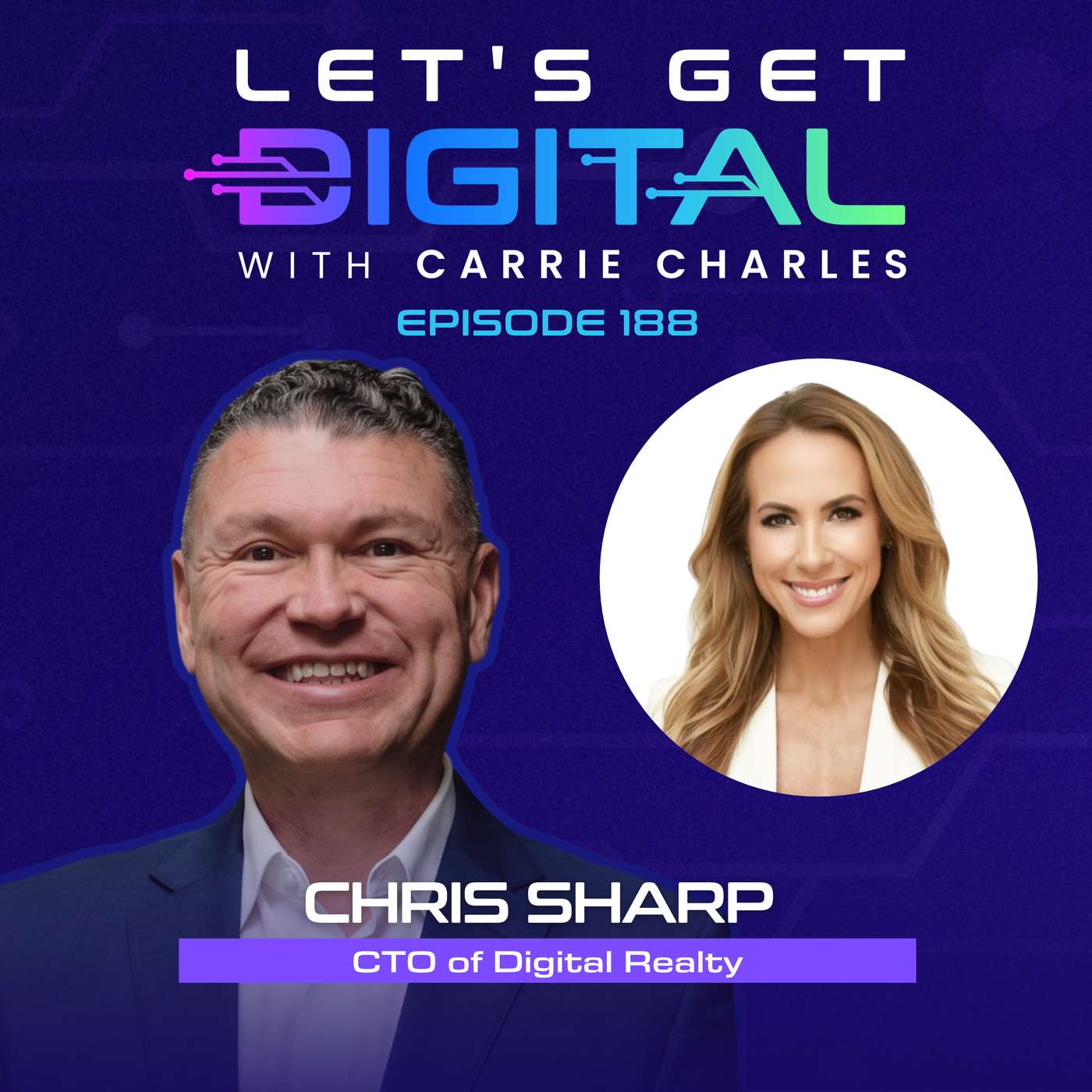
In this episode, Chris Sharp, Chief Technology Officer of Digital Realty, shares his perspective on what it really takes to scale AI infrastructure beyond the hype. Drawing on more than two decades at the center of cloud, interconnection, and data center technology, Chris explains why today’s infrastructure challenge comes down to three critical elements: electrons, equipment, and expertise, and why time to power and time to market have become increasingly important.Chris discusses the shift from AI training toward inference, where models move from being built to being continuously used to deliver real-world value. As AI enters this utility phase, he sees infrastructure becoming more distributed and interconnected, with organizations combining public, private, and multiple AI models. At the same time, rising rack densities and next-generation chipsets are fundamentally changing data center design, power architecture, and connectivity requirements.The conversation explores another critical constraint: people. Chris argues that the industry industrialized electrons faster than expertise, while the talent pipeline remained relatively flat. From electricians and skilled trades to technical and operational professionals, human expertise can determine whether gigawatts of planned infrastructure actually become operational. Digital Realty is addressing this challenge by recruiting beyond traditional data center backgrounds and training new talent for careers in the industry.Looking ahead, Chris believes data centers will evolve from real estate into industrial machines that manufacture intelligence. Success will increasingly be measured not simply by megawatts or tokens, but by the value and outcomes infrastructure delivers. As AI demand accelerates, he believes the constraints the industry may ultimately wish it had addressed sooner are straightforward: electrons and electricians.
Subscribe, leave a review, and stay connected.Visit Broadstaff at broadstaffglobal.comFollow Broadstaff on InstagramFollow Broadstaff on LinkedInConnect with Carrie Charles on LinkedInFollow Let's Get Digital with Carrie Charles on LinkedInWatch full episodes of Let's Get Digital on YouTube
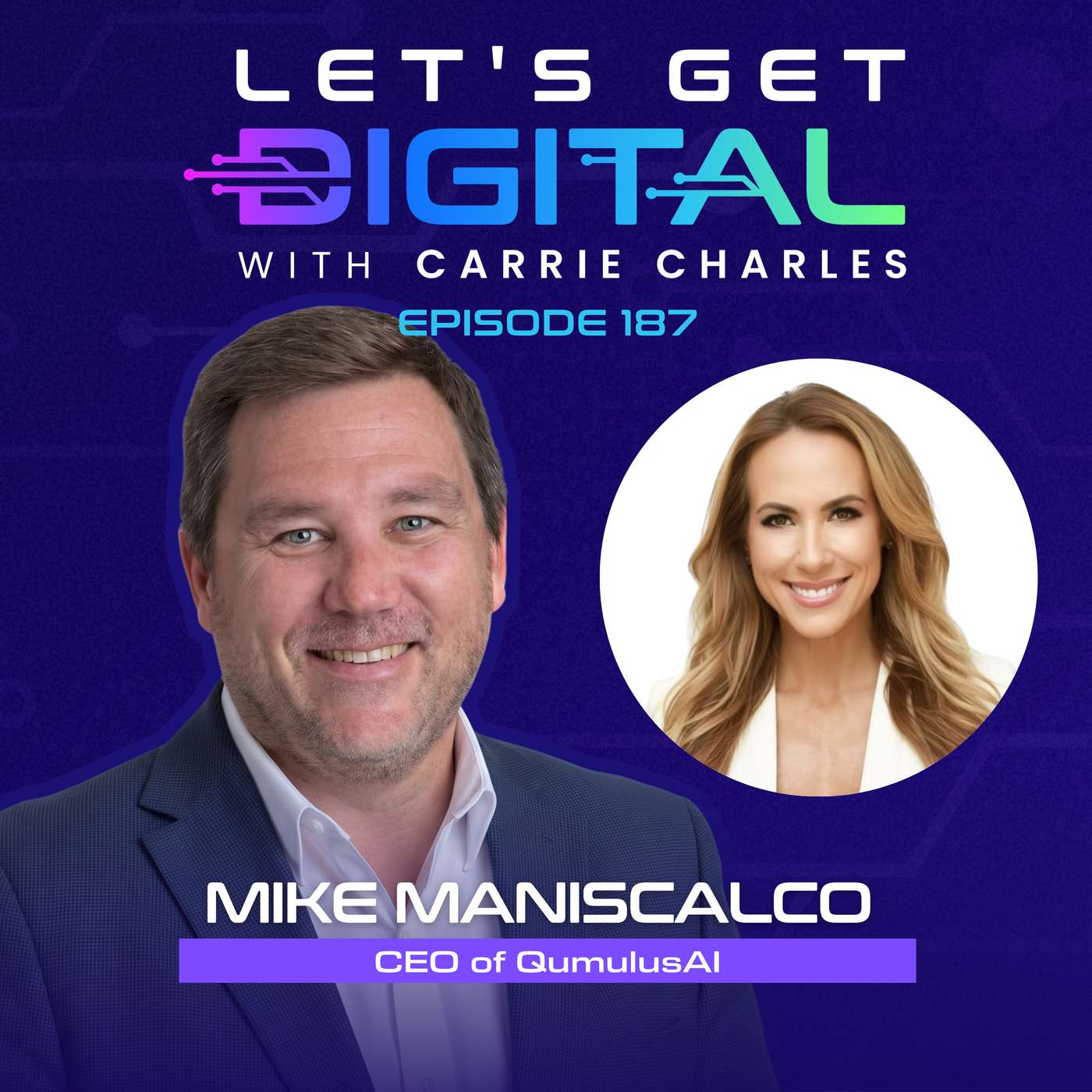
In this episode, Mike Maniscalco, CEO of QumulusAI, shares how his background as a computer scientist and software entrepreneur led him into AI infrastructure and ultimately to QumulusAI. Mike explains how the rapid advancement of AI, particularly reasoning models and agentic tools, made one thing increasingly clear: more capable AI requires more tokens, and more tokens require more compute infrastructure. That realization brought him back to the infrastructure layer powering the AI revolution.Mike discusses QumulusAI’s differentiated approach to delivering GPU compute through a distributed, inference-first model built around “hyperspeed.” Rather than focusing exclusively on massive, multi-year hyperscale campuses, the company identifies smaller pockets of existing powered data center capacity that can be upgraded and brought online faster. This allows QumulusAI to respond to customers who need compute in months rather than waiting years for new infrastructure.The conversation explores why inference represents such a significant opportunity as AI moves from training models to putting them into production. Mike also breaks down QumulusAI’s FACTS framework (flexibility, access, cost, trust, and speed) and explains how flexibility across locations, vendors, architectures, and supply chains can help accelerate deployment.Looking ahead, Mike believes AI infrastructure demand is still in its early innings. As multimodal AI, agentic applications, robotics, autonomous vehicles, and other emerging use cases consume more compute, he sees distributed infrastructure becoming increasingly important, especially as latency and location matter more. QumulusAI’s ambition is to evolve into a true AI cloud capable of moving compute at the speed of demand.
Subscribe, leave a review, and stay connected.Visit Broadstaff at broadstaffglobal.comFollow Broadstaff on InstagramFollow Broadstaff on LinkedInConnect with Carrie Charles on LinkedInFollow Let's Get Digital with Carrie Charles on LinkedInWatch full episodes of Let's Get Digital on YouTube
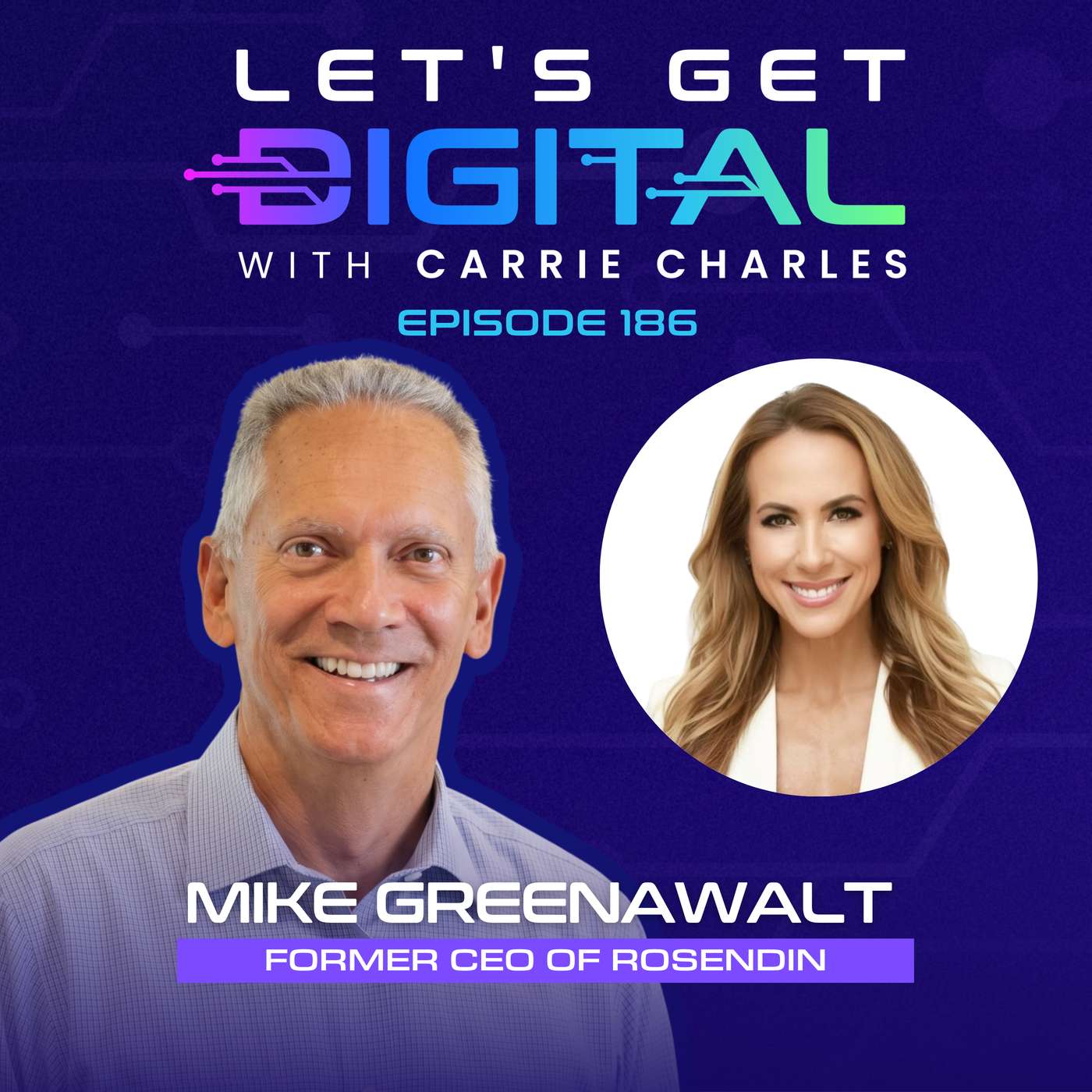
In this episode, Mike Greenawalt, former CEO of Rosendin and founder of the Greenawalt Foundation, shares how his journey from electrical apprentice to leading one of the nation’s largest electrical contractors shaped his mission to create debt-free career pathways into the skilled trades. Mike explains why apprenticeships gave him an opportunity traditional education could not, and why America must rethink how it identifies, develops, and invests in the talent needed to build the future of AI and digital infrastructure.Mike discusses the skilled labor crisis facing the data center industry as AI drives construction at unprecedented speed and scale. While shortages of power, land, equipment, and water receive significant attention, he argues that the shortage of qualified electricians and other tradespeople may be even more critical. Existing apprenticeship programs were already struggling to replace an aging workforce, and the AI boom has accelerated demand far beyond their ability to scale.The conversation explores how the Greenawalt Foundation is helping students and people in career transition enter registered apprenticeship programs by funding tuition, books, tools, safety equipment, and other barriers to entry. Mike also shares the success of the pre-apprenticeship model he helped launch with Grand Canyon University, which has now served more than 1,000 students and expanded beyond electrical training into construction, cleanroom technology, and CNC machining.Looking ahead, Mike believes the companies driving the AI boom must take greater responsibility for developing the workforce required to build it. From apprenticeship programs located directly on major data center construction sites to stronger partnerships among industry, universities, nonprofits, and communities, he sees an opportunity to train tens of thousands of skilled workers while creating life-changing careers without traditional college debt.
Subscribe, leave a review, and stay connected.Visit Broadstaff at broadstaffglobal.comFollow Broadstaff on InstagramFollow Broadstaff on LinkedInConnect with Carrie Charles on LinkedInFollow Let's Get Digital with Carrie Charles on LinkedInWatch full episodes of Let's Get Digital on YouTube

Comments

Download from Google Play

Download from App Store
 United States