


 Claim Ownership
Live Like a Leader with John Bates
Subscribed: 39Played: 567
Subscribe

© John Bates
Description
Live Like a Leader is where accomplished leaders explore what it takes to communicate with clarity, earn trust, and move people to meaningful action.
L=f(c): Leadership is a function of communication. Great leadership is a function of great communication.
Hosted by John K. Bates, executive communication coach, keynote speaker, TED/TEDx speaker coach, and founder of Executive Speaking Success, the show features candid conversations with NASA astronauts, Navy SEALs, global executives, entrepreneurs, authors, and other remarkable leaders.
Each episode turns lived experience into practical insight you can use to communicate with greater clarity, credibility, humanity, and impact.
John’s WHY is to bring out what’s awesome inside every person so it can live in the world and make a real difference.
L=f(c): Leadership is a function of communication. Great leadership is a function of great communication.
Hosted by John K. Bates, executive communication coach, keynote speaker, TED/TEDx speaker coach, and founder of Executive Speaking Success, the show features candid conversations with NASA astronauts, Navy SEALs, global executives, entrepreneurs, authors, and other remarkable leaders.
Each episode turns lived experience into practical insight you can use to communicate with greater clarity, credibility, humanity, and impact.
John’s WHY is to bring out what’s awesome inside every person so it can live in the world and make a real difference.
150 Episodes
Reverse
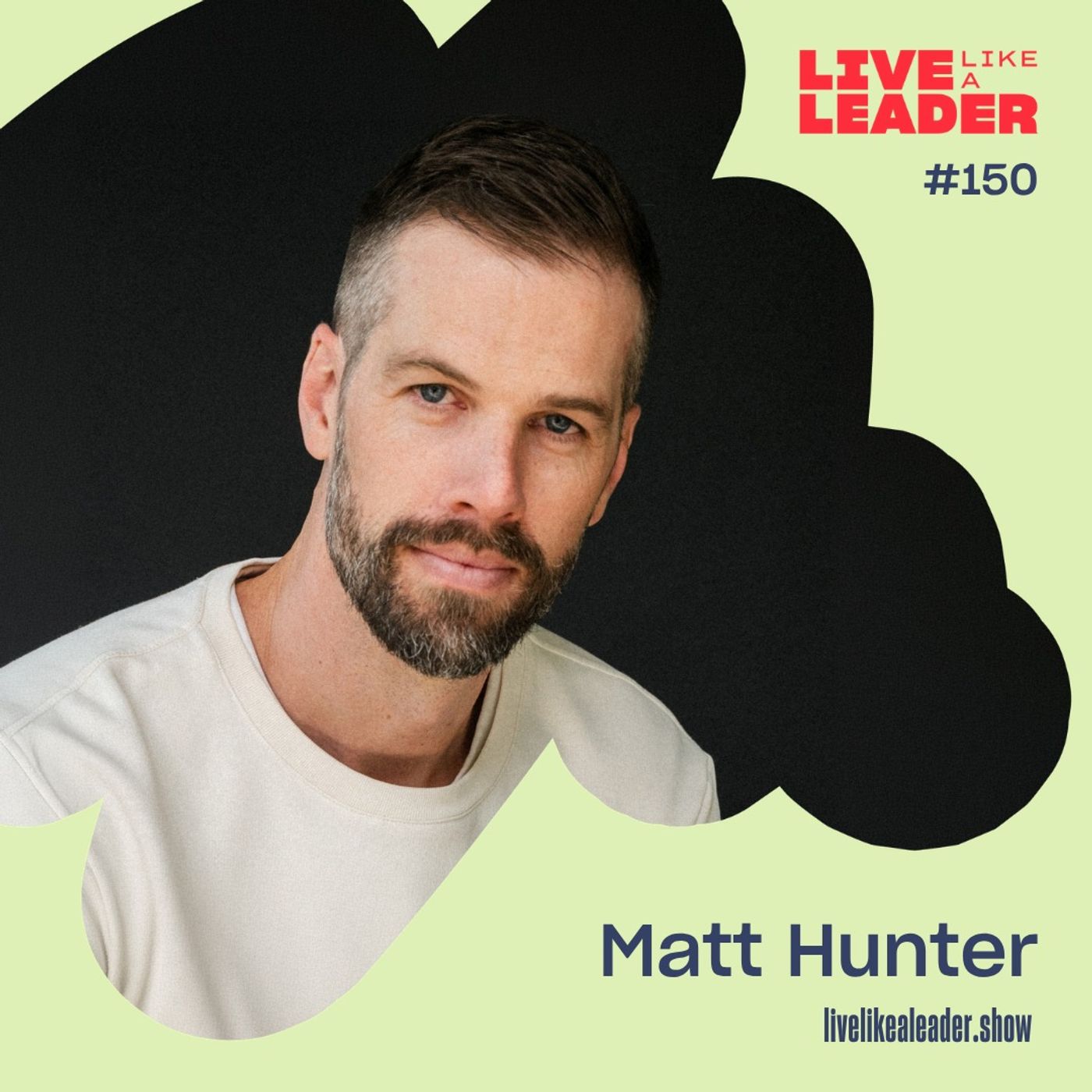
Today, I sit down with Matt Hunter, executive coach and co-author with John Baird of Tough Enough: How to Lead a Team to Greatness Without Being a Jerk. Matt and I met several years ago on Necker Island, and I’ve liked and respected him ever since. When I saw what he and John were taking on with this book, I wanted him on the show.Because they’re walking straight into a leadership question I care about enormously.We’ve all seen the examples: founders and executives who produce extraordinary results while leaving a trail of exhausted, intimidated, or unhappy people behind them. Steve Jobs, Elon Musk, Jeff Bezos, and others have reinforced an uncomfortable idea for generations of ambitious leaders: maybe being extraordinarily demanding, even brutal, is simply what greatness requires.Matt doesn’t dismiss that evidence. That’s what makes this conversation interesting.His argument is that toughness really does matter. Bold missions require conviction. High-performance teams require standards. Leaders sometimes need to make difficult decisions, push people beyond comfort, and remain steady when everyone around them is scared.But toughness and cruelty are not the same thing.Matt and John Baird have identified seven habits intended to help leaders become what they call “tough enough”: highly demanding while retaining compassion, respect and humanity.That leads us into one of my favorite parts of the conversation: vulnerability.I’ve spent years thinking about the difference between indiscriminate vulnerability and what I call Insightful Vulnerability™. A leader blurting out every fear before the team charges up the proverbial hill may technically be “authentic,” but that doesn’t necessarily make it good leadership. Vulnerability becomes valuable when it serves the people listening, builds trust, and creates Emotional Credibility™.We also get very personal about the cost of toughness. Matt and I both experienced serious health consequences after intense startup chapters. That takes us into a much more useful question than work-life balance: How do you lead relentlessly without destroying your capacity to keep leading?This conversation isn’t an argument for being softer.It’s an exploration of how to become tougher in the places that matter, compassionate in the places that matter, and intentional enough to know the difference. Key TakeawaysI think we have to stop treating toughness and compassion as opposites. Matt’s central argument is that leaders can set extremely high standards, pursue bold goals, and make difficult decisions without treating people badly.I came away appreciating the distinction between being “tough” and simply being aggressive. Toughness can mean conviction, endurance, accountability, and an unwillingness to abandon the mission when things get uncomfortable.I believe vulnerability only works in leadership when it serves a purpose beyond relieving the leader’s own emotions. That’s the distinction I make with Insightful Vulnerability™: share something because it helps other people trust, learn or act, not simply because you happen to feel it.I think admitting a mistake can increase rather than diminish a leader’s authority. Saying, “I screwed this up, here’s what I learned, and here’s what I’m changing,” can create trust that defensiveness never will.I was struck by Matt’s framing of relentless leadership as an endurance problem rather than simply a work-life balance problem. Ambitious people will push. The question is whether we understand our capacity, recovery, and rate of exertion well enough to keep going.I know firsthand that there is a danger zone. During my startup years, years of extreme stress and inadequate sleep contributed to a serious autoimmune illness. Matt shares a remarkably similar experience.I think every leader has to choose where they want to operate on the toughness spectrum. There is no requirement that you build your company, career, or life the way Elon Musk does, simply because his approach produces certain kinds of results.I like the high-performance sports team analogy for culture. People can be treated extremely well while still being expected to perform at the level the team requires.What really stands out to me is the false choice Matt is trying to eliminate. Compassionate leaders should not have to choose between being good human beings and being formidable competitors. Addressing Relevant IssuesOne reason I think this conversation matters right now is that leaders are receiving contradictory messages.We’re told to be empathetic, emotionally intelligent, vulnerable, and human. We’re also surrounded by highly visible examples suggesting that extreme demands, relentless pressure, and even fairly awful behavior can produce spectacular business results.I don’t think pretending that contradiction doesn’t exist helps anyone.The more useful question is: How do I lead a high-performance team without becoming someone I don’t respect?That means thinking more precisely about accountability, resilience, trust, executive communication, burnout, and how to lead through pressure without transferring all of that pressure indiscriminately to everyone around us.It also means recognizing that there are costs at both ends of the spectrum. Too little toughness can undermine the mission. Too much can undermine the people, the culture, our families, and eventually ourselves. Why This Episode MattersI invited Matt onto the show because I want this idea in the world.I work with extraordinarily capable leaders. Many of them are already compassionate, thoughtful people. What they sometimes need is not permission to become softer. They need permission and practical tools to become tougher without believing that toughness requires arrogance, cruelty, or disregard for other people.I also know what happens when relentless pursuit crosses a line. I’ve lived some of those consequences myself.What Matt and John Baird are attempting with Tough Enough is important because they’re not asking good-hearted leaders to lower their ambitions. They’re giving them another way to pursue those ambitions.If we can succeed without becoming jerks in the process, that seems like a considerably better deal to me. Resources MentionedTough Enough: How to Lead a Team to Greatness Without Being a Jerk — Matt Hunter and John BairdTough Enough Leaders — toughenoughleaders.com (spoken by Matt during the episode; verify URL before making it a live link)Tough Enough leadership assessments — Matt describes two assessments designed to evaluate overall toughness and toughness across the book’s seven habitsTough Enough workbook — Free companion resource mentioned by MattHachette — Publisher of Tough Enough, as identified in the conversationFounders Pledge — Organization Matt previously helped leadCannery Row by John Steinbeck — Source of the Steinbeck passage discussed near the beginning of the conversationTake Breaks Work Better — Book mentioned during our discussion of performance and recovery; the transcript renders the author’s name as “John Briggs,” so I would verify the title and author before publishing a linkConnect with Matt Hunter on LinkedIn and X Connect & SubscribeIf this conversation made you think differently about how you lead, I’d love it if you subscribed to Live Like a Leader and shared this episode with somebody who would appreciate it.And if you enjoy the show, please take a moment to leave us a 5-star review and write a sentence or two about what you enjoy. Those comments genuinely help other people find the conversations we’re having here.Most importantly, keep listening, keep experimenting with what works, and keep becoming the kind of leader people genuinely want to follow. Next StepsIf this conversation hit home, take a look at where you currently sit on the toughness spectrum.Where are you avoiding a difficult conversation, lowering a standard, or protecting comfort when the mission requires more from you?And where might you be pushing so hard that you’re creating unnecessary costs for yourself or the people around you?Matt’s Tough Enough assessments and workbook could be useful places to continue that examination. And if someone immediately came to mind while you were listening, send them this episode. I suspect this is one of those conversations that gets even more useful when two leaders discuss it together. -----Matt Hunter is an executive leadership coach and co-author of the forthcoming book Tough Enough: How to Lead a Team to Greatness Without Being a Jerk. He has two decades of experience founding, leading, and coaching companies, most notably cofounding Turnstyle (acquired by Yelp) and serving as president and US CEO of Founders Pledge, a community of entrepreneurs that has pledged over $13.6 billion to charity, with more than $1.9 billion already deployed. Today, he coaches C-suite executives at Fortune 50 companies as well as founders and CEOs of high-growth tech startups backed by firms such as Andreessen Horowitz, Accel, and NEA, with a combined valuation in the tens of billions. He is also expanding his work to include elite sports teams. He lives in Boulder, Colorado.
Ready to make your communication a match for how good you really are?
John K. Bates provides private executive communication coaching and leadership development for accomplished leaders and teams. His programs have earned 92+ Net Promoter Scores with organizations including NASA, Johnson & Johnson, Google, Intuit, and Boston Scientific.
Explore private coaching and leadership programs:https://executivespeakingsuccess.com/
Build your communication practice with John’s free weekly mini-trainings:https://johnbates.com/mini-trainings/
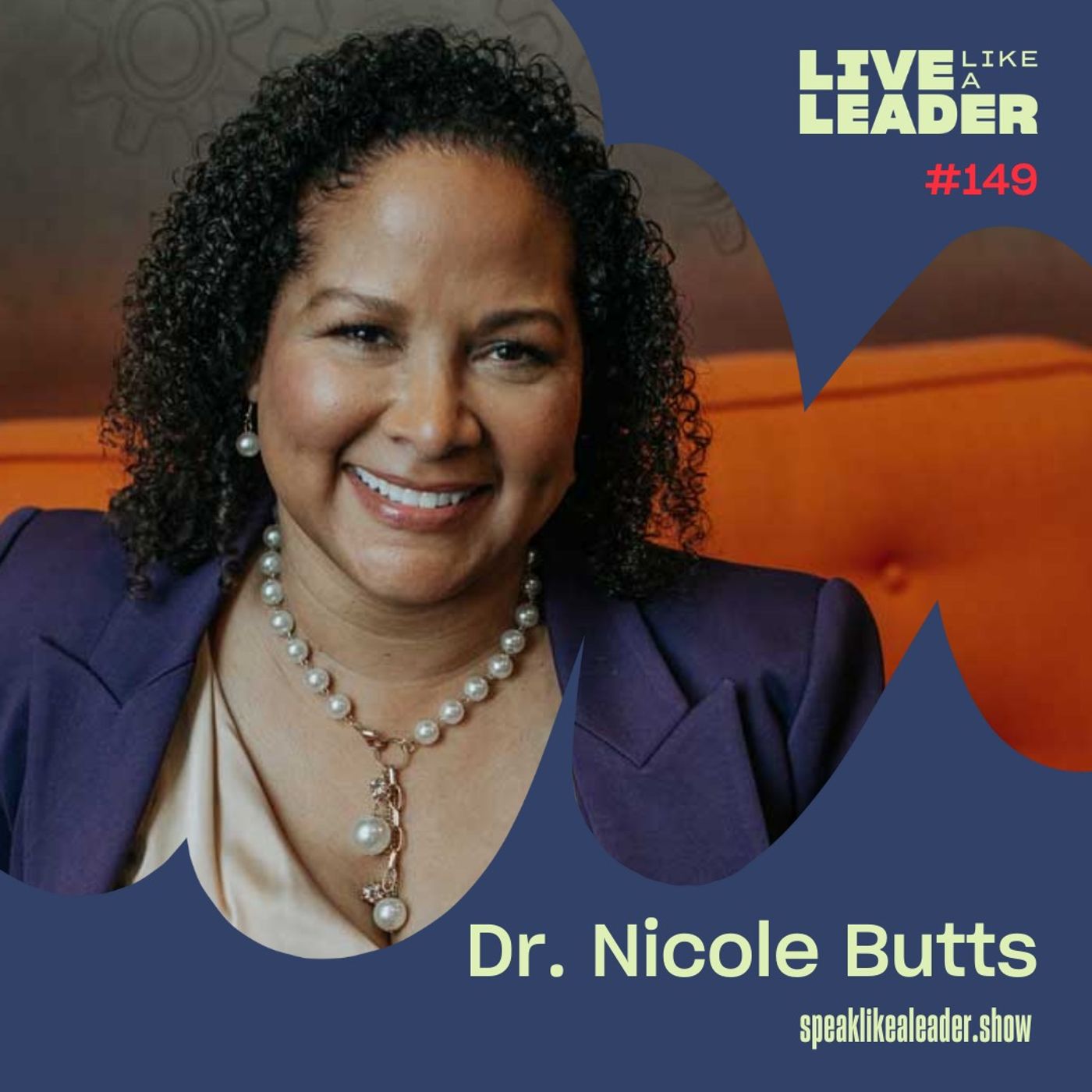
Today I sit down with Dr. Nicole Butts, best-selling and award-winning author, speaker, and organizational culture strategist and expert, whose new book is SHIFT: A Transformational Journey from Playing Small to Unapologetically Thriving.
This conversation is a masterclass in what happens when high-achieving leaders (especially women) finally stop outsourcing their worth to other people’s approval—and start leading from alignment.
Nicole opens up about something almost every great leader experiences, but few say out loud: that moment right before a big opportunity where the old story shows up—I’m not worthy. I don’t belong here. She literally started drafting me an email to back out… and then caught herself in the act. That “shrinkage story” (her words) became the doorway into the deeper work—and the reason she wrote SHIFT.
We go into:
why powerful women still play small in male-dominated systems (and how it shows up in everyday language),
how “worker bee syndrome” keeps people doing everything… except being seen as a leader,
and Nicole’s core equation for transformation: consciousness + courage = transformation.
If you’ve ever felt like your work should “speak for itself,” this episode will challenge you—in the best way.
What You’ll Hear in This Episode
1) The real reason accomplished women still shrink
Nicole breaks it down into three forces:
Cultural conditioning: being taught to be “likable,” defer, and not take up space—showing up as hedging language like “I’m not really sure, but…”
Structural dynamics: being outnumbered (especially for women of color), which changes how safe it feels to be visible.
Internalized stories: “If I just do a really good job and keep my head down, they’ll notice.” Nicole is clear: that’s not reliably true.
2) “Worker bee syndrome” and the promotion you never get
I share a pattern I see constantly: the whole department rides on someone’s back… and then they’re shocked when they’re passed up.
Why? Because leadership isn’t only output—leadership is visibility, positioning, and presence.
I call it “leadership me time”—stepping back from nonstop doing so people can actually see you leading. Nicole agrees and names it “reactive doing”—being busy, carrying everything, but not intentionally showing up as the leader.
And then she drops a line I want you to remember: “By design, the work isn’t the leader. You are the leader.”
3) The SHIFT framework: a roadmap out of “playing small”
Nicole shares the backbone of her book as an acronym:
S — Set your North Star
H — Here
I — Illustrate your path forward
F — Forge ahead
T — Thrive
And she didn’t just write a roadmap—she made it real. After each step, she includes a section called “Follow My Journey” where she shows how she personally moved through that step.
4) The inner equation for leadership: consciousness + courage
Nicole explains why transformation requires two things:
Consciousness (awareness): noticing the old pattern in real time so you can interrupt it.
Courage: taking aligned action even with fear present—like deleting the email draft and saying yes to the opportunity instead.
Her distinction is sharp: Awareness sets the course. Courage fuels the journey.
Try This After You Listen (Practical Actions)
Audit your language for “softeners.” If you regularly start with “I’m not sure, but…” practice leading with the point first.
Schedule “leadership me time." Block time weekly to think, plan, mentor, and communicate—not just execute—so you’re seen leading, not only producing.
Name your shrinkage story. When it shows up, don’t argue with it—notice it. That awareness creates choice.
Choose one aligned action you’ll take while still nervous. That’s courage—aligned action in the presence of fear.
Resources + Links
Dr. Nicole Butts (website + books): NicoleButts.com
Connect with Nicole on LinkedIn
Book: SHIFT: A Transformational Journey from Playing Small to Unapologetically Thriving
About Dr. Nicole Butts
Dr. Nicole Butts is a best-selling and award-winning author, speaker, and organizational culture strategist who helps individuals and institutions unlock transformation.
-----
If you enjoyed this episode, please leave a 5-star rating, write a few kind words about the show and our guest, and share it with someone who’s ready to stop shrinking and start leading.
Ready to make your communication a match for how good you really are?
John K. Bates provides private executive communication coaching and leadership development for accomplished leaders and teams. His programs have earned 92+ Net Promoter Scores with organizations including NASA, Johnson & Johnson, Google, Intuit, and Boston Scientific.
Explore private coaching and leadership programs:https://executivespeakingsuccess.com/
Build your communication practice with John’s free weekly mini-trainings:https://johnbates.com/mini-trainings/
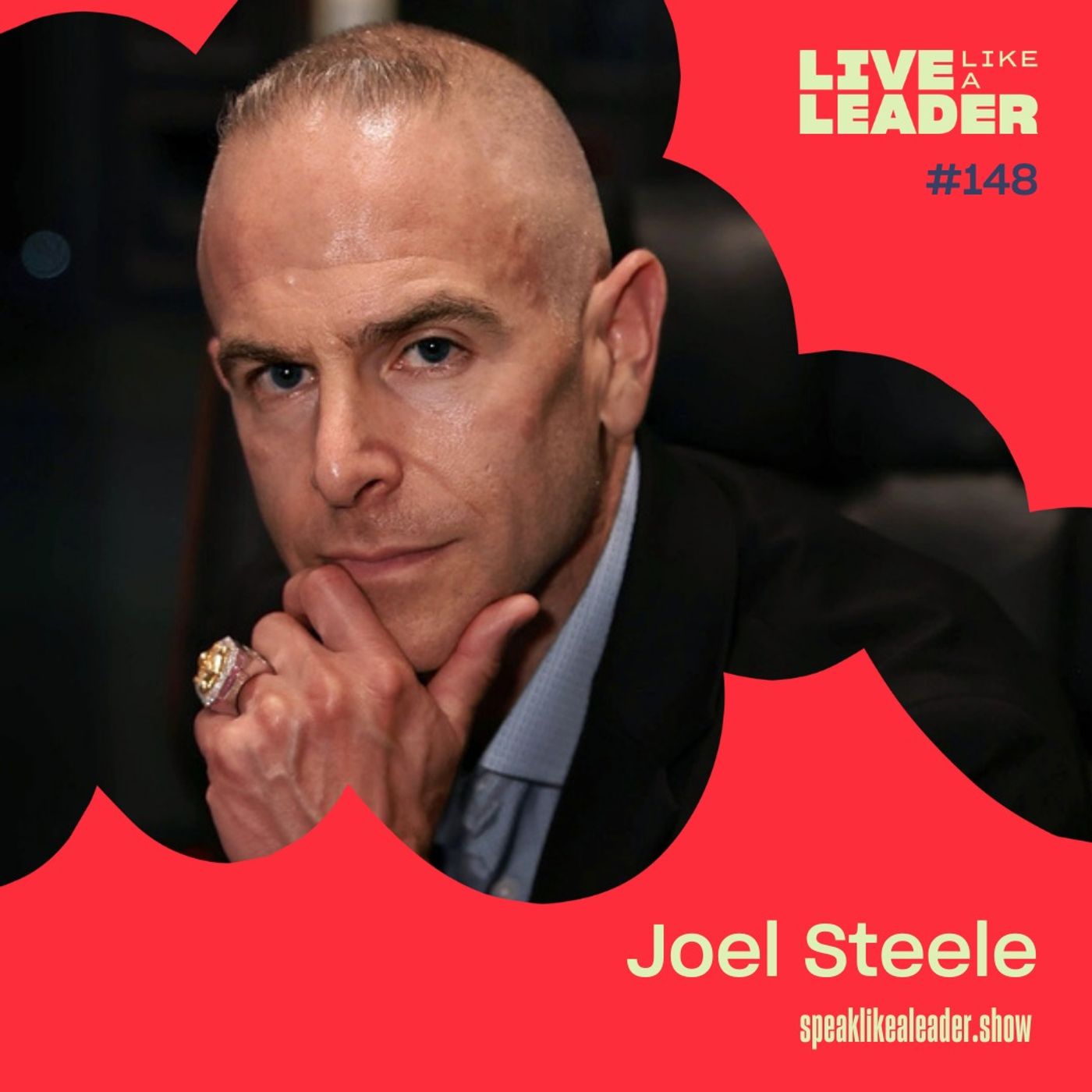
Today I'm joined by Joel Steele, co-founder of Steele Financial Solutions and author of the powerful new book Life Switch. Joel’s journey from owning a failed healthy fast food restaurant to building a multi-million-dollar financial firm is inspiring, vulnerable, and packed with leadership gold.
We dive into how devastating failures can unlock hidden potential and why Joel refused to declare bankruptcy, even when he was drowning in nearly $500,000 in debt at just 24 years old. He shares the exact mindset shift that reignited his fire—and the three “P”s that form the backbone of his book: Potential, Passion, and Purpose.
This conversation is for anyone who’s ever felt stuck, wondered if they’re enough, or questioned whether their dreams are still possible. Joel is proof that when you flip the switch inside, everything outside begins to change.
In this conversation, Joel and I explore:
The story behind Thinkers Grill, Joel’s awesome, yet failed business, and what it taught him about grit and growth
How a single decision helped him wipe out massive debt in under two years
The million-dollar mission tied to his book sales, and why he’s aching to write a very big check to charity.
How to balance success and fulfillment in today’s high-pressure world
Why helping others is Joel’s oxygen, and how you can find your own purpose
Whether you’re leading a team, building your brand, or climbing back from a setback, this episode is a masterclass in resilience, reinvention, and real leadership. Find Joel on LinkedIn: https://www.linkedin.com/in/joel-steele-9685888/
-----
Joel Steele is an entrepreneur, financial expert, and co-founder/owner of a successful financial firm. He has over 22 years of experience helping people build wealth, along with peace of mind. He’s passionate about enhancing health and wealth, the business of sports, and building meaningful relationships, starting at home with family.
Steele’s journey — from massive setbacks to personal reinvention and professional success — fuels his mission to inspire others to win in all aspects of life. He is part of the ownership group of two professional sports teams (NBA G-League and USL Championship League), and has inspired thousands nationwide to achieve personal and professional growth.
Joel is a former certified personal trainer and created a small chain of healthy fast-food restaurants in the early 2000s. Find his book Life Switch here: https://bookjoelsteele.com/book/
Ready to make your communication a match for how good you really are?
John K. Bates provides private executive communication coaching and leadership development for accomplished leaders and teams. His programs have earned 92+ Net Promoter Scores with organizations including NASA, Johnson & Johnson, Google, Intuit, and Boston Scientific.
Explore private coaching and leadership programs:https://executivespeakingsuccess.com/
Build your communication practice with John’s free weekly mini-trainings:https://johnbates.com/mini-trainings/
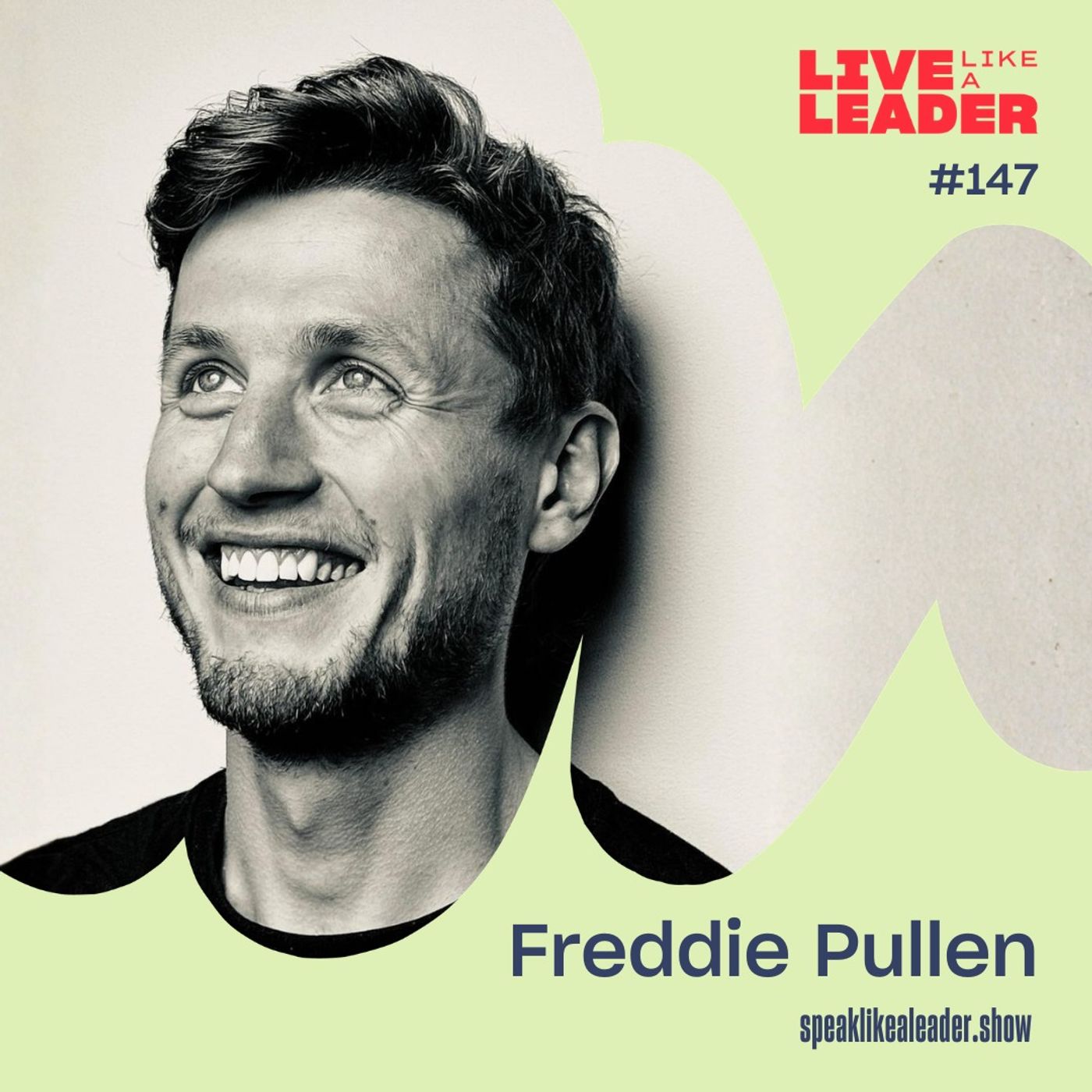
Today I sit down with Freddie Pullen—founder of The Healthy Entrepreneur Podcast and the founder of Recognized (recognized.global)—and we go straight at a problem I care about deeply: There are too many truly capable experts who stay invisible… while louder, less-qualified voices dominate the conversation.
Freddie helps experts become recognized for the value they already have—and then monetize that attention in a way that actually feels aligned. We talk about the practical strategies (podcast guesting, LinkedIn, positioning), but we also go deeper into the psychology: what it really takes to earn credibility, build trust, and show up with authority without playing the “look at me” game.
We also start the conversation by honoring the work of Sebastian Bates and the Bates Foundation—because leadership isn’t theory when you’re feeding kids and building character in the toughest environments on Earth. Freddie has been a trustee since the foundation began, and he shares what it was like to see the impact firsthand.
What You’ll Learn in This Episode
Why Freddie hates the word “expert”… and the standard most people are skipping.
The “puddles → lakes → oceans” model for positioning yourself so the market can actually place you.
Why podcast guesting + LinkedIn is still the highest-leverage authority play for most founders and consultants.
Freddie’s take on platform ROI: why Meta is “cheap,” why YouTube is powerful but expensive to do well, and what ad pricing signals about authority.
Why storytelling is still the #1 leadership tool (and why our brains are built for it).
My favorite practical exercise for influence: the “10-one-thousand pause”—and why silence makes people tell you what they weren’t going to tell you.
A real-world reminder: if you’ve earned expertise and you’re staying quiet, you may be depriving the world of what it needs from you.
Ideas Worth Stealing (and Using This Week)
Fix your positioning before you fix your content. Most people try to post more, podcast more, “be everywhere”… while the market still can’t answer: what exactly do you do, for whom, and why you? Freddie’s puddles→lakes→oceans model is a clean way to build authority without diluting it.
If you want authority, use authority platforms. Freddie’s argument is simple: for most founders/experts, podcast guesting + LinkedIn is still the highest ROI move because trust is already built into the medium.
Silence isn’t awkward—silence is leverage. Try the “10-one-thousand” pause in one conversation this week. Don’t weaponize it—just watch what happens when you stop filling space. People often reveal what matters most when you let the moment breathe.
Resources Mentioned
Freddie Pullen — Recognized: recognized.global
The Healthy Entrepreneur Podcast (Freddie’s show) Listen on Spotify or Watch on YouTube
Connect with Freddie on LinkedIn
-----
Freddie has worked with 200+ founders to build demand, waiting lists, and revenue directly through LinkedIn.
Along the way, one thing became impossible to ignore... All buyers do this one thing before they buy:
They educate themselves with content.
They want to recognize you first.
They discover you through a LinkedIn post.
Then consume your POV through longer form content.
Then decide whether you’re the person they trust.
That’s how modern B2B buying actually works.
But this didn’t come from theory.
After leaving his role as Head of Product at the world’s largest media company serving 500M monthly users and generating $300k per day, Freddie built two 6-figure businesses in 8 months and helped 200+ founders do the same. The results:
Multi six-figure profit in 8 months
Podcast launched to #1 in 9 countries on day one
$100k+ per year generated from the podcast alone
Built a $3BN+ network starting with under 10k followers
50+ qualified HOT leads every month, predictably
Which is why the goal of content is to be obvious.
Freddie helps clients position themselves as the authority people already trust before they ever speak to them.
Today, AI is accelerating this, but only if it’s trained on the right positioning. Freddie and his team use AI to:
Encode your POV
Multiply what already works
Turn LinkedIn posts into sales assets
You need a new ocean on LinkedIn - where you’re undeniable to your ideal clients.
That’s why Freddie and his team built a positioning first, AI powered approach to LinkedIn.
https://freddiepullen.com/
https://www.linkedin.com/in/freddie-pullen/
https://www.instagram.com/freddiepullen
Ready to make your communication a match for how good you really are?
John K. Bates provides private executive communication coaching and leadership development for accomplished leaders and teams. His programs have earned 92+ Net Promoter Scores with organizations including NASA, Johnson & Johnson, Google, Intuit, and Boston Scientific.
Explore private coaching and leadership programs:https://executivespeakingsuccess.com/
Build your communication practice with John’s free weekly mini-trainings:https://johnbates.com/mini-trainings/
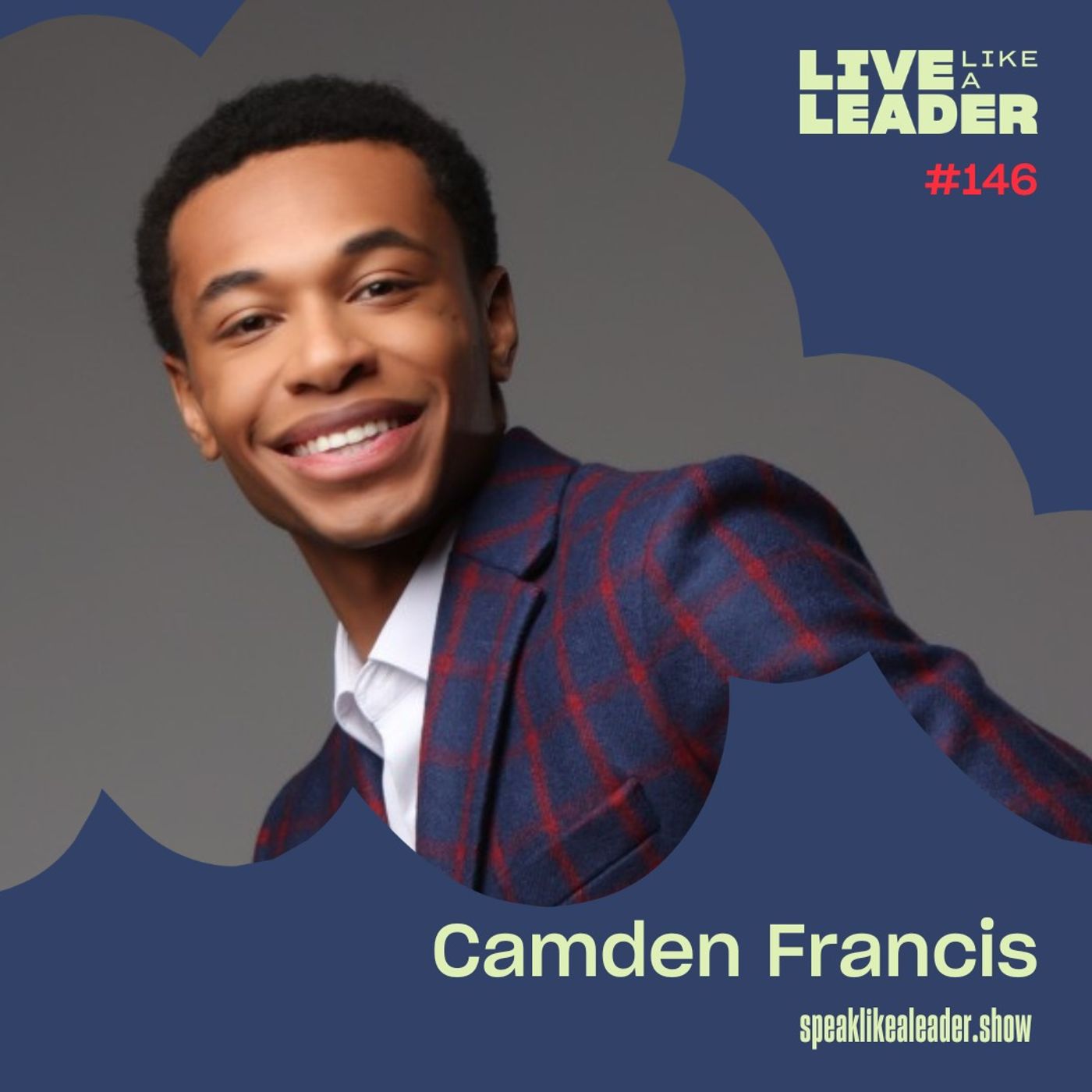
Today I sit down with Camden Francis—a 21-year-old founder in the Boston area who’s already lived a few lifetimes worth of leadership reps.
We talk about the real story behind the highlight reel: how Camden co-founded a pandemic-era food distribution charity that moved $100,000 worth of food and resources, how that experience became a launchpad into the startup world, and why his newest projects—NomadAI (AI-assisted travel planning) and Universe (a career/network platform “for Gen Z,” currently under wraps)—are rooted in something deeper than ambition: service, meaning, and the long game.
A big thread in this conversation is something I care about a lot: your origin story—not as marketing, but as emotional credibility. Who you are. What shaped you. What you’ve survived. What you’re here to build—and why people should trust you enough to follow.
In this episode, Camden and I cover:
Starting early: Camden’s “self-starter” drive—and the mentors who helped him learn fast (including Kathleen Walsh, President/CEO of the Metro North YMCA).
Beyond the Crisis: how watching families in the Boston area wait in long lines for food during COVID sparked an “Uber Eats-style” nonprofit distribution model—and how they partnered with Catholic Charities of Boston.
Momentum and credibility: how the charity’s visibility led to major exposure and new relationships (including appearances on CBS, Bloomberg, PBS, the Drew Barrymore Show, and even White House conferences).
NomadAI: why Camden believes travel is a perfect industry for AI disruption—and how NomadAI aims to build itineraries and handle planning like a “24/7 assistant in your back pocket.”
Meridian Capital Partners: a founder-focused “hub” that invests very early stage in college founders—especially people who don’t have the usual resume or network.
The hard parts: being misunderstood in a high-pressure prep school environment, dealing with racism, isolation, and having to finish part of high school online.
The turning point: Universe taking three years to get funded, losing an early investor, and Camden’s “dark night of the soul” moment—where he had to stop chasing comparison and decide what he’s actually committed to.
The mission behind Universe: Camden’s focus on helping Gen Z navigate a brutal job/internship market—and building something that serves them in a way he feels LinkedIn doesn’t.
A few lines worth remembering
Camden on mission: “I’m really committed to making a difference and solving problems and connecting people.”
Camden on perseverance: after setbacks and many calls, they found an accredited investor who put six figures in because he saw the MVP—and the dream.
Camden to Gen Z builders: if you’re in a tough season, keep going—try new things—persevere.
Links / Resources Mentioned
NomadAI: NomadAI.io
Universe (waitlist): UniverseApp.com
About Camden Francis (from this episode)
Camden Francis is a Gen Z founder based in the Boston area. He co-founded:
Beyond the Crisis, a COVID-era food distribution charity that moved ~$100,000 in food/resources with partners like Catholic Charities of Boston
NomadAI, an AI-assisted travel planning and itinerary platform
He’s also building Universe, a career/network platform aimed at helping Gen Z navigate internships and jobs.
-----
Camden Francis, a dynamic 21-year-old currently pursuing a degree in Finance and Business Management, seamlessly blends academic prowess with an entrepreneurial spirit. Beyond the confines of his desk, Camden revels in the exhilaration of sports, cherishes quality moments with family and friends, and takes leisurely strolls with his beloved Goldendoodle, Brooks. His summers are often punctuated with escapes to Cape Cod, where he finds solace and inspiration.
At the core of Camden's ethos is his commitment to making a positive impact. In 2020, he founded Beyond the Crisis, a nonprofit organization dedicated to serving the community. Under his leadership, the organization diligently distributes food and resources to housing communities and homeless shelters. Camden's visionary approach extends to the research team at Beyond the Crisis, which collaborates with major organizations to strategically combat food insecurity and enhance nutritional health at a national level.
Not content with just one venture, Camden is also the visionary force behind "Univerze," a tech company that has birthed a professional networking mobile application. His multifaceted abilities extend beyond the boardroom; Camden is a captivating public speaker, having appeared on renowned platforms such as the Drew Barrymore Show, CBS, PBS, Bloomberg, and NPR. His insights on entrepreneurship have been shared with a broader audience through various podcasts, while his recently published book further underscores his commitment to knowledge dissemination.
Looking ahead, Camden is set to expand his horizons. He envisions penning another influential book, venturing into real estate, and strategically growing his investment portfolio. For interviews or business inquiries, Camden Francis invites you to connect with him at [email protected]. Embrace the opportunity to engage with a young luminary whose charisma, innovation, and commitment to positive change define his journey.
Ready to make your communication a match for how good you really are?
John K. Bates provides private executive communication coaching and leadership development for accomplished leaders and teams. His programs have earned 92+ Net Promoter Scores with organizations including NASA, Johnson & Johnson, Google, Intuit, and Boston Scientific.
Explore private coaching and leadership programs:https://executivespeakingsuccess.com/
Build your communication practice with John’s free weekly mini-trainings:https://johnbates.com/mini-trainings/

Comments

Download from Google Play

Download from App Store
 United States