


 Claim Ownership
Rare Discussions
Subscribed: 12Played: 65
Subscribe

© Yes
Description
Conversations with the leaders advancing rare disease care.
Rare Discussions is CheckRare's flagship interview podcast featuring conversations with leading physicians, researchers, patient advocates, and industry experts. These episodes explore advances in diagnosis, treatment, research, and patient care across the rare disease landscape.
Whether highlighting groundbreaking therapies or sharing expert clinical perspectives, Rare Discussions highlights the experts who are shaping the future of rare disease medicine.
Rare Discussions is CheckRare's flagship interview podcast featuring conversations with leading physicians, researchers, patient advocates, and industry experts. These episodes explore advances in diagnosis, treatment, research, and patient care across the rare disease landscape.
Whether highlighting groundbreaking therapies or sharing expert clinical perspectives, Rare Discussions highlights the experts who are shaping the future of rare disease medicine.
194 Episodes
Reverse

Keisha L. Gibson, MD, MPH, pediatric nephrologist at the UNC School of Medicine, discusses the approval of Gazyva (obinutuzumab) for patients with childhood-onset idiopathic nephrotic syndrome (INS).INS is a rare, autoimmune kidney disease that is often managed by corticosteroids and/or mycophenolate mofetil. The disease and treatment however, is characterized by unpredictable relapses that cause fatigue, swelling, weight gain and increased susceptibility to infections and clotting. These flare-ups or relapses also lead to anxiety, depression and reduced self-esteem, brought on by the fear of relapse and social isolation. It is usually diagnosed in early childhood and is the most common form of primary glomerular disease in children.Obinutuzumab is a humanized type II anti-CD20 monoclonal antibody that binds to the CD20 antigen, a proven target for CD20+ B cells. It is the first treatment option for INS to be approved in 70 years. It is currently indicated to reduce the risk of relapse in adult and pediatric patients 2 years of age and older with frequently relapsing or steroid dependent childhood-onset INS who are in complete remission.The approval is based on results from the phase 3 INShore clinical trial (NCT05627557). More obinutuzumab-treated patients experienced no relapses after week 8 and were in complete remission at one year (95%) compared with mycophenolate mofetil (MMF) (73%). Analysis of key secondary endpoints showed statistically significant and clinically meaningful benefits with obinutuzumab with an increase in those with overall relapse-free survival, median time to first relapse or death, and fewer relapses from baseline to week 52, all compared with MMF. Additionally, no new safety signals were observed.This approval is significant to patients and families living with INS because it provides an alternative treatment option to daily oral medications and the toxicities associated with chronic steroid use.For more information on this approval, visit https://www.gene.com/media/statements/ps_092526 or https://checkrare.com/fda-approves-gazyva-obinutuzumab-for-treatment-of-childhood-onset-idiopathic-nephrotic-syndrome/To learn more about INS and other rare kidney conditions, visit https://checkrare.com/diseases/kidney-and-urinary-diseases/Rare Discussions is produced by CheckRare, the leading multimedia platform dedicated to advancing education, awareness, and innovation across the rare disease community.Explore additional physician interviews, podcasts, CME activities, and rare disease resources at CheckRare.com.Subscribe to the CheckRare Podcast Network for expert conversations, weekly news, accredited education, and the latest advances across the rare disease community.Part of the CheckRare Podcast Network: Trusted conversations, news, education, and expert insights across the rare disease community.

Kyle Loh, PhD, Associate Professor at Stanford Medicine, discusses research that could help scientists better understand spinal muscular atrophy (SMA) by generating new motor neurons from human hindbrain cells in the laboratory. SMA is a genetic neuromuscular disorder characterized by the loss of motor neurons, causing progressive muscle weakness and loss of movement due to atrophy. SMA mainly affects the muscles involved in walking, sitting, arm movement, and head control. Breathing and swallowing may also become difficult as the disease progresses. SMA is caused by genetic mutations in the SMN1 gene. Extra copies of the nearby related gene, SMN2, modify the severity of SMA, with type 1 being the most severe and type 4 the least severe. The study by Dr. Loh and his colleagues examined how different parts of the brain develop and use that knowledge to create new ways to generate new cells, including motor neurons. While the brain is often viewed as a single organ originating from one source, it is actually built from two distinct sources: one creating the forebrain/midbrain and another creating the hindbrain. As Dr. Loh explains, this distinction is critical for understanding the evolution of the brain and for developing human neurons in a laboratory setting.Neurons in the hindbrain have received less attention than the well-studied spinal cord motor neurons. However, these hindbrain neurons are essential for life-sustaining functions, including eating, swallowing, speech, and facial movements. To study these neurons, specific genes that mark different progenitor cells were identified: OTX2 for forebrain/midbrain and GBX2 for the hindbrain. By directing stem cells toward these specific progenitor states, hindbrain motor neurons can be generated in a petri dish.This study includes the creation of human induced pluripotent stem cell lines from patients with type 1 SMA to observe how the condition affects the growth of hindbrain motor neurons.Dr. Loh is also interested in exploring the pathophysiology of SMA further. For example, the SMN1 gene is ubiquitously expressed in every cell in the body, its loss specifically impacts a small subset of motor neurons in patients with SMA. Further work is also needed to investigate why certain motor neurons, such as those innervating the diaphragm, appear resilient in patients with SMA while muscles nearby are impacted. Understanding this natural resilience could offer a new approach to therapy that moves beyond simply replacing the missing gene.For more information, visit https://www.nature.com/articles/s41593-026-02433-7To learn more about SMA and other rare neurological conditions, visit https://checkrare.com/diseases/neurology-nervous-system-diseases/Rare Discussions is produced by CheckRare, the leading multimedia platform dedicated to advancing education, awareness, and innovation across the rare disease community.Explore additional physician interviews, podcasts, CME activities, and rare disease resources at CheckRare.com.Subscribe to the CheckRare Podcast Network for expert conversations, weekly news, accredited education, and the latest advances across the rare disease community.Part of the CheckRare Podcast Network: Trusted conversations, news, education, and expert insights across the rare disease community.
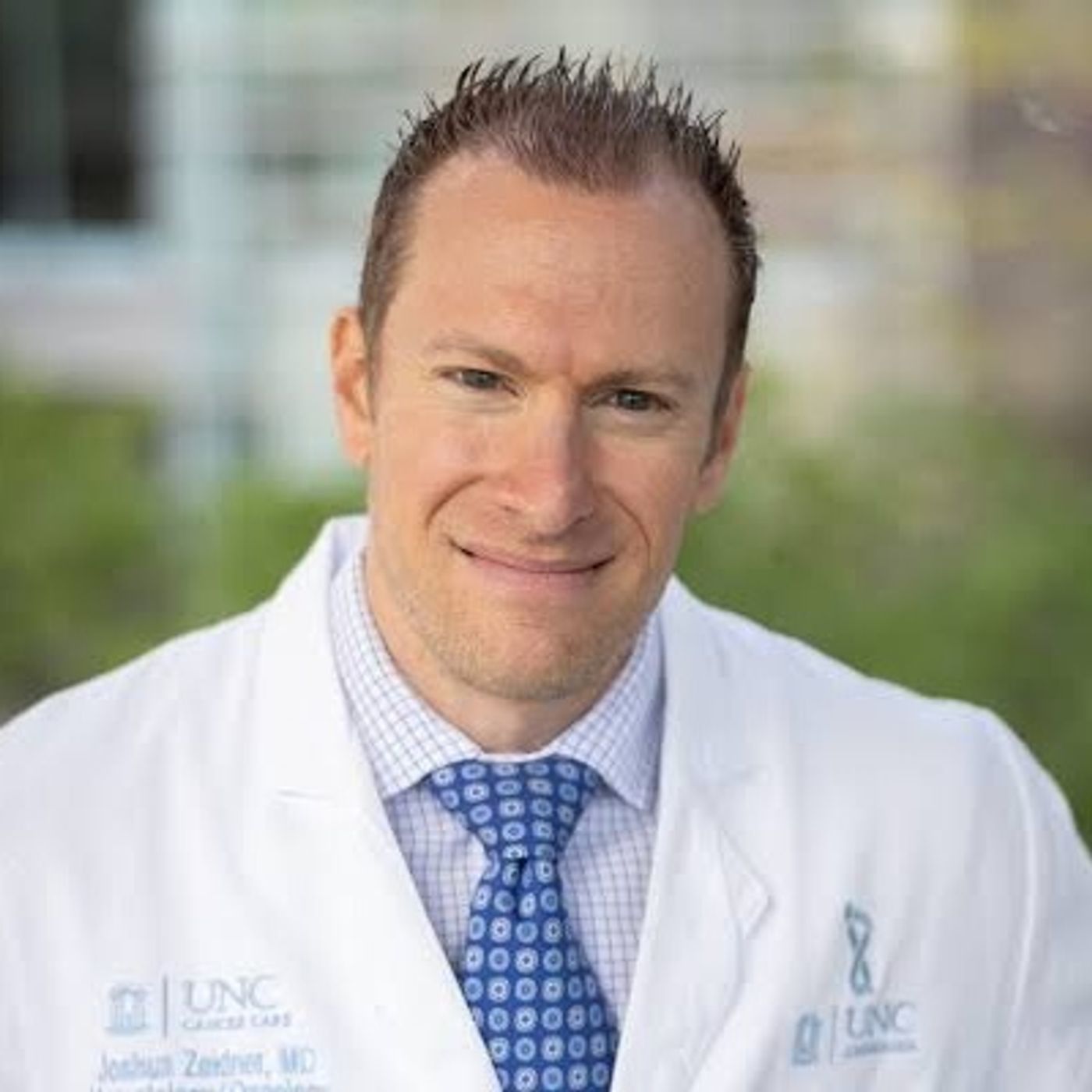
My name is Dr. Joshua Zeidner, and I’m a Professor of Medicine and Chief of Leukemia Research at the University of North Carolina Lineberger Cancer Center. I’m here today to raise awareness around an active global, phase 3, double-blind trial evaluating a combination regimen for participants with a specific type of acute myeloid leukemia or AML.Disclaimer: This material is intended for healthcare practitioners only. This use of Revumenib is under investigation and has not been approved by the FDA or any other regulatory agency worldwide. No conclusions of safety or efficacy can be drawn. Patient eligibility criteria apply.Can you describe the REVEAL-Newly Diagnosed NPM1m trial? The REVEAL-ND NPM1m trial is evaluating whether the addition of revumenib, a menin inhibitor, to standard chemotherapy improves outcomes in newly diagnosed patients with NPM1-mutated AML compared with chemotherapy alone. It is a global, phase 3, double-blind, trial in which participants will be randomized to receive standard intravenous chemotherapy with either oral revumenib or placebo.What is the trial evaluating? The trial is designed to assess whether this combination improves key clinical outcomes. The dual primary endpoints are event-free survival and measurable residual disease -negative complete response rate in the bone marrow. A key secondary endpoint is overall survival. Other secondary endpoints include overall response rate, complete response rate, composite complete remission, duration of response, safety and tolerability, and patient-reported fatigue.What is the study design? Participants are randomized 1:1 to receive oral revumenib 270 mg Q12 without a strong CYP3A4 inhibitor or revumenib 160 mg Q12 with a strong CYP3A4 inhibitor or placebo in combination with intensive chemotherapy during Induction and Consolidation followed by Maintenance. Intensive chemotherapy consists of cytarabine and daunorubicin or idarubicin in the Induction Phase and cytarabine alone in the Consolidation Phase. The Maintenance Phase will consist of revumenib or placebo given twice daily as monotherapy. Oral revumenib or placebo administration will continue for up to 2 years from Induction Cycle 1 Day 1. Bone marrow aspirates/biopsies will be collected to assess response. Participants may undergo hematopoietic stem cell transplant after initial induction chemotherapy or after consolidation and may resume maintenance thereafter.Who is eligible for the trial? Individuals from all backgrounds and communities are welcome to take part in the trial. Participants may be eligible if they have newly diagnosed, previously untreated, centrally confirmed NPM1 mutated AML and are eligible to receive intensive chemotherapy. Adolescents and adults ≥12 years of age are eligible. Participants must have adequate liver, kidney, and cardiac function. Key exclusions include pregnancy or breastfeeding, active acute promyelocytic leukemia, active central nervous system (CNS) disease, gastrointestinal (GI) disease that affects drug absorption or indigestion, AML with FLT3-ITD mutation with a variant allele frequency of ≥5%, or if FLT3 inhibitor use is indicated.Where is REVEAL-ND NPM1m enrolling? The trial plans to enroll approximately 468 patients globally. Recruitment is planned across North America, Latin America, Europe, the Middle East, and the Asia-Pacific regionIf our viewers have participants who would potentially benefit from participating in the REVEAL-ND trial, how should they inquire about study enrollment? The study has an Email address for potential participant enrollment: [email protected] about if a hospital/healthcare organization would like to participate in the REVEAL-ND trial? The center should contact the study managers, through the same Email address: [email protected] of revumenib in this setting is investigational and is not approved for this use by the FDA or any health authority worldwide.References:https://clinicaltrials.gov/study/NCT07211958#study-planStein E, Issa G, Rego E, et al. A Phase 3 Study of Revumenib in Combination With Intensive Chemotherapy in Patients With Newly Diagnosed NPM1-Mutated Acute Myeloid Leukemia (REVEAL- ND NPM1): Trial in Progress. TPS6602 Poster presented at: 2026 ASCO Annual Meeting; May 29-June 2, 2026; Chicago, ILTo learn more about AML and other rare cancers, visit https://checkrare.com/diseases/cancers/Disclaimer: This presentation is sponsored by Syndax. The speaker is being compensated by Syndax for his time and participation in this presentation. The information contained herein is intended solely for educational and informational purposes © 2026 Syndax Pharmaceuticals, Inc. All rights reserved. MED-REV-260086 09/2026.Rare Discussions is produced by CheckRare, the leading multimedia platform dedicated to advancing education, awareness, and innovation across the rare disease community.Explore additional physician interviews, podcasts, CME activities, and rare disease resources at CheckRare.com.Subscribe to the CheckRare Podcast Network for expert conversations, weekly news, accredited education, and the latest advances across the rare disease community.Part of the CheckRare Podcast Network: Trusted conversations, news, education, and expert insights across the rare disease community.

Jorge Nieva, MD, Associate Professor at the Keck School of Medicine, discusses new analyses from the TRUST studies evaluating taletrectinib in patients with ROS1-positive non-small cell lung cancer (NSCLC).ROS1-positive NSCLC is a rare molecular subtype of non-small cell lung cancer in which changes involving the ROS1 gene can drive tumor growth. Identifying ROS1-positive disease is important because these patients may benefit from targeted therapies designed to inhibit ROS1 signaling.Taletrectinib is a next-generation ROS1 tyrosine kinase inhibitor being evaluated for the treatment of patients with advanced ROS1-positive NSCLC. At the 2026 World Conference on Lung Cancer, investigators presented new analyses from the TRUST studies examining the efficacy of taletrectinib across key patient subgroups.The analyses demonstrated consistent efficacy across the evaluated subgroups, with responses showing durability in patients with advanced ROS1-positive NSCLC. These findings provide additional insight into the potential clinical benefit of taletrectinib across a range of patient characteristics and treatment histories.Dr. Nieva discusses the TRUST study findings and explains the importance of evaluating both the magnitude and durability of response when considering treatment options for patients with ROS1-positive NSCLC.The safety profile of taletrectinib was also evaluated in the TRUST studies. Dr. Nieva reviews the most commonly reported adverse events and discusses considerations for managing treatment-related toxicities in clinical practice.As targeted therapies continue to evolve for patients with ROS1-positive NSCLC, the TRUST findings provide additional information about the efficacy and safety of taletrectinib and its potential role in the treatment of this rare form of lung cancer.To learn more about NSCLC and other rare lung conditions, visit https://checkrare.com/diseases/lung-diseases/Rare Discussions is produced by CheckRare, the leading multimedia platform dedicated to advancing education, awareness, and innovation across the rare disease community.Explore additional physician interviews, podcasts, CME activities, and rare disease resources at CheckRare.com.Subscribe to the CheckRare Podcast Network for expert conversations, weekly news, accredited education, and the latest advances across the rare disease community.Part of the CheckRare Podcast Network: Trusted conversations, news, education, and expert insights across the rare disease community.
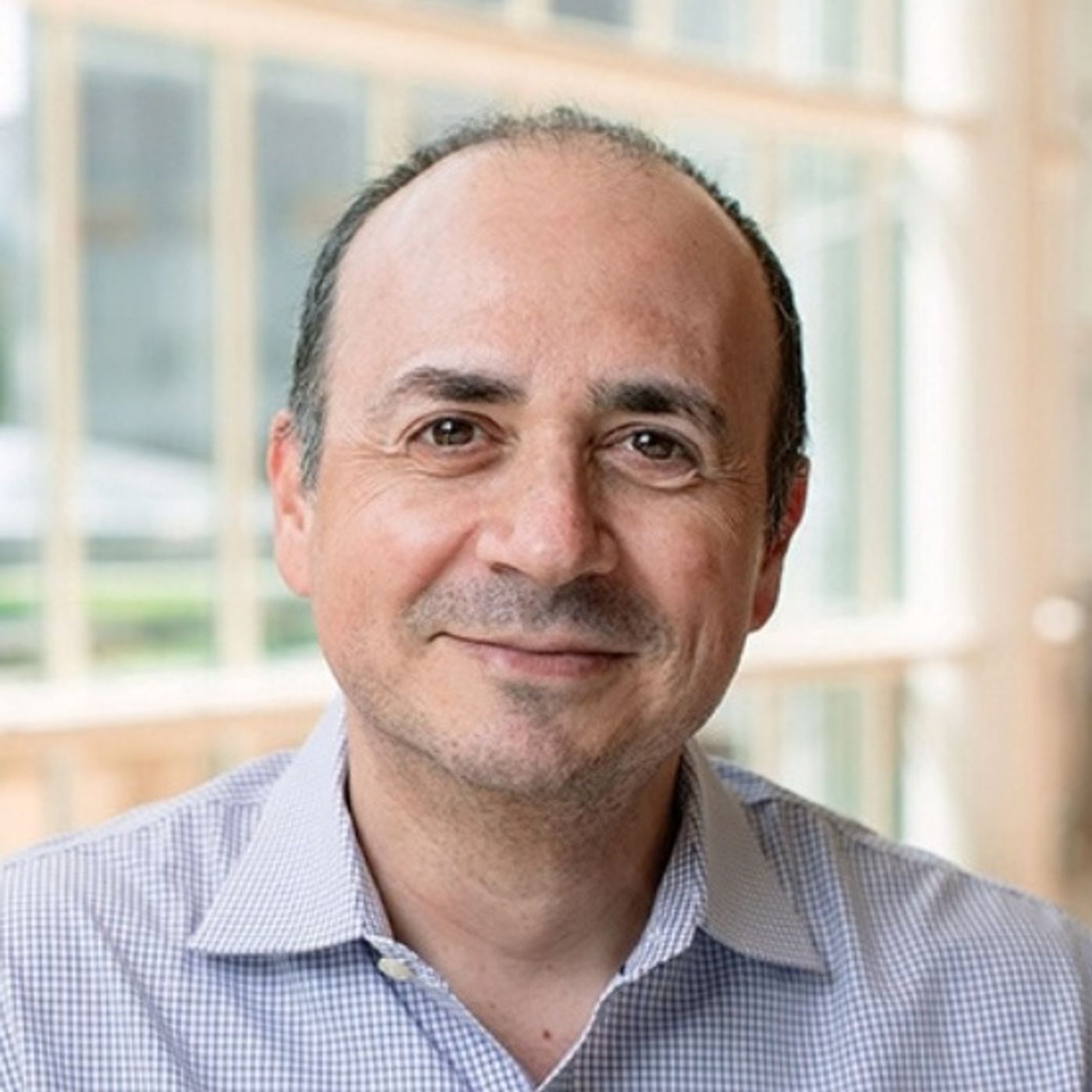
Michael Benatar, MD, PhD, Department of Neurology and ALS Center, University of Miami Miller School of Medicine, discusses the use of plasma proteomics in predicting clinical manifestations of amyotrophic lateral sclerosis (ALS).ALS is a rare motor neuron disease characterized by problems with muscle control and movement. Early symptoms may include muscle twitching, cramping, stiffness, or weakness, slurred speech, and/or difficulty chewing or swallowing. There are various types of ALS depending on symptoms, and sometimes, genetic cause. Most people with ALS have a sporadic form of ALS. It is believed that these cases are caused by an interaction between genetic and environmental factors. Familial ALS may be caused by genetic changes in any one of several genes and the pattern of inheritance varies depending on the gene involved.A study published in Nature Medicine looked at longitudinal plasma proteomics to predict phenoconversion to clinically manifest ALS. The study was conducted in patients with pre-symptomatic ALS to predict which unaffected carriers of ALS-associated pathogenic variants will phenoconvert to clinically manifest disease and when, with the hopes of designing more effective disease prevention trials.A total of 516 serially collected plasma samples from 33 phenoconverters, 35 patients with ALS, 10 pre-symptomatic pathogenic variant carriers, and 59 controls were included. 92 proteins were then identified with concentrations that changed before phenoconversion and the longitudinal trajectory of these proteins was characterized. A core panel of 19 proteins was identified which, collectively, predicted phenoconversion over the 0.5-year to 5-year time horizons and resulted in estimates of time to phenoconversion with a mean absolute error of 1.6 years.These findings were partially replicated in UK Biobank data, confirming pre-symptomatic increases in several proteins (including NEFL, EDA2R and CA3) and that a multi-protein panel outperformed NEFL alone in estimating time to phenoconversion.To learn more about ALS and other rare neurological conditions, visit https://checkrare.com/diseases/neurology-nervous-system-diseases/Rare Discussions is produced by CheckRare, the leading multimedia platform dedicated to advancing education, awareness, and innovation across the rare disease community.Explore additional physician interviews, podcasts, CME activities, and rare disease resources at CheckRare.com.Subscribe to the CheckRare Podcast Network for expert conversations, weekly news, accredited education, and the latest advances across the rare disease community.Part of the CheckRare Podcast Network: Trusted conversations, news, education, and expert insights across the rare disease community.

Comments

Download from Google Play

Download from App Store
 United States