


 Claim Ownership
Native Lights: Where Indigenous Voices Shine
Subscribed: 123Played: 3,875
Subscribe

© 2021 Association of Minnesota Public Educational Radio Stations. All rights reserved.
Description
In Native Lights, people in Native communities around Mni Sota Mkoce - a.k.a. Minnesota - tell their stories about finding their gifts and sharing them with the community. These are stories of joy, strength, history, and change from Native people who are shaping the future and honoring those who came before them.
Native Lights is also a weekly, half-hour radio program hosted by Mille Lacs Band of Ojibwe members and siblings, Leah Lemm and Cole Premo. Native Lights is a space for people in Native communities.
Native Lights: Where Indigenous Voices Shine is produced by Minnesota Native News and Ampers, Diverse Radio for Minnesota’s Communities with support from the Minnesota Arts and Cultural Heritage fund. Online at https://minnesotanativenews.org/
275 Episodes
Reverse
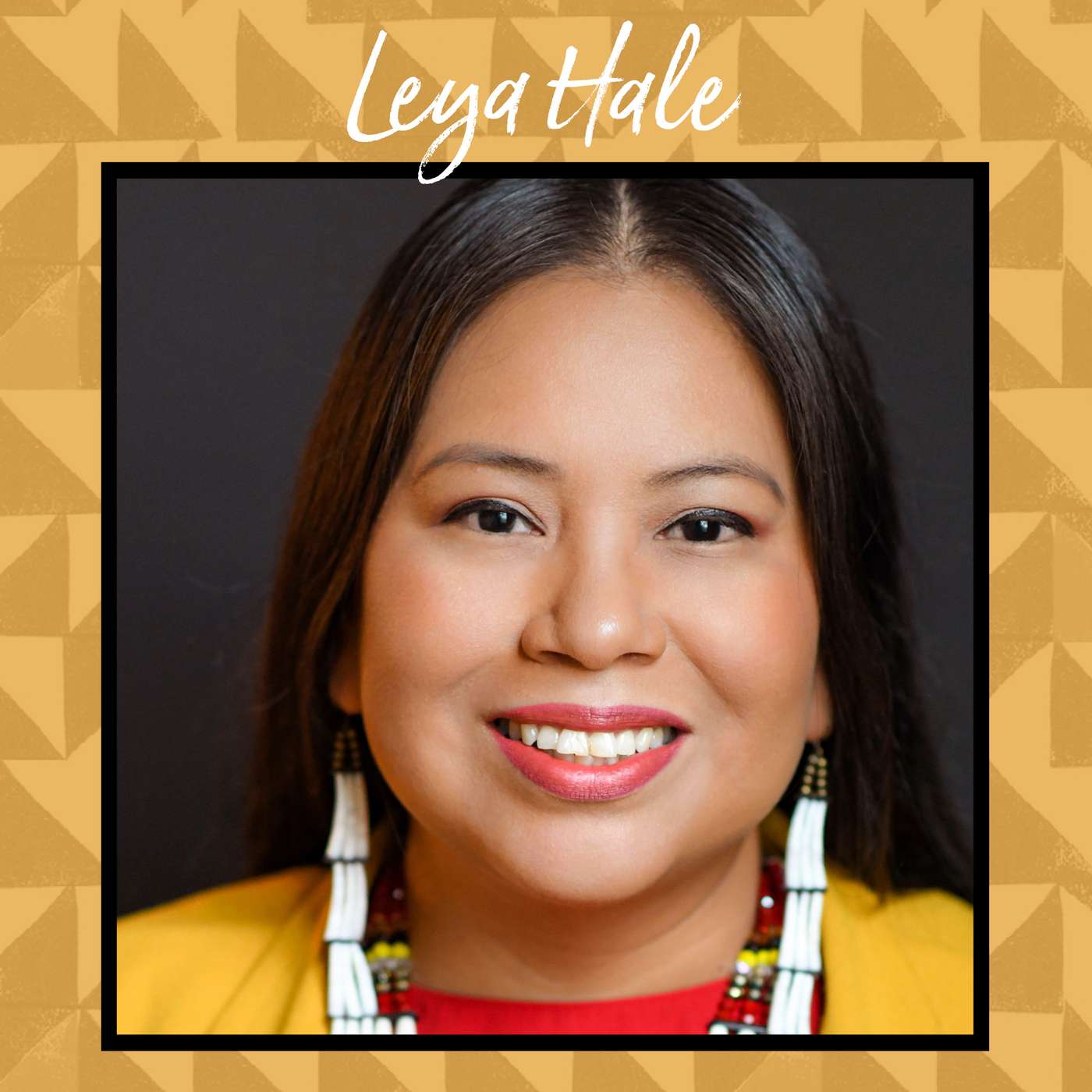
Today, we're excited to have another talk with Leya Hale. Leya is Sisseton Wahpeton Dakota and from the Diné Nation. She is an award-winning documentary filmmaker. She has multiple regional Emmys, and she's known for films like The People's Protectors, Bring Her Home and, most recently, Medicine Ball. And she's a 2025 Bush Fellow working to bring Dakota language and values into the filmmaking process. Growing up in Southern California, Leya didn't see a lot of Native folks on the big screen. Then she caught an airing of Wacipi, a 1995 documentary about the annual Mdewakanton Dakota powwow, on public TV. She decided in that moment that if and when she ever became a filmmaker, she would make films like that. Years later, she would not only be directing her own Indigenous docs at Minnesota PBS but also working with some of the very same people who'd put together Wacipi. Leya jumps into the basketball court with her latest documentary. Medicine Ball follows two Native basketball players navigating a new season, while also uncovering their school's previous history as an Indian boarding school. She also shares how she mentally prepares to send her films out into the world, gives an update on plans for an Indigenous filmmaker internship, and teases what her next documentary project might be.-----Hosts / Producers: Leah Lemm, Cole Premo Editor: Britt Aamodt Editorial support: Emily Krumberger Mixing & mastering: Chris Harwood -----For the latest episode drops and updates, follow us on social media. instagram.com/ampersradioinstagram.com/mnnativenewsfacebook.com/MNNativeNewsNever miss a beat. Sign up for our email list to receive news, updates and content releases from AMPERS. ampers.org/about-ampers/staytuned/ This show is made possible by community support. Due to cuts in federal funding, the community radio you love is at risk. Your support is needed now more than ever. Donate now to power the community programs you love: ampers.org/fund
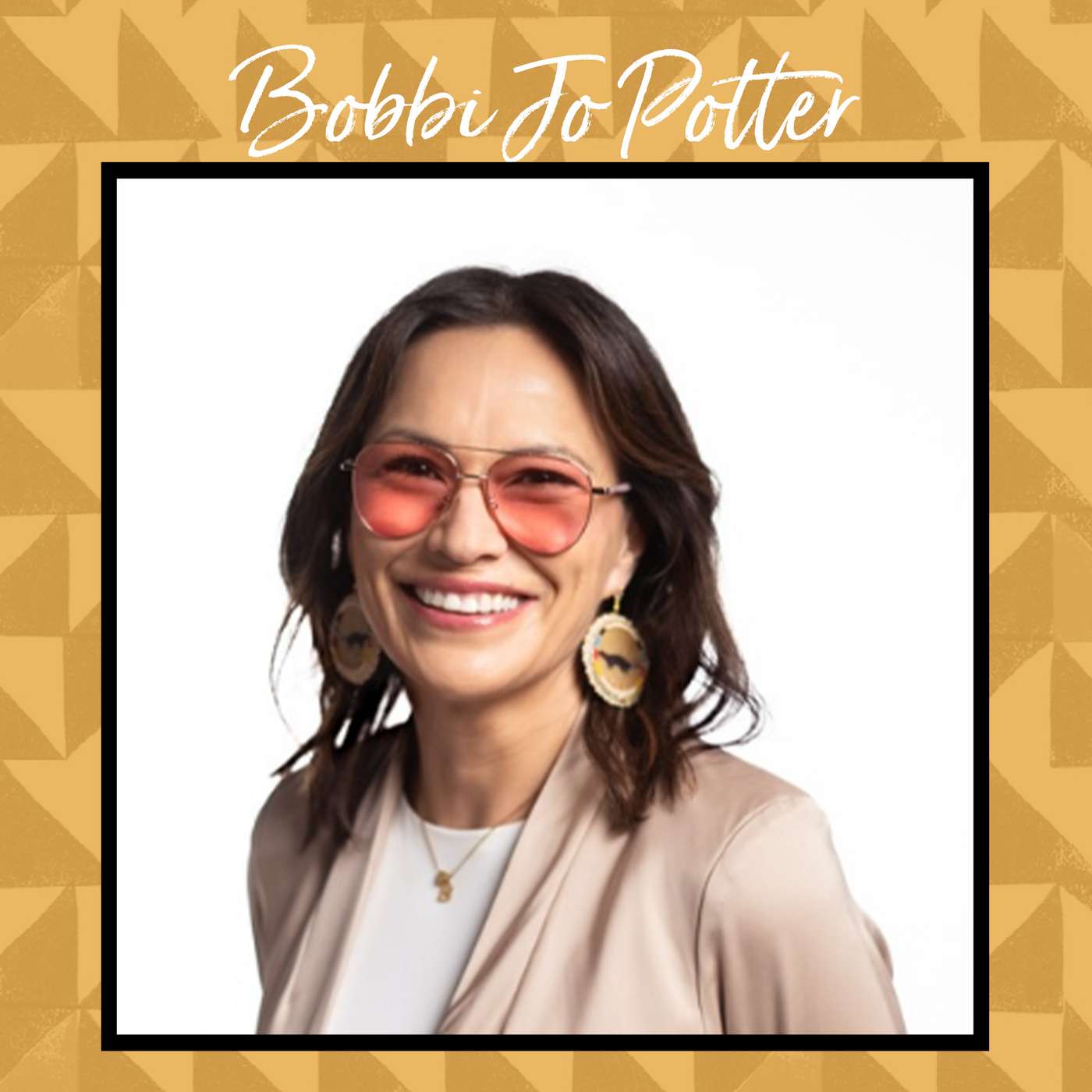
Today, we're speaking with Bobbi Jo Potter, a citizen of the Bois Forte Band of Chippewa. She's deputy director of Children and Family Services in Ramsey County and is a 2026 Bush Fellow working to keep Native families connected and make child welfare more about relationships and healing. Bobbi Jo grew up with a strong sense of service. She figured she'd like nursing. But a few poor grades in science courses had her contemplating quitting school, until someone suggested she check out social work. An inspirational professor, working in child protection, provided the lightbulb moment that launched Bobbi Jo on her path. She talks about what it means to be a bridge between families and needed services, how to navigate a system that doesn't always work, and why it's important to listen to and stay active in the Indigenous community to become the change she wants to see. Bobbi Jo lets us in on her plans for her year-long Bush Fellowship. She also shares the importance of mentors and her belief in the power of reframing challenges by looking at them through an Indigenous lens.-----Hosts / Producers: Leah Lemm, Cole Premo Editor: Britt Aamodt Editorial support: Emily Krumberger Mixing & mastering: Chris Harwood Image: Bobbi Jo Potter [photo credit: Caroline Yang] -----For the latest episode drops and updates, follow us on social media. instagram.com/ampersradioinstagram.com/mnnativenewsfacebook.com/MNNativeNewsNever miss a beat. Sign up for our email list to receive news, updates and content releases from AMPERS. ampers.org/about-ampers/staytuned/ This show is made possible by community support. Due to cuts in federal funding, the community radio you love is at risk. Your support is needed now more than ever. Donate now to power the community programs you love: ampers.org/fund
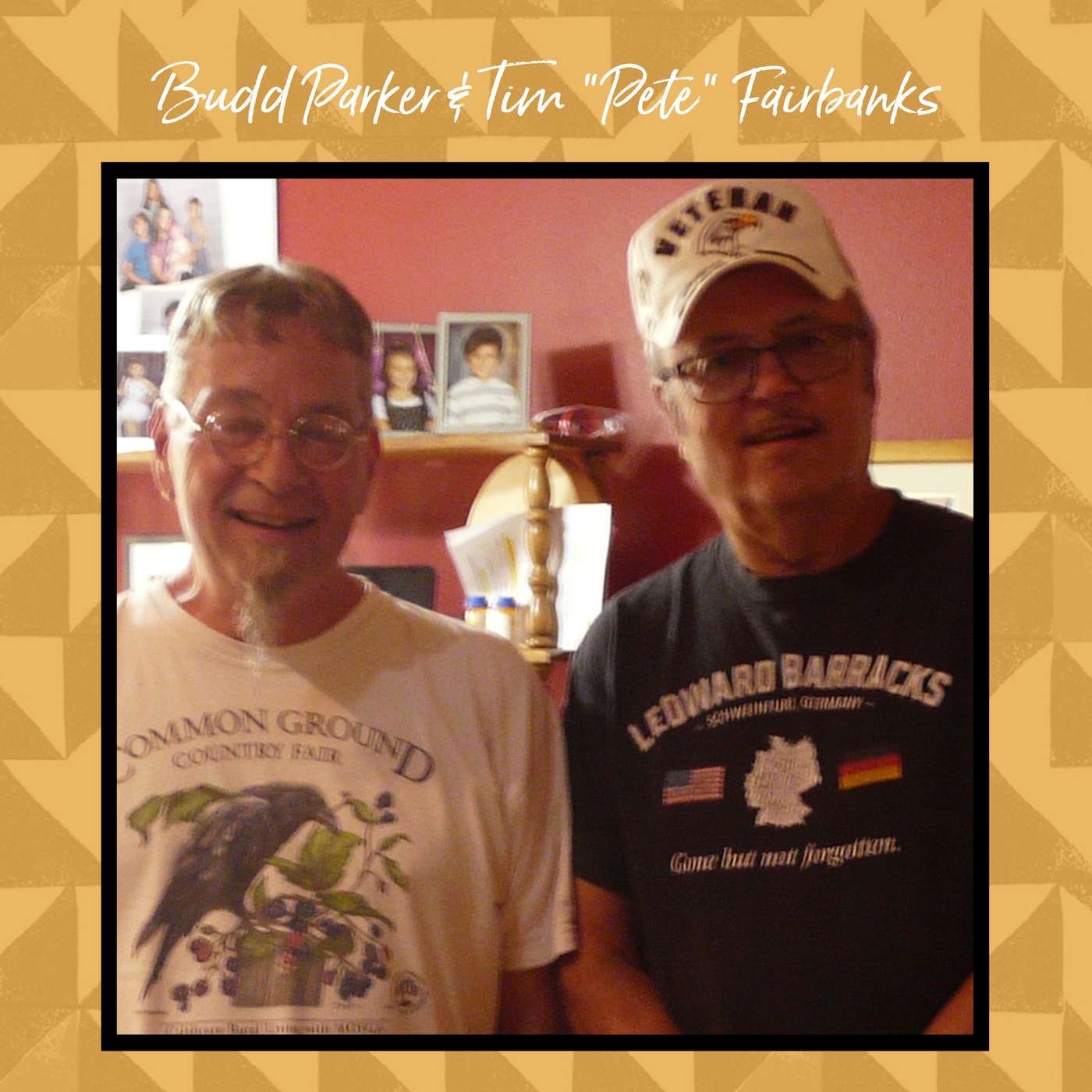
Today we're joined by Budd Parker and Tim "Pete" Fairbanks. Budd is a Navy veteran and descendant of the White Earth Nation. He lives in Osage and was raised by grandparents who knew Civil War soldiers. He and his crew, including cousin Pete Fairbanks, dig through records. They clear forgotten cemeteries and set corrected headstones so families can hear their ancestors' names again. Pete, an Army veteran, is also from the White Earth Nation, and he works with Budd to restore headstones and graveyards. Budd and Pete grew up around grandparents born in the 19th or early 20th century, who shared stories of friends and neighbors who'd been Civil War soldiers from what would later become White Earth Reservation. Through storytelling, these long-ago veterans became real living humans, not historical figures, to the young cousins. In his 20s, Budd replaced wooden crosses with permanent gravestones for two White Earth family members. This set in motion his lifelong quest, shared with Pete, to restore the reservation's cemeteries. They've logged so many hours among the dead, they've earned the nickname The Grim Reapers. The pair discuss the importance of remembering White Earth's veterans, and what it takes to hunt down the identities of forgotten soldiers, from record searches and photographs to family interviews. They also get into the sheer brute strength that's needed to set upright a gravestone that's toppled and sunken into the earth over centuries, and their hope that a new generation can take over this important, and almost always unpaid, work. If you would like to get in touch with Budd Parker and Pete Fairbanks, you can reach them at [email protected] or [email protected] / Producers: Leah Lemm, Cole Premo Editor: Britt Aamodt Editorial support: Emily Krumberger Mixing & mastering: Chris HarwoodPhoto Credit: Budd Parker and Pete Faribanks-----For the latest episode drops and updates, follow us on social media. instagram.com/ampersradio/instagram.com/mnnativenews/ Never miss a beat. Sign up for our email list to receive news, updates and content releases from AMPERS. ampers.org/about-ampers/staytuned/ This show is made possible by community support. Due to cuts in federal funding, the community radio you love is at risk. Your support is needed now more than ever. Donate now to power the community programs you love: ampers.org/fund
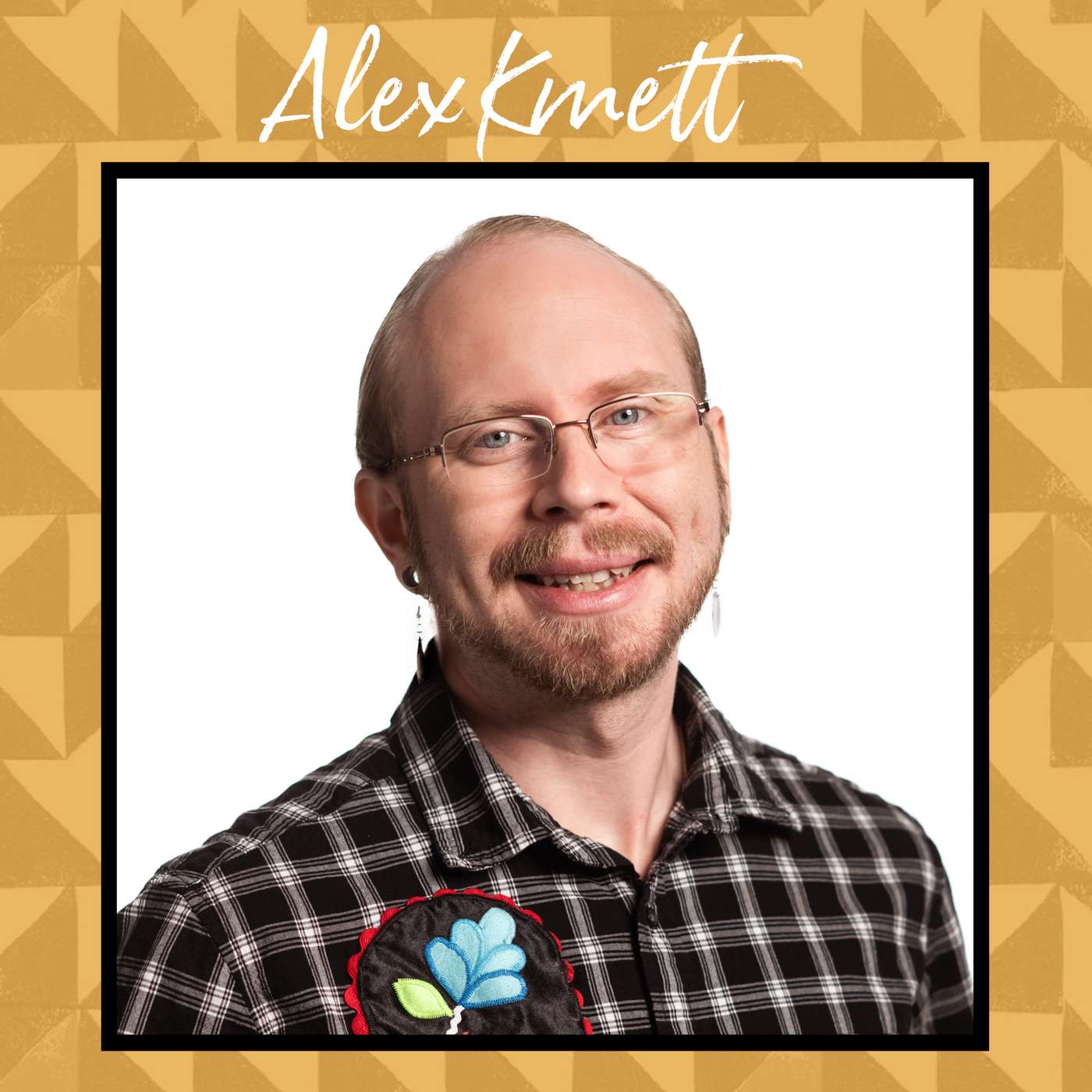
Today, we're speaking with language revitalization leader and cultural educator Alex Kmett. Alex is a citizen of the Red Lake Nation and a descendant of the Leech Lake Band of Ojibwe. He's a 2026 Bush Fellow and a co-founder of a charter school in Red Lake Nation. Alex says he was lucky to have grown up in the late 1980s and early 1990s, when there were more First Language speakers around. He soaked up their language and cadences. But he didn’t really have the opportunity to figure out the mechanics of Ojibwemowin until college and then, during immersive study with First Language speakers. His passion for language revitalization extends to teaching, co-founding a school, and contributing to the online Ojibwe People’s Dictionary. In 2026, he was awarded a Bush Fellowship in recognition of this lifetime of work. Alex shares why he thinks AI is not the answer to learning Ojibwemowin. He talks about bringing up his children in an immersive language environment, what it means to care for the Ojibwe language, and how to teach a new generation of speakers. -----Hosts / Producers: Leah Lemm, Cole Premo Editor: Britt Aamodt Editorial support: Emily Krumberger Mixing & mastering: Chris Harwood Image: Alex Kmett [photo credit: Caroline Yang] -----For the latest episode drops and updates, follow us on social media. instagram.com/ampersradio/instagram.com/mnnativenews/ Never miss a beat. Sign up for our email list to receive news, updates and content releases from AMPERS. ampers.org/about-ampers/staytuned/ This show is made possible by community support. Due to cuts in federal funding, the community radio you love is at risk. Your support is needed now more than ever. Donate now to power the community programs you love: ampers.org/fund
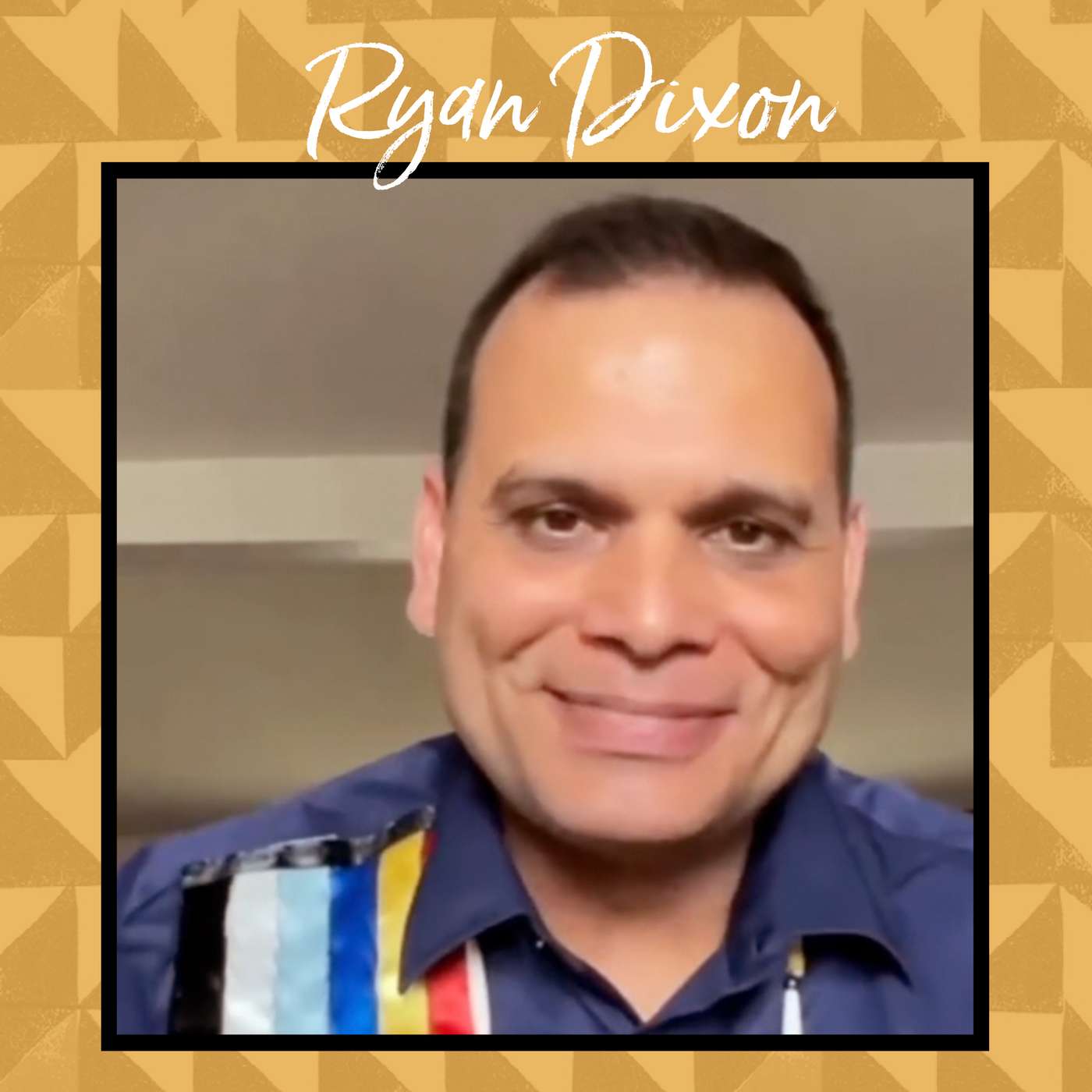
Today, we're speaking with Ryan Dixon. Ryan is an enrolled member of the Oglala Lakota Tribe from Pine Ridge in South Dakota and has spent over two decades immersed in the Lower Sioux community in southern Minnesota. He trained under First Language Dakota speakers, and he now teaches Dakota. An educator and Indigenous language activist, he co-founded a Dakota Immersion Head Start programming and works to keep the language alive for future generations. Ryan grew up in Georgia, far away from the Lakota homelands, but he had access to a first language speaker in his grandmother. When he moved to the Lower Sioux community in Southern Minnesota, he was recognized as someone who knew a little language. That led to people asking him to translate and, later, to an unbelievable apprenticeship that paid him to learn and teach Dakota. He didn’t speak fluently until he was 31 and believes anyone can gain fluency in two years. But he says there’s one key ingredient that can’t be missing if a language learner wants to succeed. He also shares how he connects to the spirit of the Dakota language and what it means to become its friend.-----Hosts / Producers: Leah Lemm, Cole Premo Editor: Britt Aamodt Editorial support: Emily Krumberger Mixing & mastering: Chris Harwood -----For the latest episode drops and updates, follow us on social media. instagram.com/ampersradio/instagram.com/mnnativenews/ Never miss a beat. Sign up for our email list to receive news, updates and content releases from AMPERS. ampers.org/about-ampers/staytuned/ This show is made possible by community support. Due to cuts in federal funding, the community radio you love is at risk. Your support is needed now more than ever. Donate now to power the community programs you love: ampers.org/fund

Comments

Download from Google Play

Download from App Store
 United States