


 Claim Ownership
Brand Growth Heroes
Subscribed: 60Played: 1,247
Subscribe

© Copyright Fiona Fitz Consulting Ltd.
Description
Brand Growth Heroes ranks in the top 1.5% of ALL podcasts globally. With +27 years' experience working for brand giants and as coach to over 400 challenger brand founders, Fiona Fitz asks the questions you need the answers to from the founders of wildly successful consumer goods brands driving transformational growth.
133 Episodes
Reverse
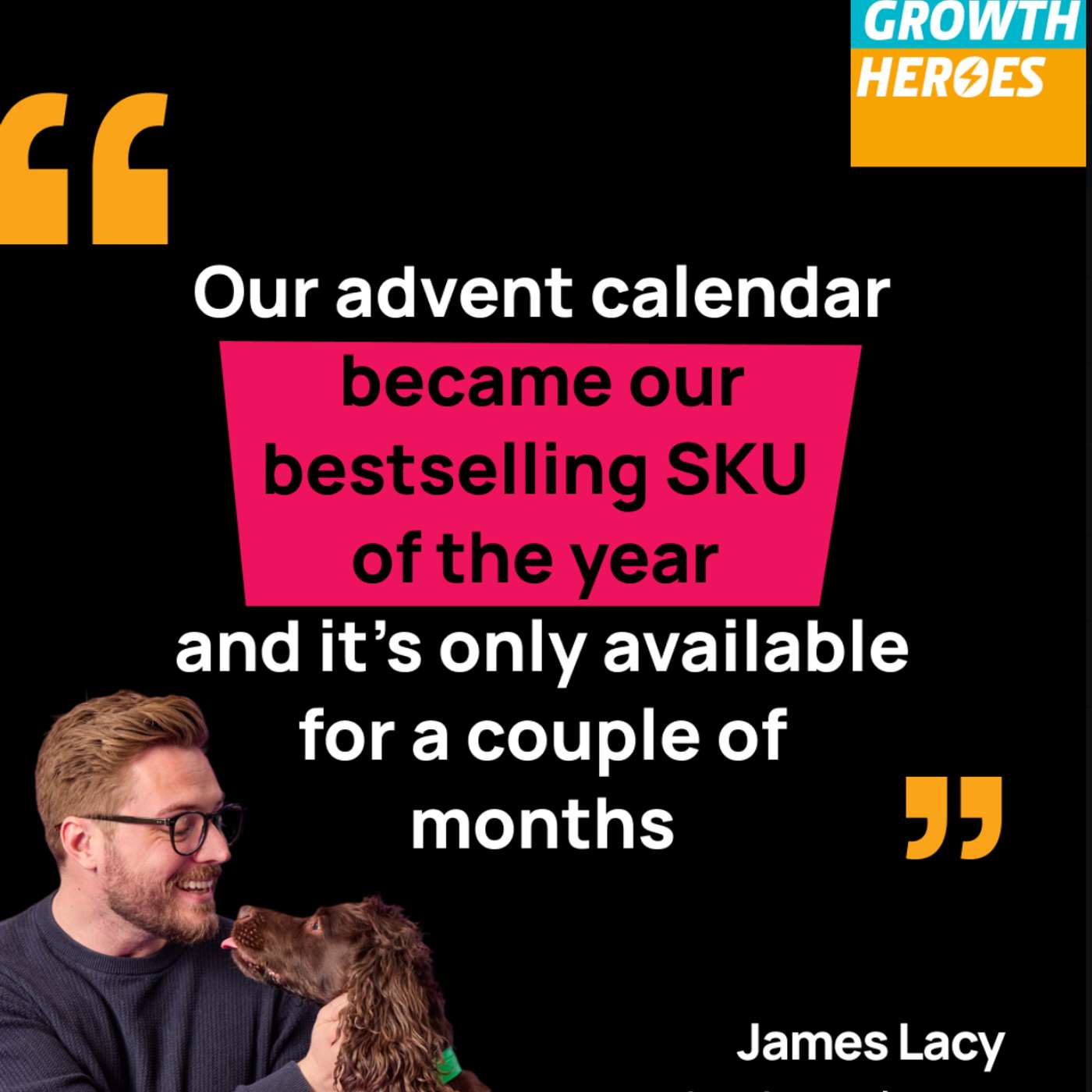
Most pet brands sell function. Denzel’s Dog Treats built its challenger brand around something very different: Happiness!! In this conversation, I speak with founders James and Nathan about how they spotted an emotional gap in the pet category and used brand strategy, packaging, product format and occasion-based innovation to turn dog treats into something much bigger than a functional purchase.And the commercial results are what make this such an interesting story for founders scaling consumer brands. A Valentine’s activation delivered around 15–17x the rate of sale of a normal promotion, with more than 60% of shoppers buying it having not previously bought from pet. Their advent calendar has become their bestselling SKU despite only being available for part of the year. We get into how seasonal innovation moved from “marketing stunt” to revenue channel, why they designed for grocery, hospitality and online from day one, and how becoming obsessive about the brand experience helped Denzel’s create genuinely incremental growth.Use code BGH25 for 25% off Denzel's NEW Advent Calendars from https://www.denzels.co.uk/products/advent-calendarDetails below **Redeemable from https://www.denzels.co.uk/products/advent-calendar only25% off Advent CalendarApplies to one-time purchasesNo minimum purchase requirementOne use per customerCan’t combine with other discountsEarly bird discount, active from 15 Sept to 22 Sept (23:59)What You’ll LearnHow James and Nathan identified an emotional white space in a category dominated by functional positioning.Why Denzel’s spent roughly 30–50% of its initial £25,000 startup loan on brand, design and packaging.How Valentine’s treats generated around 15–17x normal promotional rate of sale and attracted shoppers who had never previously bought from pet.Why seasonal NPD has evolved into an acquisition funnel that can ultimately drive shoppers into the core Denzel’s range.How to design products and formats around new channels and occasions rather than simply competing for space within your existing category.Key Topics DiscussedBuilding a pet brand around the “happiness exchange” between dogs and their ownersBorrowing inspiration from consumer brands such as BEAR rather than the existing pet categoryUsing Denzel himself as the central brand characterStarting the business with a £25,000 loanInvesting disproportionately in packaging and brand from day oneDesigning dog treats to work in grocery, cafés, pubs and onlineCreating selection boxes, Valentine’s treats, Easter products, birthday products and advent calendarsBringing a Tesco Valentine’s idea from conversation to delivery in only a few monthsDriving incremental category shoppers rather than simply stealing shareSelling more than 30,000 advent calendars through Denzel’s own website during an early launchBecoming a bestseller on Amazon at ChristmasBuilding specific hospitality products including peanut butter brownie, banana bread and pistachio cheesecake treatsOutselling a chocolate Florentine in Caffè NeroThe operational pain behind seasonal forecasting and manufacturingTurning seasonal innovation into a repeatable retail growth modelBuilding the UK blueprint before selectively expanding into EuropeWhy packaging has to do more of the selling in crowded grocery categoriesTargeting what Denzel’s calls “Gen Zennial pet parents”Useful links https://www.instagram.com/thedenzelstory/?hl=enhttps://www.denzels.co.uk/collections/shop-our-treats?srsltid=AfmBOorqeOYT4jb5u60GQa-AtYmjaba8MHZRynjaGkfn1vmkOy_DcN5ACommunity and review requestDid you get a nugget of value from this chat? If so, PLEASE share your thanks by hitting FOLLOW or SUBSCRIBE to Brand Growth Heroes on your favourite podcast app, and even LEAVE A REVIEW - both of these actions make a MASSIVE difference to our mission to help more founders just like you.AND by sharing this episode with another founder building a challenger brand, a colleague or a mate who loves business podcasts - or anyone trying to work out how to build a sharper, more focused growth model±Join our community Instagram (https://www.instagram.com/brandgrowthheroes) LinkedIn https://www.linkedin.com/company/brand-growth-heroes/ Youtube (https://www.youtube.com/@brandgrowthheroes)Fiona Fitz runs lots of great programmes, courses and coaching sessions. Find out more here or contact her directly on Linkedin to find out about booking one of her advisory hours. https://www.brandgrowthheroes.com/mini-mba-2026https://www.linkedin.com/in/fionafitz/Are you a founder leaning in to the value that AI can unlock for your consumer branded business? Then join Fiona's NextGen CPG WhatsApp group for founders leaning in to the value that a leadership approach to engaging with AI can unlock for businesses like yours.Sponsor*** Thanks to Brand Growth Heroes’ podcast sponsor — Joelson, the commercial law firm ***If you're a founder, you already know how much energy goes into building the perfect product, creating standout branding and connecting with consumers.But scaling a CPG business also brings legal complexities that can make or break your growth journey - from contracts and regulatory compliance to protecting your intellectual property.That’s why we’re proud to partner with Joelson, the leading commercial law firm specialising in helping founders of scaling consumer brands.Joelson works with brands like Little Moons, Trip, Eat Natural, Bear Graze and Pulsin, and advised the innocent founders on their landmark sale to Coca-Cola - and still work with them at JamJar Investments today!Joelson is offering a FREE LEGAL CONSULTATION to all BGH listeners ([email protected] or https://joelsonlaw.com/contact/) - we highly recommend you take them up on it!CreditsThanks to our Sound Engineer Gyp Buggane at Ballagroove.com
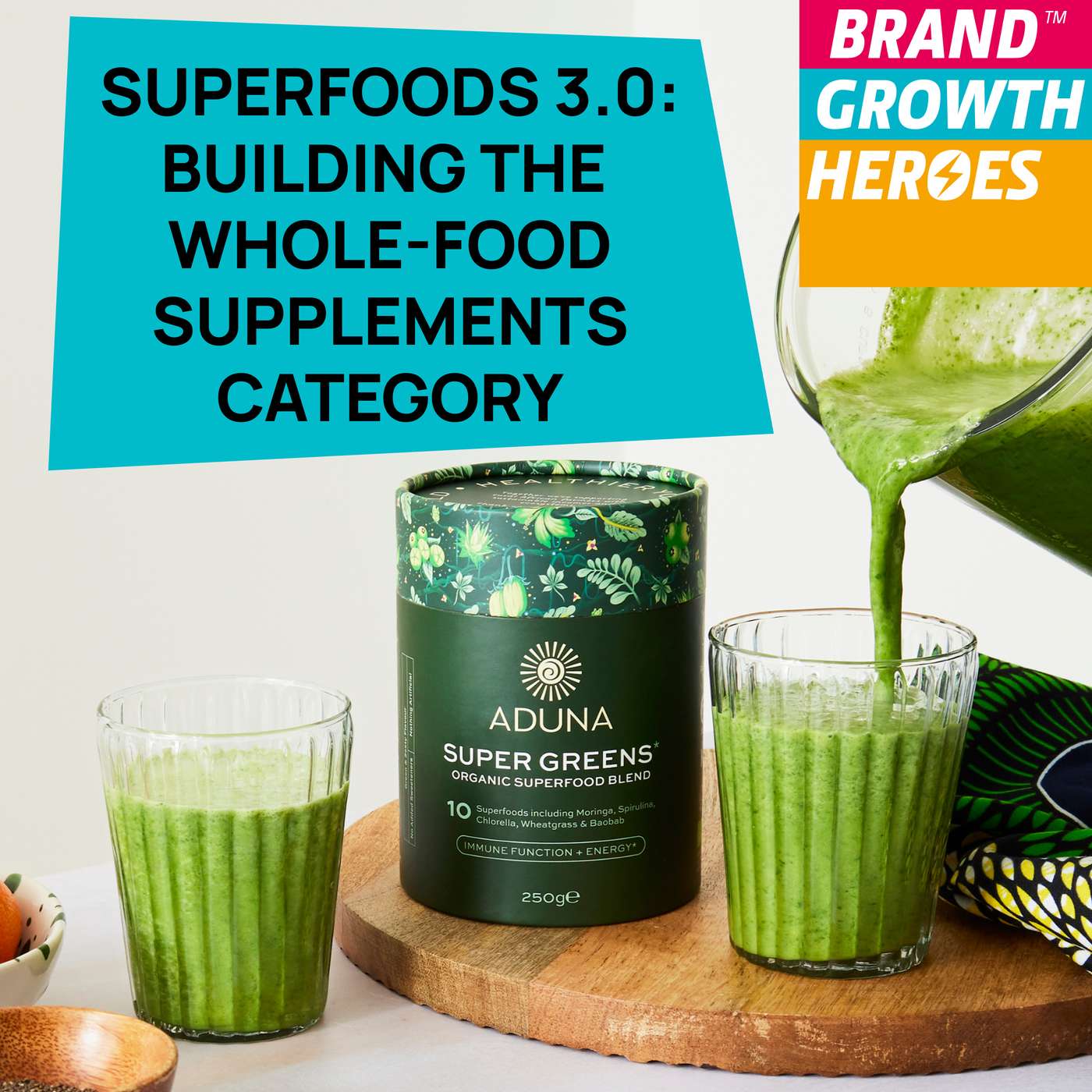
Many of you founders working with niche ingredients out there might have struggled with this question: How do you build a new category when consumers don’t yet understand the ingredient, retailers don’t know where to place it, and nobody is walking into stores asking for it? In this episode of Brand Growth Heroes, I speak with Andrew Hunt, co-founder and CEO of Aduna Superfoods, about what category creation around niche ingredients really looks like for CPG founders. We talk about how he has built a business that is approaching £5M in annual revenue by bringing ingredients like baobab and moringa to the UK, to creating demand through education, sampling and relentless market development - until these ingredients are on the brink of becoming mainstream.What I found particularly interesting is how Aduna has evolved as the market around it has changed. The business started out highly ingredient-led and impact-led, but eventually hit a commercial ceiling. Around 2022, Andrew and the team shifted towards clearer consumer needs such as gut health and everyday wellness, while keeping the quality of the ingredients and their sourcing at the heart of the brand. Now, as wholefood supplements, gut health, UPF-free products and higher-quality functional ingredients all move further into the mainstream, Aduna is increasingly well positioned for what Andrew calls the next generation of superfoods.What You’ll LearnHow Aduna created demand for ingredients consumers had never heard ofWhy getting a retail listing means very little if shoppers don’t understand what your product is forHow intensive sampling helped take baobab from almost no rate of sale to a best-selling superfoodWhy Aduna moved from ingredient-first communication towards clearer consumer need statesWhat founders building new categories can learn about timing, market education and knowing when the consumer is finally readyKey Topics DiscussedBuilding a new category around unfamiliar ingredientsIntroducing baobab and moringa to the UK marketWhy Whole Foods initially rejected Aduna because “nobody comes in asking for baobab”Creating demand before there is established consumer awarenessThe role of sampling in category buildingGoing from around 10 units sold in three months to becoming a best-selling superfood in Whole Foods and Planet OrganicUsing early retail success to unlock Holland & BarrettWhy product education alone can become a commercial constraintAduna’s strategic shift towards consumer needs such as gut health and radianceProtecting brand integrity while becoming more commercially focusedThe rise of wholefood powders and supplementsWhy ingredient quality matters as consumers become more knowledgeableAduna’s “Superfood 2.0” thinking around bioactive compoundsHigh-flavanol cacao and the difference between commodity ingredients and higher-quality functional ingredientsBuilding a proprietary supply chain in Ghana and Burkina FasoWorking with more than 100 women’s cooperativesAgroforestry, tree planting and community infrastructureThe relationship between Aduna’s branded consumer business and its ingredient supply businessAmazon as a major growth channelAmazon UK growing around 50–60% year on yearThe scale of the Amazon US opportunityAduna’s ambition to grow towards £15 million over the next four yearsBuilding long-term sustainable growth rather than chasing scale at the expense of qualityUseful linkshttps://www.instagram.com/adunasuperfoods/?hl=en20% Discount code for Brand Growth Heroes Fans: Use BGH20% at checkout at the Aduna store Like this episode?PLEASE share the love by sharing this episode with another founder building a challenger brand, a colleague or a mate who loves brilliant non-alcoholic drinks, or anyone trying to work out how to build a sharper, more focused growth model.Don't forget to FOLLOW or SUBSCRIBE to Brand Growth Heroes on your favourite podcast app, and even LEAVE A REVIEW - both of these actions make a MASSIVE difference to our mission to help more founders just like you.Join our communityInstagram (https://www.instagram.com/brandgrowthheroes)LinkedIn (https://www.linkedin.com/company/brand-growth-heroes/?viewAsMember=true)Youtube (https://www.youtube.com/@brandgrowthheroes)Find out more about the programmes and courses Fiona runs here (https://www.brandgrowthheroes.com/mini-mba-2026)Join the NextGen CPG WhatsApp group for founders leaning in to the value that a leadership approach to engaging with AI can unlock for businesses like yours.*** Thanks to Brand Growth Heroes’ podcast sponsor — Joelson, the commercial law firm ***If you're a founder, you already know how much energy goes into building the perfect product, creating standout branding and connecting with consumers.But scaling a CPG business also brings legal complexities that can make or break your growth journey - from contracts and regulatory compliance to protecting your intellectual property.That’s why we’re proud to partner with Joelson, the leading commercial law firm specialising in helping founders of scaling consumer brands.Joelson works with brands like Little Moons, Trip, Eat Natural, Bear Graze and Pulsin, and advised the innocent founders on their landmark sale to Coca-Cola - and still work with them at JamJar Investments today!Joelson is offering a FREE LEGAL CONSULTATION to all BGH listeners - just request it here - we highly recommend you take them up on it!CreditsThanks to our Sound Engineer Gyp Buggane at Ballagroove.com and the entire BGH team.
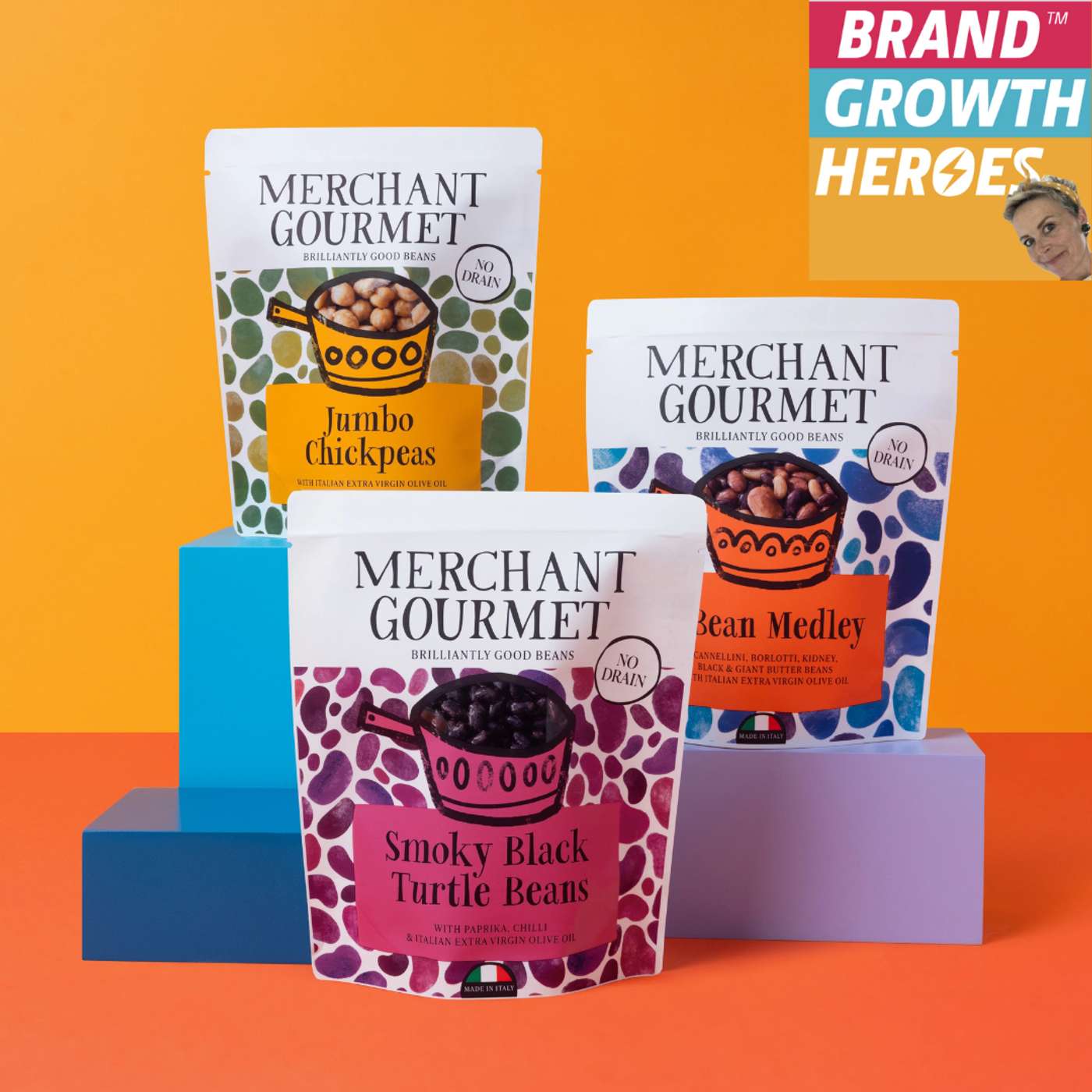
In this episode, Fiona Fitz chats with Richard Peake, Managing Director of Merchant Gourmet and one of the rare non-founder guests to grace our show. When Richard entered the role, Merchant Gourmet was a £15 million business. Fast forward four years, and the company has doubled its revenue to £30 million. Bold innovations, a revamped product range, and strategic market expansion have powered this incredible growth. Our conversation delves into the power of innovation and the importance of staying ahead of consumer trends. Richard shares invaluable lessons in new product development (NPD). One particularly fascinating theme we covered was servant leadership—how Richard and his team drive Merchant Gourmet’s growth by empowering their people and focusing on purpose.Additionally, we explore how export markets present an exciting new frontier for brands looking to scale. It was also refreshing to hear Richard admit that even seasoned professionals can find brand positioning a challenge. So, if you’ve ever struggled with getting it just right, you’re in good company!Enjoy the episode, and as always, let us know your thoughts!============================================================= Thanks to Brand Growth Heroes’ podcast sponsor - Joelson, the commercial law firm =============================================================If you're a founder, you already know how much of your energy goes into building the perfect product, creating standout branding and connecting with your consumers. But don’t forget that scaling a CPG business also comes with a maze of legal complexities that can make or break your business journey. From contracts, term sheets and regulatory compliance to protecting your brand's intellectual property as you expand, it's essential to get it right.And that starts with the right legal partner. So we're thrilled to introduce Joelson, a leading commercial law firm that specialises in guiding the founders of scaling CPG brands, as Brand Growth Heroes' sponsor.With long term relationships with clients like Little Moons, Trip, Eat Natural, Bear Graze and Pulsin, Joelson is also famous for advising the innocent founders in their landmark sale to Coca-Cola! As a female team, we are especially impressed by Joelson's commitment to championing female founders in CPG.Not many law firms are also BCorps, nor do they specialise in helping founders navigate the legal challenges of scaling without stifling the creativity and momentum that got you here in the first place...so thanks Joelson - we’re delighted to have you on board.If you'd like to get in touch to find out more, why don't you drop them a line on [email protected]!==============================================If this episode inspires you to think about new ways to drive business growth, don't forget to click FOLLOW or SUBSCRIBE on your favourite podcast app and leave a reviewYou won’t want to miss the next episode, in which Fiona Fitz talks with another successful founder of a challenger brand who shares more valuable insights into driving growth. Plus, your small gesture will be truly appreciated.Please don't hesitate to join our Brand Growth Heroes community to stay updated with captivating stories and learnings from your beloved brands on their path to success!Follow us on our Brand Growth Heroes socials: LinkedIn, Facebook, Instagram and YouTube.Thanks to our Sound Engineer, Gyp Buggane, Ballagroove.com and podcast producer/content creator, Kathryn Watts, Social kewsZnmPvZOnCDIffjwMVXXI
How should founders value an early-stage consumer brand, negotiate with investors and raise capital without giving away more of the company than they intended? In this second part of my conversation with Phil Hails-Smith, Managing Partner at Joelson, we move from founder equity into investment, valuation and the legal foundations required to scale a CPG brand.Phil explains why private-company valuation is an art rather than a science, how SEIS and EIS can support early fundraising, and why an ambitious valuation can create painful dilution if the business later misses its plan. We also discuss responsible AI policies, investor due diligence, change-of-control clauses and why owning every element of your intellectual property can determine whether an eventual sale completes.What You’ll LearnHow SEIS and EIS can help early-stage founders attract investment.What investors consider when valuing a pre-revenue or early-revenue consumer brand.Why raising at too high a valuation can cost founders more equity later.What a scaling company should include in its AI policy.How contracts and intellectual-property ownership affect an eventual exit.Key Topics DiscussedMoving from founder equity into external investmentSEIS and EIS tax incentivesRaising an initial seed roundValuing pre-revenue and early-revenue consumer businessesRevenue multiples and future growth potentialWhy valuation is an art rather than a scienceBalancing company valuation against founder dilutionThe dangers of raising at an unsustainable valuationDown rounds and the effect on founder ownershipChanges in investor appetite for consumer and CPG brandsWhy defensible physical products may appeal to investorsResponsible company use of AIProtecting confidential and personal informationControlling which AI tools employees can usePreparing for private equity or strategic acquisitionReviewing customer and supplier contractsChange-of-control provisionsMaking sure the company owns its brand assetsThe Innocent logo dispute and the importance of intellectual propertyWhy unresolved legal issues can delay or jeopardise a saleUseful linkshttps://joelsonlaw.com/Like this episode?PLEASE share the love by sharing this episode with another founder building a challenger brand, a colleague or a mate who loves brilliant non-alcoholic drinks, or anyone trying to work out how to build a sharper, more focused growth model.Don't forget to FOLLOW or SUBSCRIBE to Brand Growth Heroes on your favourite podcast app, and even LEAVE A REVIEW - both of these actions make a MASSIVE difference to our mission to help more founders just like you.Join our communityInstagram (https://www.instagram.com/brandgrowthheroes)LinkedIn (https://www.linkedin.com/company/brand-growth-heroes/?viewAsMember=true)Youtube (https://www.youtube.com/@brandgrowthheroes)Find out more about the programmes and courses Fiona runs here (https://www.brandgrowthheroes.com/mini-mba-2026)Join the NextGen CPG WhatsApp group for founders leaning in to the value that a leadership approach to engaging with AI can unlock for businesses like yours.*** Thanks to Brand Growth Heroes’ podcast sponsor — Joelson, the commercial law firm ***If you're a founder, you already know how much energy goes into building the perfect product, creating standout branding and connecting with consumers.But scaling a CPG business also brings legal complexities that can make or break your growth journey - from contracts and regulatory compliance to protecting your intellectual property.That’s why we’re proud to partner with Joelson, the leading commercial law firm specialising in helping founders of scaling consumer brands.Joelson works with brands like Little Moons, Trip, Eat Natural, Bear Graze and Pulsin, and advised the innocent founders on their landmark sale to Coca-Cola - and still work with them at JamJar Investments today!Joelson is offering a FREE LEGAL CONSULTATION to all BGH listeners (https://joelsonlaw.com/contact/) - we highly recommend you take them up on it!CreditsThanks to our Sound Engineer Gyp Buggane at Ballagroove.com and the entire Brand Growth Heroes team.
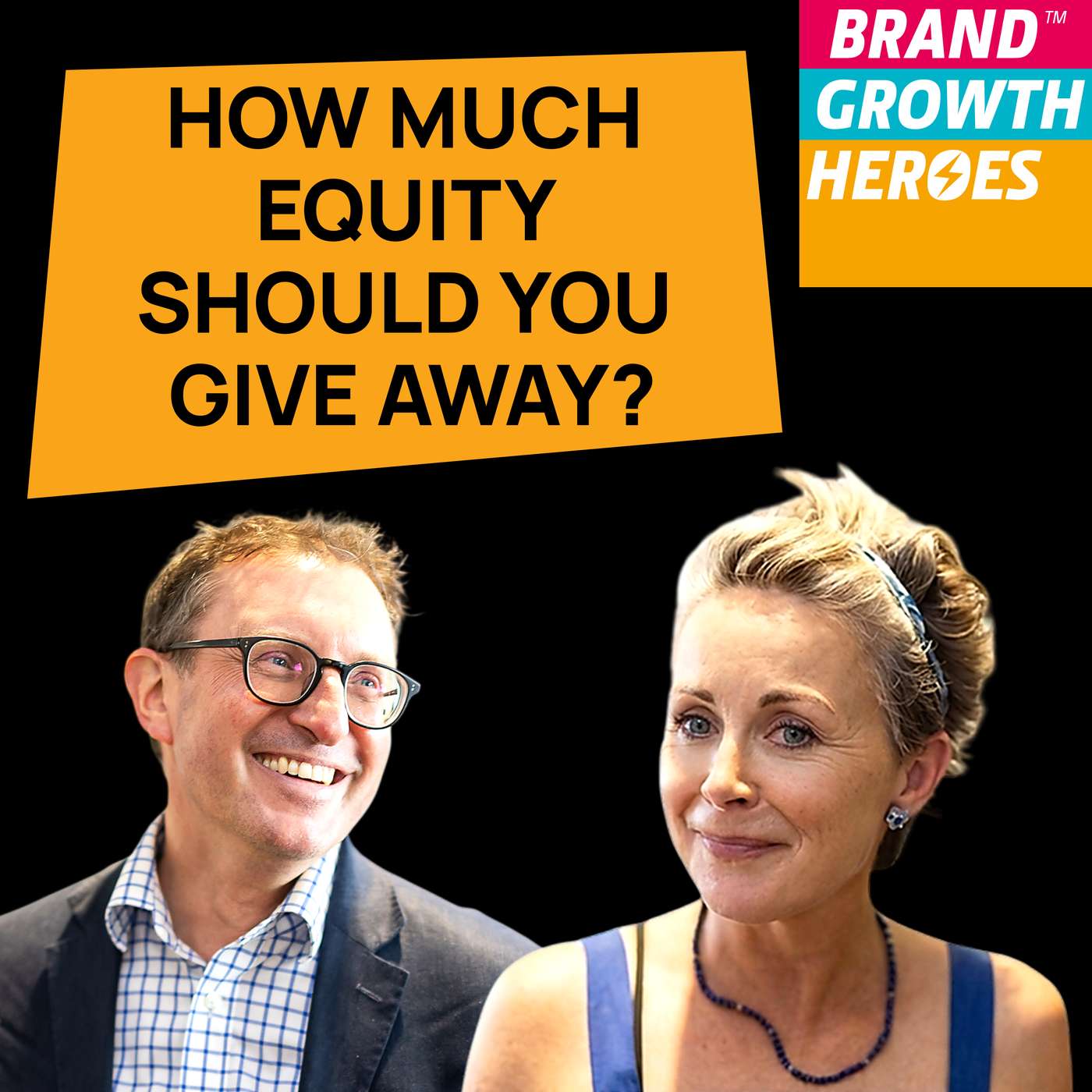
How should co-founders divide equity - and what happens to those shares if one person leaves?In Part 1 of my conversation with Phil Hails-Smith, Managing Partner at Joelson, we unpack the ownership decisions that founders building consumer and CPG brands need to make long before an investment round or exit. (This conversation was soo jam-packed with value that we had to split it in to two!)Joelson B Corp is the leading commercial law firm specialising in helping founders of scaling consumer brands. The're the law firm that advised the innocent founders on their landmark sale to Coca-Cola (and still work with them at JamJar Investments today, which tells you something...). They also work with brands like Little Moons, Trip, Eat Natural, Bear Graze and Pulsin, and are always present at every industry event, chatting to everyone, with smiling faces and ready to help. In this episode, Phil shares practical benchmarks rather than vague principles: why a 50:50 co-founder split is relatively unusual, when 60:40 or 70:30 may be more appropriate, how vesting can prevent dead equity, and why both founders may need to be subject to the same provisions. We also explore all the questions you might have around advisor equity, employee option pools, EMI options and the hidden dilution founders can absorb when investors negotiate on a fully diluted basis.What You’ll LearnHow to decide between a 50:50, 60:40 or 70:30 co-founder split.Why founder shares may need to vest over three or four years.What “dead equity” means and why future investors dislike it.How much equity an advisor or instrumental early employee might receive.How employee option pools can dilute the founding team during a fundraise.Key Topics DiscussedAssessing each founder’s original idea, commitment and financial riskWhy equal equity is not always the fairest structurePlanning for illness, parental leave or a founder leaving the companyGood-leaver and bad-leaver provisionsFounder vesting schedulesPreventing dead equityWhy vesting should generally be balanced between co-foundersUsing AI to create co-founder agreementsWhy AI cannot identify questions founders do not know to askThe risk of US legal assumptions appearing in UK agreementsTypical advisor equity of approximately 1% to 2.5%Why 5% or 7.5% may be excessive for an advisorFounder control at 75%, 50% and 30% ownershipCreating a 15% to 20% employee option poolUnderstanding fully diluted valuationsWho absorbs option-pool dilution during an investment roundEMI options and tax-efficient employee incentivesGiving meaningful equity to instrumental early employeesUseful linkshttps://joelsonlaw.com/https://www.linkedin.com/company/joelson-law/Like this episode?PLEASE share the love by sharing it with another founder building a challenger brand, a colleague or a mate who loves brilliant non-alcoholic drinks, or anyone trying to work out how to build a sharper, more focused growth model.Don't forget to FOLLOW or SUBSCRIBE to Brand Growth Heroes on your favourite podcast app, and even LEAVE A REVIEW - both of these actions make a MASSIVE difference to our mission to help more founders just like you.Join our communityInstagram (https://www.instagram.com/brandgrowthheroes)LinkedIn (https://www.linkedin.com/company/brand-growth-heroes/?viewAsMember=true)Youtube (https://www.youtube.com/brandgrowthheroes)Find out more about the programmes and courses Fiona runs here (https://www.brandgrowthheroes.com/mini-mba-2026)Join the NextGen CPG WhatsApp group for founders leaning in to the value that a leadership approach to engaging with AI can unlock for businesses like yours.*** Thanks to Brand Growth Heroes’ podcast sponsor - Joelson, the commercial law firm ***Scaling CPG business also brings legal complexities that can make or break your growth journey - from contracts and regulatory compliance to protecting your intellectual property - that's why we’re proud to partner with Joelson, the leading commercial law firm specialising in helping founders of scaling consumer brands.Joelson is offering a FREE LEGAL CONSULTATION to all BGH listeners (mailto:[email protected]) - we highly recommend you take them up on it!CreditsThanks to our Sound Engineer Gyp Buggane at Ballagroove.com and the entire BGH team

Comments

Download from Google Play

Download from App Store
 United States