



 Claim Ownership
TED Talks Daily
Subscribed: 194Played: 3,370
Subscribe

© TED
Description
Every weekday, TED Talks Daily brings you the latest talks in audio. Join host and journalist Elise Hu for thought-provoking ideas on every subject imaginable — from Artificial Intelligence to Zoology, and everything in between — given by the world's leading thinkers and creators. With TED Talks Daily, find some space in your day to change your perspectives, ignite your curiosity, and learn something new.
709 Episodes
Reverse

 3
3Each year, 99% Invisible producers select short design stories to talk about with host Roman Mars. Some of these were just too brief to make into full 99pi episodes, but many also reveal aspects of how we find ideas for (and ultimately make) the show. In this collection, we'll talk about everything from movie novelizations to disco costume designs!
Mini-Stories volume 9
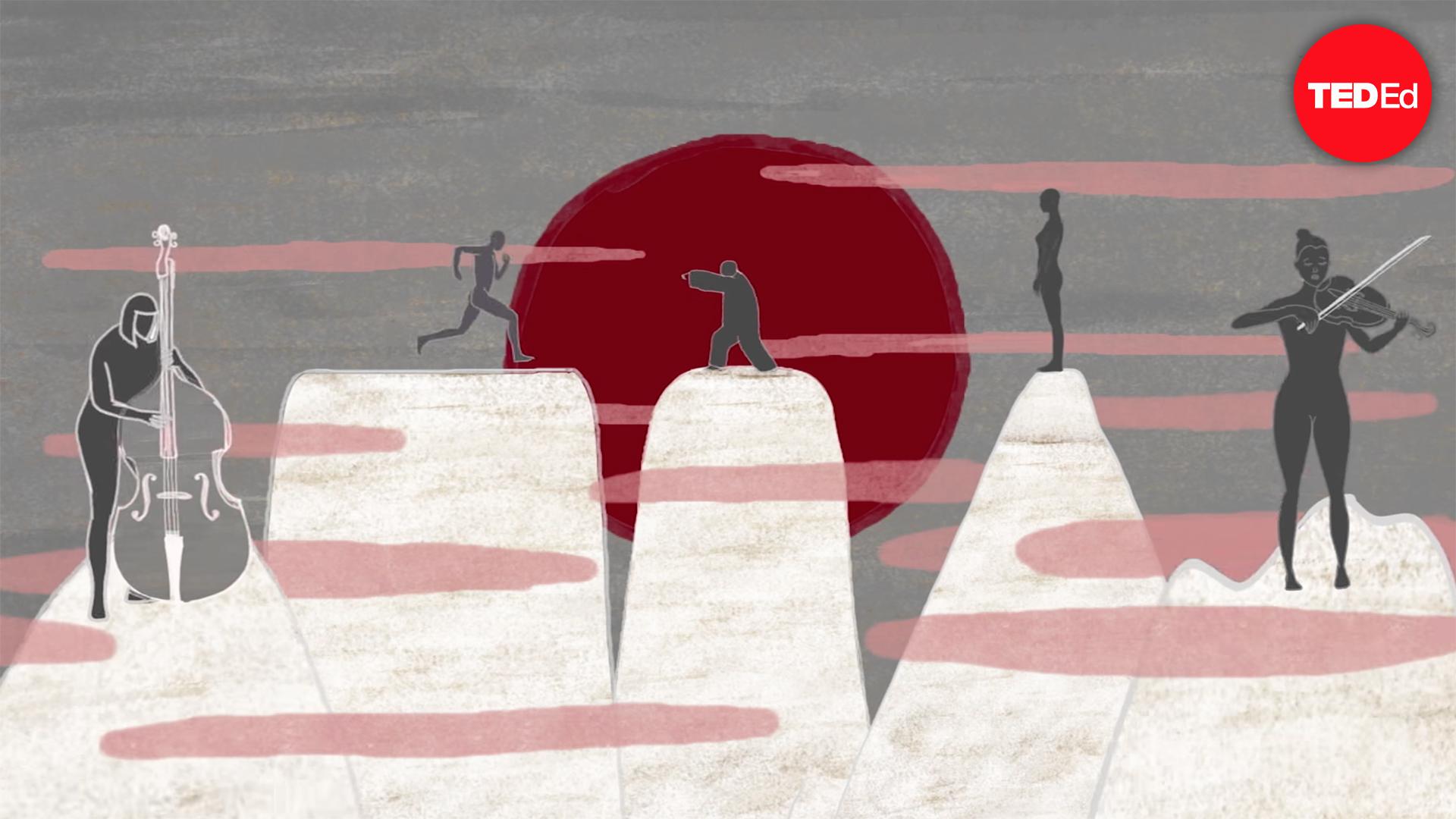
Mastering any physical skill takes practice. Practice is the repetition of an action with the goal of improvement, and it helps us perform with more ease, speed, and confidence. But what does practice actually do to make us better at things? Annie Bosler and Don Greene explain how practice affects the inner workings of our brains. [Directed by Martina Meštrović, narrated by Addison Anderson, music by Wonder Boy Audio].
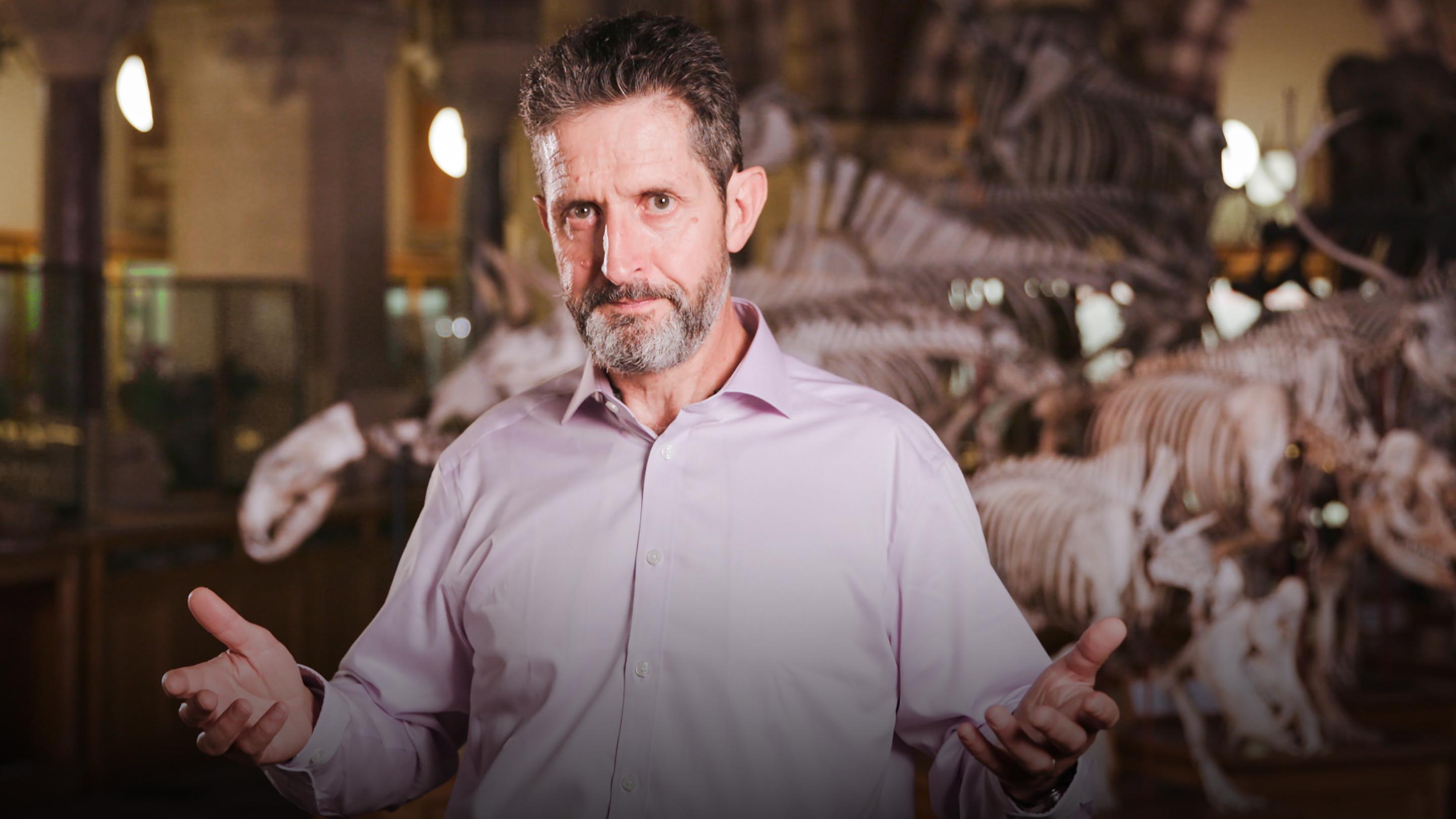
The fossil fuel industry knows how to stop global warming, but they're waiting for someone else to pay, says climate science scholar Myles Allen. Instead of a total ban on carbon-emitting fuels, Allen puts forth a bold plan for oil and gas companies to progressively decarbonize themselves and sequester CO2 deep in the earth, with the aim of reaching net-zero emissions by 2050 and creating a carbon dioxide disposal industry that works for everyone.

Roman Mars joins Jesse Thorne on Bullseye this week to talk about life before podcasting, and what decades in radio has taught him. Roman has worked in podcasts and radio for decades at this point, but his career didn't start out in audio. He was originally getting a PhD in genetics, pipetting stuff into tubes, recording data and the like. Roman and Jesse also spoke about how the pandemic has affected the design of cities, and which of those changes might be permanent.
Get The 99% Invisible City today
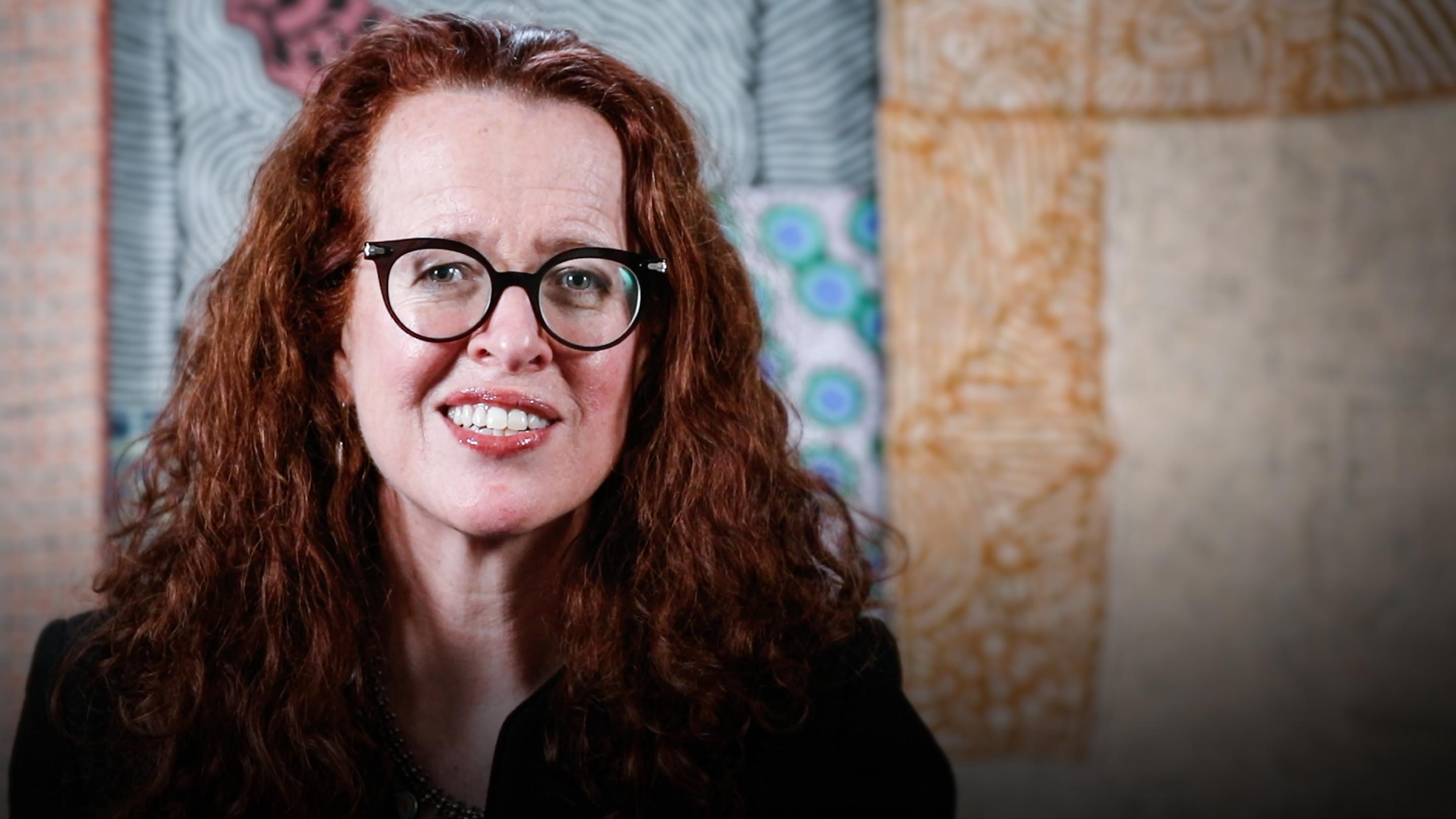
Artificial intelligence is all around us ... and the future will only bring more of it. How can we ensure the AI systems we build are responsible, safe and sustainable? Ethical AI expert Genevieve Bell shares six framing questions to broaden our understanding of future technology -- and create the next generation of critical thinkers and doers.
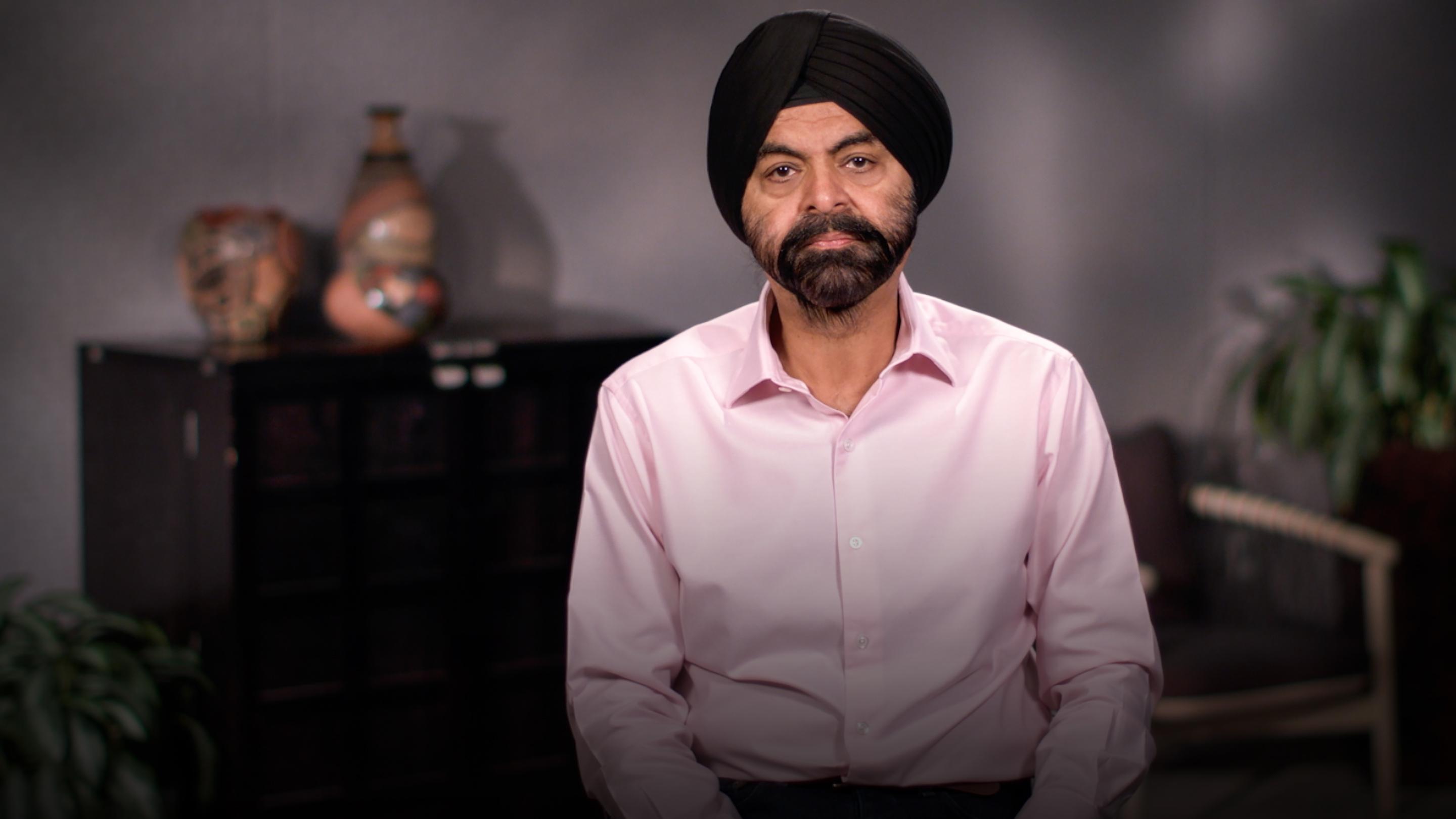
Roughly two billion people worldwide don't have access to banks or financial services like credit, insurance and investment -- or even a way to formally prove their identity. How do we bridge this divide? Mastercard CEO Ajay Banga sits down with TED current affairs curator Whitney Pennington Rodgers to discuss how innovative public-private partnerships can help bring everyone into the digital economy -- and why COVID-19 recovery hinges on financial inclusion.

Backed by research and personal anecdotes, Spanish professor Anna Babel reveals the intricate relationship between language and culture, showing how social categories and underlying biases influence the way we hear, regard and, ultimately, judge each other. A talk that will leave you questioning your assumptions about what it really means to speak a language.
If homelessness is the problem, housing is the solution. But it’s not always that simple. Kate Cody has been living in her encampment community for a long time. And there’s no guarantee she’ll be able to make the transition inside, even with the golden ticket.
The way homelessness has exploded in California over the last decade, you’d think there was no system in place to address it. But there is one - it just wasn’t designed to help everyone. Katie Mingle’s According to Need is a documentary podcast in 5 chapters from 99% Invisible that asks: what are we doing to get people into housing?
If you've enjoyed this series and were moved by the stories you heard, we've compiled a list of Bay Area organizations that you can support.
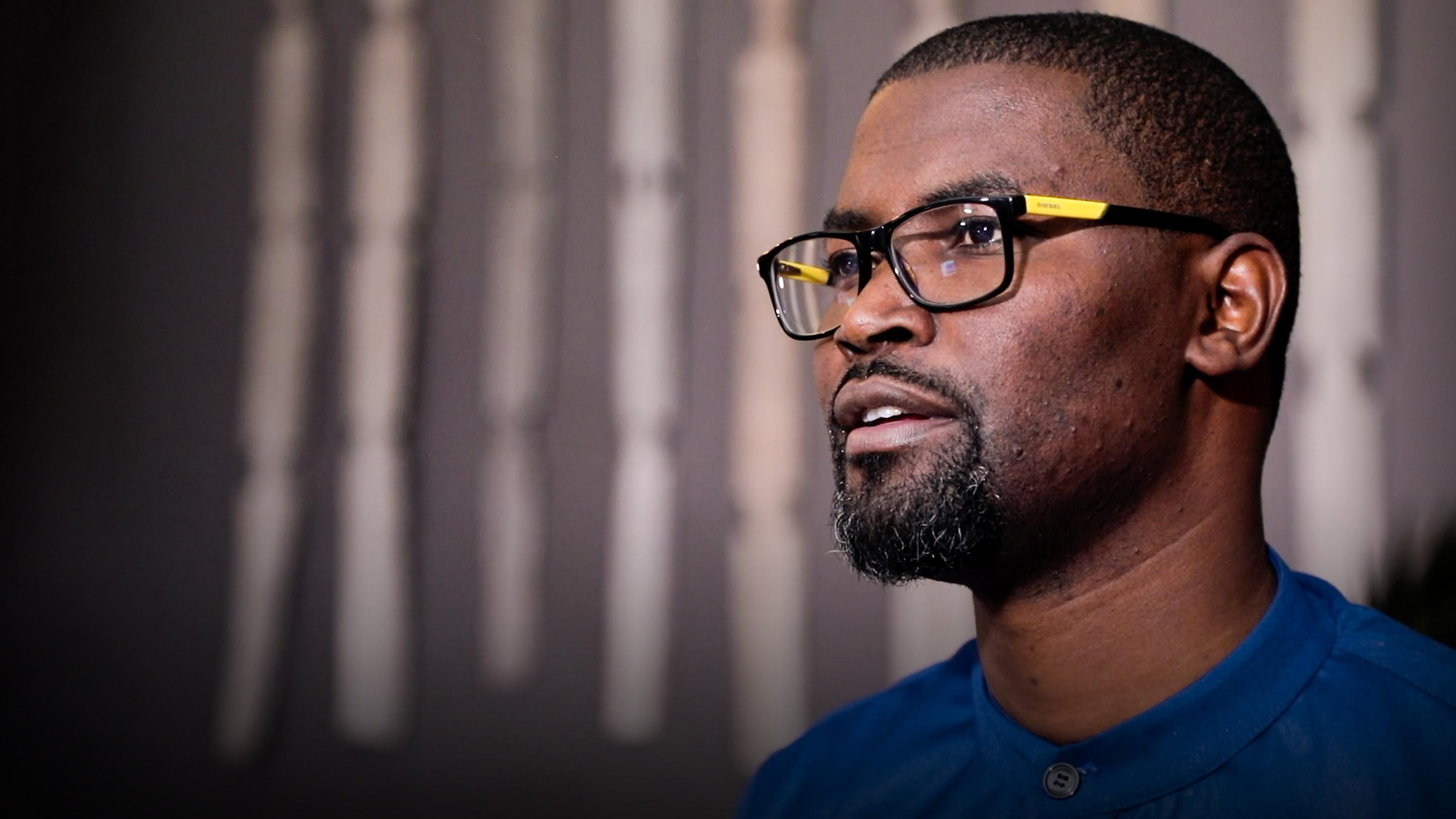
After his son was diagnosed with cerebral palsy, Billy Samuel Mwape realized that his project management skills might be put to use to support his child's special needs. In this inspiring, personal talk, he describes how project management -- the process of leading a team's work to achieve goals on a tight timeline -- can help you tackle life's biggest challenges.
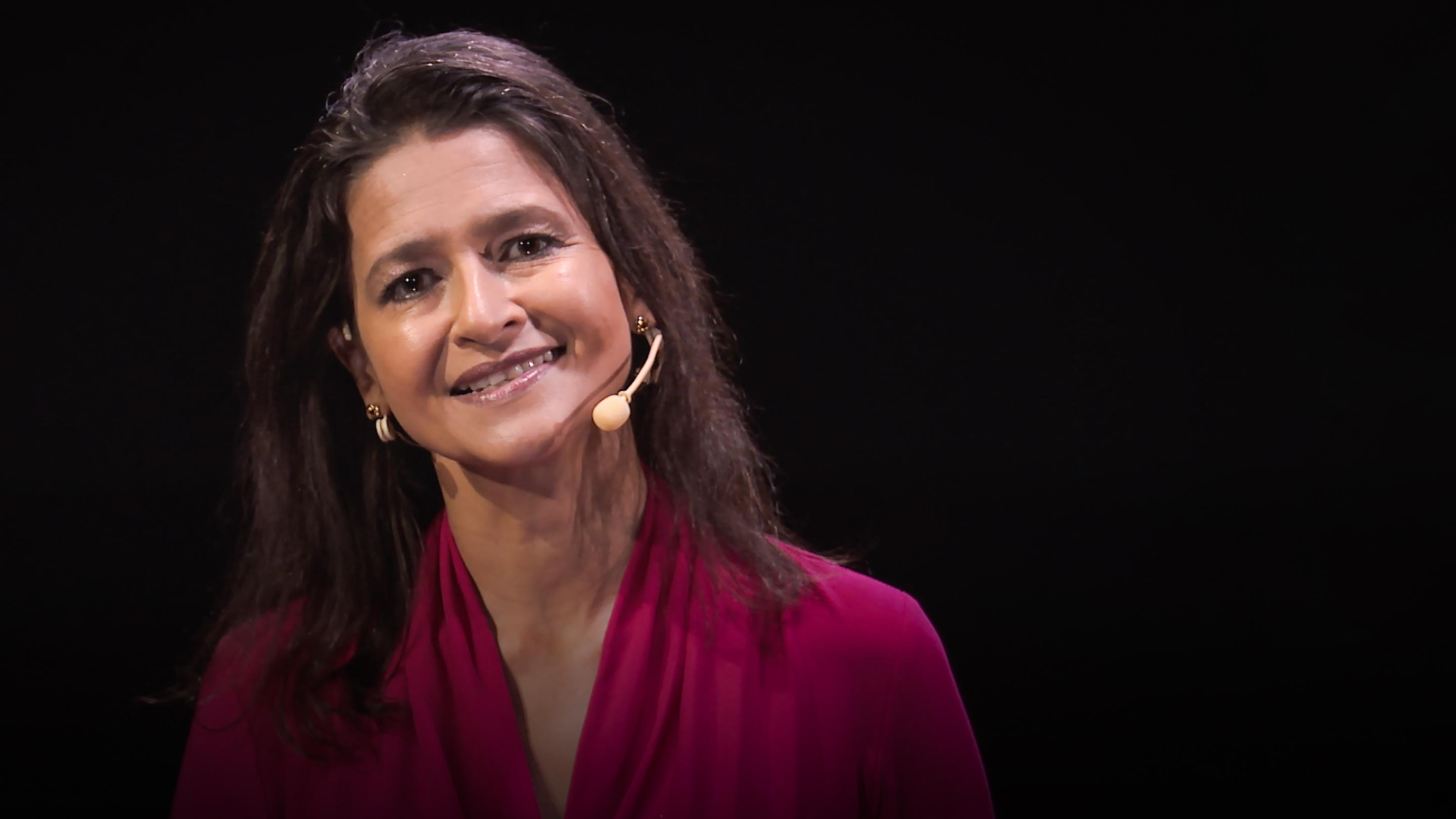
If you see something wrong in the workplace, what should you do? Business leader Angélique Parisot-Potter says you should speak up, even when it's scary. Sharing her personal experience of voicing concerns at work, she offers three lessons on standing up for what's right.
When Tulicia Lee tried to get help with housing, she was essentially put on a big long list with a bunch of other homeless people. If you live in the U.S., your community probably has a list like this too. Where one ends up on the list can have huge implications, but how one rises to the top of it is a bit of a mystery. In this episode, Katie finally gets to see how it works.
The List
The way homelessness has exploded in California over the last decade, you’d think there was no system in place to address it. But there is one - it just wasn’t designed to help everyone. According to Need is a documentary podcast in 5 chapters from 99% Invisible that asks: what are we doing to get people into housing?
As a police officer, Jeremy Brewer interacts with individuals experiencing trauma and loss on a daily basis. Giving us a peek into this little-discussed aspect of the job, Brewer shares thoughtful insights on why respecting people's space is sometimes more important than trying to fix an unfixable moment -- and explains how you can use this approach to support someone when they need you the most.
Fairness matters ... to both people and primates. Sharing priceless footage of capuchin monkeys responding to perceived injustice, primatologist Sarah Brosnan explores why humans and monkeys evolved to care about equality -- and emphasizes the connection between a healthy, cooperative society and everyone getting their fair share.
Have you ever seen or experienced something and wished you spoke up? Writer Sakinah Hofler makes the case for writing as a tool to help you process difficult memories and reclaim the power they may hold. Pick up a pen or pull up a keyboard and follow along as she walks you through how to unburden your mind and inspire reflection.
In the 1980's, a psychologist named Sam Tsemberis was working with mentally ill homeless people on the streets of New York. Sometimes, when he thought it was necessary to keep someone safe, Sam would have people committed to a psychiatric hospital. But a few months later, he’d notice that person was back on the streets. Sam knew he needed to try something different. What he did changed everything about the way we think about solving homelessness.
In this episode, what happens when you ask people what they need.
Chapter 3: Housing First
The way homelessness has exploded in California over the last decade, you’d think there was no system in place to address it. But there is one - it just wasn’t designed to help everyone. Katie Mingle’s According to Need is a documentary podcast in 5 chapters from 99% Invisible that asks: what are we doing to get people into housing?
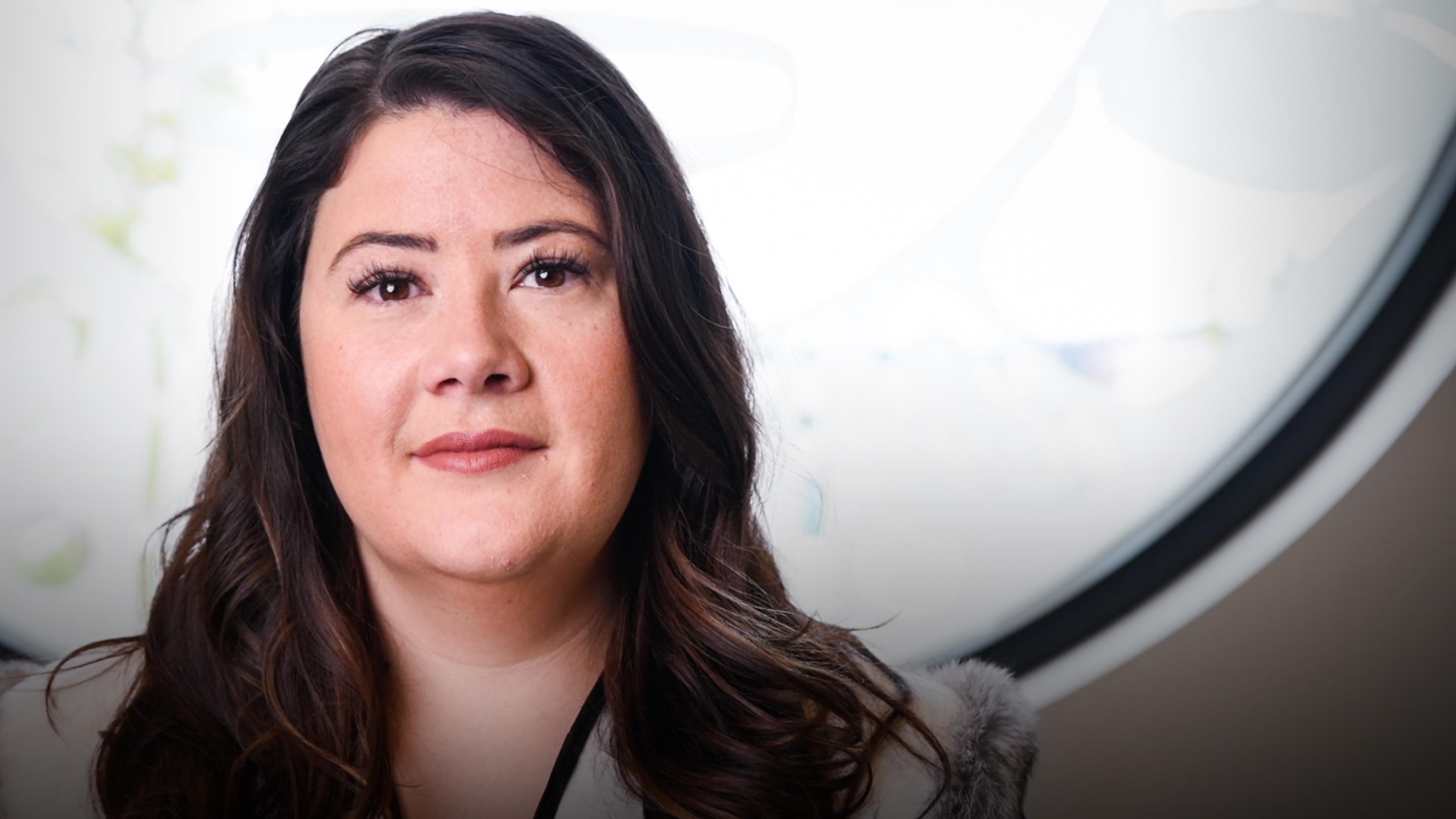
In the Yukon First Nations, women lead; generations of matriarchs have guided and directed the community by forging trade agreements, creating marriage alliances and ensuring business for all. Yukon Regional Chief Kluane Adamek urges others to follow in the legacy of her people by putting more women at the table and encouraging them to seek spaces where their perspectives can create the biggest impact for a better tomorrow.
"Globalization is on its deathbed," says economist Mike O'Sullivan. The question now is: What's next? Tracing the historical successes and failures of globalization, O'Sullivan forecasts a new world order where countries come together over shared values rather than geography. Learn how big regional powers like the United States and China will be driven by distinct ways of governing trade, technology and people -- while smaller nations will forge new alliances to solve problems.
Katie Mingle heard a lot about 211 doing this reporting. Not just from Tulicia Lee who called a bunch of times, but from everyone—from homeless people and service providers and advocates. In her mind, it was the 911 of homelessness. Only, more often than not, it seemed like when people called 211, the metaphorical ambulance never came. That was true for Tulicia, and it was true for lots of other people she met.
If everyone starts at 211, why is it a dead-end for so many people? What is happening at 211? At the beginning of March, right before everything shut down for the pandemic, Katie spent a day in the 211 call center.
The Hotline
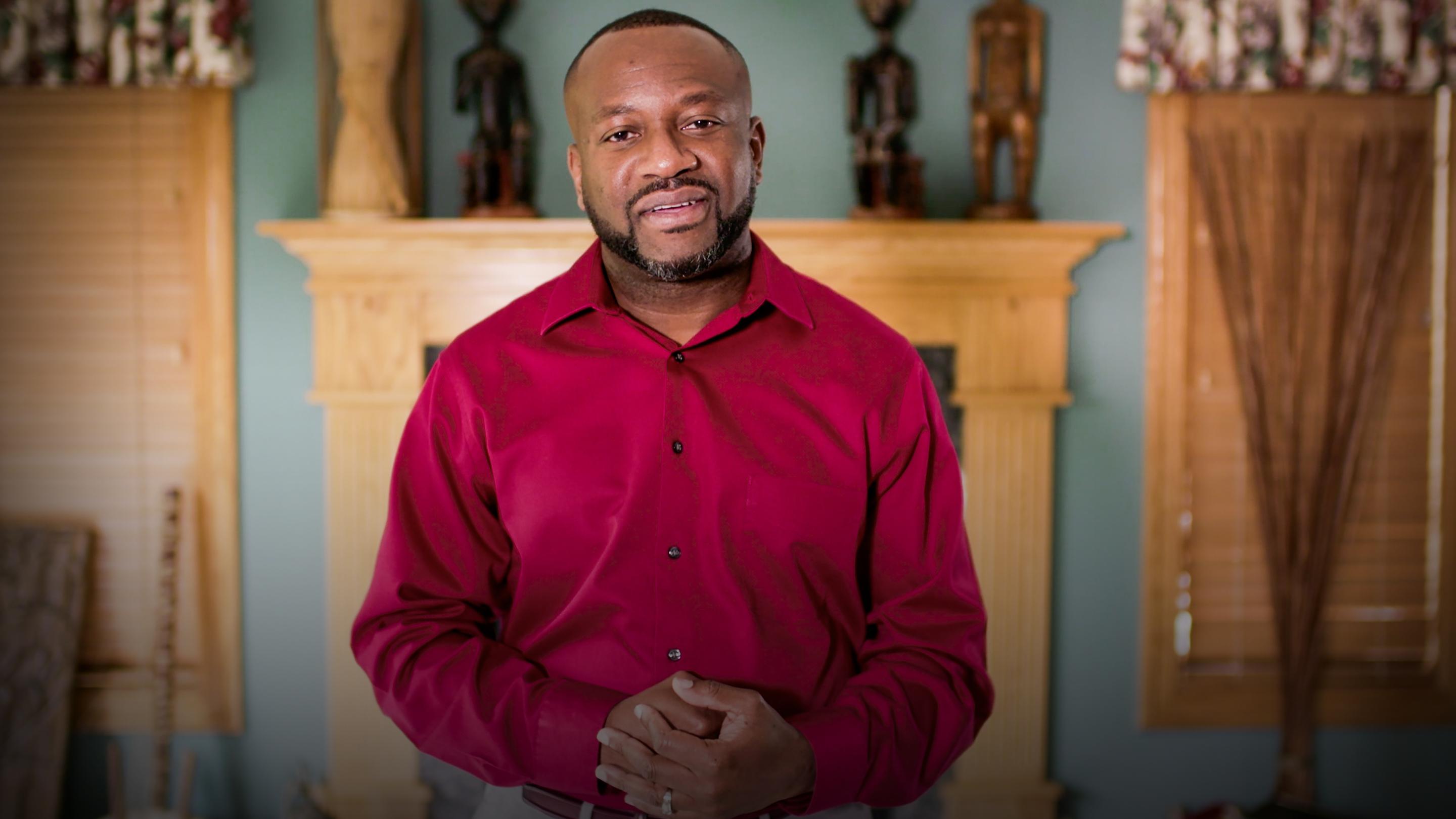
Standing up to discrimination and hate should be everyone's business, says community activist Wale Elegbede. In this vital talk, he shares how his community in La Crosse, Wisconsin came together to form an interfaith group in response to Islamophobia and racism -- and shows why a mentality of caring for your neighbors can make life better for everyone.
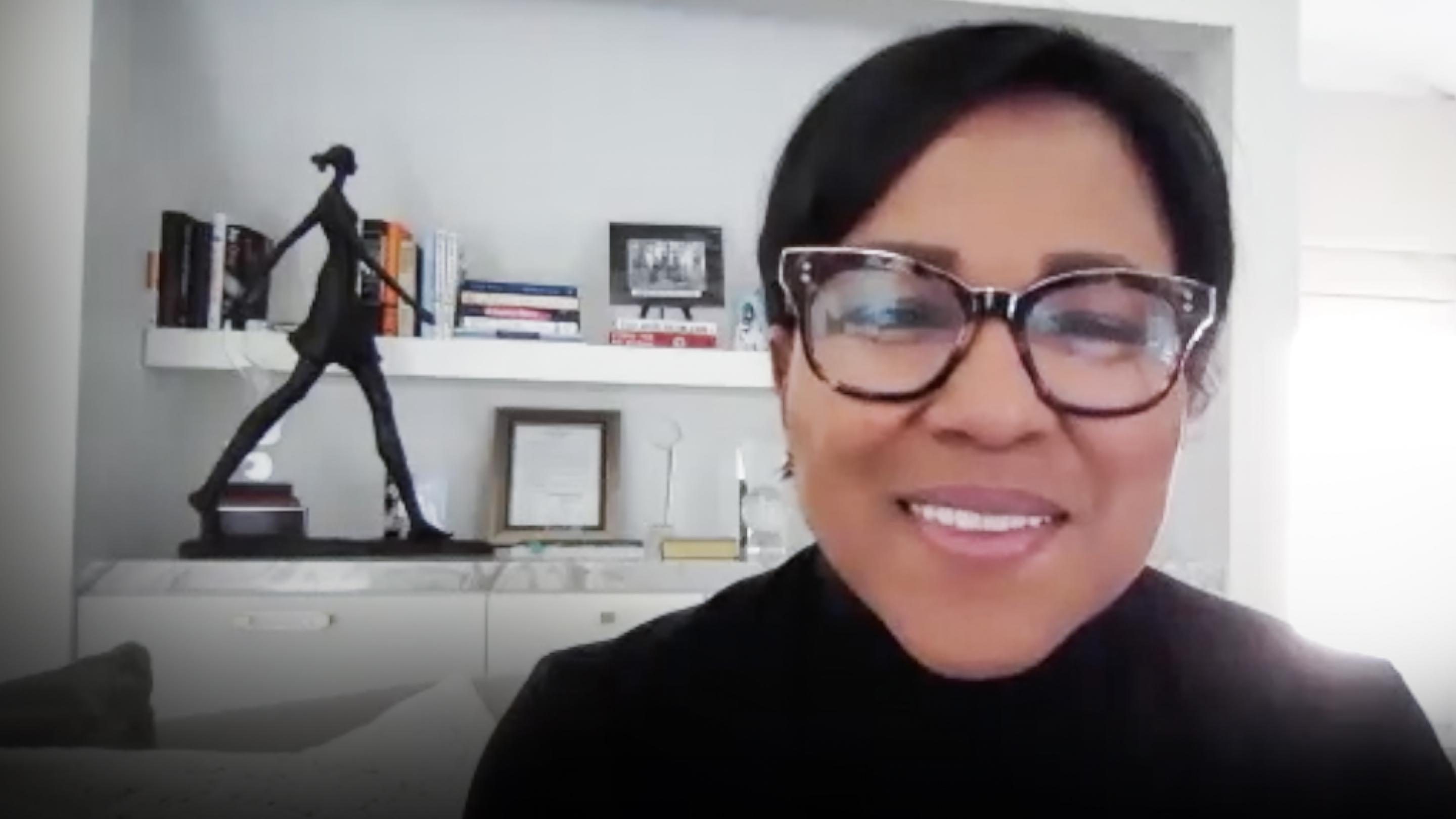
When companies think of diversity and inclusion, they too often focus on meeting metrics instead of building relationships with people of diverse backgrounds, says Starbucks COO Rosalind G. Brewer. In this personable and wide-ranging conversation with TED current affairs curator Whitney Pennington Rodgers, Brewer invites leaders to rethink what it takes to create a truly inclusive workplace -- and lays out how to bring real, grassroots change to boardrooms and communities alike.

Comments

Download from Google Play

Download from App Store
 United States