


Poll Hub
Subscribed: 53Played: 1,427
Subscribe


© Copyright 2017-2026, Marist Poll
Description
Each week, Poll Hub goes behind the science to explain how polling works, what survey really show, and what the numbers actually mean. Poll Hub is produced by the Marist Institute for Public Opinion, home of America’s leading independent university public opinion poll, the Marist Poll.
Lee Miringoff (Director of MIPO), Barbara Carvalho (Director of the Marist Poll), Jay DeDapper (Director of Strategy + Innovation), Mary Griffith (Associate Director), and frequent expert guests, dig deep to give you a look at the inner workings of polls and what they tell us about our world, our country, and ourselves.
474 Episodes
Reverse

Immediately after this November's elections, we talked on Poll Hub about how the polls did. With votes still being counted, it was a very preliminary autopsy but we now have more data and can see more clearly where polling worked...and where it fell short. To discuss this, our guest is Scott Keeter from the Pew Research Center. Keeter is the recent recipient of the Warren J. Mitofsky Award from the Roper Center for Public Opinion Research.We dig into how the polls generally captured the news that a blue wave was coming -- and it might even hit some unexpected places -- but polls missed that the wave was actually a record-sized tsunami. We also look at what the public expects from the polling industry and how that may be increasingly unattainable. We also ask how new technologies like AI will impact how we capture public opinion in the future.Finally, we end with a perfect fun fact for the week: what time is Thanksgiving dinner?!?

Sometimes, celebrities make a big splash by endorsing a particular political candidate -- Taylor Swift, Oprah, Nicki Minaj, Sylvester Stallone come to mind -- but sometimes, big music, movie, and sports stars lend themselves to voter registration efforts. The question we're asking is, "Does that really work?" We look at the data behind some of the biggest efforts: from Rock the Vote to Headcount's recent work.Then, we turn our attention to the place Greek life has on college campuses -- not only now in the wake of the alleged sexual assault case at Cornell, but over the decades. Americans have mixed feelings about the value. And, since we're on a university campus with fraternities and sororities AND this podcast is produced with students, we're bringing them into the conversation.Finally, Thanksgiving is nearly here and with it some fairly important questions. Not just should you invite your crazy uncle or white meat vs. dark meat...what about the pie!?!?!

Is America facing a literacy crisis? Dr. Andrew Weaver, Assistant Professor of Literacy Education at Marist University, joins our discussion. The latest Nation’s Report Card found that reading performance among high school seniors has declined over the past three decades, with the greatest concerns among lower-performing students. Meanwhile, the most recent Survey of Adult Skills shows an increase in U.S. adults with low literacy proficiency. We look at what these trends mean for educational achievement, workforce readiness, and Americans’ ability to understand and evaluate information. Voters want their governors to make student literacy a top priority, but few think it is one now. So, who is responsible for turning things around, and should reading be treated as a national priority?Plus, college sports have become a big business, with athletes earning money through NIL (name, image, likeness) deals, schools sharing revenue with players, and the transfer portal changing how teams are built. Many Americans support athletes being fairly compensated, but questions remain about competitive fairness, school loyalty, and whether college sports are losing the traditions that made them unique. As smaller programs struggle to hold on to their best players, we look at whether money is taking over college athletics and what the future of college sports should look like.Finally, our fun fact: in 2025, a poll asked employed Americans whether they were learning new skills to use AI to be more productive at work. How do you think they answered?
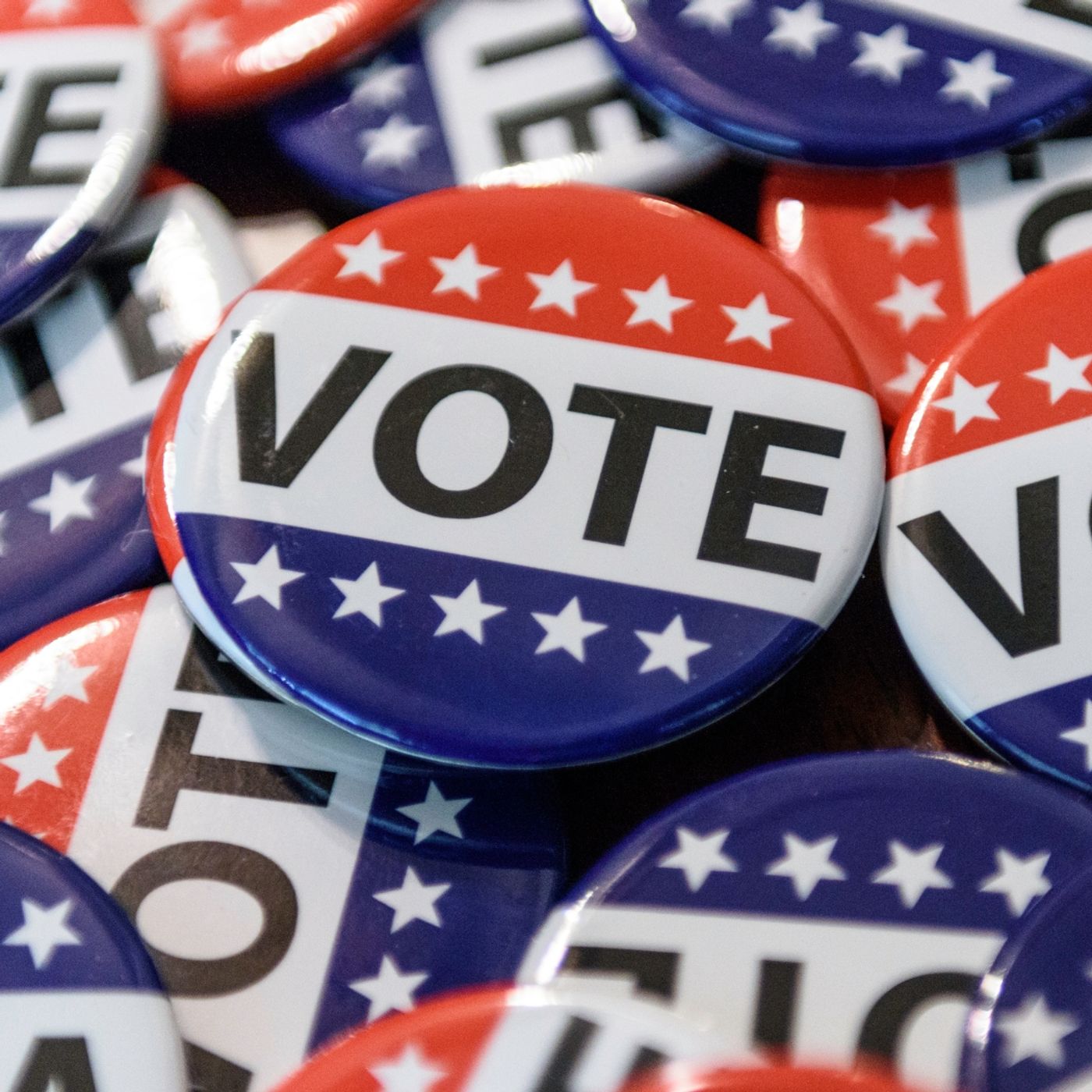
The 2026 midterm results are in! We break down who won, highlight the races that made the biggest impact, and discuss what the outcomes could mean for the future of American politics, from control of Congress to the gubernatorial races. We also look back at the contests we polled this fall, from Texas and Iowa to Ohio, Michigan, Maine, and New York. And about those polls... we take a look at how the final numbers stacked up on Election Day.Plus, a fun fact that Elon Musk will love. In July 1997, just days after NASA’s Pathfinder landed on Mars, voters were asked whether there would ever be a McDonald’s on the Red Planet. Jay thinks another restaurant chain might have Martian advantage....

Our final round of polls before Election Day is out, and we're looking into our data on Maine and New York. In Maine, the contest for U.S. Senate between Democrat Troy Jackson and Republican incumbent Susan Collins is competitive among likely voters. In the race for governor, Democrat Hannah Pingree and Republican Bobby Charles are tied, with independent Rick Bennett in single digits. Regardless of whom they support, most likely voters think Collins and Pingree will win. In New York, Gov. Kathy Hochul leads Republican Bruce Blakeman among likely voters. In both states, negative views of President Donald Trump and concerns about personal finances shape the landscape.Plus, should a paycheck measure the value of a college degree? Under the Education Department’s new Earnings Accountability Framework, programs whose graduates repeatedly fall below specified earnings thresholds can lose access to federal student loans. We look at whether Americans think college programs should be held accountable for what their graduates earn and how they weigh the cost and benefits of higher education. Americans broadly support holding colleges accountable for students’ economic outcomes, but they also value personal interests and career goals beyond earning potential. So, who should define what a worthwhile education looks like?And the scariest question of the season: just days before the 1998 midterms, which Halloween costume did voters think would send the neighbors running: a politician or a journalist?

Comments

Download from Google Play

Download from App Store
 United States