


 Claim Ownership
Sober.Coffee Podcast
Subscribed: 43Played: 3,566
Subscribe

© 2026 Mike R and Glenn H
Description
Join Mike & Glenn in the Sober.Coffee Shop as they share experience, strength and hope with those on the sober path of recovery.
319 Episodes
Reverse
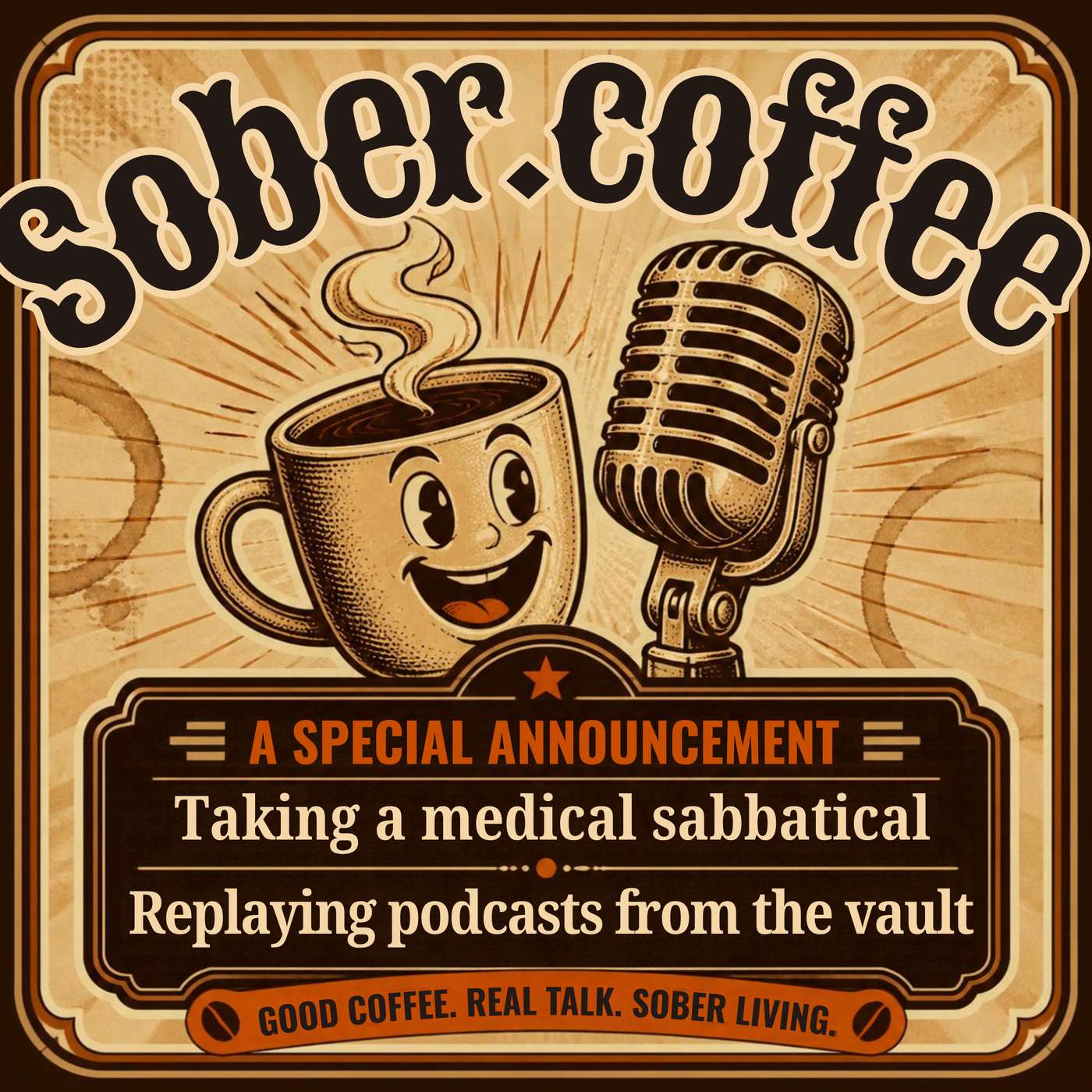
In this can’t-miss episode, Mike and Glenn sit down for an open, personal conversation about stepping away for a sabbatical. They share the reasons behind the pause, what lies ahead, and why they’re planning to make this brief break count. Tune in for an honest look at hitting reset and what listeners can expect next.
 1
1Here Are the Steps We TookSober.Coffee Podcast SummaryBig Bill returns to the Sober.Coffee shop for Part 2 with Mike and Glenn, serving as living proof that the program of Alcoholics Anonymous works. Early on, when fear of dying collided with the misery of living, Mike and Glenn needed to see that proof in someone else before they could believe it was possible for themselves. After swapping stories about past day-drinking chaos and creative rationalizations, Bill breaks down his exact blueprint for guiding another person through the Twelve Steps.The Blueprint for Working with OthersBill shares the sequential method he uses when taking a sponsee through the program:Share the Story: Bill begins by sharing his own story to build trust and identification.Read the Big Book: Sponsees are asked to read the first 164 pages of the Alcoholics Anonymous Big Book. Bill notes it can feel overwhelming at first, but urges newcomers to read it anyway.Step-by-Step Study: Together, they read through the Big Book and the Twelve Steps and Twelve Traditions (12 & 12), going through the steps in order.Weekly Cadence at the Sponsee's Pace: They meet once a week, intentionally working at the speed of the sponsee.The 3-Step Pause: Bill will guide anyone through the first three steps. At Step 3, he pauses and asks: "Do you want to keep going with me?" It is up to the sponsee to decide if Bill is the right person to take them the rest of the way, honoring the principle of attraction rather than promotion.The Sponsoring Paradox: The miracle of sponsorship is that the sponsor often grows more than the sponsee.Amends: The Cadence of Steps 8 & 9Bill emphasizes the importance of following the cadence of the steps without skipping ahead:Step 8 (The Willingness): Step 8 simply asks us to compile the list—specifically of people harmed, not merely those who were irritated or angered. Bill breaks the list into three categories: Now, Maybe, and Never.Step 9 (The Action): Amends take time and should be executed when the timing is right, with care never to cause additional harm. Bill tackles the hardest amends first. If direct amends are impossible, Bill suggests writing a letter, reviewing it with a sponsor, and letting it go.The Motive: Amends are selfless and humbling, not selfish. The goal is to make the amend regardless of how the other person responds, because unsettled amends leave us blocked from God.Finding What WorksWhen asked what to tell someone who insists AA doesn't work, Bill's answer is simple: AA is not the only path—if it doesn't work for you, find what does, because your life is worth it. If you ever need to return, the doors of AA remain open.Bill leaves listeners with a guiding truth: "I was a hopeless alcoholic. I took a few simple actions. I had a vital spiritual experience. I have not had a drink since. If you want what I have, I will show you what I did."
The MagicSober.coffee Podcast SummaryMike and Glenn welcome a very special guest to the Sober.Coffee shop: Big Bill, a foundational pillar in both of their sobriety journeys whose cornerstone is radical honesty. With 13 years of continuous sobriety, Bill sits down to share his long road to recovery, the wisdom gained along the way, and why true transformation requires real connection.The Long Road to SurrenderFrom 26 to 53: Bill first walked into the rooms of Alcoholics Anonymous at age 26, but spent decades trying to do things his own way and chasing the illusion of "normal drinking". It wasn't until age 53 that he finally stayed.No Defense: Multiple stints in rehab proved that without a spiritual defense, he was powerless over the first drink. Through it all, the words of the early old-timers stuck with him: "We will always take you back".Shedding the Past: Growing up in an alcoholic home as the third son, Bill shouldered the burden of being the family peacemaker. AA enabled him to drop those ancient resentments and realize he had a great life growing up.Where the Magic Happens: Sponsorship & The StepsGet a Sponsor Before Leaving: Over 13 years, Bill has worked with one primary sponsor. His core message to newcomers: "Don't leave here without a sponsor".Walking the Path: Real change started when Bill took a full year to thoroughly work the Twelve Steps. A deeply rooted relationship with his sponsor paved the way for a freeing Fifth Step that finally lifted the weight of his secrets. As Bill notes: secrets will kill you until they are shared with God and another human being.The Wisdom of the Rooms: Moving from zero accountability to total accountability was tough, but desperation drove Bill to listen. His practical takeaway on behavior: quit doing things you have to apologize for, and you won’t have to apologize.Steps 6 & 7 and Finding SanityStep 6 is about letting go of our old life; Step 7 is about grabbing hold of the new one.Bill discovered that fixing the outside required healing from the inside out. Surrendering to a Higher Power was an absolute must to restore sanity and clear away the internal blocks.Bill leaves listeners with a vital takeaway: life is a boomerang. If you want to be forgiven, you have to learn how to forgive; if you want to be loved, you have to learn how to love. Throw the boomerang.
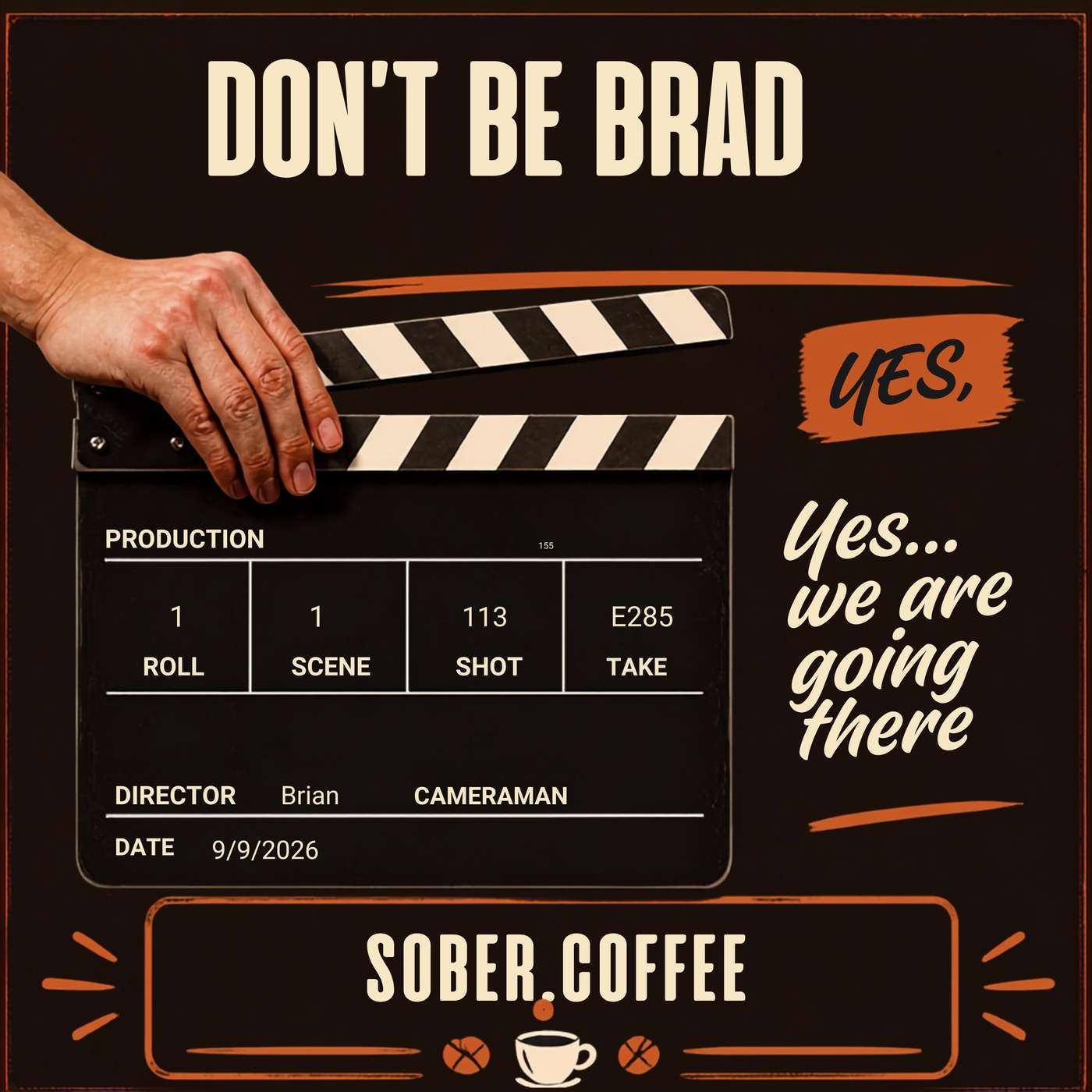
SOBER. COFFEE PODCAST | EPISODE SHOW NOTESEPISODE OVERVIEWIn this episode, Mike and Glenn dive into the concept of navigating life's unpredictable "storms" and the profound clarity that sobriety brings to daily life. They share personal reflections on the true rewards of recovery—like simple moments spent with family—which they agree are more rewarding than any million-dollar check. The core of today's conversation revolves around a recent viral social media post from their page about a well-known celebrity named Brad, who publicly decided to step off the sober path after seven years to try moderate drinking. Mike and Glenn break down their vastly different initial reactions to the news, exposing how the recovery brain operates differently for everyone and why you should never let a celebrity's path dictate your own program.KEY TAKEAWAYS & DISCUSSION POINTSNavigating the Storms: Glenn reflects on a metaphor about captaining a ship, noting that anyone can do it when the ship is docked, but the real test comes when the waves roll in. Sobriety allows them to handle life's daily grinds and unexpected waves with clarity.The "Don't Be Brad" Meme: The hosts discuss a viral meme they posted with the tagline: "The most dangerous drink is the one that you can convince yourself you can handle now." * Two Different Reactions to a Relapse: - Mike's View: Felt deep disappointment and sorrow for Brad, viewing it as throwing away a hard-earned gift of clarity. - Glenn's View: Admitted his "selfish" brain immediately wondered if Brad had figured out a secret way to drink moderately, proving that even after 11 years, the addiction brain can still play tricks.The Illusion of Moderate Drinking: Both hosts agree that for true alcoholics, "playing the tape" to remember the bad times is essential to counter the brain's tendency to only remember the good times. As Glenn notes, "Once you're a pickle, you can't turn back into a cucumber."* Their Final Advice: - Work your own program, stick to your sponsor, and utilize your tools. - Don't let an outside influence or a public figure's choices impact your commitment to recovery.MEMORABLE QUOTES"Agnybody can captain a ship when it's docked... the minute you go out and the minute those waves start to roll, that separates the real folks from the wannabes." – Glenn"I don't need a celebrity to tell me that people drink normally out there... I know how it ends for me. That's the problem." – Mike"Be Glenn. Don't be Brad. Be Mike." – Mike---RESOURCES & SUPPORTIf you or someone you know needs immediate help on the road to recovery, please reach out to the resources below:* Alcoholics Anonymous (AA) Hotline: 808-391-686* National Suicide Prevention Lifeline: 802-773-8255 (or dial 988)* Email the Show: [email protected]* Official Website: http://sober.coffeeConnect with us on Social Media:* Instagram: @sober.coffeepodcast* Twitter/X: @sobercoffeepod
Title: Sobriety - Another Non-AA Path Episode OverviewAfter a quick shoutout to a new listener in Bangladesh, Mike and Glenn dive into a candid conversation about the diverse paths to recovery. While AA works miraculously for many, this episode highlights that it isn't the only way to get sober. They sit down with Dean Newcomb, a certified CCR recovery coach celebrating 18 years of sobriety, to discuss his unique, non-AA journey. Facing rural isolation and an unwelcoming initial meeting, Dean built his own customized program rooted in a direct, personal relationship with his higher power—bypassing the "middleman" of rigid religious expectations. Key Highlights & TakeawaysReligion vs. Spirituality: The discussion breaks down the vital distinction between man-made religious rules (the "purple robe people") and cultivating a genuine relationship with a creator. Dean shares how finding God in nature, rather than a church basement, became the cornerstone of his early recovery.The Shift from Pain to Fulfillment: Early sobriety is often driven by the immediate need to avoid pain and consequences. However, as Glenn, Mike, and Dean all note, long-term recovery is sustained by a desire for more out of life. Sobriety isn't just about stopping the bad; it's about actively filling the void with family, education, and genuine experiences.Advice for the Newcomer: Dean outlines three actionable steps for anyone currently struggling:1. Get Honest: Completely admit to yourself that you have lost control. 2. Connect Higher: Begin building a relationship with your higher power.3. Speak Up: Ask for help. Even if you can't get to a meeting, find just one person willing to listen to your story. Guest InformationDean is a certified CCR recovery coach and life coach specializing in helping people who need flexible recovery programs that fit into demanding lives. Listeners can connect with him and read his story on LinkedIn. or at his website:

Comments

Download from Google Play

Download from App Store
 United States