


 Claim Ownership
The Dr. Chalmers Show
Subscribed: 4Played: 58
Subscribe

© Copyright 2026 The Dr. Chalmers Show
Description
Listen each week as Dr. Matt Chalmers breaks down everything health and wellness.
437 Episodes
Reverse
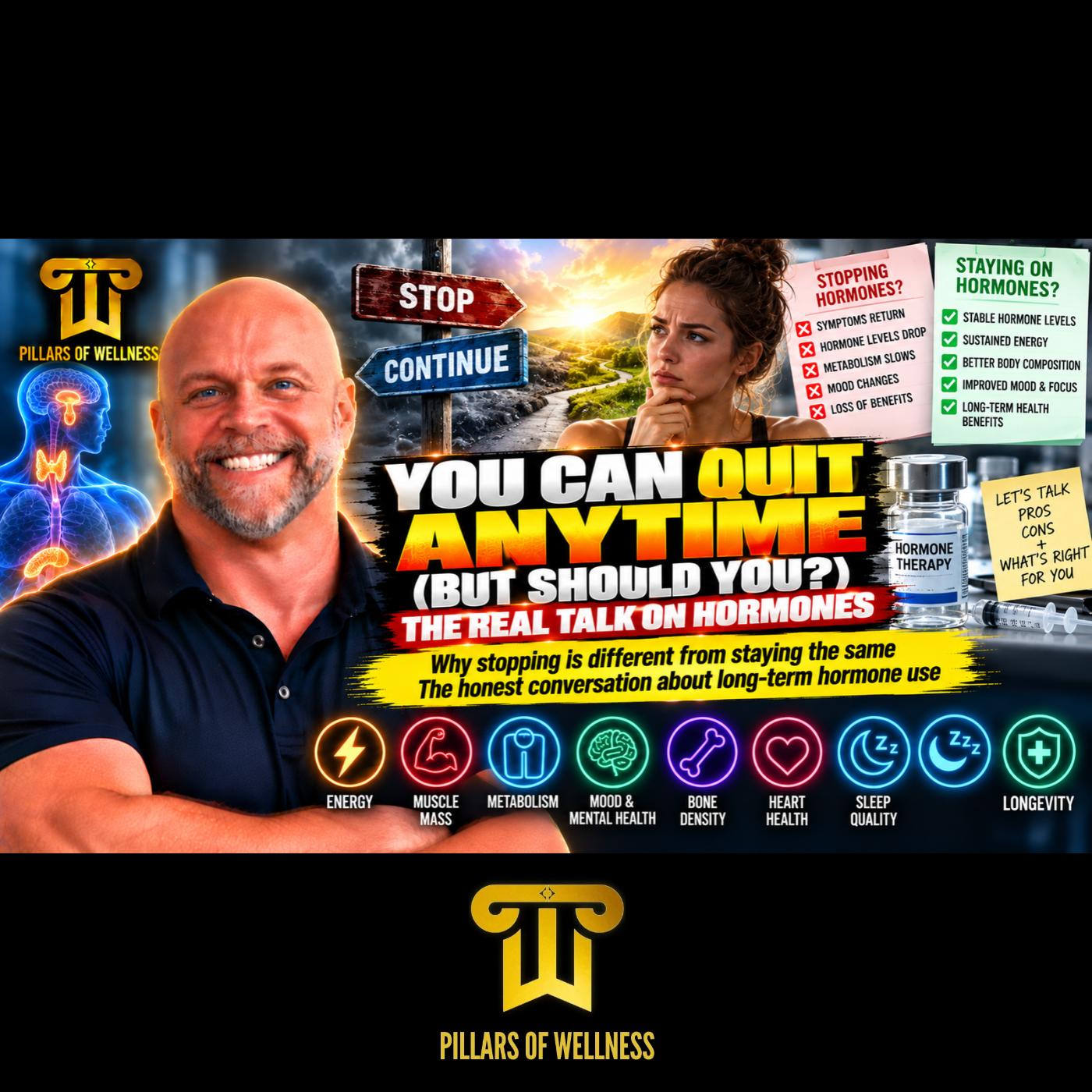
In this episode, Dr. Matt Chalmers tackles one of the most common questions he receives: "If I start testosterone or a GLP, can I just stop whenever I want?" While the straightforward medical answer is yes—you can discontinue either without dangerous withdrawal symptoms or medical complications—the reality is far more nuanced. Dr. Chalmers breaks down the critical distinction between the ability to stop and the practical outcomes of stopping, exploring why most men with naturally low testosterone will need long-term supplementation to maintain optimal function, how GLPs can restore metabolic health but won't necessarily keep you lean without continued support, and the fundamental truth that your body's performance is entirely dependent on its chemical state. If you've ever wondered whether these treatments are temporary fixes or long-term commitments, this episode provides the honest, science-backed answers you need.1. Can You Stop Taking Testosterone?Dr. Chalmers clarifies the legal/medical answer: yes, you can quit testosterone whenever you want without withdrawal symptoms or medical complications. However, he distinguishes between the ability to stop and the practical reality—if your body has stopped naturally producing testosterone, stopping supplementation means losing the benefits.2. Testosterone as a Nutrient, Not a DrugHe emphasizes that testosterone is a naturally occurring nutrient (not a synthetic drug) and explains that low testosterone in modern men is often caused by environmental factors like BPAs, endocrine disruptors, chemicals in food/water/air, and stress.3. The Realistic Expectations for Testosterone ReplacementIf your testosterone is naturally low (e.g., 200), you likely cannot raise it to optimal levels (800-1200) through lifestyle changes alone. Most men with low testosterone will need to stay on supplementation long-term to maintain optimal function and benefits like energy, sex drive, bone density, and muscle mass.4. GLPs (GLP-1 Receptor Agonists) and Weight LossSimilar to testosterone, you can stop taking GLPs whenever you want, but the question is whether you'll maintain the benefits. GLPs work by removing visceral fat and reducing systemic inflammation, which can restore metabolic function.5. Metabolic Function and Body ChemistryDr. Chalmers explains that both testosterone and GLPs create improved metabolic efficiency. If you stop taking them, your body reverts to its previous chemical state—you won't maintain the same level of function without the chemical support.6. Secondary Benefits Beyond Original GoalsHe discusses how patients often discover unexpected benefits (gut health improvements, reduced inflammation, better digestion) while using these treatments, which may justify continuing at lower maintenance doses even after primary goals are achieved.7. The Philosophy of Body ChemistryThe core message: your body's function is entirely based on chemistry. To maintain a certain level of performance, you must maintain the chemical state that supports it.Check out my website: https://pillarsofwellness.com/Social Channels:Instagram: https://www.instagram.com/drchalmers1/X: https://x.com/DrChalmers1FaceBook: https://www.facebook.com/ChalmersWellnessLinkedIn: https://www.linkedin.com/in/matt-chalmers-a422803b/Pillars of Wellness Substack: Dr. Chalmers Substack: https://drchalmers.substack.com/Disclaimer: This content is for informational purposes only. Before taking any action based on this information, you should first consult with your physician or health care provider. This information is not intended to be a substitute for professional medical advice, diagnosis, or treatment. Always seek the advice of your physician or other qualified health providers with any questions regarding a medical condition, your health, or wellness

Why Hormones Matter More Than CaloriesWhat if everything you've been told about weight loss and fitness is wrong? In this episode, Dr. Matt Chalmers challenges the conventional wisdom that dominates the fitness industry—the idea that fat loss and muscle gain are simply a matter of willpower, calorie counting, and grinding it out in the gym. Drawing from his own transformative health journey and years of working with clients, Dr. Chalmers reveals an uncomfortable truth: you cannot out-train your chemistry. He argues that hormonal dysfunction and biochemical imbalances are the real culprits behind failed diets and plateaued progress, and that understanding the macro-hormonal model—not calorie deficits—is the key to lasting transformation. Whether you've been working hard with nothing to show for it, or you're skeptical that your body's chemistry matters more than your discipline, this conversation will fundamentally change how you think about health, fitness, and what it actually takes to change your body.1. Body Chemistry Over Calorie CountingThe core argument is that body composition changes are driven by hormonal chemistry, not simply calorie deficits or surpluses. Dr. Chalmers challenges the oversimplified "calories in, calories out" model, arguing that hormones dictate how your body processes food and stores or burns fat.2. Personal Health JourneyDr. Chalmers shares his own experience with:Sleep apnea since childhoodVaccine-related complications (febrile seizure)A decade of heavy drinkingPoor eating habits in his twentiesHis transformation through fasting protocols (47:1 fasting for 10 months, then Red F protocol for 10 weeks)Results: lost 30 pounds, eliminated sleep apnea, improved insulin sensitivity, and gained muscle3. Hormonal and Biochemical ProblemsHe discusses how most people struggling with weight and fitness actually have underlying hormonal issues:Low testosterone and free testosteroneHigh fasting insulinInsulin resistanceThese aren't addressed by diet and exercise alone4. The Macro-Hormonal ModelThis is his alternative framework to calorie counting:What you eat matters more than how much (though quantity still matters)Different foods have different chemical effects on the bodySugar and protein aren't equivalent despite having the same caloric valueUnderstanding food chemistry (does it raise insulin? cause inflammation? provide nutrients?) is key5. Return on Investment MentalityWhen people don't see results from effort, they stop trying. But once hormones are optimized and they start seeing results, they're motivated to invest more effort. This creates a positive feedback loop for lifestyle change.6. Somatotyping and Individual VariationDifferent body types respond differently to the same diet and exercise—some people can eat anything without gaining weight, while others gain easily despite eating lean. This is explained through hormonal function and how bodies process chemistry differently.7. Sleep Apnea and Comprehensive HealthSleep quality and breathing function are critical components often overlooked. Dr. Chalmers emphasizes sleep studies to identify and address sleep apnea, which affects overall health outcomes.8. Comprehensive Approach to HealthHis methodology includes:Hormone optimization (testosterone, GLP-1s, nutrients)Proper nutrition educationWorkout programmingSleep studiesAddressing underlying biochemical issuesCheck out my website: https://pillarsofwellness.com/Social Channels:Instagram: https://www.instagram.com/drchalmers1/X: https://x.com/DrChalmers1FaceBook: https://www.facebook.com/ChalmersWellnessLinkedIn: https://www.linkedin.com/in/matt-chalmers-a422803b/Pillars of Wellness Substack: Dr. Chalmers Substack: https://drchalmers.substack.com/Disclaimer: This content is for informational purposes only. Before taking any action based on this information, you should first consult with your physician or health care provider. This information is not intended to be a substitute for professional medical advice, diagnosis, or treatment. Always seek the advice of your physician or other qualified health providers with any questions regarding a medical condition, your health, or wellness
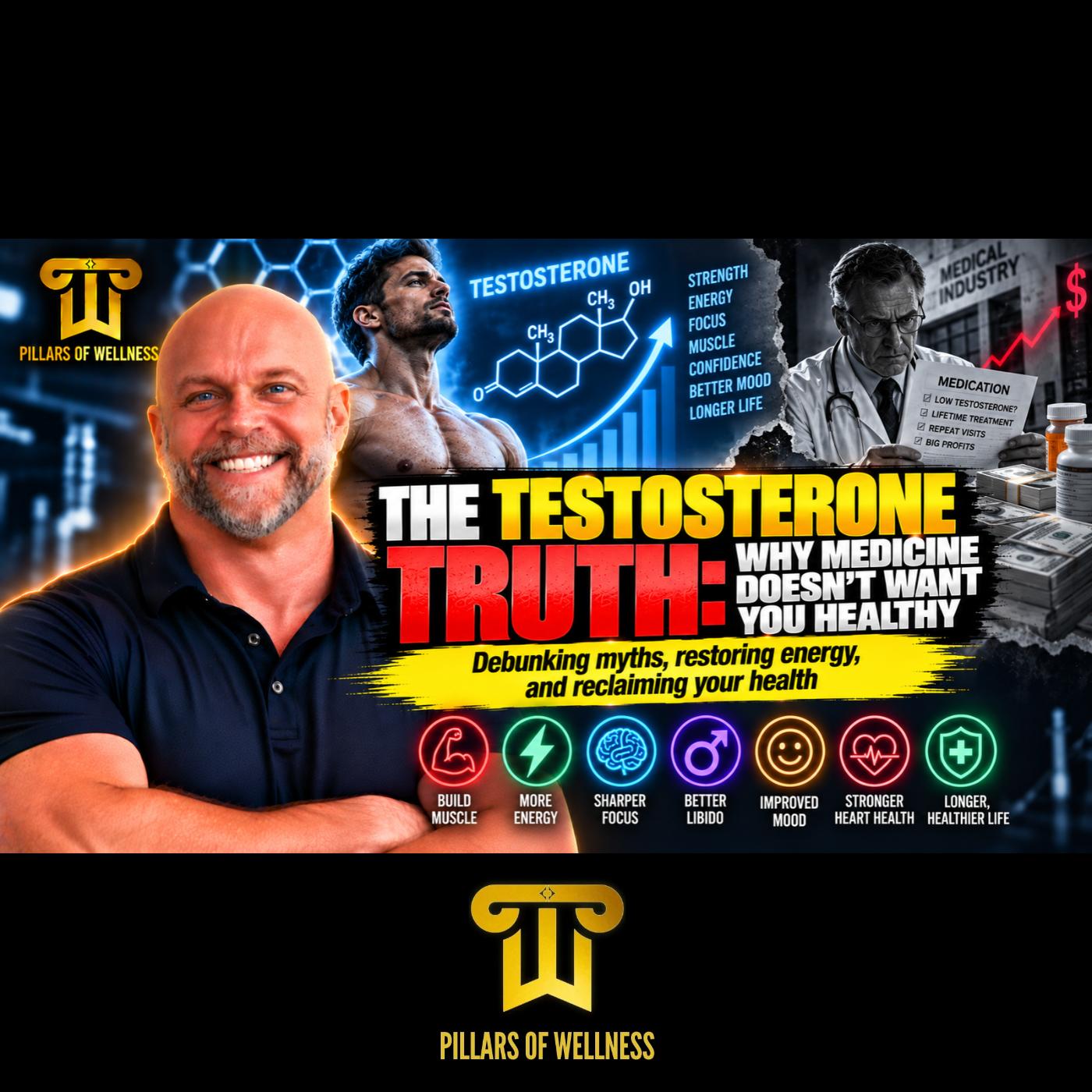
Debunking myths, restoring energy, and reclaiming your healthIn this episode, Dr. Matt Chalmers challenges everything you thought you knew about testosterone. Far beyond its reputation as a muscle-building hormone, testosterone is revealed as a critical nutrient essential for comprehensive health—from cardiovascular function and mental well-being to cellular repair and energy production. Dr. Chalmers dismantles common myths, including the "rage monster" narrative and blood-thickening concerns, while exploring how declining testosterone levels across the population may be linked to environmental toxins. He also discusses practical strategies for maintaining fertility while optimizing testosterone levels, and ultimately makes a provocative case for why testosterone therapy represents a fundamental shift from treating disease to restoring the body's natural healing capacity. Whether you're considering testosterone therapy or simply want to understand this critical hormone's role in your health, this conversation offers science-backed insights that challenge conventional medical wisdom.1. Testosterone's Role Beyond Muscle BuildingDr. Chalmers challenges the common misconception that testosterone is only for building muscles. He emphasizes that testosterone has far more comprehensive health benefits than most people realize.2. Cardiovascular Health BenefitsHeart function: Testosterone helps the heart heal, regenerate, repair, and increases endurance and strengthBlood vessel health: Testosterone maintains the tone of the tunica media (muscle layer in blood vessels), preventing them from becoming sluggish and reducing the risk of deep vein thrombosis (DVTs) and blood clots3. Mental Health and MotivationTestosterone significantly impacts depression and motivation. Rather than just sadness, depression manifests as a lack of desire to do anything. Testosterone helps restore motivation and the drive to engage in activities.4. Cellular Repair and Energy ProductionTestosterone signals the body to heal, regenerate, and repair all tissues (bones, ligaments, tendons, skin, muscle)It's critical for mitochondrial function and ATP production, which explains why people often feel more energetic after 4-6 weeks on testosteroneLow energy levels may indicate low mitochondrial density due to insufficient tissue repair5. Debunking the "Rage Monster" MythDr. Chalmers addresses the widespread misconception that testosterone makes people aggressive. He explains that higher energy levels actually make people calmer and more pleasant, and that this myth originated from 1980s-90s medical misinformation.6. Blood Thickening ConcernsWhile blood thickening can occur, it's not inevitable. It's typically caused by dehydration or infrequent injections. Solutions include increasing water intake, adjusting injection frequency, or blood donation.7. Fat Loss and Metabolic BenefitsTestosterone increases human growth hormone, which activates lipolysis (fat breakdown). This naturally leads to fat loss as the body uses fat for energy during tissue regeneration.8. Fertility Preservation OptionsDr. Chalmers discusses three approaches:HCG: Signals testicles to produce both testosterone and spermEnclomiphene: Blocks estrogen receptors, prompting the body to produce more testosterone and maintain fertilityTestosterone alone: Suppresses fertility but can be reversed later using HCG9. Broader Health ApplicationsTestosterone therapy is relevant for treating type 2 diabetes, insulin resistance, dementia, and other chronic health issues by restoring the body's natural healing mechanisms.10. Systemic Health CrisisDr. Chalmers argues that testosterone levels are declining across the population due to environmental toxins in food, water, air, and even clothing, making supplementation increasingly necessary.11. Critique of the Medical IndustryHe concludes with a critical perspective on pharmaceutical medicine, suggesting that the medical establishment discourages testosterone use because healthy patients don't need as many drugs, and the industry profits from chronic disease management rather than prevention.Check out my website: https://pillarsofwellness.com/Social Channels:Instagram: https://www.instagram.com/drchalmers1/X: https://x.com/DrChalmers1FaceBook: https://www.facebook.com/ChalmersWellnessLinkedIn: https://www.linkedin.com/in/matt-chalmers-a422803b/Pillars of Wellness Substack: Dr. Chalmers Substack: https://drchalmers.substack.com/Disclaimer: This content is for informational purposes only. Before taking any action based on this information, you should first consult with your physician or health care provider. This information is not intended to be a substitute for professional medical advice, diagnosis, or treatment. Always seek the advice of your physician or other qualified health providers with any questions regarding a medical condition, your health, or wellness
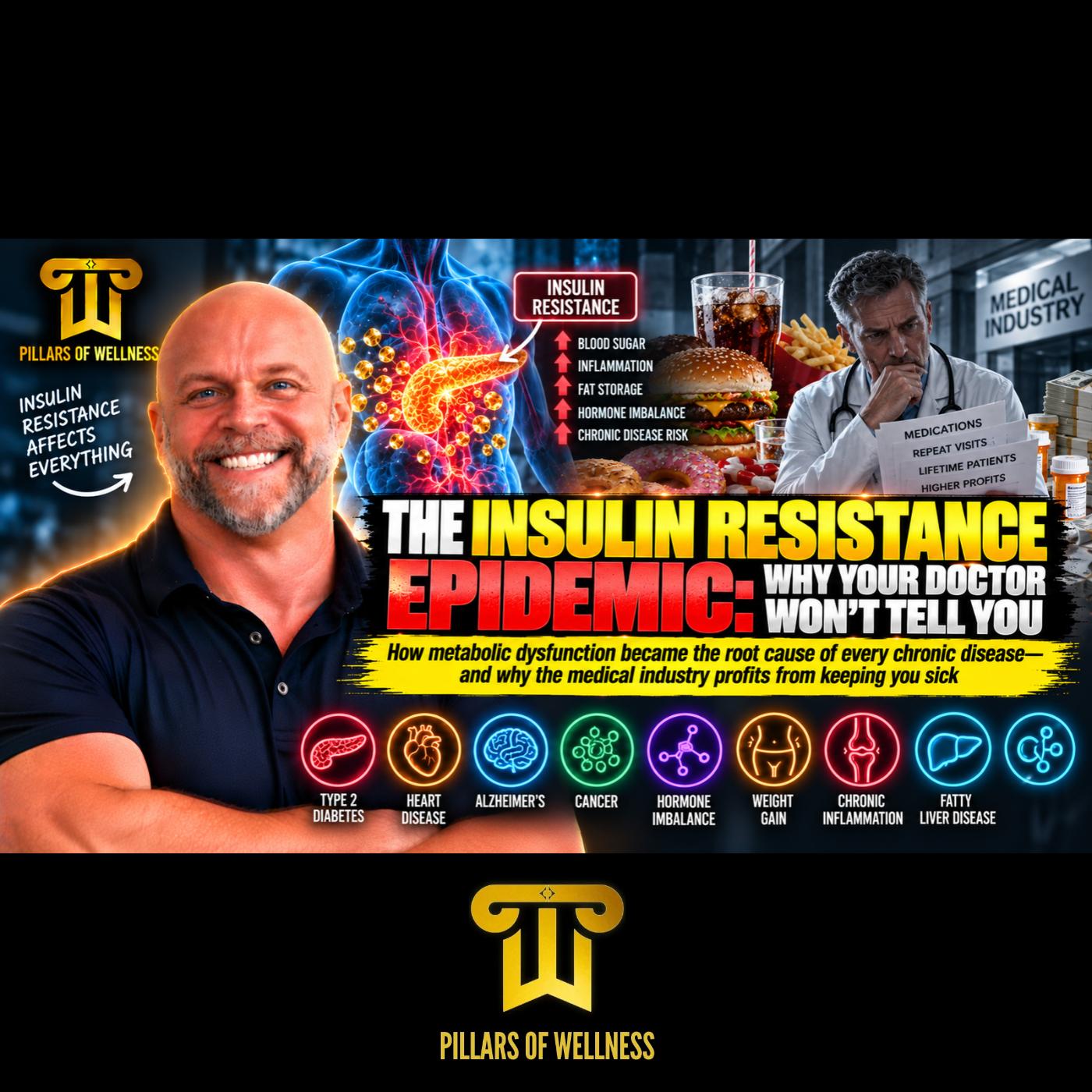
How metabolic dysfunction became the root cause of every chronic disease—and why the medical industry profits from keeping you sickIn this episode, Dr. Matt Chalmers breaks down one of the most overlooked yet critical factors in modern health: insulin resistance. Far from being just a diabetes concern, insulin resistance is the hidden driver behind nearly every chronic disease—from heart disease and cancer to dementia, PCOS, and even mental health disorders like depression and anxiety. Dr. Chalmers challenges conventional medical wisdom, explaining why the medical establishment has failed to educate the public about this metabolic crisis, and reveals the shocking truth about how our food system, sleep quality, and pharmaceutical industry perpetuate the problem. Most importantly, he provides actionable solutions: understanding the glycemic index, optimizing fasting protocols, addressing sleep apnea, and giving your body the nutrients it needs to reclaim metabolic control. If you've ever wondered why diet and exercise alone haven't worked for you, or why you feel fatigued and mentally foggy despite your best efforts, this episode offers the metabolic roadmap to transform your health.1. What is Insulin Resistance?Dr. Chalmers explains that insulin is a hormone that moves nutrients across cell membranes. When insulin resistance develops, the body becomes less responsive to insulin, reducing nutrient uptake and impairing the body's ability to build, regenerate, and repair tissue. This is linked to virtually every chronic disease.2. Diseases Associated with Insulin ResistanceThe discussion covers how insulin resistance is connected to:Type 1 and Type 2 diabetesNeurodegenerative diseases (dementia, Alzheimer's)PCOS/PMOS (polycystic ovarian syndrome)Heart disease and strokeCancerPsychological conditions (anxiety, depression, schizophrenia)3. Root Causes of Insulin ResistanceSystemic inflammation from toxins in food, water, and airGut health issuesSleep apnea (which triggers repeated insulin spikes throughout the night)Chronically elevated insulin levels that cause the body to become desensitized4. The Glycemic Index and Food ChoicesDr. Chalmers emphasizes that calories don't matter—what matters is the glycemic index (GI) of foods. He explains:Sugar = 100 GI (high response)Vegetables = 20-40 GI (ideal range)Maltodextrin = 135 GI (worse than sugar)Why "sugar-free" diabetic products often contain maltitol, which maintains high glycemic response5. Fasting and Metabolic FunctionWhen fasting works properly, the body should:Release human growth hormone (HGH)Switch from glucose to fat metabolismEnter ketosis for better brain functionHowever, if fasting insulin is too high, the body remains in "sugar mode," breaks down muscle tissue, and doesn't achieve the intended metabolic benefits.6. GLP-1 Medications and Muscle LossDr. Chalmers discusses how GLP-1 drugs (like semaglutide) can cause significant muscle loss (40-50% of weight loss) because they don't address the underlying insulin resistance—the body continues running on sugar rather than fat.7. The Medical Industry's RoleA critical theme: The medical establishment doesn't prioritize teaching nutrition or hormone therapy because chronic disease is more profitable than curing patients. Doctors receive minimal education in nutrition and are taught that hormone therapy causes cancer.8. Solutions and PreventionTest fasting insulin levels (should be below 10)Adopt low-glycemic dietsAddress sleep apneaUse hormone therapy and peptides appropriatelyProvide the body with necessary nutrients, minerals, and vitaminsExercise and optimize metabolic function9. Mental Health and MetabolismDr. Chalmers emphasizes that psychological issues (anxiety, depression, postpartum depression) are metabolic in origin and can be significantly improved by fixing metabolic dysfunction and nutrient deficiency.Check out my website: https://pillarsofwellness.com/Social Channels:Instagram: https://www.instagram.com/drchalmers1/X: https://x.com/DrChalmers1FaceBook: https://www.facebook.com/ChalmersWellnessLinkedIn: https://www.linkedin.com/in/matt-chalmers-a422803b/Pillars of Wellness Substack: Dr. Chalmers Substack: https://drchalmers.substack.com/Disclaimer: This content is for informational purposes only. Before taking any action based on this information, you should first consult with your physician or health care provider. This information is not intended to be a substitute for professional medical advice, diagnosis, or treatment. Always seek the advice of your physician or other qualified health providers with any questions regarding a medical condition, your health, or wellness
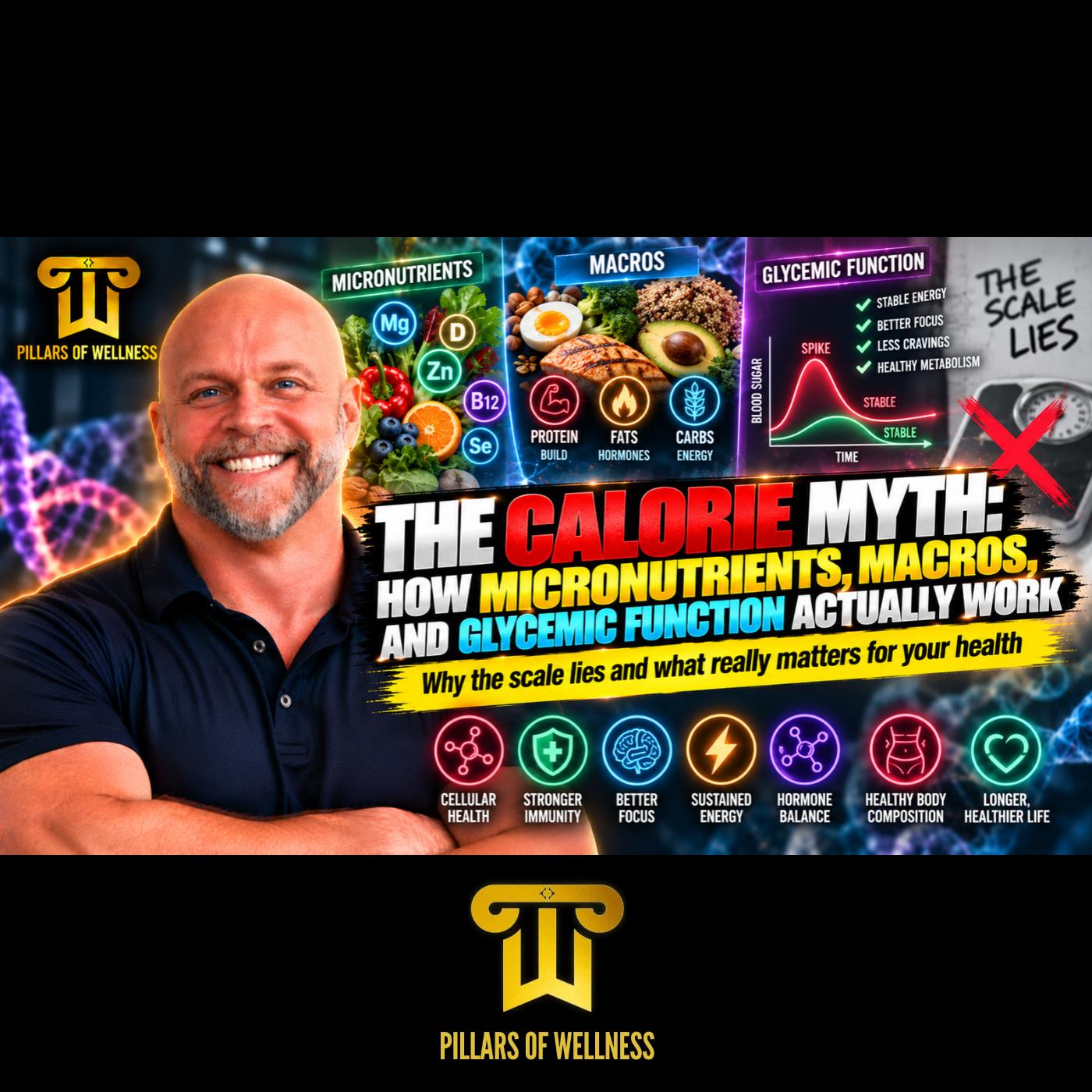
Why the scale lies and what really matters for your healthIn this episode, Dr. Matt Chalmers challenges everything you've been told about diet and weight loss. Moving beyond the oversimplified calorie-counting model that dominates mainstream health advice, Dr. Chalmers reveals why the real key to lasting health lies in understanding your body's chemical requirements—not just the numbers on a scale. From the hidden dangers of nutrient depletion caused by birth control and processed foods, to the critical distinction between losing fat versus losing muscle, this conversation exposes the gaps in conventional medical wisdom and provides a practical roadmap for optimizing your macronutrients, micronutrients, and metabolic function. Whether you're struggling with weight, energy, hormones, or overall wellness, this episode offers actionable insights that the medical establishment doesn't want you to know.1. Flaws in the Calorie-Based Diet ModelDr. Chalmers critiques the traditional medical model that treats all calories equally, arguing it's fundamentally flawed because it doesn't distinguish between different macronutrients like protein and sugar, which have vastly different metabolic effects.2. Macronutrient Breakdown & Glycemic FunctionHe emphasizes the importance of understanding:Carbohydrates: Breaking down fiber types (soluble vs. insoluble) and their metabolic effectsGlycemic function: How foods affect glucose and insulin spikes—described as "probably the biggest piece" to focus onProteins & amino acids: Ensuring complete amino acid profiles rather than just hitting protein targets3. Micronutrient Density (The Hidden Foundation)This is positioned as the most critical but overlooked aspect. Dr. Chalmers stresses that getting adequate vitamins and minerals (zinc, selenium, magnesium, iron, etc.) is essential for body function and often determines health outcomes.4. Birth Control & Nutrient DepletionHe discusses how birth control depletes key nutrients (selenium, zinc, magnesium), leading to depression, thyroid issues, low testosterone, and mental health problems.5. Toxin Exposure & Water QualityTopics include municipal water contaminants (fluoride, chlorine, pharmaceuticals, microplastics) and their impact on health and nutrient depletion.6. Muscle vs. Fat LossA key distinction: weight loss doesn't equal fat loss. He explains how people often lose muscle while gaining fat, which damages metabolic function and energy levels, even if the scale shows progress.7. Hormones & Physical ActivityLow testosterone and hormonal dysfunction are linked to sedentary lifestyles. He contrasts childhood activity levels with modern sedentary habits and emphasizes the need for resistance training to signal the body to build muscle.8. Processed Foods & Pharmaceutical Industry CritiqueHe argues that processed foods are stripped of nutrients while loaded with toxic chemicals, and criticizes the medical establishment for prioritizing medication over nutrition education to maintain chronic illness.9. Practical Diet ImplementationA step-by-step approach: move from calorie counting → macros → add supplementation → transition to whole foods → optimize micronutrient density.Check out my website: https://pillarsofwellness.com/Social Channels:Instagram: https://www.instagram.com/drchalmers1/X: https://x.com/DrChalmers1FaceBook: https://www.facebook.com/ChalmersWellnessLinkedIn: https://www.linkedin.com/in/matt-chalmers-a422803b/Pillars of Wellness Substack: Dr. Chalmers Substack: https://drchalmers.substack.com/Disclaimer: This content is for informational purposes only. Before taking any action based on this information, you should first consult with your physician or health care provider. This information is not intended to be a substitute for professional medical advice, diagnosis, or treatment. Always seek the advice of your physician or other qualified health providers with any questions regarding a medical condition, your health, or wellness

Comments

Download from Google Play

Download from App Store
 United States