


 Claim Ownership
New Thinking for a New World
Subscribed: 21Played: 637
Subscribe

© Tällberg Foundation
Description
Aiming to provoke people to think — and therefore act — differently about the global issues that are shaping their future, the Tällberg Foundation is sharing some of its conversations in podcast form. The podcast invites you to hear from leaders from different sectors and geographies as they explore issues that are challenging and changing our societies.
266 Episodes
Reverse

In 1960, less than 1% of the Amazon had been deforested. Today, the figure is more than 20% — and forests in Southeast Asia and the Congo Basin have also suffered heavy losses. The consequences reach far beyond the forest edge: a carbon sink shifting toward a carbon source, disrupted “flying rivers,” and swings between flood and drought that threaten agriculture. Brazilian scientist Tasso Azevedo has spent his career asking a deceptively simple question: how do we actually know what is happening to these forests? His answer is maps. In this conversation with the Tällberg Foundation, he explains how MapBiomas, the collaborative network of NGOs, universities, and tech startups he has built, is using modern technology to map the Amazon, Africa, and Asia — and why maps and information may be the superpowers that save the rainforests.
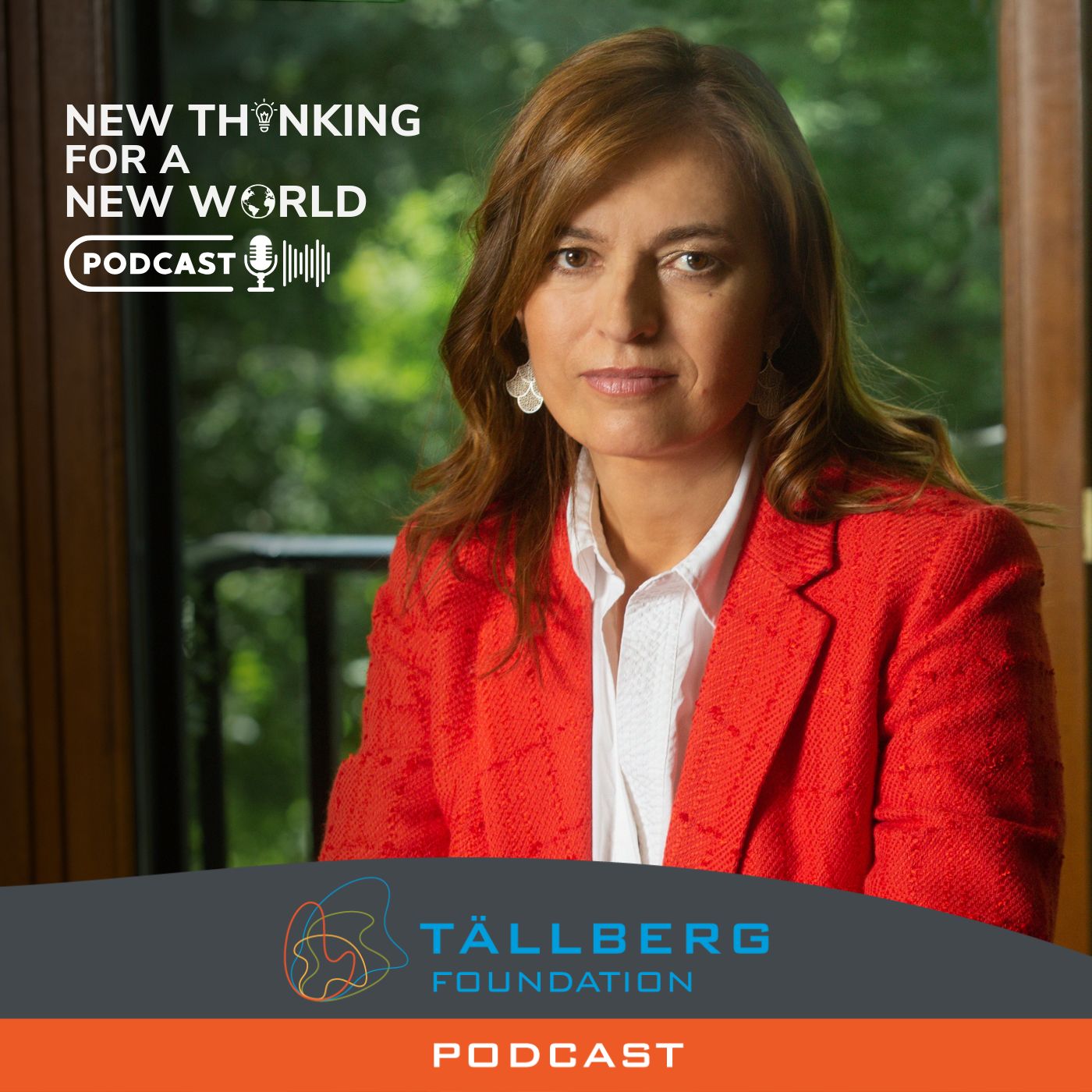
“Either the ICC will end its threats, or we will end the ICC,” U.S. Secretary of State Marco Rubio declared as Washington imposed sanctions on the International Criminal Court. It is a stark sign of a growing tension between national power and international law, between great powers and the institutions meant to hold them to account. Call it might-makes-right versus universal values. Viviana Krsticevic, Executive Director of the Center for Justice and International Law (CEJIL), stands firmly on the side of universal values. Under her leadership, CEJIL has helped bring more than 200 cases before the Inter-American human rights system, on issues from violence against women to climate. In this conversation, she explains why winning cases is only the beginning, and how the law can change the systems that allow abuses in the first place.
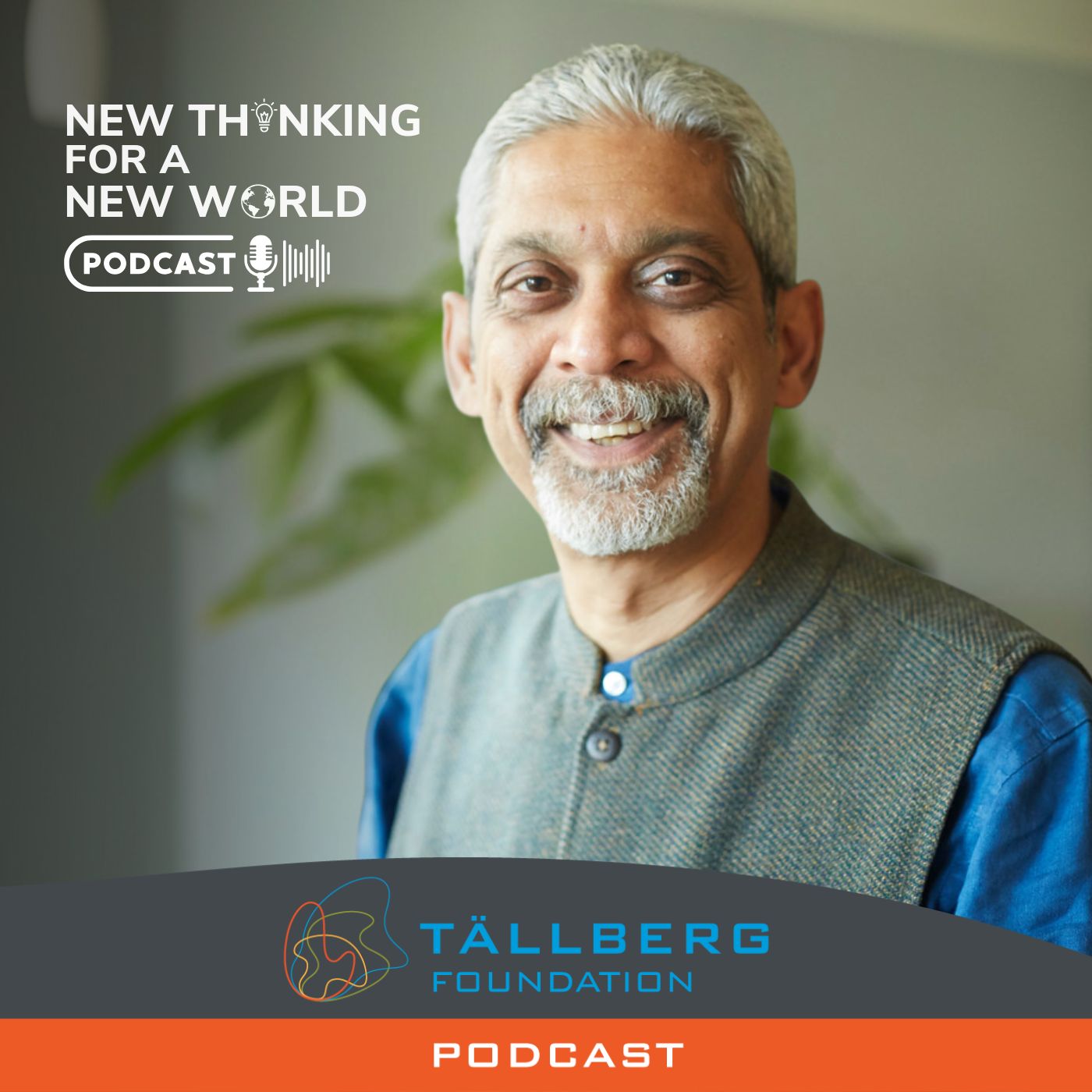
One in eight people worldwide lives with a mental health disorder — close to 1.2 billion people, according to the 2026 Lancet Global Burden of Disease Study. Cases have nearly doubled since 1990, and young people are hit hardest: some 293 million children and young adults under 25 live with a mental health condition. What is driving this surge? Is modern life really more stressful than the past? How does the picture differ between the Global North and the Global South? What role did COVID play, and is social media to blame? Vikram Patel — professor and chair of Global Health and Social Medicine at Harvard Medical School and co-founder of Sangath in India — unpacks the causes of the crisis and offers ideas for solutions. Then tell us what you think should be done.
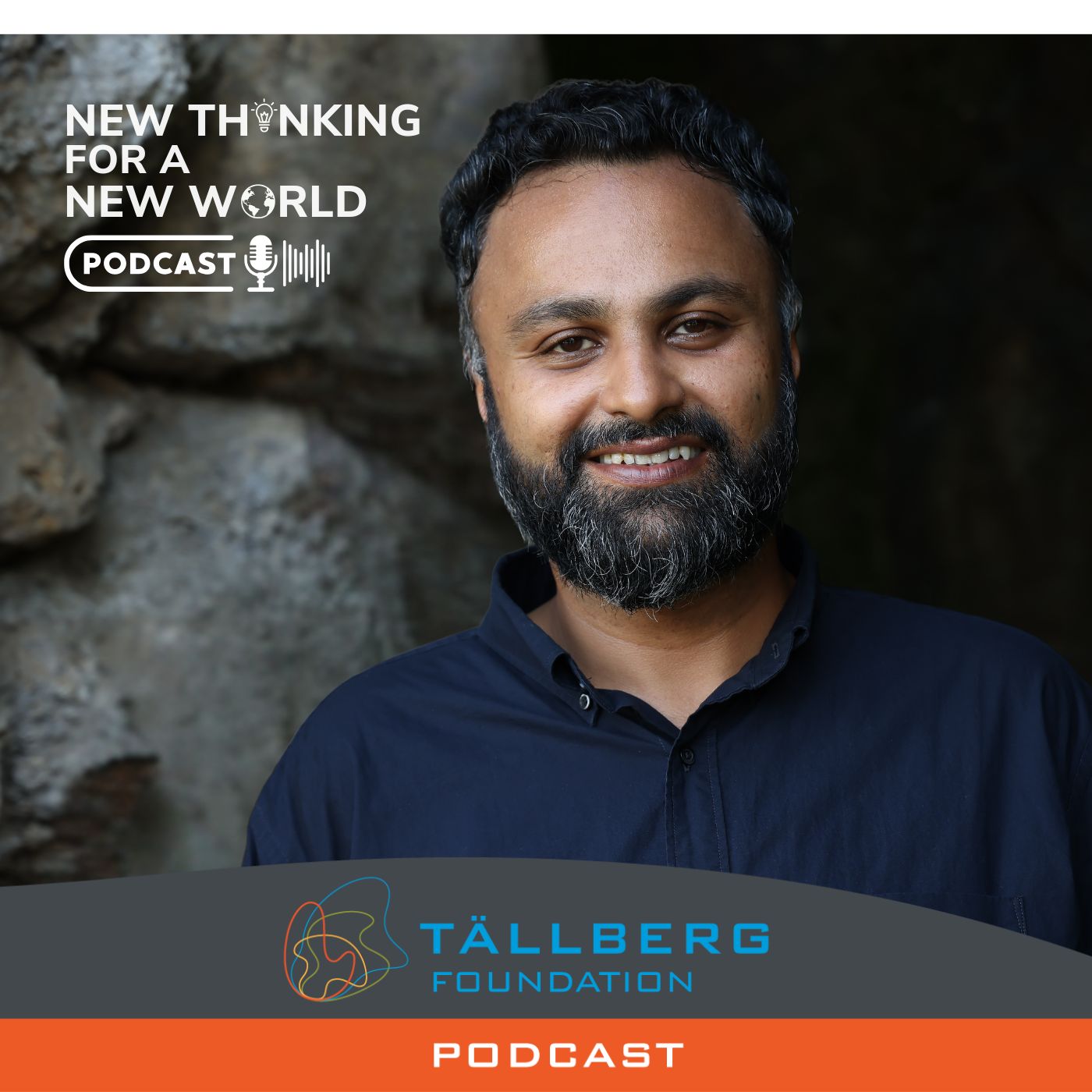
For hundreds of millions of people in India, government welfare programs are not a convenience but a lifeline. Yet the distance between policy and everyday life can be vast, and the digital divide, widening as AI reshapes everything, makes it harder still. Aniket Doegar started with a simple insight: programs only work if people know they exist, understand whether they qualify, and can navigate the process of applying. He began by building technology to solve that problem, then realized technology alone wasn't enough. In this conversation, Doegar explains how he built Haqdarshak, a social enterprise employing more than 50,000 local agents who provide the critical last mile between citizens and their government.
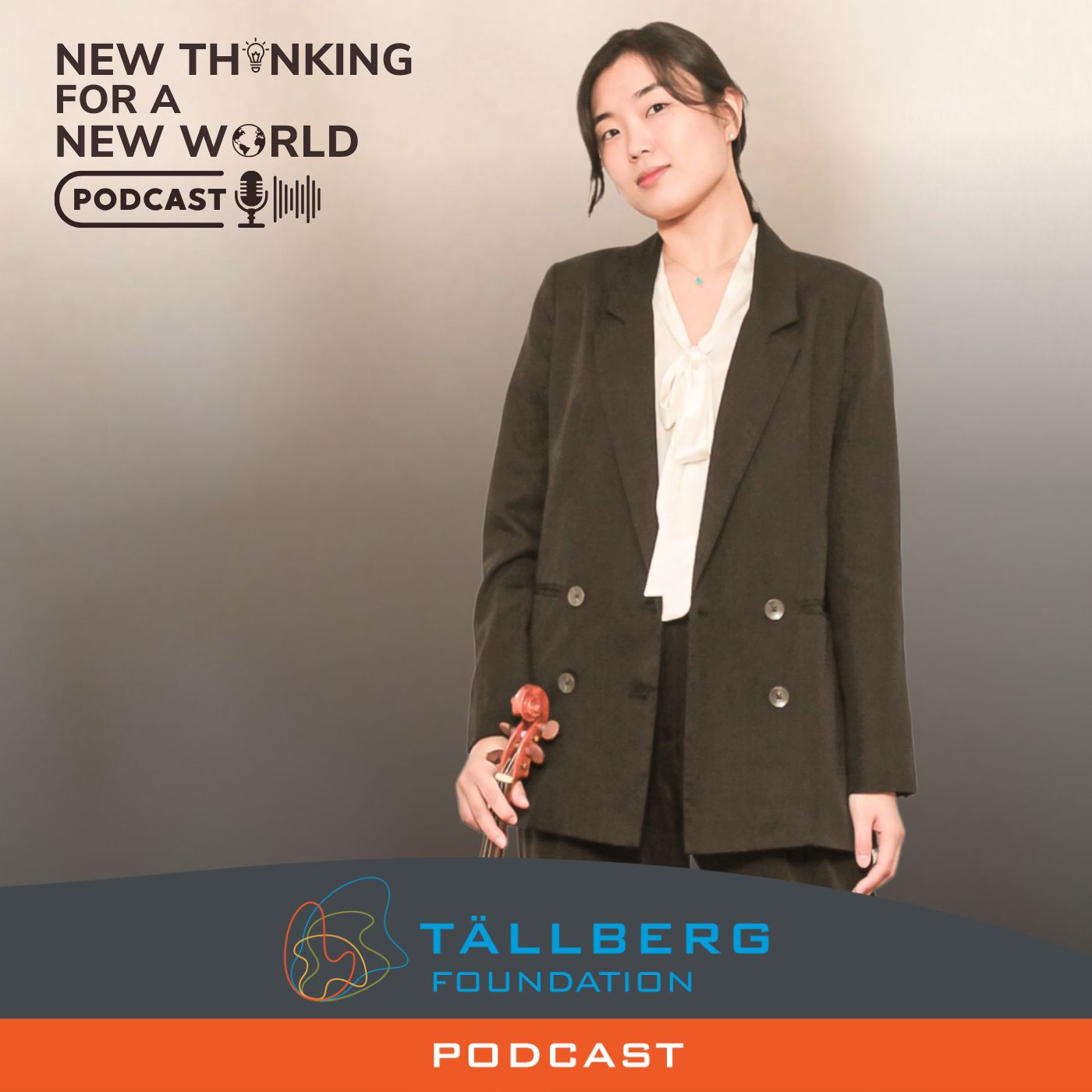
Making new music financially sustainable takes more than a successful performance. Violinist and composer Ye Jin Min joins Alan Stoga to discuss Unboxed Musicians and her plans for Mini Music Box, a children’s music project combining artistic ambition with new revenue opportunities. From immersive concerts to commissions, recordings, and ongoing royalties, she explores how musicians might build paying audiences while preserving creative freedom.

Comments

Download from Google Play

Download from App Store
 United States